🚛 Free Discreet Shipping on Orders $49+ | Lab-Tested Quality Guaranteed















Best CBD Gummies for Sleep: A Complete Guide
Published on March 30, 2026
Last Updated on March 30, 2026
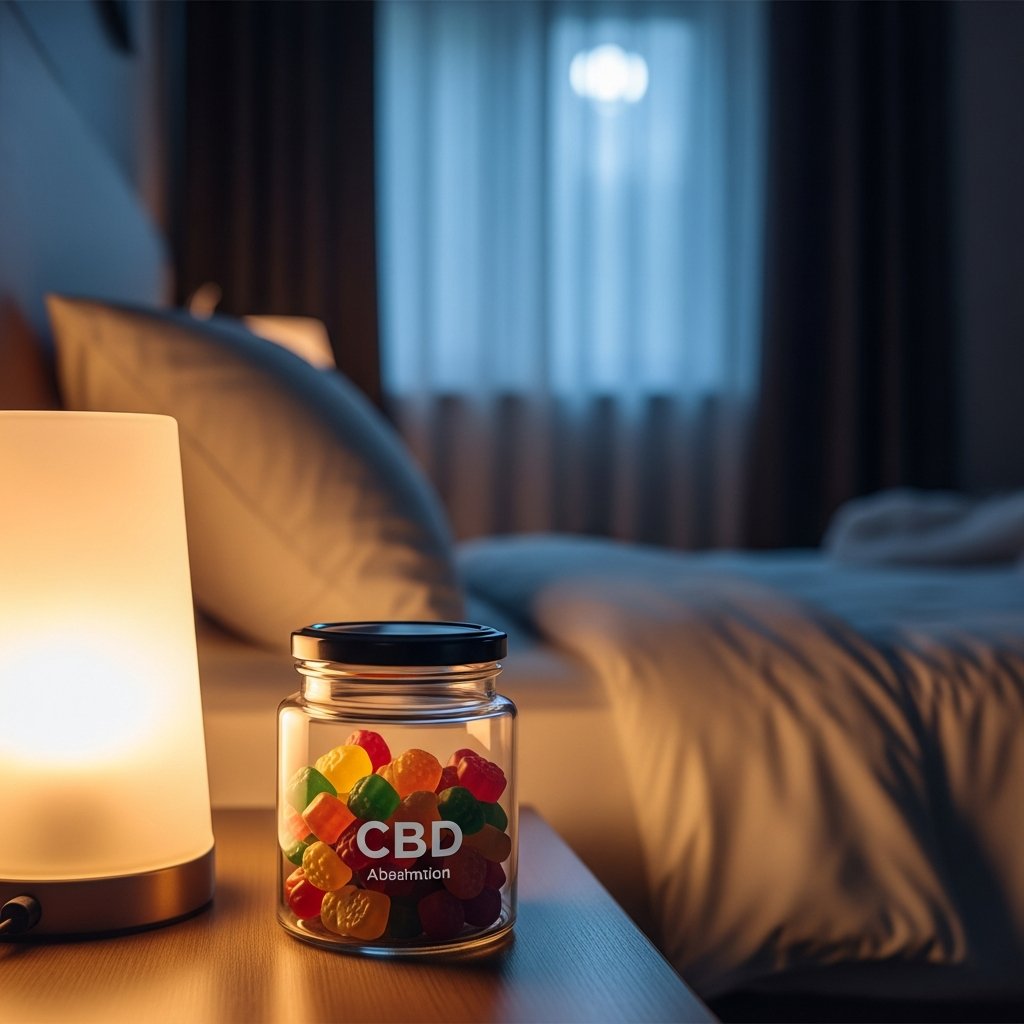
CBD gummies for sleep have become one of the most searched wellness products in recent years, and the market has exploded to match that interest. The problem? There’s a lot of noise out there. Some products are genuinely well-formulated. Others are little more than candy with a hemp sticker on the bag. Knowing which is which takes a little digging, and that’s exactly what this guide is here to do.
Whether you’re a total newcomer to CBD or you’ve been using it for a while and just haven’t found the right sleep formula yet, this breakdown will walk you through what actually matters when choosing a sleep gummy – ingredients, dosage, timing, what to look for on a label, and a few things the marketing copy conveniently leaves out.
What Makes a CBD Gummy Good for Sleep (Specifically)?
 Here’s the thing: not all CBD gummies are created equal, and a standard daytime CBD gummy is very different from one formulated with sleep in mind. The CBD itself is the same molecule either way, but sleep-focused products typically layer in additional ingredients that work alongside the cannabinoid to support relaxation and drowsiness.
Melatonin is the most common addition. It’s a hormone your body already produces in response to darkness, and supplementing with it can help nudge your circadian rhythm in the right direction – especially useful if you’re dealing with shift work, jet lag, or just a lifetime of bad screen habits before bed. Most sleep gummies include somewhere between 1mg and 5mg of melatonin per serving. More isn’t always better here; some people find that higher doses leave them feeling groggy the next morning, so starting at the lower end makes sense.
Other common additions include L-theanine (an amino acid found in green tea that promotes calm without sedation), ashwagandha (an adaptogen that helps regulate stress hormones), chamomile extract, and GABA. Some formulas also incorporate sleep-supportive terpenes like linalool and myrcene, which occur naturally in cannabis and have their own calming properties. If you want to go deeper on how terpenes interact with cannabinoids, The Ultimate Terpene Guide is worth a read.
The quality of the CBD itself matters too. Full-spectrum extracts retain all the naturally occurring cannabinoids and terpenes from the hemp plant, which many researchers believe creates a more effective result through what’s often called the “entourage effect.” Broad-spectrum is similar but with THC removed. Isolate is pure CBD alone. For sleep, full-spectrum or broad-spectrum formulas tend to outperform isolate-based ones, though individual responses vary.
CBD Dosage for Sleep: How Much Is Actually Enough?

Let’s be honest – dosage is where most people either give up too soon or overcorrect. CBD doesn’t work like a sleep aid you’d find in a drugstore. It’s not sedating in the way that Benadryl is. What it does is help regulate the nervous system, reduce the physical tension and mental chatter that keeps you awake, and support the kind of calm that makes falling asleep feel less like a battle.
For most adults, a dose somewhere in the range of 15mg to 50mg of CBD per serving is where sleep benefits tend to show up. That said, some people respond well to 10mg, and others need significantly more. Body weight, metabolism, and tolerance all play a role. The practical advice here is to start low – say, one gummy – and give it a week before adjusting. Gummies take longer to kick in than tinctures (usually 45 minutes to an hour), so timing matters too.
Speaking of timing, if you’re curious about when exactly to take your gummy for maximum effect, this breakdown on the best times to take weed gummies covers the science in a way that’s actually useful rather than vague.
Full-Spectrum vs. Broad-Spectrum vs. Isolate: Does It Matter for Sleep?
Short answer: yes, it does – at least for most people. The longer version is a bit more nuanced.
Full-spectrum CBD gummies contain trace amounts of THC (below 0.3% by dry weight, as required by federal law in the U.S.). That tiny amount of THC isn’t enough to produce a high, but it does appear to contribute to the overall effect of the product. Some people find that full-spectrum formulas produce a noticeably deeper sense of relaxation compared to isolate-based options.
Broad-spectrum products split the difference – all the plant’s cannabinoids and terpenes, with THC removed through an additional extraction step. These are a solid choice if you’re concerned about drug testing or simply prefer to avoid THC entirely.
Isolate-based gummies are the most predictable and consistent, which some people prefer, but they tend to require higher doses to produce the same effect. If you’ve tried a CBD isolate gummy and thought “this didn’t do anything,” it might be worth trying a full-spectrum or broad-spectrum option before writing off the whole category.
What to Actually Look For on the Label
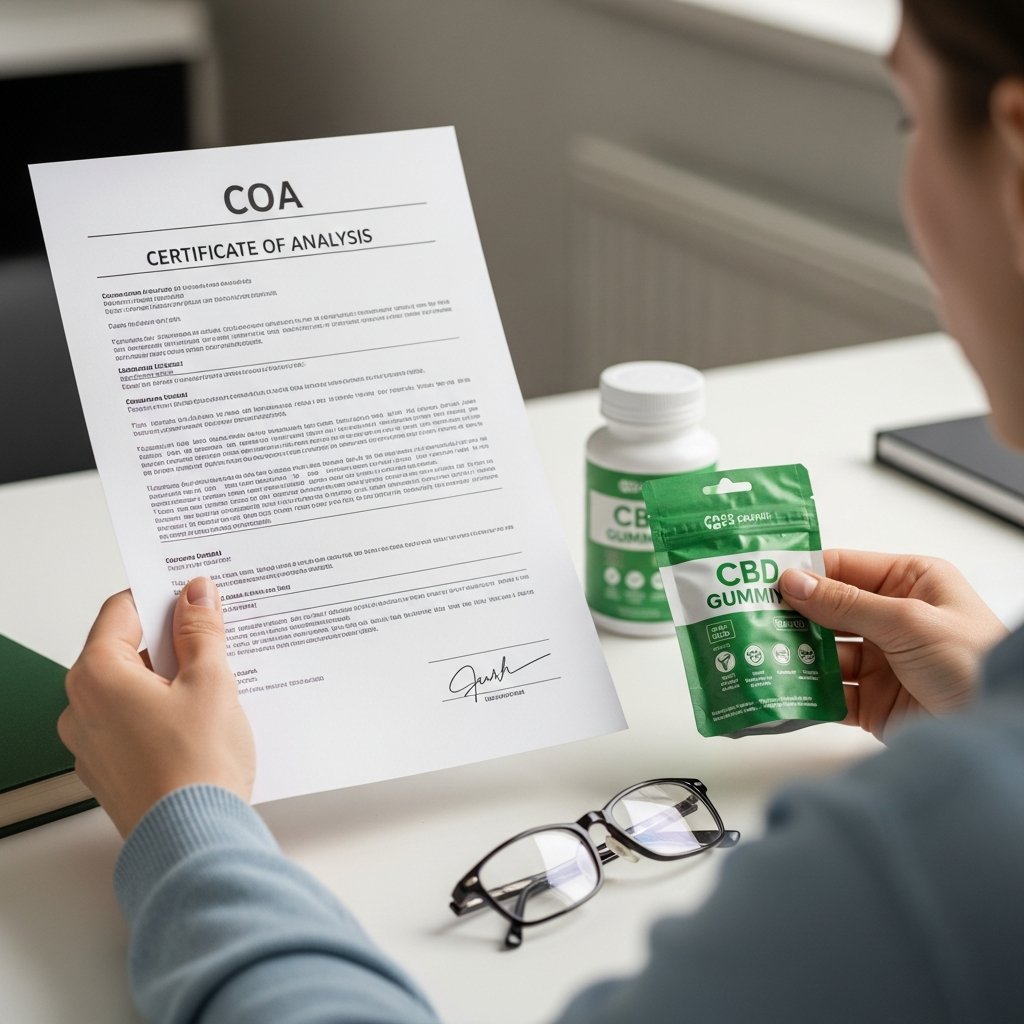
The gummy aisle – whether physical or digital – can feel overwhelming. Every brand promises the best sleep of your life. So instead of going by claims, look at specifics.
First, check for a Certificate of Analysis (COA) from a third-party lab. This is non-negotiable. A COA confirms that the product contains the amount of CBD it claims, that THC levels are within legal limits, and that it’s been tested for pesticides, heavy metals, and residual solvents. If a brand doesn’t make its COA readily available, that’s a red flag – full stop.
Next, check the ingredient list beyond just CBD. Sleep gummies worth your money will have a clear, transparent formula. You should be able to identify every ingredient and why it’s there. A long list of artificial colors and preservatives alongside a modest amount of CBD is usually a sign that the product is more marketing than medicine.
Also pay attention to the CBD concentration per gummy, not just the total in the bottle. A bottle that says “1500mg CBD” might contain 30 gummies at 50mg each, or 60 gummies at 25mg each. Those are very different dosing experiences.
When CBD Alone Isn’t Quite Enough: Enter Minor Cannabinoids
There’s a growing category of sleep products that go beyond CBD, and honestly, some of them are worth your attention. Delta-9 THC, when included at low doses in a hemp-derived gummy, can significantly enhance the sedative quality of the experience without producing intense psychoactive effects. Some formulas also include CBN (cannabinol), a minor cannabinoid that’s accumulated a reputation – still being studied, but promising – for its sedative properties.
Products like the cbdMD Delta 9 THC Lights Out Sleep Gummies are a good example of this multi-cannabinoid approach done thoughtfully. They combine CBD with a controlled dose of Delta-9 THC and melatonin specifically for nighttime use, which is a more sophisticated formula than a simple CBD-plus-melatonin option.
If you want to understand how different cannabinoids interact with sleep at a deeper level, The Ultimate Sleep Guide: Best Cannabinoids for Sleep covers the full picture with a lot of useful nuance.
Common Mistakes People Make with CBD Sleep Gummies
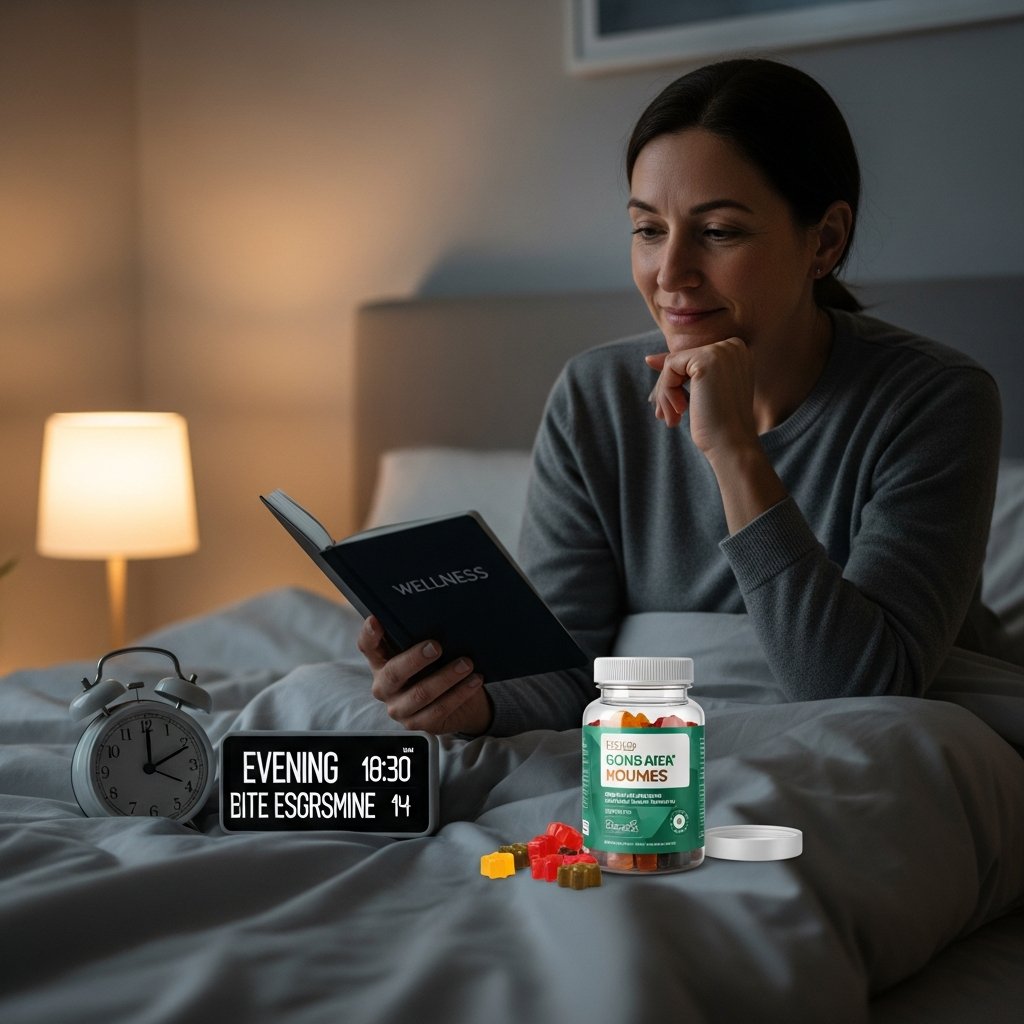
The most frequent one is giving up too quickly. CBD often requires consistent use over several days before its effects become noticeable, especially for sleep. It’s not a single-dose knockout pill. Most people who report that CBD “didn’t work” tried it once or twice and quit. A fair trial is at least one to two weeks of nightly use at a consistent dose.
Another common mistake is taking it too late. Because gummies go through digestion before entering the bloodstream, you need to account for that delay. Taking your gummy 45 to 60 minutes before you want to be asleep gives it time to actually kick in before your head hits the pillow.
People also sometimes mix CBD gummies with alcohol and wonder why the results feel unpredictable. Alcohol disrupts sleep architecture on its own, and combining it with CBD can muddle the effects in both directions. If you’re doing a proper trial, keep the other variables consistent.
And finally – pay attention to melatonin dosage in whatever you choose. More is not more. A gummy with 10mg of melatonin is not twice as effective as one with 5mg; it’s more likely to leave you groggy and disoriented the next morning. Most sleep researchers actually recommend starting with 0.5mg to 1mg of melatonin, which is well below what many popular gummies contain. Something to keep in mind when comparing products.
Frequently Asked Questions About CBD Gummies for Sleep
How long before bed should I take CBD gummies for sleep?
Most people find that taking a CBD gummy 45 to 60 minutes before bed gives it enough time to metabolize and take effect. If your product also contains melatonin, you may want to time it even closer to when you plan to sleep, since melatonin works best when taken at the onset of darkness or about 30 minutes before your target sleep time.
Can you build a tolerance to CBD sleep gummies?
Tolerance with CBD appears to be much less of a concern than with traditional sleep medications or even THC. Some users actually report a “reverse tolerance” phenomenon over time, meaning they need less CBD to achieve the same effect as their body becomes more sensitive to it. That said, if you feel your current dose has stopped working, taking a few nights off before resuming can help reset things.
Are CBD sleep gummies safe to take every night?
CBD itself is generally considered well-tolerated for regular use, and it doesn’t carry the dependency risk associated with prescription sleep aids. However, if you’re taking any medications, particularly blood thinners or anticonvulsants, it’s worth checking with a healthcare provider before making CBD a nightly habit. The melatonin component is also worth monitoring – long-term nightly melatonin supplementation is less studied, and some experts suggest using it situationally rather than every single night.
Will CBD gummies make me feel groggy the next morning?
CBD itself is unlikely to cause morning grogginess. If you’re experiencing that, the more likely culprit is melatonin – particularly if your gummy contains more than 3mg per serving. Try reducing the melatonin dose or switching to a CBD-only sleep formula to see if the grogginess improves.
What’s the difference between a CBD gummy and a hemp gummy?
This is a surprisingly common point of confusion. “Hemp gummy” is sometimes used interchangeably with CBD gummy, but technically, hemp gummies can refer to products made from hemp seed oil, which contains no cannabinoids at all. Always check the label for actual CBD content (in milligrams) and a COA to confirm what you’re actually getting.
Do CBD gummies show up on a drug test?
This is where things get a little tricky. Pure CBD isolate is unlikely to trigger a positive result, but full-spectrum CBD products contain trace amounts of THC, which can accumulate in the body over time and potentially show up on a standard drug test. If you’re subject to workplace testing, broad-spectrum or isolate-based products are the safer choice. For a thorough look at how cannabinoids interact with drug testing, it’s worth checking out the full guide on that topic.
Can I take CBD gummies with melatonin supplements I already have?
You technically can, but be mindful of the total melatonin dose. If your CBD gummy already contains 5mg of melatonin and you add another 5mg from a separate supplement, you’re likely overshooting what your body actually needs – and increasing the chance of that groggy, disoriented morning feeling. Stick to one source and keep total melatonin at or below 3mg to start.
How do I know if a CBD sleep gummy is actually working?
Give it at least one to two weeks of consistent nightly use before making a judgment. Signs that it’s working include falling asleep more easily, waking up less often during the night, feeling less physically tense at bedtime, and noticing a general reduction in racing thoughts. It won’t feel like taking a sedative – it’s more subtle than that. Think of it less like flipping a switch and more like gradually lowering the volume on everything keeping you awake.
Finding the best CBD gummies for sleep is less about chasing the trendiest product and more about understanding what your body actually needs – and then reading labels carefully enough to find a formula that delivers it. Start with a quality full-spectrum or broad-spectrum option, give it a real trial period, and pay attention to how you feel in the morning as much as how you feel falling asleep. The right gummy won’t perform miracles, but for a lot of people, it turns out to be exactly the gentle, consistent nudge toward better sleep they’d been looking for.