🚛 FREE DISCREET SHIPPING ON ALL ORDERS $49+












Best CBD Gummies for Sleep: A Complete Guide
Sleep is one of those things everyone agrees they need more of, yet somehow fewer and fewer people are actually getting it (I’m lucky in that regard). The CDC estimates that roughly a third of American adults regularly fall short of the seven-plus hours their bodies are asking for. And if you’ve ever spent an hour staring at the ceiling,


Sleep is one of those things everyone agrees they need more of, yet somehow fewer and fewer people are actually getting it (I’m lucky in that regard). The CDC estimates that roughly a third of American adults regularly fall short of the seven-plus hours their bodies are asking for. And if you’ve ever spent an hour staring at the ceiling, quietly renegotiating your relationship with your own brain, you know that “just relax” isn’t exactly actionable advice.
That frustration is part of why CBD gummies for sleep have quietly become one of the most searched wellness products of the past few years. They’re discreet, easy to dose, and don’t come with the morning grogginess that hangs over prescription sleep aids like a fog. But the market is crowded, the labeling is confusing, and the science is still catching up to the enthusiasm. So let’s actually dig into what’s going on here.
What Makes CBD Gummies Different From Other Sleep Aids
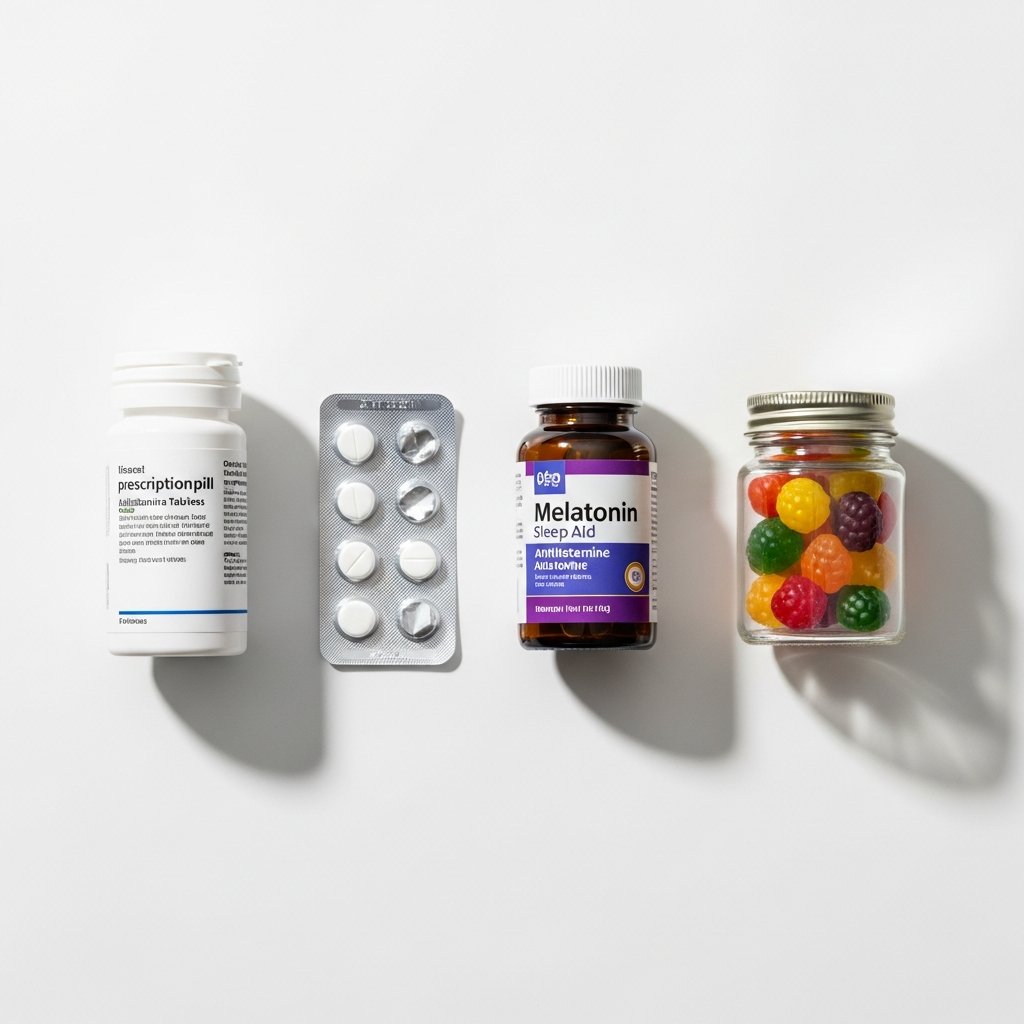
Here’s the thing about most sleep supplements: they tend to work on one lever. Melatonin nudges your circadian rhythm. Antihistamines knock you out but trash your REM sleep. Benzodiazepines work until they really don’t. CBD, at least in theory, plays a broader game.
Cannabidiol interacts with the endocannabinoid system, a signaling network that touches anxiety regulation, pain processing, and circadian rhythm. It also has some influence on serotonin receptors, which helps explain why researchers have been interested in its potential role in sleep onset rather than just sedation. The distinction matters: falling asleep because your nervous system has quieted down is meaningfully different from being chemically sedated.
Gummies specifically have a practical advantage that tinctures and capsules don’t: they’re slow. Because they have to move through your digestive system first, the effects arrive gradually, typically somewhere between 45 minutes and two hours after you take them. That slower curve can actually be useful at night – you’re not racing against a sudden drowsiness window; you’re gently coasting toward sleep.
If you’re newer to cannabinoids generally, the overview of what CBD gummies actually do in the body is a useful foundation before sorting through product types.
The Cannabinoid Stack: CBD Rarely Works Alone
Pure CBD isolate gummies exist, and they’re fine. But if you’ve tried them and felt underwhelmed, you’re not imagining things. The research on CBD in isolation is promising but modest. Where things get more interesting is when CBD is paired with other cannabinoids – specifically CBN, low-dose Delta-9 THC, or melatonin.
CBN (cannabinol) has a reputation as the “sleepy cannabinoid,” partly because it forms naturally as THC ages and oxidizes. The evidence base for CBN as a standalone sedative is thin, but anecdotally, CBN-forward formulations seem to help people stay asleep rather than just fall asleep, which is a separate and underappreciated problem.
Low-dose Delta-9 THC is increasingly showing up in sleep gummies, and this is worth understanding. At small amounts, typically 2.5 to 5 mg, THC can reduce sleep latency without producing the next-morning fragmentation that higher doses sometimes cause. The 2018 Farm Bill created a legal pathway for hemp-derived Delta-9 THC products as long as the concentration stays at or below 0.3% by dry weight, which is why you’re seeing these formulations on shelves and online. For a fuller breakdown of how cannabinoids interact and what each one actually does, the Definitive Guide to Hemp Cannabinoids is worth bookmarking.
Terpenes also play a role that most product marketing ignores. Myrcene and linalool, for example, appear in both cannabis and lavender, and there’s reasonable evidence both have calming, mildly sedative properties. If you’re the kind of person who wants to understand the full picture of why a product works, the Ultimate Terpene Guide goes deep on exactly this.
Expert Insight
Dr. Alexander Tabibi
Dr. Alexander Tabibi
A 2019 retrospective case series published in The Permanente Journal found that CBD administration was associated with improved sleep scores in 66.7% of patients in the first month, though those scores fluctuated over time. The study was small and uncontrolled, so it’s a signal, not a verdict. What it does suggest is that the effect is real for many users, but the durability of that effect isn’t guaranteed.
The more nuanced question is whether CBD is directly sedating or whether it’s improving sleep by reducing anxiety and hyperarousal first. Those are different mechanisms, and the distinction matters for choosing the right product and dose. Someone whose sleep problem is racing thoughts needs a different formulation than someone who falls asleep fine but wakes repeatedly at 3 a.m.
Shannon S et al. (2019). Cannabidiol in anxiety and sleep: a large case series. The Permanente Journal, 23:18-041. PMID: 30624194
How to Read a Sleep Gummy Label (Without Getting Fooled)
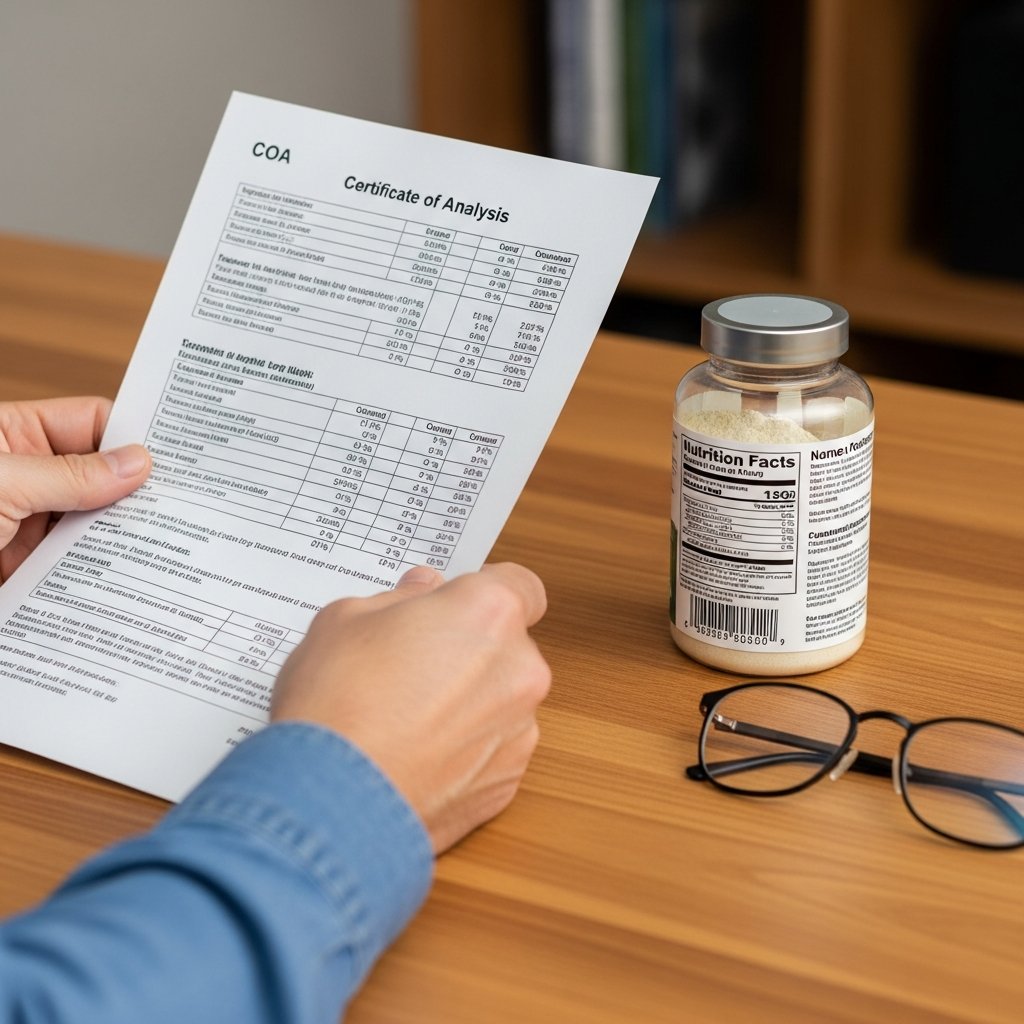
The CBD supplement space has a labeling problem. A lot of products promise the moon and deliver something much closer to a sugar gummy with a vaguely botanical aftertaste. Here’s what to actually look at.
Third-party testing is the minimum bar. Every reputable CBD gummy should have a Certificate of Analysis (COA) from an independent lab, verifying that the cannabinoid content matches the label and that the product is free from heavy metals, pesticides, and residual solvents. If you can’t find a COA on the brand’s website or by scanning a QR code on the packaging, that’s a hard stop.
Full-spectrum vs. broad-spectrum vs. isolate matters more than most people realize. Full-spectrum products contain all the cannabinoids, terpenes, and flavonoids naturally present in the hemp plant, including trace amounts of Delta-9 THC (under 0.3%). Broad-spectrum is similar but with THC removed. Isolate is pure CBD, nothing else. For sleep specifically, full-spectrum or a targeted multi-cannabinoid blend tends to outperform isolate in user reports, though individual responses vary significantly.
Dosing is genuinely tricky. Research has used doses ranging from 25 mg to 300 mg of CBD, with sleep-specific studies often clustering around 25 to 75 mg. But bioavailability through edibles is lower than through other routes, and metabolic differences between individuals are huge. Starting low – around 15 to 25 mg – and adjusting over one to two weeks is the approach most pharmacologists recommend.
Timing, Food, and the Variables Most People Overlook
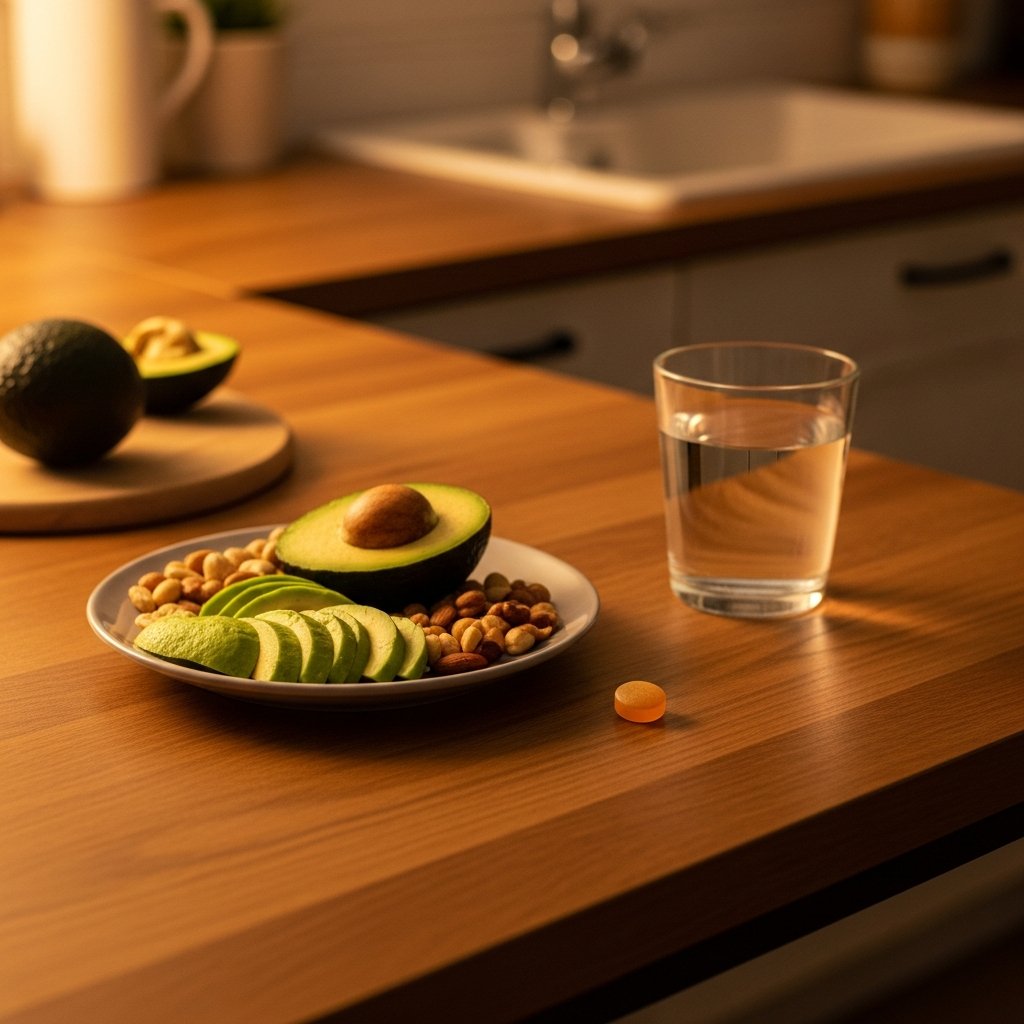
You can buy the best CBD gummies on the market and still undercut them by taking them at the wrong time or on an empty stomach. Cannabinoids are lipophilic, meaning they absorb better with dietary fat. A gummy taken after a meal with some fat content will hit differently than one swallowed with a glass of water at 11 p.m. on an empty stomach.
Timing is equally underrated. For most people, taking a sleep gummy 60 to 90 minutes before your target sleep time is the sweet spot. But that window shifts depending on your metabolism, what you ate, and whether you’ve built any tolerance. The guide on the best times of day to take weed gummies for different effects goes into this in more practical detail.
Consistency also matters more than most people expect. CBD doesn’t produce immediate tolerance the way THC can, but it also doesn’t deliver its full effect on night one. Many users report that the sleep benefits build over one to two weeks of regular use, likely because the endocannabinoid system responds to sustained signaling differently than to intermittent doses.
What to Actually Look for in a Sleep Gummy (And a Concrete Example)
When evaluating sleep gummies, a few formulation signals stand out: a transparent cannabinoid stack, a meaningful CBD dose (not a token 5 mg), and ideally a complementary ingredient like CBN, low-dose Delta-9 THC, or a calming terpene profile. Price-per-dose matters too, but it’s worth paying more for a product that’s been properly tested.
For readers who want a multi-cannabinoid option that combines CBD with low-dose hemp-derived Delta-9 THC specifically designed for nighttime use, the cbdMD Lights Out Sleep Gummies are a well-regarded example in this category. They pair CBD and Delta-9 THC with CBN and melatonin, which covers both the sleep-onset and sleep-maintenance angles in a single product.
cbdMD Delta 9 THC Lights Out Sleep Gummies
Multi-cannabinoid sleep formula with CBD, Delta-9 THC, CBN, and melatonin
Readers who prefer a higher-potency option – say, someone who has some cannabinoid tolerance or whose sleep issues are more entrenched – may want to look at the cbdMD Delta 9 THC Max Dose Nano Gummies. The nano-emulsification process in that formulation increases absorption speed and efficiency, which changes the timing math a bit (faster onset, closer to 30 to 45 minutes for many users).
cbdMD Delta 9 THC Max Dose Nano Gummies
Higher-potency nano-emulsified formula for faster absorption and stronger effect
Sleep Gummies and Anxiety: The Overlap Is Real
A significant portion of chronic sleep problems aren’t really sleep problems at first. They start as anxiety that happens at bedtime. The brain gets into a threat-detection loop and simply won’t shut off, and the insomnia is downstream of that. This is relevant because it changes what you’re asking a gummy to do.
If anxiety is the root driver, a product with a stronger anxiolytic profile – higher CBD, perhaps some L-theanine or linalool – may outperform a pure melatonin-heavy formula for you. The overlap between sleep and anxiety in the cannabinoid space is significant enough that the conversation around the best weed gummies for anxiety and stress relief is genuinely worth reading alongside this one.
Expert Insight
Dr. Alexander Tabibi
Dr. Alexander Tabibi
A 2015 review published in Frontiers in Psychiatry examined preclinical and clinical evidence for CBD’s anxiolytic effects, noting that CBD appears to modulate fear extinction and reduce conditioned threat responses in both animal models and human imaging studies. The proposed mechanism involves serotonin 1A receptor activity as well as indirect endocannabinoid modulation.
For sleep-disrupted individuals whose primary complaint is rumination or worry at bedtime, these findings suggest that a CBD formulation targeting anxiety pathways may be more effective than one relying on sedation alone. Matching mechanism to problem is not just academic; it’s practical guidance for choosing a product.
Blessing EM et al. (2015). Cannabidiol as a potential treatment for anxiety disorders. Neurotherapeutics, 12(4):825-836. PMID: 26341731
Frequently Asked Questions
How long does it take for CBD gummies to work for sleep?
Most people notice effects 45 to 90 minutes after taking a CBD gummy, though nano-emulsified formulas can act in 30 to 45 minutes. Taking your gummy about an hour before your target bedtime, ideally after a meal with some fat, gives the absorption curve time to align with when you actually want to fall asleep.
What is the best CBD dose for sleep?
Clinical studies have used anywhere from 25 mg to 300 mg, but most sleep-focused protocols cluster around 25 to 75 mg of CBD per serving. Start at the lower end, around 15 to 25 mg, and adjust upward over one to two weeks. Individual metabolism, body weight, and tolerance all shift the effective dose meaningfully.
Will CBD gummies make me feel groggy the next morning?
CBD on its own rarely causes morning grogginess at typical sleep doses. Products that include melatonin or low-dose THC can occasionally produce some lingering heaviness, especially if taken too late or at higher doses. Dialing back the dose or moving your timing earlier usually resolves it within a few nights of adjustment.
Is full-spectrum CBD better than isolate for sleep?
For sleep specifically, full-spectrum and multi-cannabinoid blends tend to outperform isolate in user reports, likely because the combination of CBD, trace THC, CBN, and sleep-relevant terpenes like myrcene and linalool creates a broader, more synergistic effect than a single compound can produce on its own.
Can I take CBD gummies for sleep every night?
Regular nightly use is common and appears safe for most healthy adults based on current evidence. CBD does not produce the physical dependence associated with prescription sleep aids. Some users find that consistent nightly dosing builds a more stable effect over time, while others prefer rotating use a few nights per week to avoid any tolerance drift.
Do CBD sleep gummies show up on a drug test?
Pure CBD isolate is unlikely to trigger a standard drug test. However, full-spectrum products contain trace THC, and regular use can accumulate enough THC metabolites to produce a positive result. If drug testing is a concern, broad-spectrum or isolate products are the safer choice, though no hemp-derived product can be guaranteed completely THC-free.
Can CBD gummies interact with sleep medications or antidepressants?
Yes. CBD inhibits the CYP3A4 and CYP2D6 liver enzymes, which are responsible for metabolizing many common medications including benzodiazepines, SSRIs, and certain antihistamines. This can raise blood levels of those drugs unexpectedly. Always consult your prescribing physician before combining CBD with any prescription medication.
Drug Interaction Warning
CBD is metabolized primarily by cytochrome P450 enzymes CYP3A4 and CYP2D6. Inhibiting these pathways can significantly increase plasma concentrations of medications that share the same metabolic route, including benzodiazepines (such as clonazepam and diazepam), Z-drugs (such as zolpidem), SSRIs, tricyclic antidepressants, and certain blood thinners such as warfarin. Combining CBD with these medications without medical supervision may increase the risk of sedation, bleeding, or other adverse effects.
Consult your physician or pharmacist before using CBD gummies if you take any prescription or over-the-counter medication. Do not discontinue or adjust prescription sleep aids or psychiatric medications without guidance from a licensed healthcare provider.
Sources
Shannon S, Lewis N, Lee H, Hughes S. (2019). Cannabidiol in anxiety and sleep: a large case series. The Permanente Journal, 23:18-041. PMID: 30624194
Blessing EM, Steenkamp MM, Manzanares J, Marmar CR. (2015). Cannabidiol as a potential treatment for anxiety disorders. Neurotherapeutics, 12(4):825-836. PMID: 26341731
Babson KA, Sottile J, Morabito D. (2017). Cannabis, cannabinoids, and sleep: a review of the literature. Current Psychiatry Reports, 19(4):23. PMID: 28349316
Russo EB. (2011). Taming THC: potential cannabis synergy and phytocannabinoid-terpenoid entourage effects. British Journal of Pharmacology, 163(7):1344-1364. PMID: 21749363
Iffland K, Grotenhermen F. (2017). An update on safety and side effects of cannabidiol: a review of clinical data and relevant animal studies. Cannabis and Cannabinoid Research, 2(1):139-154. PMID: 28861514
Linares IMP, Guimaraes FS, Eckeli A, et al. (2018). No acute effects of cannabidiol on the sleep-wake cycle of healthy subjects: a randomized, double-blind, placebo-controlled, crossover study. Frontiers in Pharmacology, 9:315. PMID: 29674976
Centers for Disease Control and Prevention. (2016). 1 in 3 adults don’t get enough sleep. CDC Newsroom. Retrieved from https://www.cdc.gov/media/releases/2016/p0215-enough-sleep.html
Legal Disclaimer
For adults 21+ only. Cannabis laws vary by state. This article is for informational purposes only and does not constitute medical advice. CBD and hemp-derived cannabinoid products have not been evaluated by the Food and Drug Administration and are not intended to diagnose, treat, cure, or prevent any disease or condition.
If you are experiencing a medical emergency, call 911 or go to your nearest emergency room immediately. Do not delay seeking emergency care based on anything you have read here.
Always consult a qualified healthcare provider before starting any new supplement, especially if you are pregnant, nursing, have a medical condition, or take prescription medications.