🚛 FREE DISCREET SHIPPING ON ALL ORDERS $49+











How Many mg of Delta 8 THC Gummies Should You Take for Sleep?
You’ve probably stared at the ceiling long enough to have memorized its texture. You’ve tried the chamomile tea, the white noise machine (which I personally swear by), the “just stop thinking” advice that somehow never works. And now someone at a party, or maybe a convincing Reddit thread, had once suggested delta-8 gummies. The question sitting in your head is

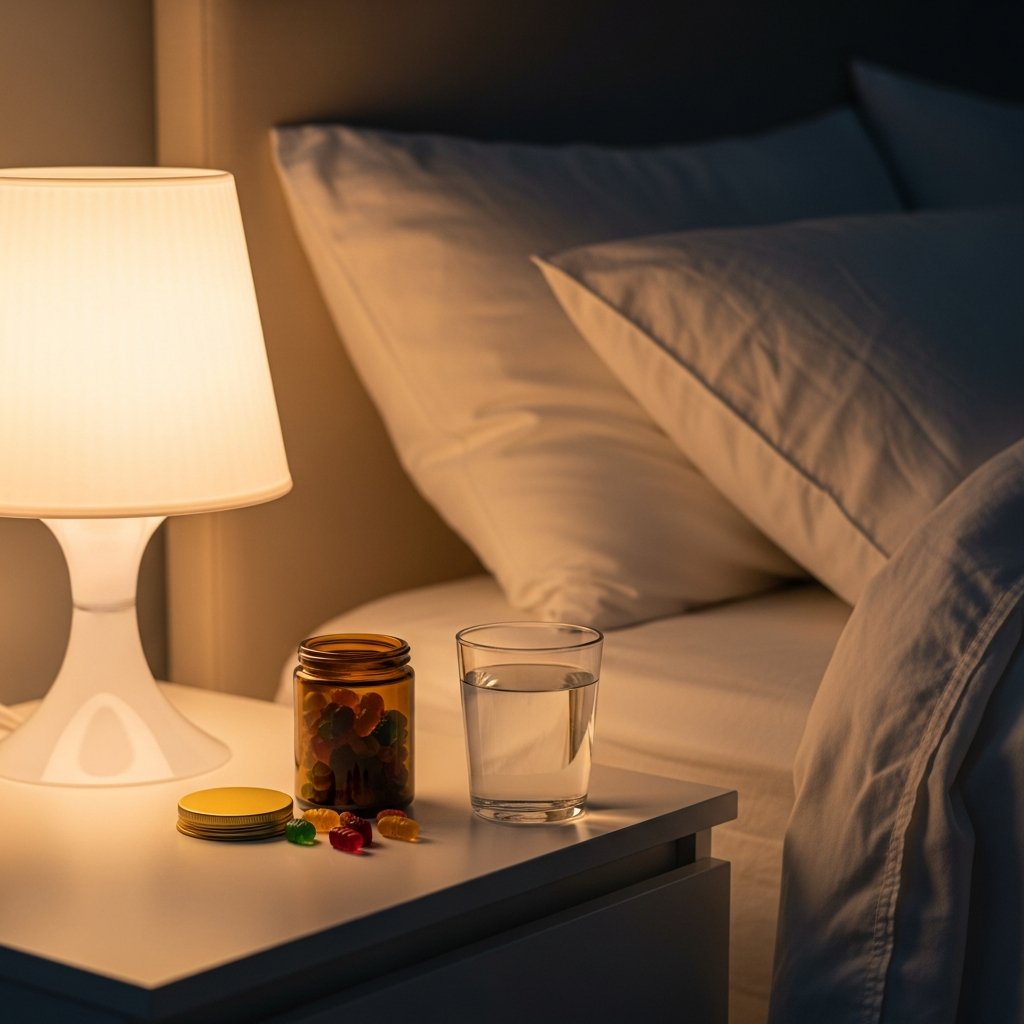
You’ve probably stared at the ceiling long enough to have memorized its texture. You’ve tried the chamomile tea, the white noise machine (which I personally swear by), the “just stop thinking” advice that somehow never works. And now someone at a party, or maybe a convincing Reddit thread, had once suggested delta-8 gummies. The question sitting in your head is a fair one: do these things actually help you sleep, or is this just another wellness trend dressed up in a gummy bear costume?
Let’s get into it honestly, because the answer is more nuanced than a simple yes or no – and understanding why will help you make a smarter decision for your own nights.
What delta-8 THC is, and why it’s different from regular THC
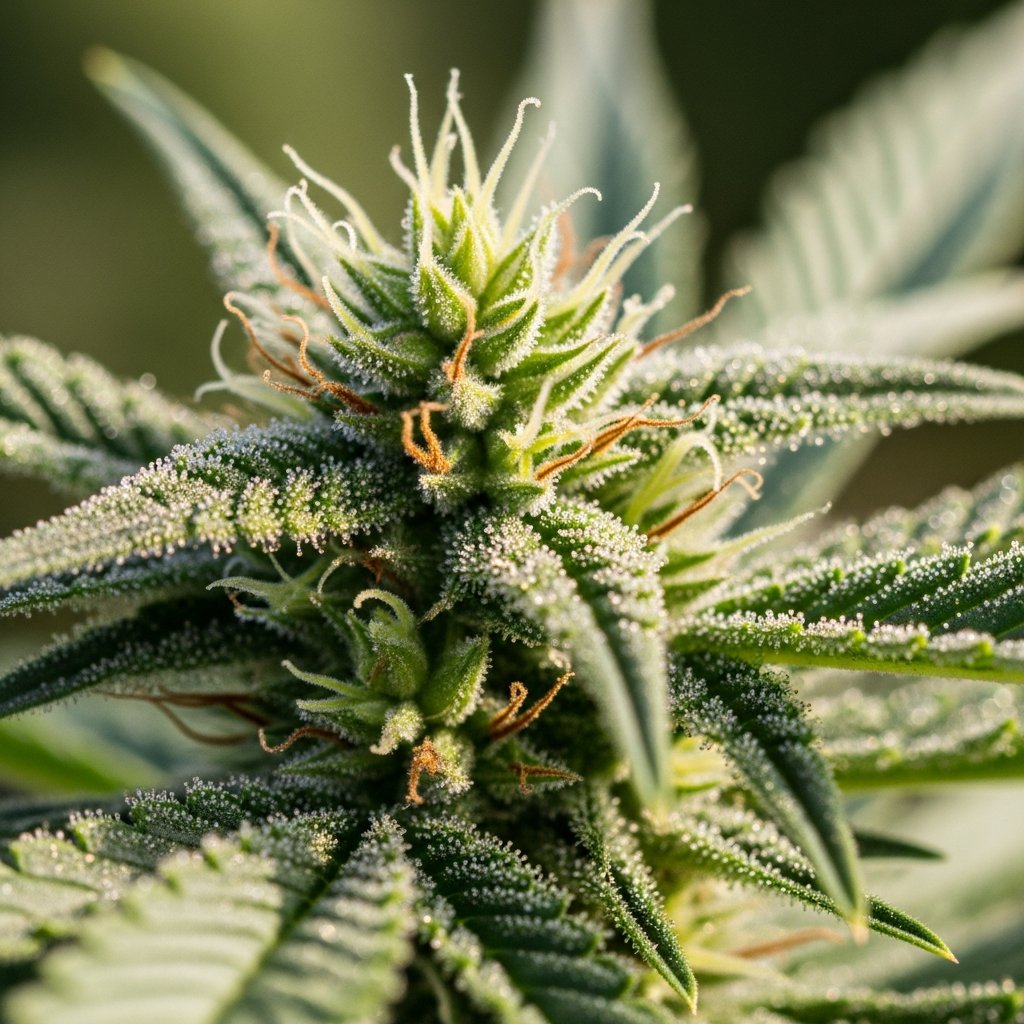
Delta-8 THC is a naturally occurring cannabinoid found in hemp plants, but only in trace amounts. Most of what you find in products today is converted from CBD through a chemical process, which is part of why it became commercially viable after the 2018 Farm Bill opened doors for hemp-derived compounds. The key thing to understand is that it isn’t the same as delta-9 THC – the compound most people associate with the “high” from cannabis.
Delta-8 binds to the same CB1 receptors in your brain as delta-9, but it does so with slightly less intensity. Users commonly describe the effect as calming rather than overwhelming – less paranoia, less racing thoughts, more of a gentle sedative quality. That distinction matters a lot when sleep is your goal, because the anxious edge that some people feel with regular THC is often what keeps them awake, not the other way around.
If you’re curious how delta-8 stacks up against CBD on the relaxation and sleep front, the comparison between delta-8 and CBD effects is worth reading before you commit to either.
How gummies behave differently than other delivery methods
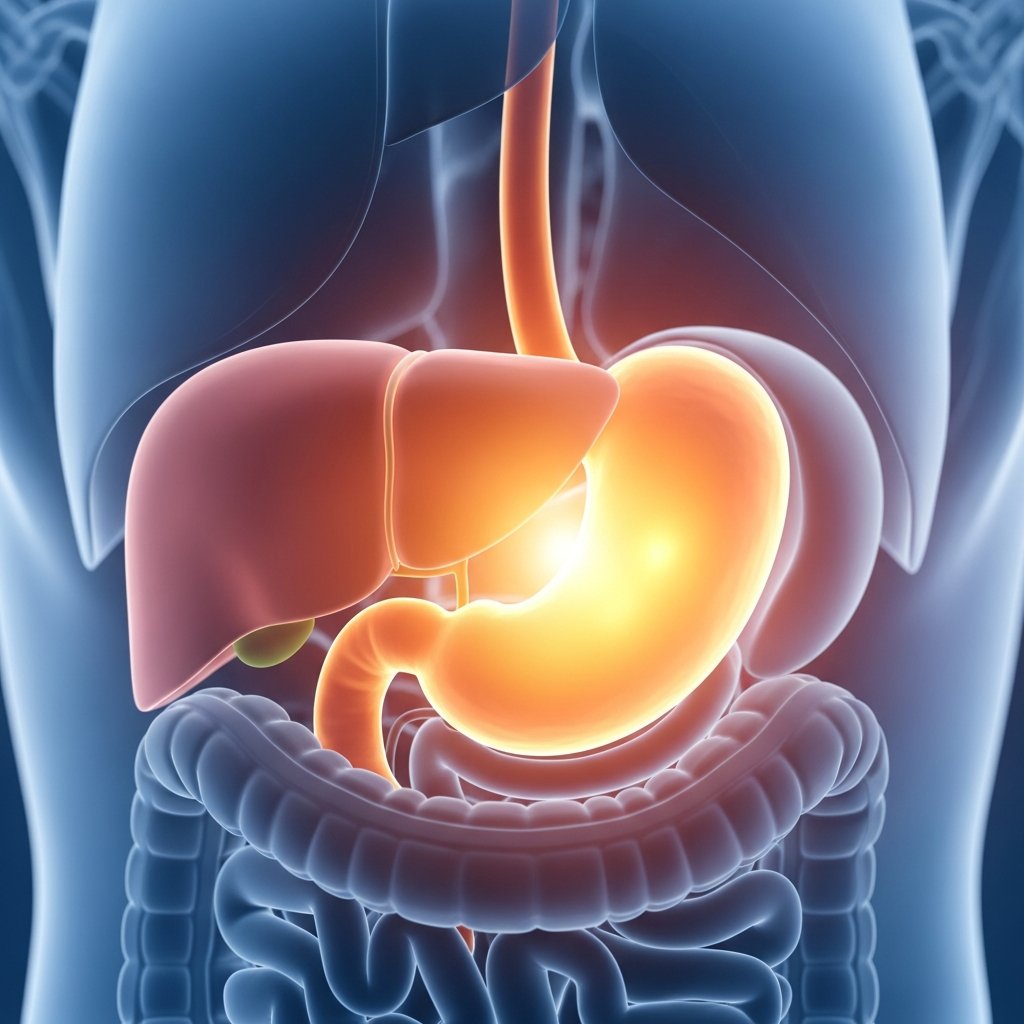
This part matters more than most product descriptions let on. When you eat a delta-8 gummy, it doesn’t hit your bloodstream directly. It travels through your digestive system, gets metabolized by your liver, and only then enters circulation – a process that typically takes 45 minutes to two hours depending on your metabolism, what you’ve eaten, and your body composition.
That delay has an upside for sleep use: the effects tend to last significantly longer than inhaled forms, often four to six hours. That’s actually well-matched to a sleep window. The downside is that timing matters a lot. Take a gummy right before bed and you might still be wide awake when it kicks in. Take it too early and the peak effect has passed before your head hits the pillow.
For a more detailed breakdown of why edibles behave the way they do inside your body, the science of how edibles affect the body covers the pharmacokinetics in plain English. And if you’re trying to dial in timing, the guidance on best times of day to take weed gummies for different effects applies directly here.
Expert Insight
Dr. Alexander Tabibi
Dr. Alexander Tabibi
Delta-8 THC’s interaction with CB1 receptors in the central nervous system is structurally similar to delta-9 THC, but its binding affinity appears modestly lower. Pharmacological modelling suggests suggest this translates to a blunted psychoactive ceiling, which may explain why users report less anxiety-driven arousal compared to delta-9 products – a factor that could matter when evaluating subjective sleep quality.
What the existing literature on cannabinoids and sleep shows, however, is mostly delta-9 and CBD research. Direct delta-8 sleep trials are essentially absent from peer-reviewed literature. The mechanistic argument is plausible; the clinical evidence specific to delta-8 is not yet there. That gap is worth naming plainly when you see brands making firm sleep-outcome claims.
Babson KA et al. (2017). Cannabis, cannabinoids, and sleep: a review of the literature. Current Psychiatry Reports, 19(4):23. PMID: 28349316
What the science actually says – and where the gaps are
Here’s where honesty is more useful than hype. The cannabinoid sleep research that exists focuses almost entirely on delta-9 THC, CBD, or whole-plant cannabis. There are no published randomized controlled trials specifically on delta-8 THC and sleep. That doesn’t mean it doesn’t work – it means we’re largely extrapolating from delta-9 data and user-reported experience.
What the delta-9 research does show is mixed but interesting. THC appears to reduce the time it takes to fall asleep and can decrease REM sleep in the short term. REM reduction is a double-edged finding – less dreaming can feel like relief for people with PTSD-related nightmares, but REM sleep also plays a role in memory consolidation and emotional regulation. Longer-term or heavy use is associated with disrupted sleep architecture and rebound insomnia when stopping.
Delta-8’s softer binding profile may mean less disruption to sleep architecture, but that’s a hypothesis built on pharmacology, not clinical trial data. The honest framing is this: some people find delta-8 gummies genuinely helpful for winding down; others don’t notice much effect at all. Individual variation in endocannabinoid system response is real and significant.
Expert Insight
Dr. Alexander Tabibi
Dr. Alexander Tabibi
The most replicated finding in cannabinoid sleep research is that THC reduces sleep onset latency – meaning it can help people fall asleep faster. The tradeoff is a measurable suppression of REM-stage sleep, particularly with regular use. A 2021 systematic review found this pattern consistently across studies, though most involved smoked or oral delta-9 THC rather than hemp-derived delta-8 compounds.
The implication for delta-8 users is worth sitting with: occasional use for sleep onset may not carry the same REM disruption risk as nightly use at higher doses. But “may not” is doing real work in that sentence. Frequency, dose, and individual physiology all modulate the outcome, and the evidence base for delta-8 specifically remains thin.
Kaul M, Zee PC, Sahni AS. Neurotherapeutics. 2021;18(1):217–227. PMID: 33580483. PubMed
Dosing for sleep: where most people get it wrong
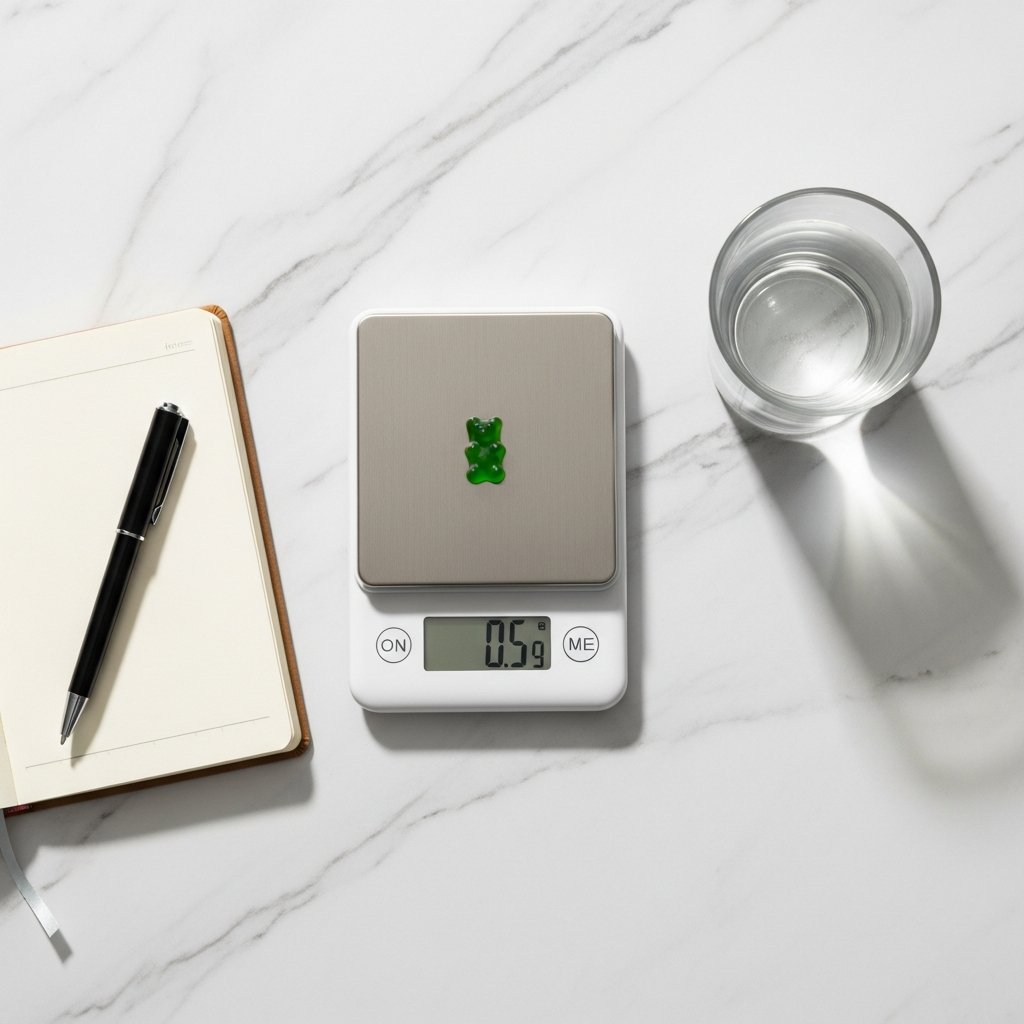
The most common mistake with delta-8 gummies and sleep is taking too much, too fast. A higher dose doesn’t reliably mean better sleep – it can mean a groggy, disoriented morning, or paradoxically, a too-intense experience that actually keeps you awake with racing thoughts. More is not always more here.
A reasonable starting point for sleep purposes is 5 to 10 milligrams, taken 60 to 90 minutes before your intended sleep time. If you’re new to cannabinoids entirely, start at the lower end and give yourself at least three or four sessions before adjusting. Effects vary significantly depending on tolerance, body weight, whether you’ve eaten recently, and how efficiently your liver processes cannabinoids.
Speaking of food – what you eat before taking a gummy affects onset and intensity more than most people realize. Fatty foods in particular can increase cannabinoid absorption. If you want a more predictable experience, consistent meal timing helps. For a practical look at how food interacts with edible timing, the article on pairing weed gummies with food for a better experience is genuinely useful reading.
Picking the right product: what to look for
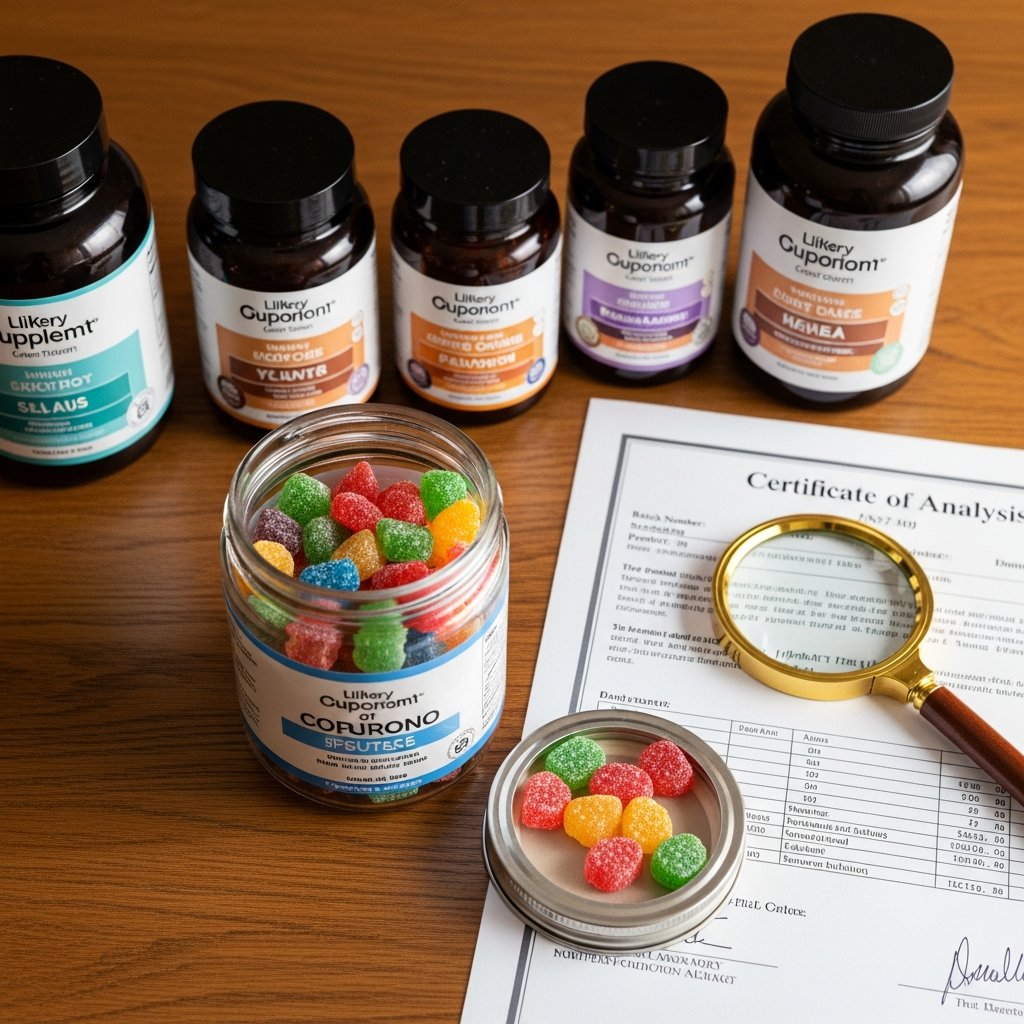
Not all delta-8 gummies are created equal, and for sleep use specifically, the formulation matters. Some products lean delta-8 only; others combine it with CBD, CBN (a cannabinoid with its own sleepy reputation), or other compounds to create a more rounded effect. Third-party lab testing is non-negotiable – you want a Certificate of Analysis confirming potency and the absence of residual solvents from the synthesis process.
If you want a product designed specifically around the sleep goal rather than general relaxation, the formulation approach matters. For instance, cbdMD’s Lights Out Sleep Gummies take a combination route – using delta-9 THC alongside CBD and melatonin for a layered effect that addresses both sleep onset and staying asleep. It’s a useful comparison point when evaluating what a purpose-built sleep gummy can look like versus a standard delta-8 relaxation product.
cbdMD Delta 9 THC Lights Out Sleep Gummies
THC, CBD, and melatonin blend formulated for sleep onset and duration
On the pure delta-8 side, Hometown Hero’s Relief gummies are a solid example of a transparent, well-regarded product in this category. They come in accessible flavors and are backed by clear lab documentation – which, for a cannabinoid that involves a synthesis step, is exactly what you want to see before buying.
Hometown Hero Relief Delta-8 Gummies – Watermelon
Straightforward delta-8 THC gummies with third-party testing from a well-established brand
Who might actually benefit, and who should be cautious
Delta-8 gummies for sleep are probably most useful for people who struggle with the wind-down phase – the lying-awake-with-a-busy-brain problem rather than the staying-asleep problem. The calming, mildly sedative quality that many users describe is best matched to that specific issue. If your sleep disruption is primarily mid-night waking or early morning waking, the fit may be less obvious.
People who have had anxiety reactions to delta-9 THC products in the past may find delta-8 more manageable, but “more manageable” isn’t the same as “without risk.” Some individuals are still sensitive. Starting low and going slow is not a marketing cliche here – it’s genuinely the right approach.
If you’re taking any prescription medications – particularly those that affect your central nervous system, including sleep aids, antidepressants, or anti-anxiety medications – the interaction question is real. Cannabinoids are processed by the same liver enzyme pathway (CYP450) as many common drugs, which can affect how both the cannabinoid and the medication are metabolized.
The longer-term question nobody wants to ask
Here’s the thing most sleep-gummy content skips over: relying on any substance nightly to fall asleep creates its own complications over time. Tolerance to THC’s sleep-inducing effects develops with regular use. What worked at 10mg can start requiring 15mg, then 20mg. And stopping after a period of regular use can bring a temporary rebound effect – a few nights of worse sleep before your baseline resets.
None of this means delta-8 gummies are dangerous or ineffective. It means they work best as one tool in a broader sleep hygiene approach, not a replacement for it. Occasional use, or use during genuinely difficult periods, is a very different proposition than nightly use indefinitely. That distinction is worth making before you commit to a habit.
Frequently asked questions
How long before bed should I take a delta-8 gummy for sleep?
Most people find 60 to 90 minutes before their intended sleep time works best. Edibles take longer to kick in than inhaled forms, and the delay varies with metabolism and whether you’ve eaten recently. Starting your timing experiment on a night when a late onset won’t cause stress helps.
Will delta-8 gummies make me feel high?
Delta-8 THC is psychoactive – it does produce an altered state, though typically described as milder and less anxious than delta-9 THC. At lower doses aimed at sleep, many people describe it as a relaxed, heavy feeling rather than a strong high. Dosage and individual tolerance determine the experience significantly.
Can I take delta-8 gummies with melatonin?
Many people combine the two without reported problems, and some products include both in a single formulation. That said, combining sedating compounds can increase drowsiness beyond what you expect. It is worth trying each separately first so you understand how each affects you before combining them.
Are delta-8 gummies legal everywhere in the US?
No. While hemp-derived delta-8 THC sits in a legal grey area at the federal level, a number of states have explicitly banned or restricted it. Always verify your state’s current laws before purchasing or using delta-8 products. Laws in this area change relatively frequently.
How do delta-8 gummies compare to CBD gummies for sleep?
Delta-8 is psychoactive; CBD is not. CBD’s proposed sleep benefits are generally linked to anxiety reduction rather than direct sedation. Delta-8 may have a more direct sedative quality for some people, but it also carries more psychoactive effect. For a deeper comparison, the breakdown of delta-8 vs. CBD effects covers both sides of the equation.
Can I become dependent on delta-8 gummies for sleep?
Regular nightly use of any THC-based product can lead to tolerance and mild dependence over time, where sleep feels harder without it. This is not the same as severe drug dependence, but it is a real pattern. Periodic breaks and keeping doses low help reduce this risk considerably.
If you take prescription medications, speak with your pharmacist or physician before using cannabis products, especially if those medications affect your central nervous system or sleep cycle.
Sources
- Babson KA, Sottile J, Morabito D. (2017). Cannabis, cannabinoids, and sleep: a review of the literature. Current Psychiatry Reports, 19(4):23. PMID: 28349316
- Bhagavan C, Bhagavan S, Bhagavan N. (2020). Beneficial effects of THC, CBD, and cannabinoid-based medicines on the nervous system and for neurological disorders. Neuroscience and Biobehavioral Reviews, 119:187-205. PMID: 32916189
- Suraev AS, Marshall NS, Vandrey R, et al. (2020). Cannabinoid therapies in the management of sleep disorders: a systematic review of preclinical and clinical studies. Sleep Medicine Reviews, 53:101339. PMID: 32603954
- Kaul M, Zee PC, Bhatt DL. (2021). Effects of cannabinoids on sleep and their therapeutic potential for sleep disorders. Neurotherapeutics, 18(1):217-227. PMID: 33929667
- Tagen M, Klumpers LE. (2022). Review of delta-8-tetrahydrocannabinol (delta-8-THC): Comparative pharmacology with delta-9-THC. British Journal of Pharmacology, 179(19):4915-4928. PMID: 35582913
Legal Disclaimer
For adults 21+ only. Cannabis laws vary by state. The information in this article is for educational purposes only and does not constitute medical advice. Delta-8 THC products may not be legal in your state; verify local laws before purchasing or using any cannabis-derived product.
This content is not intended to diagnose, treat, cure, or prevent any disease or sleep disorder. If you are experiencing a medical emergency, call 911 or go to your nearest emergency room immediately. Consult a qualified healthcare provider before using any cannabinoid product, particularly if you are pregnant, nursing, or taking prescription medications.
Weed.com does not endorse the use of any specific product as a substitute for professional medical treatment.