🚛 FREE DISCREET SHIPPING ON ALL ORDERS $49+










Myrcene Terpenes and Sleep: Why It Matters in Your Vape
Here’s a question worth sitting with: if two vapes contain the same THC percentage, why does one leave you melting into the couch at 10 p.m. while the other has you reorganizing your bookshelf at midnight? The answer probably isn’t the cannabinoids. It’s what’s riding alongside them – specifically, a terpene called myrcene that shows up in more sleep-focused cannabis

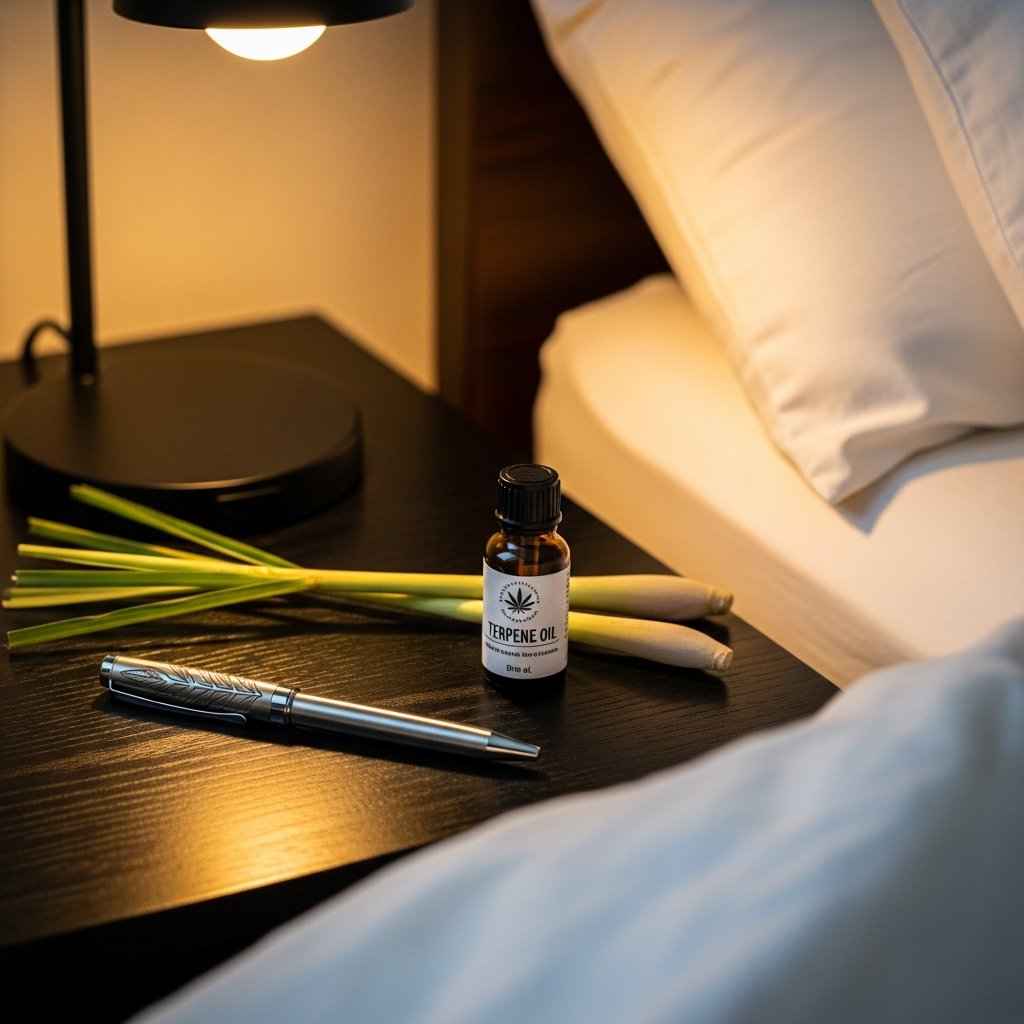
Here’s a question worth sitting with: if two vapes contain the same THC percentage, why does one leave you melting into the couch at 10 p.m. while the other has you reorganizing your bookshelf at midnight? The answer probably isn’t the cannabinoids. It’s what’s riding alongside them – specifically, a terpene called myrcene that shows up in more sleep-focused cannabis products than almost any other aromatic compound.
Myrcene is the most abundant terpene found in cannabis, and it has a reputation that precedes it. Earthy, slightly musky, faintly reminiscent of ripe mango or hops – it’s the scent note that makes certain strains feel heavy before you even take a hit. But reputation and mechanism are two different things, and if you’re buying vapes specifically to wind down at night, it helps to understand what myrcene is actually doing, what the science says, and where the hype still outruns the data.
What myrcene is and where it comes from
In cannabis flower and concentrates, myrcene typically makes up anywhere from 20 to 65 percent of the total terpene profile in strains marketed as indica or indica-dominant. That’s a wide range, and it matters – a product with 0.3% myrcene by weight behaves very differently from one sitting at 1.2%. When you see a lab report on a vape cartridge and the terpene section lists myrcene at the top, that’s not a coincidence. Those products are often formulated or cultivated specifically with evening use in mind.
The science of myrcene and sedation – what we actually know
The honest version of this conversation has to start with a caveat: most of the early research on myrcene and sedation used rodent models and isolated-compound testing, not human clinical trials. That gap matters. What happens in a mouse study doesn’t always translate directly to what you experience after two puffs of a myrcene-heavy live resin cart.
That said, the mechanistic picture is genuinely interesting. Myrcene appears to potentiate the effects of GABA (gamma-aminobutyric acid), the brain’s primary inhibitory neurotransmitter. GABA is the same pathway targeted by benzodiazepines and certain sleep medications – it’s essentially the nervous system’s “slow down” signal. If myrcene enhances GABA activity even modestly, that would explain the muscle-relaxation and sedation anecdotes that follow it around in cannabis culture.
There’s also a theory – not yet fully proven in humans – that myrcene may increase the permeability of the blood-brain barrier, potentially allowing cannabinoids to act faster or more efficiently. It’s a compelling idea, and it would help explain why the same dose of THC in a high-myrcene product often feels more sedating than in a low-myrcene one. But “compelling idea” and “established fact” are different categories, and it’s worth keeping that distinction in mind.
Expert Insight
Dr. Alexander Tabibi
Dr. Alexander Tabibi
Preclinical data on myrcene suggest real sedative activity through GABAergic pathways, and some animal studies have shown measurable reductions in spontaneous motor activity at higher doses. The molecule also shows affinity for adenosine receptors in vitro – a pathway that plays a central role in sleep pressure accumulation. These are plausible mechanisms, not speculation.
The significant limitation is that nearly all of this work is in isolated cell lines or rodent models. Human pharmacokinetic data on inhaled myrcene are sparse, and the actual concentrations reaching CNS tissue after vaping remain unknown. Drawing a straight line from a mouse receiving injected myrcene to a person vaping a myrcene-rich cartridge requires more assumptions than the current data support.
do Vale TG et al. (2002). Central effects of citral, myrcene and limonene, constituents of essential oil chemotypes from Lippia alba (Mill.) N.E. Brown. Phytomedicine, 9(8):709-714. PMID: 12587690
Why the delivery method – specifically vaping – changes the equation
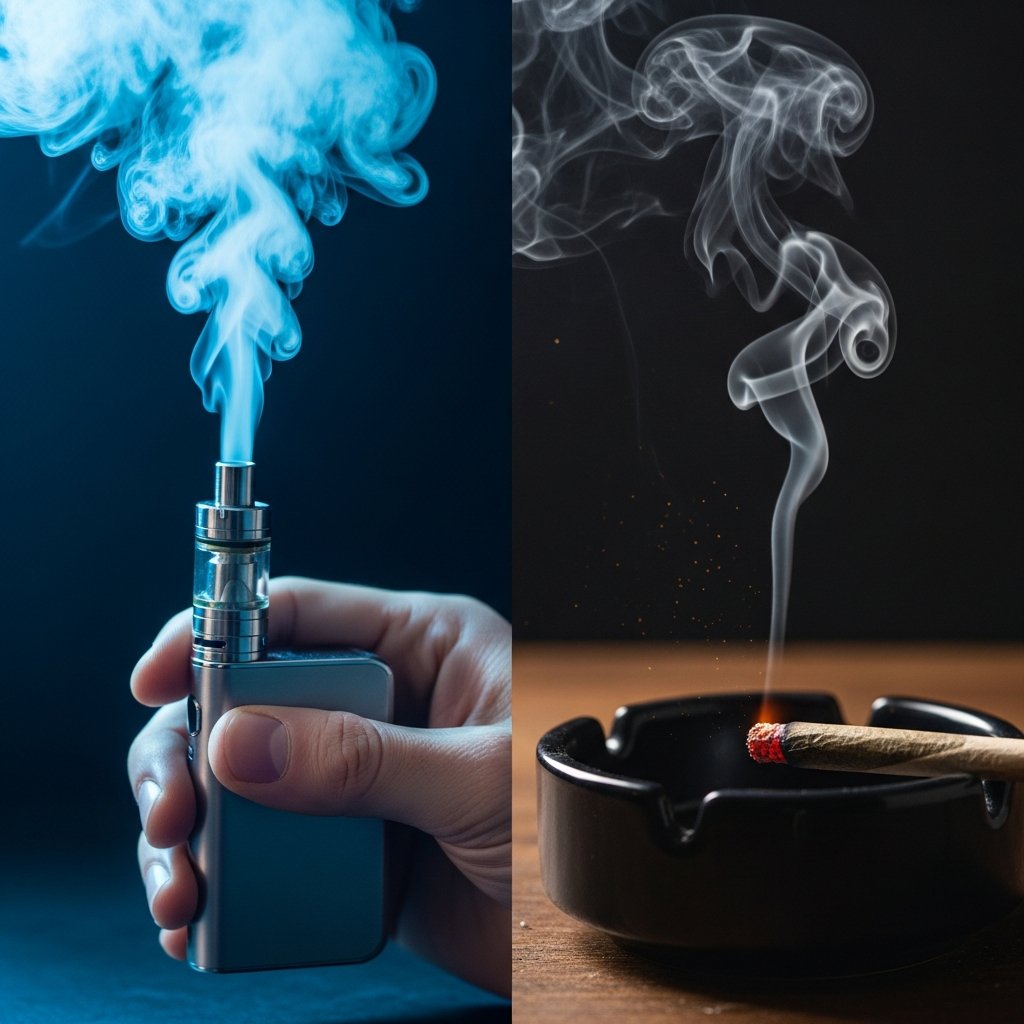
Terpenes are volatile. That’s their whole thing. And volatility has consequences depending on how you consume them. When you smoke flower, a significant portion of the terpene content is destroyed by combustion before it ever reaches your lungs. Edibles are a different story entirely – myrcene is fat-soluble and survives the digestive process, but onset is slow and unpredictable for sleep timing purposes.
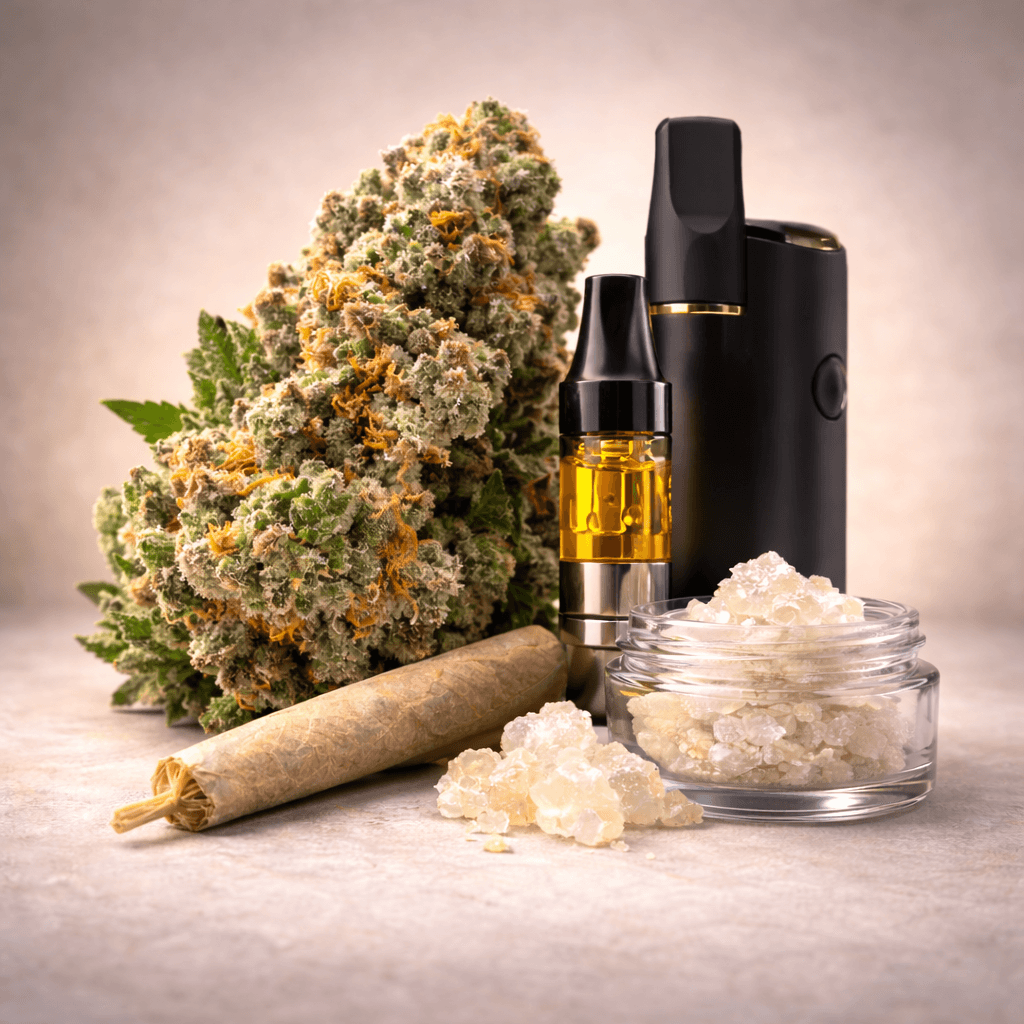
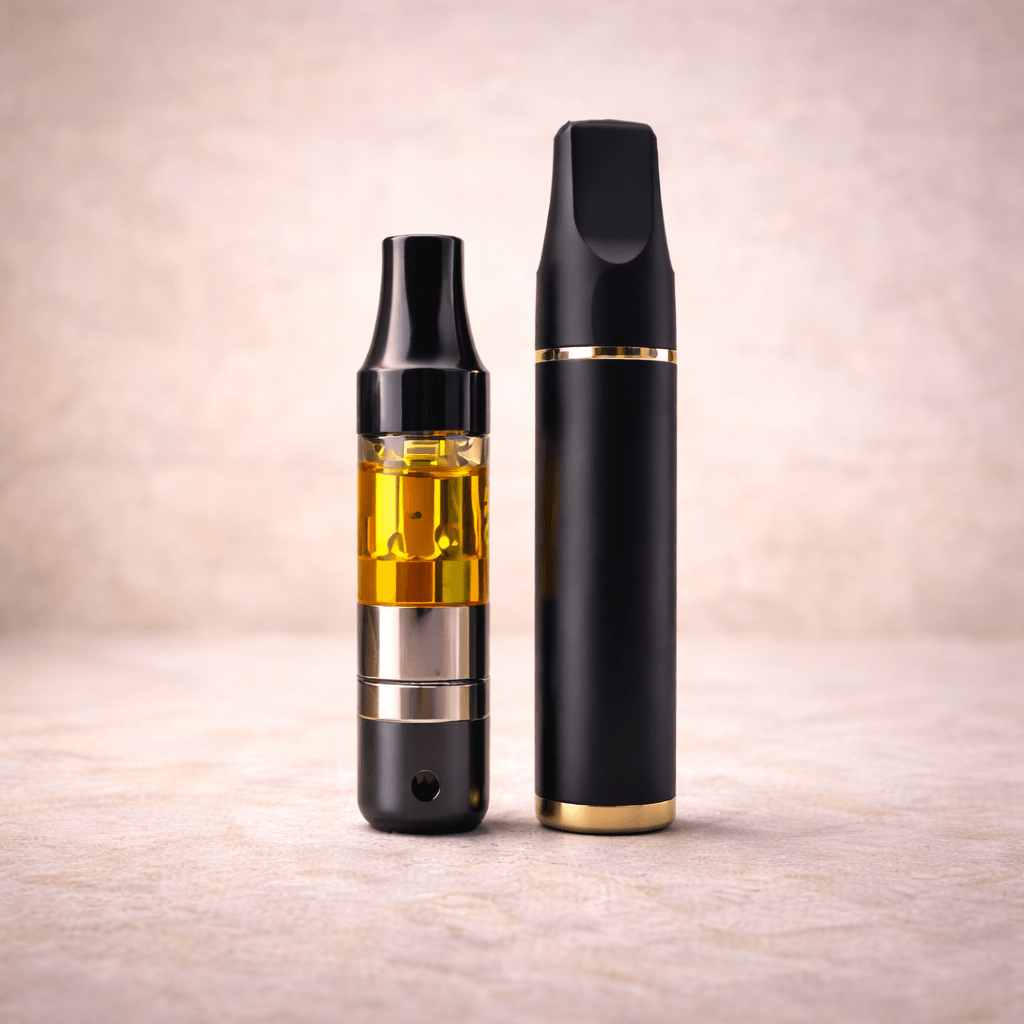
Vaping occupies an interesting middle ground. At lower temperatures (roughly 160 to 175 degrees Celsius), myrcene vaporizes without combusting, which means more of it actually makes it into your system. This is one reason why temperature-controlled vaping, especially with quality hardware, tends to preserve terpene character better than a joint. If you’re vaping specifically for sleep, the delivery efficiency of the cartridge matters – not just the formulation on paper.
For readers navigating hardware choices, understanding how your battery affects vapor temperature is genuinely relevant here. The relationship between voltage, coil resistance, and terpene preservation is covered well in the guide to choosing the right battery for your THC vape cartridge, which is worth reading before you assume the same oil will perform identically across different pens.
Reading a terpene label when you’re shopping for sleep
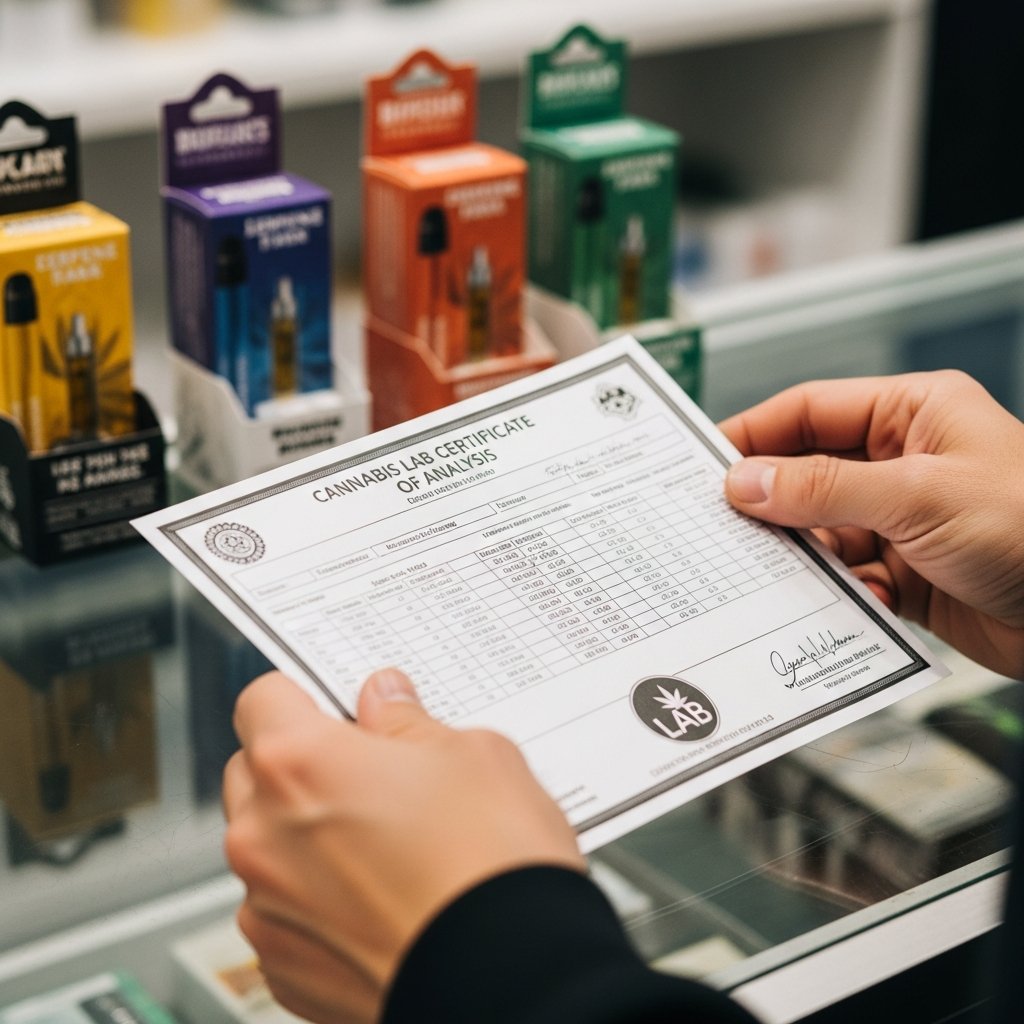
Not all vapes list their terpene profiles, but the good ones do. When you’re scanning a product page or a dispensary menu with sleep in mind, here’s how to think about what you’re reading. Myrcene at the top of the list is a reasonable starting signal, but pay attention to what’s sitting alongside it. Linalool (also found in lavender) and terpinolene have their own calming associations. Beta-caryophyllene, which binds to CB2 receptors, is sometimes described as relaxing without the heavy sedation. A profile with myrcene plus linalool plus low levels of stimulating terpenes like terpinolene or ocimene is going to read very differently than myrcene paired with high limonene.
If terpene literacy is something you want to build more broadly, the Ultimate Terpene Guide (2025 Edition) is a useful reference for understanding the full cast of aromatic compounds and how they interact with cannabinoids and each other.
You should also consider whether the myrcene in a product is naturally derived or added. Live resin and full-spectrum extracts preserve the terpene profile of the original plant material, which tends to produce a more cohesive, nuanced effect. Distillate carts with terpenes added back post-extraction can be perfectly good products, but the recombined profile may behave differently than a native one.
The entourage effect and what it means for sleep specifically
The entourage effect – the idea that cannabinoids and terpenes work better together than any single compound does alone – is one of the most discussed and most debated concepts in cannabis science. The evidence for it is suggestive rather than conclusive, but it’s directionally consistent enough that most formulators take it seriously.
For sleep applications, the relevant question is whether myrcene’s sedative properties are amplified when paired with THC versus when myrcene is isolated. Early research suggests that cannabinoids and terpenes may share receptor pathways and that co-administration can shift the overall character of the effect. A high-THC distillate with no terpenes may produce a different sleep experience than the same THC percentage in a live resin extract where myrcene is present at 0.8% or above.
Expert Insight
Dr. Alexander Tabibi
Dr. Alexander Tabibi
The entourage hypothesis has some of its most credible support in terpene-cannabinoid interaction studies using cell models and observational survey data. Russo’s 2011 narrative review remains a frequently cited entry point, proposing that terpenes modulate cannabinoid receptor binding and downstream signaling. The core claim – that whole-plant extracts produce different subjective effects than isolated THC – has real plausibility, even if controlled human trials isolating myrcene’s specific contribution are still lacking.
What’s less resolved is the dose-response relationship for inhaled myrcene in humans. We don’t have clean data on how much myrcene is absorbed per puff, what plasma concentrations result, or how those concentrations map to subjective sedation scores in a blinded trial. Until that work exists, the entourage effect for sleep remains a well-reasoned hypothesis with limited hard human evidence behind it.
Russo EB (2011). Taming THC: potential cannabis synergy and phytocannabinoid-terpenoid entourage effects. British Journal of Pharmacology, 163(7):1344-1364. PMID: 21749363
Choosing a vape with myrcene in mind
So what does a thoughtful product choice actually look like? The short answer is: look past the strain name. “Granddaddy Purple” or “Northern Lights” tells you something about expected character, but the specific terpene numbers on the certificate of analysis tell you more. For sleep-oriented vaping, you’re ideally looking for a myrcene concentration above 0.5% in the final oil, ideally closer to 0.8 to 1.2%, and a secondary terpene profile that leans toward linalool, beta-caryophyllene, or bisabolol rather than uplifting citrus notes.
For readers who want to understand how mood and terpene profiling interact when selecting a vape for a specific purpose, tailoring your high with cannabinoids and terpenes breaks down the logic of matching terpene profiles to intended outcomes – including relaxation and sleep.
Live resin products are worth the extra cost here specifically because the terpene profile hasn’t been stripped and reconstructed. The Hi-Lites THCA Vape Cartridge is one example of a product in this category worth considering if you’re looking for a THCA-based option with live-resin-style terpene preservation – the format tends to maintain a more complete aromatic profile than distillate-based alternatives.
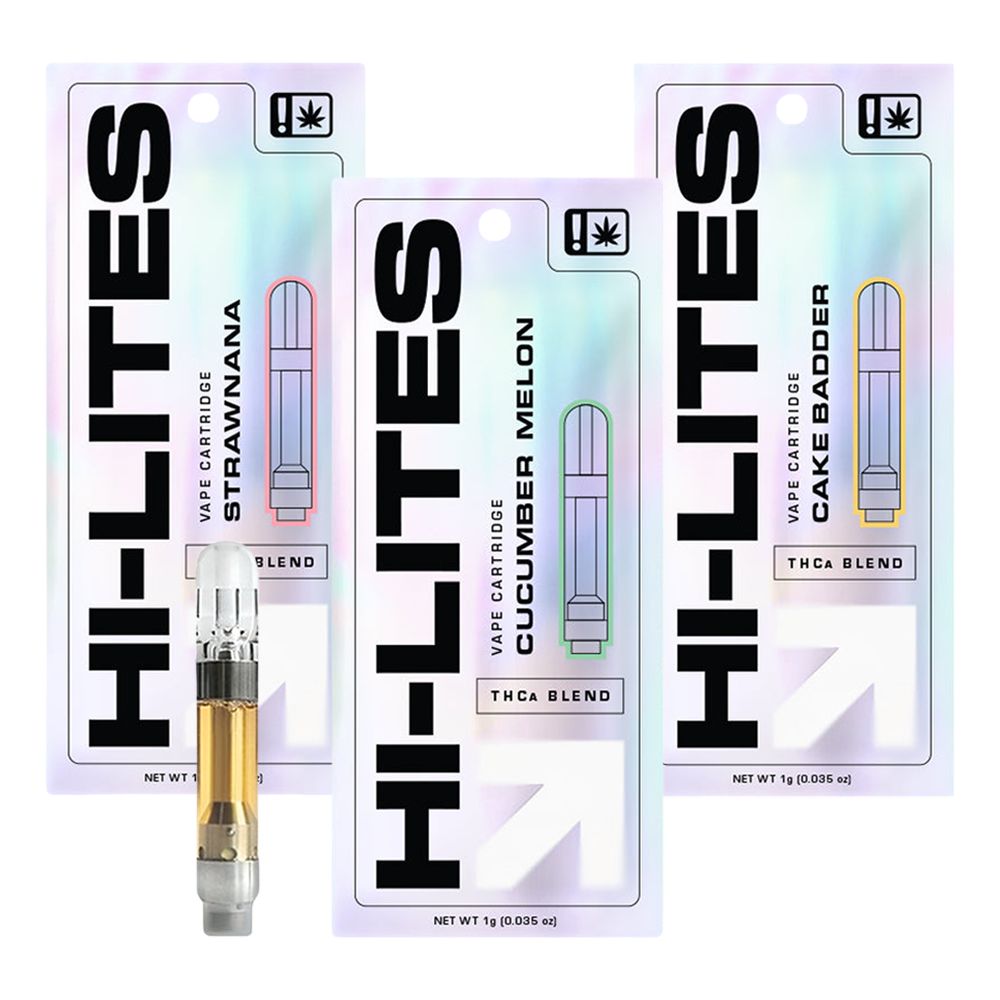
Hi-Lites THCA Vape Cartridge 1g
1g THCA cartridge with a preserved terpene profile suited for evening use
If you prefer a dual-strain format that lets you compare profiles side by side – useful if you’re still figuring out what actually works for your sleep – the Cookies 2G Dual Chamber Vape in Triple Scoop and Georgia Pie is a practical option. Georgia Pie in particular is a myrcene-forward cultivar, and having both chambers in one device makes it easy to notice the difference between a terpene-heavy pull and a lighter one in real time.

Cookies 2G Dual Chamber Vape – Triple Scoop & Georgia Pie
2g dual-chamber vape with two distinct terpene profiles for easy side-by-side comparison
A note on tolerance, THC, and sleep quality over time
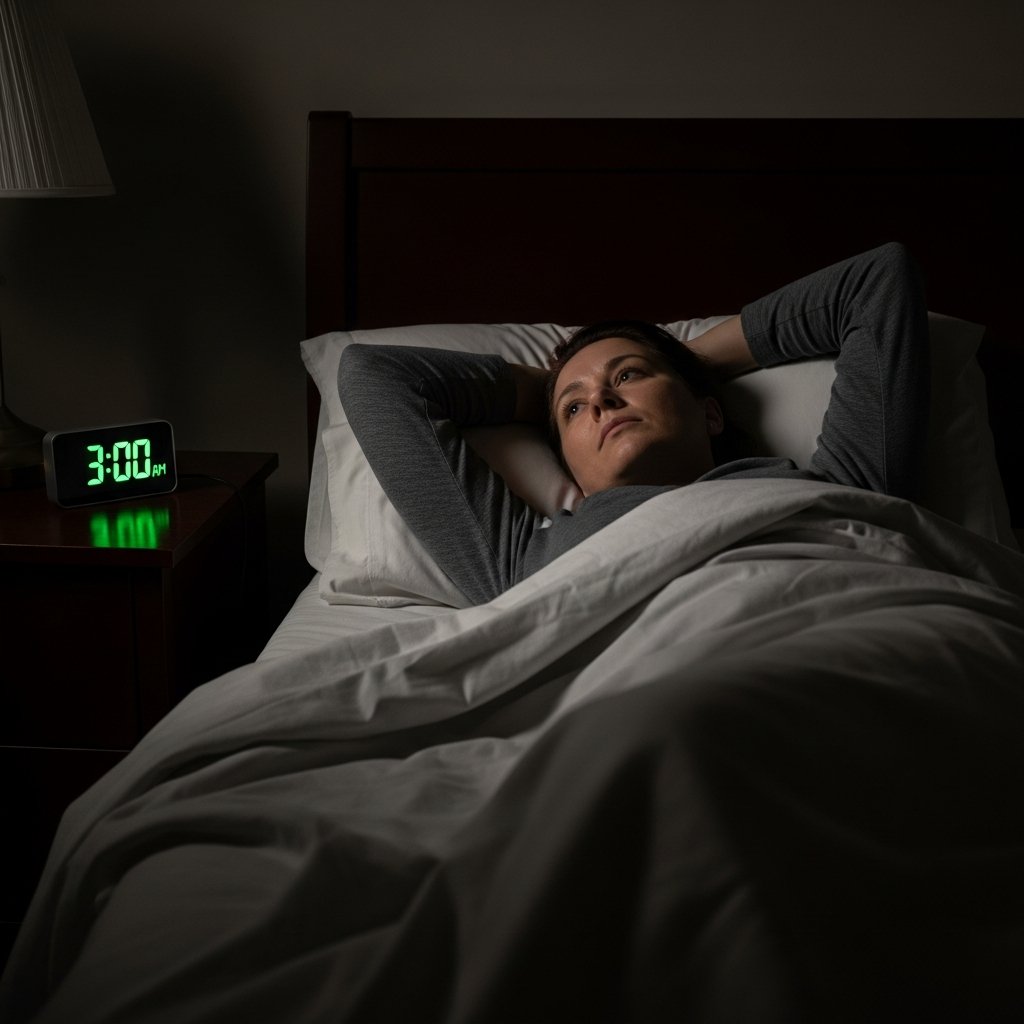
Here’s the part of the myrcene-and-sleep conversation that doesn’t get enough airtime. Even if myrcene does contribute to sedation, heavy nightly THC use has its own sleep-architecture implications that terpenes cannot fully offset. Regular high-dose cannabis use tends to suppress REM sleep over time – the stage associated with dreaming and emotional processing. Short-term, you may fall asleep faster. Long-term, the picture is more complicated.
This doesn’t mean vaping a myrcene-heavy product before bed is categorically problematic. It means dosing thoughtfully – using the minimum effective amount, taking breaks when sleep quality starts to feel less restorative, and paying attention to whether you’re using cannabis to help sleep or relying on it to sleep at all. Those are different situations with different considerations. If you’re specifically curious about how THCA interacts with sleep as a slightly different cannabinoid pathway, the piece on THCA and sleep quality covers that angle in useful depth.
The point isn’t to be discouraging. It’s that myrcene is a real and interesting piece of the sleep puzzle, but it works best as part of a considered approach rather than a shortcut.
Frequently asked questions
What is myrcene and why is it associated with sleep?
Myrcene is a monoterpene found abundantly in cannabis, hops, and mango. It is associated with sleep primarily because preclinical studies suggest it potentiates GABAergic activity, the same inhibitory brain pathway targeted by many sedative medications, producing muscle relaxation and calming effects.
How much myrcene should I look for in a vape cartridge for sleep?
A myrcene concentration above 0.5% in the final oil is a reasonable starting point, with the range of 0.8 to 1.2% considered more meaningful for sleep purposes. Always check the certificate of analysis rather than relying solely on strain names or marketing descriptions.
Is the science on myrcene and sleep proven in humans?
Not yet conclusively. Most research comes from rodent models and isolated cell studies. Human clinical trials specifically examining inhaled myrcene and sleep outcomes remain sparse, so the sedative effects, while plausible and mechanistically grounded, have not been fully validated in controlled human studies.
Does vaping preserve myrcene better than smoking?
Yes, generally. Vaping at lower temperatures (around 160 to 175 degrees Celsius) allows myrcene to vaporize without combusting, preserving more of the compound compared to smoking, where combustion destroys a significant portion of volatile terpenes before they can be inhaled.
What terpenes pair well with myrcene for sleep?
Linalool, beta-caryophyllene, and bisabolol are considered complementary to myrcene in sleep-oriented profiles. Terpenes with more stimulating associations, such as limonene, terpinolene, and ocimene, are generally less ideal when the goal is winding down at night.
Is live resin better than distillate for sleep-focused vaping?
Live resin preserves the native terpene profile of the plant, including myrcene at natural ratios, which tends to produce a more cohesive effect. Distillate with added-back terpenes can still be effective, but the recombined profile may behave somewhat differently than a naturally intact one.
Can nightly cannabis use eventually hurt sleep quality despite myrcene?
Yes. Regular high-dose THC use tends to suppress REM sleep over time regardless of terpene profile. While myrcene may support faster sleep onset, the deeper architecture of restorative sleep can be affected by chronic heavy use, making dose moderation and occasional breaks worthwhile practices.
Important: This article is for informational purposes only and does not constitute medical advice. Cannabis affects individuals differently, and terpene research is still evolving. Consult a qualified healthcare professional before using cannabis products to address sleep disorders or any other health condition. If you are experiencing a medical emergency, call 911 or go to your nearest emergency room immediately.
Sources
do Vale TG, Furtado EC, Santos JG Jr, Viana GS (2002). Central effects of citral, myrcene and limonene, constituents of essential oil chemotypes from Lippia alba (Mill.) N.E. Brown. Phytomedicine, 9(8):709-714. PMID: 12587690
Russo EB (2011). Taming THC: potential cannabis synergy and phytocannabinoid-terpenoid entourage effects. British Journal of Pharmacology, 163(7):1344-1364. PMID: 21749363
Kaul M, Zee PC, Bhatt AS (2021). Effects of cannabinoids on sleep and their therapeutic potential for sleep disorders. Neurotherapeutics, 18(1):217-227. PMID: 33511486
Booth JK, Bohlmann J (2019). Terpenes in Cannabis sativa: from plant genome to humans. Plant Science, 284:67-72. PMID: 31084870
Murillo-Rodriguez E, Poot-Ake A, Arias-Carrion O, Pacheco-Pantoja E, de la Fuente-Ortegon A, Arankowsky-Sandoval G (2011). The emerging role of the endocannabinoid system in the sleep-wake cycle modulation. Central Nervous System Agents in Medicinal Chemistry, 11(3):189-196. PMID: 21824083
For adults 21+ only. Cannabis laws vary by state. This content is intended solely for adults in jurisdictions where cannabis is legal. Nothing in this article should be interpreted as medical, legal, or financial advice. If you are experiencing a medical emergency, call 911 or go to your nearest emergency room immediately.