🚛 FREE DISCREET SHIPPING ON ALL ORDERS $49+










Are THC Carts Safe to Use Before Bed?
You’ve had a long day, the kind where your brain refuses to clock out when your body is ready to. Someone mentions they use a THC cart before bed, and suddenly you’re wondering if that’s actually a reasonable idea or a recipe for feeling like a warm puddle of anxiety at 2 a.m. It’s a fair question, and one a

Published on: April 18, 2026
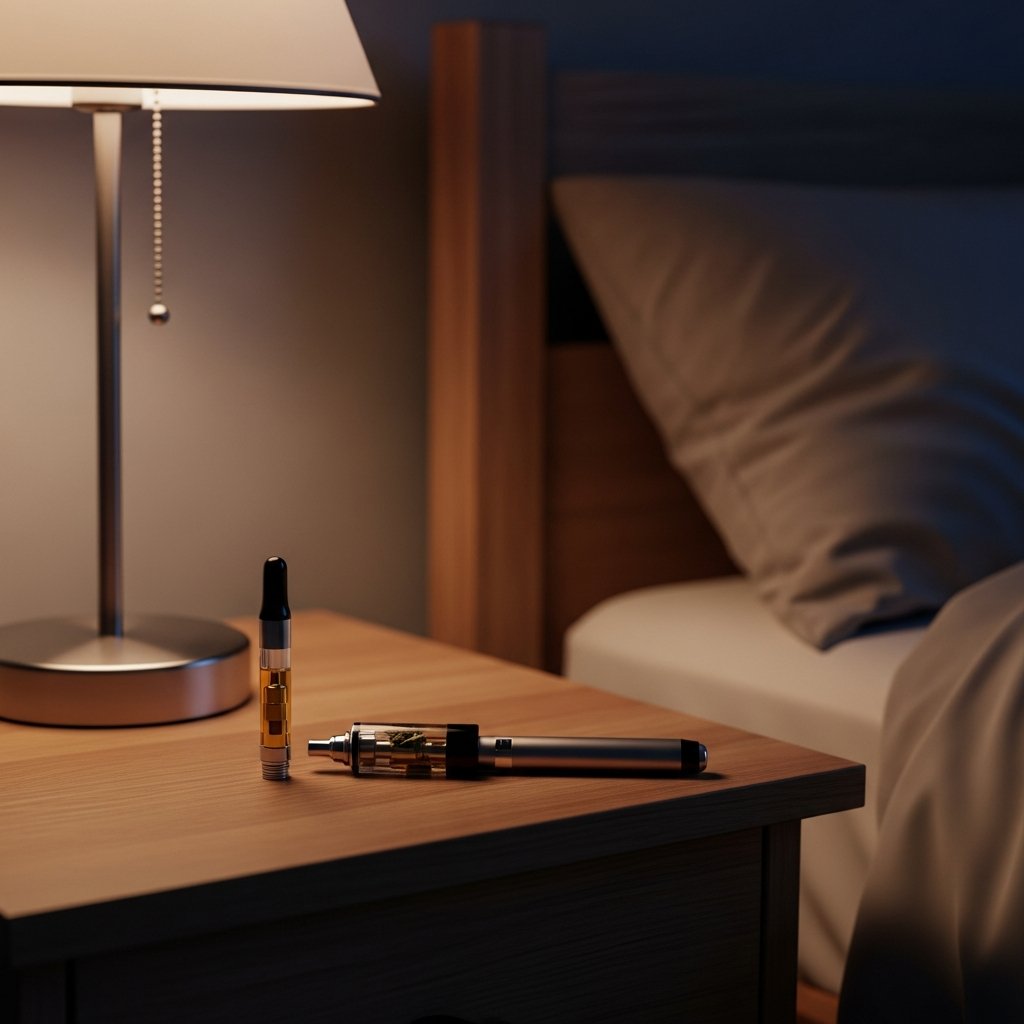
You’ve had a long day, the kind where your brain refuses to clock out when your body is ready to. Someone mentions they use a THC cart before bed, and suddenly you’re wondering if that’s actually a reasonable idea or a recipe for feeling like a warm puddle of anxiety at 2 a.m. It’s a fair question, and one a lot of people are asking right now.
The short answer is: it depends. The longer answer involves your body chemistry, what’s actually in that cartridge, how much you’re using, and what you’re hoping to get out of it. Let’s walk through all of that without the usual fear-mongering or cheerleading that tends to follow cannabis topics around.
What a THC cart actually does to your brain at night
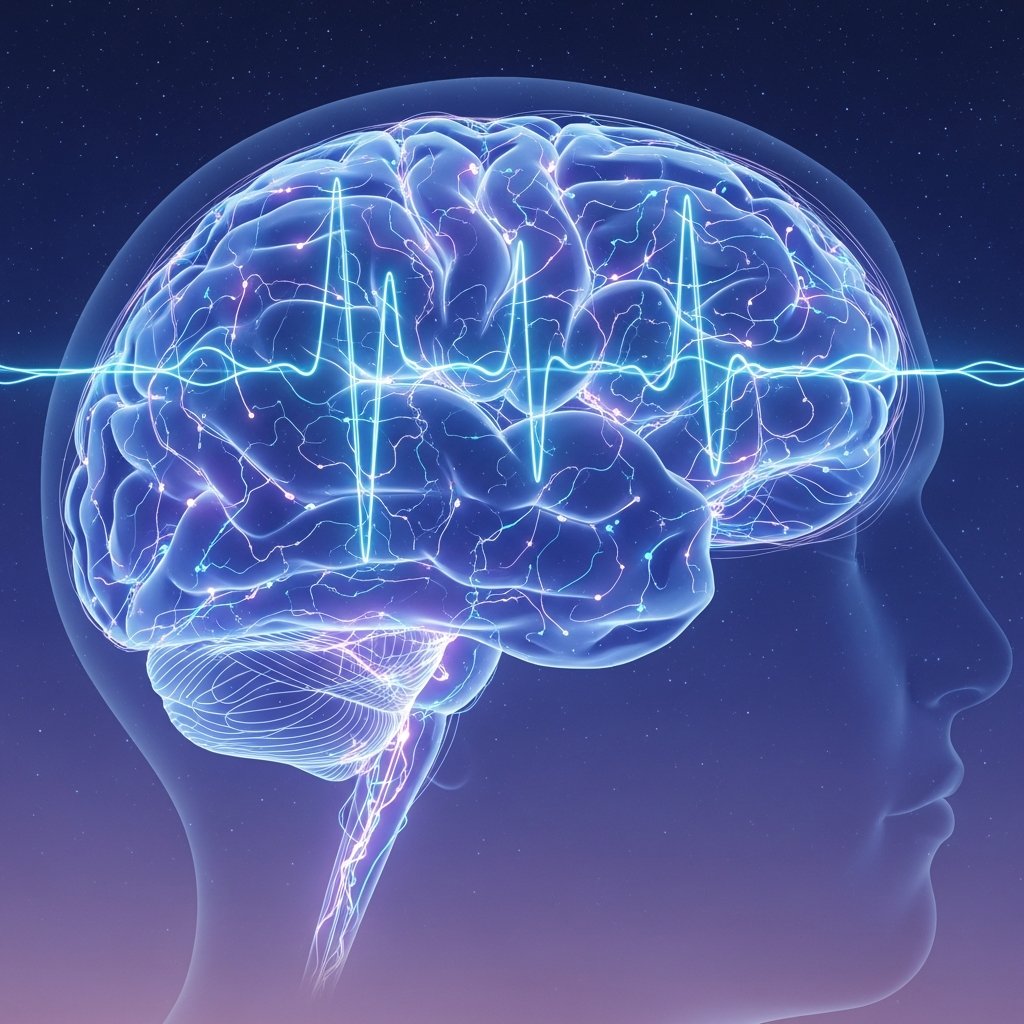
When you inhale vapor from a THC cartridge, cannabinoids move into your bloodstream fast – usually within minutes. THC binds to CB1 receptors concentrated in areas of the brain responsible for memory, mood, and sleep regulation. The effect can feel like someone turned the volume down on your nervous system, which is exactly why people reach for a vape pen when they can’t unwind.
The thing is, “helps you fall asleep” and “improves your sleep” are not the same thing. THC tends to reduce REM sleep – the stage where dreaming and memory consolidation happen. Lower doses appear to be less disruptive to sleep architecture than higher ones, but the relationship between cannabinoids and sleep stages is still an active area of research.
Expert Insight
Dr. Alexander Tabibi
Dr. Alexander Tabibi
A 2014 systematic review by Babson and Bonn-Miller examined the bidirectional relationship between cannabis and sleep across human and animal studies. The review found that while acute THC administration shortened sleep onset latency – meaning people fell asleep faster – it also suppressed REM sleep duration, particularly at higher doses and with repeated use.
The complication here is tolerance and withdrawal. Regular nightly use was associated with rebound REM increases when cannabis was stopped, sometimes producing more vivid dreams and disrupted sleep – the opposite of what users originally sought. Most of the reviewed studies were small and used smoked cannabis, so direct translation to vaporized distillate cartridges involves meaningful uncertainty.
Babson KA, Sottile J, Morabito D. (2017). Cannabis, Cannabinoids, and Sleep: a Review of the Literature. Current Psychiatry Reports, 19(4):23. PMID: 28349316
The cartridge itself: what you’re actually inhaling matters
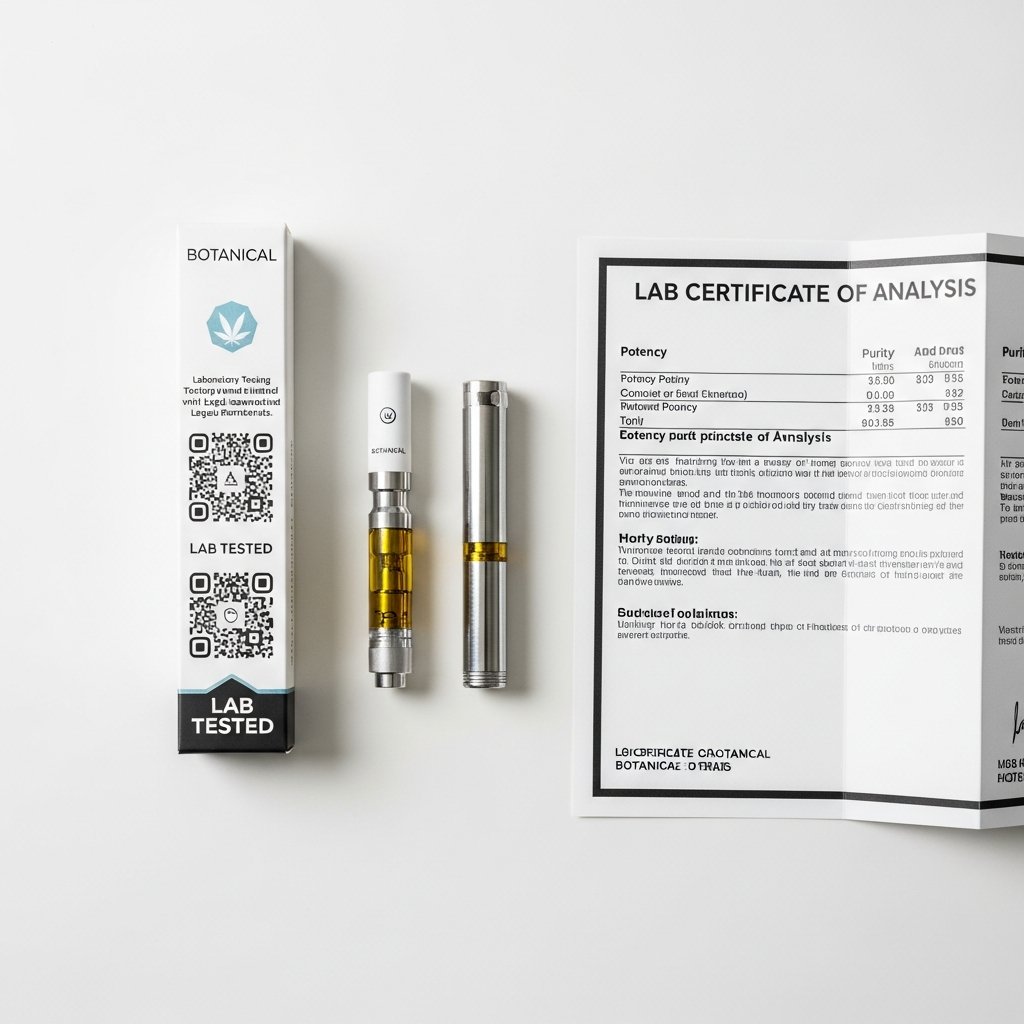
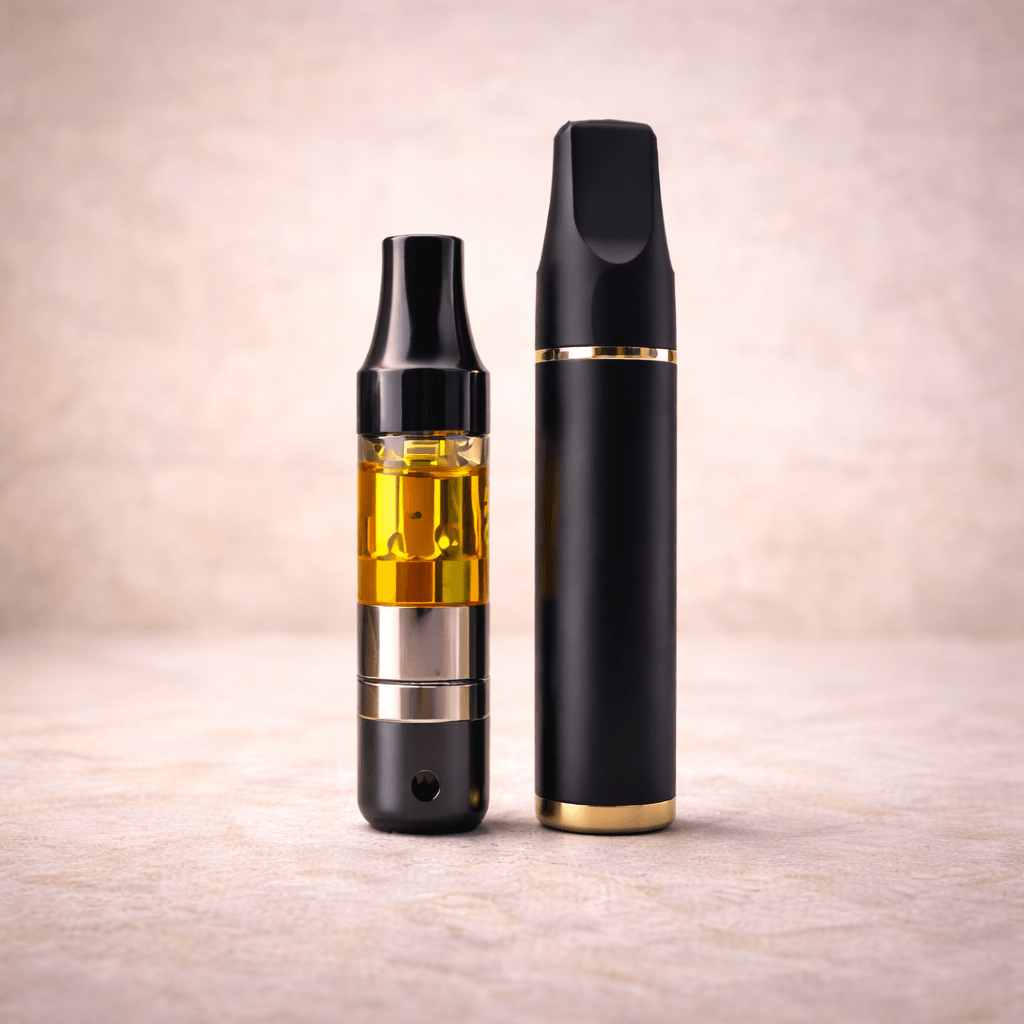
Not all THC carts are created equal, and that’s where a lot of the safety conversation actually lives. A licensed, lab-tested cartridge from a regulated market is a very different object than an unlabeled, unverified cartridge bought from a gray-market source. The 2019 EVALI outbreak – when hundreds of people developed severe lung injuries linked to vaping – was traced primarily to vitamin E acetate used as a cutting agent in illicit THC vape products. That’s not a cannabis-specific story; it’s a contamination story.
If you’re using a cart before bed, the first safety checkpoint is whether you actually know what’s in it. A certificate of analysis (COA) from a third-party lab tells you the potency, residual solvents, pesticide levels, and heavy metal content. If you’ve never read one of these before, understanding how to interpret Delta 8 cart COAs and lab reports is genuinely useful knowledge before you start shopping.
Hardware quality is a second factor most people overlook. Cheap cartridge materials can leach compounds into the oil, especially when heated repeatedly. Ceramic coil cartridges are generally considered preferable to older metal-wick designs. This isn’t paranoia; it’s just product hygiene.
Dosing before bed: where people go wrong
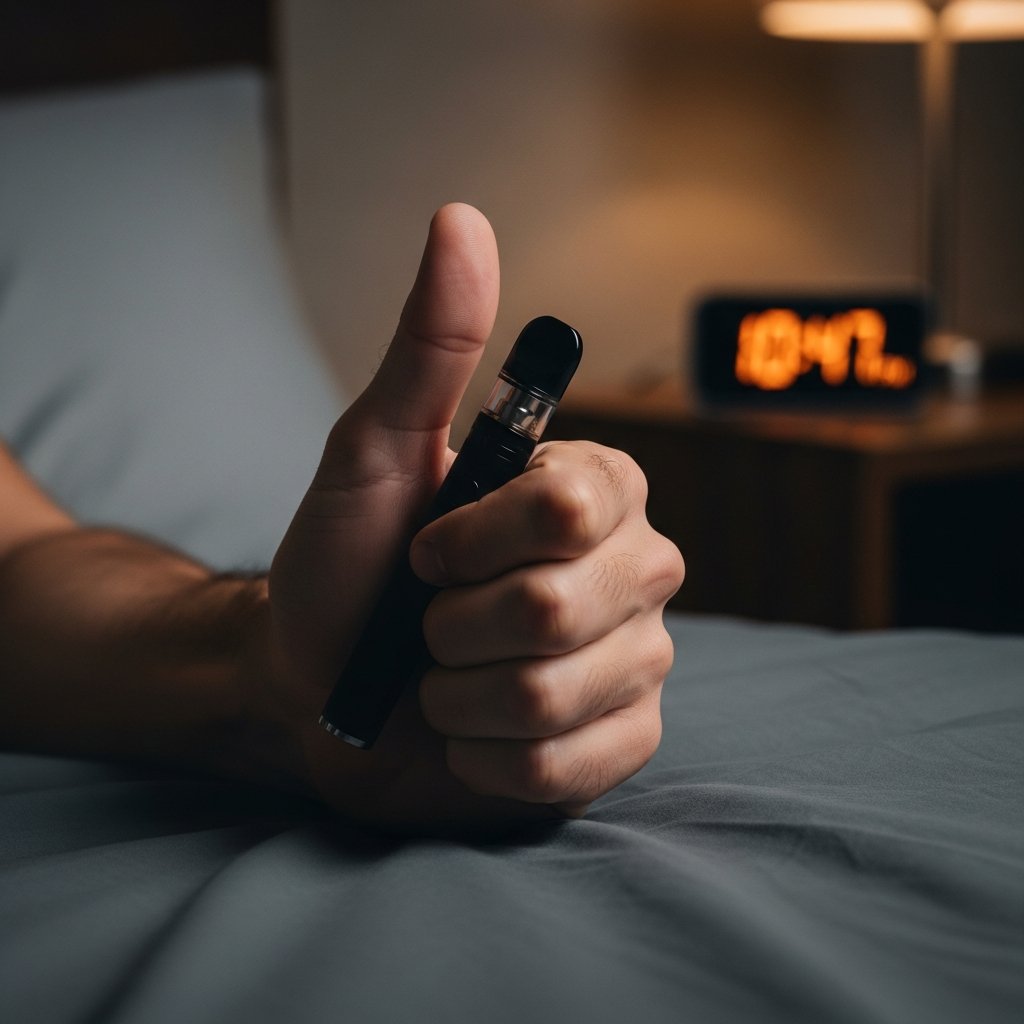
Here’s the thing about vaping THC at night – the fast onset that makes it appealing is also what makes it easy to overshoot. Because you feel effects within minutes, there’s a temptation to keep going until you feel “enough.” That second or third draw can tip a mellow, wind-down experience into something that spikes your heart rate or sends your thoughts sideways, which is not great when your goal is rest.
A practical approach most experienced users land on: one or two controlled puffs, then wait ten to fifteen minutes before deciding you need more. The potency of distillate carts tends to run high – often 80 to 90 percent THC by weight – so the dose-per-draw is much higher than with flower or edibles. Lower tolerance users can be genuinely surprised by how quickly things escalate.
Strain or formulation type plays a role here too. Indica-leaning terpene profiles (think myrcene, linalool, beta-caryophyllene) are commonly associated with body relaxation and sedation, though the science on terpene-specific effects in isolation is still emerging. What’s clearer is that these terpene profiles have a long anecdotal track record of pairing better with wind-down use than high-limonene or high-terpinolene sativa-dominant blends.
Choosing a cart with bedtime use in mind
If you’re shopping specifically for nighttime use, a few product features are worth prioritizing: known cannabinoid content, a transparent terpene profile, and a verifiable COA. For a broader look at how carts differ by type, potency, and legality, the Delta 8 carts guide covering effects, legality, and buying considerations walks through what separates a solid cart purchase from a regrettable one.
For readers who prefer hemp-derived options – which ship to more states and carry a different legal footprint – Delta 8 THC cartridges offer a milder psychoactive experience than Delta 9, which some users find more manageable for sleep without the intensity ceiling. If that category interests you, here’s one option that reflects what a well-made hemp-derived cart looks like in practice:
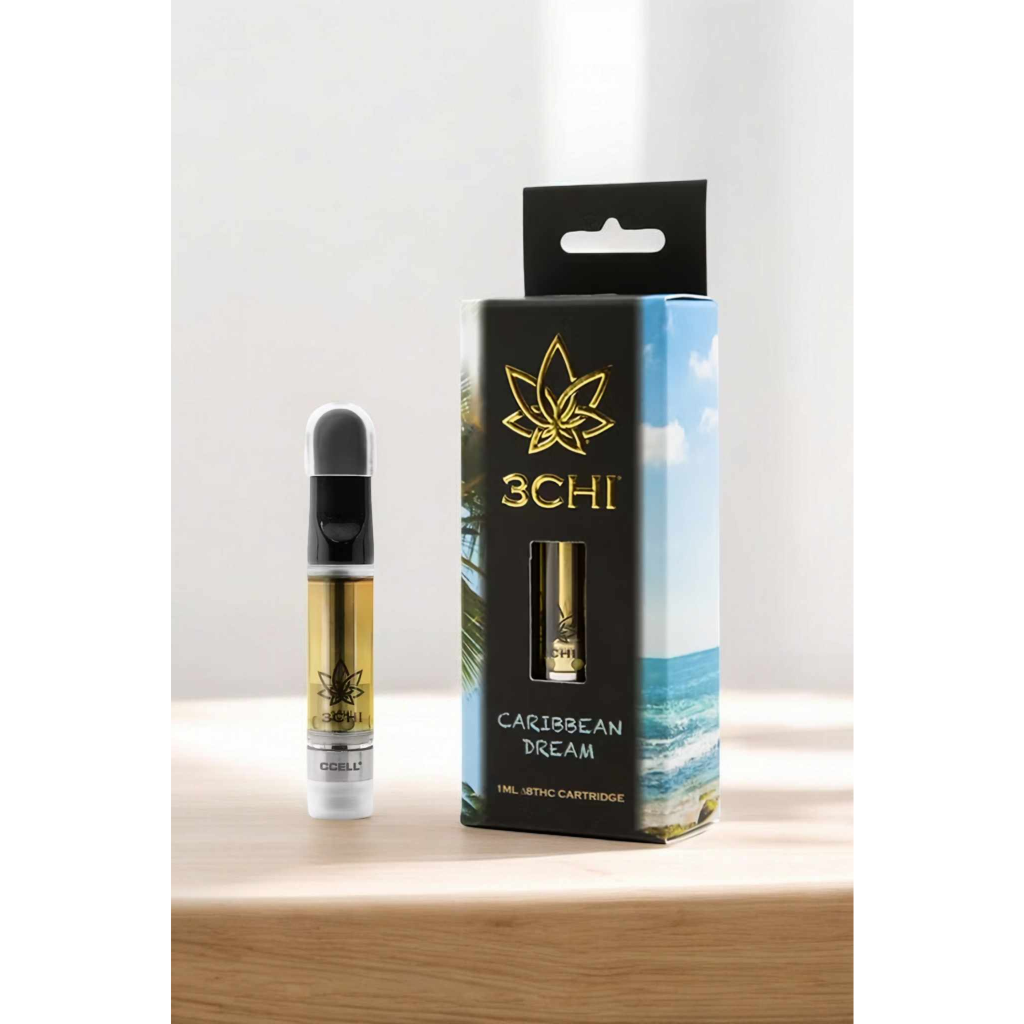
3Chi Delta 8 Cartridge
Hemp-derived Delta 8 distillate cart with strain-specific terpene options and batch COAs
Real risks worth knowing (not sensationalizing)
Let’s be honest about what the actual risks are, because they’re real without being catastrophic if you’re informed. Nightly use over time is associated with tolerance buildup – meaning you’ll likely need more over time to achieve the same effect. This isn’t unique to cannabis; it’s just how chronic receptor stimulation tends to work.
There’s also the question of dependency. Cannabis use disorder is a recognized condition, more likely to develop with daily use that begins to interfere with daily function. Nighttime-only use at low doses is a different profile than all-day consumption, but the pattern of use matters. If you find you genuinely can’t sleep without a cart, that’s a signal worth paying attention to.
For people who deal with anxiety, high-THC carts can occasionally backfire. Anxious thoughts that cannabis quiets for most people can be amplified in others, particularly at high doses or in individuals with genetic variants affecting cannabinoid metabolism. Starting low, going slow, and knowing how you specifically respond is not a cliche – it’s genuinely the safest approach.
Expert Insight
Dr. Alexander Tabibi
Dr. Alexander Tabibi
A critical review published in Chest examined the evidence for cannabinoids — including THC, CBD, and CBN — across insomnia and other sleep disorders. The authors confirmed that the endocannabinoid system directly modulates the circadian sleep-wake cycle, and that THC’s acute effect on reducing sleep onset latency is biologically plausible through CB1 receptor activation. However, the review found that most existing studies were limited by small sample sizes, short durations, and significant risk of bias — making firm conclusions about sleep architecture changes, including REM suppression, difficult to draw from current data alone.
Critically, the review also noted that tolerance and withdrawal dynamics complicate long-term nighttime use — regular users may experience rebound sleep disruption when they stop, producing the opposite of what they originally sought. The authors identified a strong scientific rationale for continued investigation but stopped short of endorsing cannabinoids as a reliable sleep intervention. That gap between a plausible mechanism and a proven clinical outcome is an honest one worth keeping in mind.
Lavender I, McGregor IS, Suraev A, Grunstein RR, Hoyos CM. (2022). Cannabinoids, Insomnia, and Other Sleep Disorders. Chest, 162(2):452-465. PMID: 35537535
Practical steps for using a THC cart safely at night
Build some space between your last draw and when you actually get into bed – fifteen to twenty minutes at minimum. This gives you time to assess where you’re landing before you’re already horizontal and unable to course-correct. Keep your environment consistent; a dark, cool room signals to your body that the cannabis-assisted wind-down is pointing in one direction.
And if you’re newer to vaping specifically, it’s worth getting familiar with the mechanics and safety basics before making it a nightly ritual. Learning how to use a Delta 8 vape cartridge safely covers hardware maintenance, draw technique, and how to recognize a cartridge that’s behaving the way it should.
The bottom line on nighttime cart use
Used thoughtfully, a THC cart before bed is something many adults incorporate into an evening routine without significant problems. The risks that exist are real but manageable: they cluster around product quality, dose control, frequency of use, and individual response. The people who run into trouble tend to be using unverified products, taking more than they intended, or using nightly in ways that quietly shift their baseline sleep functioning.
There’s no single answer that fits everyone here. But being informed about what’s in your cart, how much you’re taking, and what your body is actually doing while you sleep puts you in a much better position than guessing. That’s not a small thing.
Frequently asked questions
Are THC carts safe to use every night before bed?
Occasional use carries lower risk than nightly dependence. Daily use over time can lead to tolerance buildup and disrupted sleep when you stop. If you find you cannot sleep without a cart, that pattern is worth reassessing.
Does THC actually help you sleep or just make you feel sleepy?
THC can shorten the time it takes to fall asleep, but it also tends to reduce REM sleep. You may feel like you slept well while your sleep architecture is less restorative than it would otherwise be.
What should I look for in a THC cart to make sure it’s safe?
Look for a current third-party COA testing for potency, residual solvents, pesticides, and heavy metals. Avoid products without verifiable lab results. Ceramic coil hardware is generally preferred over older metal-wick designs.
How much should I use from a THC cart before bed?
Start with one or two small draws and wait at least ten to fifteen minutes before considering more. Distillate carts are often 80 to 90 percent THC by weight, so the dose per draw is significant, especially for lower-tolerance users.
Is Delta 8 a better choice than Delta 9 for sleep?
Some users find Delta 8’s milder potency profile easier to manage for wind-down use without as high a risk of overshooting. That said, individual response varies, and the same start-low principle applies regardless of which cannabinoid you’re using.
Can THC carts make anxiety worse at night?
Yes, particularly at higher doses or in people with a tendency toward anxiety. High-THC distillate can amplify anxious thinking in some users. If that happens consistently, a lower dose, a different formulation, or a different product type may suit you better.
If you take prescription medications, speak with your
physician or pharmacist before using THC products, as cannabinoids can interact with several drug classes including sedatives, blood thinners, and antidepressants. This content is informational only and does not constitute medical advice.
Sources
-
Lavender I, McGregor IS, Suraev A, Grunstein RR, Hoyos CM. (2022). Cannabinoids, Insomnia, and Other Sleep Disorders. Chest, 162(2):452-465. PMID: 35537535
For adults 21+ only. Cannabis laws vary by state. This article is for informational purposes only and does not constitute medical or legal advice. If you are experiencing a medical emergency, call 911 or go to the nearest emergency room immediately.