🚛 FREE DISCREET SHIPPING ON ALL ORDERS $49+










Best Gummies for Anxiety: CBD and THC Options Explained
You’ve probably stood in front of a display of gummies at some point, squinting at labels that say things like “calm,” “chill,” or “relax,” and wondered whether any of it actually works. It’s a fair question. The market for cannabis and CBD gummies aimed at anxiety has exploded, and with that boom has come a lot of noise, a lot

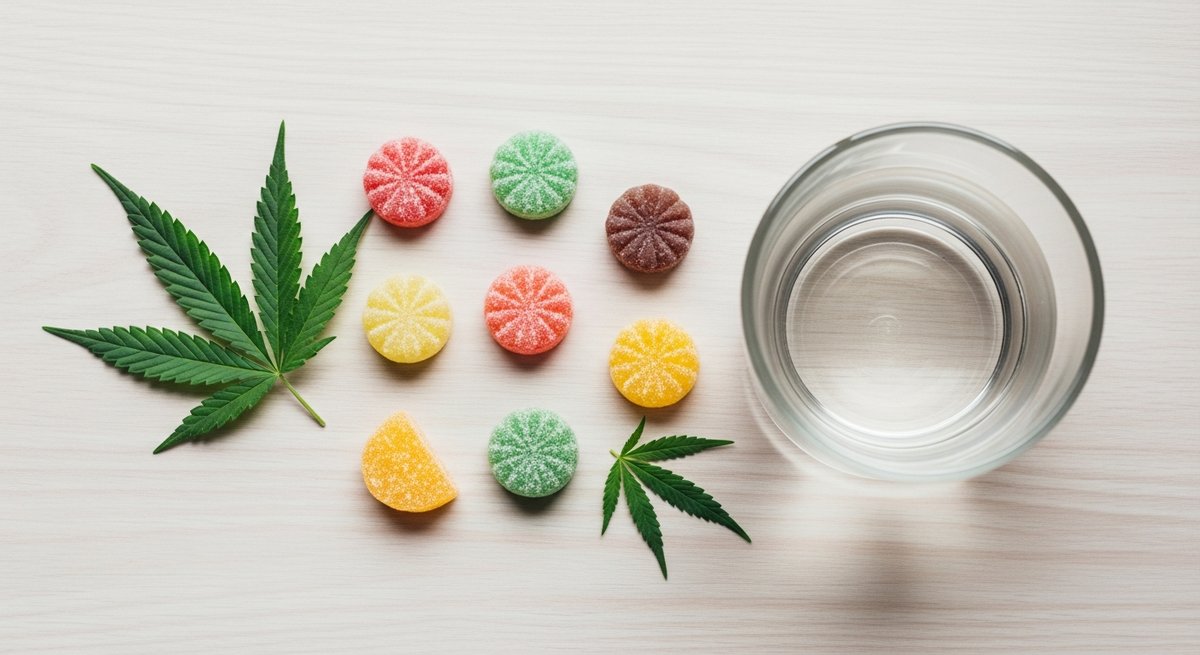
You’ve probably stood in front of a display of gummies at some point, squinting at labels that say things like “calm,” “chill,” or “relax,” and wondered whether any of it actually works. It’s a fair question. The market for cannabis and CBD gummies aimed at anxiety has exploded, and with that boom has come a lot of noise, a lot of vague promises, and not nearly enough straight talk. Let’s fix that.
Whether you’re curious about CBD gummies, low-dose THC options, or the newer hemp-derived Delta-9 formats flooding the market, this guide breaks down what the science actually says, what to look for on a label, and which products are worth your attention. Finding the best gummies for anxiety isn’t about chasing the highest milligram count or the flashiest packaging. It’s about understanding what each compound does in your body and matching that to what you actually need.
CBD vs. THC Gummies: Why the Difference Actually Matters
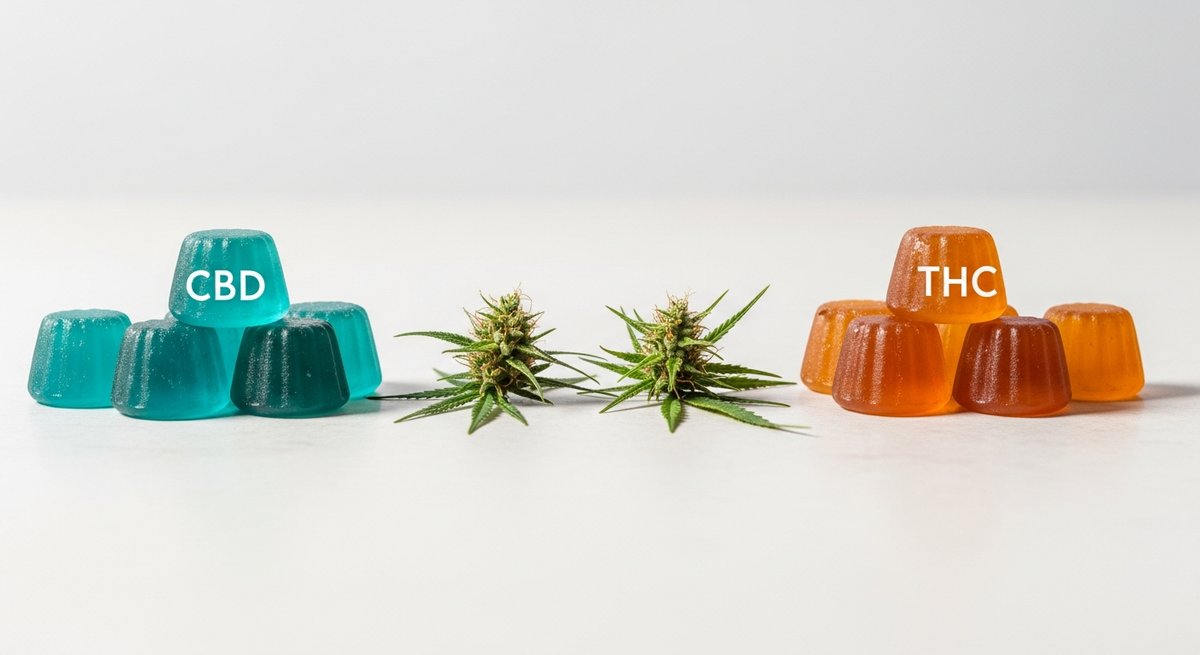
Here’s the thing that often gets lost in the marketing: CBD and THC work through entirely different mechanisms, and the distinction matters enormously when anxiety is your concern. CBD doesn’t make you high. It interacts primarily with serotonin receptors and has a modulating effect on the endocannabinoid system rather than activating it directly. THC, on the other hand, binds to CB1 receptors in the brain and can produce euphoria, relaxation, or, at higher doses, more anxiety. Yes, you read that right.
THC is dose-dependent when it comes to anxiety. A small amount (think 2.5mg to 5mg) can feel calming and take the edge off a stressful day. A large amount can spiral into paranoia, especially for people who are already prone to anxious thinking. This is why dosage is the most important variable in the conversation, not which compound you choose. If you’re curious about what CBD gummies actually do at a physiological level, the breakdown of how CBD gummies affect your body and mind covers that ground thoroughly.
Expert Insight
Dr. Alexander Tabibi
Dr. Alexander Tabibi
A 2019 retrospective case series published in The Permanente Journal found that CBD was associated with a decrease in anxiety scores in the majority of patients over the first month of observation. The study by Shannon et al. was small and observational, so it can’t establish causation, but it’s one of the more cited real-world data points on CBD and anxiety in adult populations.
The study’s limits are worth noting: no placebo control, no blinding, and a heterogeneous patient group. That doesn’t make the findings useless, but it does mean treating CBD as a definitive anxiety treatment based on current evidence would be premature. What we can say is that the tolerability profile is generally favorable and the signal is interesting enough to warrant more rigorous trials.
Shannon S et al. (2019). Cannabidiol in anxiety and sleep: a large case series. The Permanente Journal, 23:18-041. PMID: 30624194
The Dose Question Nobody Answers Clearly
Dosing for anxiety is one of those areas where the cannabis industry has done consumers a real disservice. Many brands load gummies with 25mg or even 50mg of CBD, implying that more is better. For anxiety, that logic often falls apart. Research on CBD dosing suggests an inverted U-shaped response curve for some outcomes, meaning moderate doses may perform better than very high ones. Nobody puts that on the label.
For THC, the sweet spot for anxiety relief tends to be genuinely low. Many experienced users find 2.5mg to 5mg of Delta-9 THC to be the useful range for daytime calm. Going above 10mg without tolerance can tip the scales toward anxiousness rather than away from it. If you’re new to THC gummies, starting at 2.5mg and waiting a full two hours before reassessing isn’t caution for caution’s sake. It’s just good pharmacology.
The timing of your dose matters too. For anxiety around sleep, an evening gummy works differently than a midday one. Understanding the relationship between timing and effects is worth thinking through carefully; the guide on best times of day to take weed gummies for different effects offers a practical framework for that decision.
Full-Spectrum vs. Broad-Spectrum vs. Isolate: Which Actually Helps Anxiety?
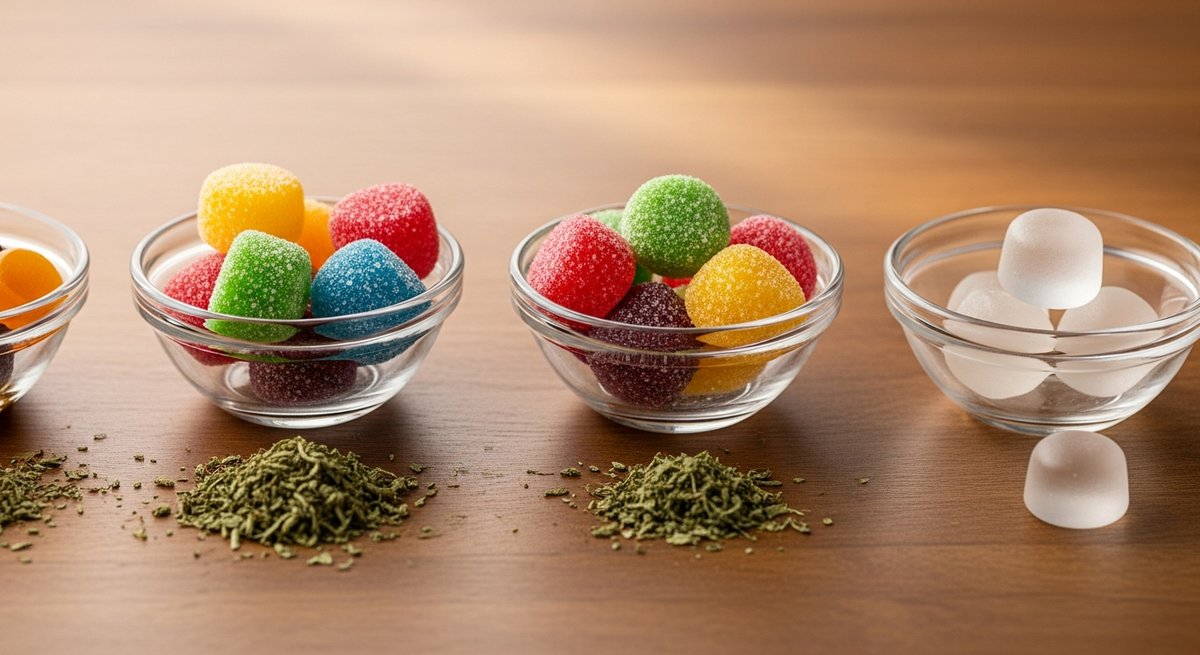
These three terms describe how much of the hemp plant ends up in the final product. Full-spectrum includes all cannabinoids, terpenes, and a small amount of THC (up to 0.3% by dry weight in hemp-derived products). Broad-spectrum removes the THC but keeps the rest. Isolate is pure CBD, nothing else.
The entourage effect hypothesis suggests that the full complement of plant compounds works better together than CBD alone. The evidence for this in anxiety specifically is still preliminary, but many users report more consistent results from full-spectrum products. For people who are drug tested or sensitive to even trace THC, broad-spectrum or isolate is the safer choice. Neither is definitively better; it depends on your situation.
Live rosin gummies are worth a specific mention here. They’re made using a solventless extraction process that preserves a broader terpene profile than standard distillate-based gummies, which means the starting material is closer to the full plant. That matters if you believe the entourage effect is real, and it’s one reason live rosin products have developed a loyal following among people who find standard CBD gummies underwhelming.
Products Worth Considering
When you’re evaluating gummies specifically for anxiety, a few criteria cut through the noise: verified third-party lab testing, a transparent cannabinoid breakdown, an appropriate dose for your experience level, and ideally a formulation that separates daytime and nighttime use. Here are two products that check those boxes in different ways.
For people who want to experiment with both daytime calm and evening wind-down without committing to a single format, a discovery pack format makes that easier. Hometown Hero’s 5mg Live Rosin Day and Night pack offers exactly that structure, with distinct formulations for morning and evening use at a low enough dose to suit newcomers. The live rosin base gives you a fuller terpene profile than most entry-level options in this dose range.
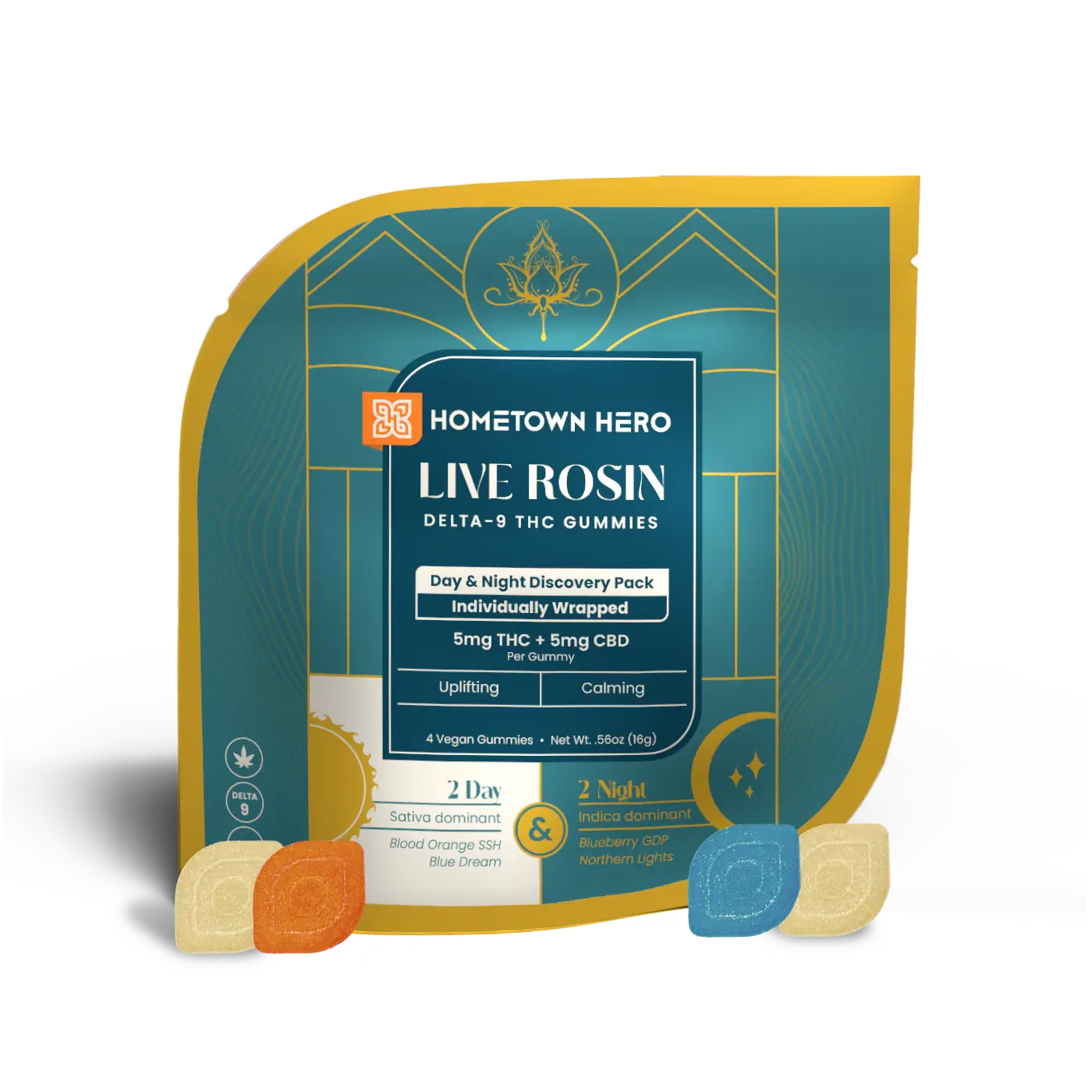
Hometown Hero 5mg Live Rosin Day & Night Discovery Pack
Solventless live rosin gummies in separate day and night formulas, 5mg THC per piece
For people whose anxiety peaks in the evening and bleeds into trouble sleeping, a sleep-specific THC gummy can address both ends of that problem. The cbdMD Delta 9 THC Lights Out Sleep Gummies combine Delta-9 THC with CBN and other sleep-supportive compounds. It’s a more targeted formulation than a general-use CBD gummy, which makes it worth considering if nighttime anxiety is your specific issue rather than daytime stress.
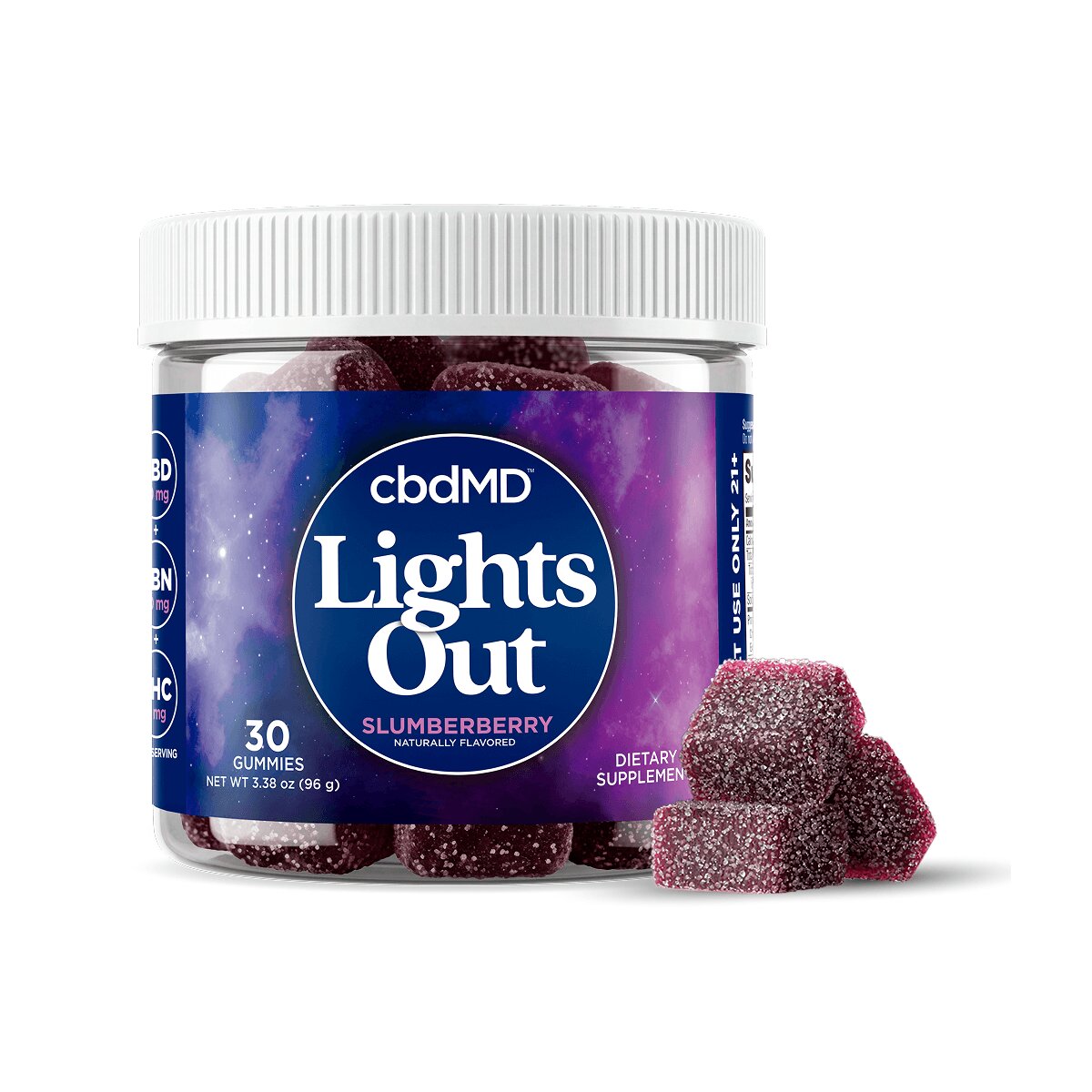
cbdMD Delta 9 THC Lights Out Sleep Gummies
Delta-9 THC plus CBN blend formulated for evening and sleep support
What the Label Should Tell You (and Often Doesn’t)

Third-party lab testing is non-negotiable. A certificate of analysis (COA) from an independent lab should confirm the actual cannabinoid content per serving, not just what the brand claims. It should also screen for residual solvents, pesticides, and heavy metals. If a brand doesn’t publish their COA openly, that’s a reason to look elsewhere. The gummy market has enough reputable options that you don’t need to gamble on transparency.
You also want to see the type of extract used, not just the milligrams. “Hemp extract” on a label tells you almost nothing. Look for terms like full-spectrum, broad-spectrum, or isolate, and note whether the product uses distillate, CO2 extract, or a solventless method like live rosin. These distinctions affect both the effect profile and the quality of what you’re consuming.
For a broader curated overview of anxiety-focused options already vetted for these criteria, the roundup of top weed gummies for anxiety and stress relief in 2025 is a useful reference point alongside your own label reading.
Realistic Expectations and a Few Honest Caveats
Gummies are not a replacement for therapy, medication, or other established anxiety interventions. Let’s be honest about that. What they can do for some people is take the sharp edge off acute situational stress, support sleep, and provide a low-stakes way to dial down physiological tension in the short term. That’s genuinely useful for a lot of people. It’s just not the same as treatment.
There’s also the question of individual variability. Two people can take the same 5mg gummy and have completely different experiences based on body weight, metabolism, prior cannabis exposure, and what they ate that day. Edibles in particular have notoriously variable onset times, anywhere from 30 minutes to two hours depending on your digestion. Factor that in before doubling your dose because “it’s not working.”
Expert Insight
Dr. Alexander Tabibi
Dr. Alexander Tabibi
A 2020 review in Neuropharmacology examined the anxiolytic potential of CBD across preclinical and clinical studies, concluding that while animal models consistently show anxiolytic effects, human clinical trials remain limited in number and scope. The authors emphasized the need for larger randomized controlled trials before definitive clinical recommendations can be made.
Individual differences in endocannabinoid system tone, baseline anxiety levels, and genetic variations in cannabinoid receptor expression all contribute to why two people can have strikingly different responses to the same dose. This variability isn’t a flaw in the research; it reflects genuine biological complexity that any honest conversation about these products has to acknowledge.
Blessing EM et al. (2015). Cannabidiol as a potential treatment for anxiety disorders. Neurotherapeutics, 12(4):825-836. PMID: 26341731
If you’re already on medication for anxiety or depression, a conversation with your prescriber before adding CBD or THC to the mix isn’t optional. CBD in particular inhibits certain cytochrome P450 liver enzymes, which means it can affect how other drugs are metabolized. That’s not a hypothetical concern; it’s a documented pharmacological interaction that applies to a meaningful number of commonly prescribed medications.
The best gummies for anxiety aren’t a universal answer, but for the right person, at the right dose, with the right expectations, they can be a genuinely useful tool in a broader approach to managing stress and tension.
Frequently asked questions
Are CBD gummies or THC gummies better for anxiety?
It depends on your sensitivity and what you need. CBD is non-intoxicating and generally well tolerated; low-dose THC (2.5mg to 5mg) can feel calming but carries a risk of worsening anxiety at higher amounts. Many people do well with a low-ratio THC product or a full-spectrum CBD gummy that contains trace THC.
How long does it take for a CBD or THC gummy to help with anxiety?
Edibles typically take 30 minutes to two hours to take effect, depending on your metabolism, body weight, and whether you’ve eaten recently. Faster onset versions using nano-emulsified cannabinoids can act within 15 to 30 minutes. Always wait the full window before considering a second dose.
What CBD dose is recommended for anxiety?
Most research on CBD for anxiety has used doses between 25mg and 300mg in clinical settings, but those studies used purified pharmaceutical-grade CBD. For gummies, starting around 10mg to 25mg and adjusting based on response is a common practical approach. Higher doses don’t reliably produce stronger anxiolytic effects.
Can THC gummies make anxiety worse?
Yes, especially at higher doses or in people with no prior cannabis experience. THC activates CB1 receptors in areas of the brain involved in fear and stress responses. At doses above 10mg, anxiety and paranoia are common side effects. Starting low at 2.5mg to 5mg significantly reduces this risk.
What should I look for on a gummy label if I have anxiety?
Look for a published third-party certificate of analysis, clear per-serving cannabinoid amounts, and the type of extract (full-spectrum, broad-spectrum, or isolate). Avoid products that only list total hemp extract weight rather than actual CBD or THC milligrams per piece, as those figures are often misleading.
Do gummies interact with anxiety medications?
CBD inhibits cytochrome P450 enzymes in the liver, which can alter blood levels of medications including SSRIs, benzodiazepines, and certain anticonvulsants. If you take any prescription medication for anxiety or mood, consult your prescriber before adding CBD or THC gummies to your routine.
Are hemp-derived Delta-9 gummies legal everywhere?
Hemp-derived Delta-9 THC gummies that contain 0.3% or less THC by dry weight are federally compliant under the 2018 Farm Bill, but several states have enacted their own restrictions. Always check current state law before purchasing, as legality can change and varies significantly by location.
Disclaimer
This article is for informational purposes only and does not constitute medical advice. CBD and THC products are not intended to diagnose, treat, cure, or prevent any disease or medical condition, including anxiety disorders. Consult a qualified healthcare provider before using cannabis or hemp products, especially if you take prescription medications or have an existing health condition.
Sources
Shannon S, Lewis N, Lee H, Hughes S. (2019). Cannabidiol in anxiety and sleep: a large case series. The Permanente Journal, 23:18-041. PMID: 30624194
Blessing EM, Steenkamp MM, Manzanares J, Marmar CR. (2015). Cannabidiol as a potential treatment for anxiety disorders. Neurotherapeutics, 12(4):825-836. PMID: 26341731
Turna J, Patterson B, Van Ameringen M. (2017). Is cannabis treatment for anxiety, mood, and related disorders ready for prime time? Depression and Anxiety, 34(11):1006-1017. PMID: 28636769
Stout SM, Cimino NM. (2014). Exogenous cannabinoids as substrates, inhibitors, and inducers of human drug metabolizing enzymes: a systematic review. Drug Metabolism Reviews, 46(1):86-95. PMID: 24160757
For adults 21+ only. Cannabis laws vary by state. If you are experiencing a mental health crisis or medical emergency, call 911 or go to your nearest emergency room immediately. Do not delay seeking professional help based on information in this article.