🚛 FREE DISCREET SHIPPING ON ALL ORDERS $49+









What is THCA?
Pick up almost any hemp product these days and you will spot those four letters somewhere on the label. THCA. Sometimes it is the headline number, sometimes it is tucked below THC in smaller print. Either way, it raises a pretty reasonable question: what exactly is this compound, and why does it keep showing up everywhere? The short answer is

Published on: April 11, 2026
Pick up almost any hemp product these days and you will spot those four letters somewhere on the label. THCA. Sometimes it is the headline number, sometimes it is tucked below THC in smaller print. Either way, it raises a pretty reasonable question: what exactly is this compound, and why does it keep showing up everywhere?
The short answer is that THCA is the raw, unactivated precursor to THC, and it is naturally abundant in fresh cannabis. But that one sentence barely scratches the surface. The longer answer involves a bit of chemistry, a surprising legal gray area, and a genuinely interesting story about how the same molecule can behave in radically different ways depending on how much heat you apply to it.
Let’s dig into all of it.
The Chemistry Behind the Compound
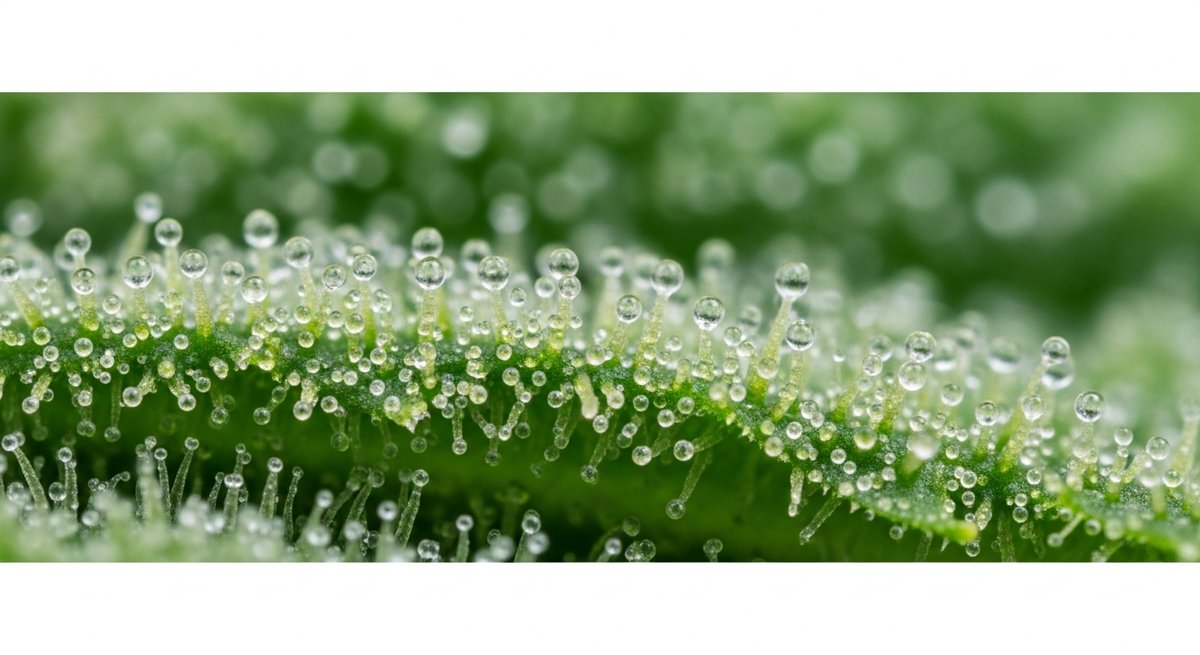
Tetrahydrocannabinolic acid – you can see why people stick with the abbreviation – is a cannabinoid acid that forms naturally inside the trichomes of the cannabis plant. While the plant is growing and freshly harvested, THC does not actually exist in significant amounts. What exists instead is THCA, the acidic precursor from which THC eventually comes.
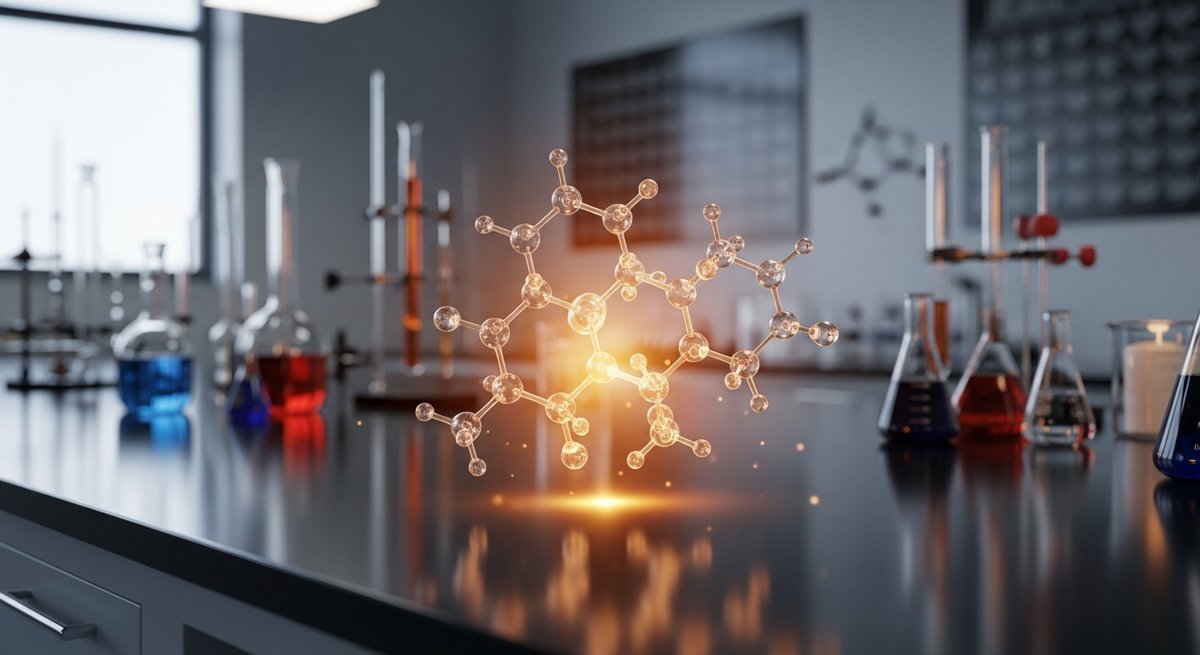
The difference between the two molecules is a single carboxyl group (COOH) attached to the THCA structure. That one extra cluster of atoms sounds minor, but it has enormous consequences. Because of that carboxyl group, THCA does not fit neatly into the CB1 receptors in your brain the way THC does. No fit, no psychoactive effect. Raw cannabis simply will not get you high.
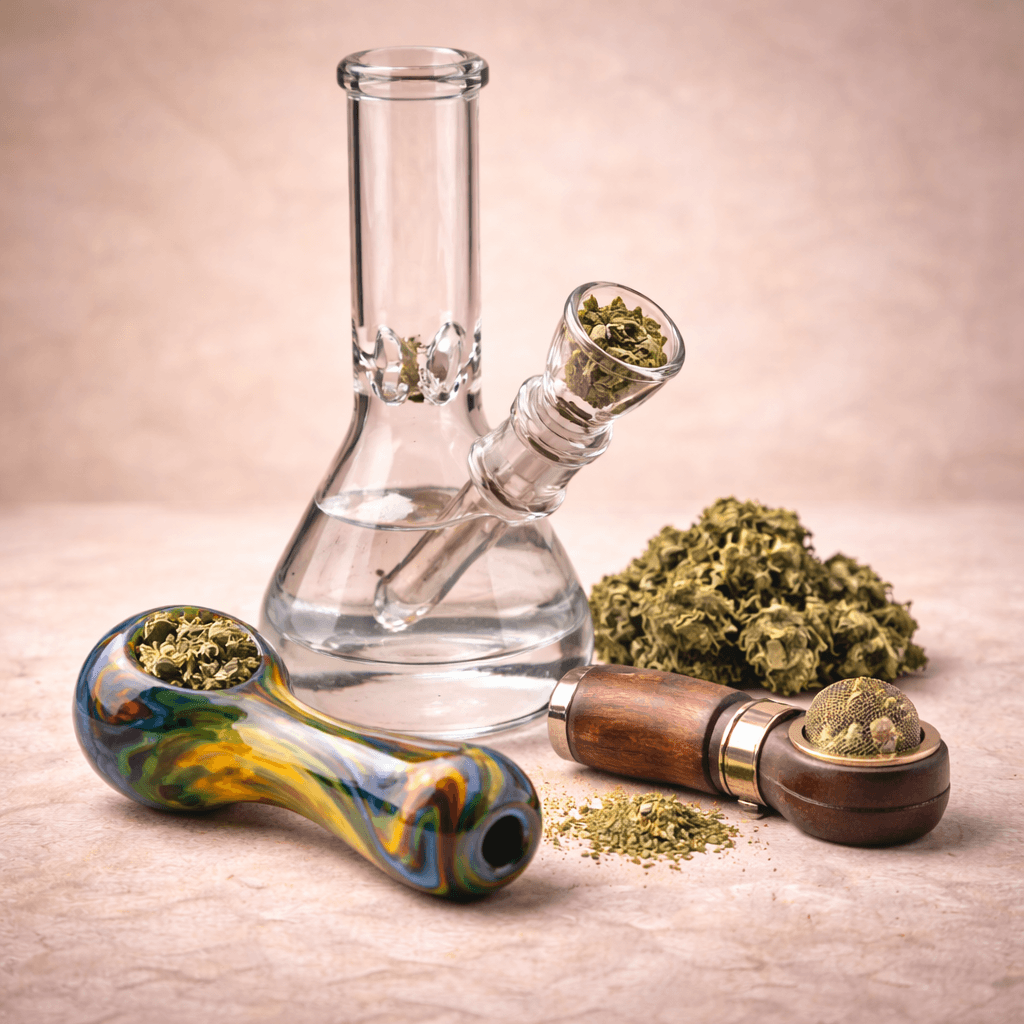
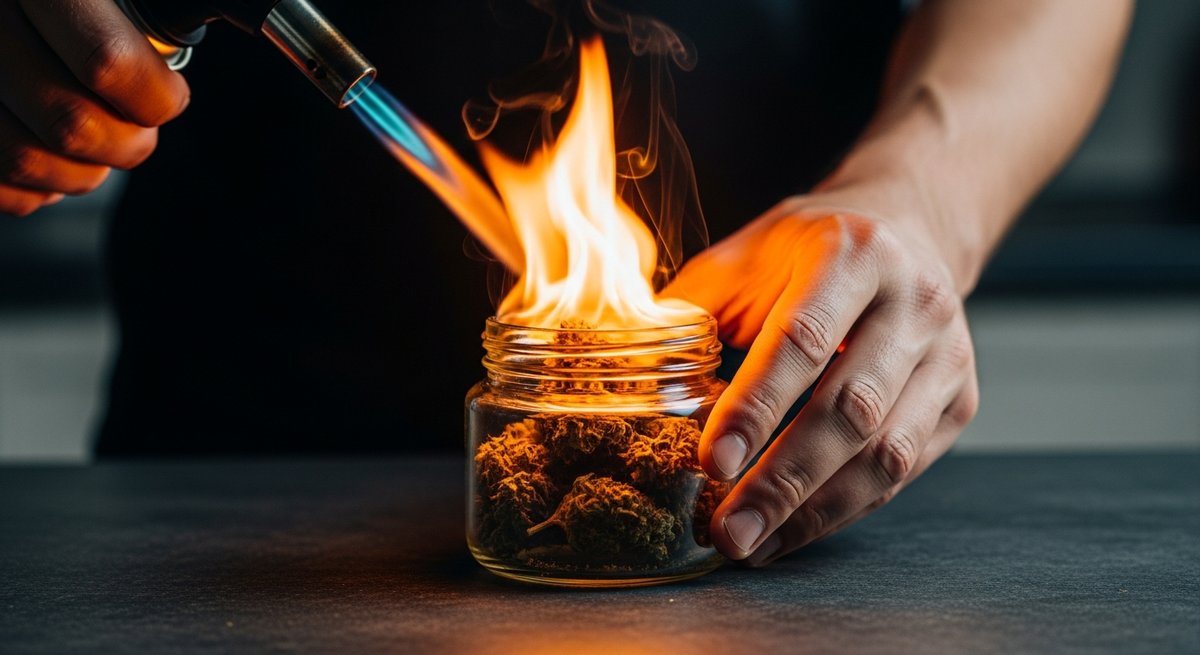
When you apply heat – through smoking, vaping, or even just leaving dried flower and pre roll in a hot car for long enough – that carboxyl group breaks off in a process called decarboxylation. What remains is delta-9 THC, the active compound most people are familiar with. It is the same transformation that happens when you bake cannabis butter or warm up a concentrate. Heat is the trigger.
Expert Insight
Dr. Alexander Tabibi
Dr. Alexander Tabibi
THCA, or tetrahydrocannabinolic acid, is the raw acidic precursor to delta-9 THC. In its unheated form, THCA is generally considered non-intoxicating because it does not strongly activate CB1 receptors in the same way decarboxylated THC does. This is why raw cannabis flower can contain high THCA levels without producing the same psychoactive effect until it is heated through smoking, vaping, or cooking.
Preclinical research has explored THCA alongside other acidic cannabinoids such as CBDA. One animal study published in Psychopharmacology found that combined low doses of THCA and CBDA reduced nausea-related behavior in rats through pathways involving 5-HT1A and PPARα receptors. These findings are early-stage and should not be treated as human clinical evidence, but they help explain why researchers continue to study acidic cannabinoids separately from THC.
Rock EM, Sullivan MT, Pravato S, et al. (2020). Effect of combined doses of delta-tetrahydrocannabinol and cannabidiol or tetrahydrocannabinolic acid and cannabidiolic acid on acute nausea in male Sprague-Dawley rats. Psychopharmacology, 237(3):901–914.
PMID: 31897571
PMID: 31897571
How Decarboxylation Works in Practice
Here is something that trips people up. If a lab tests raw cannabis flower and reports a THCA percentage of, say, 24%, that number is telling you the potential THC content once the flower is smoked or vaporized. It is not saying the flower contains 24% active THC right now. Most of the cannabinoids sitting in that jar are still in acidic form.
The conversion is not perfectly efficient either. Some of the THCA burns off or converts to other byproducts during combustion, which is part of why vaporizers at controlled temperatures tend to preserve more of the intended experience. Temperature precision actually matters quite a bit here. Decarboxylation begins around 220 degrees Fahrenheit and accelerates well before the temperatures used in smoking.
Even slow aging and exposure to light can cause gradual decarboxylation over time. That is why properly cured and stored flower matters – improper storage that exposes cannabis to heat and UV light can quietly erode THCA content before the product even reaches a consumer.
How THCA Is Produced in the Cannabis Plant
Before THCA exists, the cannabis plant first produces a precursor cannabinoid called Cannabigerolic acid, often referred to as the “mother cannabinoid.” Inside the glandular trichomes of cannabis flowers, specialized enzymes convert CBGA into several major cannabinoid acids, including CBDA, CBCA, and THCA.
THCA is specifically formed when the enzyme THCA synthase acts on CBGA during plant development. This process happens naturally as the flower matures, which is why harvest timing can significantly affect cannabinoid potency. Plants harvested too early may contain lower THCA concentrations, while properly matured flowers typically show much higher cannabinoid density.
Environmental conditions also influence THCA production. Genetics, light intensity, nutrient availability, temperature, and cultivation techniques all affect how much THCA accumulates in the trichomes. This explains why premium indoor-grown cannabis often tests higher in THCA compared to lower-quality flower. In practical terms, the plant does not produce large amounts of active THC on its own — it primarily produces THCA, which only becomes THC after decarboxylation.
Potential Side Effects and Safety Considerations
Raw THCA itself is generally considered non-intoxicating because it does not strongly bind to the Cannabinoid receptor type 1 in the brain. However, most consumers do not use THCA in raw form. When THCA flower, concentrates, or vapes are heated, they convert into delta-9 THC and can produce the same side effects associated with THC consumption.
Common side effects after decarboxylation may include:
- Dry mouth
- Red eyes
- Increased heart rate
- Dizziness
- Delayed reaction time
- Anxiety or paranoia at high doses
- Impaired coordination and judgment
Sensitivity varies significantly between individuals. New users and people with low THC tolerance may experience stronger psychoactive effects, especially when consuming high-THCA flower or concentrates. Potent THCA products can exceed 25–30% THCA, meaning the resulting THC exposure can be substantial after heating.
THCA-derived THC may also interact with certain medications, particularly sedatives, antidepressants, and drugs metabolized by liver enzymes. Anyone with cardiovascular conditions, psychiatric concerns, or prescription medications should consult a healthcare professional before use.
How to Store THCA Flower Properly
Proper storage matters more than many consumers realize. THCA is relatively stable under ideal conditions, but exposure to heat, light, oxygen, and humidity can gradually trigger unwanted degradation and decarboxylation.
To preserve THCA potency:
- Store flower in an airtight glass container
- Keep it in a cool, dark place
- Avoid direct sunlight and UV exposure
- Maintain relative humidity around 58–65%
- Minimize repeated air exposure
Excess heat can slowly convert THCA into THC even without smoking or vaping. Over longer periods, THC itself may further degrade into other cannabinoids such as CBN, which can alter the product’s effects. Proper curing and storage help preserve terpene content, flavor, aroma, and cannabinoid profile.
If maintaining maximum THCA content is the goal, temperature control is especially important.
THCA vs THCP vs THCV
As cannabinoid science expands, consumers increasingly encounter newer compounds such as Tetrahydrocannabiphorol and Tetrahydrocannabivarin. While these names sound similar, their effects and pharmacology differ significantly.
THCA is the acidic precursor to THC and remains non-intoxicating until heated. Its primary importance lies in its conversion into delta-9 THC.
THCP is a rare cannabinoid structurally similar to THC but believed to bind much more strongly to cannabinoid receptors. Early research suggests it may be significantly more potent than delta-9 THC, though human data remains limited.
THCV behaves differently. At lower doses, it may interact with cannabinoid receptors in ways that differ from THC and is often discussed in research related to energy, focus, and appetite modulation.
Understanding these distinctions helps consumers avoid confusing fundamentally different cannabinoids simply because their names look similar.
What Researchers Have Been Looking At
The scientific interest in THCA as a molecule in its own right – separate from its role as a THC precursor – is still fairly young. Most early cannabis research focused on THC and CBD because those were the activated, easier-to-study forms. As interest in cannabinoid science expanded, researchers began paying more attention to the acidic forms.
Preclinical work has looked at THCA in the context of inflammation, nausea, and neuroprotection, among other areas. These are early-stage findings, largely from cell and animal models, and none of them constitute proof of medical benefit in humans. What they do is point researchers toward mechanisms worth studying further. The picture is genuinely interesting even if it is incomplete.
For a broader look at what the available science suggests about potential uses, the health benefits associated with THCA are covered in more detail separately. It is worth reading alongside this piece if you are trying to build a fuller picture of the compound.
Expert Insight
Dr. Alexander Tabibi
Dr. Alexander Tabibi
A 2017 review article published in Cannabis and Cannabinoid Research surveyed the preclinical literature on cannabinoid acids including THCA. The authors noted that THCA demonstrated anti-inflammatory activity in cell culture models via COX-1 and COX-2 inhibition, and anti-emetic properties in animal models – findings the authors framed as exploratory rather than clinically conclusive, given the absence of controlled human trials at that time.
It is worth underscoring what “preclinical” means here: cell studies and rodent models identify targets and mechanisms, not treatments. The leap from “THCA reduced inflammation markers in a lab dish” to “THCA is an anti-inflammatory therapy for humans” is a very long one, and the current evidence does not support that leap. That does not make the early findings uninteresting; it just means they require honest framing.
Rock EM, Parker LA. (2013). Effect of low doses of cannabidiolic acid and ondansetron on LiCl-induced conditioned gaping (a model of nausea-induced behaviour) in rats. British Journal of Pharmacology, 169(3):685-692. PMID: 23488964
The Legal Picture Is More Complicated Than It Looks
Here is where things get genuinely interesting from a regulatory standpoint. The 2018 Farm Bill legalized hemp and its derivatives as long as the final product contains no more than 0.3% delta-9 THC on a dry weight basis. Notice what that threshold measures: delta-9 THC, not THCA.
This created a gap. Hemp-derived THCA flower can be cultivated with very high THCA percentages – sometimes well above 20% – while technically staying under the delta-9 THC limit. Once that flower is smoked or vaporized, though, the decarboxylation process converts much of that THCA into active THC. Functionally, it behaves much like traditional cannabis flower. Legally, at the federal hemp level, it may qualify as a compliant hemp product.
The DEA and some state regulators have pushed back on this interpretation, and state laws vary considerably. Some states have explicitly moved to close the THCA loophole; others have not yet addressed it. If you are purchasing THCA products, checking your state’s specific rules is genuinely important, not just a legal footnote. The landscape shifts frequently.
One area where the legal question has real-world stakes is drug testing. Because THCA converts to THC upon decarboxylation and because standard urine immunoassay tests detect THC metabolites, using THCA products that convert to THC is very likely to produce a positive result. If drug testing is part of your life – employment, legal, or otherwise – this matters. The 2025 guide to drug testing and cannabinoids covers how different testing methods work and what they actually detect.
Expert Insight
Dr. Alexander Tabibi
Dr. Alexander Tabibi
A 2020 review published in Molecules examined the biological activity of acidic cannabinoids, with particular focus on cannabidiolic acid (CBDA). The authors highlighted that cannabinoid acids such as CBDA and THCA remain scientifically underexplored despite showing promising preclinical activity in anti-inflammatory, anti-emetic, and neuroprotective pathways.
This review reinforces an important concept in cannabinoid science: acidic cannabinoids should not be viewed merely as inactive precursors. Although THCA is best known as the raw precursor to delta-9 THC, emerging evidence suggests it may possess distinct biological activity prior to decarboxylation. These findings remain preclinical and do not establish therapeutic benefit in humans, but they support continued research into THCA as a biologically relevant compound in its own right.
Formato M, Crescente G, Scognamiglio M, et al. (2020). (-)-Cannabidiolic Acid, a Still Overlooked Bioactive Compound: An Introductory Review and Preliminary Research. Molecules, 25(11):2638.
PMID: 32517131
PMID: 32517131
THCA Products: What’s Actually on the Market
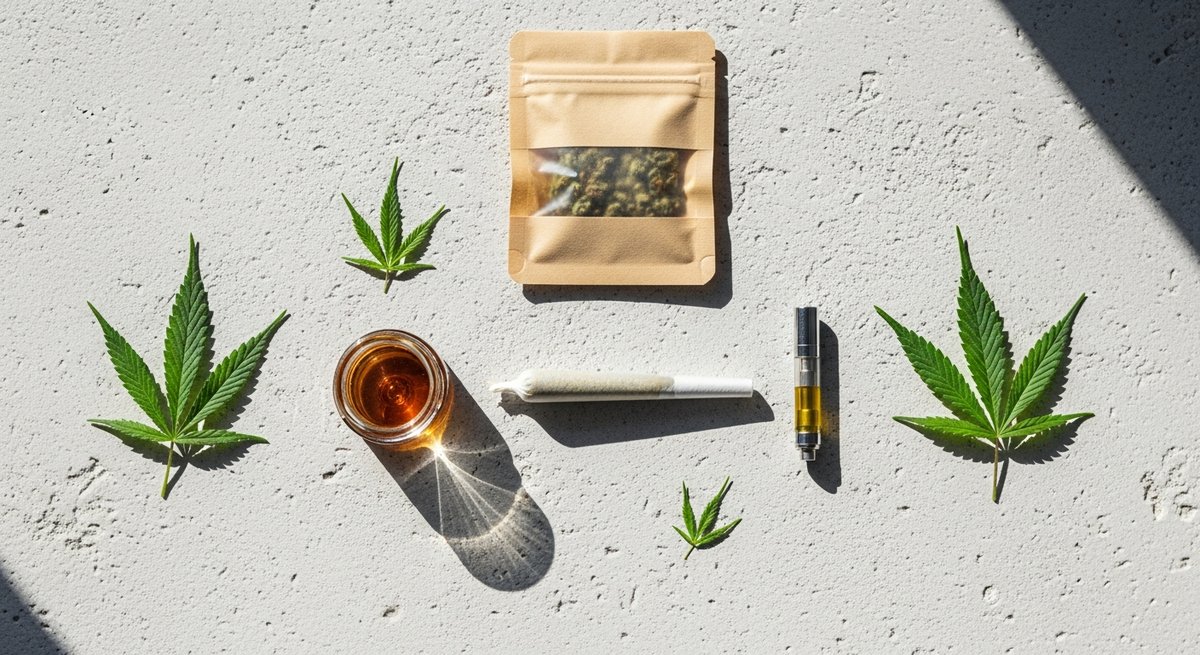
The product landscape has expanded quickly. You will find hemp-derived THCA in flower, concentrates, edibles, and vapes. Each format handles the decarboxylation question differently, and that affects both the expected experience and the practical considerations around dosing.
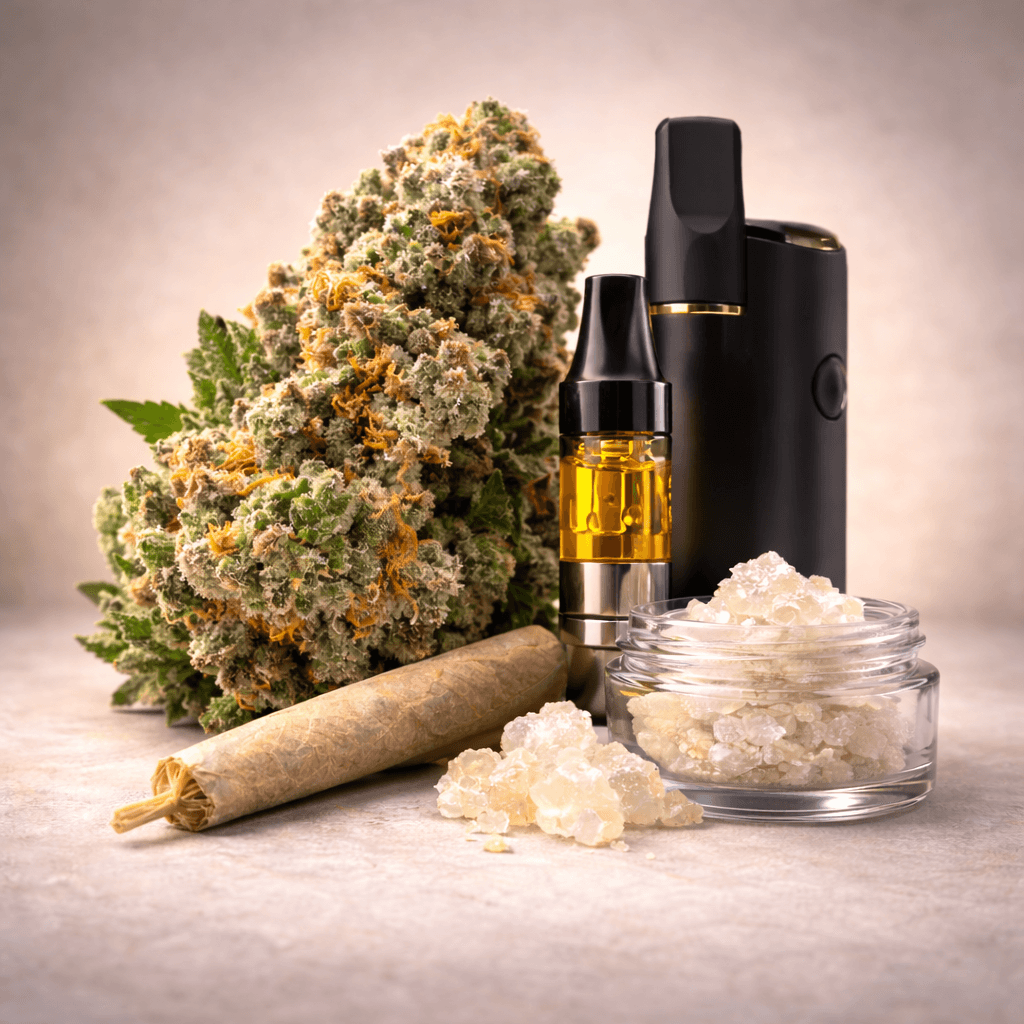
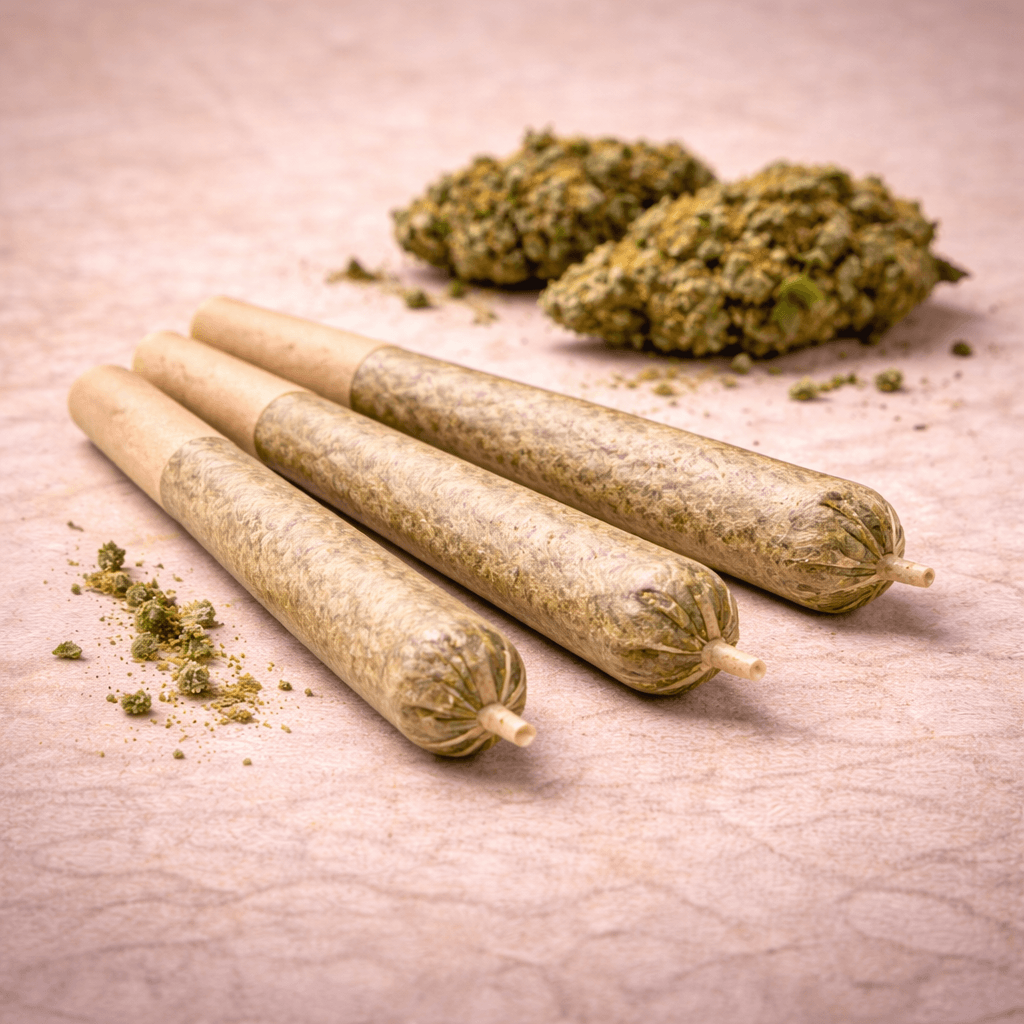
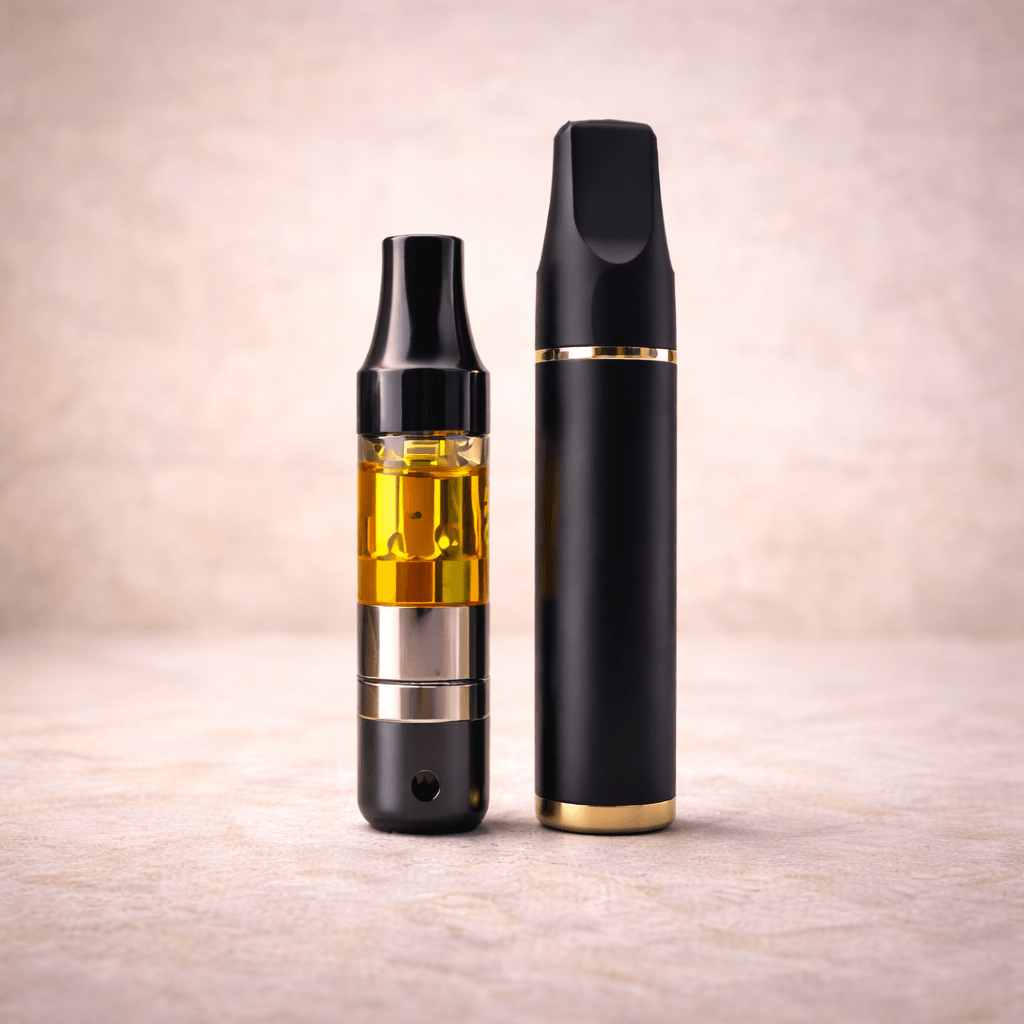
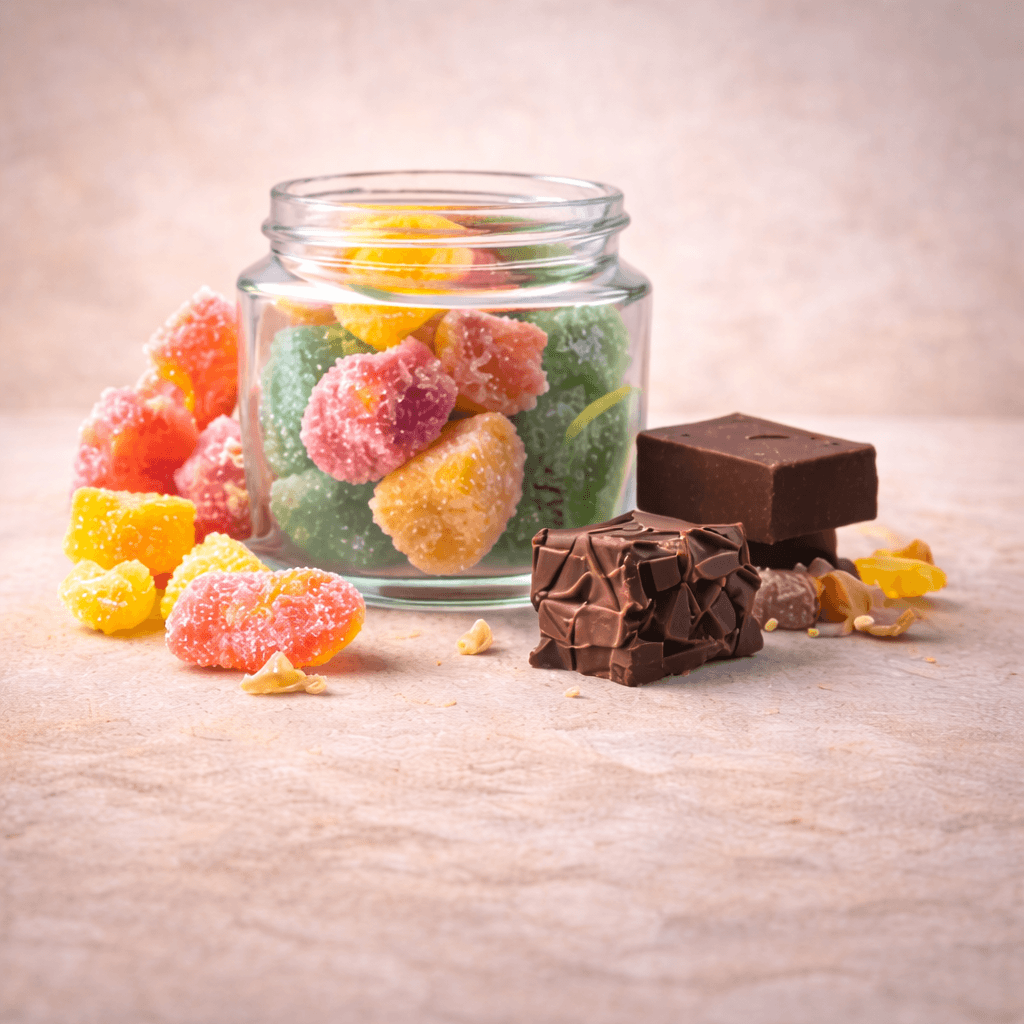
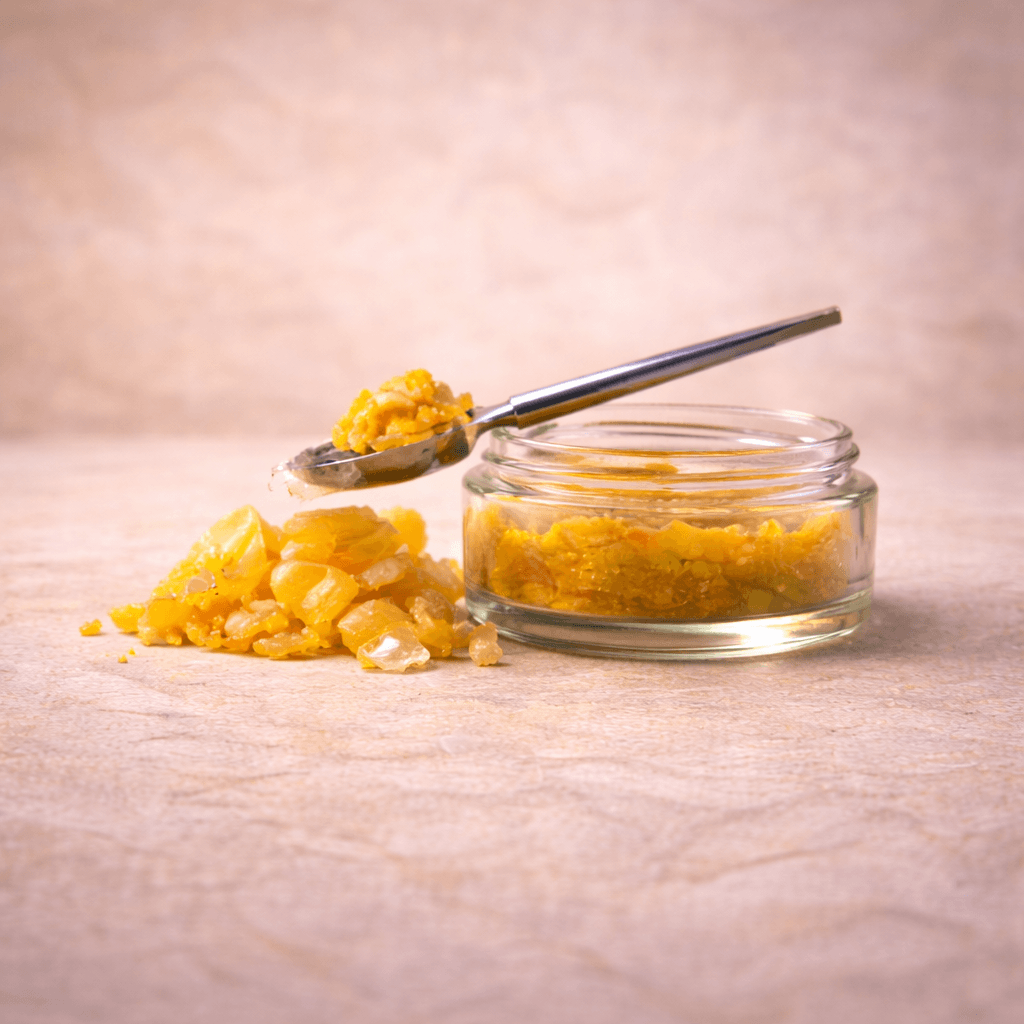
Flower and pre-rolls are the most straightforward: combustion or vaporization converts THCA to THC in real time, delivering the expected psychoactive effect. Concentrates like diamonds, badder, and crumble are highly purified THCA extracts – some testing above 90% purity – that are typically dabbed or vaporized at high temperatures, making decarboxylation nearly complete. Edibles and gummies that contain THCA are usually formulated with a blend of THCA and an already-activated cannabinoid like delta-9 THC, since THCA ingested without heat does not reliably convert in the digestive tract.
Gummies that combine THCA with delta-9 are one example of the blended approach. Readers who want a familiar edible format with predictable effects might consider a product like the Cookies THCA + Delta 9 Gummies line, which pairs both cannabinoids in a convenient two-count format – giving you a concrete sense of how manufacturers are addressing the conversion question in an edible context.
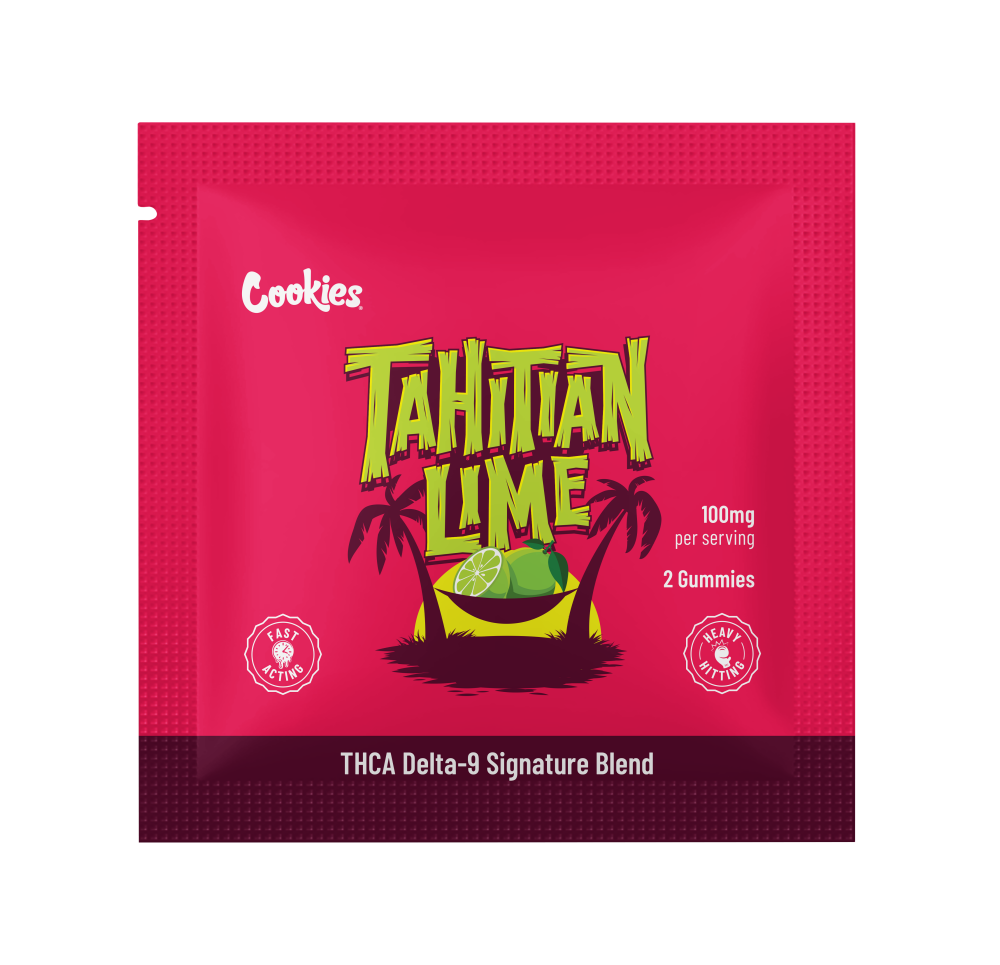
Cookies THCA + Delta 9 Gummies
Tahitian Lime flavor, 2-count pack combining THCA and delta-9 THC in a ready-to-eat gummy format.
How THCA Compares to Other Cannabinoids
People often ask how THCA stacks up against CBD, delta-8, or delta-9 THC. The honest answer is that each occupies a different position on the spectrum of cannabinoid activity, and comparing them requires being specific about what you are comparing.
Raw THCA and CBD share the property of being non-intoxicating when consumed without heat. Beyond that the similarity fades. CBD is already in its active form and interacts with the endocannabinoid system and several other receptor types in its own right. THCA is essentially a precursor in waiting, with its own distinct receptor interactions that disappear once it decarboxylates. Comparing THCA to delta-8 or delta-9 without specifying whether the THCA has been heated is almost a category error – you are comparing an inactive form to an active one.
Once decarboxylated, THCA becomes delta-9 THC – the same compound, not a milder analog. This distinguishes it from delta-8, which is a structural isomer of delta-9 with its own somewhat different potency and receptor binding profile. If you are trying to understand how THCA flower will actually feel when smoked, the relevant comparison is to delta-9 THC flower, not to CBD or delta-8 products.
Reading a Certificate of Analysis for THCA
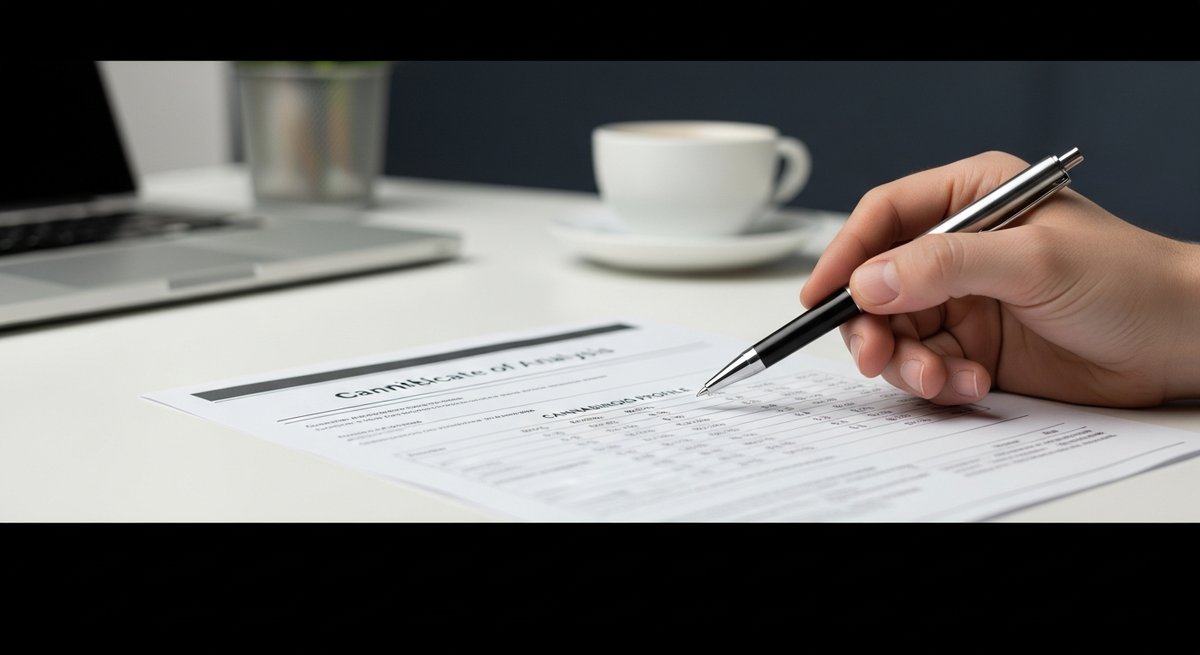
Any reputable hemp-derived THCA product should come with a certificate of analysis from an accredited third-party lab. Understanding what you are reading matters more than most people realize.
Labs typically report THCA and delta-9 THC as separate line items. For a product to qualify as federally compliant hemp, the delta-9 THC percentage must be at or below 0.3% on a dry weight basis. The THCA number can be significantly higher without violating that threshold – which is the regulatory gap described above. Some labs also calculate a “total THC” figure using the formula: Total THC = (THCA x 0.877) + delta-9 THC. That conversion factor accounts for the molecular weight change during decarboxylation. If a product lists total THC rather than just delta-9, it is giving you a more realistic picture of the psychoactive potential after heating.
Beyond cannabinoid potency, a complete COA should also include testing for residual solvents, heavy metals, pesticides, and microbial contaminants. These panels tell you whether the product was produced safely, not just what is in it at a cannabinoid level. If a COA only covers potency and nothing else, that is a gap worth noting before you purchase.
The Bottom Line on THCA
THCA is the naturally occurring, non-intoxicating acidic form of THC found in raw and live cannabis. Heat converts it to delta-9 THC through decarboxylation, making it fully psychoactive. The compound exists in an unusual regulatory space thanks to how the 2018 Farm Bill defined hemp, which has allowed a significant hemp-derived THCA market to develop even as some states move to restrict it.
Early research on THCA as a molecule in its own right is ongoing and points to some interesting mechanistic territory, but human clinical evidence remains limited. For anyone consuming THCA products in their heated form – flower, concentrates, vapes – the practical reality is that they are consuming delta-9 THC, with everything that implies for effects, drug testing, and the legal rules of their specific state.
Understanding the difference between the raw acid and its activated form is the foundation for making sense of everything else – the labels, the lab reports, the legal debates, and the research. It turns out those four letters carry quite a bit of meaning once you know where to look.
Frequently asked questions
What does THCA stand for?
THCA stands for tetrahydrocannabinolic acid. It is the raw, acidic precursor to delta-9 THC that forms naturally inside cannabis trichomes while the plant is growing. The “A” at the end refers to the carboxyl acid group attached to the molecule.
Does THCA get you high?
Raw THCA does not produce a psychoactive effect because its carboxyl group prevents it from binding effectively to CB1 receptors in the brain. However, when THCA is heated through smoking, vaping, or dabbing, it converts to delta-9 THC and becomes fully intoxicating.
Is THCA legal federally?
Under the 2018 Farm Bill, hemp products with no more than 0.3% delta-9 THC on a dry weight basis are federally legal. Hemp-derived THCA can technically meet that threshold even at high THCA percentages, creating a legal gray area. State laws vary widely and some have moved to restrict THCA specifically.
Will THCA show up on a drug test?
Yes, if the THCA has been heated and converted to delta-9 THC before consumption. Standard urine drug tests detect THC metabolites, and consuming decarboxylated THCA products such as smoked flower or vaporized concentrates is very likely to produce a positive result.
What is the difference between THCA and THC?
THCA has an extra carboxyl group attached to its molecular structure that THC does not. This group prevents THCA from fitting the brain receptors that THC activates. Applying heat removes that group through decarboxylation, converting THCA directly into delta-9 THC.
What temperature does THCA decarboxylate at?
Decarboxylation begins around 220 degrees Fahrenheit and accelerates with higher temperatures. Sustained heat during baking, vaporization, or combustion drives the conversion. Even prolonged exposure to light and ambient warmth can cause slow decarboxylation in stored flower over time.
How do I read THCA on a lab report?
Lab reports list THCA and delta-9 THC separately. Federal hemp compliance is determined by the delta-9 number staying at or below 0.3%. To estimate total psychoactive potential after heating, use: Total THC = (THCA x 0.877) + delta-9 THC. A complete COA also covers pesticides, metals, and microbials.
Important: This content is for informational purposes only and does not constitute medical advice, diagnosis, or treatment. THCA and related cannabinoid research is ongoing and largely preclinical. Consult a qualified healthcare provider before using any cannabis or hemp-derived product, especially if you have a medical condition or take prescription medications. Individual responses to cannabinoids vary.
Sources
-
-
- Rock EM, Parker LA. (2013). Effect of low doses of cannabidiolic acid and ondansetron on LiCl-induced conditioned gaping (a model of nausea-induced behaviour) in rats. British Journal of Pharmacology, 169(3):685-692. PMID: 23488964
- , 237(3):901–914.
- Rock EM, Sullivan MT, Pravato S, et al. (2020). Effect of combined doses of delta-tetrahydrocannabinol and cannabidiol or tetrahydrocannabinolic acid and cannabidiolic acid on acute nausea in male Sprague-Dawley rats. Psychopharmacology, PMID: 31897571
- Formato M, Crescente G, Scognamiglio M, et al. (2020). (-)-Cannabidiolic Acid, a Still Overlooked Bioactive Compound: An Introductory Review and Preliminary Research. Molecules PMID: 32517131, 25(11):2638.
- Rock EM, Parker LA. (2013). Effect of low doses of cannabidiolic acid and ondansetron on LiCl-induced conditioned gaping (a model of nausea-induced behaviour) in rats. British Journal of Pharmacology, 169(3):685-692. PMID: 23488964
-
For adults 21+ only. Cannabis laws vary by state. This article is intended for informational purposes only and does not constitute legal or medical advice. If you are experiencing a medical emergency, call 911 or go to your nearest emergency room immediately. Do not disregard professional medical advice or delay seeking it because of something you have read here.