🚛 FREE DISCREET SHIPPING ON ALL ORDERS $49+










What is Delta 9 THC?
Here is a question worth sitting with for a moment: if you have ever felt the unmistakable warmth of a cannabis high, the kind that softens the edges of a long day, you have already had a very personal introduction to delta 9 THC. Most people just did not know it by name. Delta 9 tetrahydrocannabinol is the primary psychoactive

Published on: April 10, 2026
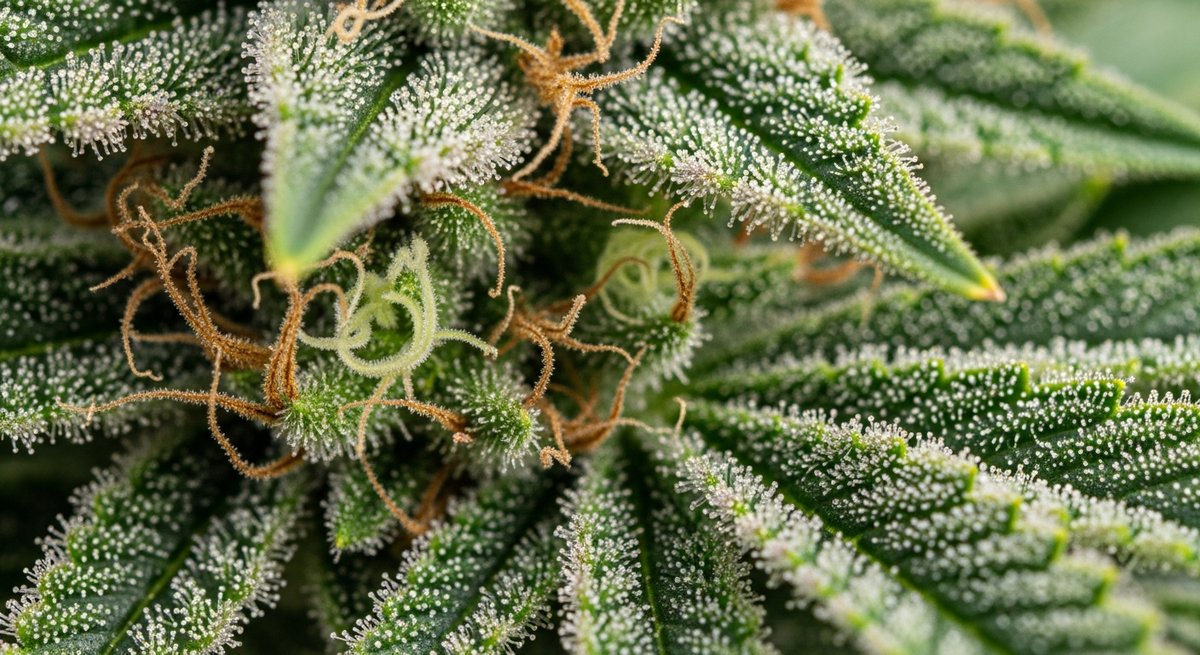
Here is a question worth sitting with for a moment: if you have ever felt the unmistakable warmth of a cannabis high, the kind that softens the edges of a long day, you have already had a very personal introduction to delta 9 THC. Most people just did not know it by name. Delta 9 tetrahydrocannabinol is the primary psychoactive compound in cannabis, the molecule responsible for that euphoric, time-bending, occasionally snack-obsessed experience that cannabis has been famous for across centuries. Understanding what it actually is, how it works, and why it behaves so differently depending on dose and delivery method makes the whole thing a lot less mysterious.
The Molecule Behind the High
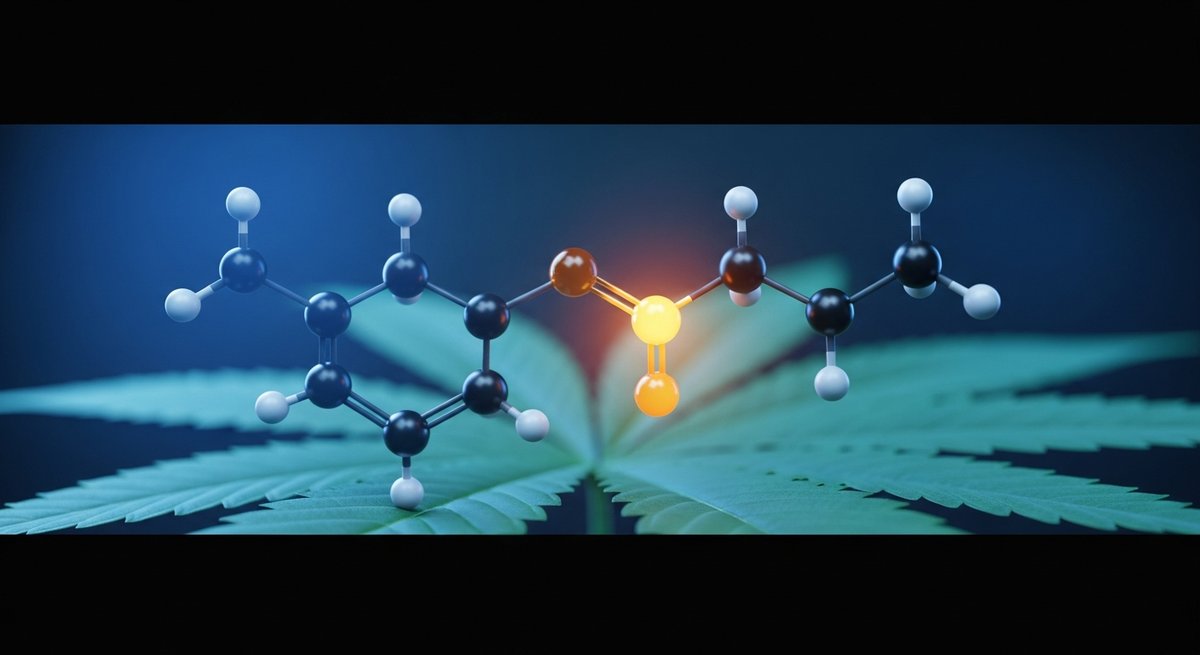
Delta 9 THC is a cannabinoid, one of more than 100 chemical compounds produced naturally by the cannabis plant. Its full chemical name is delta-9-tetrahydrocannabinol, and the “delta 9” part refers to the location of a specific double bond in the molecule’s carbon chain. That one structural detail turns out to matter enormously, because it determines exactly how the compound fits into receptors in your brain and body.
The cannabis plant does not actually produce delta 9 THC directly. It starts as THCA, the raw acidic precursor found in live and freshly harvested plant material. THCA is non-intoxicating on its own. When you apply heat – through smoking, vaporizing, or even baking – a process called decarboxylation strips away a carboxyl group and converts THCA into active delta 9 THC. That is why eating raw cannabis flower does not get you high.
Once converted and consumed, delta 9 THC is fat-soluble, which means it absorbs readily into tissues that contain fat. That biological quirk influences everything from how fast it kicks in to how long it stays detectable in your system.
How Delta 9 THC Actually Works in Your Brain
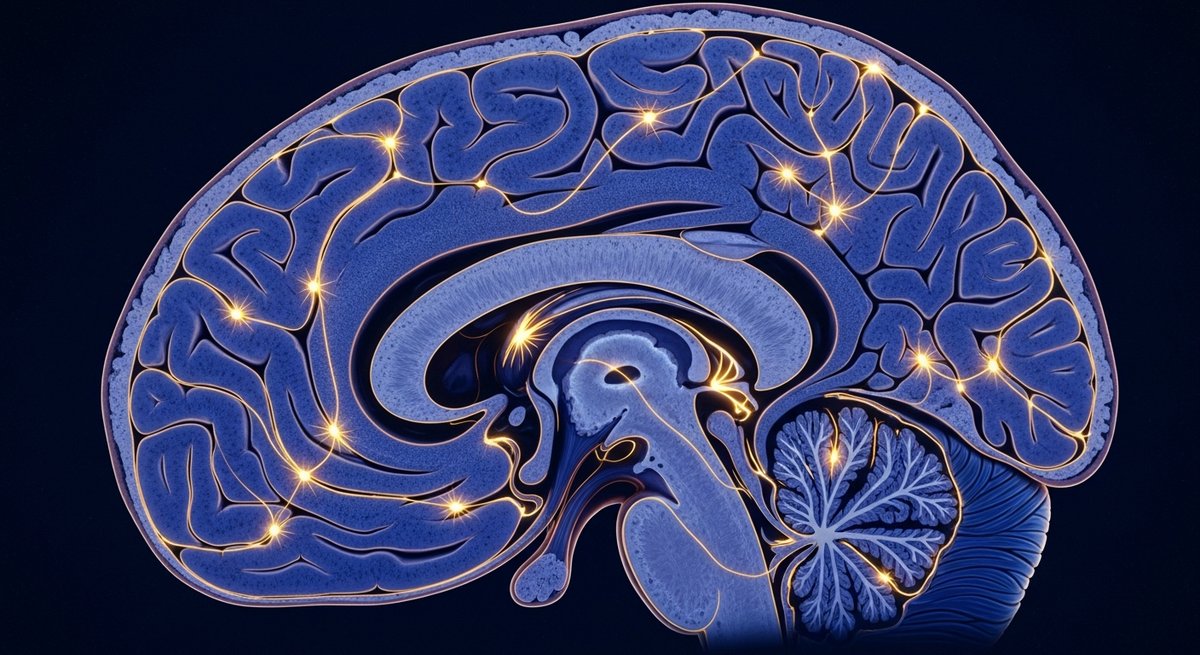
Your body has a built-in system called the endocannabinoid system (ECS), a network of receptors, enzymes, and naturally produced compounds that helps regulate mood, appetite, memory, pain perception, and sleep. The two main receptor types are CB1 and CB2. CB1 receptors are concentrated heavily in the brain and central nervous system, while CB2 receptors are found mostly in immune tissues.
Delta 9 THC binds primarily to CB1 receptors, and it does so with a much stronger grip than your body’s own naturally occurring cannabinoids like anandamide. That strong binding is essentially why the psychoactive effects are so pronounced. The regions most affected include the hippocampus (memory), the amygdala (emotional processing), the basal ganglia (movement and reward), and the prefrontal cortex (decision-making and time perception).
This is also why the experience varies so much from person to person. Genetics, individual receptor density, prior cannabis experience, and even your mood at the time all shape how that CB1 activation translates into a felt experience.
Expert Insight
Dr. Alexander Tabibi
Dr. Alexander Tabibi
A 2003 review synthesized the pharmacology of delta 9 THC across human and animal research, noting that its partial agonist activity at CB1 receptors in the brain is the primary driver of psychoactive effects including altered time perception, euphoria, and appetite stimulation. The review also highlighted that CB1 receptor density in the prefrontal cortex is a key variable in how strongly any individual responds to the same dose.
What the literature is still working through is the dose-response curve at the population level – especially how tolerance, genetics, and concurrent CBD use shift that curve for any given person. The review’s authors were candid that extrapolating from controlled lab settings to real-world use remains a genuine challenge for the field.
Grotenhermen F. (2003). Pharmacokinetics and pharmacodynamics of cannabinoids. Clinical Pharmacokinetics, 42(4):327-360. PMID: 12648025
What the Experience Actually Feels Like
At lower doses, most people report a gentle mood lift, increased sensory awareness, and a loosening of mental tension. Creative thinking feels more fluid for some. Appetite often sharpens noticeably. Social inhibitions tend to soften without completely disappearing, which is why cannabis has such a long cultural history at gatherings and creative sessions.
At higher doses, the picture shifts. Time distortion becomes more pronounced. Some people feel a deeper sedation, a heavy body sensation, or an inward-turning quality to their thoughts. For a portion of users – particularly those new to cannabis or sensitive to THC – higher doses can tip into anxiety or paranoia. This is not a character flaw; it is a dose-dependent pharmacological response, and it is almost entirely avoidable by starting low and going slow.
The delivery method changes the timeline significantly. Inhaled cannabis reaches the bloodstream within minutes because it passes directly from the lungs into circulation, bypassing the digestive system entirely. Edibles take anywhere from 30 minutes to two hours to kick in because delta 9 THC has to be absorbed through the gut first. In the liver, it converts into 11-hydroxy-THC, a metabolite that is actually more potent and longer-lasting than the original compound. This is why edibles catch so many people off guard.
Delta 9 and the Hemp Law Distinction
Here is where things get interesting from a legal standpoint. The 2018 Farm Bill established a threshold: hemp-derived products containing 0.3% delta 9 THC by dry weight are federally legal. Cannabis products exceeding that threshold fall under state-level marijuana laws, which vary enormously across the country.
This threshold has given rise to a whole category of hemp-derived delta 9 products – gummies, tinctures, and drinks that keep THC content at or below 0.3% of total product weight by using larger serving sizes. A 10-gram gummy, for example, can legally contain up to 30mg of delta 9 THC and still technically fall within the federal hemp limit. Whether that remains the regulatory framework going forward is a live question – always check your state’s current rules before purchasing.
Delta 9 THC also has chemical cousins worth knowing about. Delta 8 THC and delta 10 THC share a nearly identical molecular structure but differ in the placement of that key double bond. If you want a side-by-side look at how delta 9 stacks up against its most discussed sibling, the comparison of delta 8 and delta 9 THC effects and legal status walks through the key distinctions in practical terms.
Dosing: Why “Start Low, Go Slow” Is Not Just a Slogan
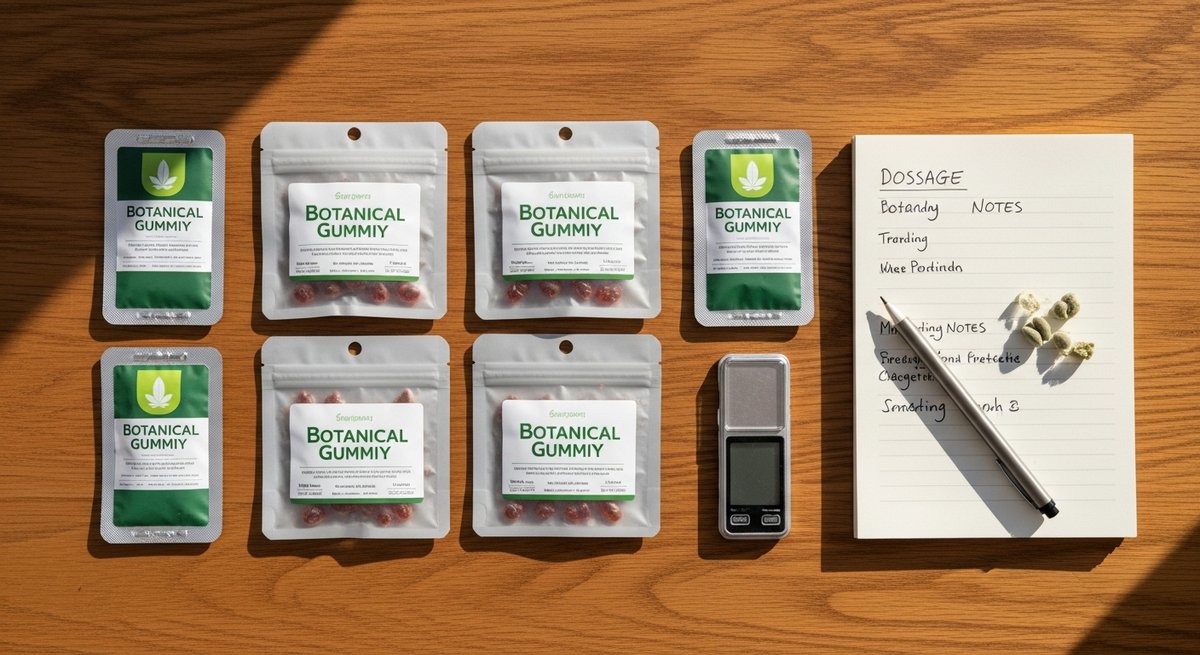
There is no universal “right” dose of delta 9 THC, and anyone who tells you otherwise is selling something. Sensitivity varies so much between individuals that a dose one person finds barely noticeable can be genuinely overwhelming for someone else. Body weight is a factor, but it is actually a weaker predictor than prior exposure and individual receptor sensitivity.
For edibles specifically, a common starting point for someone new to THC is somewhere in the range of 2.5mg to 5mg. Experienced consumers often find their sweet spot between 10mg and 25mg. Products in the high-dose tier – above 50mg per serving – are generally territory for people with well-established tolerance. The challenge is that labeling, product consistency, and individual metabolism all introduce variables that make precise prediction difficult.
For people thinking about how delta 9 gummies compare to vaporized formats, the core difference is speed and duration. Vaping hits faster and fades sooner. Edibles hit slower and last longer. Neither is objectively better; it depends entirely on what experience you are after and how you want to manage that experience.
Expert Insight
Dr. Alexander Tabibi
Dr. Alexander Tabibi
A 2007 review of oral cannabinoid pharmacokinetics noted that after oral ingestion, delta 9 THC undergoes extensive first-pass hepatic metabolism, producing 11-hydroxy-THC at concentrations that can exceed the parent compound and that cross the blood-brain barrier more readily. This metabolite profile explains the substantially delayed, prolonged, and often more intense effects associated with edible cannabis products compared with inhaled routes.
The review also pointed out that oral bioavailability of delta 9 THC is highly variable – typically ranging from 4% to 20% – due to differences in food co-ingestion, gut motility, and individual hepatic enzyme activity. That variability is the pharmacological reason why two people eating identical gummies from the same batch can have meaningfully different experiences.
Huestis MA. (2007). Human cannabinoid pharmacokinetics. Chemistry & Biodiversity, 4(8):1770-1804. PMID: 17712819
Delta 9 THC Products Worth Knowing About
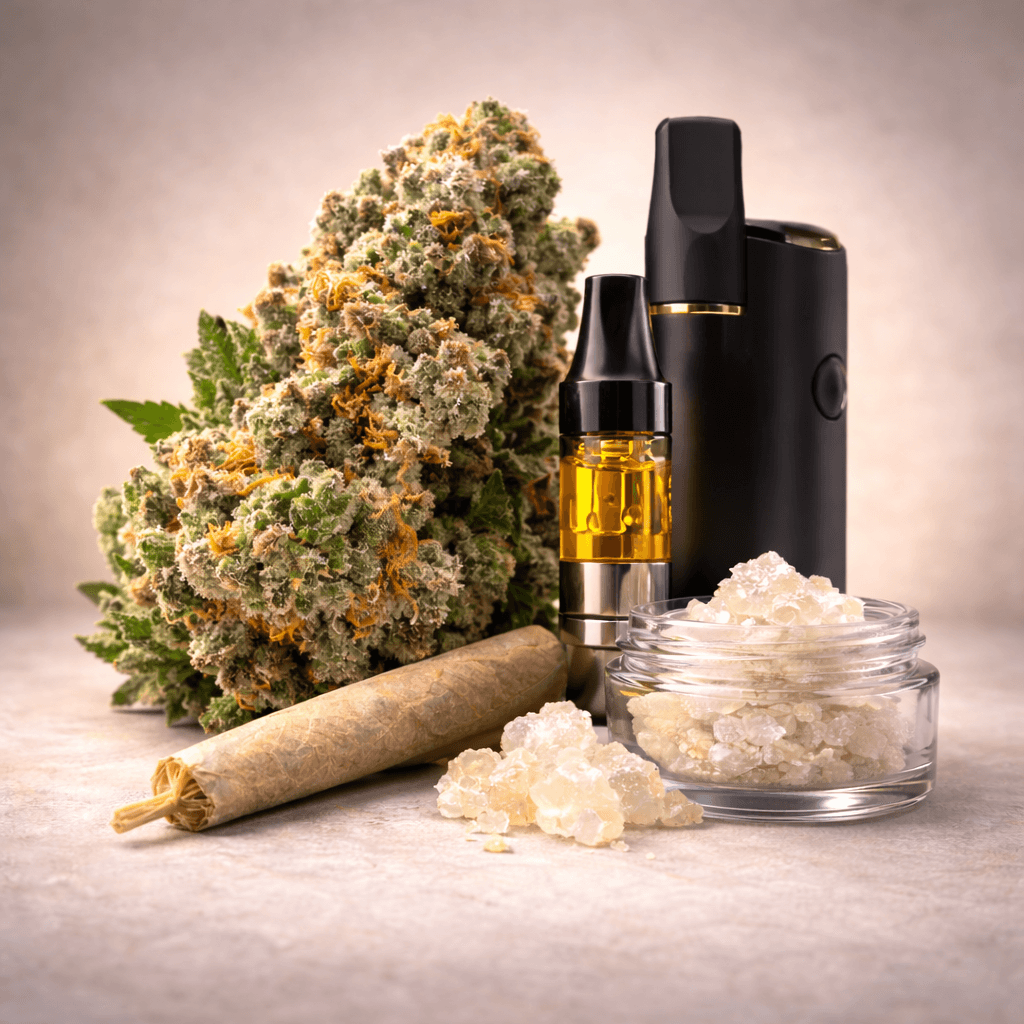
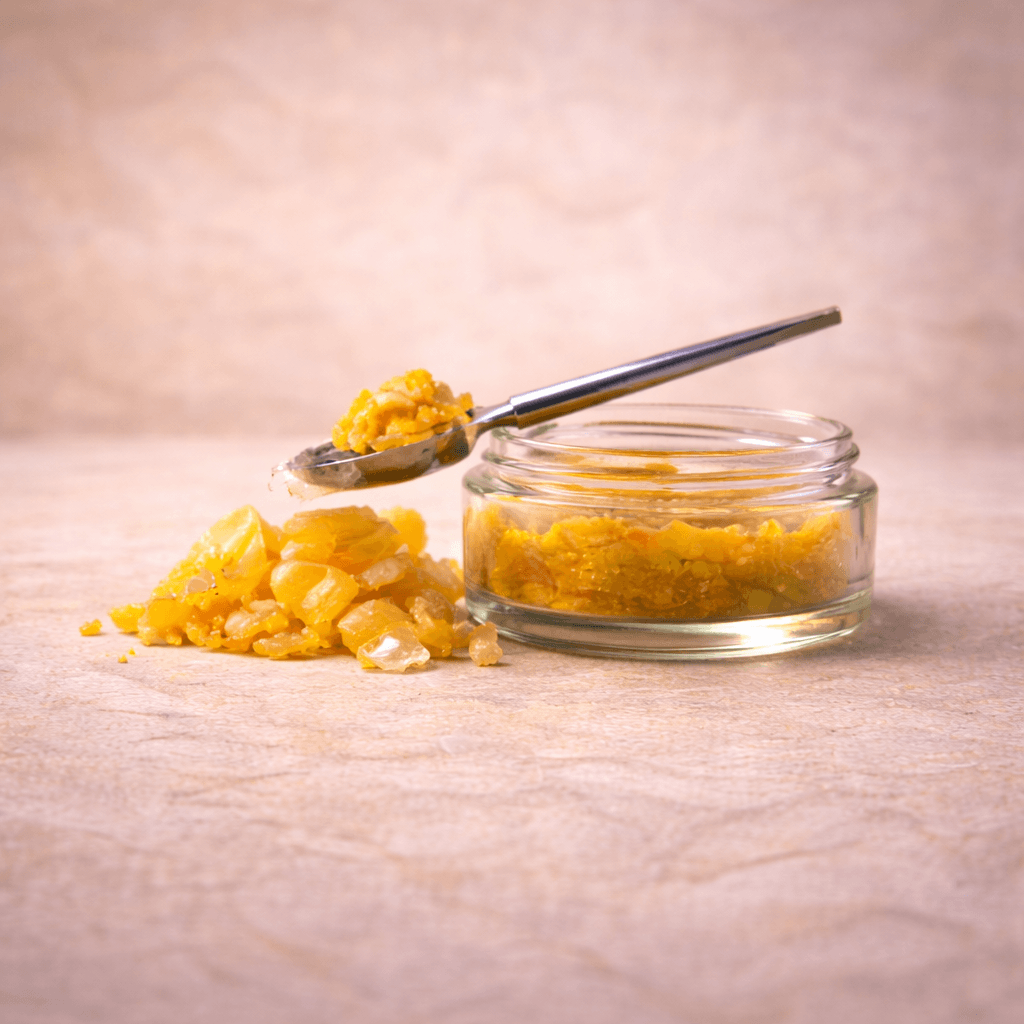
The range of delta 9 formats available today is genuinely impressive compared to even five years ago. Gummies remain the most popular edible format because the dose is clearly labeled and the experience is easy to manage. Live rosin formats have also become increasingly sought after because they preserve a broader terpene profile from the source plant, which many users find produces a more rounded, nuanced effect than distillate-based products.
For people exploring the gummy category and weighing options, Cookies has produced a THCA-plus-delta-9 combination gummy that combines two cannabinoid forms in a single serving. If you want to see how a dual-cannabinoid formulation looks in practice, the Tahitian Lime variant is a reasonable starting point for comparison shopping.
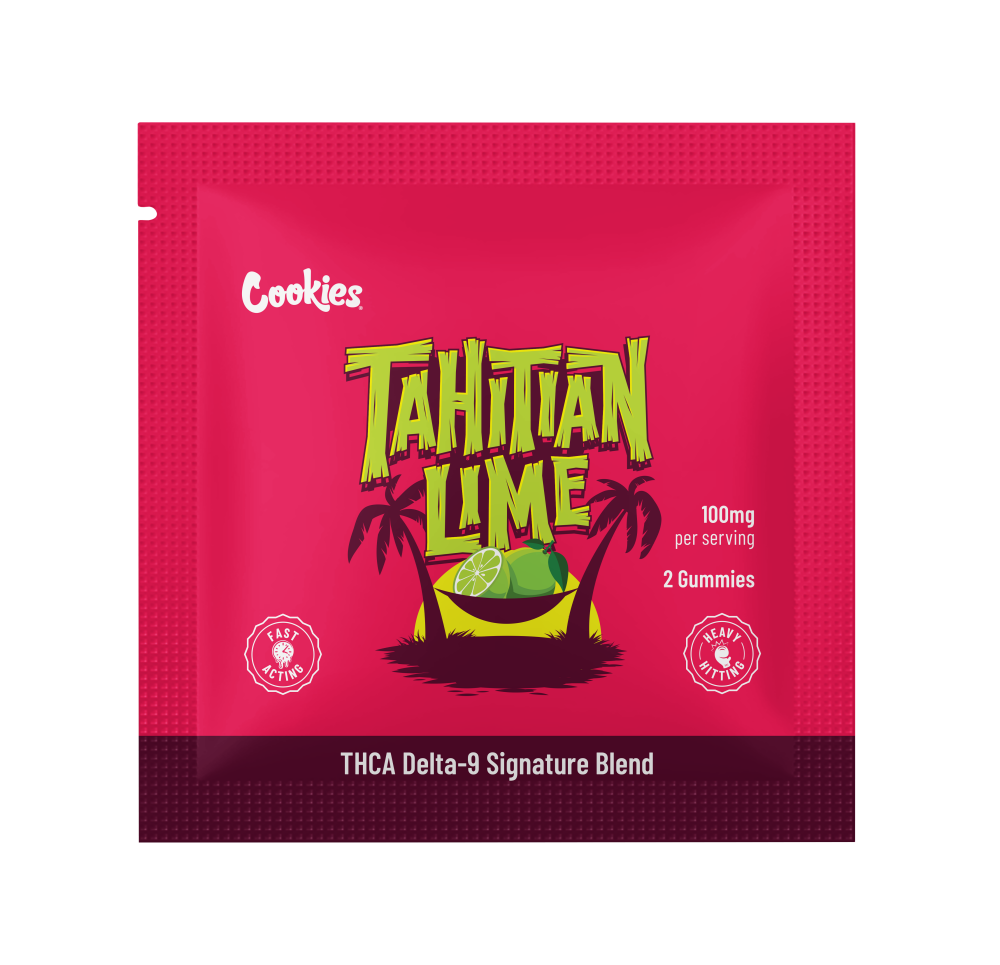
Cookies THCA + Delta 9 Gummies – Tahitian Lime
Dual-cannabinoid gummy combining THCA and delta 9 THC, 2-count pack
Tinctures and beverages round out the category for people who prefer smoke-free formats with more flexible dosing, and the water-soluble formulations now available in drinks tend to onset faster than traditional oil-based edibles.
Potential Benefits and Risks

Research into delta 9 THC has explored its potential role in pain management, nausea reduction, appetite stimulation, and sleep support. The most established clinical application is in chemotherapy-related nausea, where FDA-approved dronabinol (synthetic delta 9 THC) has been in use for decades. Evidence in chronic pain is also substantial, though methodological variation across studies makes clean summaries difficult.
On the risk side, regular heavy use of high-potency products is associated with cannabis use disorder in a subset of users. Adolescent use is a particular concern given evidence that early, frequent exposure may affect developing brain architecture. Acute adverse effects – anxiety, rapid heart rate, disorientation – are real but typically self-limiting and rarely dangerous in otherwise healthy adults. People with a personal or family history of psychosis are generally advised to avoid high-THC products.
Delta 9 THC also interacts with certain medications, particularly those metabolized by the CYP450 enzyme family. If you are taking prescription medications, a conversation with a pharmacist or physician before adding THC to your routine is genuinely worthwhile rather than just a legal disclaimer.
Important Disclaimer
This article is for informational purposes only and does not constitute medical advice. Delta 9 THC affects individuals differently. Consult a qualified healthcare provider before using cannabis products, especially if you have a medical condition, take prescription medications, are pregnant or breastfeeding, or have a personal or family history of psychosis or substance use disorder. Do not drive or operate machinery while under the influence of delta 9 THC.
Frequently asked questions
What exactly is delta 9 THC?
Delta 9 tetrahydrocannabinol is the primary psychoactive cannabinoid in cannabis. It binds strongly to CB1 receptors in the brain, producing the euphoria, altered time perception, appetite stimulation, and sensory changes most people associate with a cannabis high.
How is delta 9 THC different from delta 8 THC?
The two molecules differ only in the position of a double bond in their carbon chain. Delta 9 is more potent and more abundant naturally. Delta 8 is typically derived from hemp-based CBD through chemical conversion and is reported by many users to produce milder, less anxious effects at comparable doses.
How long does delta 9 THC stay in your system?
Detection windows vary by test type and frequency of use. Urine tests may detect THC metabolites for 3 to 30 days depending on use patterns. Blood tests reflect recent use within hours to a few days. Hair follicle tests can detect use up to 90 days. Infrequent users clear the compound faster than daily consumers.
Is hemp-derived delta 9 THC federally legal?
Under the 2018 Farm Bill, hemp-derived products containing no more than 0.3% delta 9 THC by dry weight are federally legal. Products exceeding that threshold are classified under state marijuana laws, which differ widely. Always verify your state’s current regulations before purchasing any delta 9 product.
Why do edibles feel so much stronger than smoking?
When delta 9 THC is digested, the liver converts it into 11-hydroxy-THC, a metabolite that crosses the blood-brain barrier more readily and produces longer-lasting, often more intense effects. Inhaled THC bypasses this conversion entirely, which is why the same milligram amount can feel considerably more potent in edible form.
What is a safe starting dose of delta 9 THC for a beginner?
Most harm reduction guidance recommends 2.5mg to 5mg as a starting dose for edibles. Wait at least two full hours before considering any additional amount. Individual sensitivity varies considerably based on genetics, prior experience, and metabolism, making patience the single most important tool for a positive first experience.
Can delta 9 THC interact with medications?
Yes. Delta 9 THC is metabolized through the CYP450 enzyme system, which processes many common prescription drugs including blood thinners, antiepileptics, and certain antidepressants. These interactions can alter medication levels in the blood. Anyone taking prescription medications should speak with a pharmacist or physician before using THC products.
Sources
- Grotenhermen F. Pharmacokinetics and pharmacodynamics of cannabinoids. Clinical Pharmacokinetics. 2003;42(4):327-360. PMID: 12648025
- Huestis MA. Human cannabinoid pharmacokinetics. Chemistry & Biodiversity. 2007;4(8):1770-1804. PMID: 17712819
- Volkow ND, Baler RD, Compton WM, Weiss SR. Adverse health effects of marijuana use. New England Journal of Medicine. 2014;370(23):2219-2227. PMID: 24897085
- Devinsky O, Cilio MR, Cross H, et al. Cannabidiol: pharmacology and potential therapeutic role in epilepsy and other neuropsychiatric disorders. Epilepsia. 2014;55(6):791-802. PMID: 24854329
- Russo EB. Taming THC: potential cannabis synergy and phytocannabinoid-terpenoid entourage effects. British Journal of Pharmacology. 2011;163(7):1344-1364. PMID: 21749363
For adults 21+ only. Cannabis laws vary by state. This content is intended for informational purposes only and does not constitute medical or legal advice. If you are experiencing a medical emergency, call 911 or go to the nearest emergency room immediately. Do not disregard professional medical advice or delay seeking it because of something you have read here.