🚛 FREE DISCREET SHIPPING ON ALL ORDERS $49+










What is a Cannabis Strain?
Walk into any dispensary for the first time and you will immediately face a wall of names that sound less like plant varieties and more like dessert menus at a very creative bakery. Wedding Cake. Gelato 41. Lemon Pound Cake. Runtz. The names are fun, sure, but they also carry real information – information that can make a huge difference

Published on: April 13, 2026
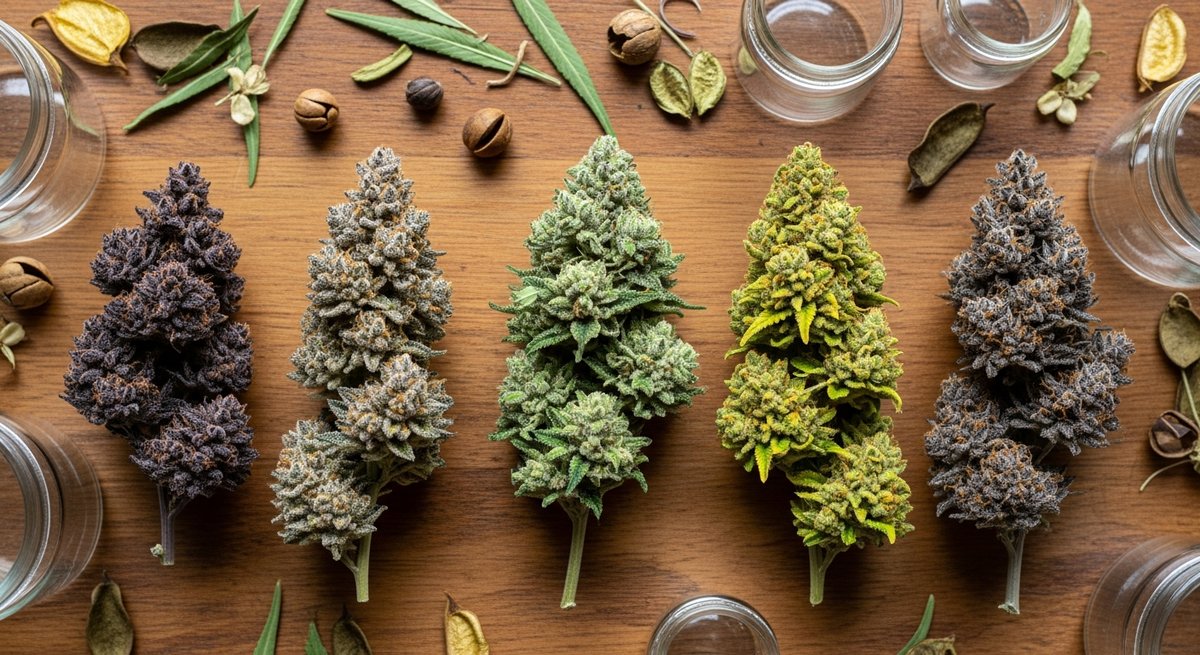
Walk into any dispensary for the first time and you will immediately face a wall of names that sound less like plant varieties and more like dessert menus at a very creative bakery. Wedding Cake. Gelato 41. Lemon Pound Cake. Runtz. The names are fun, sure, but they also carry real information – information that can make a huge difference in whether you have the experience you were hoping for. Understanding cannabis strains is not about becoming a botanical expert. It is about knowing enough to make smart choices for your own goals, your own tolerance, and your own body.
The word “strain” gets thrown around constantly in cannabis culture, sometimes accurately and sometimes not. So let’s start at the beginning, sort through the actual science, and figure out what all of these names and categories really mean for you as a consumer.
Where the Word “Strain” Actually Comes From
Botanists and plant scientists will tell you, with mild irritation, that the word “strain” technically belongs to microbiology – bacteria and viruses have strains, not plants. Plants have cultivars, or cultivated varieties. But the cannabis world adopted “strain” decades ago, well before plant scientists got a seat at the table, and at this point the term is too embedded in common usage to go anywhere. When dispensaries say “strain,” they mean a specific variety of the Cannabis plant that has been bred and cultivated for a particular combination of traits.
Those traits include the chemical profile – primarily cannabinoids like THC and CBD – along with aromatic compounds called terpenes, growth characteristics, and the general effect profile that experienced consumers associate with that variety. The name is a shorthand for all of that, bundled together and handed to you across a dispensary counter.
The Classic Three-Category System (And Why It Gets Complicated)
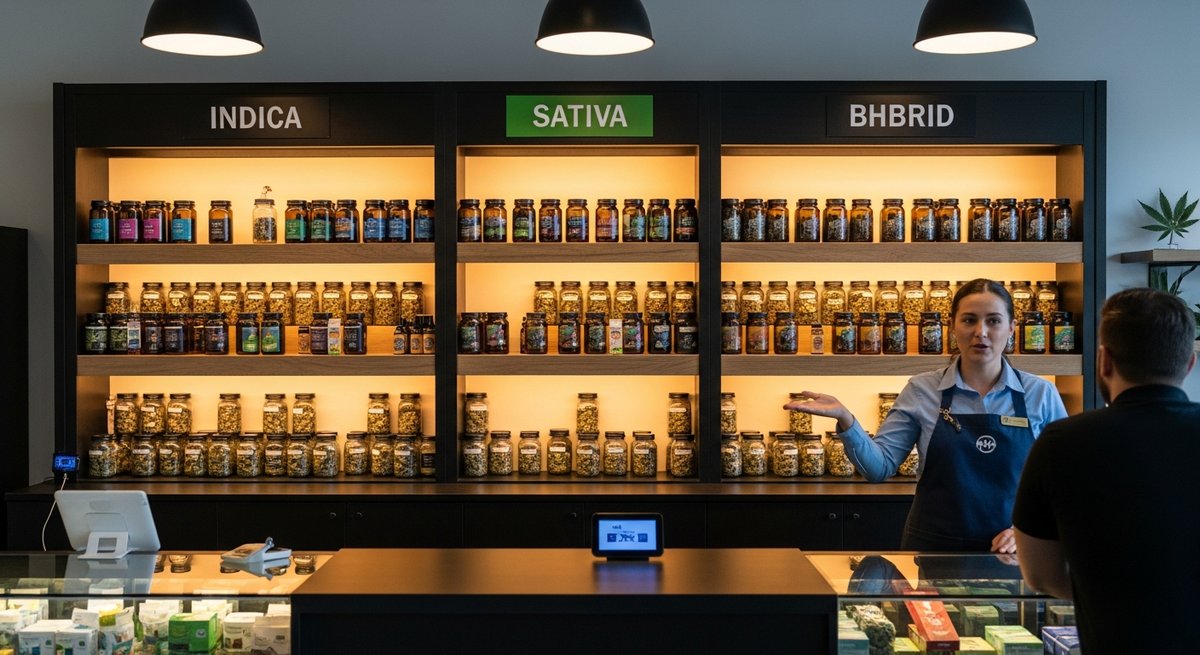
For most of the modern cannabis era, strains have been sorted into three buckets: indica, sativa, and hybrid. The conventional wisdom goes something like this – indicas are relaxing and body-heavy, great for evenings and sleep. Sativas are energizing and cerebral, suited for creative work or socializing. Hybrids are somewhere in between, drawing traits from both parents.
That framework is genuinely useful as a starting point, and millions of people have navigated dispensaries with it successfully. Here is the complication, though: the scientific basis is shakier than the marketing suggests. Decades of crossbreeding have blurred the genetic lines between Cannabis indica and Cannabis sativa so thoroughly that most commercial products today are hybrids in some sense, regardless of what the label says. A product called “sativa” at one dispensary might share more genetic material with what another shop sells as “indica.”
What actually shapes your experience more reliably is the chemical profile of the specific product – the cannabinoid ratios and the terpene composition. Which brings us to the part of the story that is genuinely fascinating.
The Genetics Underneath: How Cannabis Varieties Actually Diverge
To understand why strains feel and smell different, it helps to understand the plant at a genetic level not in a PhD-thesis way, but enough to make the labels on a dispensary menu actually meaningful.
Cannabis belongs to the Cannabaceae family and is classified under the genus Cannabis, which most botanists now recognize as containing at least two major subspecies: Cannabis sativa and Cannabis indica. A third, Cannabis ruderalis, grows wild across Central Asia and Siberia and is notable for autoflowering it flowers based on age rather than light cycle a trait breeders have deliberately introduced into modern cultivars to create “autoflowering” strains that are faster and easier to grow.
The genetic divergence between indica and sativa lineages happened over centuries of geographic separation and human selection. In highland, short-season environments like Afghanistan, Pakistan, and the Hindu Kush mountain range, plants were selected for compact size, fast flowering, and dense resin traits useful for hash production. In equatorial lowland regions Colombia, Thailand, Jamaica, sub-Saharan Africa plants were selected for tall growth, extended flowering, and a terpene profile optimized for an entirely different climate and use pattern. That separation produced measurably different chemotypes: systematic differences in which cannabinoids and terpenes the plant prioritizes.
Modern cannabis genetics have collapsed much of that separation through deliberate crossbreeding. The most significant genetic event in commercial cannabis history was the introduction of Afghan indica genetics into the California sativa-dominant breeding scene in the late 1970s producing the first fast-finishing, high-yielding, potent indoor varieties that made commercial cultivation viable at scale. Nearly every strain sold in a dispensary today carries some trace of that Afghan lineage, which is why the claim of a “pure sativa” or “pure indica” deserves skepticism.
What breeders now work with instead is an enormous pool of accumulated genetic variation hundreds of thousands of recombinations layered over five decades of selection. When a breeder releases a new named cultivar, they are releasing a specific phenotype selected from that pool: one plant, out of many possibilities, that expressed the combination of traits they were looking for.
Chemovars vs. Strains: Why the Science Community Uses Different Language
There is a term used increasingly in cannabis research circles that you will not often hear in a dispensary but that clarifies a lot of confusion: chemovar. Short for “chemical variety,” a chemovar classification groups cannabis plants by their actual chemical composition rather than their morphology or genetic lineage.
A 2012 study by Hazekamp and Fischedick published in Drug Testing and Analysis was among the first to propose that cannabis be classified by chemotype essentially arguing that the indica/sativa distinction was less predictive of effects than the ratio of cannabinoids and the dominant terpene cluster. Their analysis identified three primary chemovars: Type I (THC-dominant), Type II (mixed THC/CBD), and Type III (CBD-dominant). Later researchers extended this framework to include terpene-based sub-classifications.
Why does this matter for a consumer? Because it explains why two products with the same strain name can feel different, and why two products with different strain names can feel similar. The chemovar framework says: the name is a rough hint; the chemistry is the truth. When you read a full COA cannabinoid percentages plus terpene panel you are reading the chemovar. That information is more predictive of your experience than any name on the label.
The practical application is simple: stop comparing strains by name alone and start comparing them by dominant terpene and cannabinoid ratio. Two products are genuinely similar if they share a dominant terpene (say, myrcene), a comparable THC level, and a similar secondary terpene cluster. They may have completely different names and still deliver a nearly identical experience.
The Role of Phenotype Hunting in Strain Development
Behind every named cultivar is a selection process that most consumers never see and understanding it helps explain why the “same strain” from different growers can diverge so significantly.
When a breeder crosses two parent plants, the resulting seeds don’t produce identical offspring. Instead, the seeds express a range of possible combinations of the parents’ traits a phenomenon called phenotypic variation. One seed from a Gelato cross might express heavy citrus and floral terpenes with a compact structure. Another from the same packet might run taller, lean more diesel in aroma, and test out at a completely different cannabinoid ratio. Both are technically “Gelato” by lineage. They are different phenotypes.
Phenotype hunting is the process of growing out large numbers of seeds from a cross, evaluating each plant’s traits aroma, trichome density, growth structure, cannabinoid content and selecting the single “keeper” phenotype that best represents the desired combination. That keeper is then cloned, its genetics preserved, and it becomes the standardized genetic source for that named cultivar going forward.
This is why strain names like “Gelato 41” include numbers the 41 designates a specific phenotype selected from the Gelato population. It is not just branding. It is a notation system telling you that this is phenotype #41 out of the evaluated pool, the one the breeder decided most fully expressed what they were looking for in the Gelato cross.
Small craft breeders and large-scale seed banks both use this process, but the rigor varies enormously. A well-resourced breeder might hunt through hundreds of phenotypes over multiple growing cycles before making a selection. A shortcut operation might pick a keeper from a much smaller pool and release it before the genetics are fully stabilized. This partially explains why certain producers’ versions of a cultivar have a reputation for reliability and others feel inconsistent it often comes back to how thoroughly the phenotype hunting was done.
How Storage, Curing, and Age Affect What You Actually Experience
The conversation about strain character almost always focuses on genetics and cultivation but a third factor is equally important and far less discussed: post-harvest handling. What happens to cannabis flower between harvest and the moment it reaches your jar dramatically shapes its terpene content, moisture level, and overall quality.
Curing is the controlled drying and aging process that follows harvest. When done correctly slow, at controlled humidity (typically 58–62% relative humidity) and cool temperatures, over two to eight weeks curing allows chlorophyll to break down, harsh compounds to dissipate, and terpenes to develop and stabilize. A properly cured flower has a complex, nuanced aroma and a smoother smoke or vapor. An improperly cured flower dried too fast, stored at incorrect humidity will smell grassy or hay-like, hit harshly, and deliver a flat, diminished terpene experience even if the genetics were excellent.
Terpene degradation over time is the second storage issue. Terpenes are volatile organic compounds they evaporate. Every time you open a jar, terpenes escape. Exposure to heat, light, and oxygen accelerates degradation. This is why cannabis stored in a hot car or on a sunny shelf loses its aroma and potency faster than cannabis kept in an airtight container in a cool, dark environment.
Testing date vs. purchase date is a detail worth reading on lab-tested products. A COA with a test date six months before you’re reading it means the terpene percentages listed are already degraded from what’s actually in the jar today. Fresher is genuinely better when it comes to terpene-rich flower. Some brands include harvest dates prominently; that information is worth seeking out.
For concentrate consumers, these issues take a different form. Live resin and live rosin are flash-frozen immediately after harvest, capturing the terpene profile at peak freshness before any degradation occurs. This is precisely why live resin and live rosin products tend to have richer, more complex terpene profiles than products made from cured and dried flower the source material was preserved at its best moment.
Understanding Tolerance: Why the Same Strain Feels Different Over Time
One of the most confusing things for cannabis consumers especially those returning after a break or transitioning from one product format to another is that the same strain doesn’t always feel the same. This is almost never a problem with the product. It is a normal physiological response called tolerance.
Regular cannabis use downregulates CB1 receptor density in the brain meaning the same amount of THC has progressively less effect because there are fewer receptor sites available for it to bind to. This is a well-documented phenomenon and one of the most consistent findings in cannabinoid pharmacology. The practical consequence is that a strain that produced a clear, pronounced effect at first will feel noticeably weaker after weeks of daily use, even if the product itself is identical.
Tolerance breaks periods of abstinence ranging from a few days to several weeks allow CB1 receptor density to return toward baseline. Consumers who cycle tolerance breaks strategically often find that they need less product to achieve their desired effect, which has both cost and experience-quality implications. A 2020 study by Colizzi and Bhattacharyya noted that even short abstinence periods (three to four days) produced measurable receptor upregulation.
Cross-tolerance is a related concept worth understanding: if you regularly use high-THC products, lower-THC products will feel comparatively underwhelming regardless of their terpene richness. Building a tolerance primarily on 30%+ THC flower makes it difficult to appreciate the more nuanced experience that a 15% THC product with an exceptional terpene profile can deliver. Some experienced consumers deliberately moderate their THC ceiling for this reason keeping their baseline tolerance low enough that the full terpene character of a cultivar remains accessible.
Format-switching also changes the tolerance picture. A person with high inhalation tolerance may find that edibles affect them much more strongly because the metabolic pathway (oral → liver → 11-hydroxy-THC) is distinct from inhalation and tolerance to one route does not fully transfer to the other.
The Emerging Role of Minor Cannabinoids in Strain Selection
THC and CBD are the most widely understood cannabinoids, but the plant produces over 100 distinct cannabinoid compounds, and minor cannabinoids are increasingly influencing how sophisticated consumers choose products.
CBG (cannabigerol) precedes THC and CBD in the plant’s biosynthetic pathway it is the compound from which both are derived. In the finished flower, CBG appears in small concentrations in most traditional cultivars, but dedicated CBG-dominant breeding programs have produced cultivars testing at 15–20% CBG with negligible THC. CBG-dominant strains appeal to consumers seeking mental clarity and focus without intoxication. The effect profile is distinctly different from both THC-dominant and CBD-dominant products.
CBC (cannabichromene) is non-intoxicating and has attracted research interest for its potential interactions with TRPV1 and TRPA1 receptors, which are involved in pain and inflammation signaling. It appears as a trace compound in most cultivars but at higher concentrations in some hemp-derived products. Its contribution to the entourage effect of a full-spectrum product is thought to be meaningful even at low percentages.
THCV (tetrahydrocannabivarin) produces different effects from THC at low doses it appears to act as a CB1 antagonist, modulating rather than amplifying THC’s effects. Several African sativa landraces are naturally high in THCV, and some breeders have specifically developed cultivars to preserve this trait. Consumers who find most THC-dominant products feel too heavy or produce appetite stimulation they don’t want sometimes find THCV-prominent cultivars give them a sharper, more functional experience.
Reading for minor cannabinoids on a COA is now practical reputable labs report CBC, CBG, THCV, and CBN alongside the primary cannabinoid panel. These numbers are typically small (often under 1%) but their presence confirms full-spectrum chemistry and gives a more complete picture of what you are actually consuming than THC percentage alone.
Cannabinoids and Terpenes: The Real Drivers of a Strain’s Character
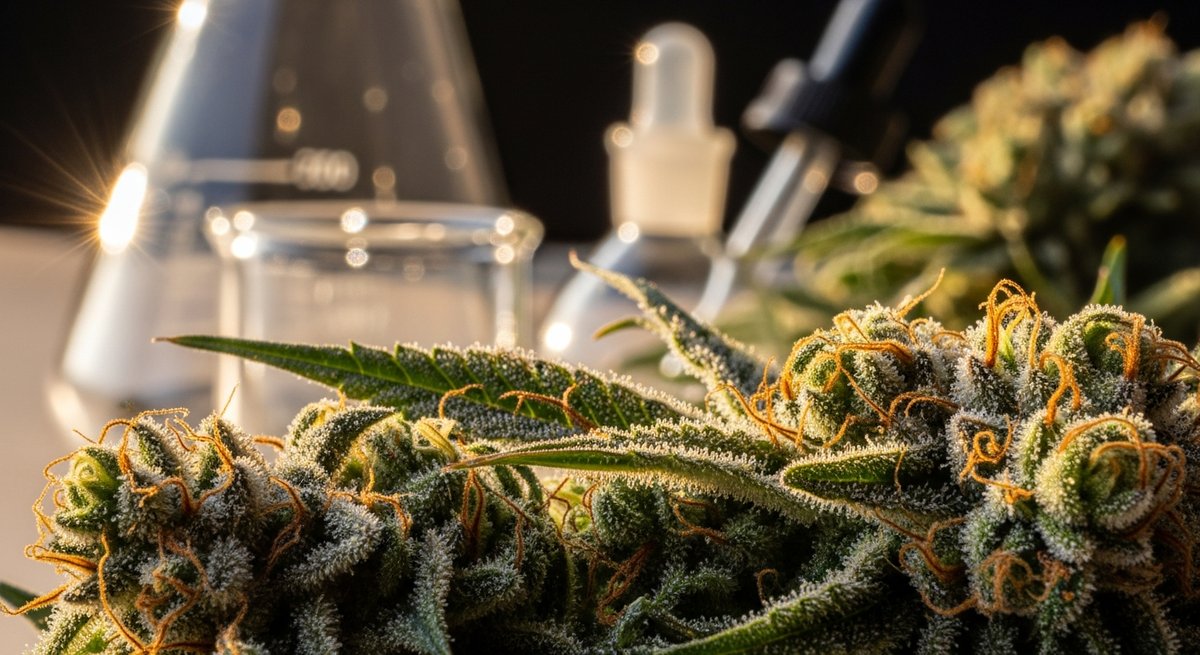
THC (tetrahydrocannabinol) is the primary psychoactive compound in cannabis – it is what produces the high. CBD (cannabidiol) is non-intoxicating and has attracted significant research attention for a range of wellness applications. But there are over a hundred other cannabinoids in the plant, including CBG, CBN, and delta-8-THC, each with slightly different properties and interactions in the body.
Terpenes are the aromatic compounds that give each strain its distinctive smell and flavor – the citrus punch of Lemon Haze, the earthy richness of OG Kush, the sweet creaminess of Gelato. But terpenes are not just about the nose. Researchers have proposed that terpenes interact with cannabinoids in what is called the “entourage effect,” a theory suggesting these compounds work together to shape the overall experience rather than each acting in isolation. The science is still developing, but many cannabis professionals consider terpene profiles at least as useful as the indica/sativa label when predicting how a product will feel.
Common terpenes and their associated qualities include myrcene (earthy, often linked to sedating effects), limonene (citrusy, frequently associated with elevated mood), pinene (piney, sometimes associated with alertness and memory), and linalool (floral, often connected to calming sensations). When you see a lab-tested product listing terpenes alongside cannabinoid percentages, that information is arguably more actionable than the strain name alone.
Expert Insight
Dr. Alexander Tabibi
Dr. Alexander Tabibi
A 2021 systematic review and meta-analysis of 69 studies covering over 2,100 cannabis users found a small overall effect of cannabis on cognitive functioning, with an effect size of approximately d=-0.25. Importantly, when abstinence exceeded 72 hours, that effect dropped to a statistically non-significant d=-0.08, suggesting that earlier studies may have overstated lasting cognitive deficits.
The review’s authors note that residual and withdrawal effects likely account for much of what was previously attributed to long-term impairment. This does not eliminate concern entirely – particularly for adolescents and developing brains – but it refines how we interpret the cognitive dimension of cannabis use in adults choosing specific products.
Scott et al. (2018). Association of Cannabis With Cognitive Functioning in Adolescents and Young Adults: A Systematic Review and Meta-analysis. JAMA Psychiatry, 75(6):585-595. PMID: 29710074
How Strains Get Their Names (It Is More Art Than Science)
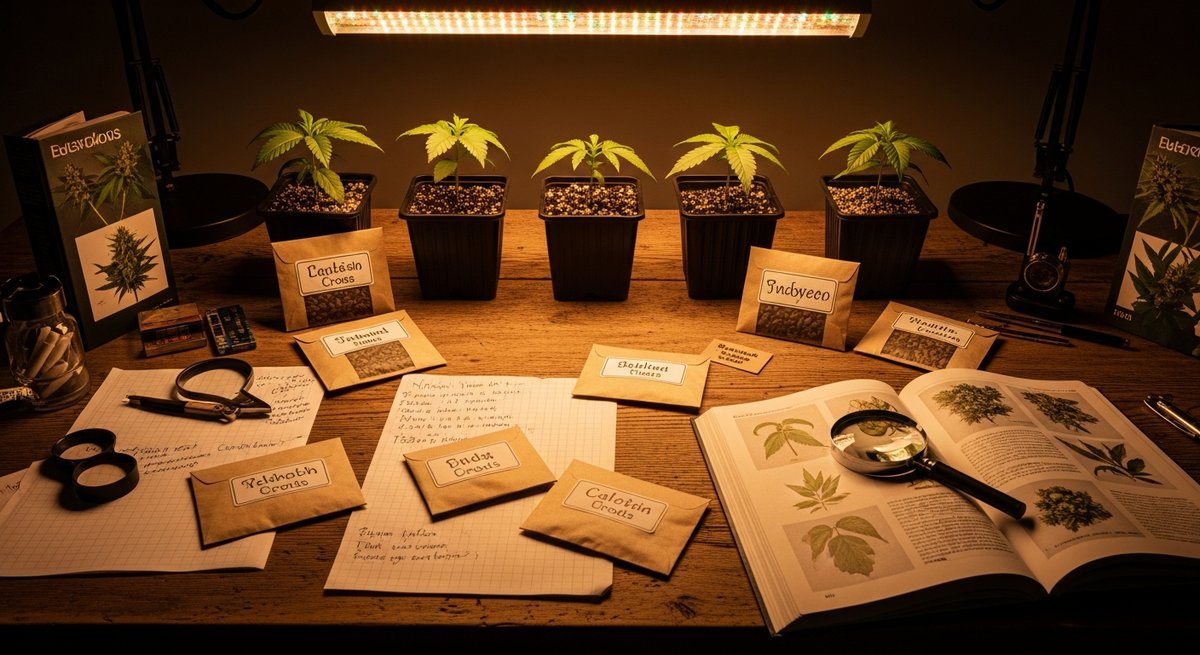
Cannabis strain names are not governed by any central authority. A breeder who develops a new variety gets to name it, and from there the name travels through seed banks, growers, and dispensaries. Some names reference flavor profiles – Blueberry, Strawberry Cough, Pineapple Express. Others nod to geographic origins, real or mythologized – Hindu Kush, Afghani, Maui Wowie. And then there is a whole universe of names that seem to exist purely for personality – Sour Diesel, Bruce Banner, Purple Punch.
The naming chaos has a practical consequence: the same name can refer to significantly different genetic material depending on the source. A “Blue Dream” from one producer and a “Blue Dream” from another might share a family resemblance, but they are not guaranteed to be identical in cannabinoid or terpene composition. This is one of the strongest arguments for buying from licensed, lab-tested sources that publish their actual chemical data rather than relying on the name alone.
Side-by-side comparisons between named varieties can be genuinely illuminating – and sometimes surprising. If you want to see how two closely related cultivars can diverge in character despite apparent similarities, a detailed breakdown like the Gelato 41 vs Rainbow Z strain comparison shows exactly how terpene and cannabinoid differences translate into distinct experiences even within the same flavor family.
Popular Categories of Strains and What People Typically Look For
While the indica/sativa split has its limits, it still shapes how dispensaries organize products and how consumers shop. It helps to understand what people are actually seeking when they reach for each category, and then to cross-reference that with the chemical data on the label.
Indica-leaning strains are most commonly sought for evening relaxation, physical tension relief, and help with winding down before sleep. Classic examples include Granddaddy Purple, Northern Lights, and Bubba Kush – all known for dense buds, earthy or grape-forward terpene profiles, and a heavily physical effect. If myrcene is the dominant terpene, that tendency toward sedation is even more pronounced.
Sativa-leaning strains are typically associated with daytime use, creative work, and social energy. Jack Herer, Durban Poison, and Green Crack are frequently cited examples. These tend to run higher in limonene or pinene, contributing to the uplift and mental clarity that sativa fans describe. That said, high-THC sativas can still produce anxiety in sensitive users – potency matters as much as category.
Hybrid strains dominate the modern market because most breeders are working with genetics that are already quite mixed. The “hybrid” label is essentially a catch-all that acknowledges this reality. What matters with hybrids is whether they lean toward indica or sativa in their expressed effects, which brings you back, again, to looking at the terpene and cannabinoid data.
Dessert-style cultivars have become enormously popular in recent years – strains like Lemon Pound Cake, Jelly Donut, and various Gelato crosses appeal to consumers who prioritize rich flavor experiences alongside their desired effects. The Lemon Pound Cake vs Jelly Donut strain comparison is a good example of how two dessert-forward varieties can differ meaningfully in terpene character and effect profile despite sharing a similar aesthetic identity.
Strains in Product Form: Flower, Vapes, Gummies, and Beyond
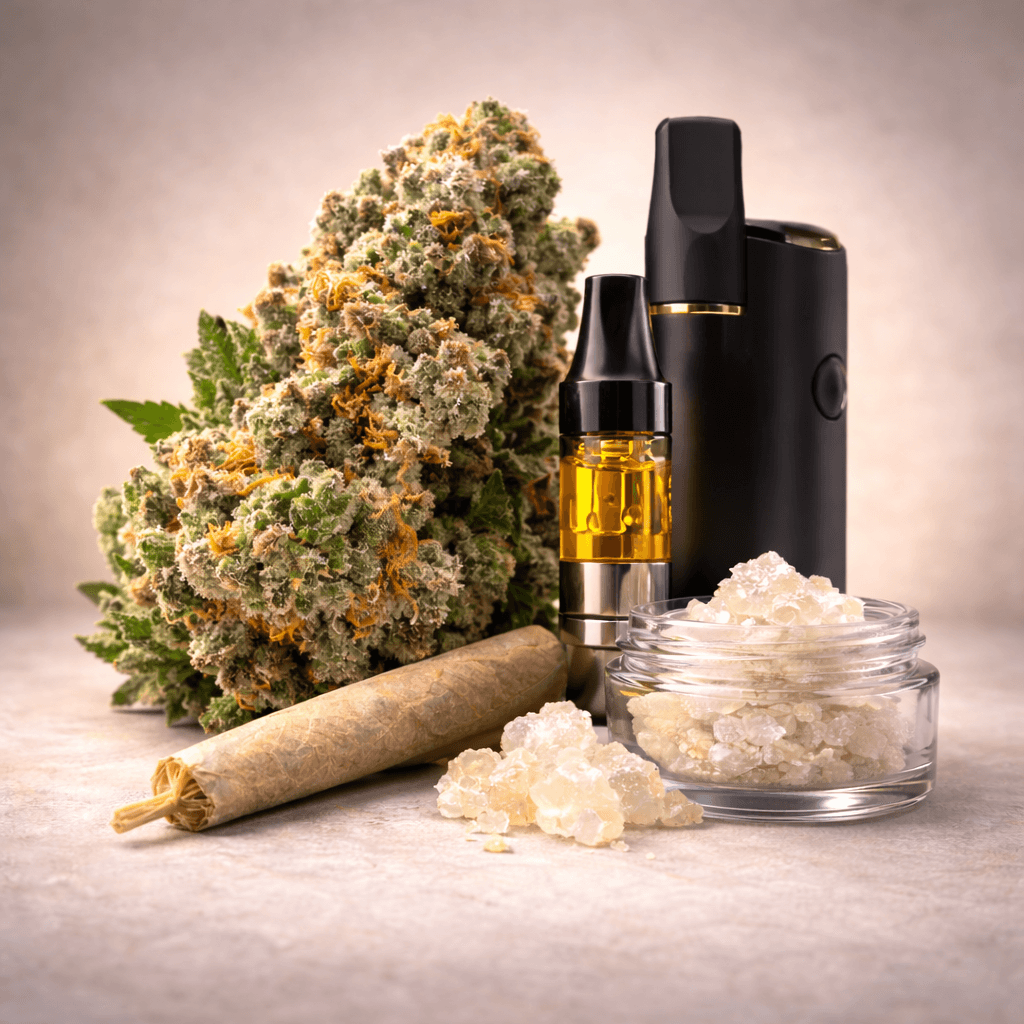
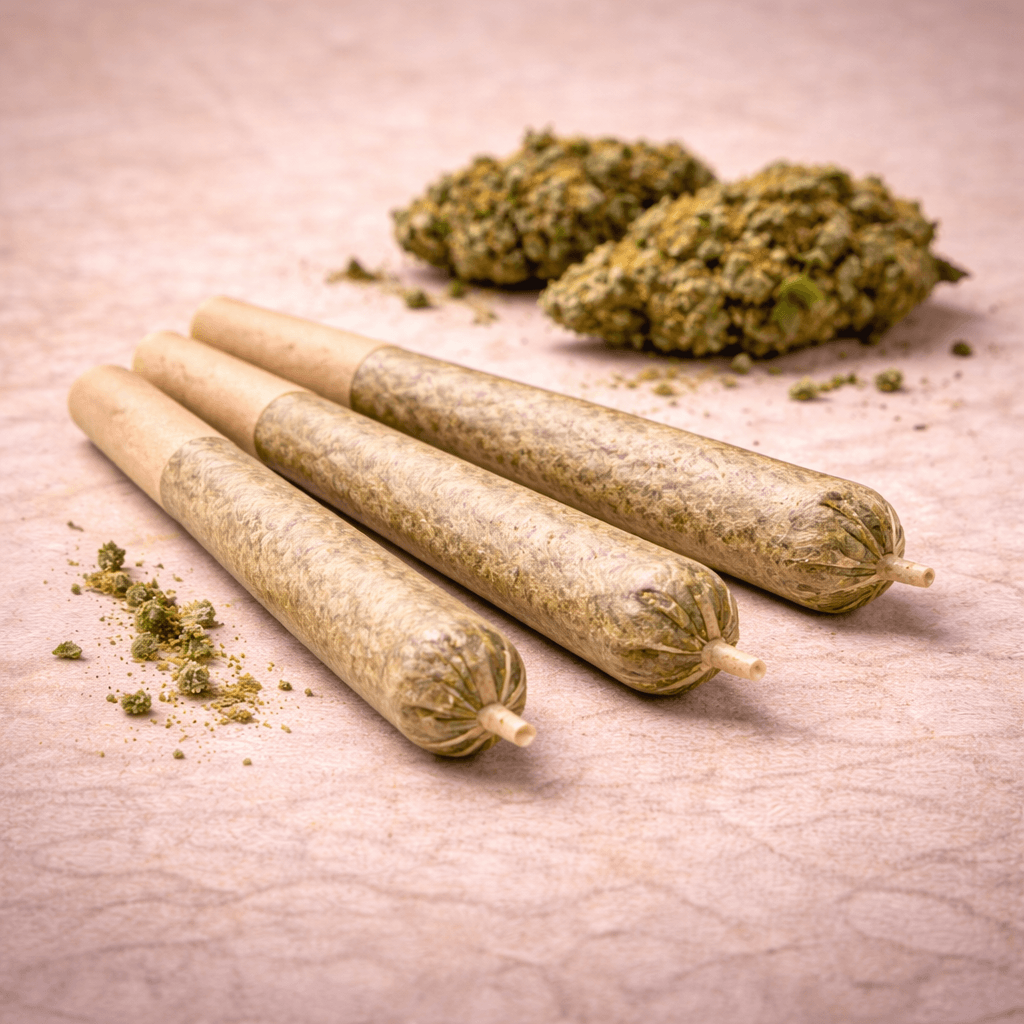
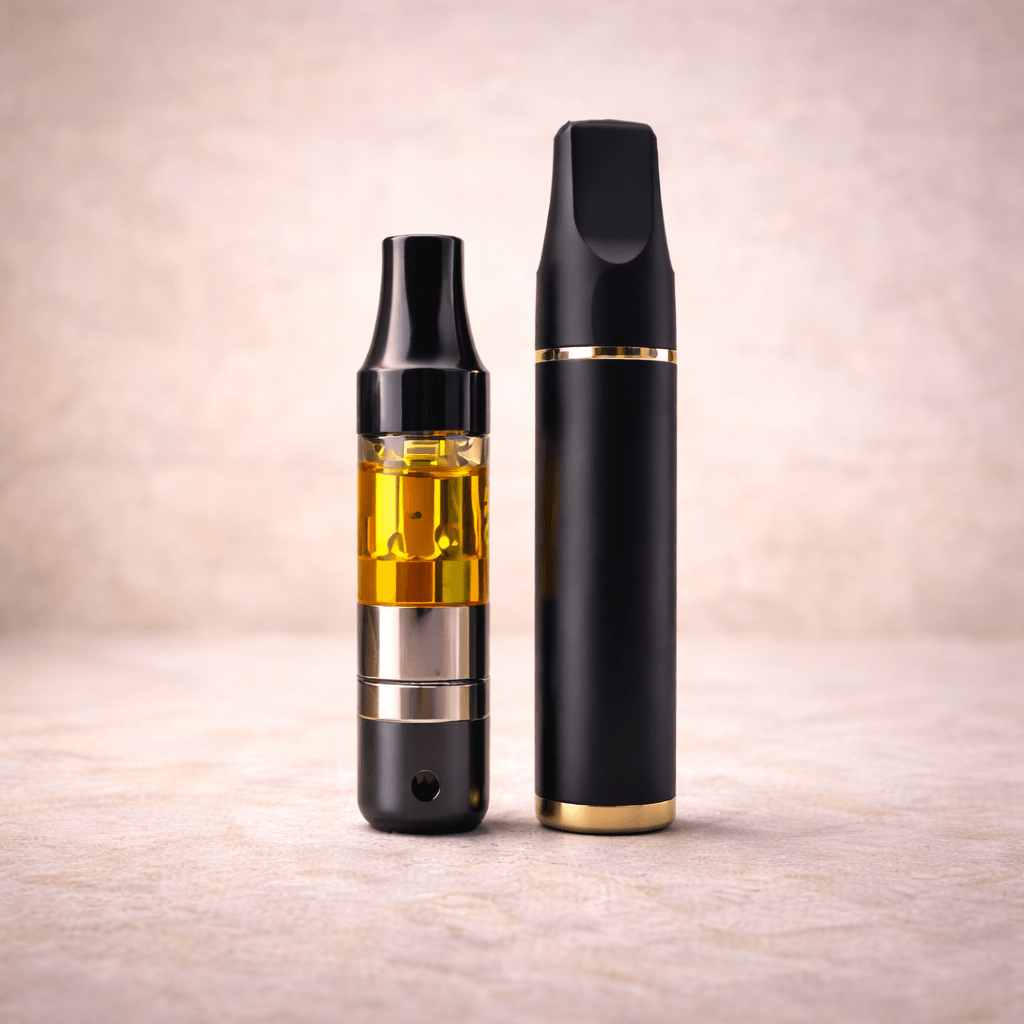
The strain concept does not live exclusively in flower anymore. It has migrated into vape cartridges, edibles, concentrates, and infused products, where the specific cultivar’s chemical fingerprint is preserved – or sometimes approximated – in the final format. This matters because your experience with a strain can shift based on how it is consumed. Onset timing, duration, and intensity all change when you move from inhaling flower to eating a gummy.
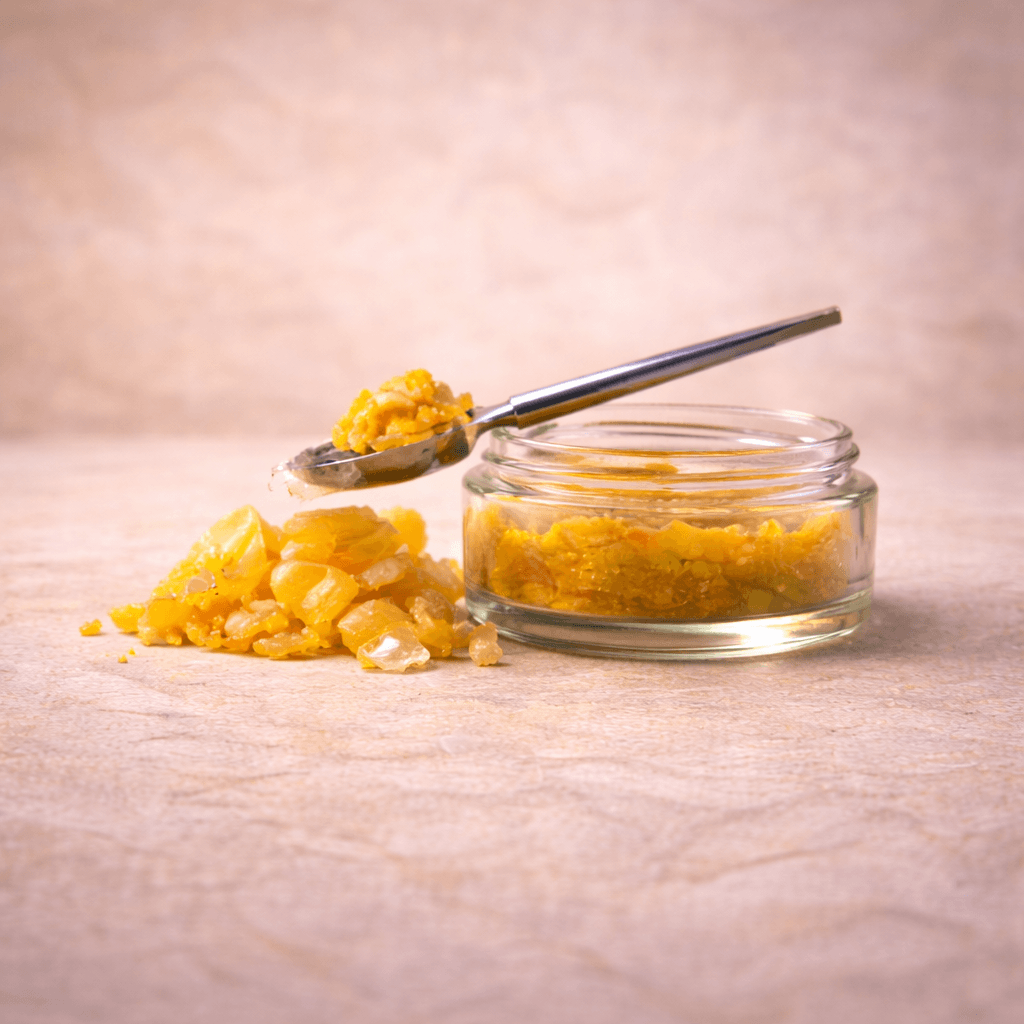
Live rosin products, for example, preserve the terpene profile of a specific harvest with minimal processing – giving you something that genuinely reflects the source cultivar. When a brand uses live rosin derived from a specific strain and makes it available in multiple formats, that is a meaningful distinction from products that rely on distillate mixed with added terpenes afterward.
For consumers who want to explore strain-specific effects across different formats and dosages in a single purchase, discovery packs designed around time-of-day use can be a practical way to approach it. The Hometown Hero live rosin format below is one example of how strain-derived formulations get packaged for flexible daily use.
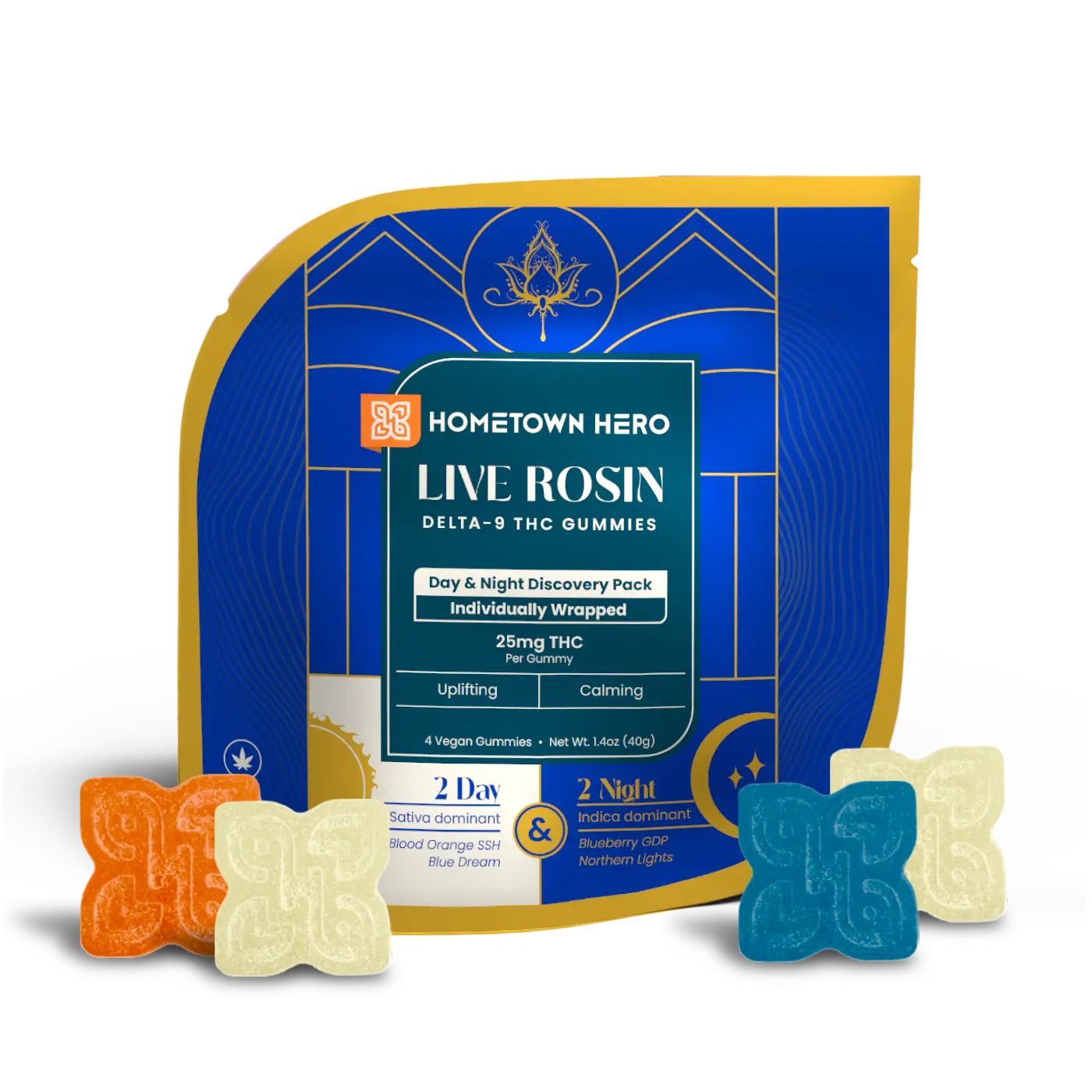
Hometown Hero 25mg Live Rosin Day & Night Discovery Pack
Live rosin gummies formulated for day and night use, 25mg per piece
For those who prefer a lighter dose while still exploring strain-specific live rosin effects, a 5mg format gives you more control over titration – particularly useful when you are trying a new cultivar-derived product for the first time.
Hometown Hero 5mg Live Rosin Day & Night Discovery Pack
Live rosin gummies formulated for day and night use, 5mg per piece
How to Choose a Strain That Actually Works for You
Start with your goal. Are you looking for help relaxing at the end of the day, something to use socially, or a daytime option that does not cloud your thinking? That intention narrows the field significantly. From there, look at THC percentage – higher is not always better, especially for new or sensitive consumers. A product in the 15-18% THC range with a rich terpene profile will often deliver a more satisfying and manageable experience than a 30% THC product with minimal secondary chemistry.
Ask dispensary staff about terpene profiles, not just THC numbers. A good budtender will be able to tell you whether a product is myrcene-dominant or limonene-forward, and that context is genuinely useful. If a dispensary only talks in terms of THC percentages and indica/sativa labels, that is a sign to dig deeper on your own or find a more knowledgeable source.
Keep notes. It sounds fussy, but even a simple record of what you tried, what the terpene profile was, and how it made you feel becomes enormously useful over time. The cannabis experience is deeply individual – what sends one person into focused creative flow leaves another feeling anxious. Building your own reference point is the most reliable shortcut to consistently finding what works.
Finally, be skeptical of claims that any one strain will definitively cure anxiety, eliminate pain, or solve a specific health condition. The research on cannabis and specific medical applications is genuinely promising in some areas and still developing in others. Purchasing based on terpene and cannabinoid profiles gives you a better foundation than purchasing based on a health claim attached to a clever name.
Important Disclaimer
The information in this article is for educational purposes only and does not constitute medical advice. Cannabis affects individuals differently. Consult a qualified healthcare provider before using cannabis, particularly if you have a medical condition, take prescription medications, are pregnant or nursing, or have a history of mental health concerns. Do not drive or operate heavy machinery after consuming cannabis.
Frequently asked questions
What is the difference between a cannabis strain and a cultivar?
Technically, plants have cultivars – cultivated varieties selected for specific traits – while microorganisms have strains. Cannabis adopted the word “strain” informally decades ago. Both terms refer to the same thing in dispensary contexts: a specific variety bred for a defined chemical and sensory profile.
Does the indica or sativa label reliably predict how a strain will feel?
Not reliably, no. Decades of crossbreeding have blurred the genetic distinction between indica and sativa. Terpene profiles and cannabinoid ratios are better predictors of effect. The indica/sativa label is a useful starting point but should be cross-checked against the product’s actual chemical data when available.
Why does the same strain name sometimes feel different from different brands?
Strain names are not regulated or standardized. A “Blue Dream” from one grower may have a meaningfully different terpene and cannabinoid profile than a “Blue Dream” from another. Growing conditions, phenotype selection, and curing methods all influence the final product. Lab-tested chemical data matters more than the name alone.
What are terpenes and why do they matter when choosing a strain?
Terpenes are aromatic compounds that give each strain its distinctive smell and flavor. Research suggests they also interact with cannabinoids through the entourage effect, influencing how a product feels. Myrcene tends toward sedation, limonene toward elevated mood, and pinene toward alertness – making terpene profiles a practical guide for selecting products.
Is higher THC always better in a cannabis strain?
No. Higher THC increases potency but also the likelihood of anxiety or discomfort, especially for less experienced consumers. A moderate-THC product with a rich terpene profile often delivers a more nuanced and enjoyable experience than a very high-THC product with minimal secondary chemistry. Start low and titrate up as needed.
What does live rosin mean in the context of strain-specific products?
Live rosin is a solventless concentrate made from fresh-frozen plant material, preserving the full terpene profile of the source cultivar. Products made with live rosin more faithfully reflect the strain’s original character compared to distillate-based products that add terpenes back in after processing.
How should a first-time dispensary visitor approach choosing a strain?
Start with a clear goal – relaxation, energy, or balance – then choose a moderate THC product in the 12-18% range. Ask the budtender about dominant terpenes. Try one product at a low dose and keep brief notes on the experience. Build your personal reference library before moving to stronger or more complex products.
Sources
Baron EP. (2018). Medicinal Properties of Cannabinoids, Terpenes, and Flavonoids in Cannabis, and Benefits in Migraine, Headache, and Pain: An Update on Current Evidence and Cannabis Science. Headache, 58(7):1139-1186. PMID: 30152161
For adults 21+ only. Cannabis laws vary by state. This content is for informational purposes only and does not constitute medical or legal advice. If you are experiencing a medical emergency, call 911 or go to your nearest emergency room immediately.