🚛 FREE DISCREET SHIPPING ON ALL ORDERS $49+









What is a Sativa strain?
You’ve probably heard someone at a dispensary say it with complete confidence: “I need a sativa – I want something energetic.” And you nodded along, maybe, because that’s just the accepted wisdom. Sativas are for daytime. Indicas are for sleep. Case closed. Except it’s not quite that simple, and the deeper you dig into what sativa strains actually are, the

Published on: April 13, 2026
You’ve probably heard someone at a dispensary say it with complete confidence: “I need a sativa – I want something energetic.” And you nodded along, maybe, because that’s just the accepted wisdom. Sativas are for daytime. Indicas are for sleep. Case closed. Except it’s not quite that simple, and the deeper you dig into what sativa strains actually are, the more interesting the whole story gets.
The category is real, the plants are real, and the experiences people report are genuinely different from those associated with indica-leaning cultivars. But the science behind why – the actual mechanisms, the genetics, the terpene and cannabinoid interplay – is far more nuanced than a simple “energizing vs. sedating” binary. So let’s take this from the top and actually understand what we’re talking about.
Where Sativa Plants Actually Come From
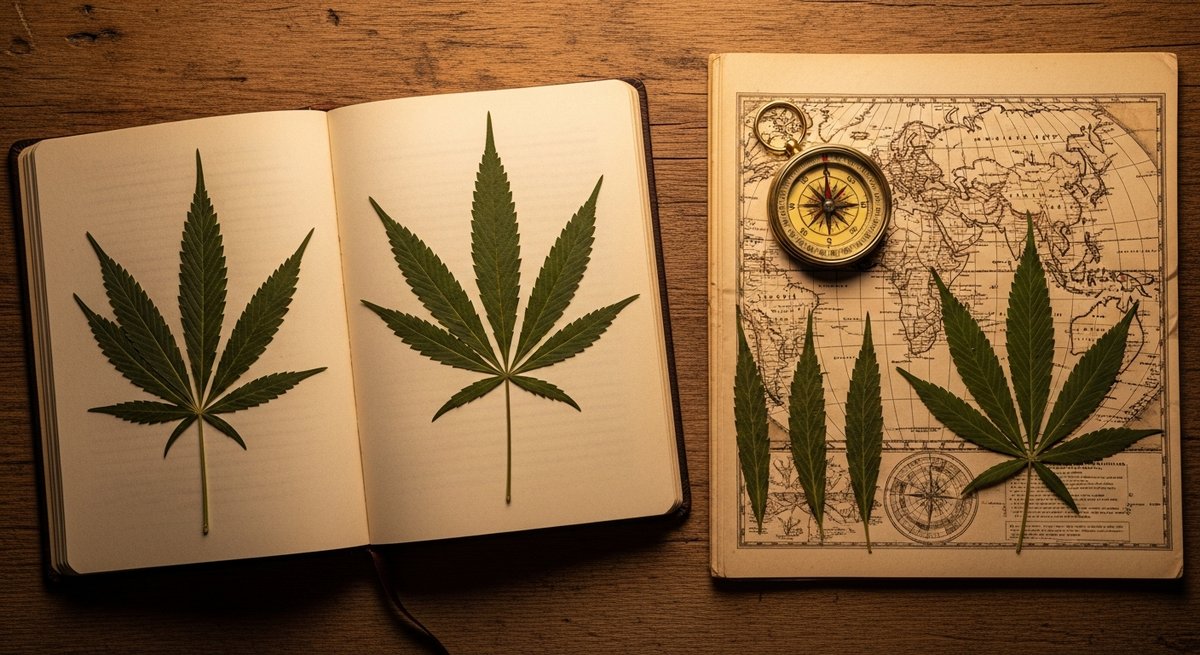
Cannabis sativa as a botanical classification dates back to Carl Linnaeus in 1753, who used the Latin term to describe cultivated hemp plants in Europe. The word “sativa” literally means “cultivated” in Latin. Over time, the term got applied specifically to tall, narrow-leafed cannabis plants with origins in equatorial regions – think Colombia, Mexico, Thailand, and parts of Africa.
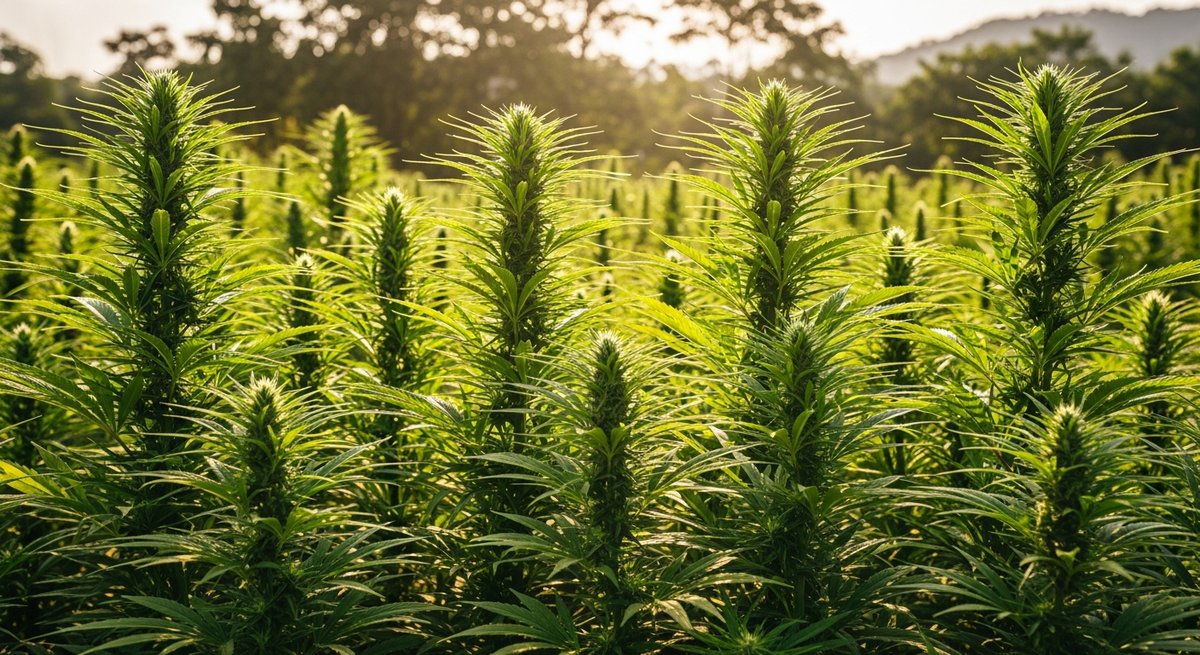
These plants evolved in warm, humid climates close to the equator, where growing seasons are long and consistent. To thrive there, they developed a particular growth pattern: tall (sometimes reaching 12 feet), narrow fan leaves to avoid overheating, and a slower, extended flowering time. Compare that to indica plants from higher-altitude, harsher environments like Afghanistan and Pakistan – shorter, bushier, faster-finishing.
Here’s the honest complication, though. Most cannabis sold today is a hybrid in some form. Decades of crossbreeding have blurred the lines between sativa and indica so thoroughly that calling something a “pure sativa” in 2025 is botanically rare. What dispensaries label as sativa is almost always a sativa-dominant hybrid – meaning the plant leans toward sativa traits and terpene profiles, but carries indica genetics somewhere in its lineage.
What Makes a Strain Feel “Sativa-Like”
Here’s the thing about the sativa experience – it’s less about the plant’s physical structure and more about what’s inside the flower. The specific blend of cannabinoids and terpenes in a given cultivar is what shapes the effect profile. And sativa-leaning strains tend to share certain terpene signatures that researchers and consumers have connected to more cerebral, uplifting experiences.
Limonene – that sharp, citrusy aroma you get from strains like Super Lemon Haze or Jack Herer – is commonly associated with mood elevation and mental clarity. Terpinolene, found in cultivars like Durban Poison and Dutch Treat, tends to appear almost exclusively in sativa-dominant varieties. Pinene, the sharp forest-air smell, is connected to alertness and may even counteract some of THC’s short-term memory effects.
This is where the “entourage effect” conversation becomes relevant. The idea is that cannabinoids and terpenes work together rather than in isolation – so a high-THC sativa-dominant strain with limonene and pinene may feel quite different from a high-THC indica-dominant strain heavy in myrcene (which is associated with sedation), even if the THC percentages are identical on paper.
Expert Insight
Dr. Alexander Tabibi
Dr. Alexander Tabibi
The question of whether sativa and indica represent meaningfully distinct pharmacological categories is genuinely unsettled. A guided systematic review by Walsh et al. (2016) examining the evidence base for medical cannabis across mental health conditions found a consistent pattern: the clinical evidence for specific cannabis-related effects remains limited and of variable quality, while consumer use and categorical claims have moved well ahead of what controlled data can actually support. The same gap applies to sativa-versus-indica effect generalizations — the folk taxonomy of “sativa equals energizing, indica equals sedating” reflects accumulated consumer experience, not confirmed pharmacology.
That doesn’t mean the distinctions are meaningless. Terpene profiles and cannabinoid ratios do vary systematically between sativa-dominant and indica-dominant cultivars, and those differences plausibly influence subjective experience. It means you should treat “sativa equals energizing” as a useful working heuristic rather than a confirmed pharmacological law. Individual tolerance, setting, and consumption method all shape the outcome considerably.
Walsh Z, et al. (2016). Medical cannabis and mental health: A guided systematic review. Clinical Psychology Review, 51:15-29. PMID: 27816801
Classic Sativa Strains Worth Knowing
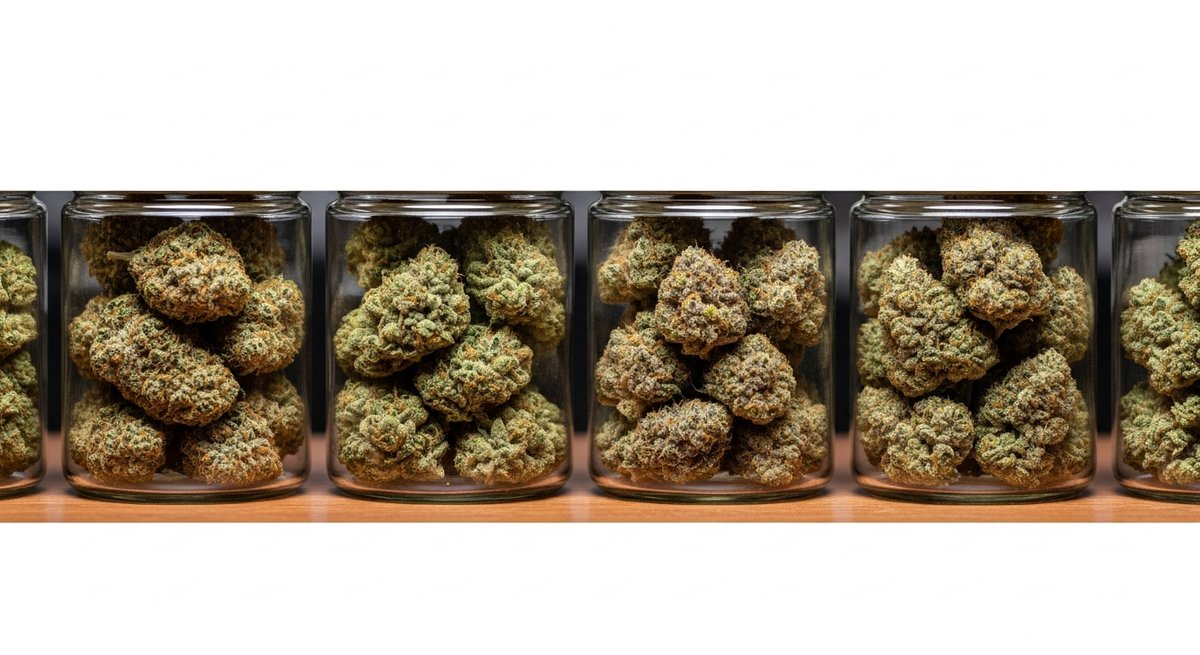
Some cultivars have earned their sativa reputation through decades of consistent consumer reports and genetic lineage. Durban Poison, originating from South Africa, is about as close to a true landrace sativa as you’ll regularly encounter in American dispensaries – it’s fast-finishing for a sativa (a result of its African climate origins), with a sweet anise-and-earth aroma and a reputation for clear-headed focus.
Jack Herer, named after the famous cannabis activist, is another benchmark strain – a blend of Haze, Northern Lights #5, and Shiva Skunk that leans heavily sativa in its effect profile despite the indica genetics in its background. It’s woody, piney, slightly spicy, and consistently described as producing a bright, functional kind of high. Green Crack (sometimes euphemistically called “Green Cush”) is notorious for its almost coffee-like mental kick. Strawberry Cough delivers a sweet, berry-forward flavor profile alongside cerebral effects.
Haze strains – Original Haze, Super Silver Haze, Amnesia Haze – represent the long-flowering, equatorial sativa ideal. They take up to 14 weeks to finish flowering indoors, produce airy buds, and deliver a distinctive psychedelic-leaning, cerebral experience that dedicated sativa fans often prefer over everything else. If you want to dig into one specific cultivar in this family, the Blue Haze strain profile is a useful reference point for what the Haze genetic line can express when crossed with blueberry-forward genetics.
The Botanical Roots: A Deeper Genetic History of Cannabis Sativa
The story of Cannabis sativa doesn’t start in a dispensary it starts roughly 10,000 years ago in Central Asia, where early evidence of cannabis cultivation has been found in archaeological records from the Yamnaya culture. From that origin point, the plant followed human migration outward across two diverging paths. One lineage moved toward cooler, harsher highland environments and gradually developed the compact, resinous traits we now associate with indica. The other moved into equatorial lowland regions across South and Southeast Asia, Sub-Saharan Africa, and Central America and those plants became what we classify as sativa.
The equatorial sativa lineage adapted to specific environmental pressures over centuries. Near the equator, day length stays relatively consistent year-round rather than shortening dramatically in autumn, so sativa plants developed a different internal flowering trigger they flower based on age and accumulated light exposure rather than a dramatic photoperiod shift. This explains why traditional sativa landraces often flower for 12 to 14 weeks indoors, compared to 8 to 9 weeks for a typical indica. The plant simply evolved in an environment where time, not season, was the signal.
Specific regional landraces shaped the modern sativa gene pool more than any other source material. Durban Poison traces directly to South African cannabis populations around the port city of Durban. Acapulco Gold came from the Pacific coast of Mexico and was renowned in 1960s America for its golden color and potent, clear-headed effects. Thai stick genetics compressed, seed-free flowers wrapped around bamboo skewers entered the American market in the early 1970s and left a deep imprint on the Haze lineage that followed. Colombian Gold, sourced from the Sierra Nevada de Santa Marta mountains, was another defining import of that era and contributed directly to the genetics of dozens of modern sativa-dominant cultivars.
The pivotal moment in sativa breeding history came in the mid-1970s in Northern California, when an anonymous collective of breeders (later associated with the Sacred Seeds collective) created Original Haze by crossing Colombian, Mexican, Thai, and South Indian sativa landraces. Original Haze became the genetic backbone for nearly every major sativa-dominant cultivar that followed Super Silver Haze, Amnesia Haze, Jack Herer, and the Trainwreck family all carry Haze genetics in varying degrees. Understanding Haze is understanding where modern sativas come from.
Terpene Science: Verified Chemistry Behind the Sativa Experience
The assertion that sativa strains feel different from indica strains rests on something more than folklore it rests on measurable differences in terpene profiles that appear systematically across sativa-dominant cultivars. Here’s what the science actually says about the specific terpenes most associated with sativa effects.
Terpinolene is perhaps the single most reliable sativa marker in a COA. A 2016 analytical study by Hazekamp and Fischedick examining cannabis varieties found terpinolene appearing almost exclusively in sativa-dominant chemotypes it was essentially absent in indica-dominant profiles. Terpinolene has a complex aroma: piney, floral, slightly herbal, with a citrus-like freshness. Consumer reports consistently link it to uplifting, cerebral effects, and it appears prominently in cultivars like Durban Poison, Jack Herer, Dutch Treat, and Ghost Train Haze.
Limonene carries a sharp, citrus-forward aroma and is one of the most studied terpenes for its mood-related effects. A 2011 study by Komori et al. found that citrus fragrance (driven primarily by limonene) produced significant anxiolytic and antidepressant-like responses in human subjects. Limonene is concentrated in the rinds of citrus fruits and appears heavily in strains like Super Lemon Haze, Strawberry Cough, and many modern sativa crosses. When limonene is the dominant terpene in a sativa profile, consumers reliably report mood elevation and mental engagement.
Alpha-Pinene is the smell of pine forests, and for good reason it’s the most abundant terpene in the natural world, produced by conifers, rosemary, and basil among others. Cannabis research has identified pinene as a potential acetylcholinesterase inhibitor, meaning it may help preserve the neurotransmitter acetylcholine, which plays a role in memory and alertness. This is particularly interesting in context because THC is known to temporarily impair short-term memory, and pinene-rich cultivars have long been anecdotally associated with clearer-headed highs. Alpha-pinene appears prominently in Jack Herer, Blue Dream, and many Haze-descendant cultivars.
Ocimene is less discussed but highly characteristic of sativa-dominant flower it produces a sweet, herby, slightly floral aroma and appears frequently alongside terpinolene in equatorial-lineage plants. Strains like Clementine, Golden Goat, and Strawberry Fields often show elevated ocimene.
Beta-Caryophyllene, while present across both indica and sativa types, deserves mention because it’s the only terpene known to directly bind to cannabinoid receptors (specifically CB2). It contributes a peppery, spicy, woody note and is associated with anti-inflammatory and anxiolytic properties. When it appears as a secondary terpene in a sativa profile alongside limonene or terpinolene, it can add a grounding quality that takes the edge off an otherwise very cerebral experience.
Research note: A frequently cited study by Russo (2011) in the British Journal of Pharmacology provided the foundational framework for understanding how terpenes interact with cannabinoids what he termed the “entourage effect.” Russo argued that terpene-cannabinoid combinations produce pharmacologically distinct outcomes that can’t be predicted from cannabinoid concentration alone. This research underpins why a 20% THC sativa with dominant terpinolene and limonene feels categorically different from a 20% THC indica with dominant myrcene the THC is identical; the modulatory chemistry is not.
Named Strain Guide: 10 Sativa-Dominant Cultivars Worth Knowing
1. Durban Poison The South African landrace benchmark. Terpene profile: terpinolene-dominant with myrcene and ocimene. Effects: focused, clear, high energy. One of the only true landrace sativas in regular dispensary rotation. Fast-finishing for a sativa (9–10 weeks).
2. Jack Herer The Haze/NL#5/Shiva Skunk cross named after the activist author. Terpene profile: terpinolene, caryophyllene, pinene. Effects: earthy, piney, creative, functional. An industry standard for sativa-dominant effects with broad appeal.
3. Super Lemon Haze A Green House Seeds classic and multiple Cannabis Cup winner. Terpene profile: limonene-forward with terpinolene and caryophyllene. Effects: bright, citrusy, mood-elevating with sustained energy. One of the clearest expressions of limonene-driven sativa character available.
4. Green Crack Despite the polarizing name, a foundational sativa cultivar with roots in Skunk #1 genetics. Terpene profile: myrcene, caryophyllene, limonene. Effects: focused, alert, almost caffeinated mental engagement. Popular for daytime productivity. Some dispensaries carry it as “Green Cush.”
5. Strawberry Cough Kyle Kushman’s creation and a fixture of sativa menus for decades. Terpene profile: myrcene, pinene, caryophyllene with distinctive sweet-berry aroma driven by ethyl butyrate. Effects: expansive, social, uplifting. Notably smooth smoke with low anxiety potential for a high-THC sativa.
6. Trainwreck A Northern California classic with Mexican, Thai, and Afghan genetics. Terpene profile: terpinolene, myrcene, pinene. Effects: euphoric, creative, fast-onset with a body component that distinguishes it from pure sativa lineages. A useful introduction for consumers who find pure sativas too heady.
7. Ghost Train Haze Bred by Rare Dankness and notorious for some of the highest tested terpinolene concentrations found in commercial cannabis. Terpene profile: terpinolene-dominant with ocimene and myrcene. Effects: intensely cerebral, psychedelic-leaning, not recommended for anxiety-prone consumers. One of the most demanding sativa experiences on the market.
8. Amnesia Haze A Dutch classic with complex lineage including South Asian and Jamaican genetics through the Haze backbone. Terpene profile: terpinolene, myrcene, pinene. Effects: strong cerebral onset, euphoric, long-lasting. The strain behind many Amsterdam coffeeshop reputations.
9. Clementine Bred from Tangie and Lemon Skunk by Crockett Family Farms. Terpene profile: terpinolene and ocimene with bright citrus notes. Effects: uplifting, sweet, socially engaging. A more approachable sativa for consumers who find Haze genetics too intense.
10. Blue Haze (Blueberry × Haze) A cross that preserves the clear Haze-lineage cerebral effect while softening it with blueberry genetics. Terpene profile: myrcene, pinene, caryophyllene. Effects: balanced, floral, mentally clear without being edgy. A good choice for sativa newcomers who want the functional effect profile without the full cerebral intensity of a pure Haze.
The Legal Landscape for Sativa Strains in 2026
The legal status of sativa cannabis in the United States remains a patchwork and it’s more navigable than many consumers realize once you understand the framework.
State-licensed dispensary markets currently operate in 24 states with full adult-use (recreational) programs, and an additional 14 states with medical-only programs. In these markets, sativa-labeled flower, concentrates, vapes, and edibles are sold through licensed retailers under state-regulated testing and labeling requirements. Products must carry cannabinoid content information, and most states require terpene reporting at licensed labs.
Hemp-derived THCA flower represents the more recently developed legal channel. The 2018 Farm Bill federally legalized hemp defined as cannabis containing less than 0.3% delta-9 THC on a dry weight basis. Raw, unheated THCA flower can technically meet this threshold because THCA is not delta-9 THC the conversion only happens through decarboxylation (heat). This has created a substantial market for THCA-dominant flower, including sativa-labeled cultivars, sold through hemp retailers, online, and in states without adult-use dispensary access.
The critical legal nuance: once THCA flower is heated and consumed, the THCA converts to delta-9 THC and produces a psychoactive experience equivalent to dispensary cannabis. Some states have moved to close this gap by including THCA in their controlled substance definitions or adopting “total THC” testing standards (which add the potential delta-9 conversion of THCA to the calculation). Always verify your state’s current hemp and cannabis laws, as enforcement is evolving quickly.
Traveling with sativa cannabis products whether flower, vape cartridges, or concentrates remains federally illegal across all state lines, even between two adult-use states. This includes driving; cannabis remains a Schedule I substance under federal law as of 2025.
How to Read a COA and Identify a Genuine Sativa-Dominant Terpene Profile
A Certificate of Analysis (COA) is a lab-generated document that shows exactly what a cannabis or hemp product contains. Learning to read one for sativa identification takes about five minutes and significantly improves your ability to predict what a product will actually feel like.
Step 1: Find the terpene panel. Not all COAs include terpenes if yours doesn’t, that’s itself informative. Quality products from reputable brands will always include a full terpene breakdown, not just cannabinoid percentages.
Step 2: Look for dominant terpenes in the sativa range. The strongest indicators of a genuine sativa-dominant profile are terpinolene, limonene, and alpha-pinene appearing as the top two or three terpenes. If you see terpinolene as the number-one terpene, you are almost certainly holding a sativa-dominant cultivar. If myrcene dominates with only trace limonene or pinene, the “sativa” label on the packaging is not reflecting the terpene chemistry and the experience will likely be heavier and more sedating than expected regardless of what the category label says.
Step 3: Check total terpene content. A well-grown, properly cured sativa should show total terpene content of 1.5% or higher on a COA. Values under 1% indicate underdeveloped terpene expression whether from poor cultivation, early harvest, or degradation during storage. Low terpene content means a flatter, less nuanced experience regardless of the THC percentage.
Step 4: Note the cannabinoid ratio alongside the terpenes. A sativa-dominant flower with high THC, low CBD, dominant terpinolene, and secondary limonene is going to deliver the most classically energetic sativa experience. If there’s meaningful CBD (1% or higher), the experience will be more modulated useful if you’re anxiety-prone, but less sharp-edged overall.
Step 5: Cross-reference with the strain name. COAs should list the strain or cultivar. Cross-referencing that against known terpene profiles for that cultivar is a quick sanity check. If a product claims to be Durban Poison but shows myrcene-dominant terpenes with no terpinolene, something in the supply chain genetics, cultivation, or labeling has gone wrong.
Sativa Strains and the Experience: What People Actually Report

Consumer reports consistently cluster around a few themes for sativa-dominant varieties: heightened sensory awareness, a more social and talkative mood, creative thinking, and a body that feels lighter rather than heavy. People reach for sativas before hikes, gallery visits, concerts, or long creative work sessions. The phrase you hear most often is something like “I can still function” – meaning the mental engagement doesn’t tip over into couch-lock.
It’s worth being honest about the flip side too. For consumers who are sensitive to THC or who have anxiety tendencies, sativa-dominant strains can sometimes feel overstimulating – racing thoughts, elevated heart rate, a kind of mental loop that isn’t pleasant. The same terpene-and-cannabinoid combination that produces bright, focused clarity in one person can feel like too much mental noise in another. Dosing conservatively with a new sativa strain, especially if it’s high-THC, is genuinely good practice.
The question of whether sativa versus indica is more useful for specific experiences – like pain – is a separate conversation with its own complexity. If that’s your primary focus, the breakdown of indica vs sativa for pain management covers the evidence and consumer experience in more specific detail.
THCA Flower and Sativa Strains: What’s the Connection
THCA (tetrahydrocannabinolic acid) is the raw, unactivated precursor to THC found in fresh cannabis flower. When you apply heat – through smoking, vaping, or baking – THCA converts to THC through a process called decarboxylation. This is why THCA flower, which is legal in many hemp-compliant markets, can produce a full psychoactive experience when smoked or vaped despite being technically a hemp product in its raw state.
Sativa-labeled THCA flower has become one of the more interesting product categories in the current hemp market, because it allows consumers to access familiar sativa cultivars and terpene profiles through a legal hemp channel. The strain genetics, terpene content, and resulting experience when heated are functionally equivalent to what you’d find in a licensed dispensary – the chemistry converts the same way regardless of how the plant was classified pre-harvest.
For consumers exploring this category, both Blazed and Bloomz offer sativa-focused THCA flower worth examining. If you want something with verifiable strain lineage and exotic terpene character, the Blazed Exotic line is a solid reference point for what well-grown THCA sativa flower looks and smells like.
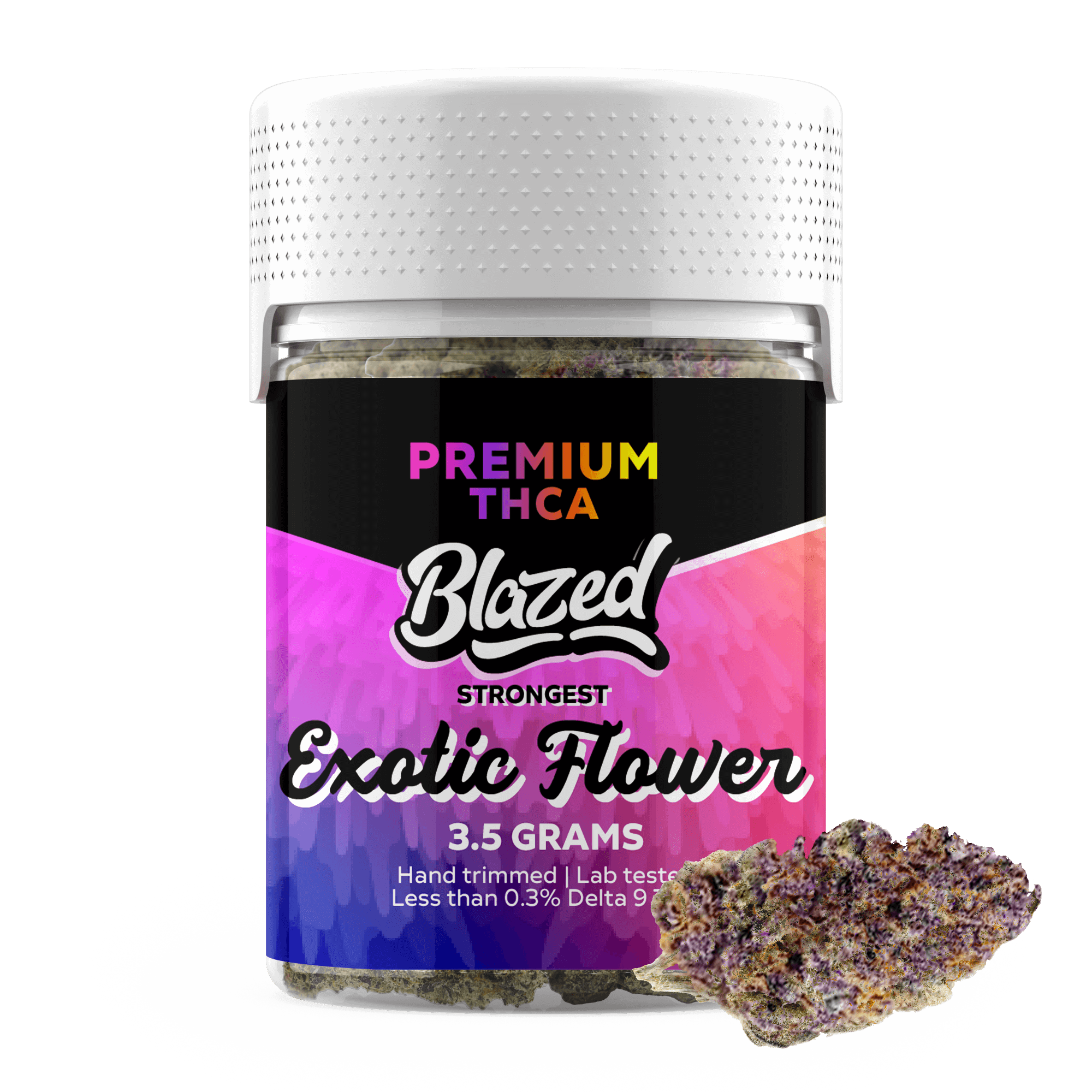
Blazed Exotic THCA Flower – Sativa
Sativa-dominant THCA hemp flower with exotic strain genetics and full terpene expression
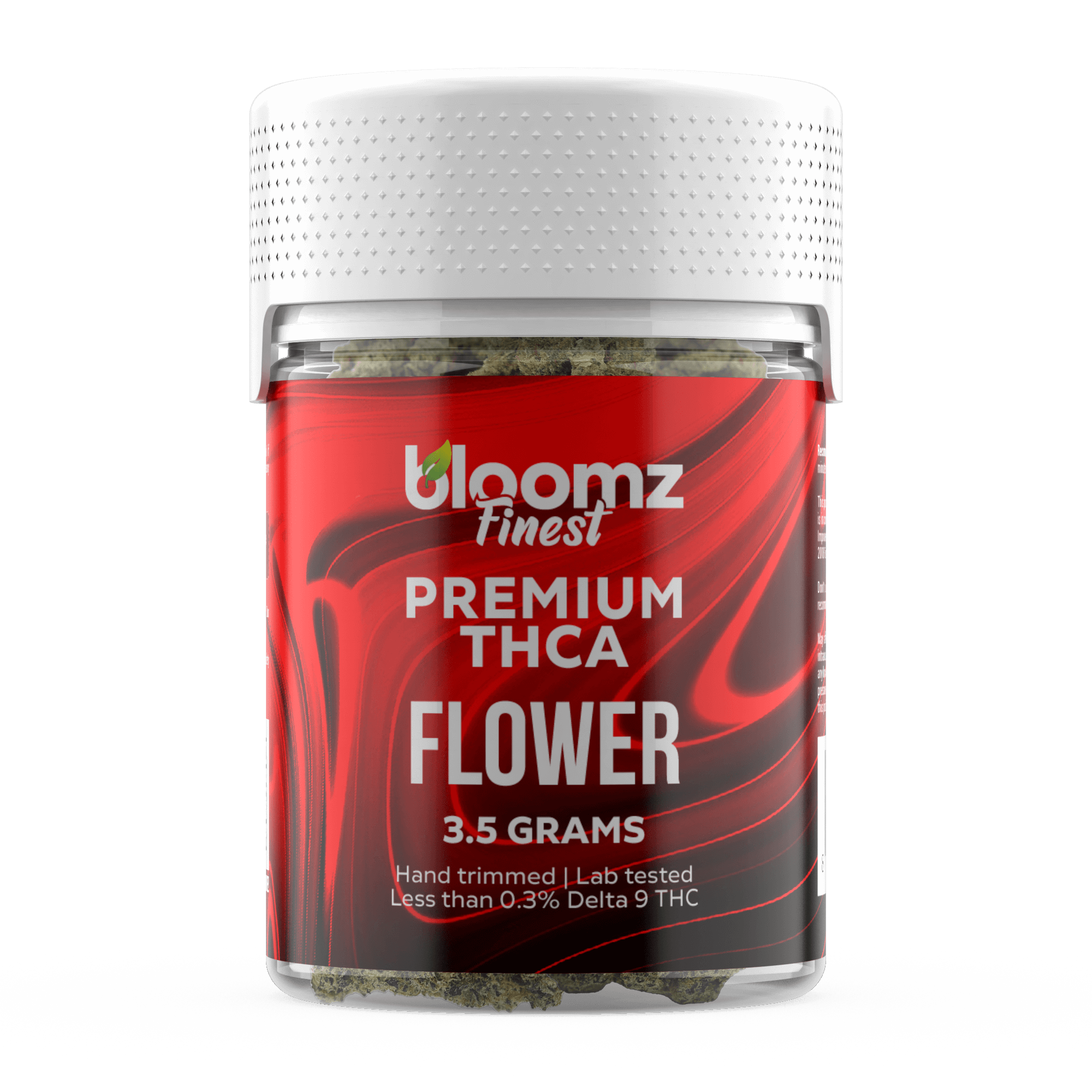
Bloomz THCA Flower – Sativa
Indoor-grown premium sativa THCA flower from Bloomz, available in 3.5g format
How to Choose a Sativa Strain That Works for You
The most practical advice is to look beyond the sativa label itself and focus on the terpene profile. Ask your budtender which dominant terpenes are in the product, or check the certificate of analysis if you’re buying hemp-derived THCA flower. Limonene, terpinolene, and pinene are strong indicators of the kind of clear, uplifting effect most people associate with sativas. If myrcene is the dominant terpene despite a sativa label, the experience may lean heavier than expected.
Start with lower THC percentages if you’re newer to cannabis or trying a new cultivar. A sativa-dominant strain sitting at 16-18% THC with a rich terpene profile will often deliver a more rounded, enjoyable experience than a 30% THC flower with a thin terpene expression. Total cannabinoid and terpene complexity matters more than raw potency numbers in most cases.
Context and setting matter enormously too. A sativa strain consumed in a calm, familiar environment with good company will read very differently than the same strain consumed in a stressful or unfamiliar situation. This is not unique to sativas, but the more cerebral, thought-activating nature of sativa-leaning effects means set and setting play an especially significant role in shaping the outcome.
Important Notice
Sativa strains contain THC, a psychoactive compound. Effects vary significantly between individuals based on tolerance, biology, dose, and consumption method. If you experience an uncomfortable reaction – including rapid heart rate, severe anxiety, or disorientation – stop consuming, move to a calm environment, stay hydrated, and seek medical attention if symptoms are severe or do not resolve.
Frequently asked questions
What are sativa strains exactly?
Sativa strains are cannabis cultivars that originate from equatorial regions and are associated with uplifting, cerebral effects. They tend to be tall plants with narrow leaves, longer flowering times, and terpene profiles featuring limonene, terpinolene, and pinene. Most modern sativa products are sativa-dominant hybrids rather than pure landraces.
Do sativa strains actually make you feel energized?
Many consumers report more alert, focused, and socially engaged experiences with sativa-dominant strains compared to indicas. However, the science linking sativa genetics to specific effects is not fully established. Terpene profiles, THC levels, individual biology, dose, and setting all shape the outcome – the sativa label alone does not guarantee a particular experience.
Can sativa strains cause anxiety?
Yes, particularly for people sensitive to THC or prone to anxiety. The more stimulating, cerebral quality of sativa-leaning effects can amplify racing thoughts and elevated heart rate in some individuals. Starting with lower doses, choosing strains with moderate THC and notable CBD or calming terpenes, and consuming in a comfortable environment can help reduce that risk.
What are the most well-known sativa strains?
Durban Poison, Jack Herer, Green Crack, Strawberry Cough, Super Lemon Haze, and the various Haze varieties – Original Haze, Amnesia Haze, Super Silver Haze – are among the most recognized sativa-dominant cultivars. Each has a distinct terpene character and long track record of consistent consumer reports aligning with uplifting, functional effects.
Are THCA sativa strains the same as dispensary sativa flower?
When smoked or vaped, THCA sativa flower converts to THC through decarboxylation and functions similarly to dispensary sativa strains. The same cultivars, terpene profiles, and genetic lineages are used. The key legal difference is that THCA hemp flower must contain less than 0.3% delta-9 THC by dry weight before being heated, placing it in the hemp-compliant category in many states.
Is the sativa vs. indica distinction scientifically valid?
The botanical distinction between Cannabis sativa and Cannabis indica is real and historically documented. Whether those genetic categories reliably predict distinct psychoactive effects in modern heavily hybridized cultivars is less settled. Terpene and cannabinoid profiles are currently considered more reliable predictors of effect than the sativa or indica label alone.
What terpenes should I look for in a good sativa strain?
Limonene, terpinolene, and alpha-pinene are the terpenes most consistently associated with sativa-like uplifting effects. Ocimene also appears frequently in sativa-dominant cultivars. If a product labeled sativa is dominated by myrcene instead, it may produce a heavier, more sedating experience than the category label suggests.
Walsh Z, et al. (2016). Medical cannabis and mental health: A guided systematic review. Clinical Psychology Review, 51:15-29. PMID: 27816801
For adults 21+ only. Cannabis laws vary by state. This content is for informational purposes only and does not constitute medical advice. If you experience a medical emergency or severe adverse reaction, call 911 or go to your nearest emergency room immediately.