🚛 FREE DISCREET SHIPPING ON ALL ORDERS $49+









What is an Indica strain?
You’ve probably heard someone say “I only smoke indica at night” with the same casual confidence that people once declared they were “a winter” or “a morning person.” But here’s the thing: most people can’t actually tell you what an indica strain is beyond the old shorthand of “it’s the sleepy one.” The truth is more interesting than that –

Published on: April 12, 2026
You’ve probably heard someone say “I only smoke indica at night” with the same casual confidence that people once declared they were “a winter” or “a morning person.” But here’s the thing: most people can’t actually tell you what an indica strain is beyond the old shorthand of “it’s the sleepy one.” The truth is more interesting than that – and more complicated. Whether you’re new to cannabis or you’ve been browsing dispensary menus for years, understanding what these plants actually are (and why the categories matter less than you think) might change how you shop forever.
Where the Word “Indica” Actually Comes From
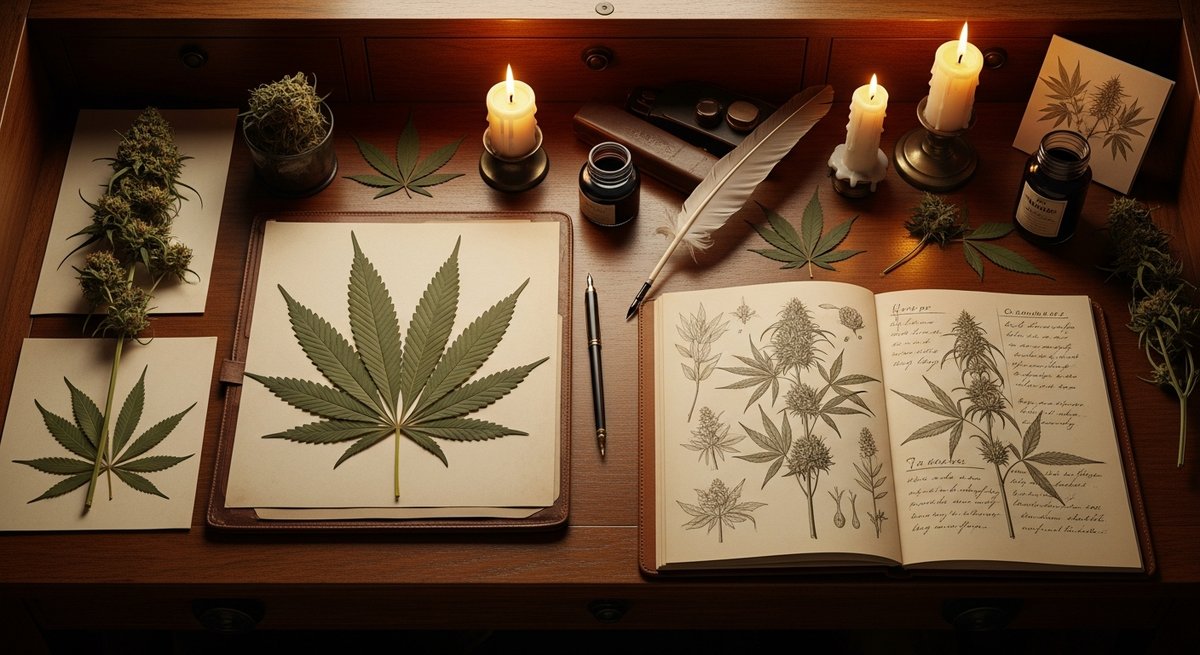
The term Cannabis indica was formally introduced by the French naturalist Jean-Baptiste Lamarck in 1785. He was describing cannabis plants collected from India that looked noticeably different from the European hemp he already knew – shorter, bushier, with wider leaves and a pungent resin that smelled nothing like fiber hemp. Lamarck proposed it as a separate species from Cannabis sativa, and the name stuck, even as botanists have argued ever since about whether cannabis is really one species, two, or something messier.
The plants that descended from those Central Asian and South Asian landrace varieties – Afghanistan, Hindu Kush, Northern Pakistan – share certain structural traits. They tend to grow compact and dense, with broad dark-green leaves and tight, resinous buds. They flower faster than sativas, which made them a favorite among home growers working with limited vertical space. This morphological origin story is real and documented. What happened next – the cultural mythology that layered “body high,” “couch lock,” and “sedative” onto the plant’s genetics – is where things get philosophically messier.
The Physical Profile of a Classic Indica Plant
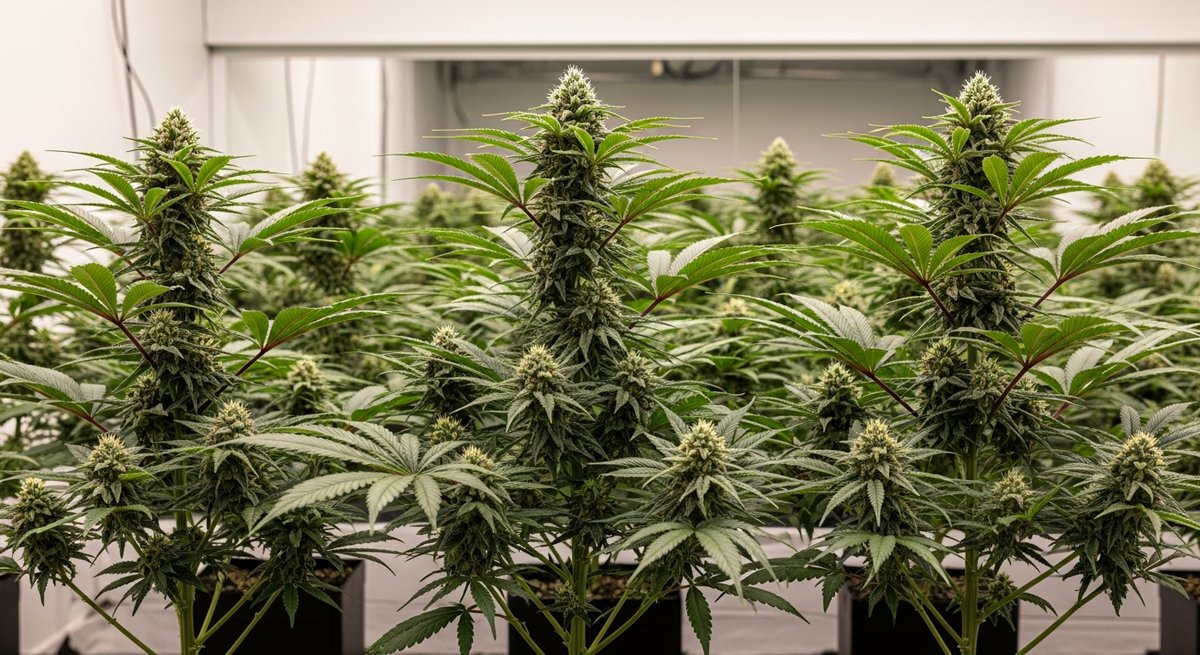
If you walked into a grow room with traditional indica plants, you’d notice a few things immediately. The plants are squat – often under four feet – and wide, with thick lateral branching that makes them look more like a shrub than a Christmas tree. The leaves are broader and darker than sativa leaves, and the bud structure tends to be dense and compact rather than airy and elongated.
Flowering time is another standout trait. Indica-dominant plants typically finish their flowering cycle in 7 to 9 weeks, compared to the 10 to 12 weeks many sativa-dominant varieties require. That’s not a trivial difference for a commercial grower – faster turnover means more harvests per year. Resin production also tends to be heavy in indica genetics, which is one reason landrace indica varieties from the Hindu Kush region have been prized for hash-making for centuries. Afghani and Mazar-i-Sharif genetics, for instance, sit at the roots of dozens of modern commercial strains.
For a detailed look at how these physical traits map to specific cultivar profiles – including terpene patterns and regional lineage – the comprehensive guide to indica strains on Weed.com covers the full spectrum from landrace genetics to modern hybrids.
What Makes an Indica Strain Feel the Way It Does
Let’s be honest: when most people say they want an indica, they’re describing a feeling they’ve had before – heavy limbs, a quieter mind, a pull toward the couch – not a taxonomic classification. And there is something real at the core of that experience. The question is what’s actually producing it.
Cannabinoid content plays the obvious first role. Many indica-dominant strains are bred for high THC concentrations, and THC at sufficient doses produces the sedating, physically relaxing sensations people associate with “indica effects.” But THC alone doesn’t explain the whole picture, because high-THC sativas don’t reliably produce the same result. This is where terpenes – the aromatic compounds that give each strain its distinct smell and flavor – become interesting.
Indica-leaning strains frequently feature dominant terpenes like myrcene, linalool, and beta-caryophyllene. Myrcene in particular has been associated with sedative effects in some preclinical research, and it tends to appear in high concentrations in heavy, earthy, kushy strains – exactly the profile that defined traditional indica genetics. Whether terpenes drive the experience independently or modulate how THC behaves through what researchers call the “entourage effect” is still being worked out. But the terpene fingerprint of a strain is increasingly what experienced users and forward-thinking dispensaries use to predict effects more reliably than sativa/indica labels alone.
Expert Insight
Dr. Alexander Tabibi
Dr. Alexander Tabibi
When it comes to cannabinoids and their broader physiological effects, the endocannabinoid system is the key terrain. A narrative review by Smith et al. revisited the concept of clinical endocannabinoid deficiency and found evidence that endocannabinoid tone plays a modulatory role in pain signaling across spinal, peripheral, and gastrointestinal pathways – helping explain why cannabis, including high-myrcene indica-leaning varieties, shows up repeatedly in user accounts of physical relaxation and discomfort relief.
It’s worth being careful here: the review framework means this is synthesized inference, not a controlled clinical trial testing a specific indica strain. Individual responses to cannabis vary considerably based on tolerance, consumption method, dose, and the full chemical profile of the cultivar used. No strain can be said to treat a condition.
Smith et al. (2014). Clinical endocannabinoid deficiency (CECD) revisited: can this concept explain the therapeutic benefits of cannabis in migraine, fibromyalgia, irritable bowel syndrome and other treatment-resistant conditions? Neuro Endocrinology Letters, 35(3):198-201. PMID: 24977967
The Indica vs. Sativa Binary: Useful Shorthand or Misleading Map?
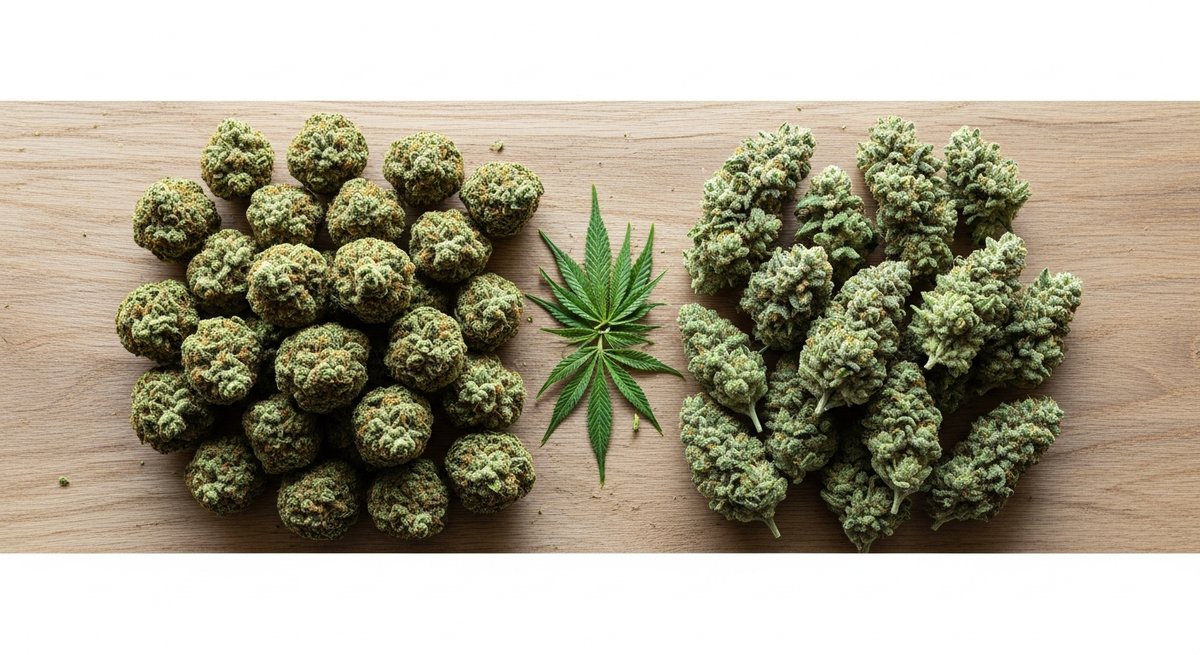
Here’s where it gets genuinely uncomfortable for anyone who’s built their cannabis preferences around the sativa/indica split: most strains available today are hybrids. The genetic isolation that once kept Central Asian indica landraces distinct from Southeast Asian sativa landraces collapsed the moment breeders started crossing everything in the 1970s and 1980s. OG Kush,” often sold as a quintessential indica, has murky lineage that includes both indica-dominant and sativa-leaning genetics depending on the phenotype.
Cannabis researchers like Dr. Ethan Russo have made the case publicly that the sativa/indica distinction is largely folk taxonomy at this point – a useful cultural shorthand that doesn’t reliably map to plant genetics or predictable effects. What matters more, the argument goes, is the chemotype: the actual cannabinoid ratios and terpene composition of a specific batch from a specific cultivar. Two strains both labeled “indica” can have wildly different effects if one is myrcene-heavy and low in limonene and the other inverts that profile.
That said, the labels aren’t worthless. They carry predictive heuristic value – most indica-dominant strains you buy at a licensed dispensary will trend toward heavier, more physically relaxing effects than most sativa-dominant strains. The problem arises when people treat the label as a guarantee rather than a rough directional signal. If you want to understand how indica and sativa profiles compare specifically in the context of physical discomfort, the breakdown of indica vs. sativa for pain relief explores how these categories translate – and sometimes don’t – to real-world use.
Iconic Indica Strains Worth Knowing
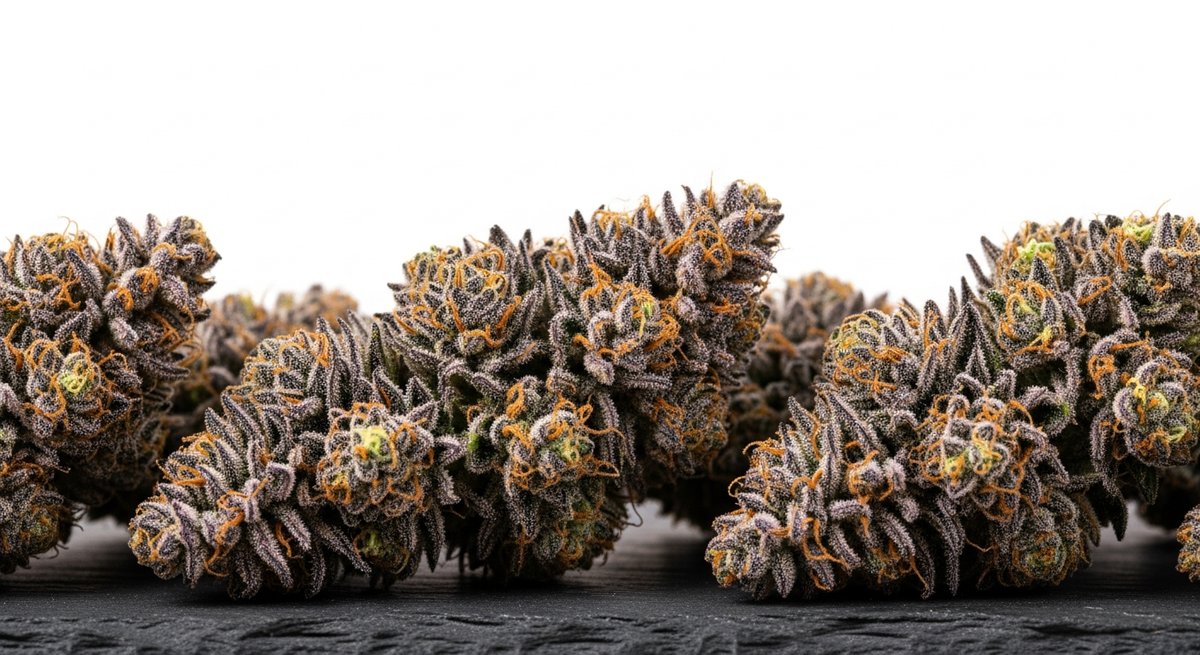
A few strains have become almost synonymous with the indica category, and for good reason – their lineage is deeply rooted in the original Central Asian genetics that defined the plant type. Granddaddy Purple, with its purple hues and grape-candy aroma, is one of the most recognizable names in American cannabis culture. Northern Lights, a near-pure indica developed from Afghan landrace genetics, has won more awards and spawned more offspring strains than almost any other cultivar in history. Hindu Kush is as close to an original landrace as commercial cannabis gets.
Black Domina deserves a mention here because it represents a kind of indica pedigree that goes deep: Northern Lights, Ortega, Hash Plant, and Afghani combined into one dense, resinous cultivar. If you want to understand what “indica-forward” genetics actually look like in a strain’s lineage, the profile of the Black Domina strain is a useful case study in how multiple indica landraces stack together into a distinct chemical and physical profile.
Modern breeding has pushed indica genetics into new territory – crossing them with high-CBD cultivars to soften the psychoactive edge, or with terpene-rich strains to produce distinct aromatic profiles. The category today is less a genetic monolith and more a loose family with shared ancestral traits and a wide range of contemporary expressions.
THCA Flower and Indica: What the Hemp Market Adds to the Conversation
One category that’s expanded the accessibility of indica-type genetics is THCA hemp flower. THCA (tetrahydrocannabinolic acid) is the non-psychoactive precursor to THC – it converts to THC when heated. Hemp-compliant THCA flower is grown from the same cultivars as high-THC cannabis but marketed and sold as hemp under the 2018 Farm Bill framework, provided the delta-9 THC content stays below 0.3% on a dry-weight basis. When smoked or vaporized, the experience is functionally similar to traditional cannabis flower because the decarboxylation process converts THCA to THC in real time.
For consumers who want the full indica flower experience – dense buds, earthy terpene profiles, the physical weight of a traditional indica high – THCA flower has become the most direct route available through the hemp market. The key factors to look for are the terpene profile (myrcene and caryophyllene content especially), the cultivar lineage, and whether the seller provides third-party lab results for both potency and contaminants.
For shoppers weighing their options in this category, Bloomz THCA Flower in the Indica designation is one of the more straightforward examples on the market – a hemp-compliant THCA flower product grown to mimic the profile of traditional indica cultivars, with third-party testing and a clearly labeled terpene lineup.
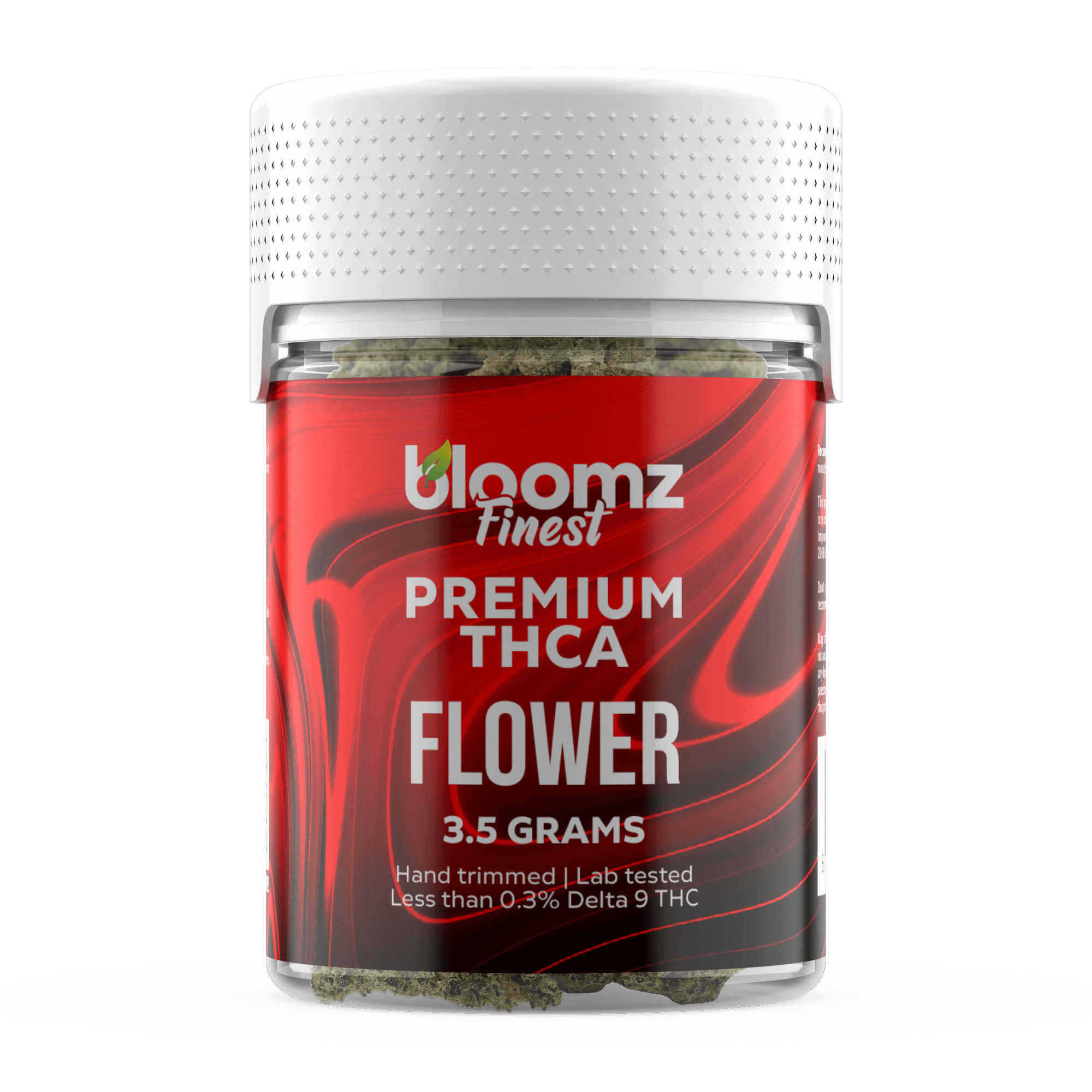
Bloomz THCA Flower – Indica
Hemp-compliant THCA flower with indica lineage and third-party lab testing
For consumers who want to step up to a premium indoor-grown option, Bloomz also offers a Gold Line indoor exotic version – tighter quality controls, more developed terpene expression, and the fuller sensory profile that comes from a carefully managed indoor grow environment.
Whether you are exploring indica genetics for the first time or looking to refine what you already know, understanding the plant behind the label – its origins, its chemistry, and its cultural evolution – puts you in a much better position to find what actually works for you.
Frequently asked questions
What are indica strains?
Indica strains are cannabis cultivars with roots in Central Asian landrace genetics – Afghanistan, the Hindu Kush, and northern Pakistan. They grow compact and bushy, flower quickly, and produce dense resinous buds. The label is also used as shorthand for strains associated with heavier, more physically relaxing effects.
Why do indica strains make some people feel sleepy?
The sedative association likely comes from a combination of high THC levels and terpene profiles heavy in myrcene and linalool, which have shown calming properties in preclinical research. It is not the indica label itself that causes drowsiness but the specific chemical composition of the cultivar you are consuming.
Are all indica strains high in THC?
No. While many commercially popular indica strains are bred for high THC, there are indica-dominant cultivars with moderate THC and meaningful CBD content, as well as THCA hemp flower options that stay within federal hemp limits. THC percentage varies widely depending on the breeder, growing conditions, and cultivar selection.
Is the indica vs. sativa distinction scientifically valid?
It is partially valid as a description of plant morphology and geographic origin, but largely unreliable as a predictor of effects in modern hybrids. Most researchers and cannabis scientists recommend focusing on cannabinoid ratios and terpene profiles rather than the sativa or indica label when trying to anticipate how a strain will feel.
What terpenes are most common in indica strains?
Myrcene, beta-caryophyllene, and linalool appear frequently in indica-dominant cultivars. Myrcene contributes earthy, musky notes and is associated with relaxing effects. Caryophyllene adds a spicy quality and may interact with CB2 receptors. Linalool, also found in lavender, is linked to calming properties in some research.
What are some of the most well-known indica strains?
Northern Lights, Granddaddy Purple, Hindu Kush, Afghani, and Black Domina are among the most recognized indica-dominant strains. Northern Lights and Hindu Kush trace directly to Afghan landrace genetics, while Granddaddy Purple is a California classic known for its purple coloring and grape-forward aroma.
Can I buy indica strains online?
In states where cannabis is legal, licensed dispensaries may offer online ordering for pickup or delivery. Hemp-compliant THCA flower with indica genetics is also available online from retailers who provide third-party lab testing. Always verify that any product you purchase complies with the laws in your state before ordering.
Disclaimer: Cannabis affects individuals differently. The information in this article is for educational purposes only and does not constitute medical advice. Consult a qualified healthcare provider before using cannabis or cannabis-derived products, especially if you have a medical condition or take prescription medications. No cannabis product is intended to diagnose, treat, cure, or prevent any disease.
Sources
Smith et al. (2014). Clinical endocannabinoid deficiency (CECD) revisited: can this concept explain the therapeutic benefits of cannabis in migraine, fibromyalgia, irritable bowel syndrome and other treatment-resistant conditions? Neuro Endocrinology Letters, 35(3):198-201. PMID: 24977967
For adults 21+ only. Cannabis laws vary by state. Nothing in this article should be construed as legal advice regarding the purchase, possession, or use of cannabis products. If you or someone you know is experiencing a medical emergency related to cannabis use, call 911 or go to the nearest emergency room immediately.