🚛 FREE DISCREET SHIPPING ON ALL ORDERS $49+

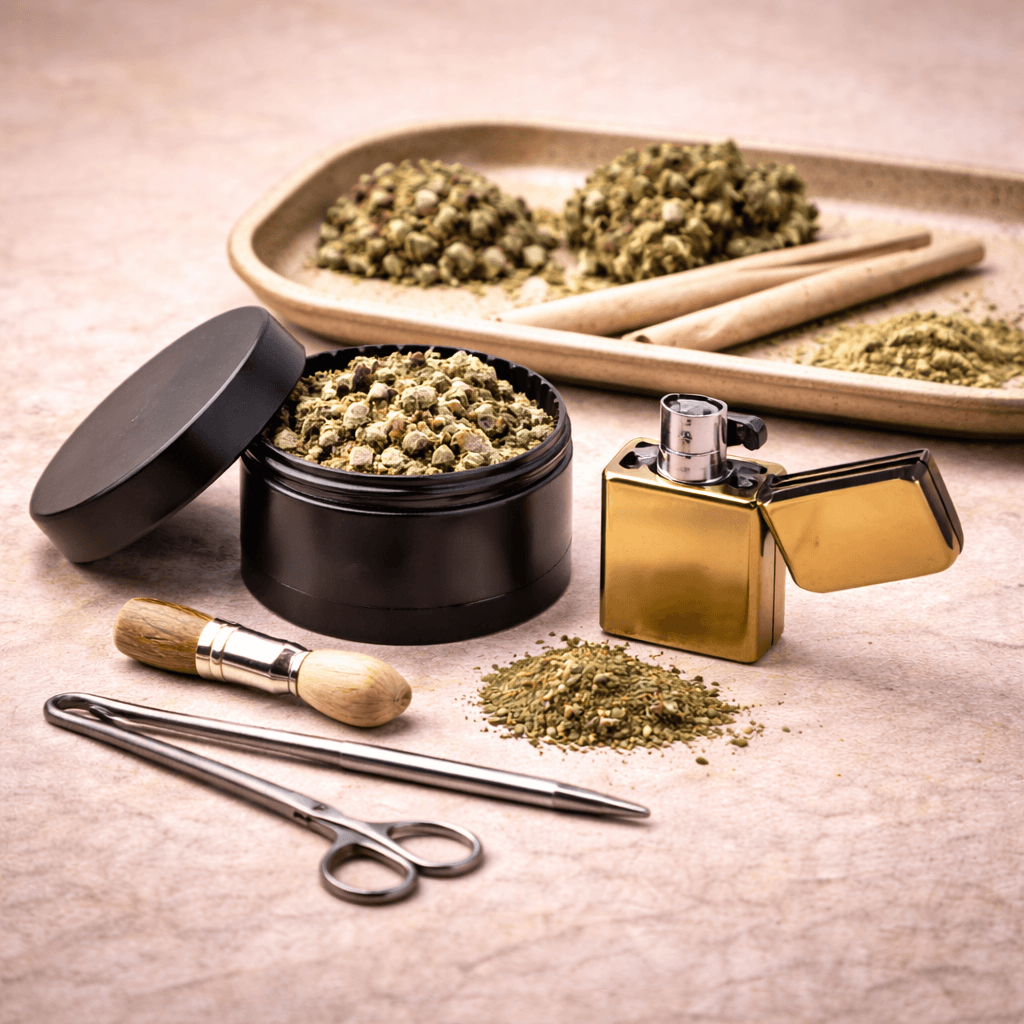








What is a Hybrid Strain?
Walk into any dispensary and you’ll notice something right away: the menu is enormous. And somewhere between the pure indicas and the bright, buzzy sativas, there’s an entire middle world – one that most people reach for without fully knowing what they’re grabbing. That world is hybrid strains, and it’s where the vast majority of modern cannabis actually lives. Here’s

Published on: April 18, 2026
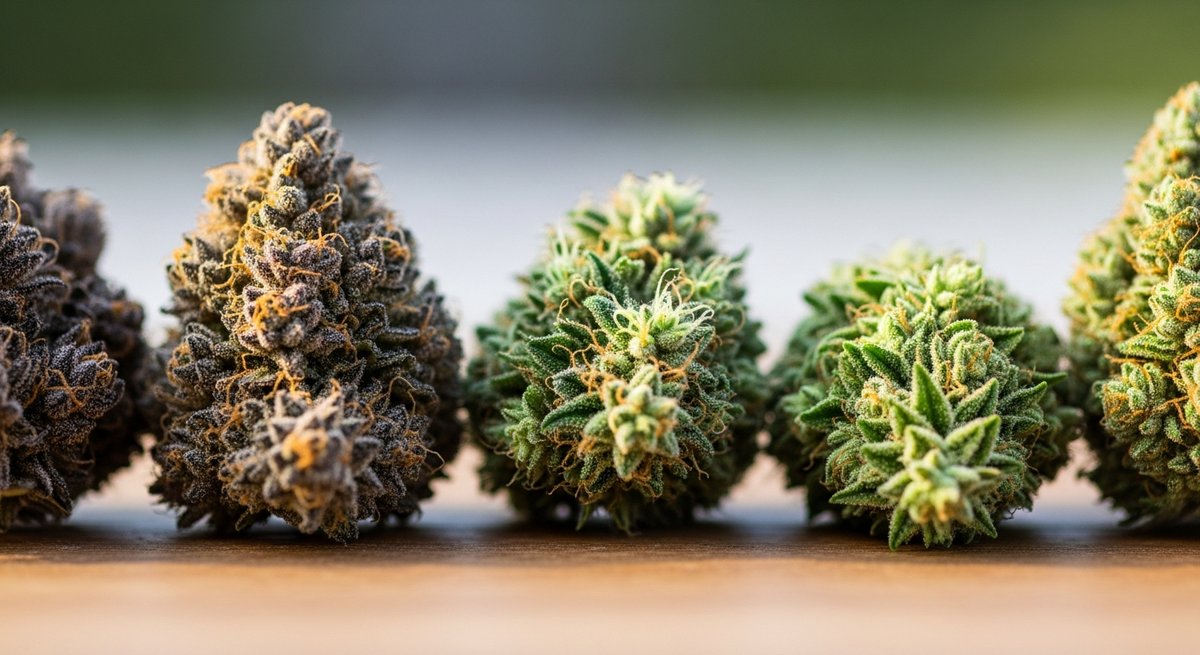
Walk into any dispensary and you’ll notice something right away: the menu is enormous. And somewhere between the pure indicas and the bright, buzzy sativas, there’s an entire middle world – one that most people reach for without fully knowing what they’re grabbing. That world is hybrid strains, and it’s where the vast majority of modern cannabis actually lives.
Here’s the thing: the word “hybrid” gets thrown around constantly, but it’s rarely explained well. What does it actually mean when a budtender says a strain is a balanced hybrid? What happened genetically to get it there? And does any of that even predict how it’ll feel? These are exactly the questions worth unpacking.
What Exactly Is a Hybrid Cannabis Strain?
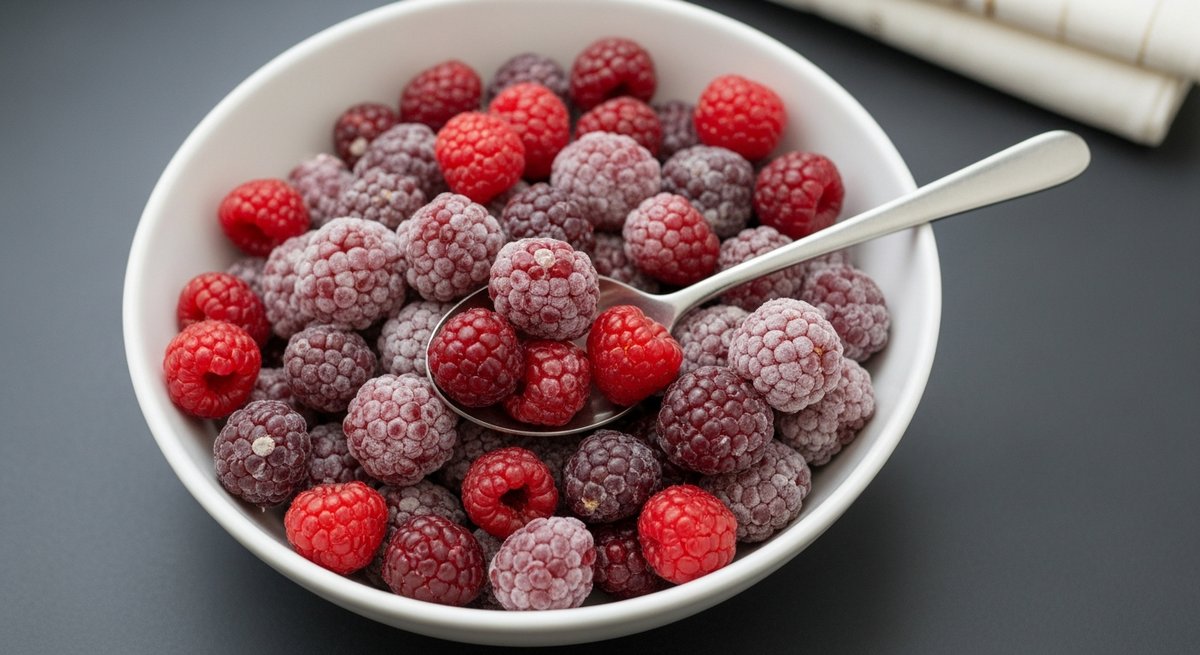
At the most basic level, a hybrid strain is a cannabis plant bred from two or more distinct parent varieties – typically some combination of Cannabis indica and Cannabis sativa lineages. The goal of crossbreeding is almost always intentional: breeders want to pull specific traits from each parent and combine them into something new. Maybe they want the relaxed body feel of an indica paired with the mental clarity of a sativa. Maybe they’re chasing a particular terpene profile, a specific flavor, or a higher cannabinoid ceiling.
The result is a plant that doesn’t fit neatly into either original category. And honestly, that describes almost every strain on the market today. Decades of crossbreeding have left very few truly “pure” landrace varieties in commercial circulation. Most of what you see on dispensary menus – whether labeled indica or sativa – has hybrid genetics underneath.
If you want to go deeper on how that crossbreeding process actually works at a botanical level, the deep dive on hybridised strains and crossbred cannabis varieties covers the mechanics in satisfying detail.
Indica-Dominant, Sativa-Dominant, and Balanced: What the Labels Actually Mean
When a strain gets classified as “indica-dominant hybrid” or “sativa-dominant hybrid,” that label is generally describing the rough genetic ratio – and, loosely, the expected character of the experience. An indica-dominant hybrid might lean toward physical relaxation while still carrying some of the mental engagement associated with sativa lines. A sativa-dominant hybrid might feel uplifting and social, but without the edge that sometimes comes from a pure sativa.
A “balanced hybrid” – sometimes called a 50/50 hybrid – sits in the middle. The idea is that neither the indica nor the sativa traits dominate. In practice, what you actually feel depends heavily on factors the label doesn’t show: the specific cannabinoid concentrations, the terpene profile, your personal endocannabinoid system, and even how recently you ate.
Let’s be honest – the indica/sativa/hybrid classification system is more of a cultural shorthand than a precise science. Researchers have pointed out repeatedly that the morphological differences between Cannabis indica and Cannabis sativa don’t map reliably onto the effects people report. What does seem to matter more is the cannabinoid and terpene composition, which is where modern cannabis science is focusing its attention.
The Role of Terpenes in Shaping the Hybrid Experience
Terpenes are the aromatic compounds that give cannabis its distinctive smell – and they do a lot more than perfume the jar. They interact with cannabinoids in what’s often called the entourage effect, influencing the overall character of what you feel. A hybrid with high myrcene content might carry a more sedating, earthy quality. One with abundant limonene tends to feel brighter and more citrus-forward. Pinene brings an alert, fresh-air quality to the mix.
This is one reason why two hybrid strains with identical THC percentages can feel remarkably different. The terpene fingerprint matters. It’s also why cannabis quality testing has moved well beyond just measuring THC and CBD – reputable labs now report full terpene panels, and educated consumers are increasingly reading them.
A good example of terpene diversity within hybrid genetics: the Transformer strain profile shows how crossing lineages can produce a terpene arrangement that defies simple category labels. The genetics say hybrid; the nose and the effects say something more specific and interesting.
Expert Insight
Dr. Alexander Tabibi
Dr. Alexander Tabibi
A 2018 analytical study of 14 commercial European CBD preparations found that 9 out of 14 products had cannabinoid concentrations that differed notably from their declared amounts – and that terpene fingerprinting provided a more reliable quality indicator than cannabinoid labels alone. This applies directly to how hybrid cannabis products are described versus what’s actually inside them.
The finding underscores a point that matters for any consumer trying to select a hybrid based on stated profiles: labeling can be unreliable without standardized testing, and terpene composition – not just THC percentage – gives a more complete picture of what a given product actually contains. Evidence suggests strict standardized regulations are still urgently needed across the industry.
Pavlovic et al. (2018). Quality Traits of ‘Cannabidiol Oils’: Cannabinoids Content, Terpene Fingerprint and Oxidation Stability of European Commercially Available Preparations. Molecules, 23(5). PMID: 29783790
How Breeders Create Hybrid Strains
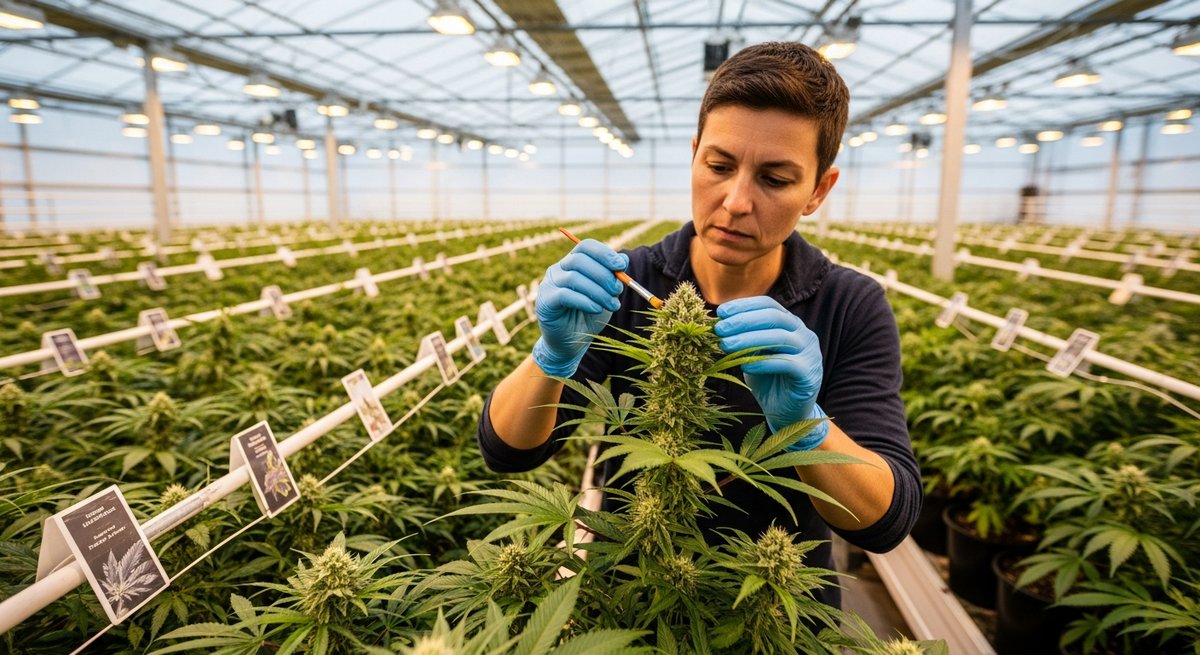
Creating a hybrid isn’t random. It’s a deliberate, often years-long process. A breeder starts by selecting two parent plants with complementary traits – one might have exceptional resin production, another might have a standout terpene profile or disease resistance. The plants are crossed, seeds are produced, and then the real work begins: selecting which offspring to keep.
This selection process is called phenotype hunting. Out of a batch of seeds from the same cross, individual plants can express wildly different characteristics. One might smell like tropical fruit; another from the same packet might lean diesel and earth. Breeders grow out many plants and identify the “keeper” – the phenotype that best captures the intended combination of traits.
After that, stabilization takes multiple generations of backcrossing to make the genetics predictable and consistent. A strain isn’t really “done” until it reliably produces plants that look, smell, and grow the same way every time. That consistency is what separates a named cultivar from a one-off experiment.
The Purple Thai strain is a useful illustration of this lineage complexity – it reflects decades of cross-regional breeding that produced something genuinely distinct from either of its geographic parent types. You can explore its background through the Purple Thai strain profile to see how that kind of layered genetics plays out in practice.
The Endocannabinoid System: Why Hybrids Hit Differently for Everyone
One of the most consistently misunderstood aspects of choosing a hybrid strain is the assumption that the experience will be predictable. It won’t not across different people, and not always across different sessions with the same person. The reason goes deeper than potency labels. It lives in your endocannabinoid system (ECS).
The ECS is a network of receptors, enzymes, and signaling molecules distributed throughout the brain and body. Its two primary receptor types CB1 and CB2 are the docking points for cannabinoids like THC and CBD. CB1 receptors are concentrated in the central nervous system and are primarily responsible for psychoactive effects. CB2 receptors appear more densely in immune tissue and peripheral organs, where they’re thought to play a role in inflammation and pain modulation.
Here’s where individual variation becomes important: the density and distribution of these receptors differs meaningfully from person to person. Some people have naturally high CB1 receptor density; others have relatively few. Your baseline endocannabinoid tone how much of your own naturally produced cannabinoids (like anandamide) you’re running at any given time also shifts the response. Someone who is chronically stressed has a different internal environment than someone who is well-rested, even before cannabis enters the picture.
This means that a sativa-dominant hybrid that makes one person feel creatively energized can make another feel anxious and mentally overstimulated. A sedating indica-dominant hybrid that gives someone else deep physical relaxation might leave you feeling foggy and disoriented. The plant is the same. The ECS receiving it is not.
Practical takeaway: when you’re evaluating hybrid strains, don’t rely solely on what worked for a friend or what reviews online describe. Use those reports as direction, not destination. Your own response is the only data that ultimately matters for your choices.
Cannabinoid Ratios Beyond THC: The CBD and Minor Cannabinoid Factor
The modern hybrid market has moved well past the era when THC percentage was the only number worth reading. A more complete picture of what a hybrid contains and what it might feel like comes from looking at the full cannabinoid panel, including CBD, CBG, CBN, and THCV.
CBD in hybrid strains is particularly relevant because it modulates THC’s effects. CBD is thought to act as a partial antagonist at CB1 receptors, blunting some of THC’s psychoactivity and particularly the anxiety that high-THC products can produce in sensitive users. Hybrid strains bred with meaningful CBD content (1:1 or even 2:1 CBD:THC ratios) offer a substantially different experience than a hybrid that’s essentially all THC with trace CBD even when the two have similar THC numbers.
For consumers who find that high-THC hybrids push them toward anxiety or paranoia, looking for cultivars with detectable CBD levels can change the experience meaningfully. This is one area where reading the full lab panel is non-negotiable.
CBG (cannabigerol) is sometimes called the “mother of cannabinoids” because CBG-A is the precursor from which THC-A, CBD-A, and CBC-A are all derived during the plant’s growth cycle. In finished cannabis, CBG typically appears in small amounts, but some breeders have developed CBG-dominant hybrids. Preliminary research and extensive anecdotal reports suggest CBG may contribute to mental clarity and focus making high-CBG hybrid cultivars attractive to people who want daytime functionality without significant intoxication.
CBN (cannabinol) is a degradation product of THC it forms as THC oxidizes over time. It appears in older cannabis and some deliberate formulations. CBN has a reputation for sedation and is sometimes marketed specifically for sleep, though the research evidence for this specific effect is still developing. Some hybrid concentrates and products are formulated with elevated CBN intentionally. If you’re evaluating a hybrid product for sleep support, look for CBN alongside terpenes like myrcene and linalool, which have their own sedative-adjacent profiles.
THCV (tetrahydrocannabivarin) is structurally similar to THC but produces different effects, particularly at lower doses. It may act as a CB1 antagonist at low doses meaning it can actually reduce or counteract some of THC’s intoxicating effects while behaving more like an agonist at higher doses. Certain African sativa-lineage strains carry elevated THCV naturally, and some hybrid breeders have specifically worked to preserve this trait. Consumers who feel that most high-THC hybrids feel “too heavy” or want a more clear-headed, energetic effect sometimes find that THCV-prominent hybrids change their experience significantly.
The bottom line: THC percentage is the floor of what you should be reading on a lab panel, not the ceiling.
How Growing Conditions Shape the Hybrid You Actually Get
The genetics of a hybrid cultivar set a ceiling of possibility, but they don’t guarantee the outcome. How and where a plant is grown fundamentally determines what ends up in your jar the cannabinoid concentrations, the terpene density, the quality of the resin, and the overall character of the product.
Indoor vs. outdoor vs. greenhouse cultivation each produce meaningfully different results, even from identical clones of the same hybrid:
Indoor-grown cannabis typically benefits from precise environmental control consistent temperature, humidity, light spectrum, and photoperiod. Growers can push terpene expression through controlled stress and temperature drops during late flowering. The tradeoff is resource intensity and, in some cases, a slightly “flat” quality compared to sun-grown cannabis.
Outdoor cultivation exposes the plant to the full spectrum of the sun, natural temperature variation, and real soil biology. Many experienced consumers and growers argue that sun-grown cannabis carries a complexity and depth that controlled indoor environments can’t fully replicate. The challenge is consistency outdoor grows are subject to environmental unpredictability, and two harvests of the same cultivar a year apart can taste and feel different.
Greenhouse cultivation sits in the middle. It captures natural sunlight while providing protection from weather extremes and pests. High-quality greenhouse facilities often represent a strong middle ground between the precision of indoor and the complexity of outdoor.
Soil vs. hydroponic vs. coco coir growing media also affect the final product. Organic soil cultivation especially with diverse microbial communities and living soil inputs is frequently credited with producing richer terpene profiles. The plant has access to a more complex nutrient web, and that complexity appears to express itself in the resin. Hydroponic systems allow precise nutrient delivery and often produce faster growth and heavier yields, but some growers argue the terpene profiles can feel less layered.
Harvest timing matters more than most consumers realize. Trichome maturity the point at which THC, CBD, and terpene production peaks falls within a relatively narrow window. Harvesting early tends to produce a more cerebral, energetic effect profile (because THCV and other precursors are still present). Harvesting late, as more THC degrades to CBN, shifts the experience toward sedation. Experienced cultivators check trichome color under a loupe or microscope and time their harvest to match the intended effect profile of the cultivar.
When you’re evaluating a hybrid product and trying to understand why it feels different from what you expected, cultivation details are worth asking about. Dispensaries and brands that grow premium product will generally be transparent about their methods.
Consumption Methods and How They Change the Hybrid Experience
The hybrid strain in your hand is only one variable. How you consume it shapes everything else onset time, duration, intensity, and which effects come forward.
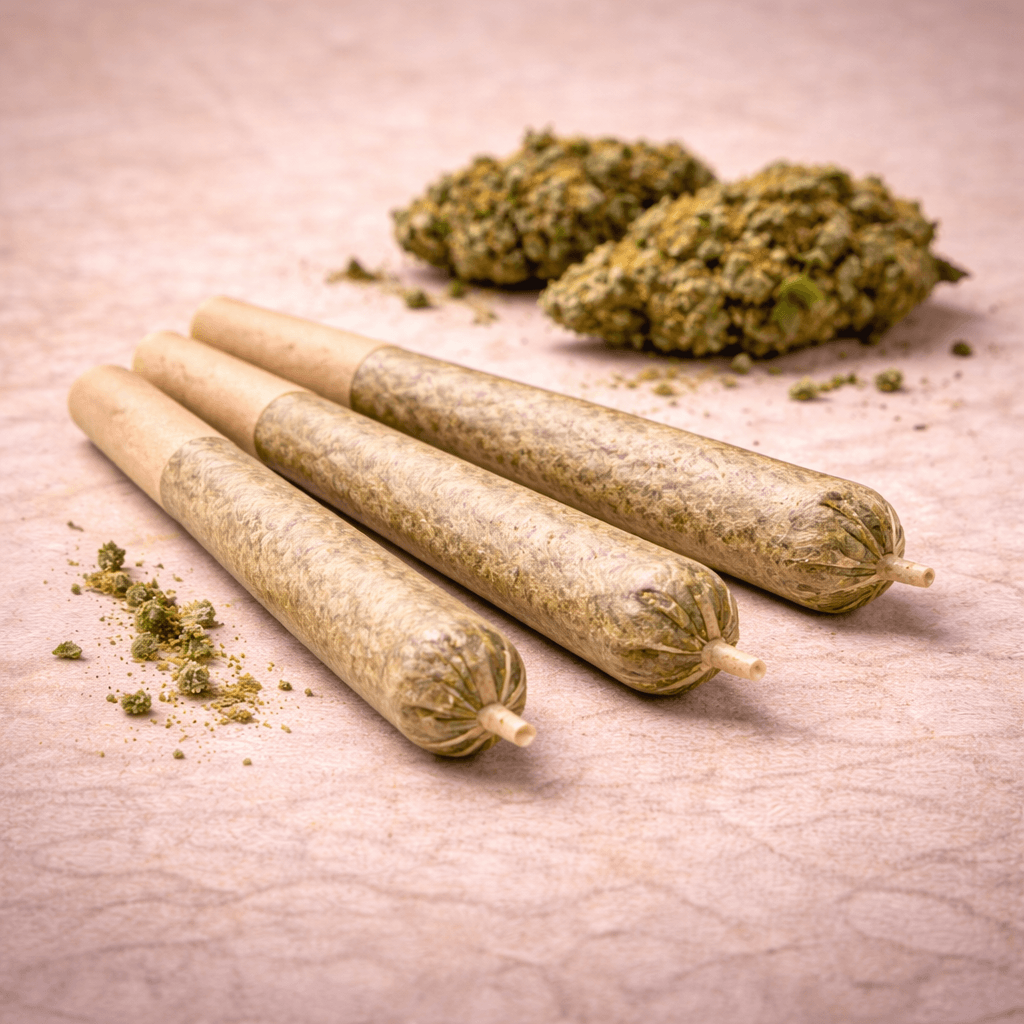
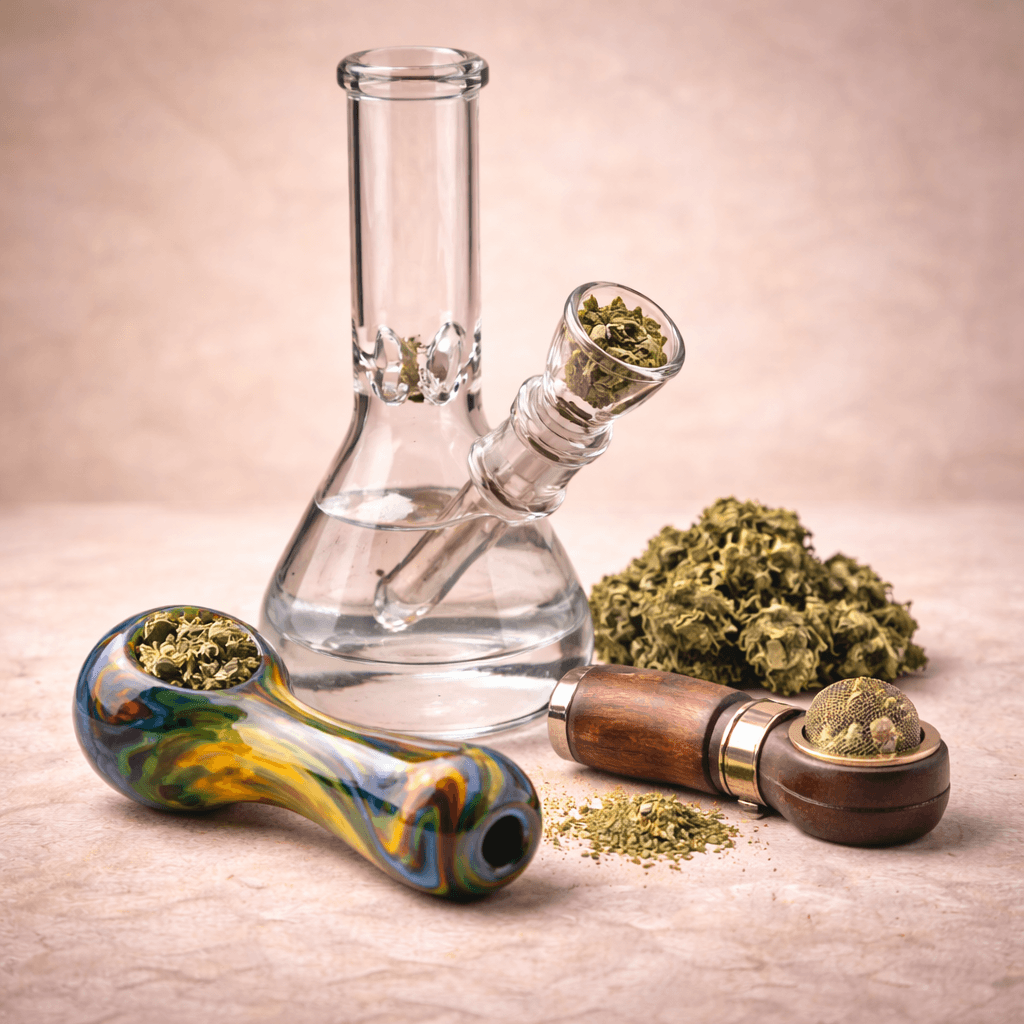
Combustion (smoking flower) delivers cannabinoids and terpenes rapidly through the lungs, with onset typically within a few minutes and peak effects between 15 and 30 minutes. Some terpenes are heat-sensitive and partially degrade during combustion, which can flatten the terpene profile compared to other methods.
Vaporization whether of flower or concentrate allows for lower-temperature consumption, which preserves terpenes more effectively. Different temperature settings change what you taste and feel: lower temperatures (around 325–350°F) tend to bring out lighter, more volatile terpenes and produce a more cerebral effect. Higher temperatures (above 390°F) combust heavier terpenes and cannabinoids, producing a denser, often more sedating experience. For consumers who want to explore the full character of a specific hybrid, a variable-temperature vaporizer is one of the most useful tools available.
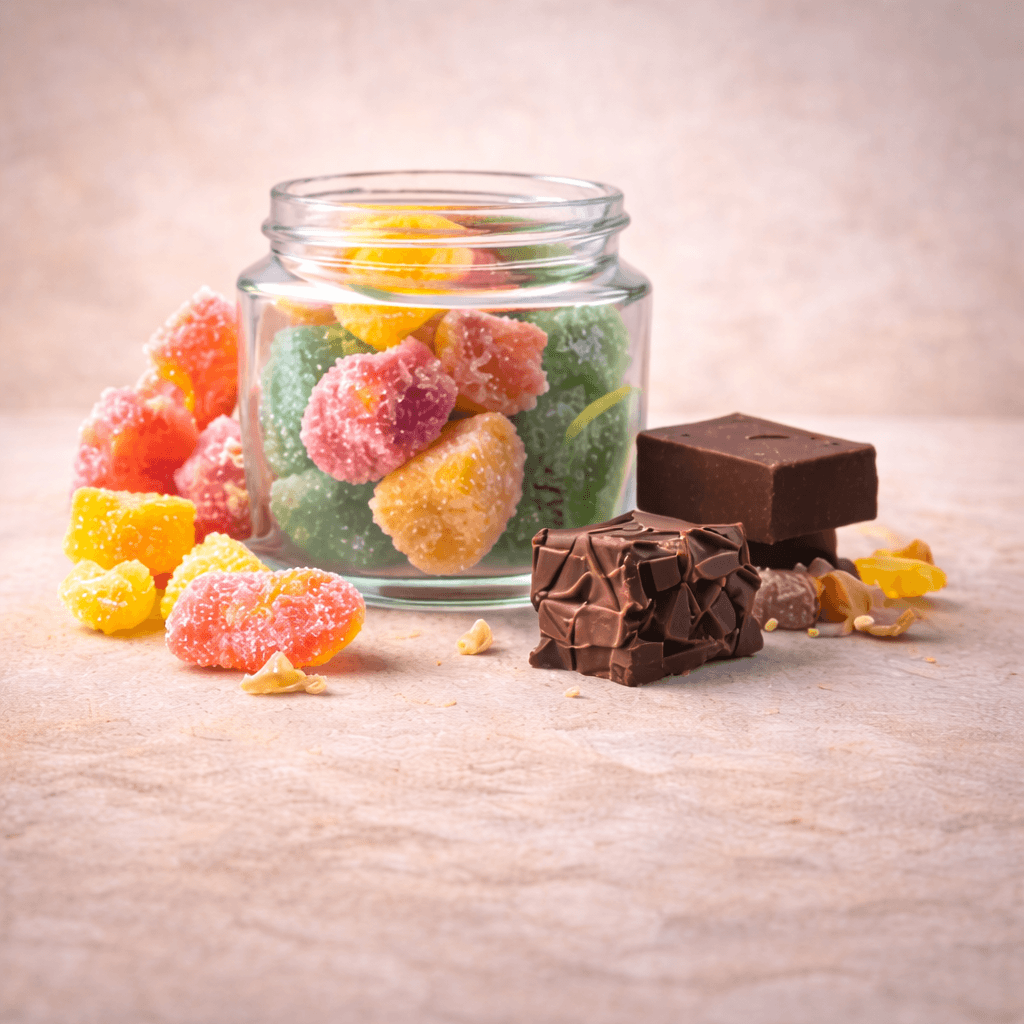
Edibles made from hybrid extracts produce a fundamentally different experience than inhaled cannabis, regardless of genetics. Oral consumption routes THC through the digestive system, where it’s metabolized in the liver to 11-hydroxy-THC a compound that crosses the blood-brain barrier more readily than delta-9 THC and tends to produce longer-lasting and often more intensely physical effects. Onset is slow (30 minutes to two hours), duration is extended (4–8 hours is common), and the effect profile is harder to control. Hybrid genetics in an edible format still influence the experience terpenes survive to some degree, and the cannabinoid ratios carry through but the dominance and duration are amplified relative to inhalation.
Sublingual products (tinctures held under the tongue) offer a middle ground: faster onset than edibles (typically 15–45 minutes) and more predictable dosing, with some of the absorption happening directly into the bloodstream through sublingual tissue rather than through the digestive system.
Understanding your preferred consumption method, and how it interacts with the specific hybrid you’re considering, brings you considerably closer to reliably getting the experience you’re after.
Why People Reach for Hybrids
Ask a wide range of cannabis consumers why they prefer hybrids and you’ll get a wide range of answers – which is sort of the point. Hybrids appeal precisely because they don’t force a choice between two extremes. Someone who wants to stay social and functional but also wants some physical ease doesn’t have to pick one or the other. A well-chosen hybrid can sit in that middle zone.
There’s also the variety factor. The hybrid category is enormous – it encompasses thousands of named cultivars with genuinely different characters. If you find a pure sativa too edgy or a pure indica too heavy, hybrids give you somewhere to explore. The sheer range of available hybrid genetics means you can spend years finding what works for you without ever running out of options.
For people who use cannabis in the evening after work, a sativa-dominant hybrid with calming terpenes often threads the needle between staying coherent enough to have a conversation and winding down enough to actually relax. That nuance is hard to find at the extremes.
Choosing a Hybrid: Flower, Vapes, and Concentrates
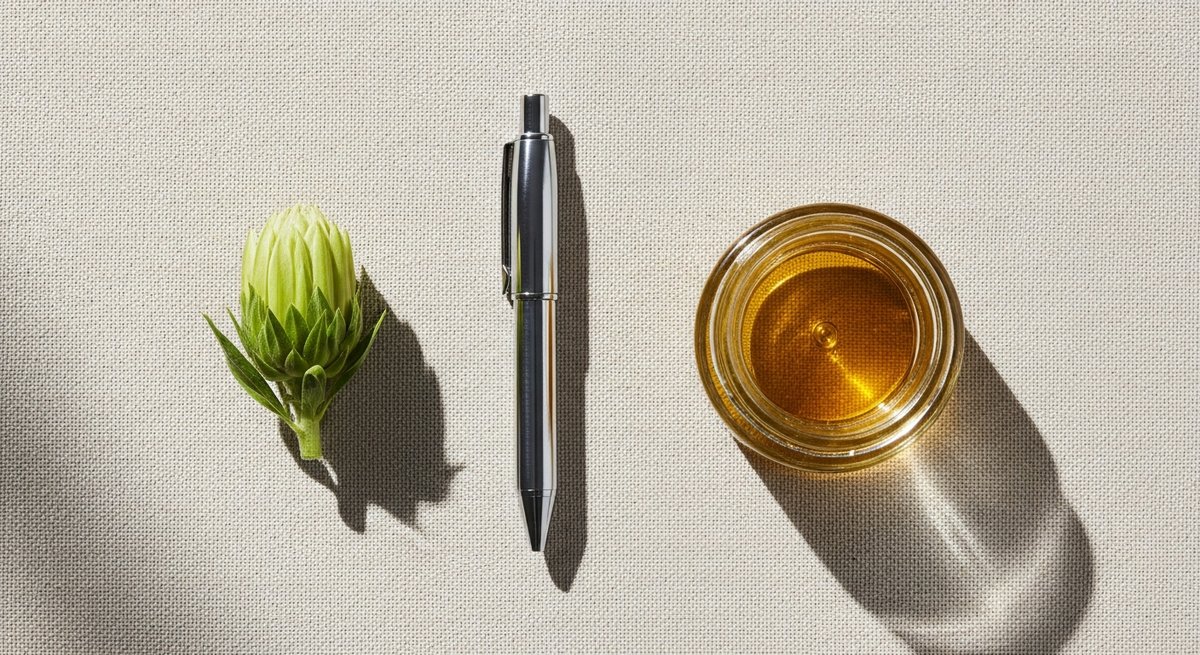
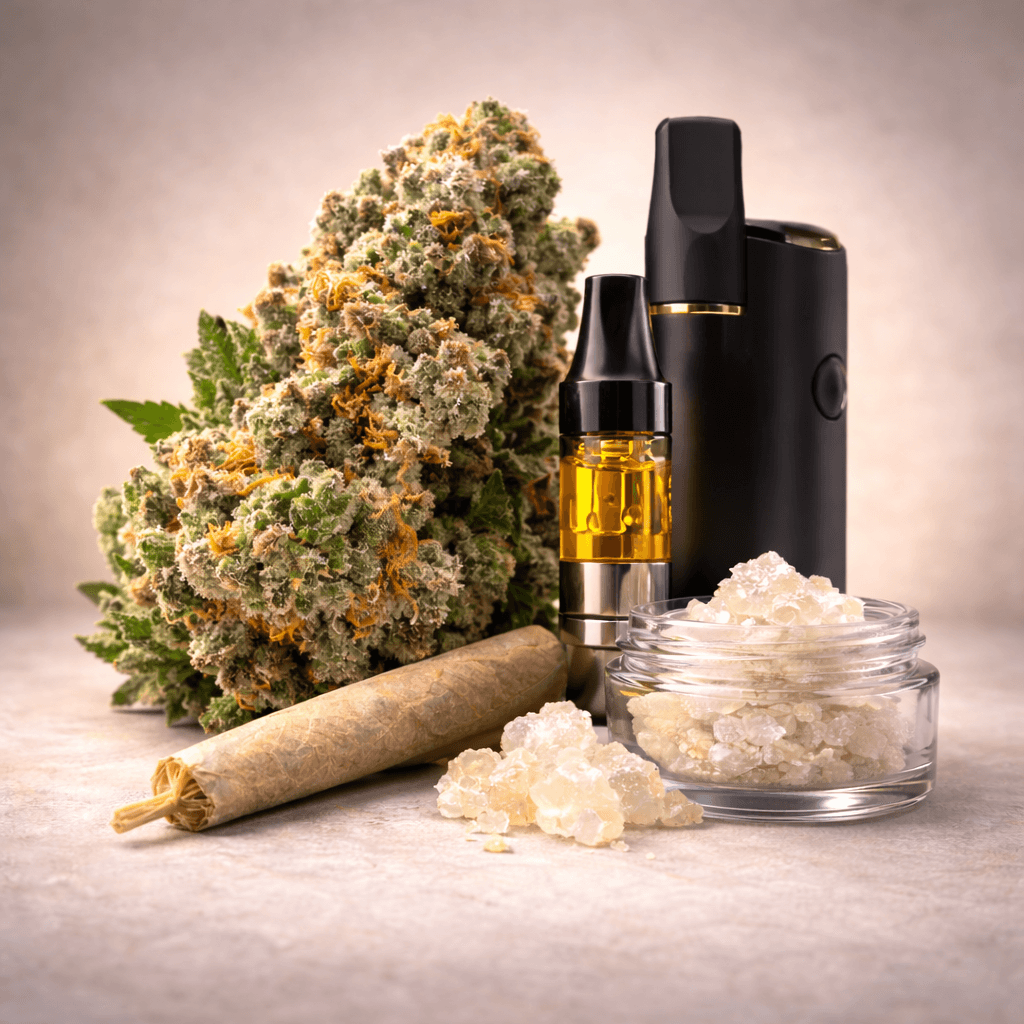
Hybrid genetics show up across every product format. Whether you prefer smoking flower, vaping, or consuming concentrates, the hybrid category has something. The format changes the experience significantly – onset time, duration, intensity – even when the underlying genetics are similar. It’s worth understanding those differences before you decide.
For flower, THCA hybrid options have grown considerably in recent years. THCA is the non-activated precursor to THC found in raw cannabis; when heated through smoking or vaping, it converts to THC. For consumers who want the full-spectrum flower experience with hybrid genetics, two solid options worth knowing about are below.
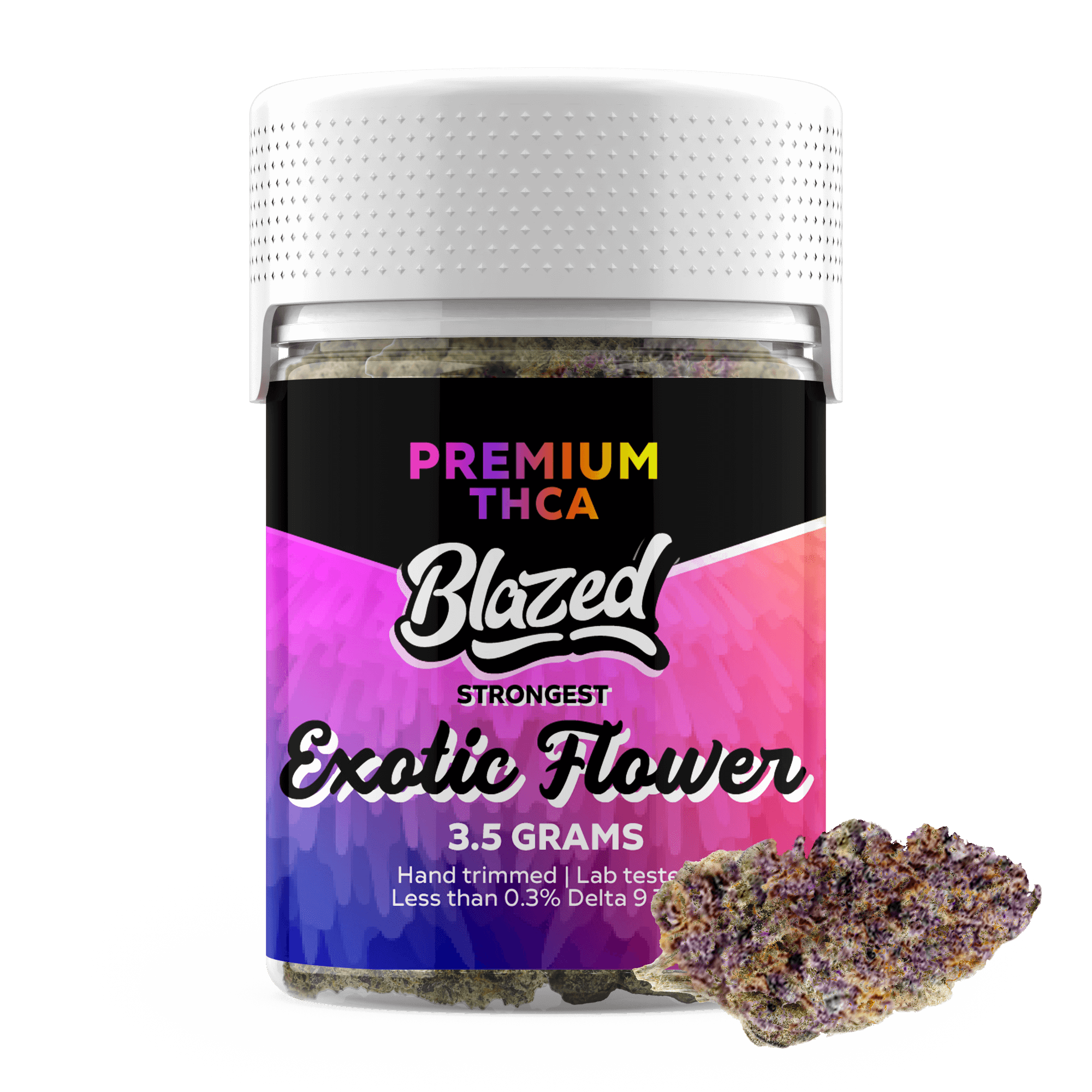
Blazed Exotic THCA Flower – Hybrid
Exotic-grade THCA flower in hybrid genetics for balanced sessions
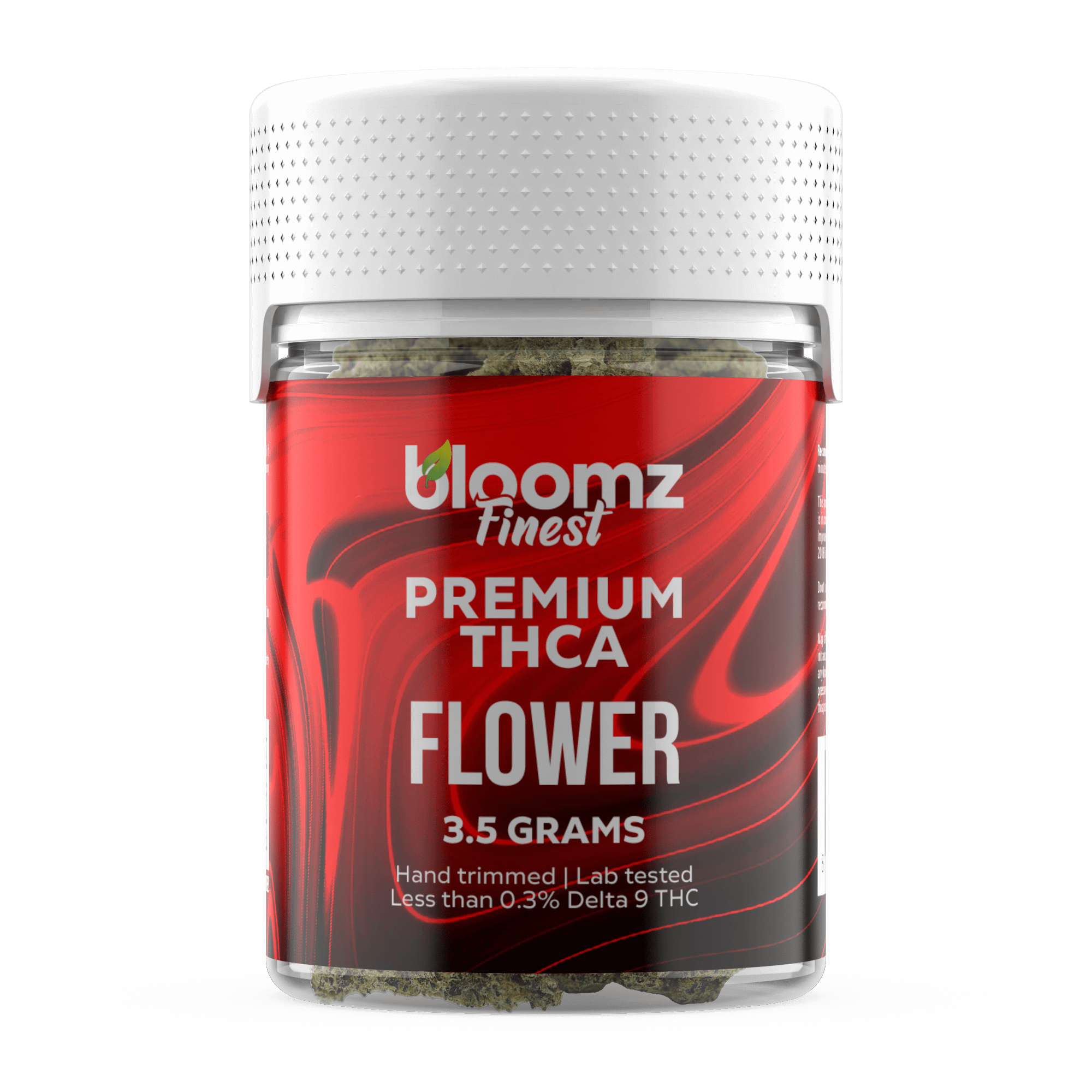
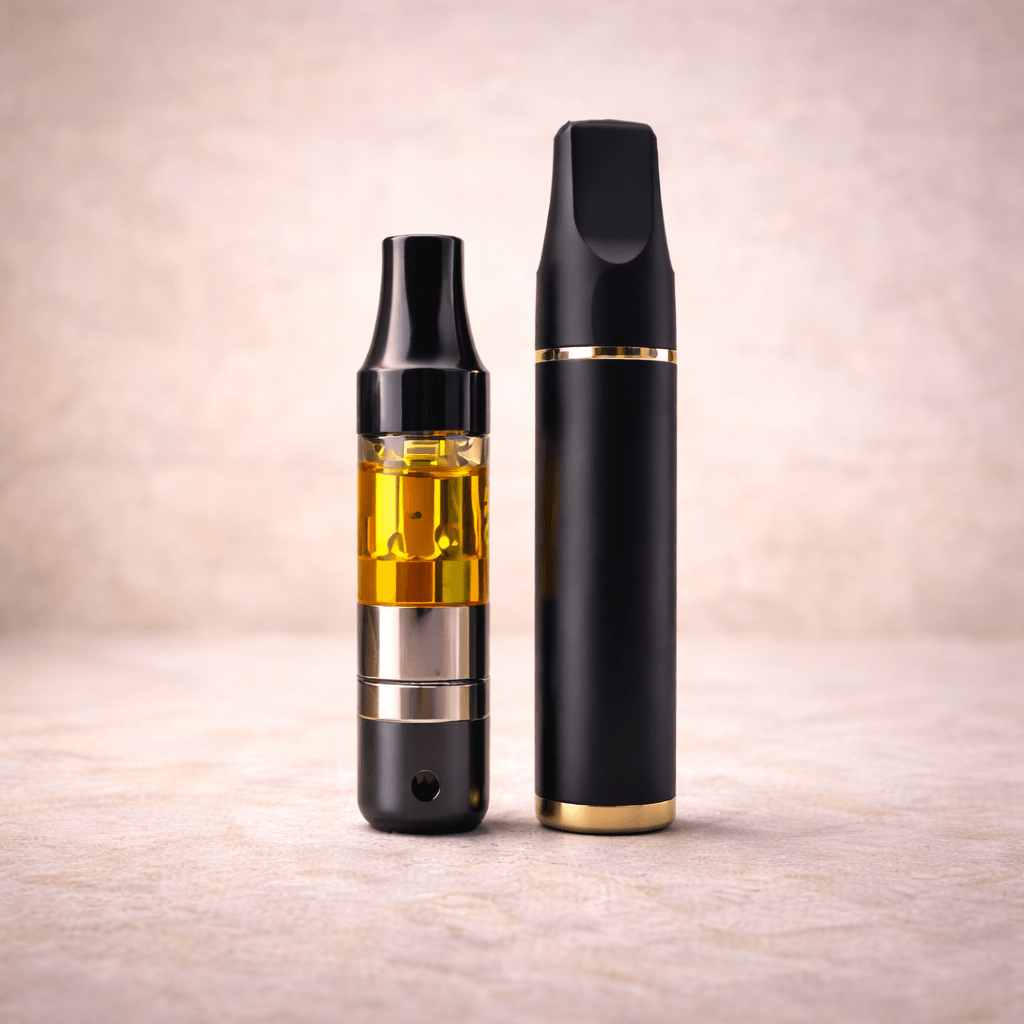
For vape consumers, hybrid cartridges and disposables are among the most popular formats on the market. They offer the same genetic versatility as flower but with faster onset, more discretion, and easier dose control. Many hybrid vape products also preserve terpene profiles well, which means the character of the strain comes through clearly in the vapor.
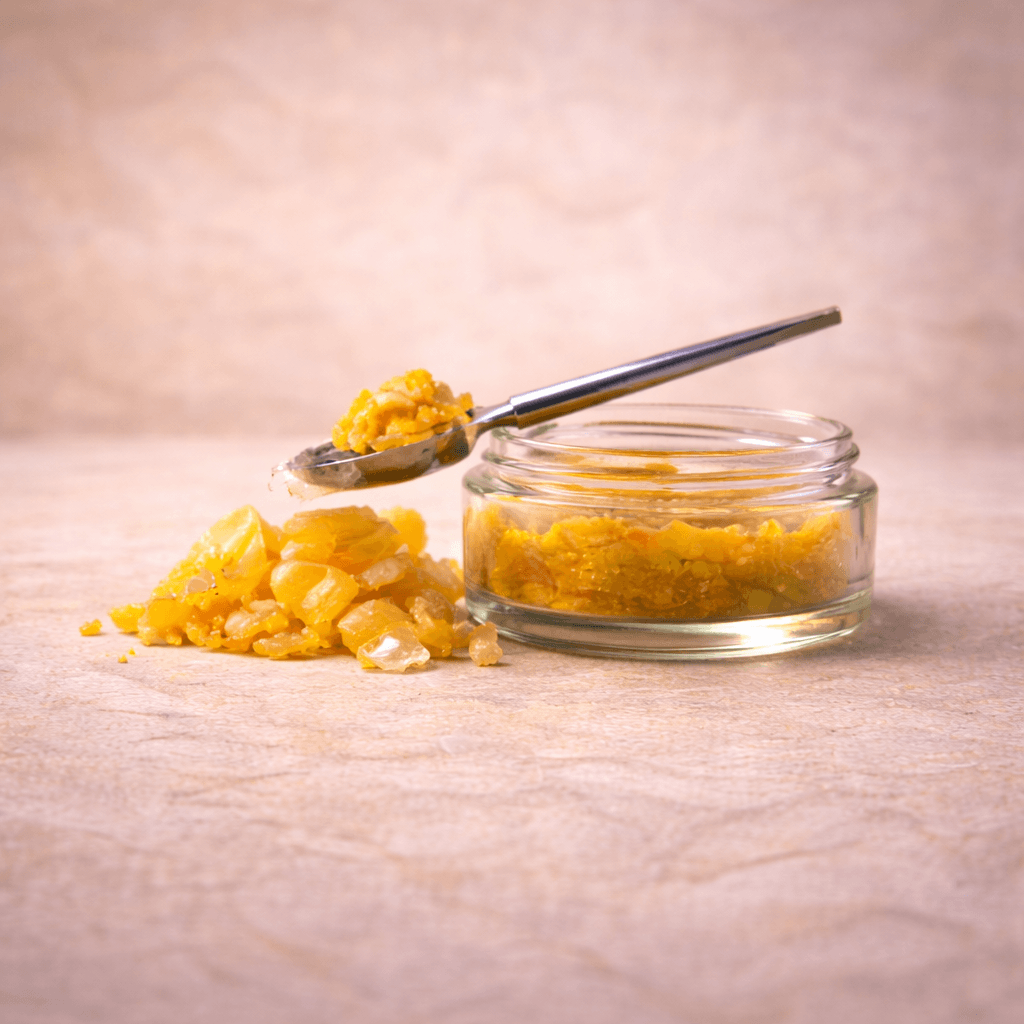
Concentrates made from hybrid strains – wax, shatter, live resin, and rosin – tend to amplify whatever the underlying genetics bring. If a hybrid has a complex terpene profile, a live resin version of it will make that complexity even more apparent. For consumers who want to explore what a specific hybrid cultivar is really about, concentrates can be a revealing way to do it.
Hybrid Strains and the Limits of the Label
It’s worth circling back to something honest: the “hybrid” label tells you less than you might think. It tells you the plant has mixed genetic heritage – which, again, describes nearly all commercial cannabis. It doesn’t reliably tell you how it will feel, how strong it will be, or whether it’s right for you. The real information is in the terpene profile, the cannabinoid concentrations, and your own experience with similar products.
That said, the hybrid category still serves a purpose. It signals that the cultivar was bred intentionally to combine traits, and it sets a general expectation that you’re not dealing with an extreme in either direction. For a first-time consumer or someone still mapping their preferences, that middle-ground framing has genuine value.
The better approach is to use the indica/sativa/hybrid classification as a rough starting point, then dig into the actual lab data and strain-specific reviews to make a more informed choice. A knowledgeable budtender can help bridge that gap, and quality dispensaries increasingly display full cannabinoid and terpene panels right on their menus.
Frequently asked questions
What is a hybrid strain in simple terms?
A hybrid strain is a cannabis plant bred from both indica and sativa parent genetics. The goal is to combine desirable traits from each lineage – such as balanced effects, specific aromas, or targeted cannabinoid levels – into a single cultivar. Most commercial cannabis today falls into this category.
Do hybrid strains get you more high than indica or sativa?
Not necessarily. Intensity depends on THC and CBD concentrations, terpene content, your personal tolerance, and how you consume – not on whether a strain is labeled hybrid, indica, or sativa. A high-THC hybrid can be very potent, but so can a high-THC indica or sativa.
Is a balanced hybrid good for beginners?
Balanced hybrids are often recommended for beginners because they tend to avoid the extremes of either category. However, THC potency still matters regardless of classification. New consumers should always start with a low dose, go slowly, and choose a product with clearly labeled cannabinoid concentrations.
What is the difference between indica-dominant and sativa-dominant hybrids?
Indica-dominant hybrids generally lean toward physical relaxation and body effects, while sativa-dominant hybrids tend to feel more mentally engaging or uplifting. These are loose tendencies, not guarantees – the actual terpene and cannabinoid profile of any specific strain matters more than the dominant-genetics label.
Are there pure indica or sativa strains anymore?
True landrace varieties with pure genetics do exist but are rare in commercial markets. Decades of selective crossbreeding mean that most strains sold as “indica” or “sativa” in dispensaries actually carry hybrid genetics underneath those labels. The classifications are largely marketing shorthand at this point.
How do terpenes affect hybrid strain effects?
Terpenes interact with cannabinoids through what researchers call the entourage effect, shaping the overall character of the experience. For example, myrcene tends toward sedation, limonene toward brightness, and pinene toward mental alertness. Reading a full terpene panel gives a more accurate picture of what to expect than the hybrid label alone.
Can I grow hybrid strains at home?
Yes, where home cultivation is legal. Hybrid seeds and clones are widely available from seed banks. Because hybrid genetics vary considerably, growth characteristics – height, flowering time, yield, and resilience – differ by cultivar. Research the specific strain before you grow, and always verify your local laws first.
Disclaimer: This article is for informational purposes only and does not constitute medical advice. Cannabis affects individuals differently. Consult a qualified healthcare provider before using cannabis, especially if you have a medical condition or take medications. Do not drive or operate machinery while impaired.
Sources
Pavlovic et al. (2018). Quality Traits of ‘Cannabidiol Oils’: Cannabinoids Content, Terpene Fingerprint and Oxidation Stability of European Commercially Available Preparations. Molecules, 23(5). PMID: 29783790
Corroon et al. (2021). Cannabinol and Sleep: Separating Fact from Fiction. Cannabis and Cannabinoid Research, 6(5):366-371. PMID: 34468204
Cheah et al. (2024). Adverse events associated with the use of cannabis-based products in people living with cancer: a systematic scoping review. Supportive Care in Cancer, 33(1):40. PMID: 39694905
Abdallah et al. (2022). Dose-related effects of ketamine for antidepressant-resistant symptoms of posttraumatic stress disorder in veterans and active duty military: a double-blind, randomized, placebo-controlled multi-center clinical trial. Neuropsychopharmacology, 47(8):1574-1581. PMID: 35046508
For adults 21+ only. Cannabis laws vary by state. If you or someone you know is experiencing a medical emergency related to cannabis use, call 911 or go to your nearest emergency room immediately.