🚛 FREE DISCREET SHIPPING ON ALL ORDERS $49+









THC Gummies for Chronic Pain: A Guide for Beginners
Chronic pain has a way of making you willing to try almost anything. If you’ve already cycled through ibuprofen, prescription meds, and physical therapy, you probably have questions about whether THC gummies could actually help – or whether they’re just another overhyped option dressed up in a fun package. That’s a fair question, and it deserves a real answer. Not

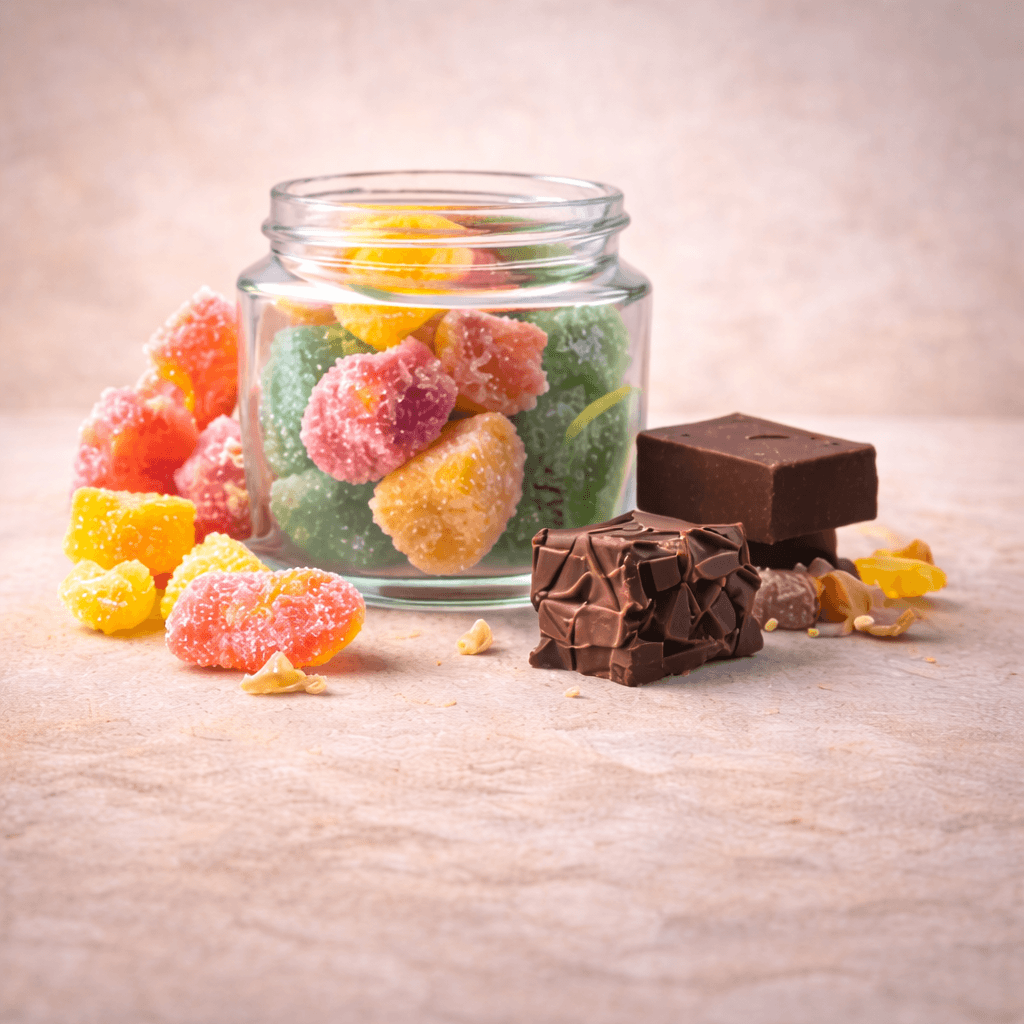
Chronic pain has a way of making you willing to try almost anything. If you’ve already cycled through ibuprofen, prescription meds, and physical therapy, you probably have questions about whether THC gummies could actually help – or whether they’re just another overhyped option dressed up in a fun package. That’s a fair question, and it deserves a real answer. Not a sales pitch. Not a disclaimer maze. Just a clear, honest look at what the science says, what beginners need to know before their first gummy, and how to approach this without making rookie mistakes.
Why Edibles Work Differently Than Other Cannabis Formats
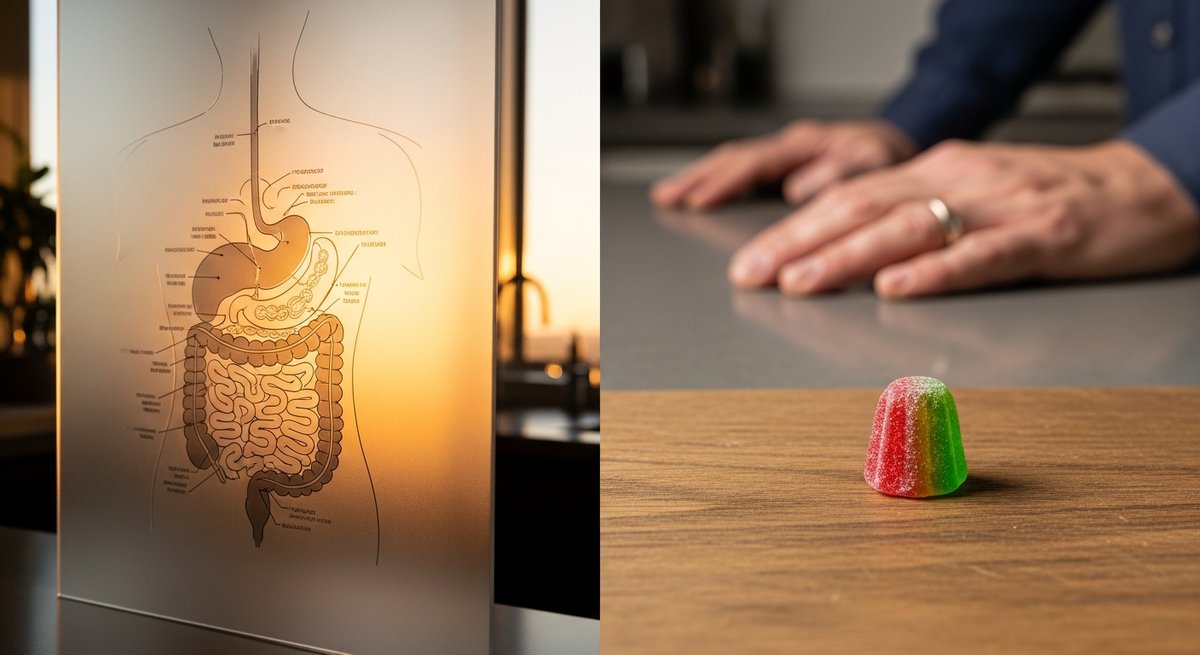
When you swallow a gummy, THC passes through your digestive system and is converted by the liver into a compound called 11-hydroxy-THC. That metabolite is more potent and longer-lasting than the THC you’d absorb through your lungs. So the same dose that feels mild when vaped can feel considerably stronger when eaten.
Onset is also slower – usually between 45 minutes and two hours, depending on your metabolism and what you’ve eaten. This is the part that trips up most beginners. They take a gummy, feel nothing after an hour, take another, and then both hit at once. It’s a classic mistake, and it’s avoidable if you know to wait it out. The flip side is that edibles provide longer-lasting effects than inhalation – a meaningful advantage for chronic pain, since a gummy taken in the evening may sustain pain-dampening effects through several hours of sleep.
What the Research Actually Says About Cannabis and Chronic Pain
Cannabis research is genuinely messy. Studies vary in methodology, dosing, and the specific type of pain being treated. Neuropathic, inflammatory, and nociplastic pain all respond differently, and cannabis is not a one-size-fits-all solution. That said, the signal in the literature is meaningful enough to take seriously.
THC works in part by binding to CB1 receptors in the brain and nervous system, which are naturally designed to receive cannabinoid signals. This isn’t a hack or a foreign imposition – it’s the system doing what it was built to do, just with a plant-derived compound rather than endogenous ones. The connection between that system and pain modulation is one reason researchers have been studying this area so actively.
Expert Insight
Dr. Alexander Tabibi
Dr. Alexander Tabibi
A modified Delphi consensus process involving 20 global pain specialists across 9 countries produced structured dosing recommendations for medical cannabis in chronic pain. The panel recommended starting with CBD-predominant products, titrating toward therapeutic goals, and introducing THC only when needed – with a suggested maximum of 40 mg of THC per day. The consensus addressed neuropathic, inflammatory, nociplastic, and mixed pain categories, providing one of the most clinically grounded frameworks available for this space.
It’s worth noting that consensus documents reflect expert opinion informed by available evidence, not direct trial data. The three dosing protocols – routine, conservative, and rapid – give practitioners a structured starting point, but individual responses vary considerably. A low-and-slow approach reduces the risk of adverse effects while still allowing patients to reach meaningful therapeutic doses over time.
Bhaskar et al. (2021). Consensus recommendations on dosing and administration of medical cannabis to treat chronic pain: results of a modified Delphi process. Journal of Cannabis Research, 3(1):22. PMID: 34215346
Starting Doses: The Low-and-Slow Rule Actually Matters
If you’ve never used THC before – or haven’t used it in years – your tolerance is essentially zero. Most beginners should start between 2.5 mg and 5 mg of THC per dose. Take that dose, wait a full two hours before even thinking about taking more, and pay attention to how your body responds. You might feel mild relaxation, a subtle shift in how you perceive discomfort, or nothing at all. All of those outcomes are informative. If you feel nothing at 2.5 mg, try 5 mg at your next session. If 5 mg feels good but incomplete, try 7.5 mg or 10 mg. Increase incrementally – don’t jump straight to the 25 mg gummies edibles because they were on sale.
Some people find that a combination of THC and CBD works better for pain than THC alone. CBD doesn’t cause intoxication, and there’s meaningful preclinical evidence suggesting it interacts with pain pathways through mechanisms that complement THC. For those curious about how dosing works across different gummy types, the comprehensive guide to using Delta 9 gummies safely covers the practical framework in more depth – including timing, food interactions, and what to do if you overdo it.
Choosing the Right Gummy: What the Labels Are Actually Telling You
Delta-9 THC is the traditional form – the one most studies reference and most closely associated with pain-relief outcomes. Delta-8 THC is a structural variant that tends to produce milder psychoactive effects. THC-P is a newer, significantly more potent cannabinoid that beginners should approach with real caution.
Beyond the cannabinoid itself, look at whether the product is full-spectrum, broad-spectrum, or isolate. Full-spectrum products contain a range of cannabinoids and terpenes alongside the primary compound. Some researchers believe this produces an entourage effect – where the compounds work synergistically. The clinical evidence is still developing, but many experienced users and clinicians prefer full-spectrum products for pain applications. Live rosin gummies represent a premium tier here, extracted using heat and pressure from fresh-frozen cannabis to preserve more of the plant’s natural terpene profile than traditional distillate-based gummies.
Hometown Hero’s Day and Night Discovery Pack is a practical option for beginners who want to experiment with different dose levels before committing to a full bag. It lets you compare how 5 mg and 25 mg feel without buying two separate large quantities.
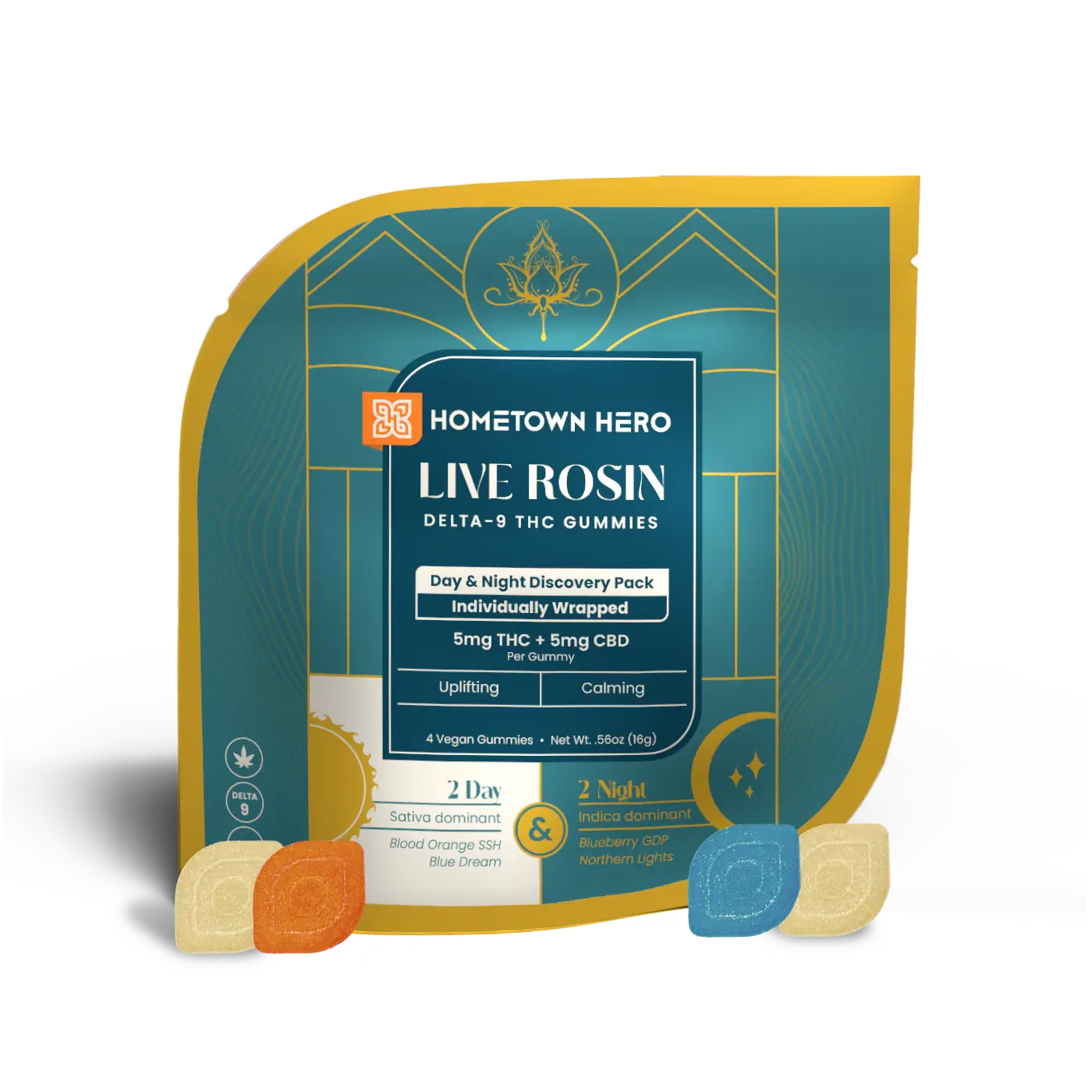
Hometown Hero 5mg Live Rosin Day & Night Discovery Pack
Low-dose live rosin gummies in a sampler format – ideal for beginners titrating their starting dose
Timing, Consistency, and Setting Realistic Expectations
THC gummies work best when approached with long-term thinking. That means being consistent about when you take them, tracking how you feel, and not expecting a single gummy to reset months of discomfort. Think of it less like a painkiller and more like a tool for managing your baseline.
Timing matters. Taking a gummy on an empty stomach speeds onset and can intensify effects. Taking it after a meal slows absorption and tends to produce a more gradual experience. Some people with chronic pain use gummies primarily at night, because sleep is often where pain causes the most disruption. For a more detailed breakdown of this connection, the article on how many mg of Delta 8 THC gummies to take for sleep walks through the dose considerations for that use case specifically.
Anxiety, Chronic Pain, and the THC Balancing Act
Chronic pain and anxiety frequently travel together. At lower doses, THC tends to produce relaxation and mild euphoria for most people. At higher doses, it can trigger or worsen anxiety – particularly in people already prone to it. This is a dose-response phenomenon, not a character flaw. Keeping doses moderate and choosing products with some CBD content can help offset THC-induced anxiety. If you’re managing anxiety alongside pain, the piece on best gummies for anxiety covering CBD and THC options explains the tradeoffs in detail and is worth reading before you choose a product.
Expert Insight
Dr. Alexander Tabibi
Dr. Alexander Tabibi
An observational cohort study examining 2,736 patients over 65 years old found that medical cannabis treatment was associated with a reduction in median pain scores from 8 to 4 out of 10 after six months. Notably, 18.1% of patients in this cohort reduced or discontinued opioid use during the same period. The most commonly reported adverse effects were dizziness (9.7%) and dry mouth (7.1%), suggesting a manageable tolerability profile in this age group.
As an observational study, this research cannot establish causation and is subject to confounding factors. Patients self-selected into treatment and were not randomized. Still, the scale of the cohort and the consistency of the direction of effect makes it a meaningful data point for understanding how cannabis is being used and tolerated in real-world chronic pain populations.
Abuhasira et al. (2018). Epidemiological characteristics, safety and efficacy of medical cannabis in the elderly. European Journal of Internal Medicine, 49:44-50. PMID: 29398248
Practical Things to Watch Out For

Tolerance builds relatively quickly with THC. If you use gummies daily, you’ll likely notice that the same dose produces weaker effects over a few weeks. Taking periodic breaks – sometimes called tolerance breaks – can help reset your sensitivity without requiring you to escalate doses indefinitely. This is one reason many chronic pain patients cycle their cannabis use rather than treating it as a constant daily maintenance drug.
THC impairs driving and complex cognitive tasks, particularly in the hours immediately after taking a dose. Even if you feel functional, your reaction time and judgment may be affected. Plan your dosing schedule around this reality. And if you are managing chronic pain with any prescription medications – particularly opioids, benzodiazepines, sleep aids, or blood thinners – speak with your physician or pharmacist before combining cannabis with any prescription drug. Cannabis can interact with drug metabolism pathways in ways that are clinically significant.
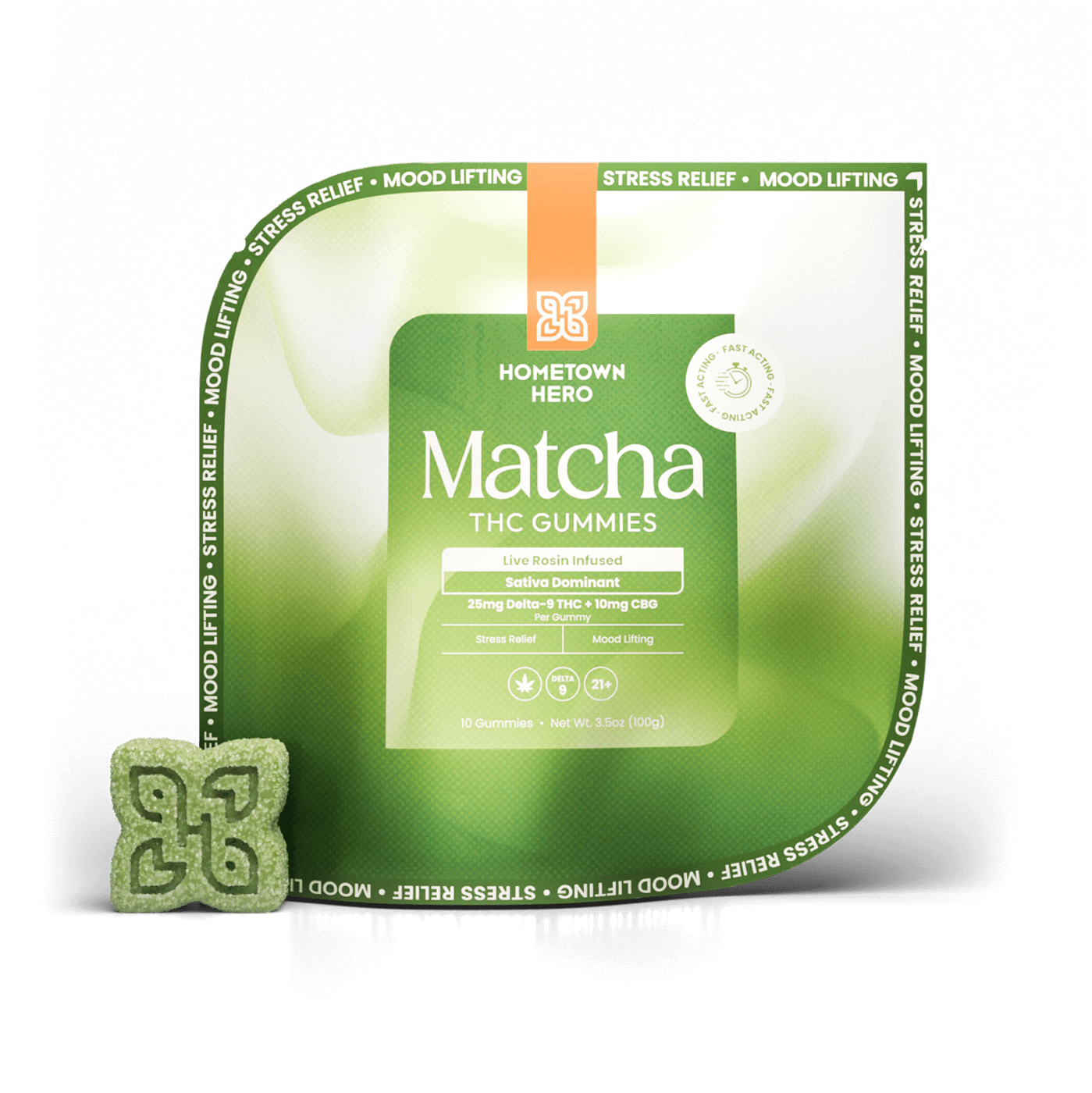
Hometown Hero Delta-9 Live Rosin Gummies – Matcha
Full-spectrum Delta-9 live rosin gummies – a cleaner-tasting, terpene-rich option for consistent daily use
Finding Your Approach Over Time
The people who report the most consistent benefit from THC gummies for chronic pain tend to have one thing in common: they approached it like a process rather than an experiment. They started low, kept notes, gave it real time, and adjusted thoughtfully. They didn’t expect a single gummy to solve a decade of discomfort, and they didn’t give up after a first experience that felt too strong or too weak.
Chronic pain is personal in a way that’s hard to overstate. Two people with the same diagnosis can have radically different responses to the same cannabis product, dose, and timing. That’s not a failure of the approach – it’s the reality of individual biology, pain sensitization, and endocannabinoid system variation. Building a protocol that works for you takes patience, but it’s the only sustainable path forward.
Important Notice
THC gummies are not a substitute for medical care. If your chronic pain is severe, worsening, or associated with new symptoms, consult a licensed healthcare provider before making changes to your pain management routine. Cannabis may interact with prescription medications. This content is educational and does not constitute medical advice.
Frequently asked questions
What is a safe starting dose of THC gummies for chronic pain?
Most beginners should start with 2.5 mg to 5 mg of THC per dose. Wait at least two hours before considering a second dose. Increase gradually over multiple sessions rather than jumping to higher amounts at once.
How long do THC gummies take to work for pain?
Onset typically ranges from 30 minutes to two hours depending on your metabolism, body composition, and whether you’ve eaten recently. Taking a gummy on an empty stomach generally produces faster but more intense effects than taking it after a meal.
Can I take THC gummies with my prescription pain medications?
Potentially, but not without medical guidance. THC can interact with opioids, benzodiazepines, blood thinners, and other medications through liver enzyme pathways. Speak with your physician or pharmacist before combining cannabis with any prescription drug.
Sources
Bhaskar et al. (2021). Consensus recommendations on dosing and administration of medical cannabis to treat chronic pain: results of a modified Delphi process. Journal of Cannabis Research, 3(1):22. PMID: 34215346
Abuhasira et al. (2018). Epidemiological characteristics, safety and efficacy of medical cannabis in the elderly. European Journal of Internal Medicine, 49:44-50. PMID: 29398248
Important Notice
Cannabis affects individuals differently. If you have a history of anxiety, panic disorder, or other mental health conditions, consult a qualified healthcare provider before using any cannabis product. This article is for informational purposes only and does not constitute medical advice. If you experience severe anxiety, chest pain, difficulty breathing, or feel you are in crisis, call 911 or go to your nearest emergency room immediately.
For adults 21+ only. Cannabis laws vary by state. This content is intended for informational purposes only and does not constitute medical or legal advice. If you are experiencing a medical emergency, call 911 or go to your nearest emergency room immediately.