🚛 FREE DISCREET SHIPPING ON ALL ORDERS $49+











Best Gummies for Inflammation and Joint Pain
Your knees ache after a long walk. Your fingers are stiff every morning before the coffee kicks in. You’ve tried ibuprofen, heat packs, maybe even the slightly suspicious cream your aunt swears by. And now you’re wondering whether a cannabis-infused gummy might actually do something useful – or whether you’d just be chewing expensive candy. That’s a fair question, and

Published on: April 30, 2026

Your knees ache after a long walk. Your fingers are stiff every morning before the coffee kicks in. You’ve tried ibuprofen, heat packs, maybe even the slightly suspicious cream your aunt swears by. And now you’re wondering whether a cannabis-infused gummy might actually do something useful – or whether you’d just be chewing expensive candy. That’s a fair question, and the answer is more nuanced than most product pages will tell you.
Interest in cannabinoid gummies for inflammation and joint pain has grown sharply, partly because the science has gotten more interesting and partly because many people are tired of options that flatten pain but dull everything else. Cannabis compounds – primarily CBD, THC, and a growing list of minor cannabinoids – interact with the body’s endocannabinoid system in ways researchers are still mapping. What’s already emerged is genuinely compelling, even if the clinical picture isn’t complete.
This guide walks through what the current evidence actually says, what to look for in a gummy formulation, and which products deserve your attention if joint comfort is your primary goal.
Why Cannabinoids and Inflammation Are in the Same Conversation
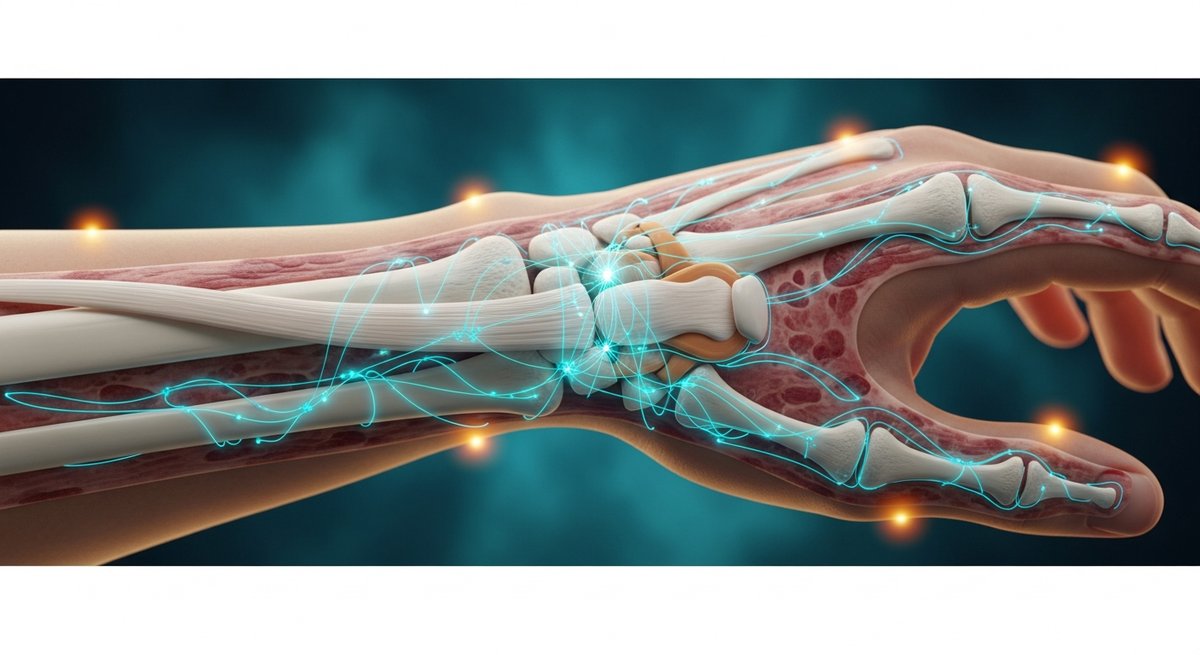
The endocannabinoid system – the network of receptors and signaling molecules that cannabis compounds plug into – is woven throughout tissue that matters in inflammatory conditions: joints, nerve endings, immune cells. CB1 receptors are concentrated in the nervous system. CB2 receptors show up heavily in immune tissue, where much inflammatory signaling originates.
CBD doesn’t bind strongly to either receptor directly. Instead it modulates signaling indirectly – suppressing inflammatory cytokines, reducing oxidative stress, influencing pain transmission pathways. THC binds more directly, particularly to CB1, which partly explains its stronger analgesic effects and its psychoactive ones. Minor cannabinoids like CBG and CBC are increasingly interesting because they target inflammation through overlapping but distinct mechanisms.
Expert Insight
Dr. Alexander Tabibi
Dr. Alexander Tabibi
A preclinical study by Philpott et al. (2017) published in Pain found that CBD applied to rat osteoarthritis joints reduced afferent nerve firing rates and improved weight-bearing behavior in a dose-dependent manner. Notably, prophylactic CBD administration prevented the development of pain and nerve damage over a five-week period – a neuroprotective pattern that stood out in the data.
These are animal findings, and translating them to human joint conditions requires caution. CBD’s influence on peripheral sensitization and inflammatory mediators is well-documented in preclinical models, but controlled clinical trials in humans with osteoarthritis remain limited. These results suggest a direction worth investigating, not a confirmed treatment.
Philpott et al. (2017). Attenuation of early phase inflammation by cannabidiol prevents pain and nerve damage in rat osteoarthritis. Pain, 158(12):2442-2451. PMID: 28885454
CBD vs. THC vs. Minor Cannabinoids: What Each Brings
CBD remains the most researched non-intoxicating option for inflammation. A systematic review in Cannabis and Cannabinoid Research found that CBD and CBG consistently reduced pro-inflammatory markers including TNF-alpha, IL-1B, and IL-6 – key cytokines in conditions like rheumatoid arthritis. THC alone did not show the same cytokine-reducing profile in those in vitro conditions.
Delta-9 THC brings stronger pain modulation through direct CB1 action. For people dealing with significant chronic joint pain rather than mild discomfort, a gummy combining CBD with meaningful Delta-9 THC may outperform CBD alone. The tradeoff is psychoactivity, which not everyone wants during the day.
THC-P is a naturally occurring but potent hemp-derived cannabinoid binding to CB1 receptors with considerably higher affinity than standard Delta-9. It’s not for new users or daytime use, but for experienced cannabinoid users with significant discomfort it has entered the conversation.
Terpenes also matter. Beta-caryophyllene, found in black pepper and many cannabis cultivars, activates CB2 receptors directly – unusual for a terpene – which is why full- and broad-spectrum gummies retaining natural terpene profiles may outperform isolate-based products for inflammation specifically.
What to Actually Look for in a Gummy Formulation
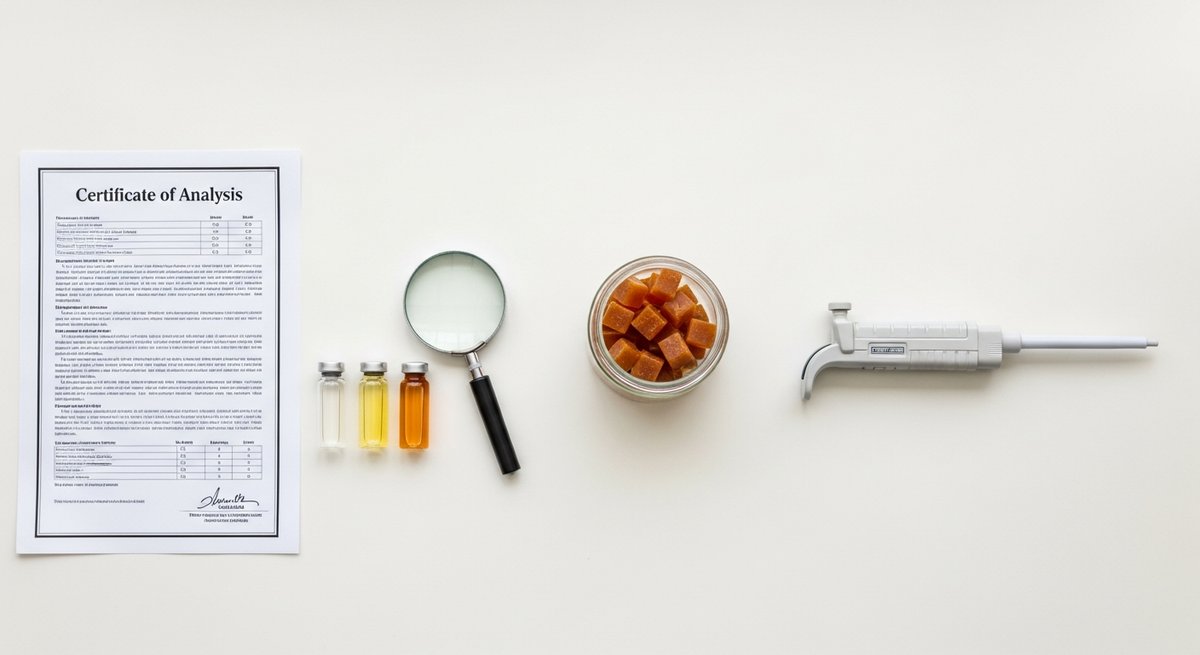
Third-party testing is non-negotiable. You want a certificate of analysis confirming cannabinoid potency and testing for contaminants – heavy metals, pesticides, residual solvents. If a brand doesn’t publish this, move on.
Full-spectrum vs. broad-spectrum vs. isolate is a real distinction. Full-spectrum retains THC (within hemp’s 0.3% limit or higher in licensed markets), CBD, minor cannabinoids, and terpenes. Broad-spectrum removes most THC but keeps the rest. Isolate is pure CBD. For inflammation, full-spectrum and broad-spectrum tend to show more promise because multiple compounds work together.
Dose per gummy matters more than total milligrams in the bottle. Know exactly how much cannabinoid you’re getting per piece so you can adjust sensibly. Extraction method also affects quality – live rosin is a solventless extraction preserving terpenes and cannabinoids more completely than many other methods.
Products Worth Considering
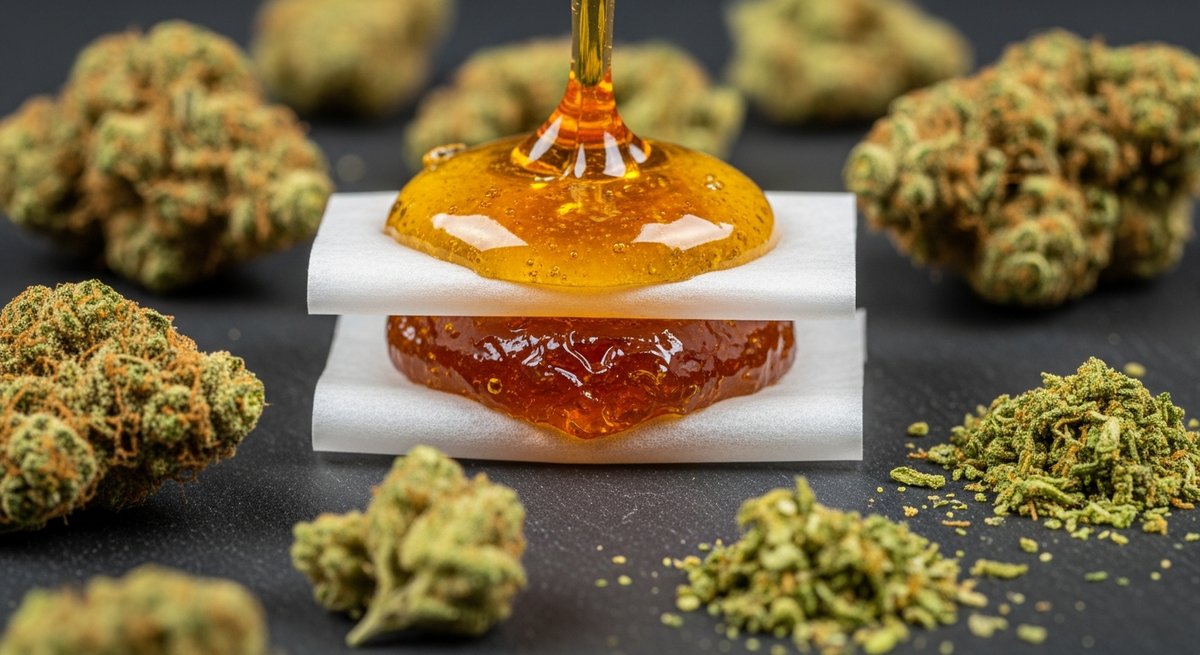
Live rosin gummies are interesting because solventless extraction preserves the plant’s natural cannabinoid and terpene profile – including beta-caryophyllene that may support CB2 activity. Hometown Hero’s live rosin lineup uses whole-plant material rather than distillate and offers both daytime and nighttime dosing options, making it a good starting point for finding your range.
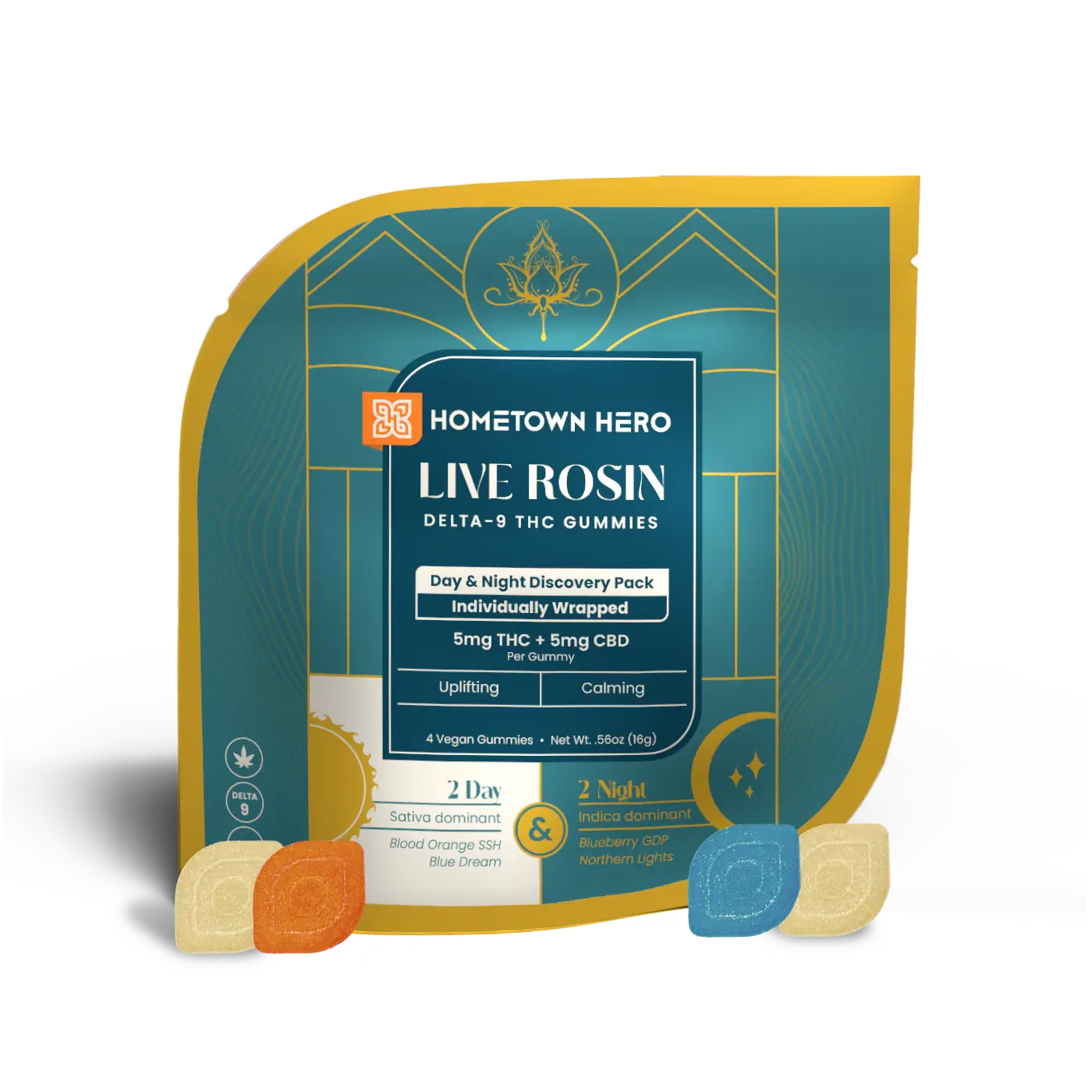
Hometown Hero 5mg Live Rosin Day & Night Discovery Pack
Solventless live rosin gummies in a day/night split – good for first-timers finding their dose range
For people who’ve worked through CBD-primary products without enough effect, THC-P gummies represent a meaningful step up. Binoid is one of the more established brands in this space, with transparent lab testing and consistent formulations. Their THC-P gummies are not for beginners, but for experienced users dealing with significant joint discomfort, they’re a logical next consideration.
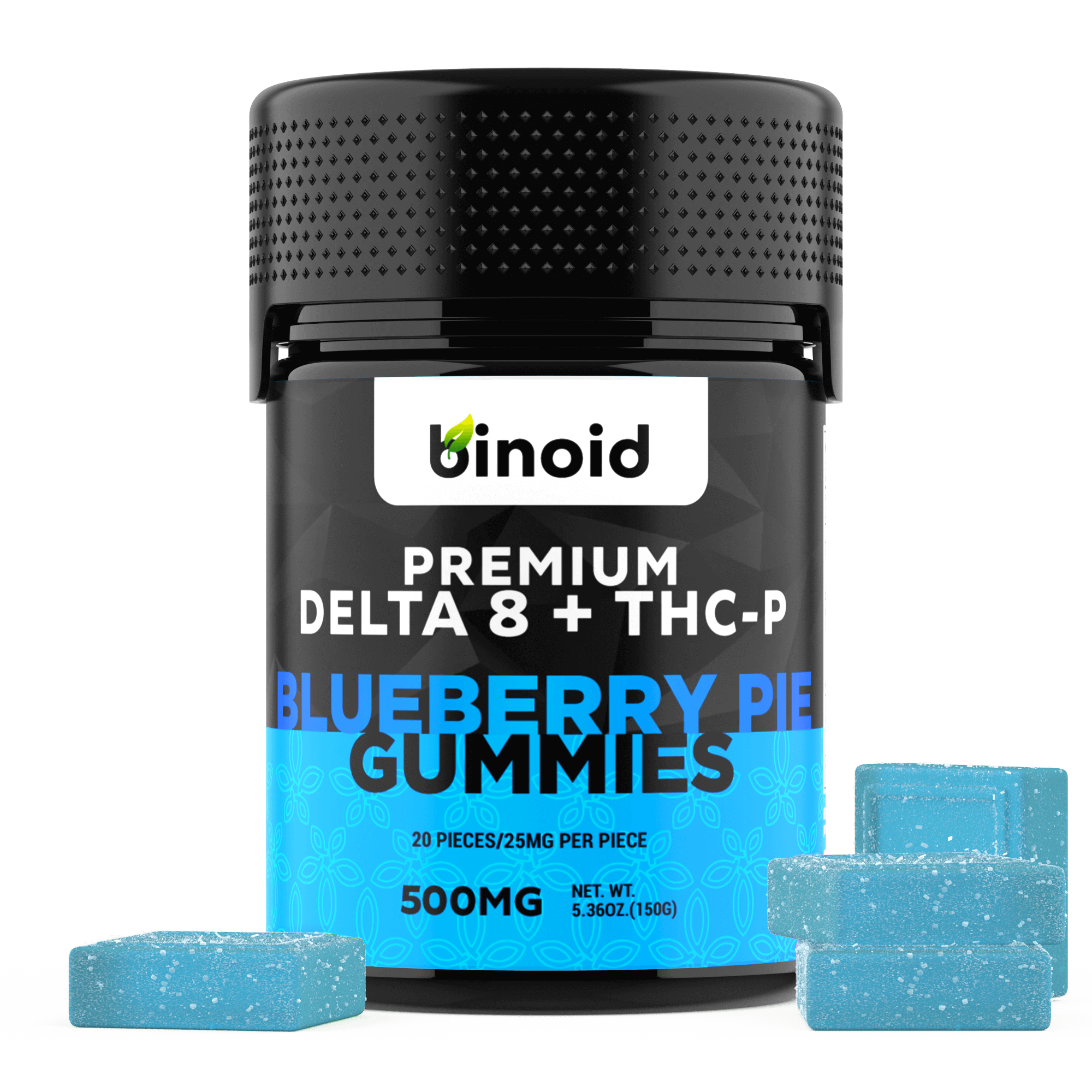
Binoid THC-P Gummies
High-affinity hemp-derived THC-P; third-party tested; intended for experienced users seeking stronger relief
Dosing: Start Low, Go Slow, Be Patient

Cannabinoid dosing for chronic pain doesn’t follow a standard prescription pattern – partly because endocannabinoid systems vary between individuals, and partly because the research hasn’t established clear dose-response curves for most joint conditions. Expert consensus favors a CBD-first approach, titrating toward personal goals before introducing THC.
Expert Insight
Dr. Alexander Tabibi
Dr. Alexander Tabibi
A modified Delphi consensus study by Bhaskar et al. (2021), published in the Journal of Cannabis Research, brought together 20 medical cannabis experts from nine countries to produce dosing recommendations for chronic pain – including inflammatory and neuropathic types. Their consensus favored a CBD-first approach, titrating slowly toward individual goals before introducing THC, with a suggested ceiling of 40 mg/day THC across protocols.
Consensus documents reflect structured expert opinion, not direct clinical trial data. Individual variation in cannabinoid metabolism means that a given dose may behave differently from person to person.
Bhaskar et al. (2021). Consensus recommendations on dosing and administration of medical cannabis to treat chronic pain: results of a modified Delphi process. Journal of Cannabis Research, 3(1):22. PMID: 34215346
Gummies have a delayed onset compared to vaping or tinctures – typically 45 minutes to two hours. Taking a second gummy because the first “didn’t work” after 30 minutes is one of the most common mistakes, and it tends to produce more effect than intended once both doses kick in together. Give it time.
Common Misconceptions
“More CBD means better.” Not necessarily. Some of the most interesting effects involve synergy between multiple cannabinoids rather than sheer CBD volume. A 10mg broad-spectrum gummy may outperform a 50mg isolate gummy for some people.
“Cannabis cures arthritis.” The research does not support this. What evidence does suggest is that cannabinoids can modulate inflammatory and pain signaling associated with joint conditions – which is different from treating the underlying disease.
“Hemp gummies won’t do anything.” This undersells the category. Full-spectrum hemp products with meaningful cannabinoid and terpene content can be genuinely effective for mild to moderate discomfort.
If you’re exploring gummies for sleep-adjacent joint discomfort, the overlap between pain and sleep formulations is worth understanding – see our piece on choosing CBD gummies for sleep. If anxiety compounds your pain experience, the breakdown of CBD and THC gummies for anxiety offers useful framing for how cannabinoids interact with stress-amplified discomfort.
A Realistic Picture
Cannabis gummies are not going to reverse joint damage or resolve the underlying cause of rheumatoid arthritis. What they can reasonably do – for many people, based on preliminary science and widespread user experience – is reduce the severity of pain signals, dampen inflammatory cytokine activity, and make living in a body that hurts more manageable day to day.
The most sensible approach is to treat cannabinoid gummies as one part of a broader strategy – alongside movement, appropriate medical care, and whatever else is actually working for you. Start with a reputable product, track how you respond over a few weeks, and adjust based on real feedback from your own body.
Frequently asked questions
Do CBD gummies actually help with joint pain?
Preclinical research shows CBD can reduce inflammatory markers and pain signaling in joint tissue. Human clinical evidence is still limited, but many users report meaningful relief – especially with full-spectrum formulations that include supporting cannabinoids and terpenes.
What’s better for inflammation – CBD or THC?
CBD and CBG show stronger cytokine-reducing profiles in vitro, while THC offers more direct pain modulation via CB1 receptors. For inflammation specifically, CBD-forward formulations tend to be favored; combining both may address pain and inflammation more completely.
How long do gummies take to work for joint pain?
Onset typically runs 45 minutes to two hours depending on metabolism, food intake, and dose. Avoid redosing too early – taking a second gummy before the first peaks can produce more effect than intended.
Are full-spectrum gummies better than isolate for inflammation?
For inflammation, full-spectrum and broad-spectrum products generally outperform isolate because multiple cannabinoids and terpenes – including beta-caryophyllene, which activates CB2 receptors – work together. Isolate delivers only CBD with no supporting compounds.
Can I take cannabinoid gummies alongside my arthritis medication?
CBD can interact with certain medications by affecting liver enzyme activity, which influences how some drugs are metabolized. Always consult your prescribing physician before combining cannabinoid products with existing medications, especially NSAIDs, corticosteroids, or immunosuppressants.
Important: Cannabis gummies are not a substitute for medical treatment of arthritis or other inflammatory joint conditions. This content is for informational purposes only and does not constitute medical advice. Consult a qualified healthcare provider before using cannabinoid products, particularly if you are managing a diagnosed condition or taking prescription medications.
Sources
Philpott et al. (2017). Attenuation of early phase inflammation by cannabidiol prevents pain and nerve damage in rat osteoarthritis. Pain, 158(12):2442-2451. PMID: 28885454
Bhaskar et al. (2021). Consensus recommendations on dosing and administration of medical cannabis to treat chronic pain: results of a modified Delphi process. Journal of Cannabis Research, 3(1):22. PMID: 34215346
For adults 21+ only. Cannabis laws vary by state. This content is intended for informational purposes only and does not constitute medical or legal advice. If you are experiencing a medical emergency, call 911 or go to your nearest emergency room immediately.