🚛 FREE DISCREET SHIPPING ON ALL ORDERS $49+










Full-Spectrum vs Broad-Spectrum Vapes for Pain
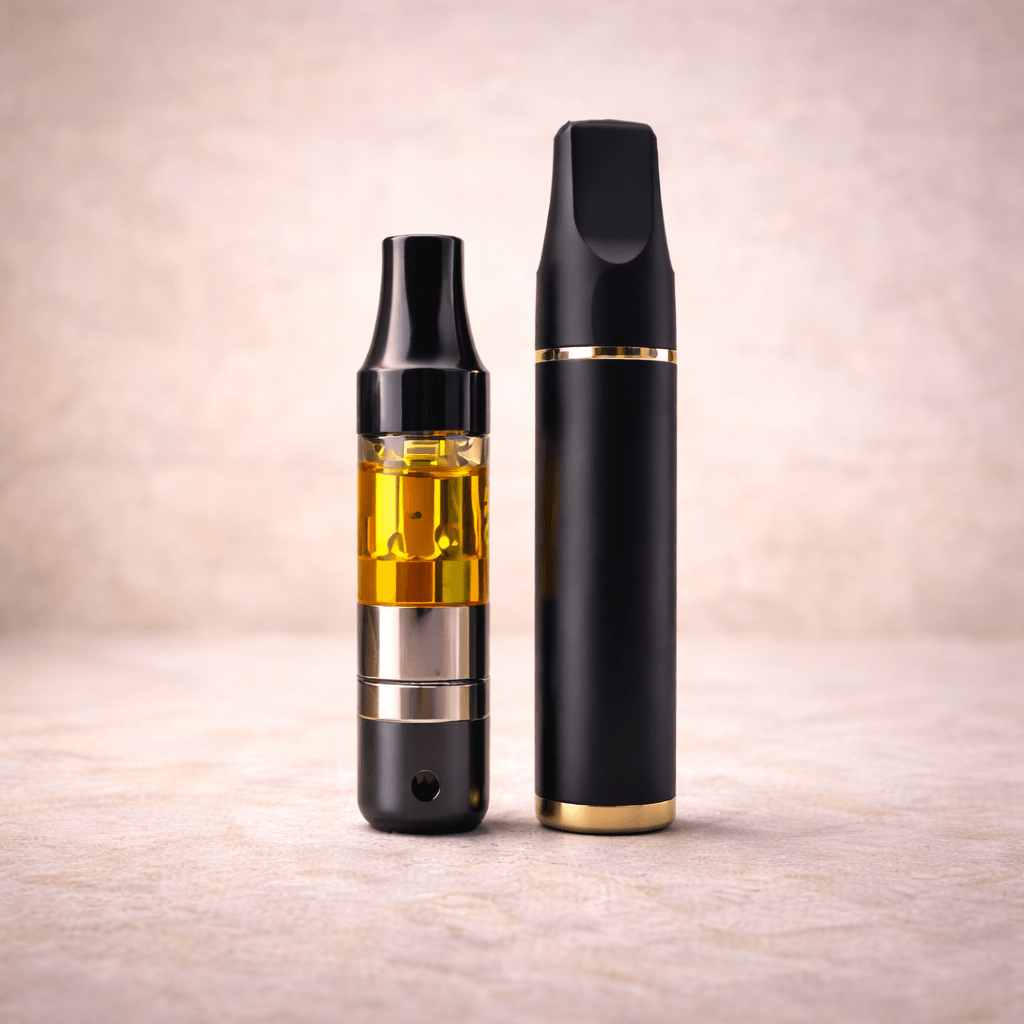
You’re standing in a dispensary or scrolling through an online shop, and you see two nearly identical vape cartridges side by side. One says “full-spectrum.” The other says “broad-spectrum.” The price is similar. The strain name sounds equally appealing. And the budtender is busy. So which one do you actually want, especially if managing pain is the whole point of

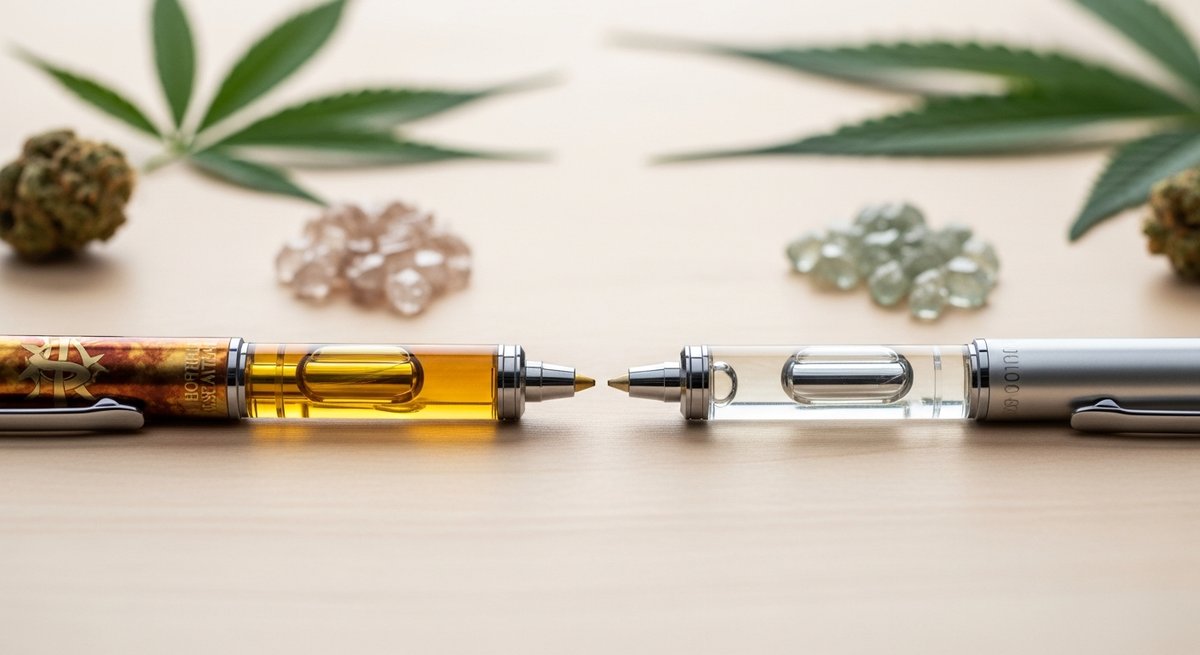
You’re standing in a dispensary or scrolling through an online shop, and you see two nearly identical vape cartridges side by side. One says “full-spectrum.” The other says “broad-spectrum.” The price is similar. The strain name sounds equally appealing. And the budtender is busy. So which one do you actually want, especially if managing pain is the whole point of this exercise?
It turns out the answer is more interesting than a simple label swap. The difference between these two product types gets into real plant science, the way cannabinoids interact with your body’s own signaling systems, and some genuinely unresolved questions in cannabis research. Let’s work through all of it.
What “Full-Spectrum” and “Broad-Spectrum” Actually Mean
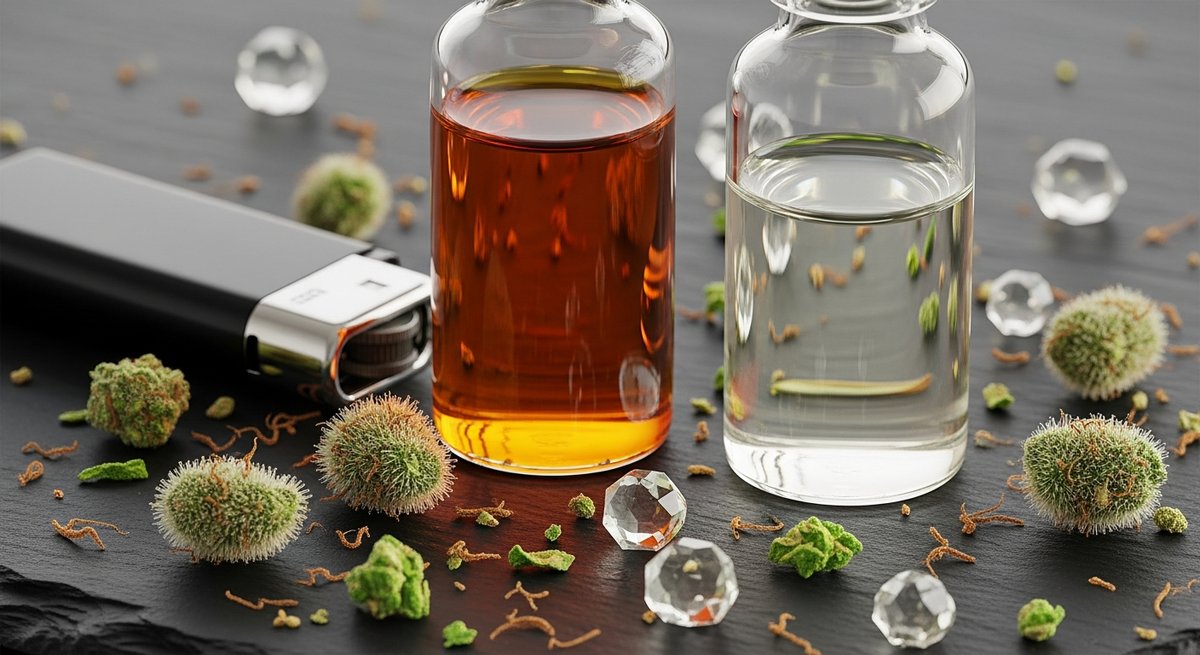
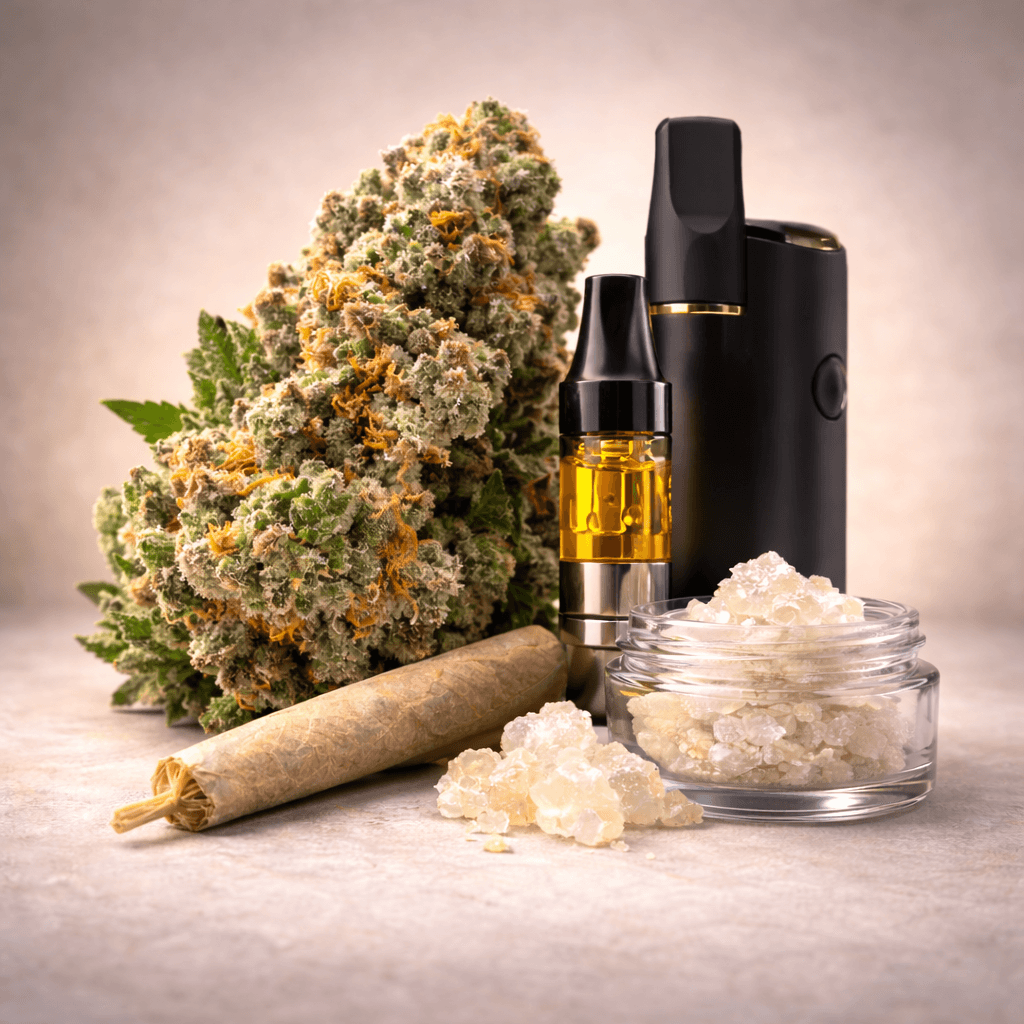
Cannabis plants produce hundreds of compounds. There are cannabinoids like THC and CBD, terpenes that give each strain its smell and flavor, and minor flavonoids that most people have never heard of. A full-spectrum extract tries to keep as many of those compounds as possible intact, including THC. Broad-spectrum extracts go through an additional step to remove THC specifically, while attempting to preserve the rest of the plant’s chemistry.
Isolate sits at the opposite end entirely – it’s a single purified compound, usually CBD, with everything else stripped away. Most pain-focused discussions end up somewhere between broad-spectrum and full-spectrum territory, and that’s where things get genuinely nuanced.
One thing worth understanding early: the extraction method matters almost as much as the label. CO2 extraction, ethanol extraction, and live resin processes all capture different proportions of the plant’s chemical fingerprint. When a vape cartridge says “full-spectrum live resin,” that typically signals a cold-process extraction designed to keep terpenes especially intact. It’s not just marketing language – though it can be used that way, too.
The Entourage Effect and Why It Matters for Pain
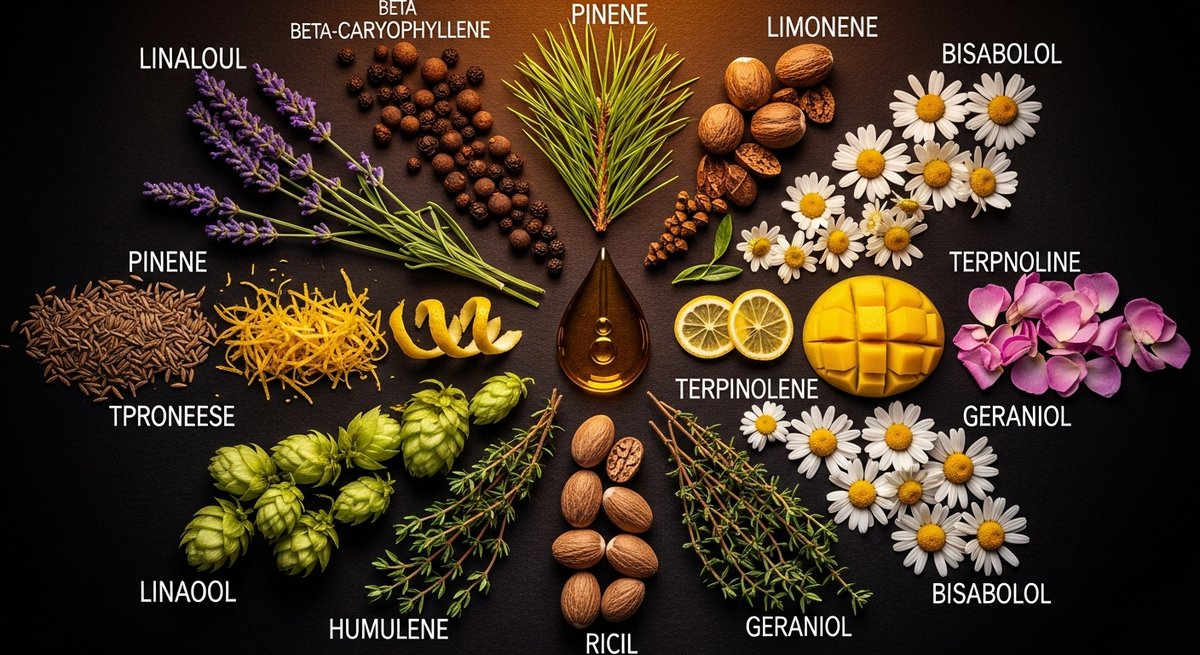
The phrase “entourage effect” gets thrown around a lot in cannabis circles, sometimes with more confidence than the science actually supports. The basic idea is that cannabinoids and terpenes may work better together than in isolation – that the whole plant extract might produce effects a single compound can’t quite replicate on its own.
For pain specifically, this framing has some real research backing it up, even if the human trial evidence is still developing. Terpenes like beta-caryophyllene bind directly to CB2 receptors in your immune cells, and those receptors play a significant role in inflammatory pain signaling. Myrcene has shown muscle-relaxant properties in animal models. Linalool, the compound that gives lavender its signature calm, appears to interact with pain pathways in preclinical research. None of this is proof that a full-spectrum vape will outperform a pharmaceutical painkiller – but it does suggest that stripping the plant down to a single molecule might leave some useful activity on the table.
A comprehensive narrative review published in Headache examined cannabinoids, terpenes, and flavonoids specifically in the context of migraine, headache, and broader pain syndromes, and concluded that synergistic entourage effects are plausible and warrant further clinical investigation. This is genuinely useful framing when you’re choosing between a full-spectrum and broad-spectrum option: the former preserves more of those potentially synergistic compounds.
Expert Insight
Dr. Alexander Tabibi
Dr. Alexander Tabibi
A 2018 narrative review in Headache surveyed the published evidence on cannabinoids, terpenes, and flavonoids for migraine, headache, and pain conditions. The reviewers noted that individual compounds – including minor cannabinoids and specific terpenes – each carry distinct receptor activities, and that synergistic interactions between them are biologically plausible and may explain some of the anecdotal clinical benefits attributed to whole-plant preparations.
It’s worth being clear about what this review does and doesn’t show: it synthesizes existing literature rather than reporting new trial data, and most of the mechanistic evidence comes from preclinical models. Human randomized controlled trials specifically isolating entourage effects in pain conditions remain sparse. The review does support the argument that formulation choices – including full-spectrum versus isolated compounds – are scientifically meaningful, but it stops well short of providing head-to-head clinical proof.
Baron et al. (2018). Medicinal Properties of Cannabinoids, Terpenes, and Flavonoids in Cannabis, and Benefits in Migraine, Headache, and Pain: An Update on Current Evidence and Cannabis Science. Headache, 58(7):1139-1186. PMID: 30152161
THC’s Role in Pain Relief – and Why Some People Avoid It
Here’s the thing about THC: it’s the compound that makes full-spectrum products different from broad-spectrum ones in the most practical sense. And for pain, it actually does quite a bit of work. THC binds to CB1 receptors concentrated in the central nervous system, effectively modulating how pain signals are processed before they register as conscious experience. It’s not just sedation masking discomfort – it’s a real interaction with pain signaling pathways.
But THC also produces psychoactive effects that not everyone wants – or can have. Some people have jobs that require drug screening. Some are sensitive to THC’s anxiogenic effects at higher doses. Others live in states where THC products above certain thresholds aren’t legally available in the same way. If you’re navigating any of those situations, broad-spectrum becomes not a compromise but a genuine solution.
That said, “THC-free” is a claim you should read carefully on any label. The THC-removal process in broad-spectrum products is imperfect, and trace amounts can remain. If you’re concerned about drug testing, the complete breakdown of how drug testing and cannabinoids interact is genuinely worth reading before you rely on any broad-spectrum product as a safe choice in that context.
CBD, Terpenes, and the Pain Pathways They Target
CBD’s relationship with pain is more complicated than many product descriptions imply. It doesn’t bind strongly to CB1 or CB2 receptors the way THC does. Instead, it appears to modulate those receptors indirectly, while also interacting with TRPV1 channels (involved in heat and pain perception), adenosine receptors, and serotonin signaling. The picture that emerges from preclinical research is of a compound working through multiple, overlapping mechanisms rather than a single clean pathway.
Preclinical models of osteoarthritis have shown that CBD reduced joint afferent firing and increased weight bearing in animals with induced joint inflammation. The same research noted neuroprotective effects with prophylactic CBD treatment. These are animal findings and translating them directly to human vape use requires caution, but they indicate that CBD’s anti-inflammatory and pain-modulating potential is real enough to continue studying.
The terpene beta-caryophyllene deserves a specific mention here. It’s present in both full-spectrum and many broad-spectrum extracts, but its concentration varies considerably by strain and extraction method. Research in mouse models found that oral beta-caryophyllene reduced both inflammatory and neuropathic pain through CB2 receptor activity, without producing tolerance over prolonged treatment. For someone dealing with chronic inflammatory pain, a strain high in this terpene could, in theory, add meaningful activity to a CBD-forward vape experience.
If you want to go deeper on how regular use affects your response to any of these compounds over time, the science of cannabis tolerance and what drives it covers receptor downregulation and how to manage it practically.
Expert Insight
Dr. Alexander Tabibi
Dr. Alexander Tabibi
A preclinical study published in Pain by Philpott et al. (2017) investigated CBD’s effects in a rat model of osteoarthritis. The researchers found that CBD dose-dependently decreased joint afferent firing rates, increased weight bearing in inflamed joints, and reduced acute joint inflammation. Importantly, prophylactic CBD prevented the development of both pain behavior and peripheral neuropathic changes at a five-week endpoint, suggesting a possible neuroprotective dimension to its anti-inflammatory activity.
The key caveat is that this is preclinical work in an animal model, and the route of administration in human vape use differs meaningfully from how compounds were delivered in the study. Extrapolating these findings to predict specific outcomes in people using CBD vapes for joint pain would be premature. The research does, however, support the biological plausibility of CBD as an anti-inflammatory pain modulator – particularly relevant when evaluating full-spectrum or broad-spectrum products with substantial CBD content.
Philpott et al. (2017). Attenuation of early phase inflammation by cannabidiol prevents pain and nerve damage in rat osteoarthritis. Pain, 158(12):2442-2451. PMID: 28885454
Vaping as a Delivery Method: Speed, Bioavailability, and Pain

One reason vapes are popular for pain management specifically is onset speed. When you inhale a vaporized cannabis extract, cannabinoids reach the bloodstream through the lungs in minutes rather than the 45 to 90 minutes a typical edible requires. For acute pain – a flare, a headache arriving fast, muscle tension that showed up uninvited – that speed matters.
Bioavailability through inhalation is also generally higher than oral ingestion, though the exact numbers vary by individual, device temperature, and extract type. This means you might need less product to achieve the same effect compared to, say, a gummy. That efficiency cuts both ways: it also means that if you’re sensitive to THC, effects from a full-spectrum vape can arrive quickly and with more intensity than expected.
Duration is another consideration. Inhaled cannabinoids typically peak within 30 minutes and taper over two to three hours. That profile suits some pain patterns well and others less so. Chronic pain that needs consistent coverage throughout a day often works better with a combination approach: a longer-acting format for background relief and a vape for acute breakthrough moments.
How to Choose: A Practical Framework

Let’s be honest: there isn’t a universal answer to which type of vape is “better” for pain. What there is, is a useful set of questions to narrow the field for your specific situation.
Are you comfortable with psychoactive effects, and is THC legal in your state? If yes to both, full-spectrum vapes give you the widest range of compounds working together. If you need to avoid THC entirely – whether for drug testing reasons, personal sensitivity, or legal constraints – a quality broad-spectrum product with verified lab testing showing non-detectable THC is the more appropriate path.
What kind of pain are you dealing with? Inflammatory and neuropathic pain may respond differently to the same cannabinoid ratios. Some people find that higher-CBD, lower-THC full-spectrum vapes suit nerve-related discomfort well, while others with acute musculoskeletal pain prefer higher-THC options. This is an area where personal titration – starting low, going slow, and paying attention – matters more than any general rule.
Look at the certificate of analysis (COA) for any product you’re considering. A reputable brand publishes third-party lab results showing exact cannabinoid percentages, terpene profiles, and absence of contaminants. If a “broad-spectrum” vape can’t show you a COA confirming non-detectable THC, the label is essentially a marketing claim rather than a verifiable fact.
Exploring Vape Options Worth Knowing About
When you’re comparing products in this category, the format and cannabinoid profile both deserve attention. For people interested in a full-spectrum-style experience with a distinct cannabinoid profile, delta-8 THC vapes represent one option in the hemp-derived market that preserves a broad range of compounds while delivering a somewhat milder psychoactive experience than delta-9 THC. The Binoid Delta 8 THC Vape Cartridge in Tangie is one example worth considering if you’re looking for a citrus-forward terpene profile alongside a well-characterized delta-8 distillate.
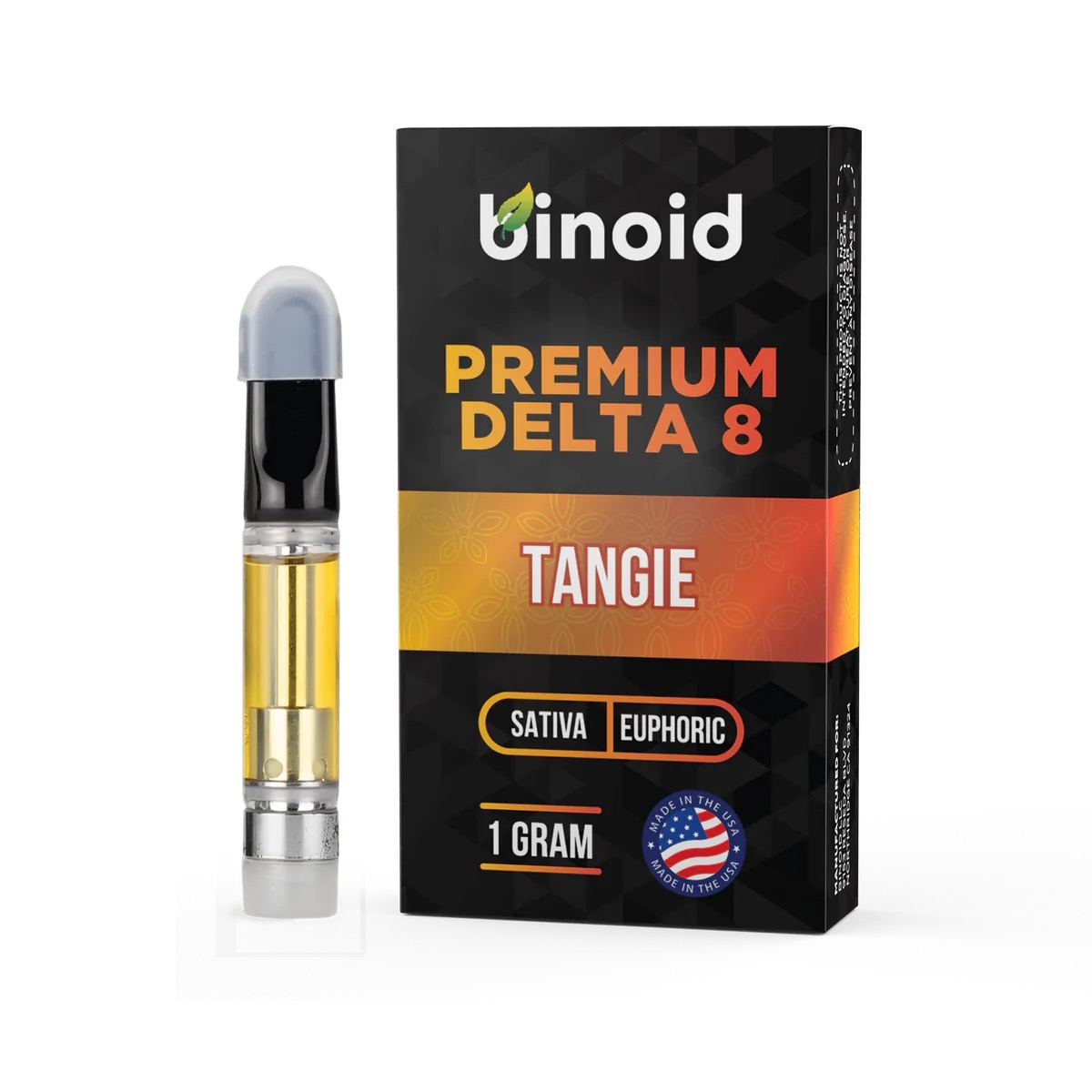
Binoid Delta 8 THC Vape Cartridge – Tangie
Delta-8 distillate with citrus-forward Tangie terpene profile; third-party lab tested.
For those who prefer a dual-chamber format that lets you choose between two distinct terpene and cannabinoid profiles in a single device, the Cookies 2G Dual Chamber Vape in Adios MF! and Miami Mint is a product that reflects how the category has evolved. It’s designed for people who want flexibility rather than a fixed experience, which can be useful when pain patterns shift across a day or between different contexts.
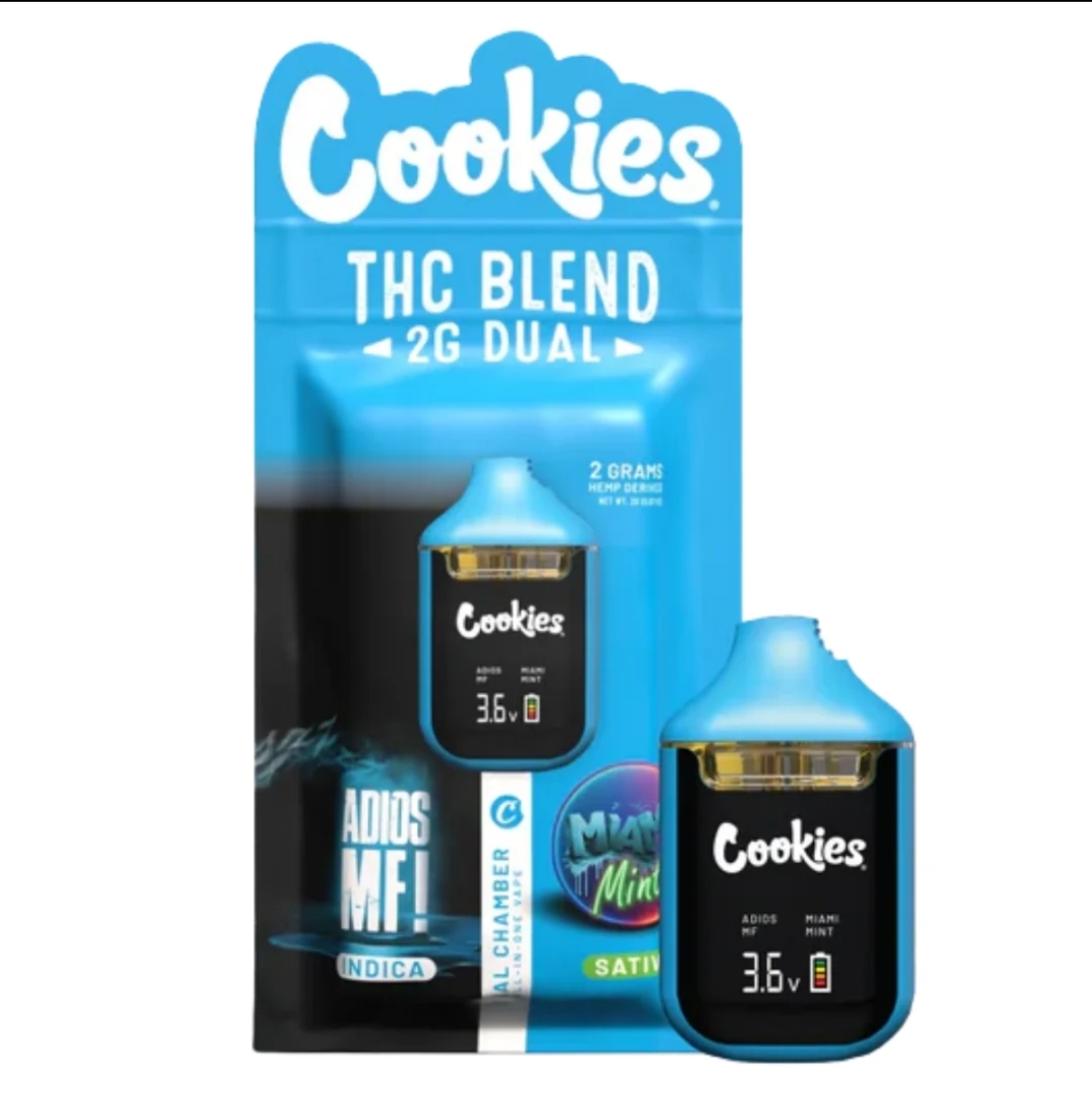
Cookies 2G Dual Chamber Vape – Adios MF! & Miami Mint
Two-chamber design with distinct strain profiles; flexible use across sessions.
What the Research Can and Can’t Tell You
One of the most frustrating aspects of this topic is how often the research trails the actual consumer experience. Millions of people are using cannabis products for pain right now, but randomized controlled trials comparing full-spectrum to broad-spectrum vapes specifically – in real human populations, with standardized products and validated pain measures – are essentially nonexistent at the moment. What we have is a growing body of preclinical work, some observational data, and a few clinical trials on specific formulations like Sativex that don’t map neatly onto over-the-counter vape cartridges.
A modified Delphi consensus process involving 20 global experts across nine countries, published in the Journal of Cannabis Research, produced dosing recommendations for medical cannabis in chronic pain. The panel recommended starting with CBD-predominant preparations and titrating gradually before adding THC if needed, with a suggested THC ceiling of 40 mg per day. That framework – CBD first, then THC if warranted – maps reasonably well onto the broad-spectrum to full-spectrum decision, at least for people new to cannabis or cautious about psychoactive effects.
what the research can tell you is this: cannabinoids act on real pain pathways, the entourage effect has biological plausibility even if definitive clinical proof is lacking, and the choice between full-spectrum and broad-spectrum is a meaningful one that deserves more than a shrug.
Frequently asked questions
Is full-spectrum or broad-spectrum vape better for pain relief?
Full-spectrum vapes include THC and may offer stronger pain relief through the entourage effect. Broad-spectrum suits people avoiding THC due to drug testing, sensitivity, or legal restrictions. The best choice depends on your pain type, tolerance, and personal circumstances.
Can a broad-spectrum vape still show up on a drug test?
Possibly. THC removal is imperfect, and trace amounts can remain even in broad-spectrum products. Always check a current COA showing non-detectable THC levels before relying on any broad-spectrum vape if drug screening is a concern.
How quickly does a vape work for pain compared to edibles?
Vapes typically produce effects within minutes versus 45 to 90 minutes for edibles. However, effects from inhaled cannabinoids usually last only two to three hours, making vapes better suited for acute pain flares than all-day chronic pain coverage.
What terpenes in a vape are most relevant for pain?
Beta-caryophyllene is the most studied, acting on CB2 receptors to reduce inflammatory and neuropathic pain in preclinical models without producing tolerance. Myrcene and linalool also appear in pain-focused formulations, though human clinical evidence remains limited.
Should I consult a doctor before using a cannabis vape for pain?
Yes. A healthcare provider familiar with cannabis medicine can help you assess interactions with existing medications, recommend appropriate cannabinoid ratios, and monitor your response. This is especially important for chronic conditions or if you take blood thinners or other prescription drugs.
Sources
Philpott et al. (2017). Attenuation of early phase inflammation by cannabidiol prevents pain and nerve damage in rat osteoarthritis. Pain, 158(12):2442-2451. PMID: 28885454
Baron et al. (2018). Medicinal Properties of Cannabinoids, Terpenes, and Flavonoids in Cannabis, and Benefits in Migraine, Headache, and Pain: An Update on Current Evidence and Cannabis Science. Headache, 58(7):1139-1186. PMID: 30152161
Important Notice
Cannabis affects individuals differently. If you have a history of anxiety, panic disorder, or other mental health conditions, consult a qualified healthcare provider before using any cannabis product. This article is for informational purposes only and does not constitute medical advice. If you experience severe anxiety, chest pain, difficulty breathing, or feel you are in crisis, call 911 or go to your nearest emergency room immediately.
For adults 21+ only. Cannabis laws vary by state. This content is intended for informational purposes only and does not constitute medical or legal advice. If you are experiencing a medical emergency, call 911 or go to your nearest emergency room immediately.