🚛 FREE DISCREET SHIPPING ON ALL ORDERS $49+








Best Vapes for Focus and Concentration
Here’s a scenario that probably sounds familiar: you sit down to work, you’ve got a clear to-do list, and then about twenty minutes in your brain just wanders. Maybe you open a vape, take a hit of whatever’s in the drawer, and now you’re either deep in a rabbit hole or somehow more productive than you’ve been all week. The

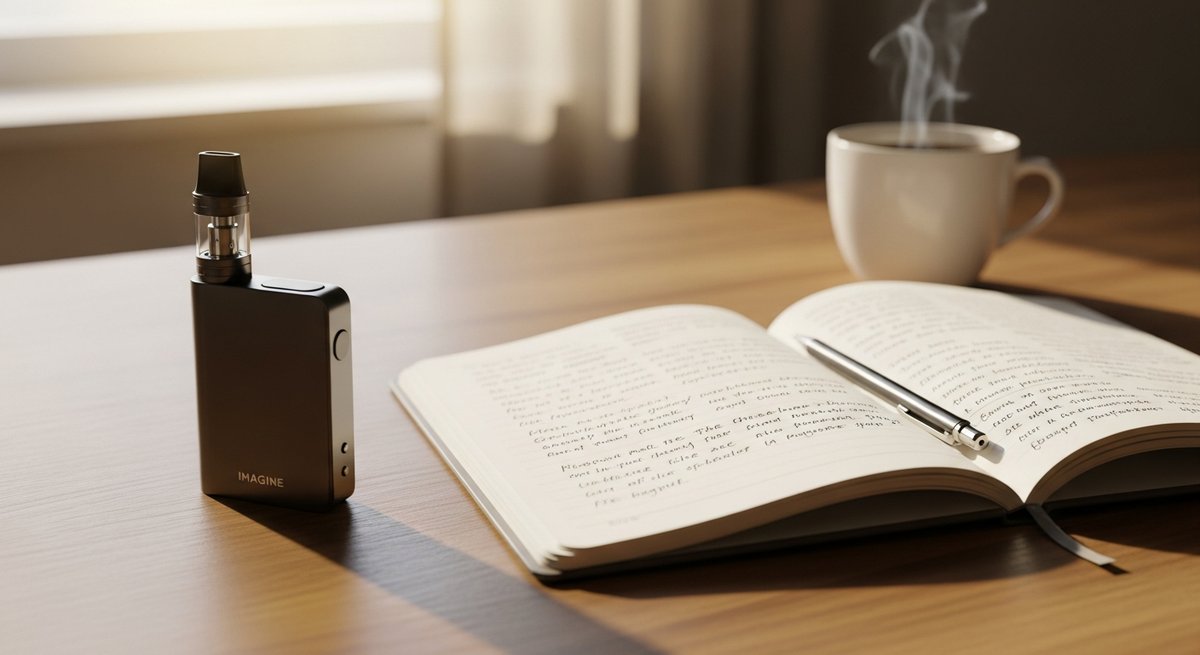
Here’s a scenario that probably sounds familiar: you sit down to work, you’ve got a clear to-do list, and then about twenty minutes in your brain just wanders. Maybe you open a vape, take a hit of whatever’s in the drawer, and now you’re either deep in a rabbit hole or somehow more productive than you’ve been all week. The difference, it turns out, is almost entirely about what you vaped and why you chose it.
Cannabis and concentration have a complicated relationship. For some people and in certain doses, specific cannabinoid and terpene combinations can sharpen attention, reduce the mental noise that makes deep work difficult, and create something close to a flow state. For others, the wrong product at the wrong moment turns a productive afternoon into a nap. The goal of this guide is to help you figure out which scenario you’re walking into.
There are now purpose-formulated products, thoughtfully selected strains, and a much clearer understanding of how terpenes interact with cannabinoids to shape your mental experience. So let’s get into it.
Why some cannabis products sharpen focus while others destroy it
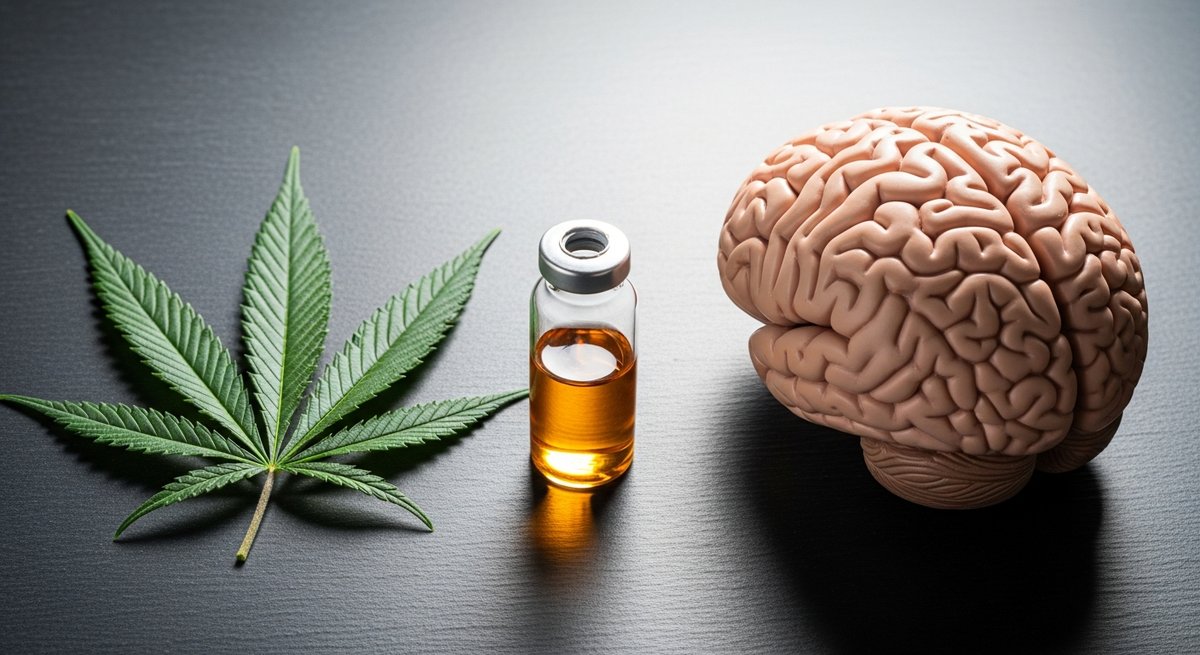
The short answer is terpenes and cannabinoid ratios. The longer answer involves the endocannabinoid system, dopamine pathways, and the fact that THC at low doses behaves very differently than THC at high doses.
At moderate to high doses, THC floods CB1 receptors in the prefrontal cortex, impairing working memory, slowing processing speed, and making sustained attention genuinely difficult. At lower doses, particularly in sativa-leaning or terpene-rich strains, THC appears to interact more selectively, nudging dopamine activity in ways that can promote alertness and motivation rather than suppressing it.
Terpenes add another dimension entirely. Pinene is an acetylcholinesterase inhibitor in preclinical studies, meaning it may help preserve acetylcholine, a neurotransmitter tied to learning and memory. Limonene produces an uplifted, alert feeling many users associate with creative productivity. Ocimene and terpinolene show up in many cerebral sativa cultivars and contribute to their energizing character. You’re not just choosing a THC percentage – you’re choosing a chemical profile that will shape the quality of your next few hours.
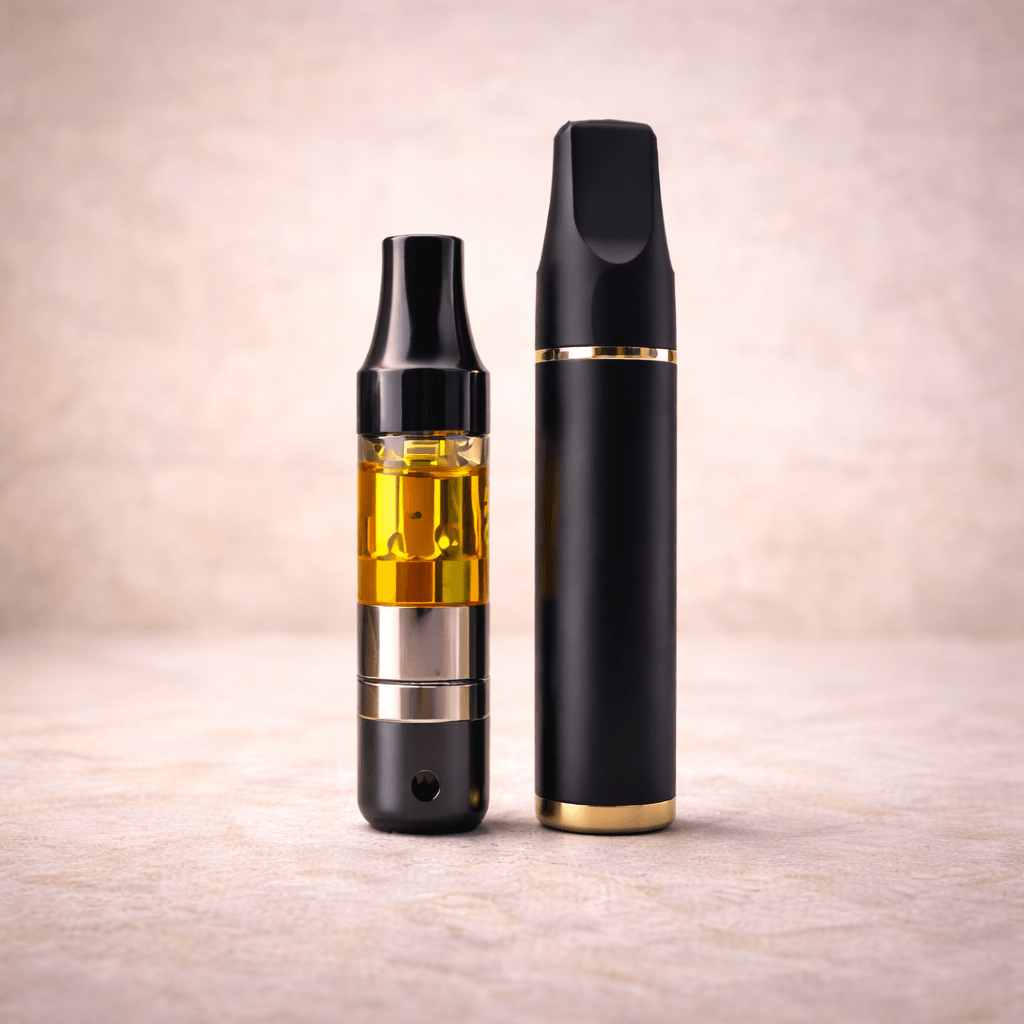
Vaping tends to produce faster onset and cleaner absorption compared to combustion, and many users report that the absence of combustion byproducts leads to a somewhat clearer cognitive experience – part of why vaping has become the preferred format for focus-oriented use.
What to look for in a vape when concentration is the goal
Before getting into specific products, there are a few key criteria worth building into your decision-making. Context matters what works for creative writing at 10am may not suit a client call at 2pm.
Strain profile: Sativa-dominant and sativa-leaning hybrids are the standard starting point for focus-oriented use. These cultivars tend to be higher in limonene, pinene, and terpinolene, producing uplifting, alert effects rather than the sedating qualities of myrcene-heavy indicas. That said, “sativa” is increasingly understood as a marketing label rather than a precise botanical category; terpene profiles are the more reliable guide.
Cannabinoid type: THCA flower and concentrates have become popular in the focus-use category because they offer a full-spectrum terpene complement with minimal additives. Delta-8 THC is also worth considering for users who find delta-9 too intense for daytime work; it tends to produce milder psychoactivity with less anxiety at equivalent doses.
Dose discipline: The difference between “pleasantly focused” and “couch-locked” is almost always dose. For vaping, start with one or two draws, wait fifteen minutes, and evaluate before taking more.
Product quality: Live rosin and solventless extracts preserve more of the original plant’s terpene profile than distillate-based products. If focus is the priority, a product that maintains terpene integrity will outperform a distillate cart even at the same THC percentage.
THCA flower and concentrates: the full-spectrum approach to clarity
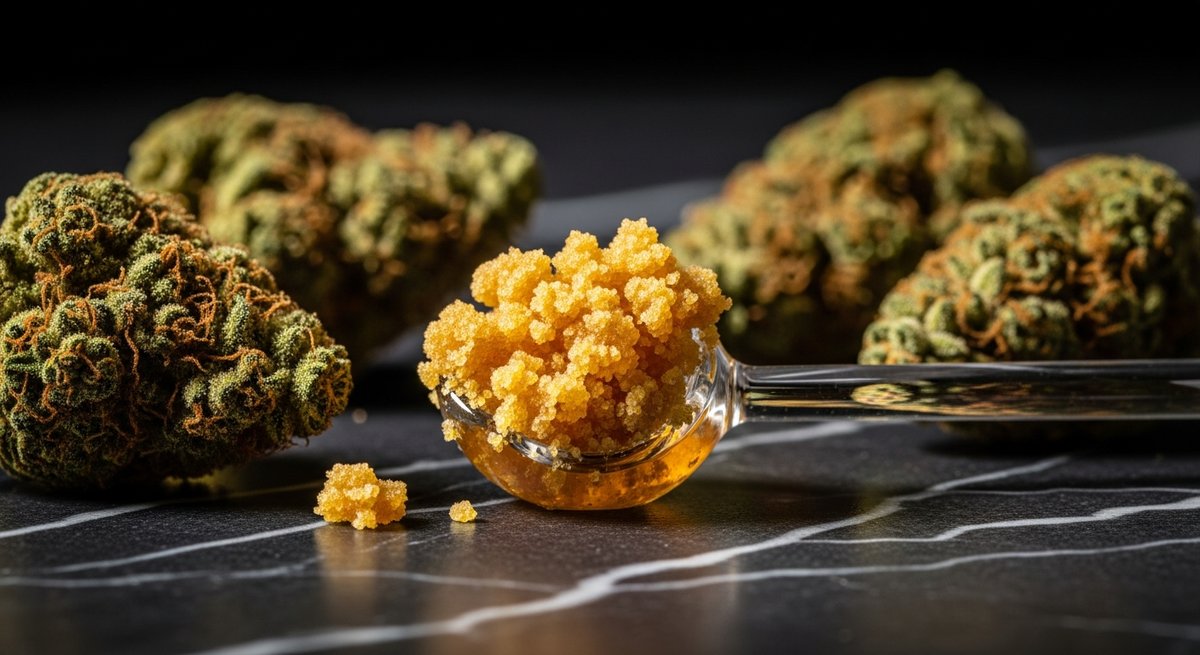
There’s been a real shift toward THCA flower and concentrates for focus-oriented use. The logic is straightforward: you get the full terpene matrix intact, minimal additives, and familiar psychoactive conversion the moment heat is applied.
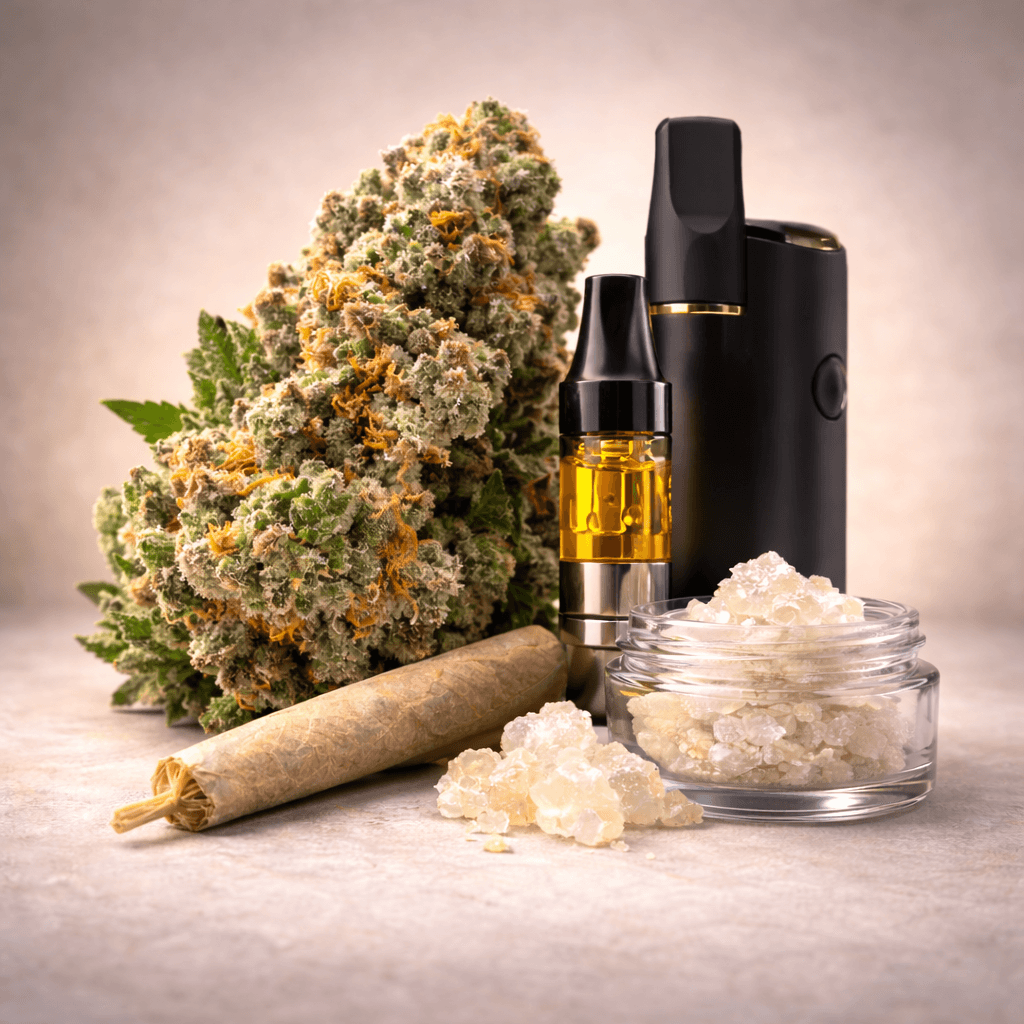
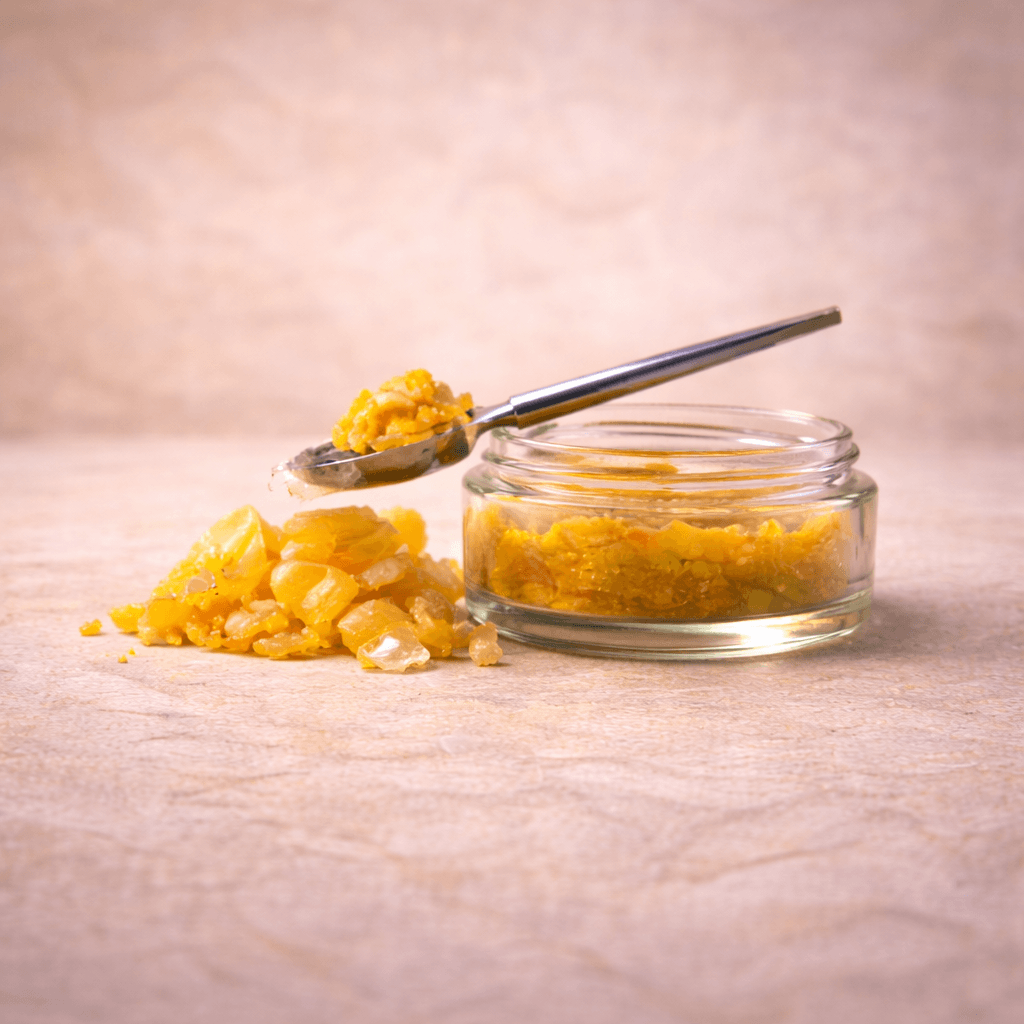
For users interested in vaping concentrates for focus, THCA crumble vaped at lower temperatures through a dab pen is a format worth exploring. The lower-temp approach preserves more of the volatile terpenes that contribute to the cerebral, alert effects that make sativa-dominant products useful for work. Binoid offers a THCA crumble product that fits this use case well for consumers who want a concentrate-based option without committing to a full dab rig setup.
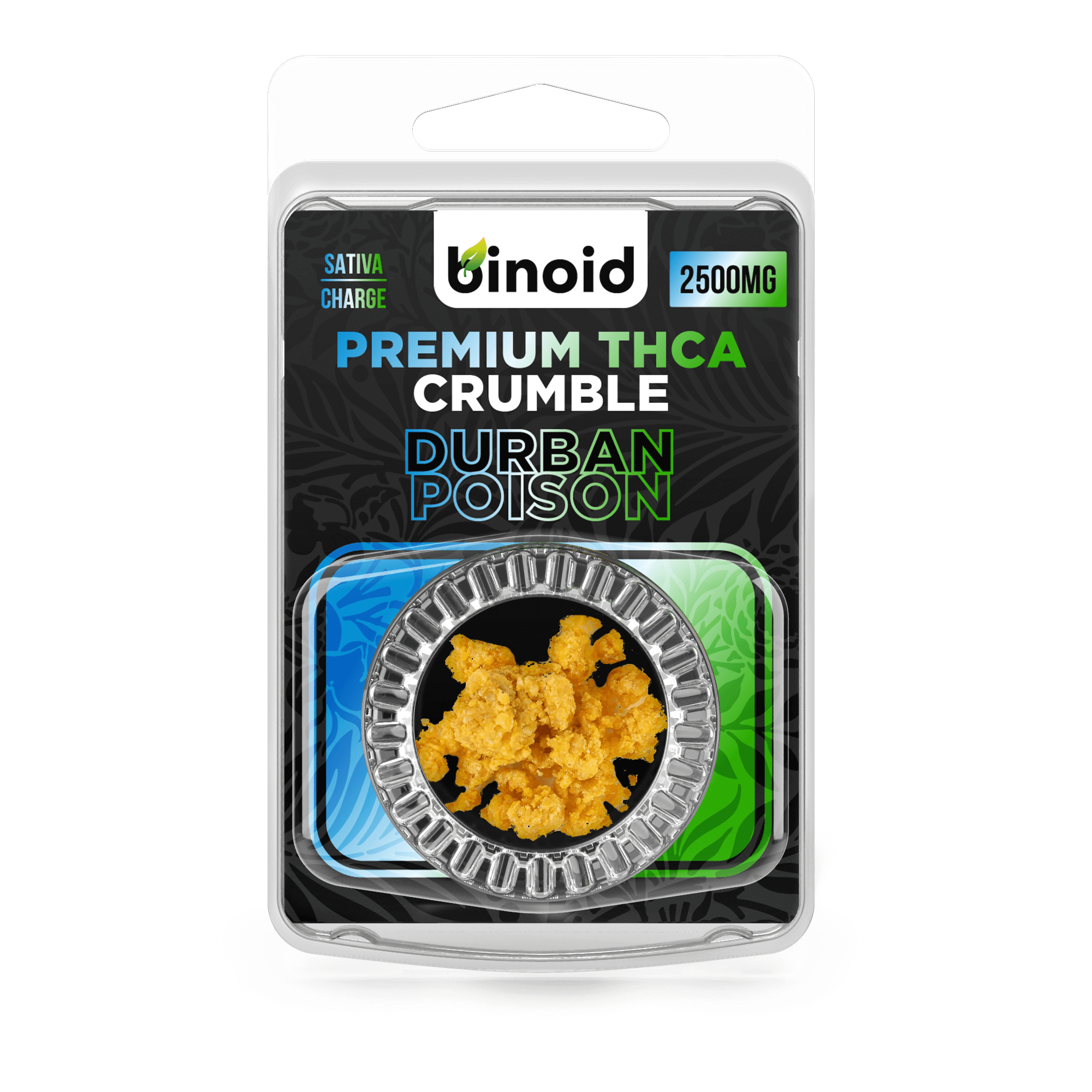
Binoid THCA Crumble
Full-spectrum THCA concentrate for vaping at lower temps; retains terpene profile for clear, focused effects
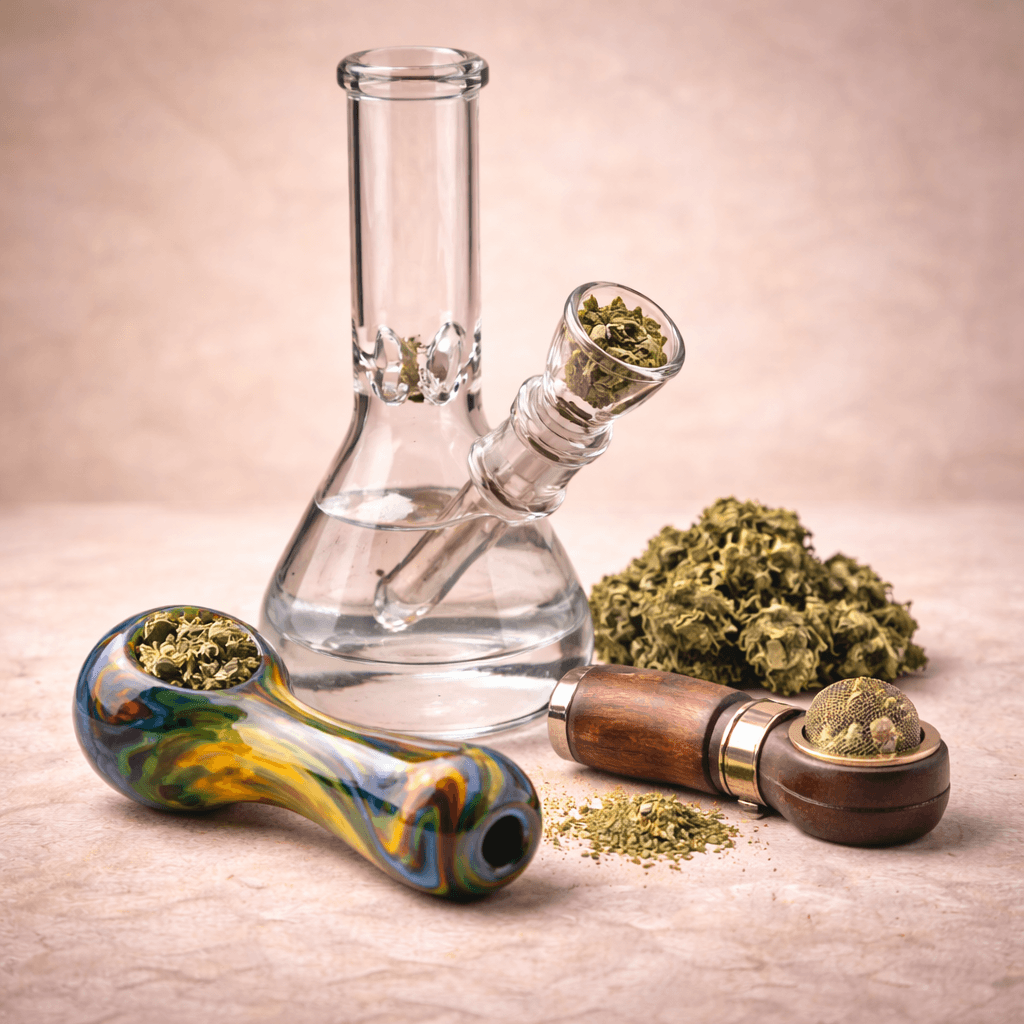
For those who prefer flower in a dry herb vaporizer, sativa THCA flower delivers the same full-spectrum advantage in a familiar format. Bloomz offers a THCA sativa flower well-suited to daytime use, providing an uplifting terpene profile that pairs naturally with tasks requiring sustained attention.
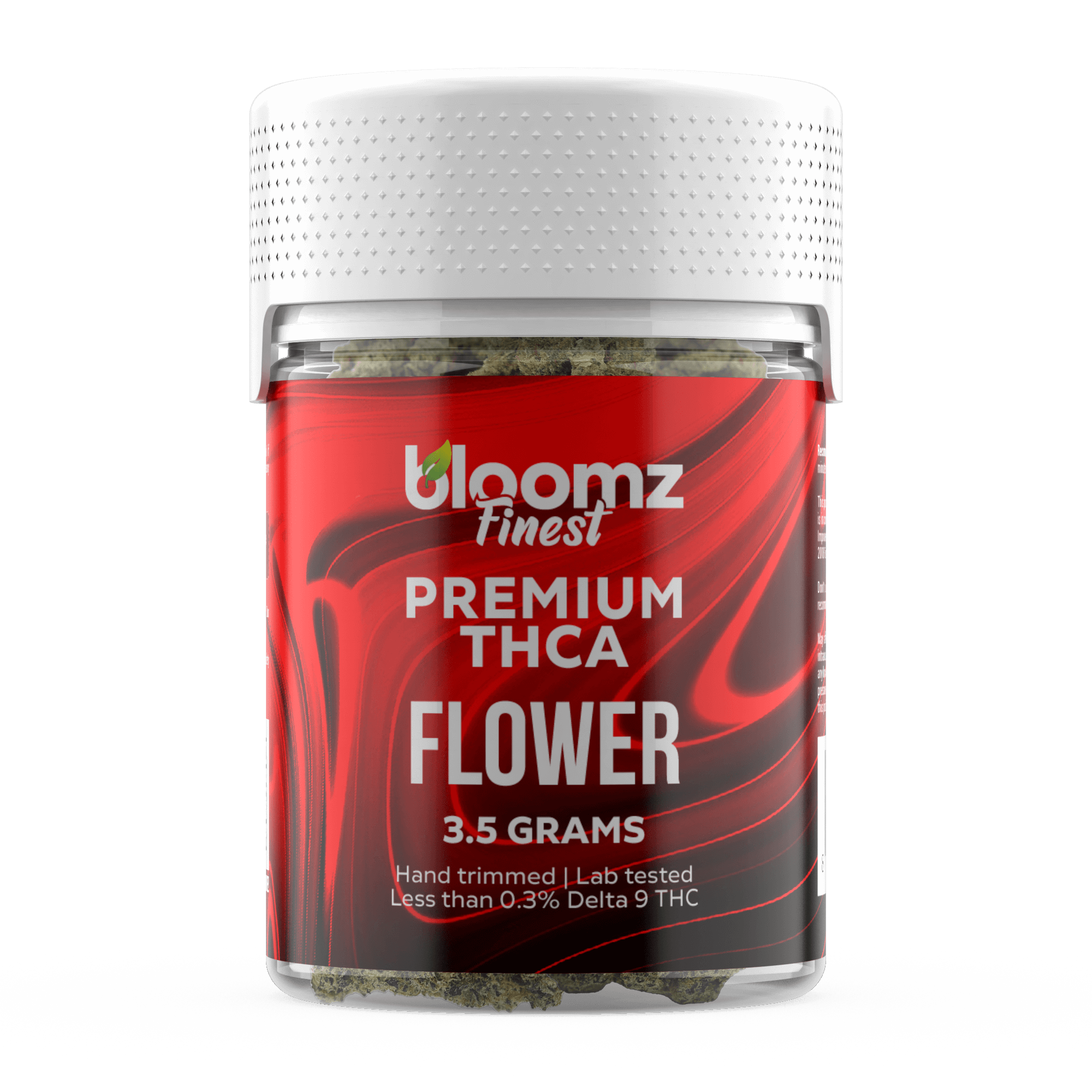
Bloomz THCA Flower – Sativa
Sativa-dominant THCA hemp flower; terpene-rich profile suited to dry herb vaporizers for daytime clarity
What the research actually tells us about cannabis and cognitive performance
Let’s be honest about what the science says, because a lot of content about cannabis and focus leans toward wishful thinking. The research landscape is genuinely mixed, and the honest picture is more nuanced than either “cannabis destroys your brain” or “cannabis is a productivity superpower.”
Acute cannabis use at higher doses has well-documented effects on working memory and processing speed. The more interesting question is what happens at lower doses with specific terpene profiles, and whether certain users – particularly those with anxiety-driven attention difficulties – might actually experience improved focus because the anxiolytic effects of cannabis reduce cognitive interference. There’s also growing interest in the relationship between cannabis, ADHD, and attentional function. The detailed breakdown of delta-8 THC effects for people with ADHD is worth reading alongside this guide.
Expert Insight
Dr. Alexander Tabibi
Dr. Alexander Tabibi
A 2016 systematic review covering 31 studies found that cannabis use is associated with acute effects on cognitive assessment outcomes. The authors noted that cognitive function appears to be affected during periods of active use, which is relevant for anyone thinking about dose timing relative to complex tasks.
Importantly, the review highlighted that findings varied substantially across study populations and use patterns, and that the direction of cognitive effects is not uniformly negative across all contexts. This is a useful reminder that context, dose, and individual variation all matter in ways that simple generalizations miss.
Walsh et al. (2016). Medical cannabis and mental health: A guided systematic review. Clinical Psychology Review, 51:15-29. PMID: 27816801
Terpenes and nootropics: how the plant profile shapes mental clarity
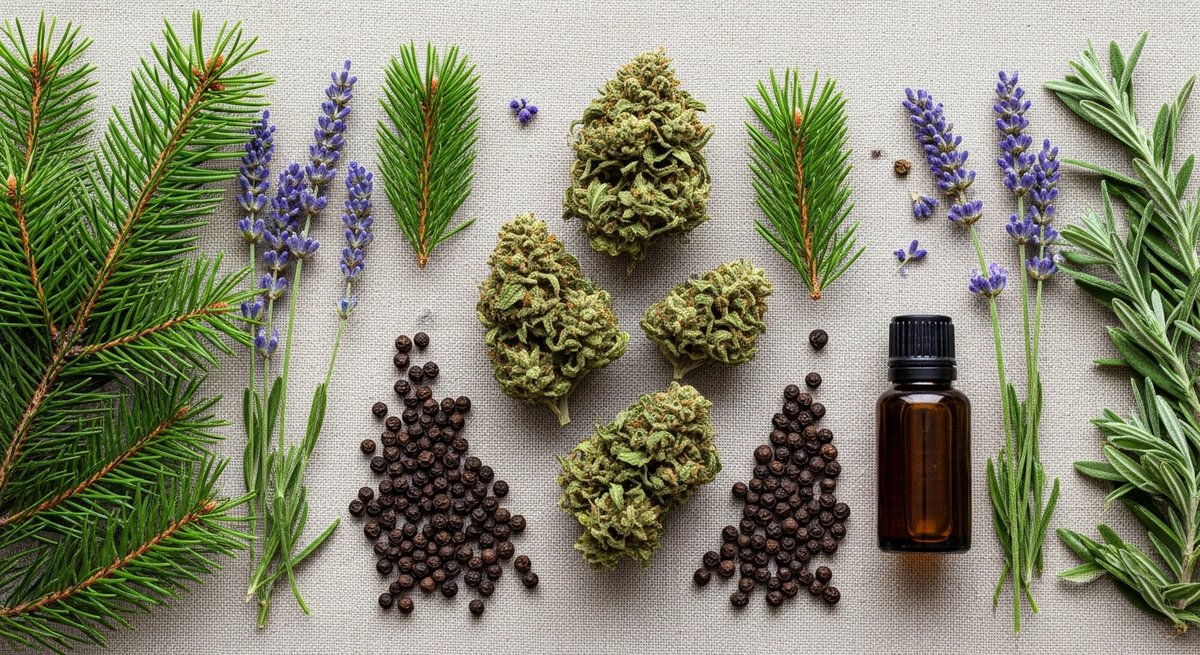
The cannabis industry has increasingly converged with the broader nootropics conversation, and terpenes are a big part of why. Alpha-pinene, prominent in strains like Jack Herer, has been studied for its potential to support memory retention through acetylcholine preservation. Beta-caryophyllene binds directly to CB2 receptors and appears to have anxiolytic properties that could indirectly support focus by reducing baseline anxiety. Limonene, common in citrus-forward sativas, has documented mood-elevating properties that many users find a useful on-ramp to productive work.
The research on cognitive enhancement via plant-based compounds is expanding rapidly. A double-blind RCT examining single-dose cognitive interventions found meaningful improvements in working memory and complex attention – results that underscore how terpene and botanical interactions can affect mental function in measurable ways.
Expert Insight
Dr. Alexander Tabibi
Dr. Alexander Tabibi
A double-blind RCT by La et al. (2023) tested a single 1g dose of Lion’s Mane extract against placebo and found significant improvements in working memory (N-Back reaction time), complex attention (Serial 7s performance), and Go stimulus reaction time at two hours post-ingestion. Subjective happiness ratings also improved, and tolerability was good.
This is relevant context for the broader botanical nootropics conversation that overlaps with cannabis terpene discussions. The RCT is a single-dose study and does not establish that cannabis terpenes alone replicate these outcomes. What it demonstrates is that plant-derived compounds can produce measurable acute cognitive effects – the mechanistic logic underlying terpene-forward product selection for focus.
La et al. (2023). Acute Effects of Naturally Occurring Guayusa Tea and Nordic Lion’s Mane Extracts on Cognitive Performance. Nutrients, 15(24). PMID: 38140277
Strains worth knowing about for daytime vaping
Certain cultivars have earned a genuine reputation for focus-compatible effects. Individual response always varies, but these are reasonable starting points based on their terpene profiles.
Durban Poison is probably the most consistently cited strain for focus. A pure African sativa with notably high terpinolene content, it produces an energetic, clear-headed effect that many users find useful for creative and analytical work. The buzz is social and light, and even newer consumers often report being able to function well shortly after use.
Jack Herer is another standard-bearer, with high pinene content alongside terpinolene and ocimene. The mental effects tend toward clarity and mild euphoria rather than intensity, which makes it forgiving in terms of dose.
Green Crack is high-energy and limonene-forward, known for a stimulating, almost coffee-adjacent alertness that can be intense for sensitive consumers but useful for repetitive tasks requiring stamina.
Super Lemon Haze combines limonene with the terpinolene/ocimene profile common to many productive sativas. It tends to produce a mood elevation that carries focus rather than forcing it – a useful distinction for creative or social work.
The Binoid THCA Crumble mentioned earlier is available in a Durban Poison option, making it a natural fit for users who want that cultivar’s specific terpene profile in a vapable concentrate form.
Practical tips for using vapes to support focus

Most of the ways cannabis use goes wrong for productivity come down to the same few mistakes – using too much, using the wrong strain, or not accounting for the task type. Here are some practical frameworks that experienced users have converged on.
Match the strain to the task: Creative and divergent thinking tasks pair well with higher-limonene, euphoric sativas. Analytical or detail-oriented tasks often do better with pinene-forward cultivars that reduce mental noise without adding stimulation. Convergent thinking – narrowing down to one correct answer – can be harder under any cannabis effect, so calibrate accordingly.
Time your use carefully: The window of peak cognitive effect for most vapes is roughly thirty to ninety minutes after use. If you have a specific task block, plan your draw accordingly rather than vaping continuously throughout the day.
Keep a log: Strain, dose, time of day, task type, and how the session went. Most experienced users who vape carts for productivity have a short mental list of two or three products that reliably work for them – built through exactly this kind of low-effort tracking.
Use temperature intentionally: Lower vaping temperatures (around 325 to 375 degrees Fahrenheit) tend to produce more terpene-forward, cerebral effects. Higher temperatures produce more cannabinoid-dominant vapor that can feel heavier and more sedating. For focus, stay on the lower end of your device’s range.
Build in sober baselines: Regular tolerance breaks help you maintain sensitivity to focus-supportive effects. Daily use tends to flatten the nuance out of the experience over time – the opposite of what you want if you’re using cannabis as a precision tool.
FAQs
What are the best types of vapes for focus and concentration?
The best options are sativa or sativa-dominant vape carts and low-dose CBD/THC pens. These tend to deliver uplifting, clear-headed effects rather than heavy relaxation.
Which vape strains are best for focus?
Popular focus-friendly strains include Lilac Diesel, Space Candy, and Green Crack. These are known for boosting mental clarity, creativity, and energy when used in small amounts.
What ingredients should I look for in a focus vape?
Look for terpenes like pinene, limonene, and terpinolene—they’re commonly linked to alertness, mood elevation, and sharper thinking. Avoid high myrcene if you want to stay productive.
Are vape pens better than gummies for productivity?
Yes, for most people. Vapes work within minutes and last 1–3 hours, making them ideal for controlled microdosing during work or study sessions.
How much should I vape for focus?
Start with 1–2 small puffs. Microdosing is key—too much THC can reduce focus instead of improving it.
Sources
La et al. (2023). Acute Effects of Naturally Occurring Guayusa Tea and Nordic Lion’s Mane Extracts on Cognitive Performance. Nutrients, 15(24). PMID: 38140277
Walsh et al. (2016). Medical cannabis and mental health: A guided systematic review. Clinical Psychology Review, 51:15-29. PMID: 27816801
Important Notice
Cannabis affects individuals differently. If you have a history of anxiety, panic disorder, or other mental health conditions, consult a qualified healthcare provider before using any cannabis product. This article is for informational purposes only and does not constitute medical advice. If you experience severe anxiety, chest pain, difficulty breathing, or feel you are in crisis, call 911 or go to your nearest emergency room immediately.
For adults 21+ only. Cannabis laws vary by state. This content is intended for informational purposes only and does not constitute medical or legal advice. If you are experiencing a medical emergency, call 911 or go to your nearest emergency room immediately.