🚛 FREE DISCREET SHIPPING ON ALL ORDERS $49+









Purple Punch strain vs Forbidden Fruit strain — Which Is Right for You?
Purple Punch is an indica-dominant hybrid best suited for evening unwinding, while Forbidden Fruit is also indica-dominant but leans harder into sedating, body-heavy effects – making it the stronger choice for those chasing deep relaxation or physical relief. Both strains are sweet, fruity, and potent, but they serve slightly different audiences. If you want a gentle, dessert-like wind-down, Purple Punch

Purple Punch is an indica-dominant hybrid best suited for evening unwinding, while Forbidden Fruit is also indica-dominant but leans harder into sedating, body-heavy effects – making it the stronger choice for those chasing deep relaxation or physical relief. Both strains are sweet, fruity, and potent, but they serve slightly different audiences. If you want a gentle, dessert-like wind-down, Purple Punch fits the bill. If you need something with more muscle – particularly for discomfort or tension – Forbidden Fruit tends to be the go-to.
What Is Purple Punch Strain?
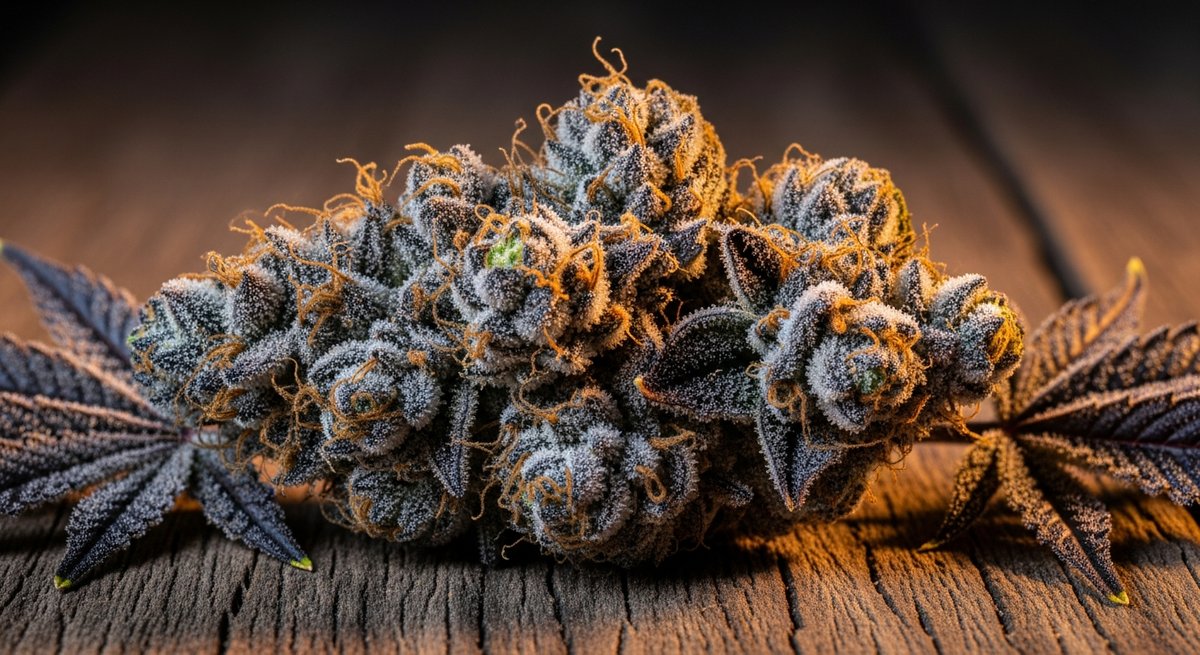
Purple Punch is a cross between Larry OG and Granddaddy Purple – two of the most storied indica cultivars in West Coast cannabis history. The result is a strain that punches above its weight in both aroma and effect.
THC typically lands between 18% and 23%, with CBD usually below 1%. The dominant terpenes are myrcene, caryophyllene, and pinene – a combination that produces a grape candy, blueberry muffin aroma that’s immediately recognisable.
Effects tend to start in the head with a warm, euphoric lift before settling into full-body relaxation. Most people report feeling calm, happy, and pleasantly sleepy. It’s an excellent choice for a quiet evening, stress relief after a long day, or easing into sleep without feeling completely knocked out. Beginners often appreciate its approachable, predictable character, while more experienced consumers enjoy its flavour-forward profile alongside consistent potency. If you enjoy fruity, dessert-style cultivars, Purple Punch sits comfortably alongside strains like Purple Cake Batter.
What Is Forbidden Fruit Strain?
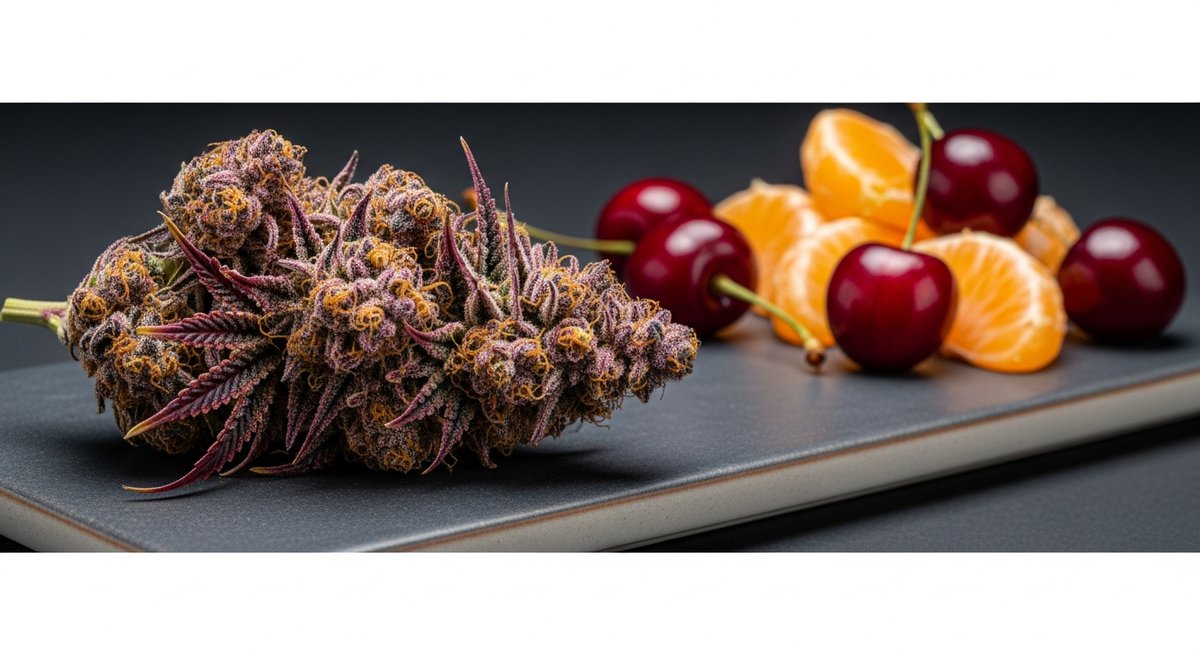
Forbidden Fruit is a cross between Cherry Pie and Tangie – a pairing that brings together two very different flavour worlds. Cherry Pie contributes deep, earthy sweetness and a heavily relaxing indica body, while Tangie adds a bright citrus character inherited from California Orange genetics. The result is a layered, complex flavour profile alongside effects that sit firmly in indica territory.
THC ranges from roughly 20% to 26%, placing it on the more potent end of the indica spectrum. CBD content is typically negligible, usually below 1%. Dominant terpenes include myrcene, linalool, and caryophyllene – a profile that leans heavily toward body relaxation and calming effects. Linalool in particular is often associated with a quieting, tension-easing quality that helps set Forbidden Fruit apart from Purple Punch.
The effects are notably physical. Many users report a strong body melt accompanied by a quiet, unfocused mental state – it tends to reduce mental chatter rather than spark creativity. Onset is relatively quick, and the duration can stretch long, which is part of why it’s often chosen for evening use or situations where physical discomfort is a factor. If you’re exploring this style of cultivar, you may also find Italian Ice worth your attention – another indica-leaning strain with a similarly lush terpene profile.
Purple Punch Strain vs Forbidden Fruit Strain – Key Differences
| Category | Purple Punch | Forbidden Fruit |
|---|---|---|
| THC% range | 18% – 23% | 20% – 26% |
| CBD% range | Below 1% | Below 1% |
| Dominant terpenes | Myrcene, Caryophyllene, Pinene | Myrcene, Linalool, Caryophyllene |
| Primary effects | Euphoria, calm, mild sedation | Deep body relaxation, sedation |
| Best time of day | Evening | Late evening / night |
| Best for | Stress relief, sleep onset, relaxation | Pain relief, deep sleep, tension |
| Flavour profile | Grape, blueberry, vanilla | Cherry, citrus, tropical, earthy |
| Growing difficulty | Moderate | Moderate to difficult |
Effects Comparison

Purple Punch tends to open with a cerebral warmth – a quiet lift in mood that makes you feel comfortable and settled rather than energised. Within 15 to 20 minutes, that feeling typically moves into the body, where it spreads as a soft, enveloping relaxation. Duration is usually two to three hours for most people. At moderate doses, many users stay functional and sociable. Push the dose higher and the sedation becomes more pronounced.
Forbidden Fruit works differently. The mental shift is there, but it’s quieter – less euphoric lift, more of a mental slowdown. The body effects are where this cultivar distinguishes itself. Many users report a heavy, melting sensation that’s difficult to ignore, especially through the limbs and lower body. Onset can feel faster, and the overall experience tends to run longer.
Both strains share myrcene and caryophyllene as dominant terpenes, which helps explain the common ground – earthy, relaxing, physically oriented. Where they diverge is in intensity and mental character. Purple Punch leaves more room for mental engagement. Forbidden Fruit, by contrast, encourages you to put the phone down and stop moving entirely. Neither is ideal for daytime use unless your tolerance is well established. Curious about how other fruity indicas compare? The Pineapple Purps strain offers a useful point of comparison on the lighter end of the spectrum.
Which Strain Is Better for Pain?
For physical discomfort, evidence suggests Forbidden Fruit has the edge. Its higher average THC ceiling, combined with a terpene profile rich in linalool and myrcene, may help address bodily tension and discomfort more directly than Purple Punch. Linalool in particular is associated in early research with calming and pain-modulating properties, though it’s worth noting the evidence is still developing.
Purple Punch is no slouch in this department. Many users report that it effectively softens mild to moderate discomfort, particularly when stress is part of the picture. If the pain you’re dealing with is tied to tension or anxiety, Purple Punch may actually suit you better because of its gentler, more mood-forward effects.
If you’re new to cannabis or sensitive to THC, Purple Punch is the safer starting point – same territory, lower risk of overcorrecting. For those with more experience or more significant physical discomfort, Forbidden Fruit is often the stronger candidate. As always, start low and go slow, especially with higher-potency cultivars.
Buy Purple Punch and Forbidden Fruit Seeds
Ready to grow your own Purple Punch or Forbidden Fruit at home? Both strains are flavorful indica-leaning favorites known for vibrant colors, sweet aromas, and deeply relaxing effects.
Purple Punch seeds are ideal for growers seeking a potent strain with sweet grape, berry, and dessert-like flavors. This strain is known for dense purple buds, heavy resin production, and strong body relaxation.
Forbidden Fruit seeds are perfect for those wanting an exotic hybrid with tropical citrus flavors, cherry undertones, and calming euphoric effects. Growers appreciate its colorful flowers, rich terpene profile, and premium bag appeal.
Whether you prefer the sweet sedation of Purple Punch or the fruity exotic experience of Forbidden Fruit, choosing premium genetics is essential for healthy plants and strong yields. Browse premium cannabis seeds at Weed.com Seeds.
Where to Buy Purple Punch Strain and Forbidden Fruit Strain
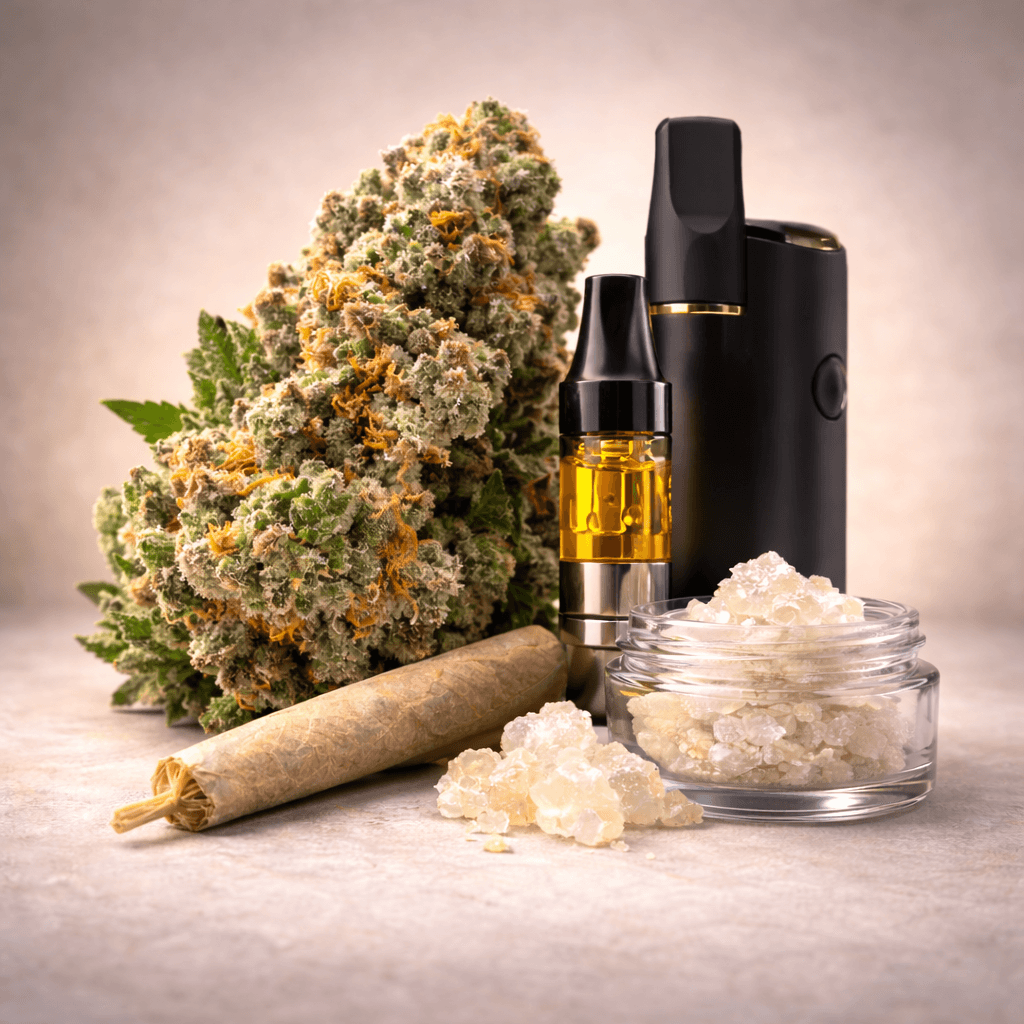
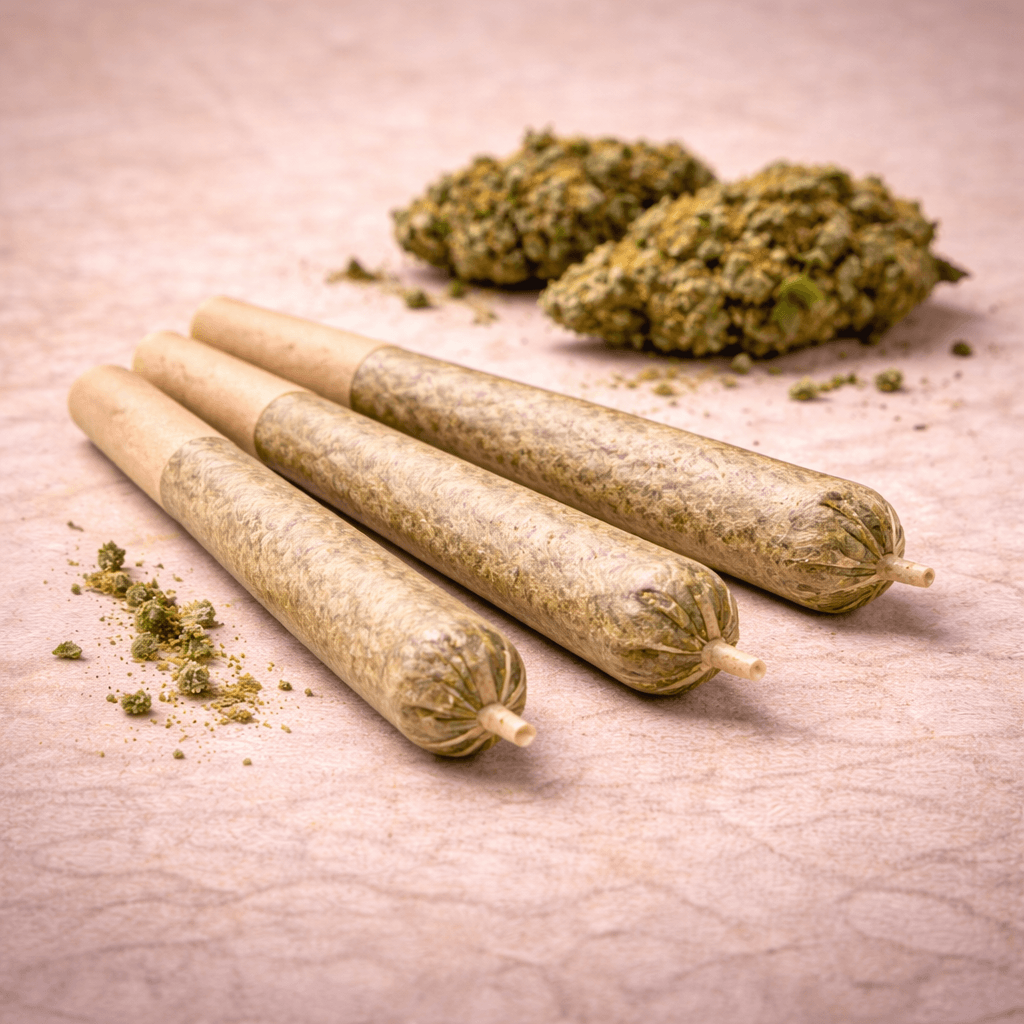
Both strains are widely available at licensed dispensaries, and you can often find them in flower, pre-roll, and concentrate form. If you’re shopping online, the options below are a solid starting point.
- Browse flower and pre-rolls – great for finding both cultivars in their most classic form.
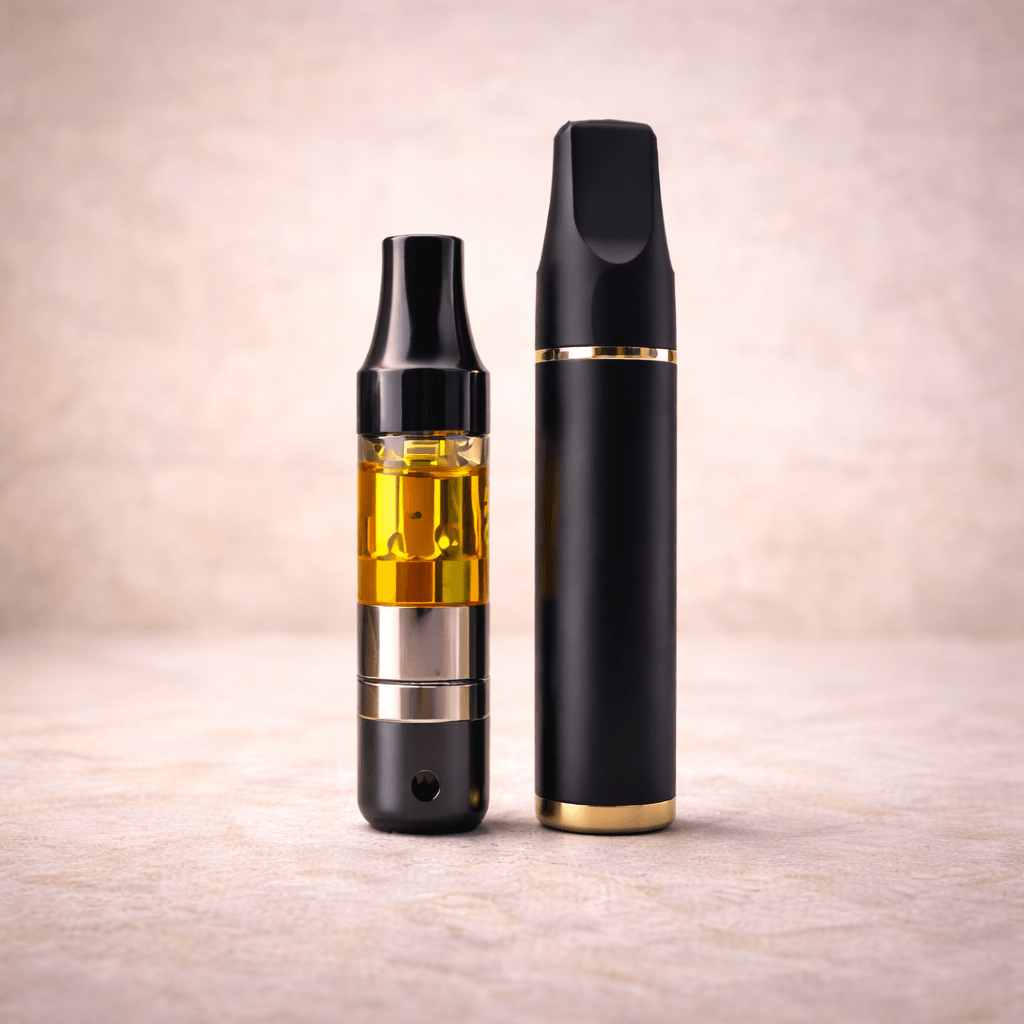
- Check out vapes and cartridges if you prefer a more controlled, discreet consumption method.
- Explore the full strains hub to discover other cultivars in the same family before you commit.
- If you’re undecided between daytime and evening use, the Hometown Hero 25mg Live Rosin Day and Night Discovery Pack lets you sample both ends of the spectrum.
Always purchase from a licensed dispensary to ensure accurate labelling, third-party testing, and consistent quality. Availability varies by location.
Frequently Asked Questions
Is Purple Punch stronger than Forbidden Fruit?
Generally, no. Forbidden Fruit tends to test slightly higher in THC, often reaching 26% compared to Purple Punch’s typical ceiling of around 23%. That said, THC percentage alone doesn’t determine how a strain feels. Forbidden Fruit’s linalool-heavy terpene profile also contributes to its heavier, more sedating character. Purple Punch is potent, but tends to feel softer and more manageable for most consumers.
What are the effects of Purple Punch vs Forbidden Fruit?
Purple Punch typically produces warm euphoria followed by full-body relaxation, with a mood-lifting quality that keeps things from feeling too heavy. Forbidden Fruit leans more decisively into physical sedation with less mental engagement. Both are evening strains, but Forbidden Fruit is better suited to late-night use when you genuinely don’t need to do anything else.
Which is better for pain – Purple Punch or Forbidden Fruit?
For more significant physical discomfort, many users find Forbidden Fruit the stronger option, thanks to its higher potency and its linalool and myrcene content. Purple Punch may be sufficient for milder discomfort, particularly when stress is part of the equation. If you’re new to cannabis or prefer a lighter experience, Purple Punch is the more forgiving place to start.
What does Purple Punch taste like compared to Forbidden Fruit?
Purple Punch has a distinctly sweet, grape-forward flavour with blueberry and vanilla undertones – it tastes a lot like its name suggests. Forbidden Fruit is more complex: cherry and citrus upfront, with tropical and earthy notes underneath. Both are considered flavour-forward cultivars, but they’re quite different on the palate. Forbidden Fruit tends to surprise people with how layered it tastes.
Can you mix Purple Punch and Forbidden Fruit?
You can, though combining two potent indicas will amplify sedation significantly. This is not a mix for beginners or for anyone who needs to remain alert. If you’re curious about layering similar cultivars, start with a small amount of each and give yourself plenty of time before consuming more. The combined terpene profiles – particularly the overlapping myrcene and caryophyllene – may enhance the body-heavy effect of both strains.