🚛 FREE DISCREET SHIPPING ON ALL ORDERS $49+









Purple Haze strains vs Grape Ape Strains — Which Is Right for You?
Purple Haze strains are sativa-dominant cultivars built for daytime energy and creative focus, while Grape Ape strains are indica-dominant and better suited for unwinding and evening relaxation. If you want a cerebral lift that keeps you moving, Purple Haze strains are your pick. If you want to sink into the couch and quiet a busy mind before bed, Grape Ape

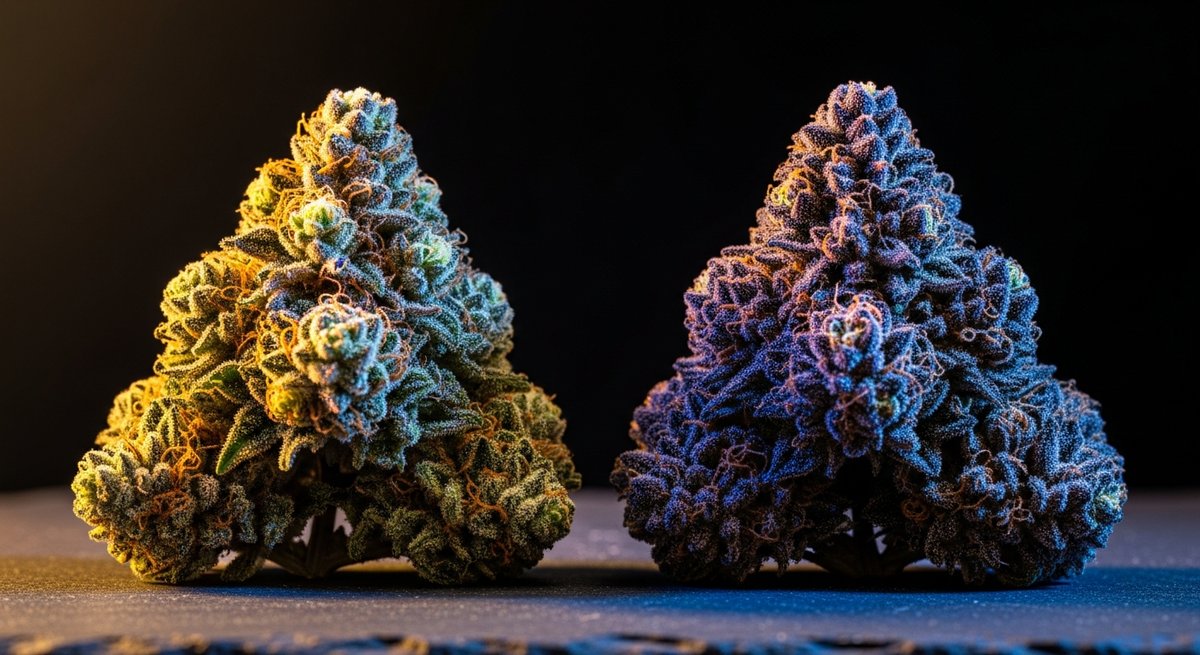
Purple Haze strains are sativa-dominant cultivars built for daytime energy and creative focus, while Grape Ape strains are indica-dominant and better suited for unwinding and evening relaxation. If you want a cerebral lift that keeps you moving, Purple Haze strains are your pick. If you want to sink into the couch and quiet a busy mind before bed, Grape Ape strains earn that role. Both carry unmistakable grape-forward aromas, but they take you in very different directions once consumed.
What Is Purple Haze Strains?
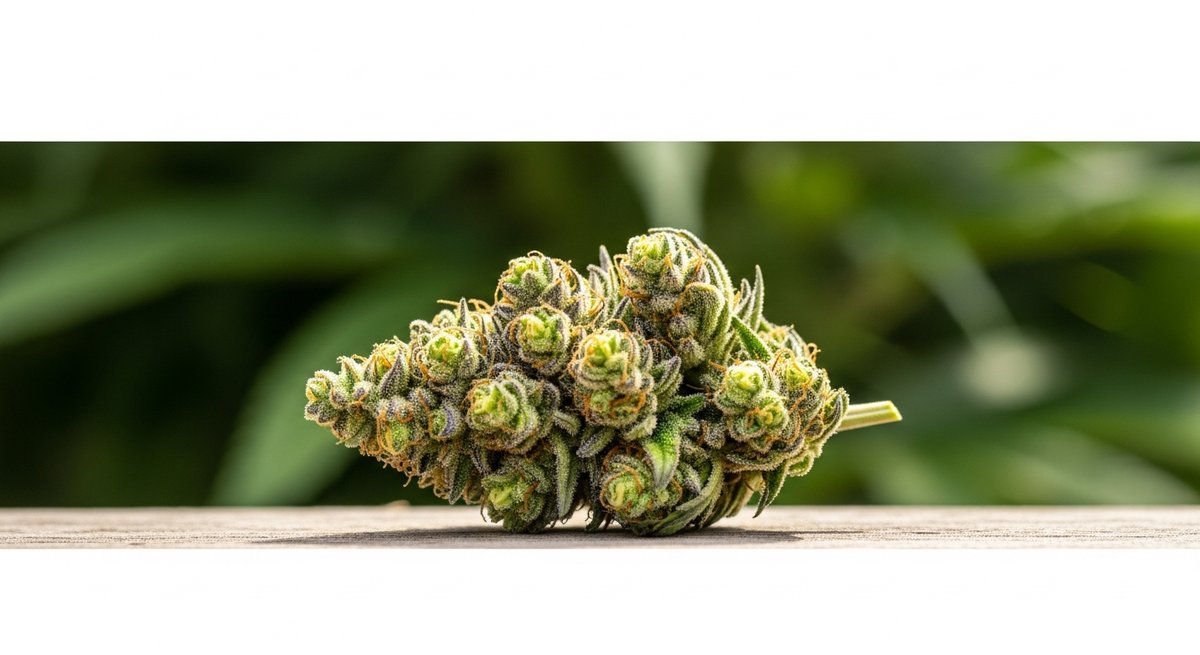
Purple Haze is a sativa-dominant hybrid with roots in Haze and a purple-tinted indica, widely believed to descend from Colombian Gold and Thai landrace genetics. The name became cultural shorthand for a certain kind of euphoric, freewheeling high long before most people knew the science behind it.
THC content typically lands between 17% and 22%, with CBD usually below 1%. Dominant terpenes – the aromatic compounds that shape aroma and effect – include myrcene, caryophyllene, and pinene, a combination that delivers earthy sweetness with a sharp herbal edge.
The effects arrive quickly: an uplifting head rush that many users describe as euphoric and creatively expansive. Focus sharpens, mood lifts, and conversation flows. Purple Haze suits morning sessions, creative work, and social situations. It is not a strain to reach for when winding down. Plants grow to moderate height and flower in around nine to ten weeks, making cultivation manageable for growers with some prior experience.
What Is Grape Ape Strains?
Grape Ape is an indica-dominant hybrid bred from Mendocino Purps, Skunk, and Afghani genetics. It was developed by Apothecary Genetics and quickly became a dispensary staple for anyone chasing deep physical relaxation without a complicated flavour profile to think about.
THC ranges from 15% to 21%, and CBD stays low, typically under 1%. The dominant terpenes are myrcene, caryophyllene, and ocimene – a trio that produces the signature sweet grape and berry aroma the cultivar is named for.
Grape Ape strains are often chosen for their ability to ease muscle tension and quiet mental chatter. Many users report a progressive body heaviness that builds over 20 to 30 minutes. This makes Grape Ape a strong candidate for evening use, particularly for people who struggle to slow down before sleep. Plants stay compact and bushy, reflecting their indica heritage, and are considered moderately straightforward to grow indoors. For context on how similar grape-forward cultivars compare, the Oreos strain vs Grape Pie strain breakdown covers overlapping territory.
Purple Haze Strains vs Grape Ape Strains – Key Differences
| Category | Purple Haze | Grape Ape |
|---|---|---|
| THC% range | 17% – 22% | 15% – 21% |
| CBD% range | Below 1% | Below 1% |
| Dominant terpenes | Myrcene, caryophyllene, pinene | Myrcene, caryophyllene, ocimene |
| Primary effects | Euphoria, mental energy, creativity | Body relaxation, sedation, calm |
| Best time of day | Morning or afternoon | Evening or night |
| Best for | Focus, creativity, socialising | Sleep, relaxation, tension relief |
| Flavour profile | Sweet berry, earthy, herbal | Sweet grape, candy, berry |
| Growing difficulty | Moderate | Moderate |
Effects Comparison
Purple Haze tends to hit fast. Many users report feeling the first wave within minutes of consumption – a brightening of mood and a sharpening of attention that feels more like a strong coffee than a sedative. The high is predominantly cerebral. Physical effects are lighter, which is exactly why it works for daytime use. Duration typically runs two to three hours before tapering gently.
Grape Ape moves slower and builds heavier. The onset is gradual – often 15 to 30 minutes – and the experience shifts from mild relaxation into progressive body weight. Arms and legs feel heavier, the mind quiets, and most users report little interest in getting up and doing things. That is the point. The high can extend three to four hours and often leads naturally toward sleep in higher doses.
Both share the myrcene and caryophyllene terpene pairing, which may explain some overlap in their calming qualities – but the sativa-dominant structure of Purple Haze keeps the mental engine running where Grape Ape lets it idle. If you are sensitive to anxiety with high-THC sativas, evidence suggests starting low with Purple Haze is wise. You can explore how other grape-leaning cultivars handle this balance in the Grand Daddy Purp vs Grape Gas comparison.
Which Strain Is Better for Sleep?

Grape Ape wins this category without much debate. Its indica-dominant genetics, myrcene-heavy terpene profile, and characteristic body sedation make it a natural fit for anyone who has trouble slowing down at night.
Evidence suggests that myrcene – present in high concentrations in Grape Ape – may contribute to sedative effects, though research is still developing in this area. Many users report that a moderate dose consumed 30 to 60 minutes before bed helps quiet both physical tension and mental noise.
Purple Haze, by contrast, is a poor sleep companion for most people. Its stimulating, sativa-leaning effects may actually make it harder to fall asleep if consumed too late in the day. There are exceptions – some users find that a very small dose takes the edge off anxiety without full stimulation – but as a general rule, Purple Haze is a morning strain and Grape Ape is an evening one.
If you are exploring options for sleep across formats, vape products with indica-leaning cultivars are worth considering. The best vapes for anxiety relief guide covers calm strain options in that format.
Buy Purple Haze and Grape Ape Seeds
Ready to grow your own Purple Haze or Grape Ape at home? Both strains are iconic favorites known for bold flavor profiles, vibrant colors, and unique effects that appeal to a wide range of growers.
Purple Haze seeds are ideal for growers seeking a legendary sativa with uplifting cerebral effects, sweet berry notes, and hints of spice. This strain is known for tall growth, colorful purple hues, and an energetic daytime high.
Grape Ape seeds are perfect for those wanting a deeply relaxing indica with sweet grape flavors and strong body effects. Growers appreciate its dense purple buds, heavy resin production, and calming nighttime appeal.
Whether you prefer the uplifting energy of Purple Haze or the soothing relaxation of Grape Ape, choosing premium genetics is essential for healthy plants and strong yields. Browse premium cannabis seeds at Weed.com Seeds.
Where to Buy Purple Haze Strains and Grape Ape Strains
Both Purple Haze strains and Grape Ape strains appear regularly at licensed dispensaries, though availability varies by region and season. If you are shopping online, the flower and prerolls section is a good starting point for finding current stock of cultivars in these style categories.
For those who prefer vaping over smoking flower, the vapes and carts collection carries options across indica, sativa, and hybrid profiles. The Hometown Hero 25mg Live Rosin Day & Night Discovery Pack is worth a look if you want to sample both daytime and evening effects side by side. A lower-dose version, the Hometown Hero 5mg Live Rosin Day & Night Discovery Pack, is a smart choice if you are newer to cannabis or prefer to start low.
You can also browse the full strains hub to explore other cultivars that share genetics or effects with either of these two.
Frequently Asked Questions
Is Purple Haze stronger than Grape Ape?
Not necessarily. Both cultivars carry comparable THC ranges – Purple Haze at 17% to 22% and Grape Ape at 15% to 21%. Purple Haze may feel more intense to some users because its sativa-dominant effects are cerebral and fast-acting. Grape Ape’s body-heavy indica high can feel equally powerful, just in a different direction. Perceived strength depends heavily on your tolerance and sensitivity to each effect type.
What are the effects of Purple Haze vs Grape Ape?
Purple Haze strains are associated with euphoria, mental energy, and creative focus – effects that make them useful during the day. Grape Ape strains are associated with deep body relaxation, physical sedation, and a quieting of mental activity. Many users report Grape Ape leading naturally toward sleep, while Purple Haze tends to keep the mind active and engaged.
Which is better for sleep – Purple Haze or Grape Ape?
Grape Ape is the stronger candidate for sleep. Its indica genetics and myrcene-forward terpene profile are associated with physical relaxation and sedation. Purple Haze is a sativa-dominant cultivar and may actually make sleep harder for many people if consumed close to bedtime. For sleep specifically, Grape Ape strains are the clearer choice between the two.
What does Purple Haze taste like compared to Grape Ape?
Both cultivars share a sweet, fruity base, but they diverge from there. Purple Haze tends toward sweet berry with earthy and herbal undertones – a flavour profile that reflects its Haze lineage. Grape Ape leans harder into candy-sweet grape and berry, with less of the herbal complexity. If you want a cleaner, sweeter grape experience, Grape Ape strains deliver that more directly.
Can you mix Purple Haze and Grape Ape?
Some experienced consumers do combine sativa and indica cultivars to find a middle-ground effect. Mixing Purple Haze and Grape Ape could theoretically balance the cerebral lift of the former with the body relaxation of the latter. That said, effects are unpredictable when combining cultivars, and THC totals add up quickly. If you are curious, start with very small amounts of each and give yourself time to assess before consuming more.