🚛 FREE DISCREET SHIPPING ON ALL ORDERS $49+









Durban Poison Strains vs Green Crack Strains — Which Is Right for You?
Durban Poison strains are pure sativa cultivars built for clear-headed daytime energy, while Green Crack strains are sativa-dominant hybrids known for a sharper, more buzzing focus boost. If you want a smooth, uplifting ride with earthy-sweet flavour, Durban Poison is your pick. If you need fast-acting mental drive to push through a task list, Green Crack leans harder into stimulation.

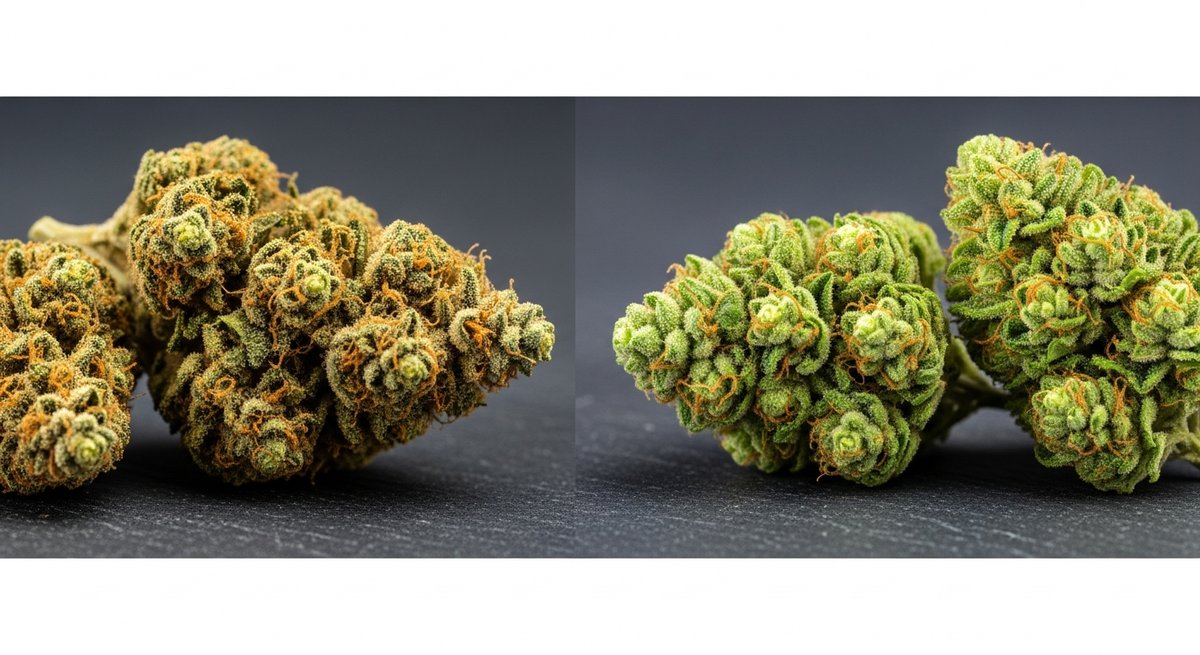
Durban Poison strains are pure sativa cultivars built for clear-headed daytime energy, while Green Crack strains are sativa-dominant hybrids known for a sharper, more buzzing focus boost. If you want a smooth, uplifting ride with earthy-sweet flavour, Durban Poison is your pick. If you need fast-acting mental drive to push through a task list, Green Crack leans harder into stimulation. Neither is a great choice for winding down at night – but understanding how they differ helps you choose the right tool for the right moment.
What Is Durban Poison Strains?
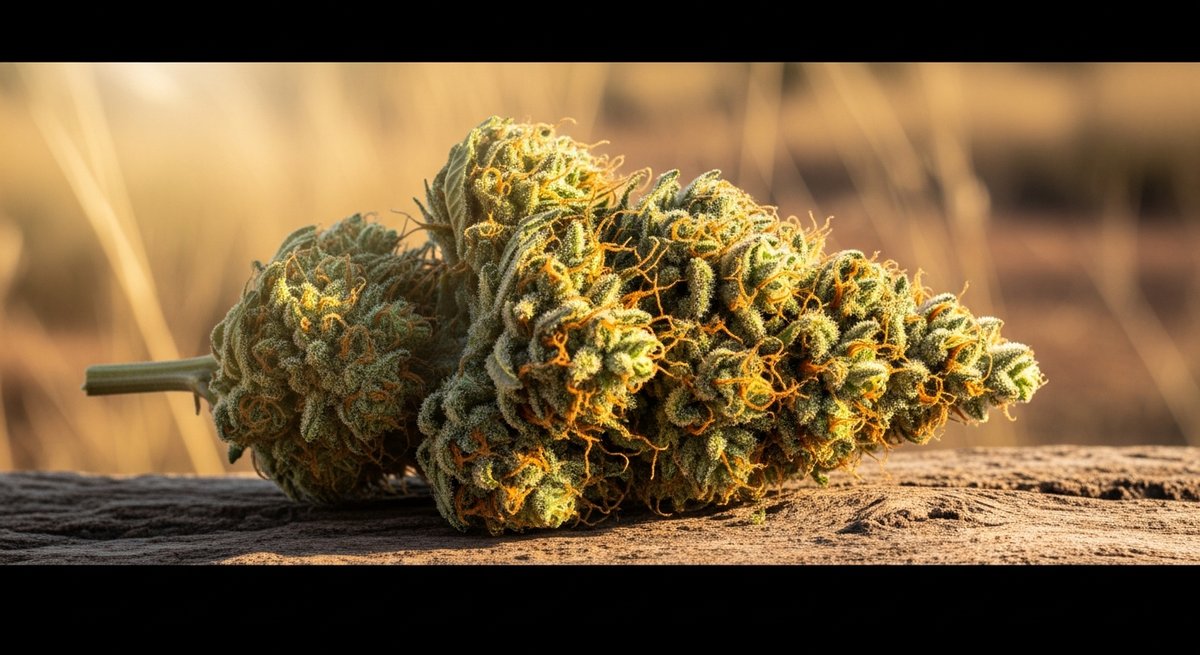
Durban Poison is a pure sativa landrace strain that originates from the port city of Durban, South Africa. Unlike most modern cultivars, it has no hybrid parentage – it developed naturally over generations in an equatorial climate, which shaped its tall structure and long flowering cycle.
THC typically lands between 15% and 20%, with CBD staying below 1%. The terpene profile is dominated by terpinolene – a fresh, floral, slightly piney compound – along with myrcene and ocimene. Together they produce a distinctive anise-and-sweet-pine aroma.
Effects are energetic and clear-headed, with many users reporting a motivated, almost meditative focus rather than racing thoughts. It tends to feel well-rounded rather than jarring. Durban Poison strains are a strong choice for outdoor activities, creative work, or social situations where you want to feel present and engaged without sedation pulling you under.
What Is Green Crack Strains?
Green Crack is a sativa-dominant hybrid, most commonly traced back to a cross of Skunk No. 1 with an Afghani indica. The indica heritage is subtle but present – it adds a small degree of body warmth beneath what is otherwise an intensely cerebral experience. Snoop Dogg is widely credited with giving it the name, though some dispensaries sell it under the alias “Green Cush.”
THC content generally ranges from 17% to 24%, making it slightly more potent on average than Durban Poison. CBD sits below 1%. Dominant terpenes include myrcene, caryophyllene – a peppery, anti-inflammatory compound – and terpinolene, which gives it an overlapping but distinctly tangier flavour. Think mango, citrus, and tropical fruit.
Many users report a fast-onset, high-energy mental buzz that sharpens focus in the short term. It can feel more intense and racier than Durban Poison, which makes dose control important – especially for anyone sensitive to anxiety. Green Crack strains are often chosen for productivity-focused daytime sessions.
Durban Poison Strains vs Green Crack Strains – Key Differences
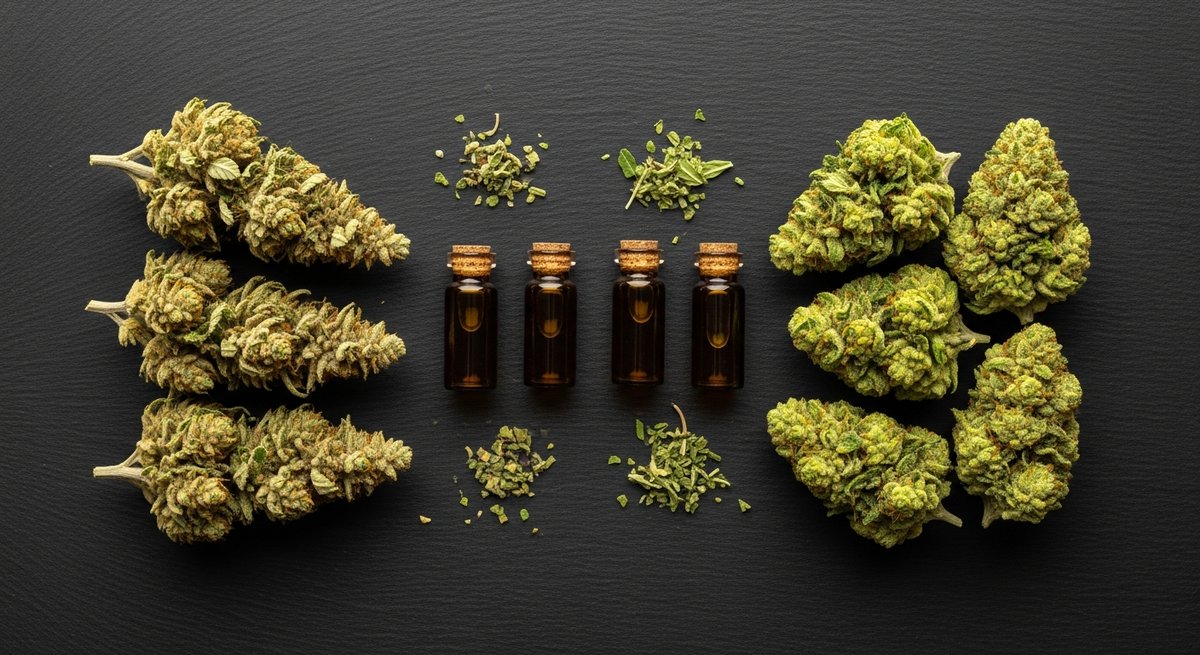
| Category | Durban Poison Strains | Green Crack Strains |
|---|---|---|
| THC% range | 15% – 20% | 17% – 24% |
| CBD% range | Below 1% | Below 1% |
| Dominant terpenes | Terpinolene, myrcene, ocimene | Myrcene, caryophyllene, terpinolene |
| Primary effects | Uplifting, clear-headed, focused | Energetic, sharp mental buzz, motivated |
| Best time of day | Morning to afternoon | Morning to early afternoon |
| Best for | Creativity, socialising, outdoor activity | Focus, productivity, task-driven work |
| Flavour profile | Sweet anise, pine, earthy | Mango, citrus, tropical fruit |
| Growing difficulty | Moderate – prefers warm, dry climates | Easy to moderate – adaptable indoors |
Effects Comparison

Both strains hit quickly – sativas typically onset within minutes of inhalation – but the character of each effect is noticeably different once you’re in it.
Durban Poison strains tend to produce a smooth, functional lift. Many users report feeling awake and cheerful without the anxious edge that higher-THC sativas can carry. The terpinolene-heavy profile may contribute to this steadier quality. Duration runs roughly two to three hours, tapering gently. It rarely feels overwhelming at moderate doses.
Green Crack strains arrive with more intensity. The energy boost many users report is sharper and more driven – less meditative, more caffeinated in character. This can be an advantage for getting through demanding tasks, but it also means the ceiling for anxiety or overstimulation is lower. Anyone prone to racing thoughts or paranoia should start with a smaller dose than usual.
Duration for both falls in the two-to-three-hour range, though Green Crack’s peak can feel more pronounced before it settles. Neither strain transitions naturally into sedation – you are unlikely to feel sleepy afterward, which is worth knowing if you consume later in the day.
Which Strain Is Better for Sleep?
Straightforwardly – neither. Both Durban Poison and Green Crack strains are stimulating sativa-leaning cultivars that evidence suggests are likely to delay sleep rather than encourage it. Consuming either close to bedtime is generally not recommended if rest is the goal.
If you are comparing the two purely on which is less disruptive to an evening wind-down, Durban Poison is the lesser of two wakeful options. Its smoother, more grounded effect profile means it is less likely to leave you wired. Green Crack, with its sharper mental stimulation and higher typical THC ceiling, poses a greater risk of keeping your mind active long past when you want it to quiet down.
For sleep specifically, indica-dominant cultivars or high-CBD strains are a much better starting point. Think along the lines of Granddaddy Purple, Hindu Kush, or a CBD-rich cultivar with calming terpenes like linalool and myrcene. Save Durban Poison and Green Crack for your morning or afternoon sessions where their energy actually works in your favour.
Buy Durban Poison and Green Crack Seeds
Ready to grow your own Durban Poison or Green Crack at home? Both strains offer unique cultivation benefits depending on your experience level and growing goals.
Durban Poison seeds are ideal for growers seeking a pure sativa with strong resilience, relatively fast flowering, and uplifting cerebral effects. This legendary landrace strain is known for its energetic high and sweet, earthy aroma.
Green Crack seeds are perfect for those wanting a high-yielding strain with citrus-forward flavors and powerful daytime effects. Green Crack is popular for vigorous growth, dense buds, and energizing effects.
Whether you prefer the focused energy of Durban Poison or the sharp mental boost of Green Crack, choosing premium genetics is essential for healthy plants and strong yields.
Browse premium cannabis seeds here: Weed.com Seeds
Where to Buy Durban Poison Strains and Green Crack Strains
Both Durban Poison strains and Green Crack strains are widely available at licensed dispensaries across legal markets. They are considered classic cultivars, so most well-stocked shops carry at least one version of each – whether as flower, pre-rolls, or vape cartridges.
When shopping, check the terpene breakdown on the label if it is available – not just the THC percentage. Two Durban Poison products from different cultivators can vary significantly in effect based on how much terpinolene survived the curing and packaging process. A lower-THC flower with a rich terpene profile will often deliver a more satisfying experience than a high-THC product with a flat one.
Browse available flower and prerolls to find either cultivar in smokeable form, or check out vapes and carts if you prefer a more controlled, portable consumption method. You can also explore the full strains hub to compare more cultivars before you decide.
Frequently Asked Questions
Is Durban Poison stronger than Green Crack?
Not typically by THC numbers. Green Crack strains often test higher, with averages reaching 20% to 24% compared to Durban Poison’s 15% to 20%. That said, THC percentage alone does not tell the full story. Durban Poison’s terpene profile – particularly its terpinolene content – produces a distinctive effect that many users find more functional and clear rather than simply more intense.
What are the effects of Durban Poison vs Green Crack?
Durban Poison strains are generally described as uplifting, clear-headed, and creatively energising – a smooth ride with good focus. Green Crack strains lean more toward sharp mental stimulation and driven, task-oriented energy. Both are daytime cultivars. Green Crack tends to feel more intense in peak effect; Durban Poison tends to feel more balanced throughout.
Which is better for sleep – Durban Poison or Green Crack?
Neither strain is a good choice for sleep. Both are stimulating sativas that evidence suggests will keep you alert rather than help you wind down. If sleep is your priority, look for indica-dominant strains with sedating terpenes like myrcene and linalool instead. Between the two, Durban Poison is marginally less disruptive in the evening, but the difference is small.
What does Durban Poison taste like compared to Green Crack?
Durban Poison has a sweet, earthy flavour with noticeable anise and pine notes – unusual and distinctive among sativas. Green Crack lands on the opposite end of the spectrum with a bright, tropical fruit profile – mango, citrus, and a slightly tangy finish. Both are considered pleasant and easy to consume, though they appeal to different flavour preferences.
Can you mix Durban Poison and Green Crack?
You can, though combining two stimulating sativas amplifies the energising effect rather than balancing it. The result is likely to feel very alert and potentially racy – not a combination suited to beginners or anyone sensitive to anxiety. If you want to experiment, start with a small amount of each and give yourself time to gauge the effect before consuming more. Mixing is generally better explored once you know how each strain affects you individually.