🚛 FREE DISCREET SHIPPING ON ALL ORDERS $49+








THCA Indica strain vs THCA Sativa strain — Which Is Right for You?
THCA Indica strain is an indica-dominant cultivar best suited for evening relaxation and winding down, while THCA Sativa strain is a sativa-dominant option better chosen for daytime energy and mental clarity. If you want sedating, full-body calm, THCA Indica strain is your pick. If you need a clear-headed lift without heavy sedation, THCA Sativa strain delivers that instead. Both are

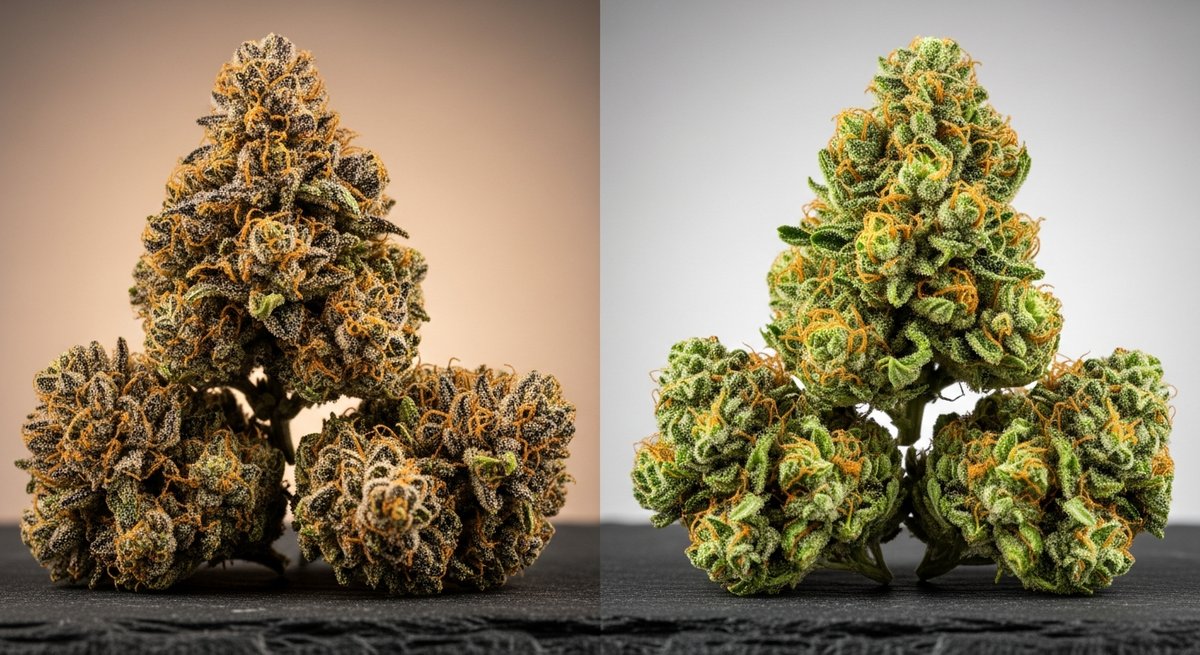
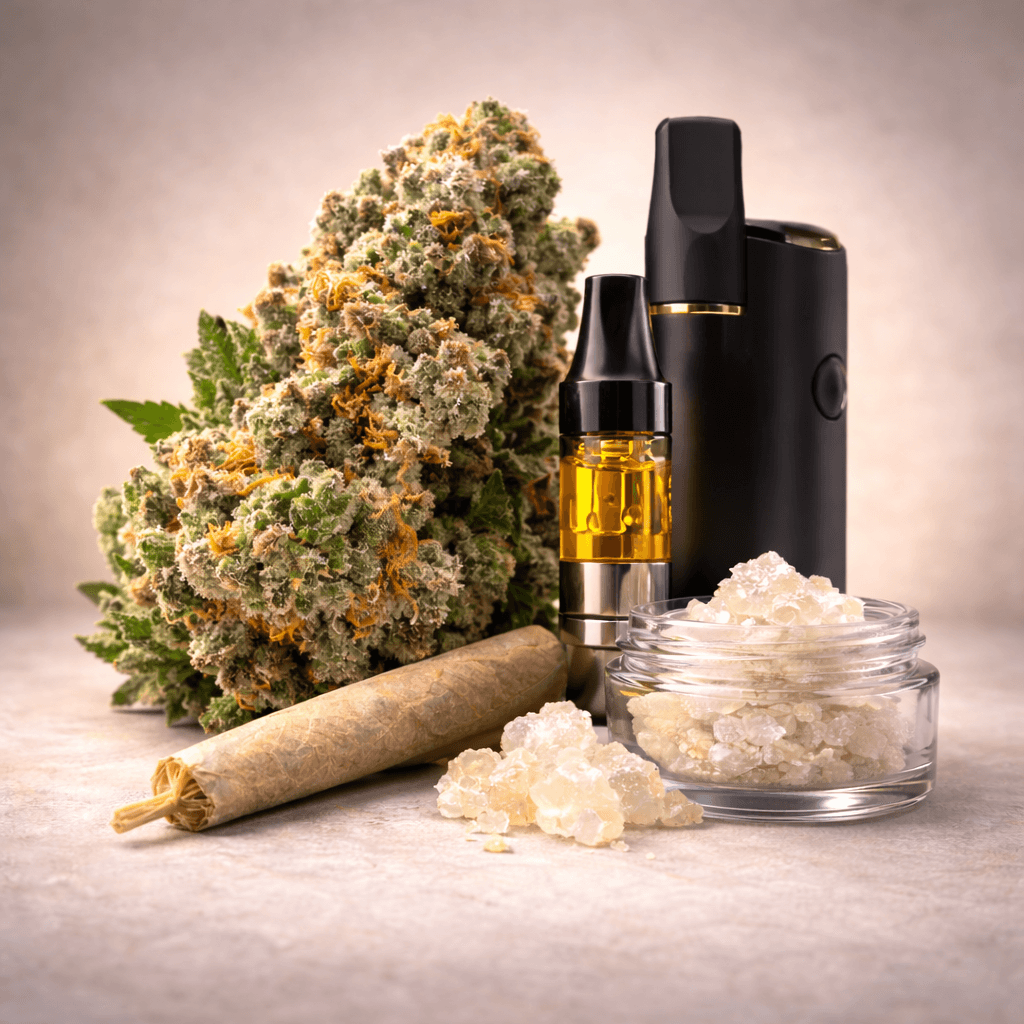
THCA Indica strain is an indica-dominant cultivar best suited for evening relaxation and winding down, while THCA Sativa strain is a sativa-dominant option better chosen for daytime energy and mental clarity. If you want sedating, full-body calm, THCA Indica strain is your pick. If you need a clear-headed lift without heavy sedation, THCA Sativa strain delivers that instead. Both are high-THCA cultivars, meaning they convert to active THC when heated – but their effects, terpene profiles, and ideal use windows differ significantly. Browse the full cannabis strains hub if you want to explore more options before deciding.
What Is THCA Indica strain?
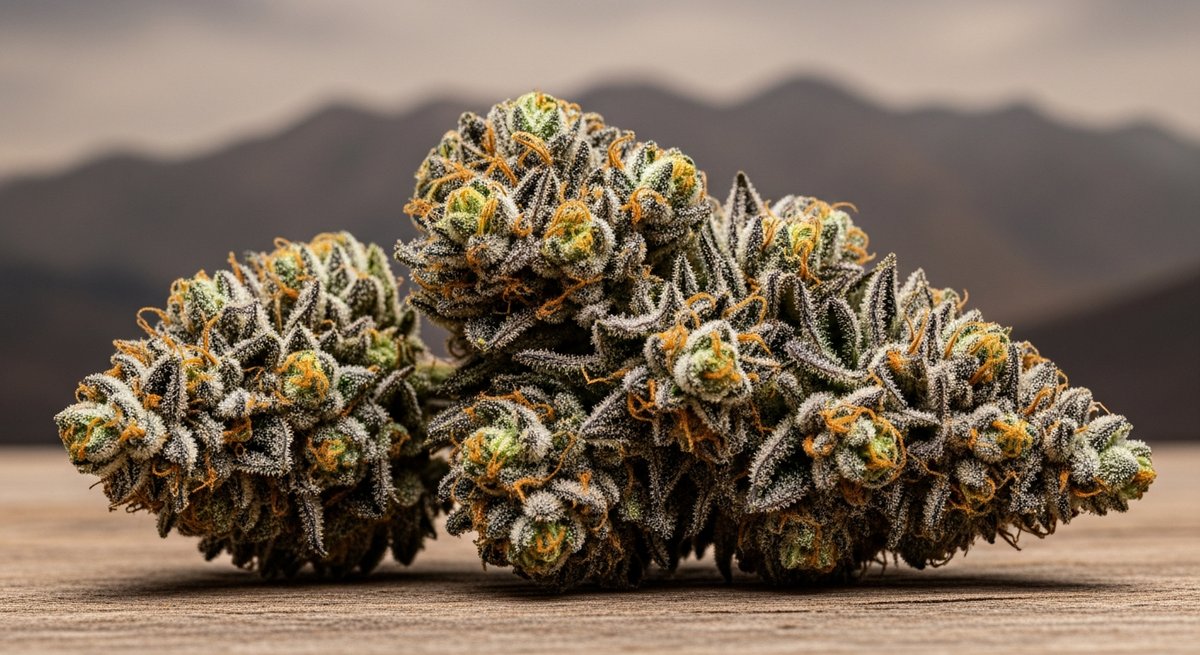
THCA Indica strain refers to high-THCA cannabis flower sourced from indica-dominant genetics. Indica lineage typically traces back to landrace cultivars from Central Asia and the Hindu Kush mountain range – plants bred for dense resin production and shorter flowering cycles.
THC content after decarboxylation commonly lands between 20% and 28%, depending on the specific cultivar and growing conditions. CBD levels are generally low, sitting under 1% in most commercially available indica flower. Dominant terpenes tend to include myrcene (associated with earthy, musky notes and sedating character), caryophyllene (peppery, potentially relaxing), and linalool (floral, calming).
Many users report a heavy, body-focused experience – physical relaxation, reduced tension, and a gradual drift toward drowsiness. THCA Indica strain is often chosen for evening use, pre-sleep routines, or any time you want to slow down rather than speed up. If you’re curious about how indica fits into the broader cultivar landscape, the guide to hybridised strains and crossbred varieties is worth a read.
What Is THCA Sativa strain?
THCA Sativa strain describes high-THCA cannabis flower grown from sativa-dominant genetics. Sativa cultivars originally developed in equatorial regions – think Central America, Southeast Asia, and parts of Africa – where long growing seasons shaped tall plants with narrow leaves and longer flower cycles.
Post-decarboxylation THC content typically ranges from 18% to 26%. CBD levels usually stay below 1%, consistent with most high-THCA sativa cultivars. Dominant terpenes lean toward terpinolene (fresh, floral, slightly fruity), limonene (citrus-forward, uplifting), and ocimene (sweet, herbal). These terpene profiles contribute to the energising character sativas are known for.
Many users report a cerebral, mood-elevating experience – increased focus, creative thinking, and a sociable energy without significant body heaviness. THCA Sativa strain is often chosen for morning or afternoon use. For a deeper look at what makes a sativa distinct, the editorial on what is a sativa strain covers the science and history well. The classic Hawaiian strain is one well-known example of sativa-leaning genetics in action.
THCA Indica strain vs THCA Sativa strain – Key Differences
The table below summarises the core distinctions between these two cultivar types at a glance.
| Feature | THCA Indica strain | THCA Sativa strain |
|---|---|---|
| THC% range | 20% – 28% | 18% – 26% |
| CBD% range | Under 1% | Under 1% |
| Dominant terpenes | Myrcene, caryophyllene, linalool | Terpinolene, limonene, ocimene |
| Primary effects | Body relaxation, sedation, tension relief | Mental clarity, energy, mood lift |
| Best time of day | Evening or night | Morning or afternoon |
| Best for | Sleep, relaxation, pain relief | Focus, creativity, energy |
| Flavour profile | Earthy, musky, sweet grape or berry | Citrus, tropical, fresh pine |
| Growing difficulty | Beginner-friendly, shorter cycle | Moderate, longer flowering time |
Effects Comparison

THCA Indica strain and THCA Sativa strain both deliver a high-potency experience once the THCA converts to THC through heat – but the character of that experience diverges quickly. Related reading: What is a Hybrid Strain?. Related reading: Temporary links.
With THCA Indica strain, many users report that onset arrives within a few minutes when smoked or vaped, starting as a warm heaviness in the limbs before spreading through the body. The experience tends to deepen over 30 to 60 minutes. Duration commonly runs two to four hours. At higher doses, sedation is a common outcome – which is why this cultivar is often chosen for nighttime use rather than daytime productivity.
THCA Sativa strain, by contrast, is frequently described as more cerebral from the start. Onset is similarly fast when inhaled, but the initial sensation many users report is a lift in mood and a sharpening of awareness rather than physical weight. Duration is comparable, though the energy-forward character tends to taper before full sedation sets in. At higher doses, anxiety is a more commonly reported side effect than with indica – so starting low matters here.
If you want help matching these effects profiles to your lifestyle, the guide on how to choose the right strain is a practical starting point.
Which Strain Is Better for Sleep?

For sleep, THCA Indica strain is the clearer choice between the two. Evidence suggests that indica-dominant terpene profiles – particularly myrcene and linalool – may support relaxation and make it easier to transition into rest. Many users report that THCA Indica strain helps them unwind physically before bed, reducing the kind of muscular tension that can interfere with sleep onset. See also: Temporary links.
THCA Sativa strain, with its stimulating terpene profile and energising character, is generally not well suited to pre-sleep use. Many users find that consuming sativa-dominant flower in the evening leads to racing thoughts or difficulty settling – the opposite of what you want before bed.
That said, cannabis affects everyone differently. If you’ve found that sedating cultivars leave you groggy the next morning, a low dose of THCA Sativa strain in the early evening may suit you better than a full indica serving. Start low, go slow, and adjust based on your own response. It’s also worth noting that neither cultivar is a substitute for addressing underlying sleep issues.
Where to Buy THCA Indica strain and THCA Sativa strain
Ready to try either cultivar? A few verified THCA products are available now through licensed channels. For THCA flower and pre-rolls, these are solid starting points:
- Bloomz THCA Flower – Hybrid – a well-reviewed high-THCA flower option for those who want versatility between indica and sativa effects.
- Blazed Exotic THCA Flower – Sativa – a strong choice if you’re leaning toward the energising, cerebral character of THCA Sativa strain.
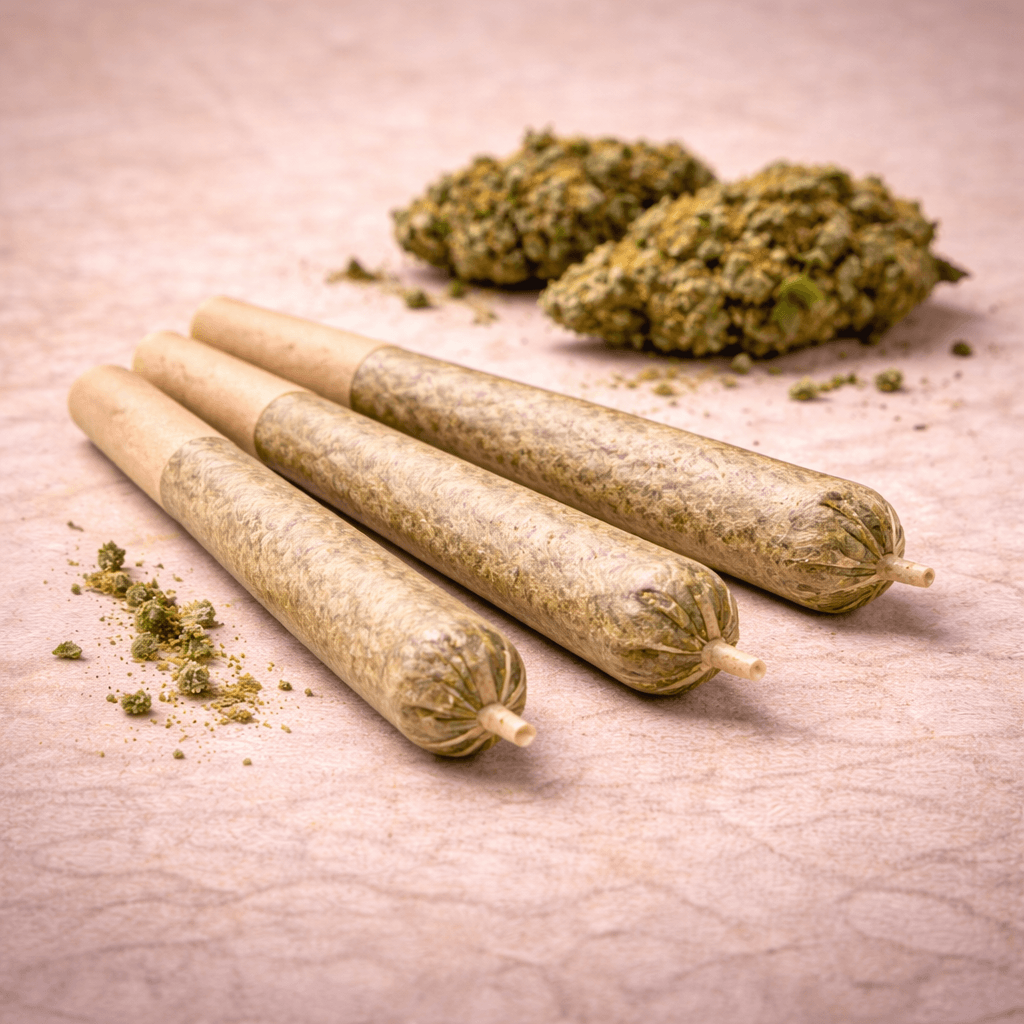
- Bloomz Exotic 2 Gram THCA Pre-Rolls – 5 Pack (Gold Line) – convenient pre-rolls for those who want a ready-to-consume format without any prep.
- Bloomz 2 Gram THCA Pre-Rolls – 5 Pack – an accessible entry point for sampling THCA flower in pre-roll form.
You can also browse the full range of flower and pre-rolls or check out vapes and carts if you prefer an inhalation method without combustion. Always purchase from a licensed dispensary and verify local laws before ordering.
Buy THCA Indica strain and THCA Sativa strain Seeds
If you grow your own, sourcing quality genetics is the first step. Whether you’re after the body-heavy character of THCA Indica strain or the energising lift of THCA Sativa strain, starting with reputable seeds makes a significant difference to your end result. Browse the cannabis seeds collection to find indica-dominant and sativa-dominant options suited to your grow setup, experience level, and climate. Indica seeds generally finish faster and stay shorter – a practical advantage for indoor growers with limited space.
Frequently asked questions
Is THCA Indica strain stronger than THCA Sativa strain?
Not necessarily. Both THCA Indica strain and THCA Sativa strain can reach similar THC percentages after decarboxylation, typically in the 18% to 28% range. THCA Indica strain may feel more intense due to its sedating, full-body effects – but “stronger” depends on what you mean. Sativa-dominant cultivars can feel overwhelming in their own way, particularly if anxiety is a concern. Potency is best judged by your personal response, not THC numbers alone.
What are the effects of THCA Indica strain vs THCA Sativa strain?
THCA Indica strain is associated with physical relaxation, body heaviness, tension relief, and sedation. Many users report it as calming and grounding. THCA Sativa strain is associated with cerebral energy, mood elevation, heightened focus, and creative thinking. The terpene profiles of each cultivar – earthy and musky for indica, citrusy and fresh for sativa – contribute significantly to these different experiences.
Which is better for sleep – THCA Indica strain or THCA Sativa strain?
THCA Indica strain is generally the better option for sleep. Its dominant terpenes – especially myrcene and linalool – are associated with calming, sedating qualities. Many users report that consuming THCA Indica strain in the evening helps them physically unwind and transition to sleep more easily. THCA Sativa strain’s energising character makes it a poor fit for pre-sleep use for most people.
What does THCA Indica strain taste like compared to THCA Sativa strain?
THCA Indica strain typically delivers earthy, musky flavours with sweet undertones – think dark berries, grape, or damp soil. THCA Sativa strain tends toward brighter, fresher notes: citrus, tropical fruit, and light pine. These differences come down to terpene composition. Myrcene dominates many indica profiles, giving that earthy base, while limonene and terpinolene push sativa flower toward the citrus and floral end of the spectrum.
Can you mix THCA Indica strain and THCA Sativa strain?
Yes, and many cultivars sold today are already crosses of indica and sativa genetics – what most people call hybrids. Mixing THCA Indica strain and THCA Sativa strain in the same session may produce a blended effect, potentially tempering the sedation of one with the energy of the other. Results vary widely by individual. If you’re curious about how breeders combine these genetics intentionally, the what is a hybrid strain guide explains the process clearly.