🚛 FREE DISCREET SHIPPING ON ALL ORDERS $49+










Best Wake-and-Bake Vapes: Strains That Won’t Knock You Out
Most people reach for cannabis in the evening. But mornings are a different story – and finding something that sharpens rather than flattens your day is genuinely tricky. The wrong cultivar before work or a morning hike will leave you foggy, slow, and reaching for a second coffee that cannot fix what THC started. The right one, though, can feel

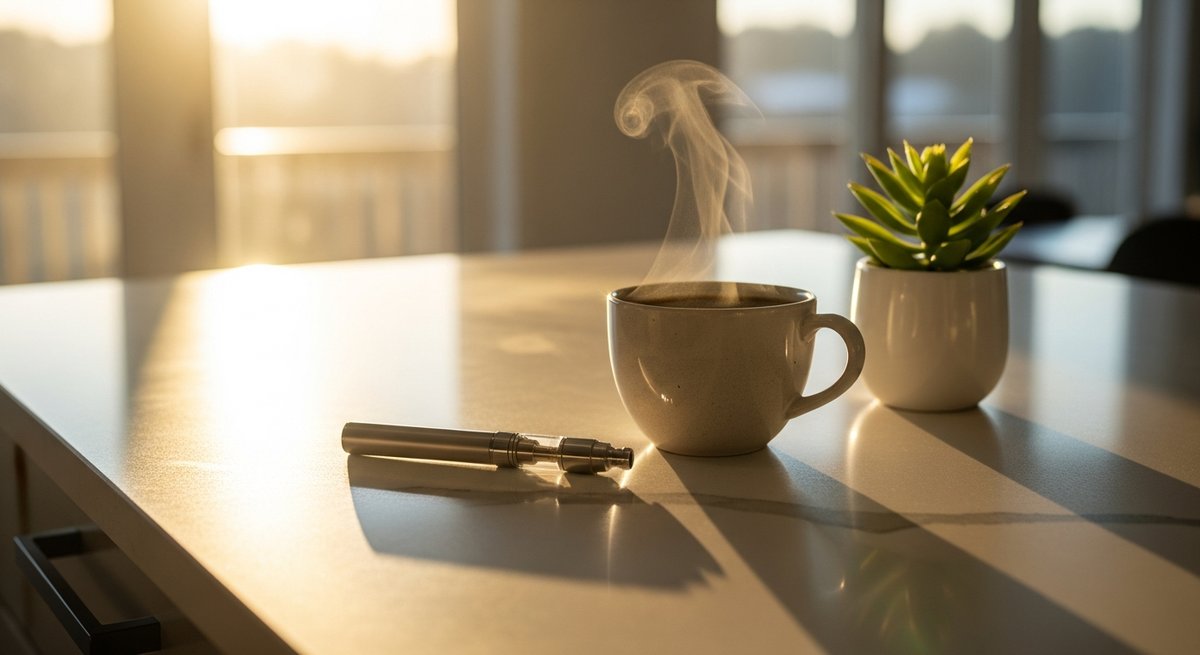
Most people reach for cannabis in the evening. But mornings are a different story – and finding something that sharpens rather than flattens your day is genuinely tricky. The wrong cultivar before work or a morning hike will leave you foggy, slow, and reaching for a second coffee that cannot fix what THC started. The right one, though, can feel like a clean ignition: focused, curious, motivated.
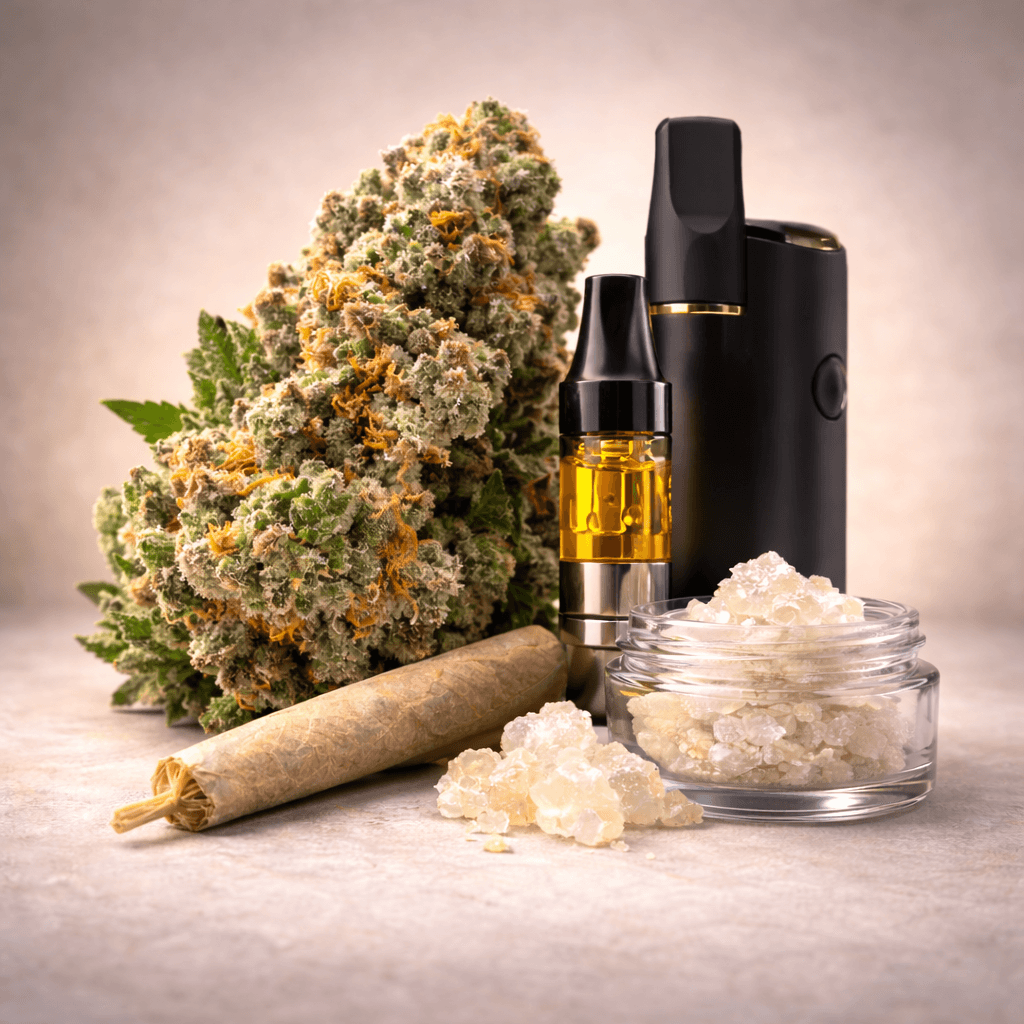
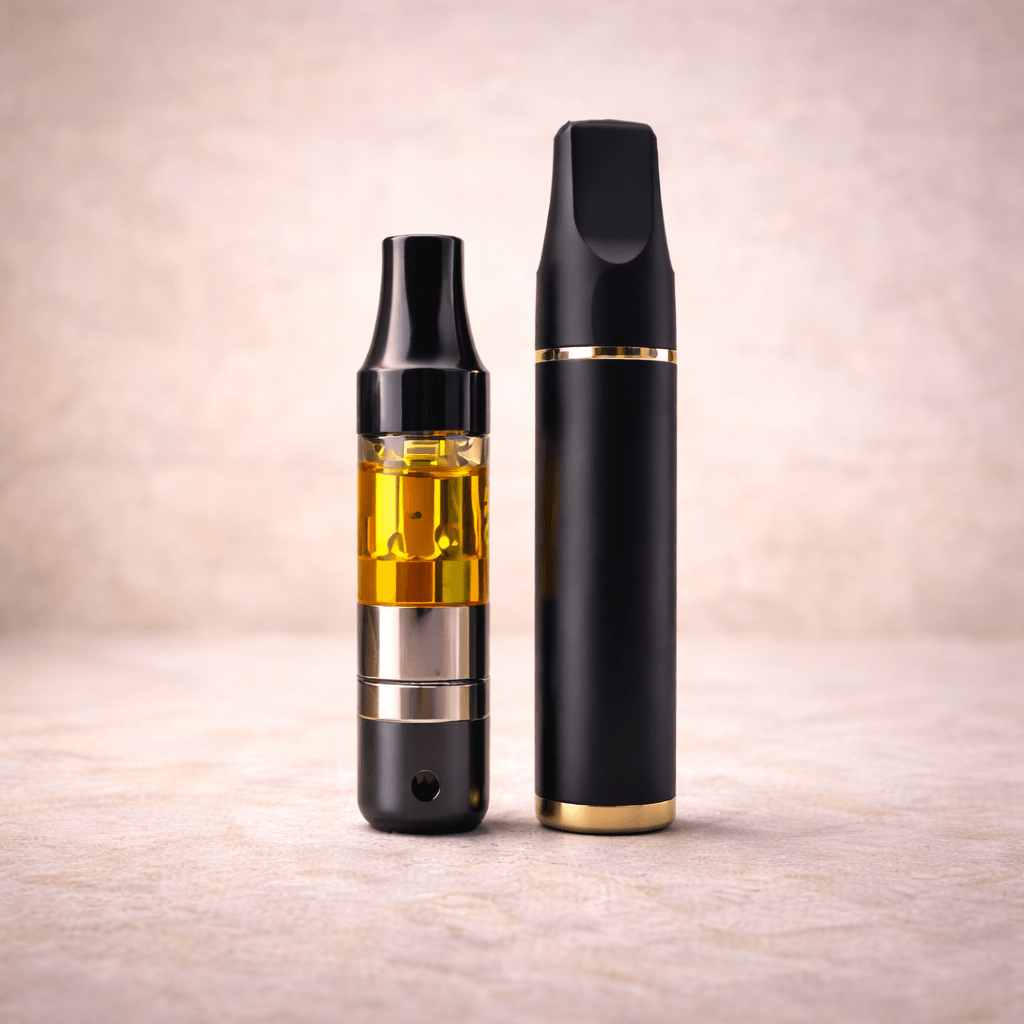
Vaping is a natural fit for morning use. Onset is fast, dosing is reasonably predictable, and there is no combustion byproduct to coat your throat before you have had breakfast. But the format is only half the equation. The cultivar – and more specifically, its cannabinoid and terpene profile – determines whether your morning session energizes or sedates you.
This guide breaks down what makes a strain genuinely suitable for wake-and-bake vaping, which terpenes to look for, how to approach dosing, and which products are worth your attention in the current market.
Why vaping works well in the morning
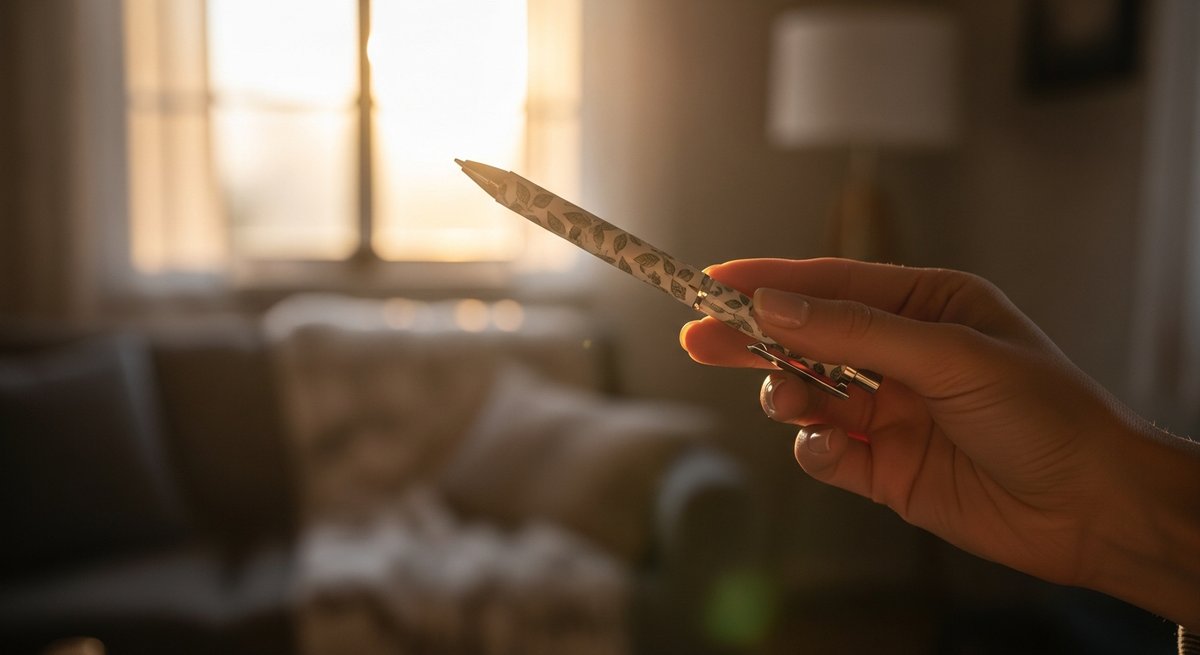
When you vape cannabis flower or oil, cannabinoids reach your bloodstream through the lungs in roughly two to ten minutes. That speed matters in the morning because you can calibrate your experience quickly, stopping after one or two draws instead of committing to a full dose upfront. Compared to an edible, which can take 45 to 90 minutes to peak, a vape puts you in control of the moment.
The duration is also shorter – typically 90 minutes to two hours for most people, compared to four to six hours from an edible. That means a morning session can be genuinely contained. You can be sharp for a noon meeting without managing a lingering high through the afternoon.
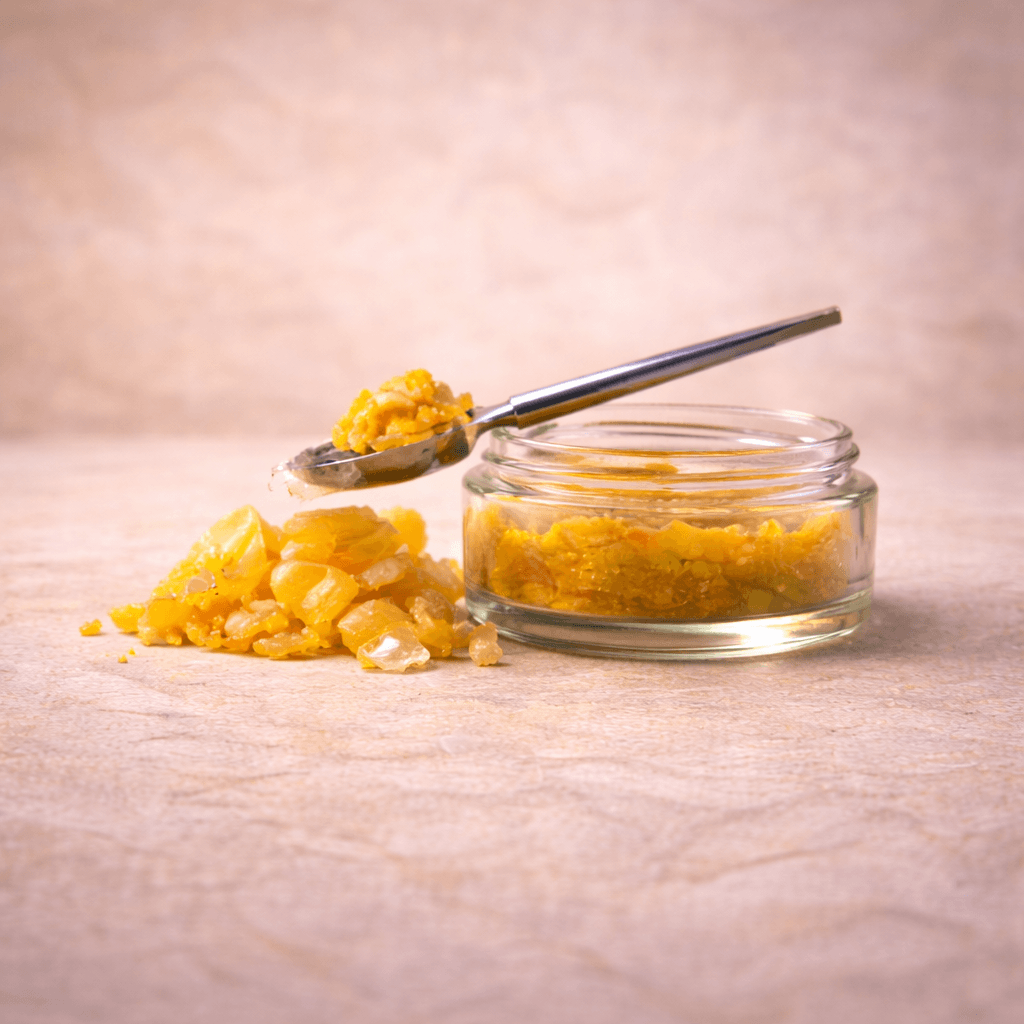
Not every vape pen or oil cartridge is equal, though. Full-spectrum and live resin products preserve a broader range of terpenes than distillate-only options, and that matters because terpenes shape the character of the effect, not just the intensity. Distillate carts may list a high THC percentage, but without the supporting terpene matrix, the experience can feel blunter and less directional than a well-preserved full-spectrum oil. If your goal is a functional, focused morning, that distinction is worth paying attention to when you browse a menu.
Terpenes that support an energizing profile
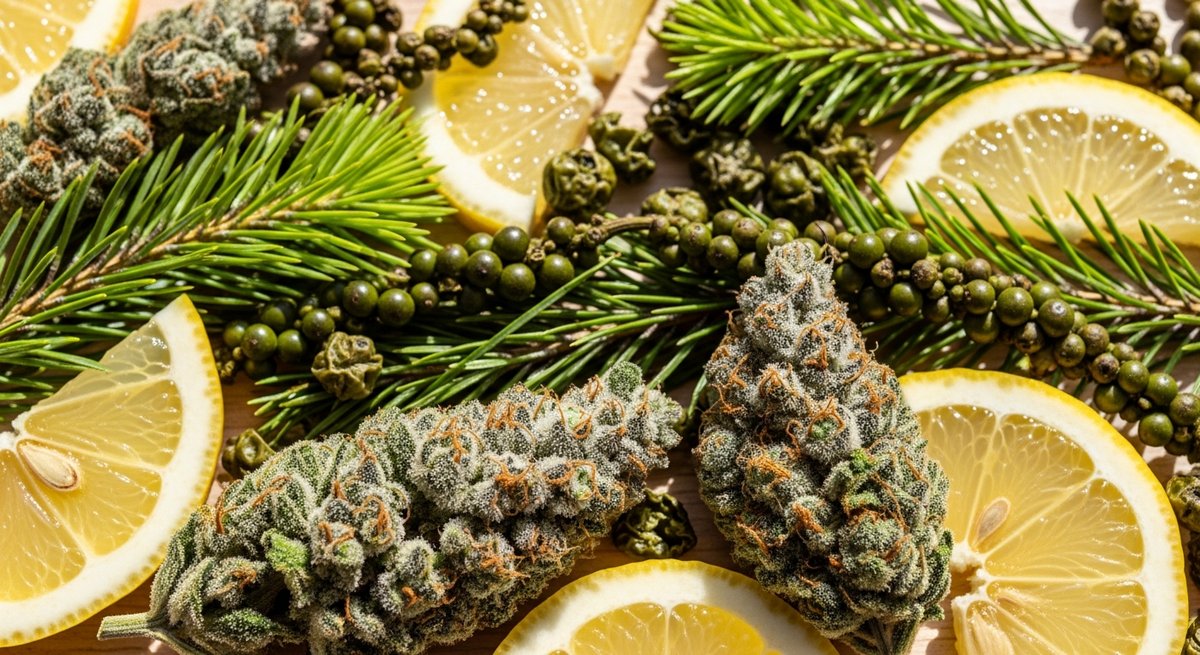
Terpenes are the aromatic compounds in cannabis that give each cultivar its distinctive smell and contribute to its overall effect profile. Research into exactly how they interact with cannabinoids is still developing, but certain terpenes appear consistently in cultivars that consumers describe as uplifting or clarifying.
Limonene has a citrus profile and is commonly found in sativa-leaning strains. Users frequently report an elevated, mood-forward effect. It appears in cultivars like Super Lemon Haze, Durban Poison, and some cuts of Jack Herer.
Pinene (specifically alpha-pinene) smells like a pine forest and is associated with mental clarity and alertness in some users. It appears in cultivars like Blue Dream and Trainwreck.
Terpinolene is a lighter, floral-herbaceous terpene found in Jack Herer and Dutch Treat. It tends to appear in strains that consumers describe as euphoric without being heavy.
Ocimene is another terpene worth flagging. It has a sweet, woody, herbaceous aroma and appears alongside terpinolene in cultivars like Durban Poison and some Clementine cuts. Consumers consistently describe ocimene-present strains as bright and uplifting, making it a useful secondary marker when reading a lab COA (certificate of analysis) for a morning-oriented product.
By contrast, myrcene – the earthy, musky terpene dominant in indica-heavy cultivars like OG Kush or Granddaddy Purple – is the one you want to limit in the morning. High myrcene content tends to produce the body-heavy, couch-leaning effect that is excellent at night and counterproductive at 8 a.m.
Strains worth knowing for morning sessions
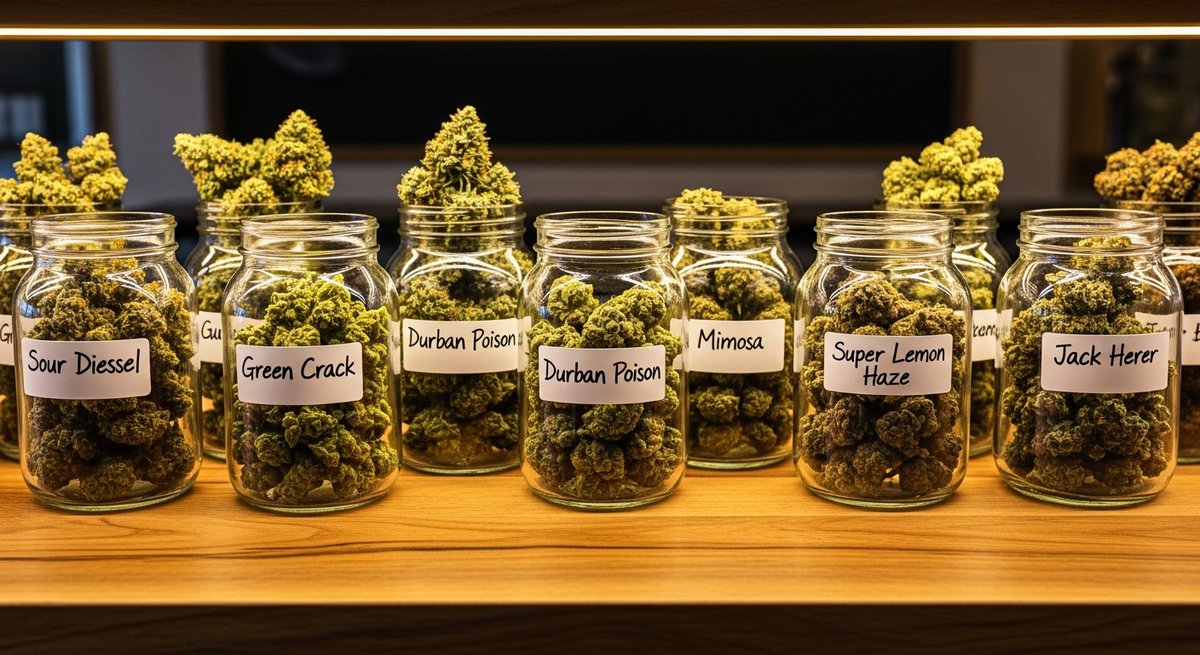
The following cultivars come up repeatedly in consumer reports and dispensary conversations about energizing daytime use. None of these are guarantees – individual response varies – but the terpene logic is sound for each one.
Durban Poison
Durban Poison is a pure sativa landrace from South Africa with a terpinolene and ocimene-forward profile. It is consistently cited as one of the most functional daytime strains available. Expect a clear-headed, buzzy effect that pairs well with physical activity or creative work. If your licensed dispensary carries it as a live resin cart, that format best preserves its aromatic signature.
Jack Herer
Jack Herer is a classic sativa-dominant hybrid with a spicy-pine nose driven by terpinolene and caryophyllene. The effect profile leans focused and slightly euphoric without producing the anxious edge that some high-THC sativas can trigger. It has been a morning staple for decades for good reason.
Green Crack
Green Crack has a reputation for being one of the most sharply energizing cultivars in the market. Its limonene and myrcene balance leans heavily toward citrus, and the effect is often described as mentally stimulating. It can push the edge for people sensitive to THC-related anxiety, so starting with a single draw is sensible advice here.
Blue Dream
Blue Dream sits in a softer zone – a sativa-dominant hybrid with a blueberry-herbal terpene profile dominated by myrcene and pinene. The myrcene is there, but it is balanced by the sativa genetics in a way that most consumers find gentle and approachable rather than sedating. It is a good entry point if you are new to morning use or lower in tolerance.
Trainwreck
Trainwreck is a sativa-dominant hybrid with a pungent lemon-pine aroma driven largely by terpinolene and pinene. Its effect tends to hit quickly with an initial cerebral rush that levels off into steady mental energy. Because the onset can feel intense, it rewards conservative dosing – one short draw and a ten-minute assessment window works well as a starting approach.
Expert Insight
Dr. Alexander Tabibi
Dr. Alexander Tabibi
One concern that comes up around regular cannabis use – including morning sessions – is its potential effect on cognition. A 2018 systematic review and meta-analysis of 69 studies found a small overall effect on cognitive functioning in cannabis users (effect size d=-0.25). Crucially, that effect dropped to non-significant after 72 or more hours of abstinence (d=-0.08), suggesting that acute and residual effects rather than permanent deficits account for much of the signal.
For adults using cannabis intentionally and occasionally in the morning, this is a useful framing: the cognitive footprint of a session appears to be short-lived in most users. That does not eliminate the need for sensible dosing, but it does push back against the idea that any morning use automatically impairs the entire day.
Scott et al. (2018). Association of Cannabis With Cognitive Functioning in Adolescents and Young Adults: A Systematic Review and Meta-analysis. JAMA Psychiatry, 75(6):585-595. PMID: 29710074
Dosing for function, not impairment
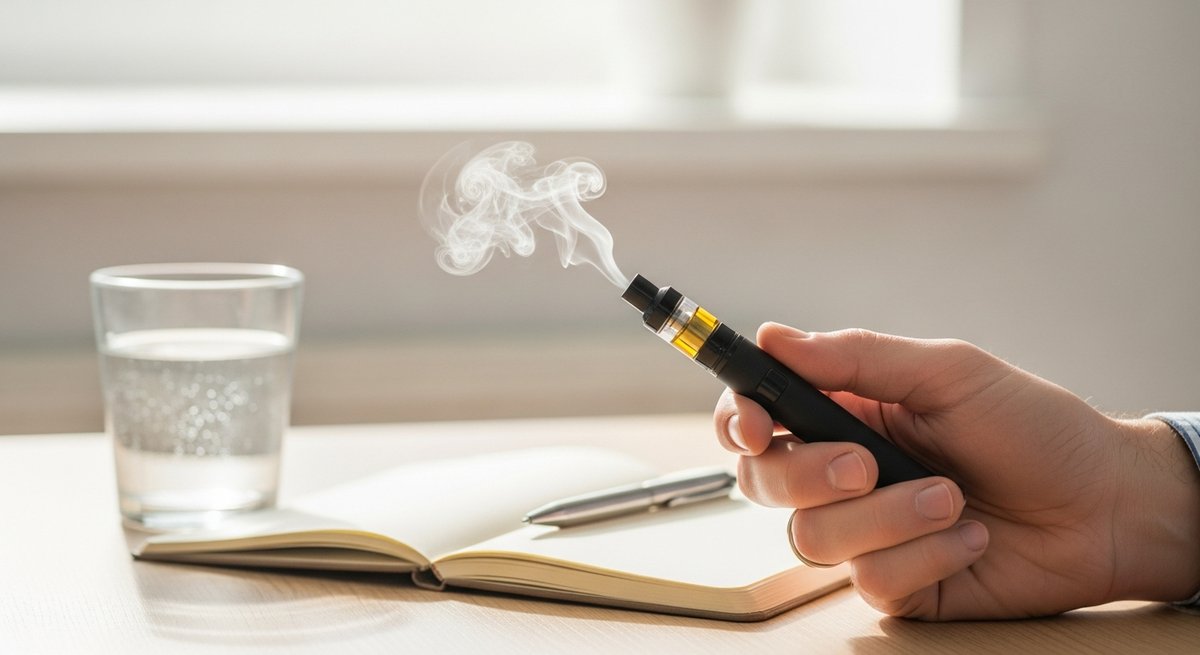
The phrase “start low, go slow” is standard advice for a reason, and it applies especially to morning use when you need some degree of cognitive function for the rest of the day. A single, short draw from a 510 cartridge or disposable pen is a reasonable starting point for most adults. Wait at least ten minutes before taking a second.
Tolerance plays a significant role in how a morning session feels. Someone who uses cannabis regularly will experience a different profile from the same product than someone who uses it occasionally. If you are finding that even low doses feel sedating, rotating cultivars – or taking a few days off – can reset sensitivity meaningfully.
It also helps to eat something light before or alongside a morning session. Cannabis on a completely empty stomach can intensify the subjective experience in unpredictable ways, and a small amount of food may smooth the onset curve for people who find mornings particularly sensitive. This is not a universal rule – some users prefer fasted sessions – but it is worth experimenting with if your morning sessions feel harsher than expected.
For context on morning anxiety: strains high in THC without a balancing CBD or terpene profile can amplify anxious thinking. If that is your experience, leaning toward products with a modest CBD presence or a caryophyllene-dominant profile may soften that edge. For a broader look at how cultivar selection and anxiety interact, the vapes and strains most associated with anxiety relief are worth reviewing before you build your morning rotation.
THCA flower and morning sessions
THCA (tetrahydrocannabinolic acid) is the raw, non-psychoactive precursor to THC. When heated – through vaping or smoking – it converts to THC through a process called decarboxylation. What you end up consuming is functionally equivalent to THC flower purchased from a licensed dispensary in a legal state.
The reason THCA products appear in the hemp-derived market is legal: raw THCA flower complies with the federal 0.3% delta-9 THC threshold on a dry-weight basis. This means you can find sativa-leaning THCA cultivars through online retailers, which opens access for consumers in states where adult-use dispensaries are not yet available.
If you are curious about growing your own sativa-leaning cultivars rather than purchasing finished products, a practical overview of choosing the best cannabis strains to grow covers how to match genetics to your environment and goals.
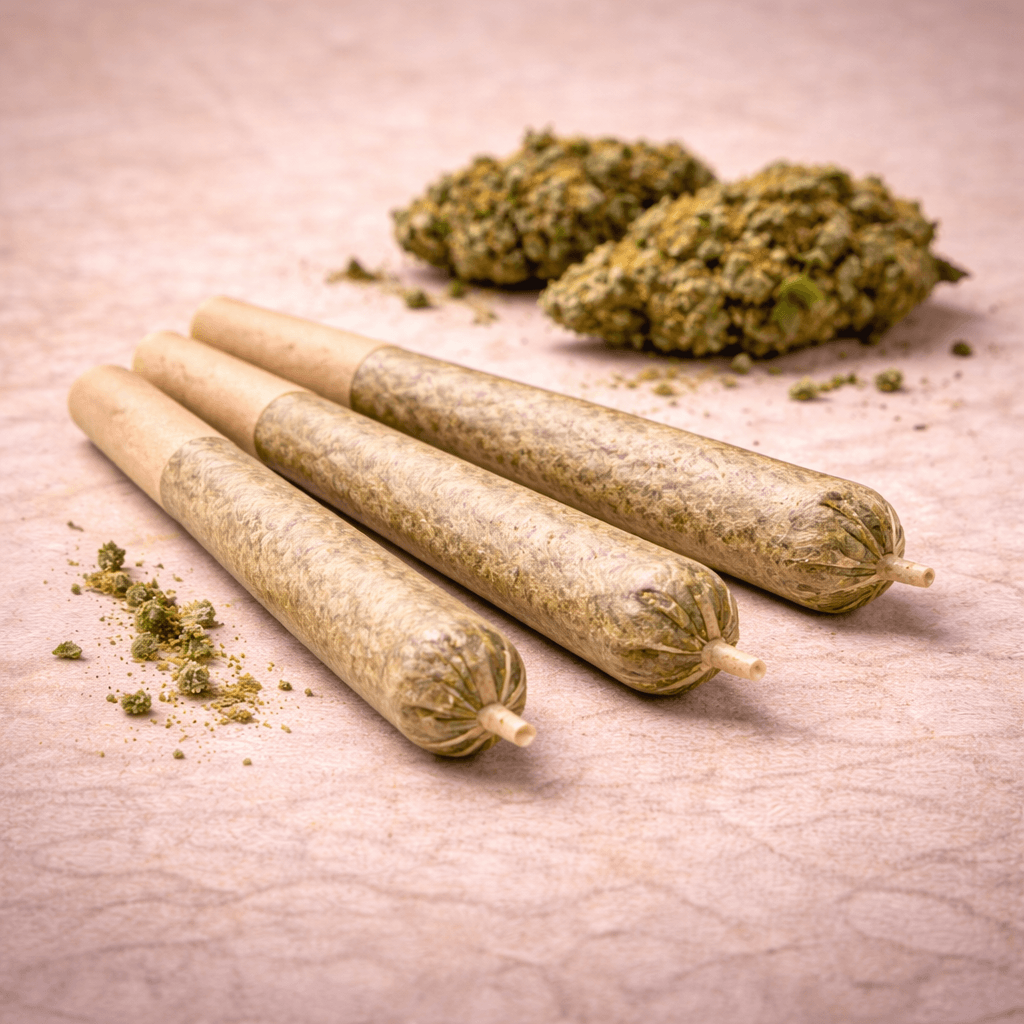
For those who prefer flower over a pre-filled cartridge, sativa-leaning THCA options are worth exploring in a dry herb vaporizer set to a lower temperature (around 170-185°C / 338-365°F). Lower temperatures favor terpene expression and a lighter, more functional high compared to higher-heat combustion. Running your vaporizer at the lower end of that range is particularly useful when the goal is clarity rather than peak intensity – the vapor is thinner, the terpene character comes through more distinctly, and the ceiling on the experience is lower.
Products to consider
When you are shopping for a morning vape, format and fill type matter as much as the strain name on the label. Disposable dual-chamber devices let you switch between two cultivar profiles mid-session, which is a useful feature if your morning starts with focused work and ends with a walk. The Cookies line is a relevant example here – the dual-chamber format and trusted brand genetics make it a practical starting point for exploring morning-friendly profiles.
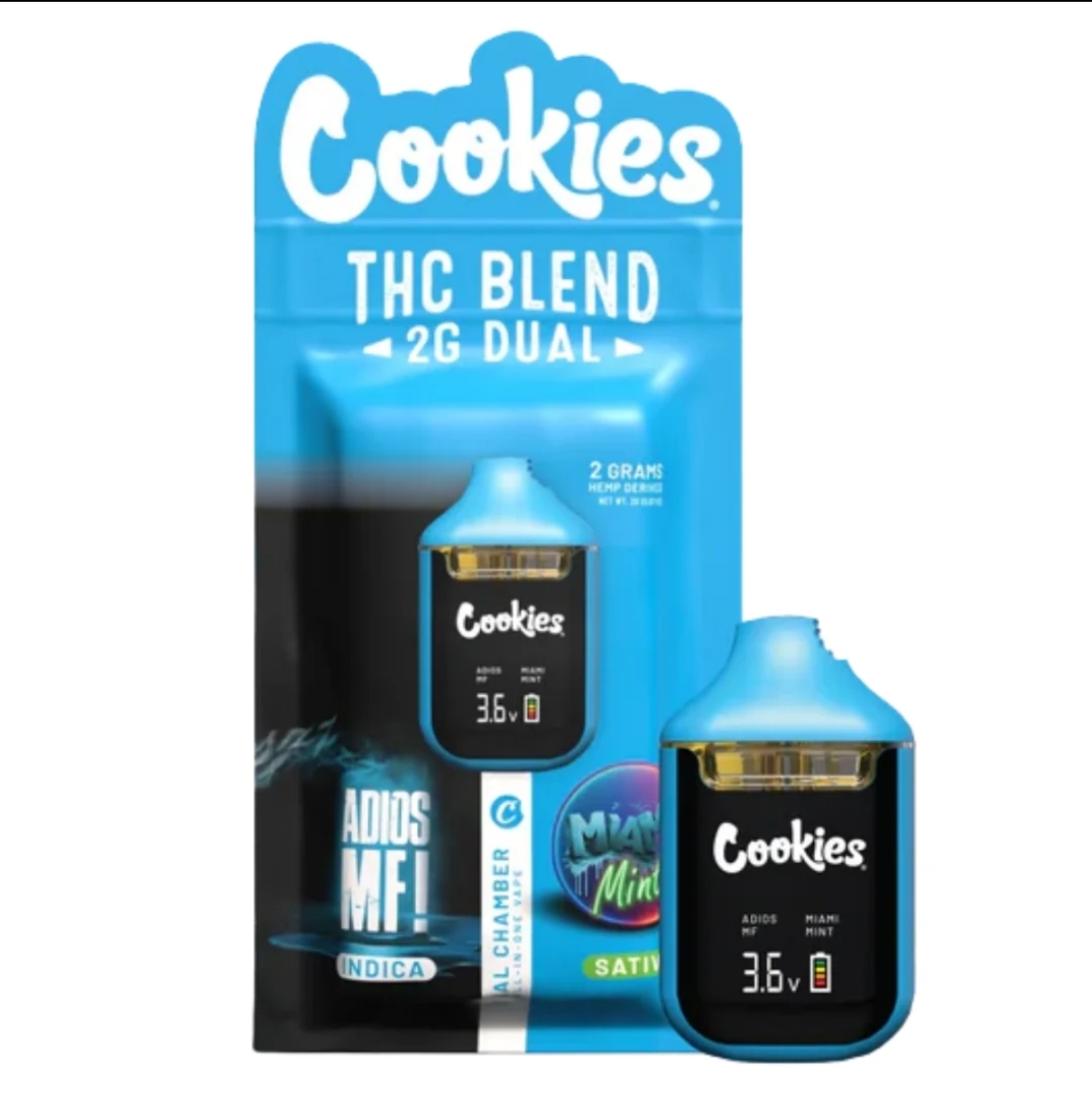
Cookies 2G Dual Chamber Vape – Adios MF! & Miami Mint
Two-chamber disposable with distinct cultivar profiles – good for switching between morning modes
If you prefer to use a dry herb vaporizer with your own flower, sativa-leaning THCA options give you more control over cultivar selection. Blazed’s exotic sativa THCA flower is one option suited to this approach – it is designed for consumers who want to pair a specific genetic profile with their own hardware rather than using a pre-filled pen.
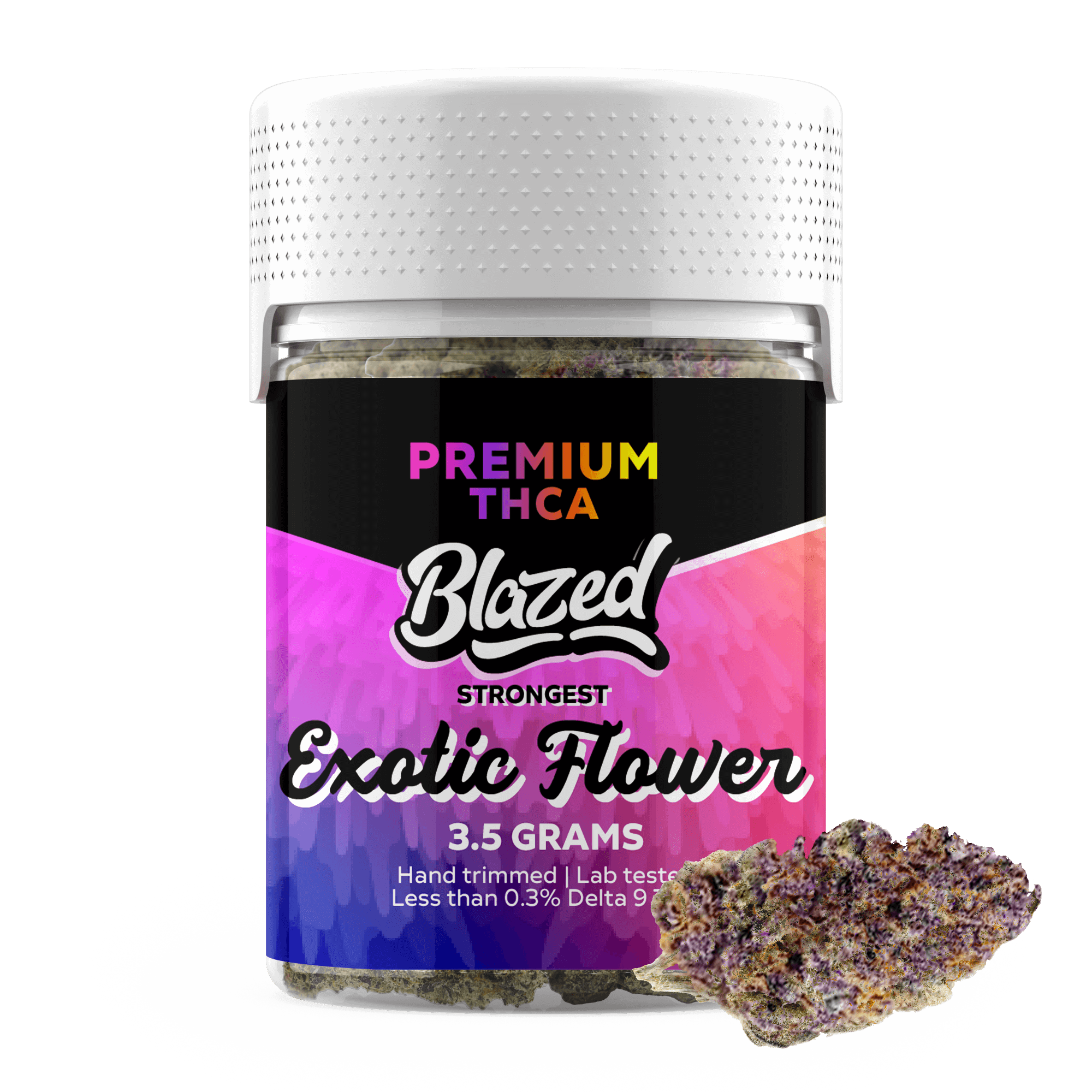
Blazed Exotic THCA Flower – Sativa
Exotic sativa-leaning THCA flower for dry herb vaporizers – pairs well with low-temperature morning sessions
FAQs
What are the best wake-and-bake vape strains?
Popular wake-and-bake vape strains include Durban Poison, Green Crack, Jack Herer, Sour Diesel, Super Lemon Haze, and Maui Wowie. These strains are known for their uplifting, energetic, and mentally stimulating effects.
Will a wake-and-bake vape make me sleepy?
Not usually. Choosing a sativa or energizing hybrid with terpenes like limonene and pinene can help support alertness and focus, while avoiding the heavy body effects often associated with indica strains.
What should I look for in a morning vape?
Look for strains with moderate THC levels, citrus or pine-forward terpene profiles, and effects described as energetic, focused, creative, or uplifting. Live resin vapes can also provide a fuller cannabinoid and terpene experience.
Is wake-and-bake suitable for beginners?
It can be, but beginners should start with one or two small puffs and wait several minutes before consuming more. Morning tolerance is often lower, so it’s best to begin with a low dose.
Which terpenes are best for daytime vaping?
Limonene, pinene, and terpinolene are commonly associated with daytime-friendly effects such as mental clarity, alertness, and an elevated mood.
Sources
Scott et al. (2018). Association of Cannabis With Cognitive Functioning in Adolescents and Young Adults: A Systematic Review and Meta-analysis. JAMA Psychiatry, 75(6):585-595. PMID: 29710074
Important Notice
Cannabis affects individuals differently. If you have a history of anxiety, panic disorder, or other mental health conditions, consult a qualified healthcare provider before using any cannabis product. This article is for informational purposes only and does not constitute medical advice. If you experience severe anxiety, chest pain, difficulty breathing, or feel you are in crisis, call 911 or go to your nearest emergency room immediately.
For adults 21+ only. Cannabis laws vary by state. This content is intended for informational purposes only and does not constitute medical or legal advice. If you are experiencing a medical emergency, call 911 or go to your nearest emergency room immediately.