🚛 FREE DISCREET SHIPPING ON ALL ORDERS $49+










Limonene-Heavy Carts: Why This Terpene Powers Your Day
You reach for a vape cartridge mid-afternoon, hoping for clarity and a lift without the fog. But not every cart delivers that. The difference often comes down to one aromatic compound found in lemon rinds, juniper berries, and certain cannabis cultivars: limonene. Understanding how this terpene works – and why its concentration in a cartridge actually matters – can help

You reach for a vape cartridge mid-afternoon, hoping for clarity and a lift without the fog. But not every cart delivers that. The difference often comes down to one aromatic compound found in lemon rinds, juniper berries, and certain cannabis cultivars: limonene. Understanding how this terpene works – and why its concentration in a cartridge actually matters – can help you choose more intentionally and feel the results you are actually looking for.
What limonene actually is
Terpenes are the aromatic compounds that give plants their distinctive scents. In cannabis, they are produced in the same glands that produce cannabinoids, and they contribute meaningfully to how a cultivar feels and smells. Limonene is a monoterpene with a clean, bright citrus aroma. You have encountered it in every lemon peel you have ever zested.
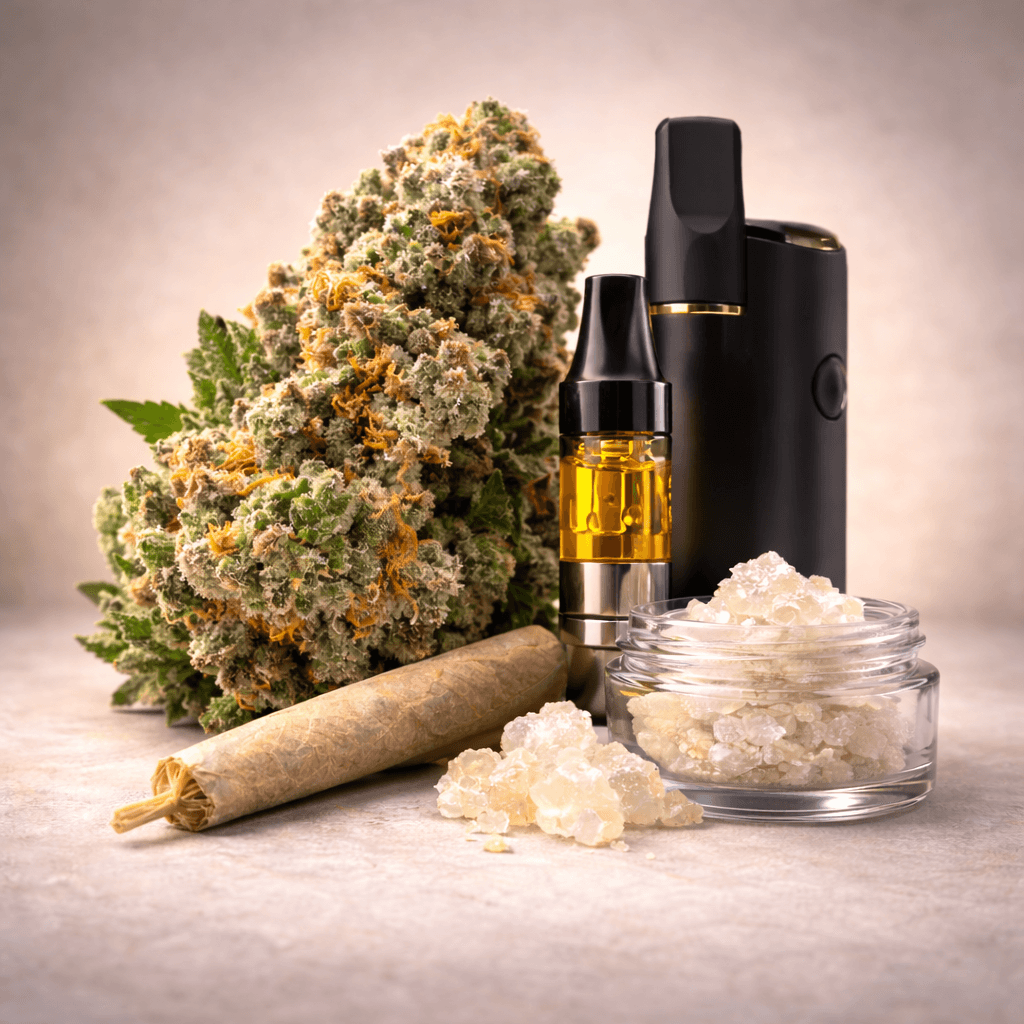
In cannabis flower and extracts, limonene appears most prominently in cultivars bred for uplifting effects – think Tangie, Super Lemon Haze, and Lemon Skunk. When those cultivars are processed into vape oil, a well-made extraction preserves the terpene profile, including limonene, so you get that citrus character in every draw.
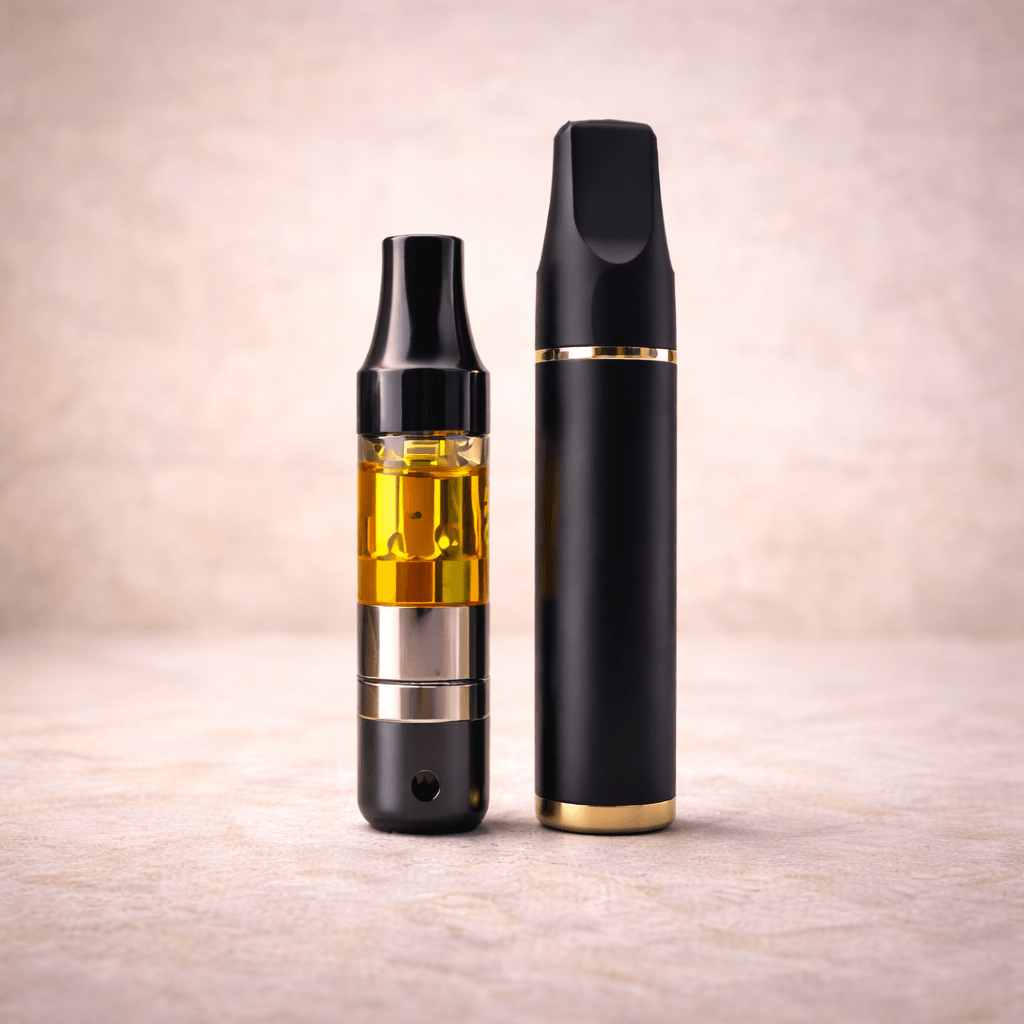
Not all cartridges retain their natural terpenes. Cheaper distillate carts are often stripped of everything except cannabinoids, then have food-grade or botanical terpenes reintroduced. That is not inherently bad – it just means you are reading the label differently. Look for words like “live resin,” “full-spectrum,” or “strain-specific terpenes” to know whether the limonene in your cart came from the plant itself.
Beyond cannabis, limonene is one of the most abundant terpenes found in nature. It is used as a flavoring agent in food, a fragrance component in cleaning products, and even a solvent in industrial settings. Its wide presence across consumer goods speaks to its generally recognized safety profile, though inhaling any compound in concentrated form carries considerations distinct from dietary exposure. That distinction is worth keeping in mind when evaluating vape products specifically.
How limonene may contribute to an energizing experience

The reputation limonene carries for mood elevation is not purely anecdotal. Research in aromatherapy settings suggests it may influence serotonin and dopamine pathways, though most of this work is preliminary and conducted outside of cannabis contexts. What matters for your cartridge is the broader picture: limonene appears to work alongside cannabinoids rather than in isolation.
This is where the entourage effect becomes relevant. The idea is that cannabinoids and terpenes together produce a different experience than cannabinoids alone. A THC distillate cart without terpenes delivers psychoactivity, but one with a robust limonene profile may feel more wakeful and less sedating. For daytime use, that distinction is significant. If you want to go deeper on which terpenes actually show up in vape oil and why, the breakdown of terpene profiles in delta 8 vape cartridges walks through the most common compounds and how they shape the effect.
It is also worth noting that the energizing associations attached to limonene are not universal across users. Cannabis response is highly individual, shaped by genetics, tolerance, set, and setting. For most people, a limonene-dominant cart with moderate THC lands in a functional, alert range during daylight hours – but that is an observed pattern, not a pharmacological certainty. Treat it as a useful starting point rather than a predictive formula.
A 2018 comprehensive review evaluated the individual medicinal properties of cannabinoids, terpenes, and flavonoids in cannabis. Evidence from that review suggests terpenes like limonene do not operate as passive flavor compounds – they may interact with cannabinoid pathways in ways that shape the overall effect of a given formulation.
The same review notes that synergistic entourage effects between these compounds are a meaningful consideration in strain-specific breeding and product formulation. That complexity is part of why two carts with identical THC percentages can feel noticeably different when their terpene fingerprints differ.
Baron et al. (2018). Medicinal Properties of Cannabinoids, Terpenes, and Flavonoids in Cannabis, and Benefits in Migraine, Headache, and Pain: An Update on Current Evidence and Cannabis Science. Headache, 58(7):1139-1186. PMID: 30152161
Reading a limonene-forward cart label
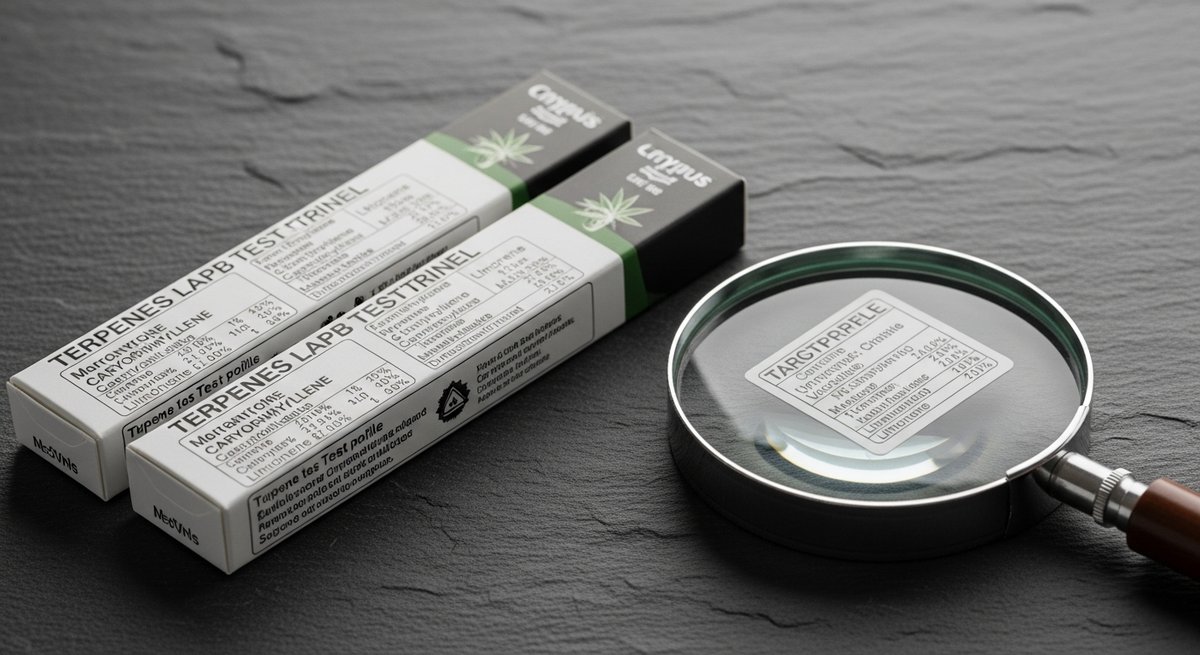
Labels on cannabis cartridges vary in how much detail they include. A high-quality product from a licensed dispensary or a reputable hemp brand will typically list at least the total cannabinoid content, and sometimes a terpene breakdown. When limonene is listed first or second in the terpene panel, that cart is designed around its profile.
A 2018 quality analysis of commercially available CBD oil preparations found significant variability between declared and actual cannabinoid content, and pointed to terpene fingerprinting as a more reliable quality indicator. The lesson carries over to cartridges: a brand that publishes its terpene panel, including limonene percentage, is giving you more usable information than one that lists only THC.
What you want to see on a limonene-heavy cart:
- Limonene listed as the primary or secondary terpene
- Strain name associated with citrus or lemon descriptors (Tangie, Lemon Haze, Citrus Cookies)
- Certificate of analysis (COA) from a third-party lab confirming terpene content
- Extraction method that preserves terpenes (live resin or full-spectrum)
- No added artificial flavoring that might mask a thin terpene profile
One underused habit among cart shoppers is scanning the QR code printed on the packaging. Many reputable brands link directly to the batch-specific COA, which shows not just cannabinoid content but the complete terpene panel with percentage breakdowns. If a brand does not offer that level of transparency, it is reasonable to ask why – or to choose one that does.
Expert Insight
Dr. Alexander Tabibi
Dr. Alexander Tabibi
A 2018 quality analysis of European commercial CBD oil preparations tested fourteen products and found that nine showed cannabinoid concentrations that differed notably from their declared amounts. The review proposed the terpene fingerprint as a more reliable quality marker than cannabinoid content alone.
That finding has practical implications for cart buyers. A brand that transparently publishes terpene data, including limonene percentage verified by a third-party lab, is providing meaningful quality signals. Evidence from this analysis suggests standardized terpene profiling should be a baseline expectation, not a premium feature.
Pavlovic et al. (2018). Quality Traits of ‘Cannabidiol Oils’: Cannabinoids Content, Terpene Fingerprint and Oxidation Stability of European Commercially Available Preparations. Molecules, 23(5). PMID: 29783790
Limonene in the context of delta 8 and hemp-derived carts
Hemp-derived cannabinoid carts – including delta 8 THC, delta 10 THC, and THCA – have made limonene-forward options widely available outside of traditional dispensary markets. Because these products are sold as hemp under federal law, terpene sourcing and labeling practices vary more than in licensed cannabis markets. That makes the COA even more important when you are shopping online.
Delta 10, in particular, is frequently paired with citrus terpene profiles because its reported effects lean toward the energetic end of the spectrum. If you are curious about where delta 10 products can legally be purchased in your state, the overview of delta 10 THC legality by state is worth checking before you buy.
When shopping for a delta 8 cart that leads with limonene, the Tangie cultivar is one of the most reliable profiles to look for. Tangie is well-established for its high limonene expression, and several hemp brands have built recognizable products around it. For shoppers who want a daytime-oriented delta 8 cart with verified terpenes, Binoid’s Tangie cartridge is a concrete example of that category done well.
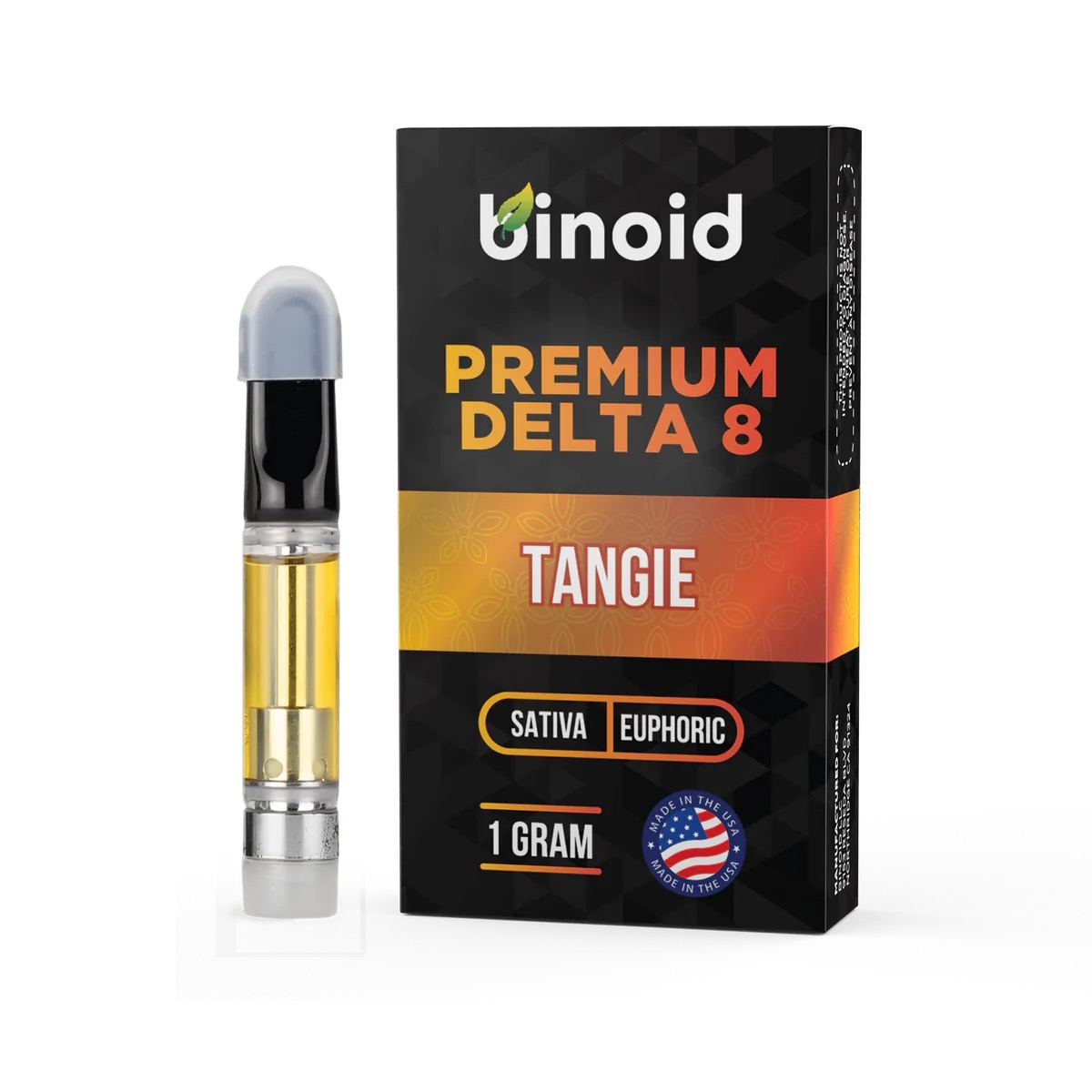
Binoid Delta 8 THC Vape Cartridge – Tangie
Limonene-forward delta 8 cart built on the Tangie cultivar profile for a bright, daytime draw
Comparing limonene to other daytime terpenes

Limonene is not the only terpene associated with uplifting effects, but it is one of the most consistent. Pinene (the compound behind the fresh pine forest smell) also carries energizing associations and may support alertness. Terpinolene, found in cultivars like Jack Herer, has a similar bright, cerebral character.
Myrcene tends to pull in the opposite direction – it is the most common cannabis terpene and is associated with heavier, more sedating effects. A cart with myrcene as its dominant terpene is unlikely to deliver the kind of clarity you want during a productive afternoon. Caryophyllene sits somewhere in between, with research pointing toward anti-inflammatory properties rather than stimulating or sedating character.
If you are building a personal framework for terpene-informed cart selection, it helps to treat limonene as a directional signal rather than a guarantee. Individual body chemistry, cannabinoid type, and concentration all interact with terpene content. Starting with a low dose and noting your response gives you more useful data than any label alone.
Some shoppers find it helpful to keep a brief log when trying a new cart – strain name, dominant terpene, cannabinoid type, voltage setting, and how they felt one hour later. After three or four entries, patterns often emerge that make future selections much more reliable. This kind of personal data is ultimately more predictive than any generalized claim about what a terpene “does.”
When limonene pairs with different cannabinoids
The cannabinoid base of your cart shapes how limonene’s character comes through. In a THC-dominant cart, limonene may help soften the anxious edge that higher THC percentages can bring, steering the experience toward a more functional headspace. In a CBD-dominant or balanced cart, limonene adds brightness without the psychoactive component.
For those who are new to cannabis products or who are exploring alternatives to THC-heavy options, the effects of CBD edibles and what drives them is useful context for understanding how cannabinoid base determines the overall feel of a product.
Multi-chamber vape products that combine distinct cultivar oils in one device offer another way to explore terpene pairing. Cookies, a brand known for cultivar precision, produces dual-chamber disposables that let you draw from two different profiles separately or blend them. If you want to experiment with how a limonene-rich side interacts with a contrasting terpene profile in the same session, a dual-chamber format makes that straightforward.
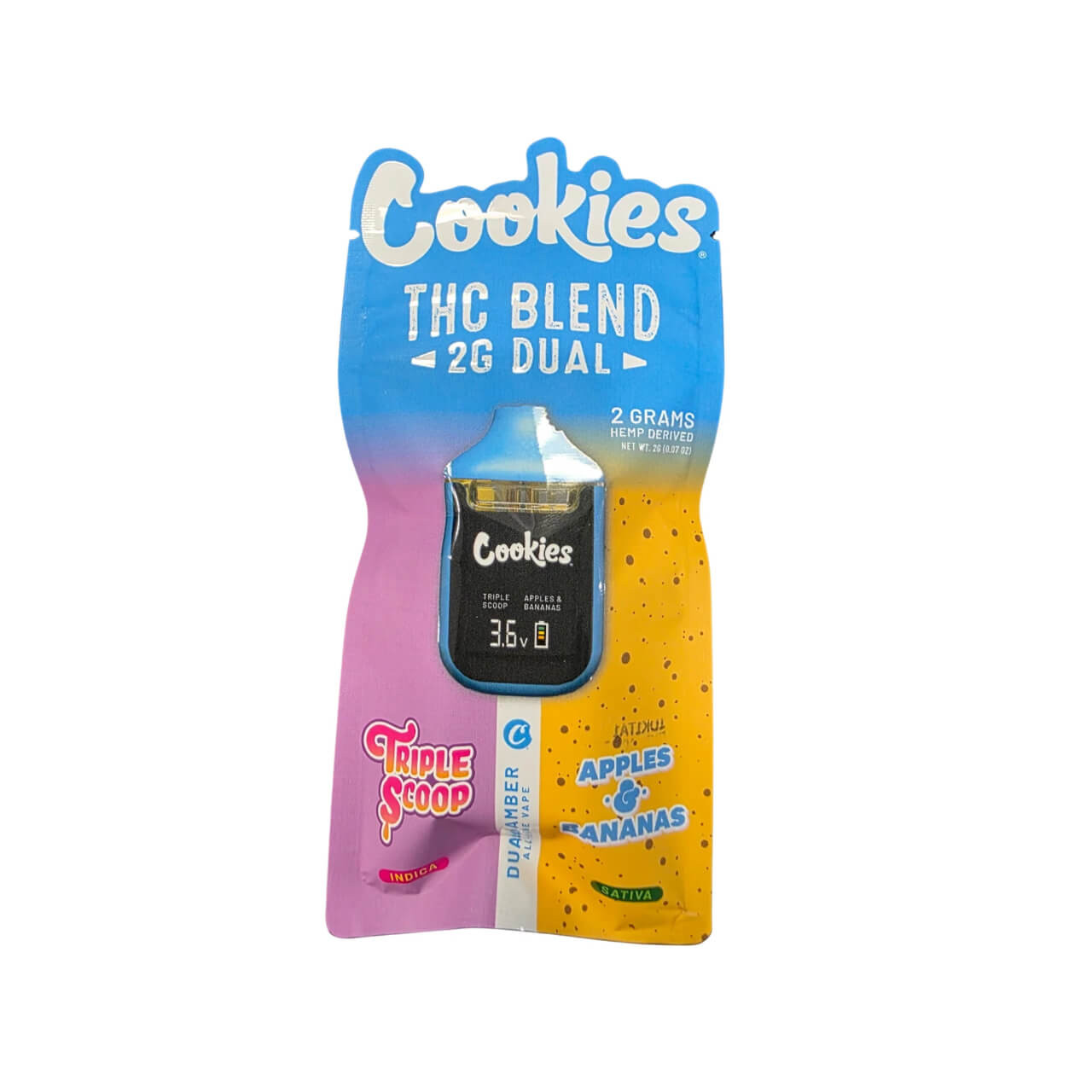
Cookies 2G Dual Chamber Vape – Triple Scoop & Apples and Bananas
Two distinct cultivar profiles in one 2G device – draw separately or blend terpene expressions in a single session
Practical tips for getting the most from a limonene cart
Terpenes are sensitive to heat. Vaping at extremely high temperatures can degrade limonene before it reaches you, leaving you with cannabinoid effects but a diminished terpene contribution. Most limonene-forward carts perform better at lower voltage settings – typically in the 2.4 to 2.8 volt range if your battery allows adjustment. Slower, shorter draws also help preserve the aromatic profile.
Storage matters too. Terpenes oxidize over time, especially when exposed to light and fluctuating temperatures. Keeping your cart upright, away from direct sunlight, and at a stable room temperature extends the life of the terpene profile. A cart left in a hot car loses terpene integrity faster than one stored in a drawer or cool bag.
Timing your use with intention is another practical lever. A limonene-dominant cart used first thing in the morning on an empty stomach will hit differently than the same cart used after a meal during a creative work session. Neither context is wrong, but being aware of the variable helps you interpret your own responses more accurately and adjust accordingly over time.
FAQs
What is limonene?
Limonene is a naturally occurring terpene found in citrus fruits and many cannabis strains. It gives cannabis its bright, citrus aroma and is commonly associated with uplifting daytime effects.
Why are limonene-heavy carts popular?
Many consumers choose limonene-rich carts because they often deliver a refreshing, energetic experience that may promote a positive mood, mental clarity, and creativity.
Does limonene make you feel energized?
Limonene itself isn’t a stimulant like caffeine, but many users report that limonene-rich cannabis products feel more uplifting and motivating, especially when paired with sativa or balanced hybrid strains.
Which cannabis strains are high in limonene?
Common limonene-rich strains include Super Lemon Haze, Durban Poison, Jack Herer, Wedding Cake, Mimosa, and Tangie. Actual terpene content varies by grower and product.
Is limonene better for daytime or nighttime use?
Limonene is generally considered better suited for daytime or afternoon use because of its bright, uplifting profile. However, the overall effects depend on the full cannabinoid and terpene profile of the cart.
Sources
Baron et al. (2018). Medicinal Properties of Cannabinoids, Terpenes, and Flavonoids in Cannabis, and Benefits in Migraine, Headache, and Pain: An Update on Current Evidence and Cannabis Science. Headache, 58(7):1139-1186. PMID: 30152161
Pavlovic et al. (2018). Quality Traits of ‘Cannabidiol Oils’: Cannabinoids Content, Terpene Fingerprint and Oxidation Stability of European Commercially Available Preparations. Molecules, 23(5). PMID: 29783790
Important Notice
Cannabis affects individuals differently. If you have a history of anxiety, panic disorder, or other mental health conditions, consult a qualified healthcare provider before using any cannabis product. This article is for informational purposes only and does not constitute medical advice. If you experience severe anxiety, chest pain, difficulty breathing, or feel you are in crisis, call 911 or go to your nearest emergency room immediately.
For adults 21+ only. Cannabis laws vary by state. This content is intended for informational purposes only and does not constitute medical or legal advice. If you are experiencing a medical emergency, call 911 or go to your nearest emergency room immediately.