🚛 FREE DISCREET SHIPPING ON ALL ORDERS $49+








The Beginner’s Guide to Cannabis Microdosing (2025 Edition)
Introduction Cannabis has historically been defined by potency: stronger strains, higher THC percentages, more intense edibles, and the pursuit of the “perfect high.” But in the last few years, a major shift has taken place, driven by health-conscious consumers, professionals, and people looking for functional benefits without impairment. That shift is microdosing — using very small, controlled amounts of cannabinoids

Published on: December 1, 2025
Introduction
Cannabis has historically been defined by potency: stronger strains, higher THC percentages, more intense edibles, and the pursuit of the “perfect high.” But in the last few years, a major shift has taken place, driven by health-conscious consumers, professionals, and people looking for functional benefits without impairment. That shift is microdosing — using very small, controlled amounts of cannabinoids to achieve subtle improvements in mood, focus, pain relief, anxiety management, and sleep.
Microdosing isn’t about “getting high.” In fact, it’s the opposite. It’s about tapping into the therapeutic effects of cannabis while remaining fully functional, clear-headed, and grounded. Whether you’re trying cannabis for the first time, returning after a long break, or simply looking to lower your tolerance, microdosing offers a gentle, science-supported pathway to improved wellness.
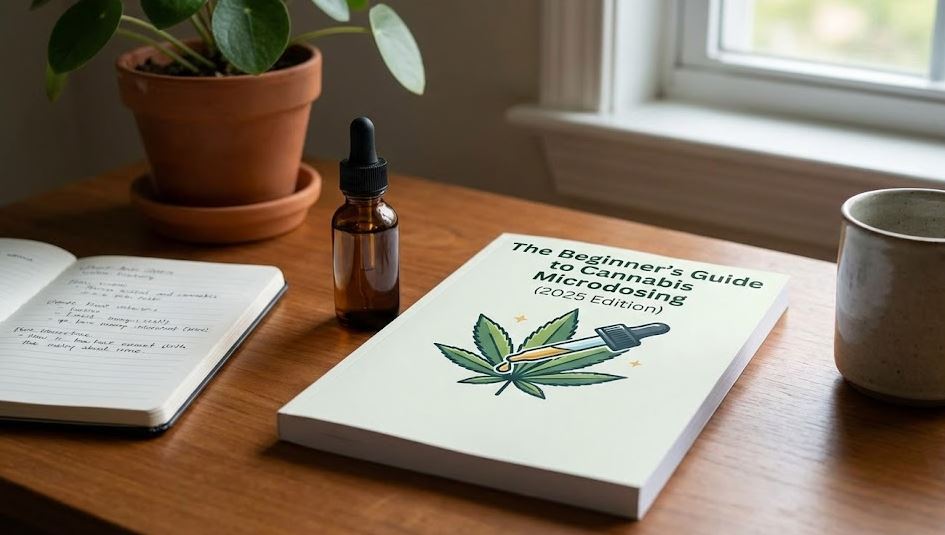
The Beginner’s Guide to Cannabis Microdosing (2025 Edition) breaks down everything beginners need to know — what microdosing is, how it works, how to dose correctly, what benefits to expect, how long effects last, what products to use, and how to troubleshoot your routine. By the end, you’ll feel confident enough to start your own microdosing plan safely and effectively.
What Microdosing Is (Science Explained Simply)
Microdosing cannabis means taking the smallest possible amount of THC or other cannabinoids that can produce a positive effect without making you feel high. Instead of aiming for noticeable intoxication, the goal is subtle enhancement — a calmer mood, improved focus, gentler anxiety levels, or mild pain relief — all while remaining completely functional and clear-headed.
To understand the difference, it helps to compare typical recreational dosing with a microdose. A standard THC experience might involve 5–10 mg edibles, a full vape session, or several hits from a joint, all of which are designed to produce strong psychoactive effects. Microdosing looks nothing like that. It involves 1–2 mg of THC, a single tiny puff from a vape, a pinch of low-THC or THCA flower, or just half a dropper of a balanced THC:CBD tincture. These doses are so low that most people don’t feel “stoned” at all — yet they still notice meaningful shifts in mood, tension, creativity, or emotional balance.
The purpose of these small doses is to lightly stimulate the endocannabinoid system (ECS) — the biological network that regulates your mood, sleep, appetite, pain perception, immune response, and overall sense of equilibrium. When activated gently, the ECS helps promote calmness, clearer thinking, emotional stability, reduced pain, improved focus, and smoother sleep transitions. Microdosing aims for these benefits without pushing the body into impairment.
Why tiny doses work so well
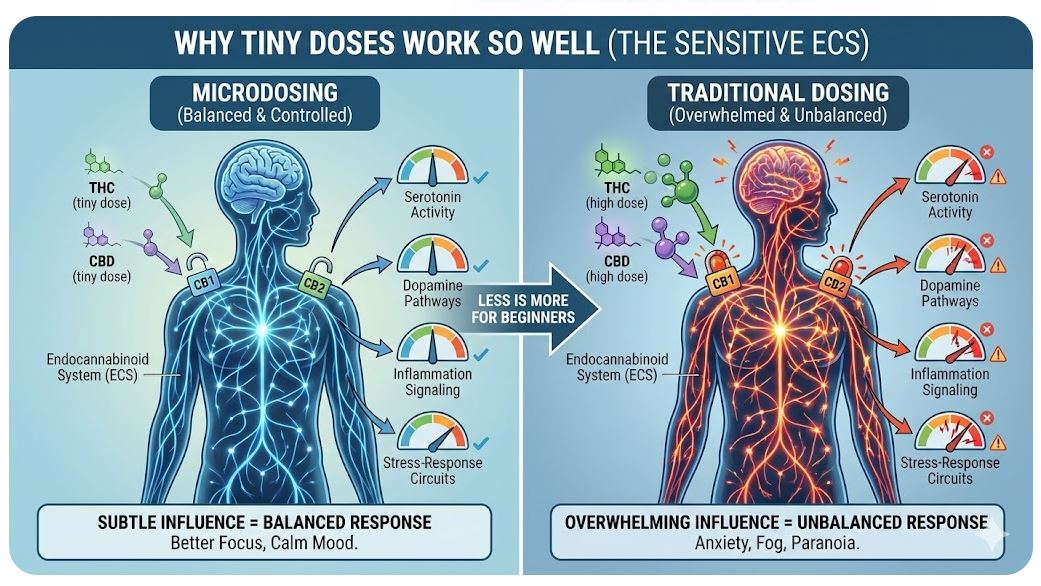
The ECS is extremely sensitive. THC and CBD don’t just interact with CB1 receptors in the brain and CB2 receptors in the body — they subtly influence serotonin activity, dopamine pathways, inflammation signaling, and stress-response circuits. When you consume cannabis in small amounts, these systems respond in a balanced, controlled way. Higher doses, however, can overwhelm the ECS and lead to anxiety, paranoia, grogginess, or mental fog. That’s why many beginners actually get better results with microdosing than with traditional dosing.
If you’d like, I can expand this into a visual comparison table, scientific diagram explanation, or real-user example scenarios.
Why Microdosing Is Becoming So Popular
The microdosing trend exploded between 2020 and 2025, and for good reason.
1. People want results without getting high
Many don’t want to feel intoxicated — especially professionals, parents, and older adults.
2. Cannabis products have become too strong
Modern THC flower regularly tests at 25–35% THC, and vapes exceed 80–90%. Microdosing provides control.
3. It improves functionality
People use microdoses during the day to:
-
work
-
study
-
exercise
-
socialize
-
manage chronic conditions
without losing clarity.
4. It’s easier on tolerance
Microdosing slows tolerance buildup, allowing cannabis to remain effective longer.
5. It’s medically efficient
Many conditions respond better to lower doses, including:
-
anxiety
-
inflammation
-
ADHD
-
chronic pain
-
migraines
This is known as the “inverted U-curve” — where the best effects occur at medium-low doses, not high ones.
Effects, Benefits & Use Cases of Microdosing
Microdosing isn’t just a “mild version” of cannabis — its effects often feel different, cleaner, and more refined.
1. Anxiety Reduction
Small THC doses can quiet the mind, stabilize emotional swings, and reduce social or generalized anxiety without producing paranoia — a common issue with high doses.
2. Improved Focus & Creativity
Low THC levels enhance dopamine signaling and cognitive flexibility, helping:
-
stay motivated
-
enter creative flow states
-
reduce procrastination
-
support ADHD-like symptoms
Many professionals and artists use microdosing as a productivity tool.
3. Mood Enhancement
Users often describe feeling:
-
lighter
-
more patient
-
more positive
-
less irritable
Because microdoses modulate serotonin systems gently, without mood crashes.
4. Pain Relief & Inflammation Control
Chronic pain sufferers often find small doses reduce pain without sedation. It’s especially useful for:
-
joint pain
-
menstrual pain
-
migraines
-
inflammation
-
neuropathic discomfort
5. Sleep Support
Microdoses in the evening help transition into sleep by calming the nervous system — especially when paired with CBD or CBN.
6. Tolerance Resetting
Microdosing helps break dependence on high doses. Over time, it “re-sensitizes” CB1 receptors, making cannabis feel effective again.
Safety, Risks, and Important Considerations
Microdosing is one of the safest ways to use cannabis, but beginners should keep a few things in mind.
Start low — really low
For many people, 1 mg is enough to feel relaxation. Starting too high defeats the purpose.
Avoid mixing with alcohol
Alcohol amplifies THC and can turn a microdose into a very different experience.
Be patient
Microdoses can take 15–60 minutes to fully “show up,” depending on form.
Know your environment
First-time microdosers should try it in a calm, familiar setting.
Understand personal sensitivity
Everyone’s ECS is different — body weight, metabolism, hormones, and tolerance all matter.
Watch for edible buildup
Even small edible doses can accumulate over time if taken too close together.
Legality & Regulatory Landscape
Most cannabinoids used for microdosing fall into two legal categories:
Legal everywhere
-
CBD
-
CBG
-
broad-spectrum products
-
1:1 THC:CBD (non-intoxicating doses)
State-dependent
-
Delta-9 THC
-
hemp-derived Delta-9
-
Delta-8 THC
-
THCA flower
-
THC microdose gummies
-
THCP (small doses)
Microdosing does not bypass cannabis laws — even tiny THC doses count as controlled cannabinoids in regulated states.
Microdosing vs. Traditional Cannabis Use
Microdosing
-
clear-headed
-
functional
-
subtle effects
-
low tolerance buildup
-
ideal for beginners or sensitive users
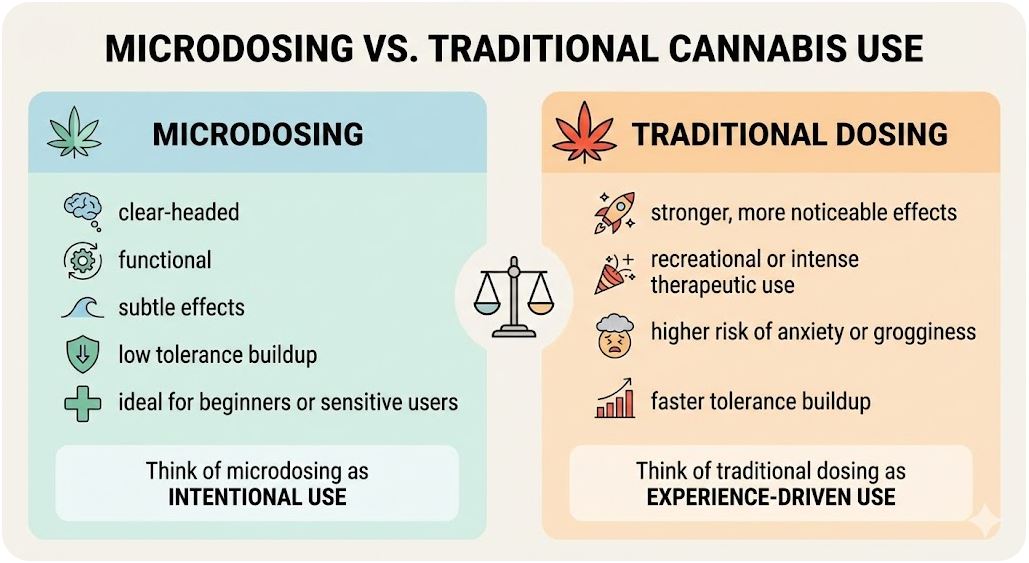
Traditional Dosing
-
stronger, more noticeable effects
-
recreational or intense therapeutic use
-
higher risk of anxiety or grogginess
-
faster tolerance buildup
Think of microdosing as intentional use, while traditional dosing is experience-driven use.
How Cannabis Microdosing Works (Real Science)
Microdosing activates ECS pathways differently than high doses.
1. CB1 Receptor Partial Activation
Lower doses modulate the CB1 receptor, while high doses overstimulate it.
2. Balanced Dopamine Release
Microdosing supports healthy dopamine signaling, improving mood and focus without spikes.
3. Neuroinflammation Reduction
Tiny doses of THC and CBD can reduce:
-
brain inflammation
-
oxidative stress
-
overstimulation
leading to calmer mental states.
4. Better Parasympathetic Activation
Microdosing encourages “rest and digest” mode — ideal for sleep and anxiety relief.
How to Microdose: A Step-by-Step Beginner Method (Expanded & Detailed)
Microdosing is most effective when you follow a structured, consistent approach. The goal is not to feel high — it’s to activate the endocannabinoid system gently, giving you the therapeutic benefits of cannabis without intoxication. Below is your complete beginner roadmap, written to make your first week of microdosing predictable, safe, and effective.
Step 1 — Choose Your Starting Dose
The biggest mistake beginners make is starting too high. Microdosing only works when you use the smallest effective amount, which is usually far below what recreational users take. A good foundation is:
-
THC: 1 mg
-
CBD: 5–20 mg
-
Delta-8 THC: 1–2 mg
-
THCP: 0.2–0.3 mg (extremely potent — treat cautiously)
-
1:1 THC:CBD blends: 0.5–1 mg THC + 5–10 mg CBD
Start at the lowest end of the spectrum, especially if you have no tolerance, are prone to anxiety, or are using cannabis during the day. Remember: you can always take more, but you can’t “un-take” a dose that’s too strong.
Step 2 — Choose the Right Format
The format you use dramatically affects how the microdose feels, how fast it starts working, and how long it lasts. Choose based on your needs:
-
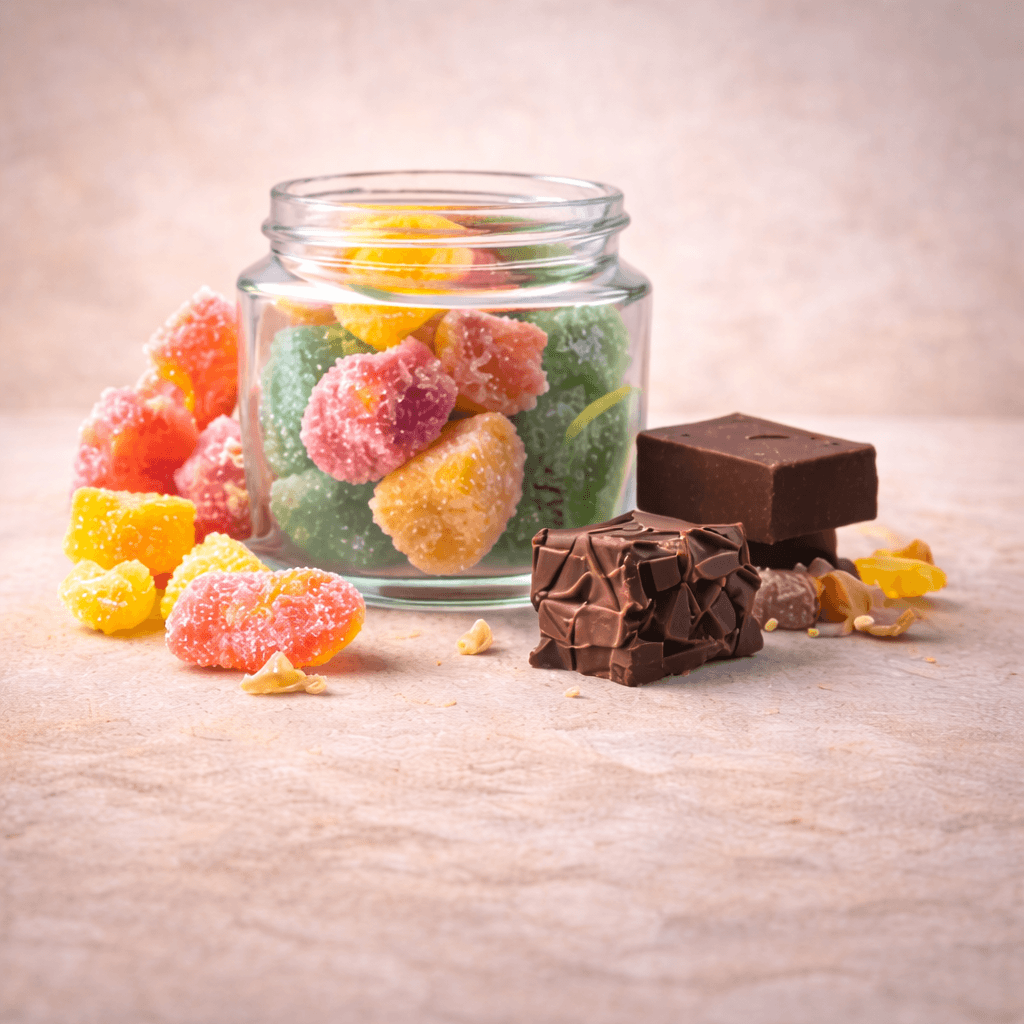
Edibles: best for long, steady effects (great for anxiety, sleep, or chronic pain)
-
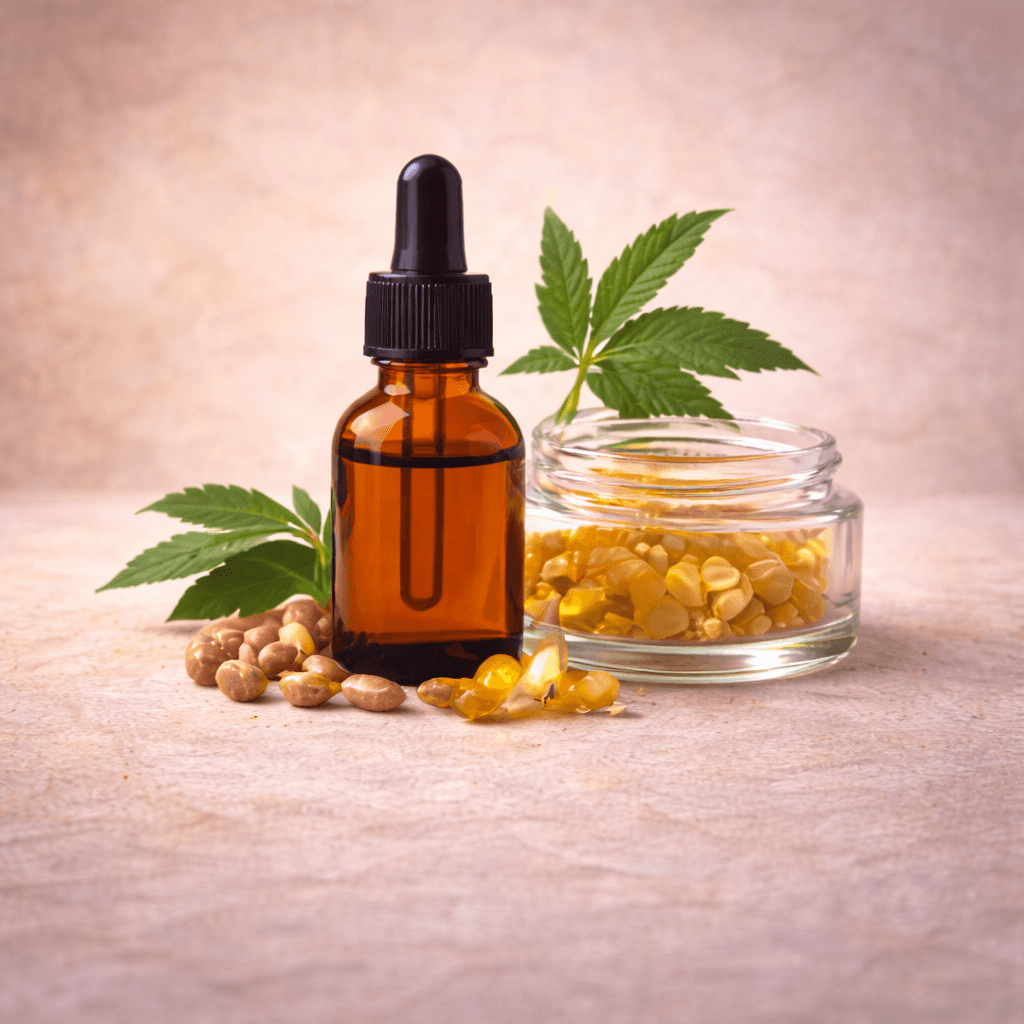
Tinctures: best for precision and control; you can adjust the dose drop by drop
-
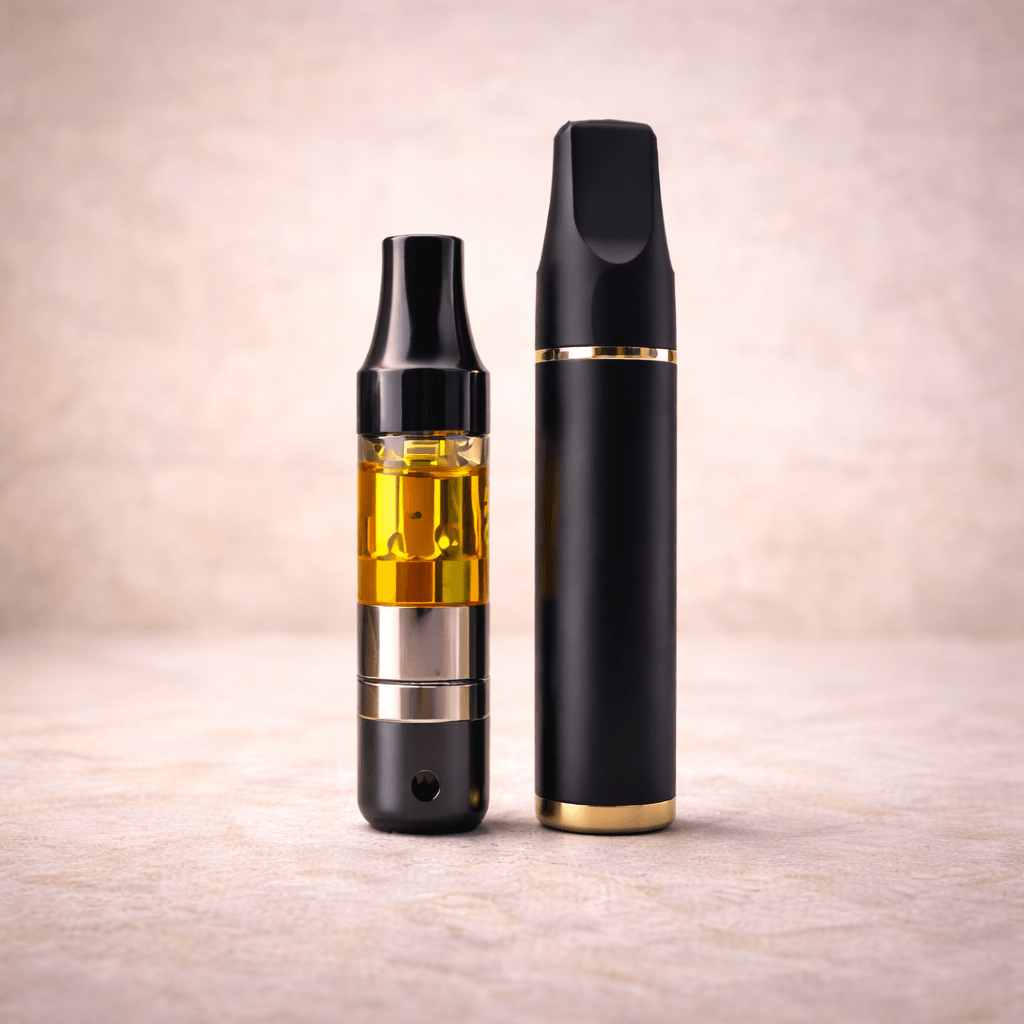
Vapes: best for very fast onset and real-time calibration
-
Capsules: best for consistent daily dosing and routine building
-
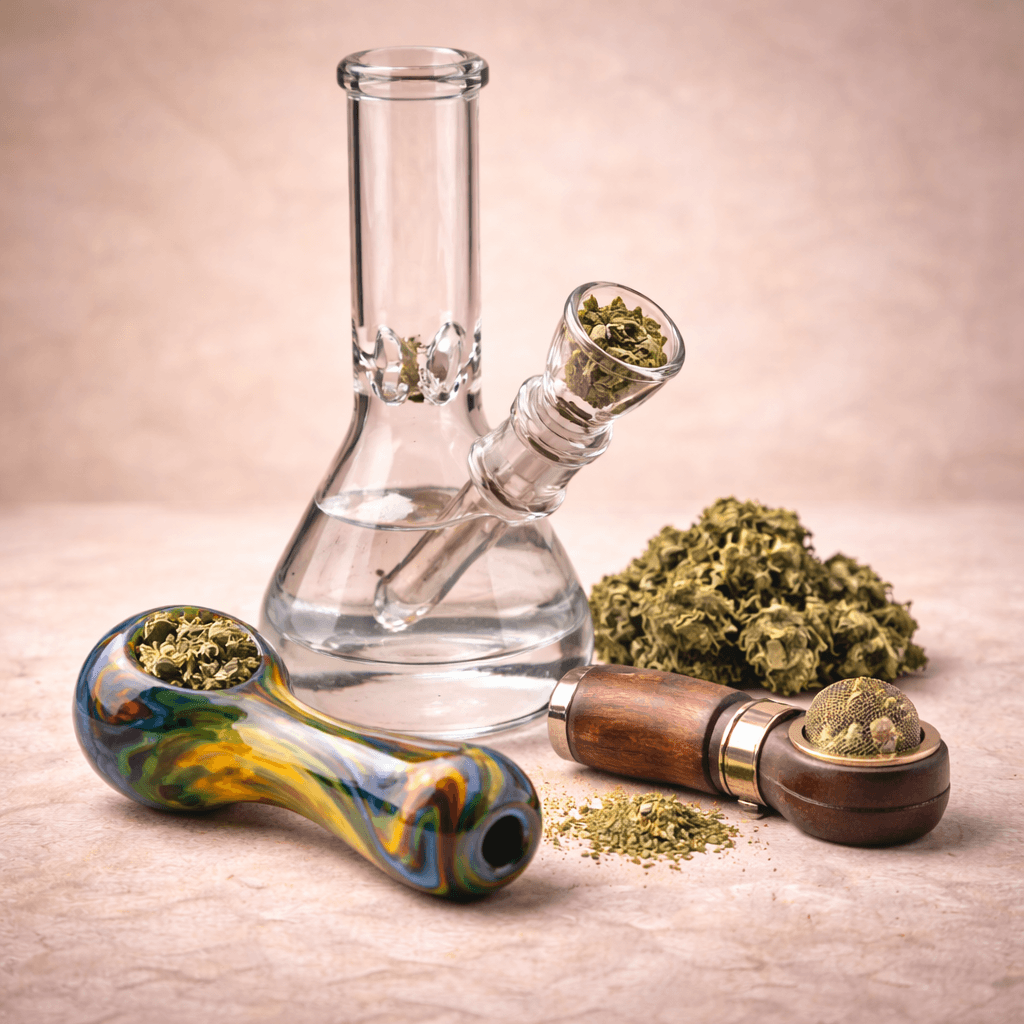
Low-THC or THCA flower: best for a natural, terpene-rich experience with very subtle psychoactivity
If you’re unsure, tinctures and low-dose edibles are the easiest formats for beginners.
Step 3 — Take One Dose and Wait
Microdosing only works if you give the cannabinoids time to interact with your system. Every format has its own timeline:
-
Vapes: 1–5 minutes
-
Tinctures: 20–45 minutes
-
Edibles: 45–120 minutes
Do not redose while waiting. This is the number one reason beginners accidentally take too much. Give your body the full window to show how it reacts.
Step 4 — Track Your Effects
Microdosing isn’t about feeling “high” — it’s about noticing subtle improvements in your day. Pay attention to:
-
changes in anxiety
-
shifts in mood or emotional balance
-
mental clarity and focus
-
physical sensations (tension, pain, restlessness)
-
creativity or productivity
-
changes in stress response
-
sleep quality if dosing at night
The goal is to see whether the microdose supports the specific outcome you’re looking for.
Step 5 — Adjust Gradually
Once you’ve tracked how the dose feels, adjust carefully:
-
Increase by 0.5–1 mg THC at a time
-
Maintain each dose for 2–3 days before adjusting again
-
If you feel fogginess, anxiety, or intoxication, reduce the dose
Microdosing is a personal process. Your “sweet spot” may be 0.5 mg, 1 mg, or 2 mg — everyone’s biology is different. The key is slow, mindful adjustments.
Best Products for Microdosing (Expanded Discussion)
1. Edibles
Microdose edibles (1–2 mg THC) offer long, smooth effects. Best for anxiety, pain, and sleep.
2. Tinctures
Perfect for precision. Ideal for daytime microdosing or anxiety regulation.
3. Vapes
Useful for quick calibration — one gentle puff works for many users.
4. THCA or Low-THC Flower
Small inhaled amounts give a natural terpene-rich experience with subtle THC effects.
How to Know If Microdosing Is Working
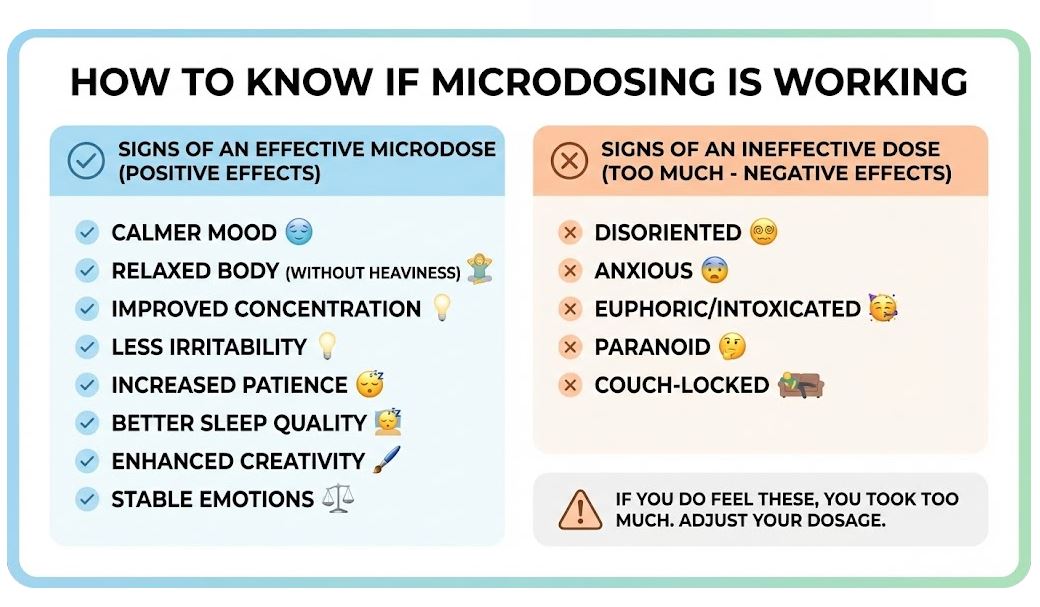
Signs that your microdose is effective include:
-
calmer mood
-
relaxed body without heaviness
-
improved concentration
-
less irritability
-
increased patience
-
better sleep quality
-
enhanced creativity
-
stable emotions
You should not feel:
-
disoriented
-
anxious
-
euphoric/intoxicated
-
paranoid
-
couch-locked
If you do, you took too much.
Microdosing Troubleshooting (Expanded & Detailed)
Even with a well-structured microdosing plan, you may need to fine-tune your approach. The body’s endocannabinoid system responds differently from person to person, and it can take a few days of experimentation to find your ideal balance. This troubleshooting guide helps you make quick, informed adjustments so you stay in the optimal microdose range.
If you feel nothing
Not feeling any change — mentally or physically — usually means the dose is simply too low for your body chemistry. Microdosing requires patience, but it’s perfectly normal to increase slowly. Try raising your THC dose by 0.5–1 mg and hold that dose for a couple of days before adjusting again. Small changes make a big difference.
If you feel foggy, sleepy, or mentally slow
This is a sign you’ve crossed out of the microdose zone and into mild intoxication. Lower the dose the next time you take it, or balance it by adding more CBD, which smooths out THC’s effects and keeps your mind clear.
If the effects wear off too quickly
Vapes and inhaled formats fade fast, sometimes within an hour. Switching to tinctures (longer-lasting, smoother onset) or adding a low-dose edible can extend the microdose effect for several hours without increasing intensity.
If microdosing increases your anxiety
Some people are highly sensitive to THC, even at low levels. If you notice increased tension, racing thoughts, or discomfort, switch immediately to 1:1 THC:CBD ratios or CBD-only microdoses. CBD moderates the emotional overstimulation that THC can sometimes trigger.
If your tolerance rises
Using THC every day — even in tiny amounts — can desensitize CB1 receptors. A simple 48-hour break resets your system and restores microdose effectiveness, making your next dose feel like the first day again.
Conclusion
Microdosing is one of the most accessible, beginner-friendly, and scientifically grounded approaches to cannabis use. For many people, less truly is more — and tiny doses unlock benefits that large doses can’t provide. Whether you’re using cannabis for focus, creativity, stress relief, pain management, or better sleep, microdosing allows you to experience the therapeutic potential of the plant while staying fully functional and grounded.
Start small, be patient, listen to your body, and adjust your dose slowly. With the right approach, microdosing can become a powerful, sustainable part of your wellness routine.