🚛 FREE DISCREET SHIPPING ON ALL ORDERS $49+










The Complete Guide to Buying Cannabis Online (Safe Shopping Guide)
Introduction Buying cannabis online has become mainstream, convenient, and—when done correctly—surprisingly safe. But the digital cannabis marketplace is also crowded with unregulated products, mislabeled THC levels, counterfeit lab reports, and websites pretending to be licensed dispensaries. With hemp-derived intoxicants (Delta-8, THCA flower, THCP, HHC) growing faster than the legal dispensary market, consumers often feel overwhelmed. Whether you’re looking for flower,

Published on: December 1, 2025

Introduction
Buying cannabis online has become mainstream, convenient, and—when done correctly—surprisingly safe. But the digital cannabis marketplace is also crowded with unregulated products, mislabeled THC levels, counterfeit lab reports, and websites pretending to be licensed dispensaries. With hemp-derived intoxicants (Delta-8, THCA flower, THCP, HHC) growing faster than the legal dispensary market, consumers often feel overwhelmed.
Whether you’re looking for flower, vapes, edibles, tinctures, or wellness products, the key question is always the same:
How do you know what’s real, safe, and legal—and what isn’t?
This guide breaks down everything you need to know before you click “Add to Cart”—from legality and shipping rules to COAs, brand verification, red flags, and choosing the right product for your goals. It is written for all experience levels, whether you’re cannabis-curious or a long-time user transitioning to online purchasing.
Is It Legal to Buy Cannabis Online? (Explained Simply)
The short answer: Yes—but it depends on what you’re buying and where you live.
Cannabis law in the U.S. divides into two major categories:
1. Hemp-derived products (Federally Legal)
Under the 2018 Farm Bill, hemp is legal federally as long as Delta-9 THC is ≤0.3% by dry weight. This includes:
-
CBD
-
CBG, CBN, CBC
-
Delta-8 THC
-
Delta-10, HHC, THCP
-
THCA flower (if Delta-9 remains within legal limits)
You can legally buy these products online in most states—though some states restrict intoxicating hemp.
2. Cannabis-derived THC (Delta-9 cannabis)
This includes traditional marijuana products sold in dispensaries:
-
High-THC flower
-
THC vapes
-
Concentrates
-
Edibles
-
Live resin extracts
Only licensed state-legal dispensaries can sell these online, and they can usually only deliver within that state.
The Key Point
If the product is hemp-derived, it can cross state lines.
If it is marijuana-derived, it cannot.
The rest of this guide covers both categories—but most safety principles apply to all cannabis shopping.
Why People Prefer Buying Cannabis Online
Online cannabis shopping exploded for three reasons:
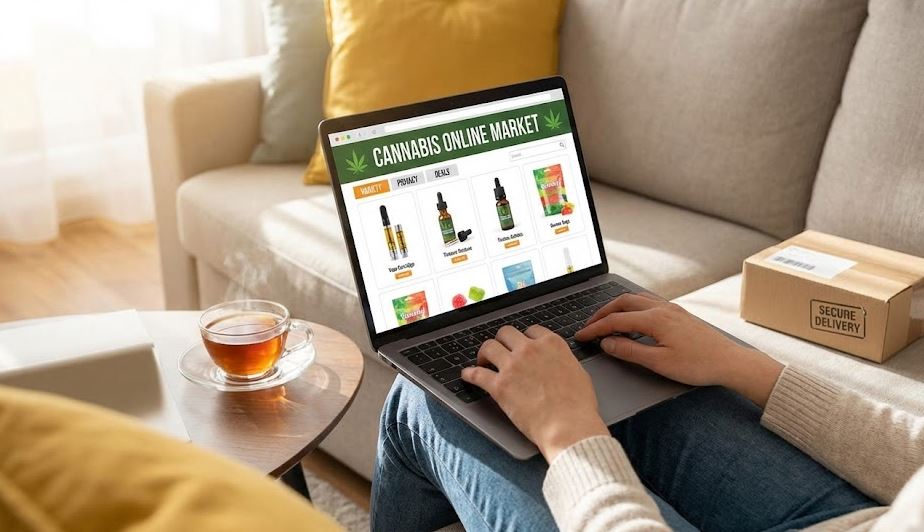
1. Privacy & Convenience
You can research in peace, compare brands, and shop without pressure.
2. More Product Variety
Online stores offer hundreds of formulations, potencies, terpene blends, and minor cannabinoids rarely found in local shops.
3. Better Pricing
Online brands avoid retail markups and can offer:
-
subscription discounts
-
bundle pricing
-
flash sales
-
loyalty programs
For many consumers, the online market provides the best balance of value + selection + education.
The Biggest Risks of Buying Cannabis Online
The online cannabis marketplace has grown rapidly, but with expansion comes a rise in low-quality products, misleading marketing, and outright fraud. Because cannabis remains a patchwork of state and federal laws—and because most hemp-derived products are sold without traditional regulatory oversight—consumers must navigate the space carefully. Understanding the most common risks is the first step in protecting yourself from unsafe or fraudulent products.
1. Fake or Altered Lab Tests (COAs)
Certificates of Analysis are meant to protect consumers, but unethical brands manipulate COAs to appear compliant or more potent. Some Photoshop numbers, others reuse the same lab report across dozens of SKUs. Without genuine batch-specific testing, you can’t verify potency, safety, or total THC compliance. A QR code that links directly to the lab’s website is the gold standard—brands avoiding transparency should not be trusted.
2. Contaminated or Unsafe Products
Cheap vapes are the most notorious offenders. Many contain:
-
heavy metals leached from poor-quality hardware
-
synthetic terpenes that degrade into harmful compounds when heated
-
residual solvents from rushed extraction
-
unknown cannabinoids formed during sloppy isomerization
Because inhaled contaminants enter the bloodstream rapidly, unsafe vapes are one of the highest-risk product categories.
3. Misleading THC Potency
Marketing claims often promise “super high potency,” yet real lab tests show lower cannabinoid content. Some gummies contain far less THC than labeled; others contain much more, leading to accidental overconsumption. Inflated THCP percentages are particularly common and almost always fraudulent.
4. Unknown Legality
Some sellers ship intoxicating hemp cannabinoids into states where they are restricted or banned. This puts consumers at legal risk and exposes packages to seizure.
5. Counterfeit Brands
Fake versions of popular vape brands, edible lines, and cart designs circulate widely on third-party marketplaces. These counterfeits often contain untested oil or artificial additives.
The bottom line: the biggest risk in online cannabis is assuming everything is legitimate. The solution is verifying authenticity before buying.
How to Verify an Online Cannabis Brand (Your 2025 Checklist)
This is the most important part of safe cannabis shopping.
1. Check for Real COAs (Certificates of Analysis)
A legitimate lab report includes:
-
Batch number
-
Cannabinoid profile
-
Terpene profile (optional but ideal)
-
Residual solvent test
-
Heavy metal test
-
Microbial test
-
Pesticide screening
-
QR code linking to the lab’s website
Never trust brands that:
-
Only show potency (not safety) results
-
Use “in-house testing”
-
Don’t test every batch
2. Confirm the Testing Lab
Look for ISO-17025 accredited labs.
Avoid unknown labs without accreditation or online presence.
3. Review the Brand’s Website Structure
Real brands have:
-
Company address
-
Customer support
-
About page
-
Ingredient transparency
-
Refund policy
-
Email + phone contact
Scam sites often lack everything except a checkout page.
4. Look for Industry Certifications
Trusted badges:
-
USDA Organic (for hemp)
-
cGMP manufacturing
-
Clean Room extraction
-
Licensed dispensary compliance
5. Check Customer Reviews Off-Site
Use:
-
Reddit
-
Trustpilot
-
Leafly
-
Weedmaps
Real feedback from real buyers is invaluable.
Red Flags That a Cannabis Site Isn’t Legitimate
If you see any of these, walk away:
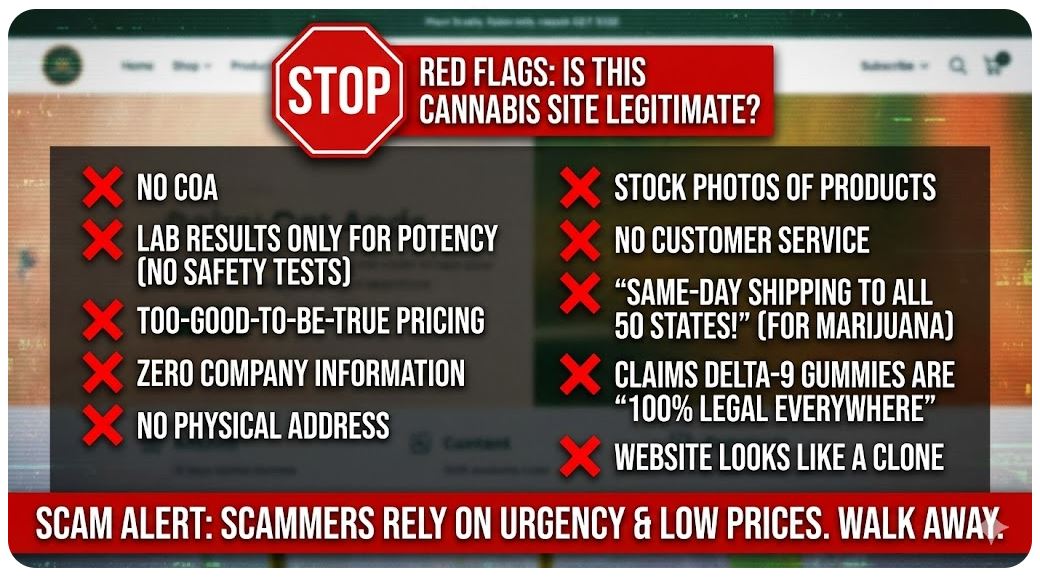
❌ No COA
❌ Lab results only for potency (no safety tests)
❌ Too-good-to-be-true pricing
❌ Zero company information
❌ No physical address
❌ Stock photos of products
❌ No customer service
❌ “Same-day shipping to all 50 states!” for marijuana
❌ Claims that Delta-9 gummies are “100% legal everywhere”
❌ Website looks like a clone of another brand
Scammers rely on urgency, low pricing, and uneducated buyers. This guide protects you.
Understanding Product Types: Flower, Vapes, Edibles & More
Buying cannabis online means navigating multiple product categories. Each has different risks and quality indicators.
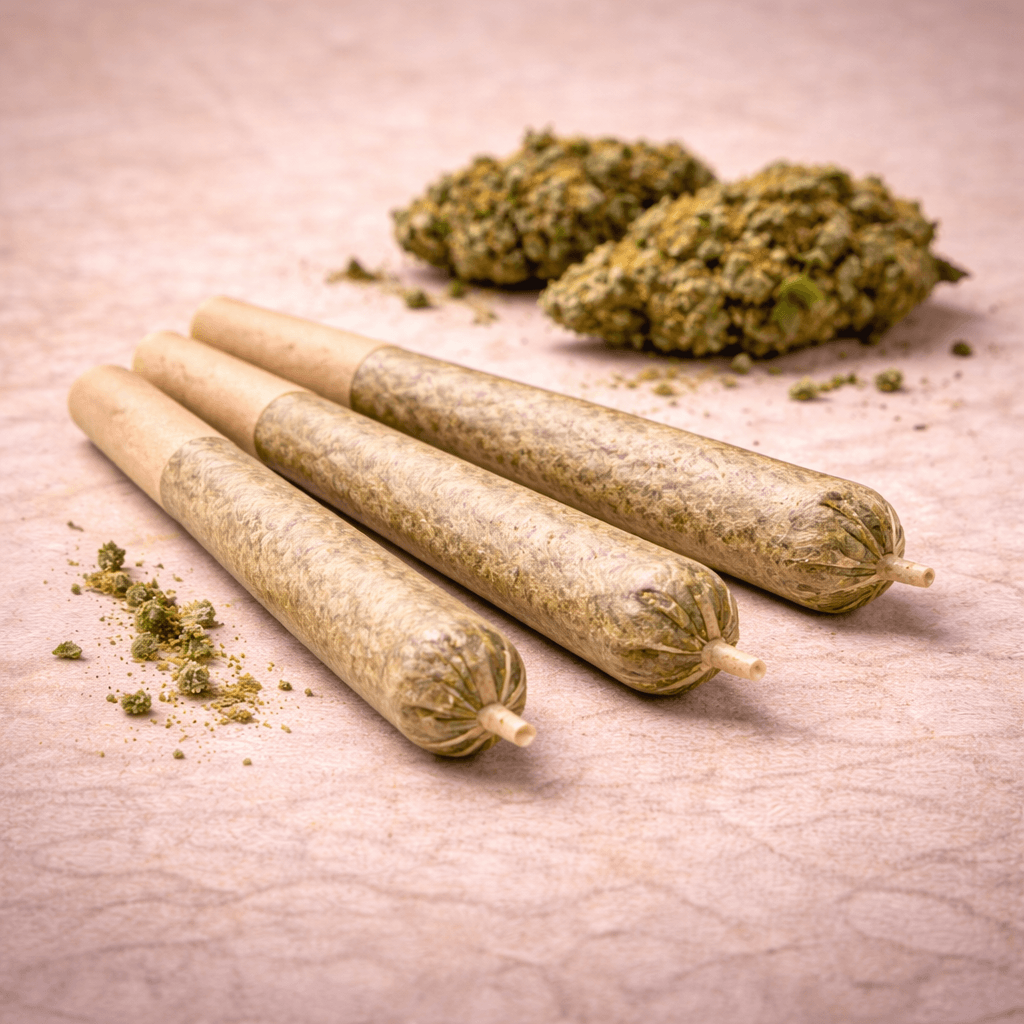
A. Buying Flower Online (THCA, CBD, Delta-8)
Cannabis flower sold online must be hemp, not marijuana. Quality indicators include:
-
visible trichomes
-
terpene-rich aroma
-
moisture content between 10–12%
-
no seeds or discoloration
-
total THC listed accurately
Avoid flower with:
-
brown patches
-
excessive dryness
-
no smell
-
unusually low prices
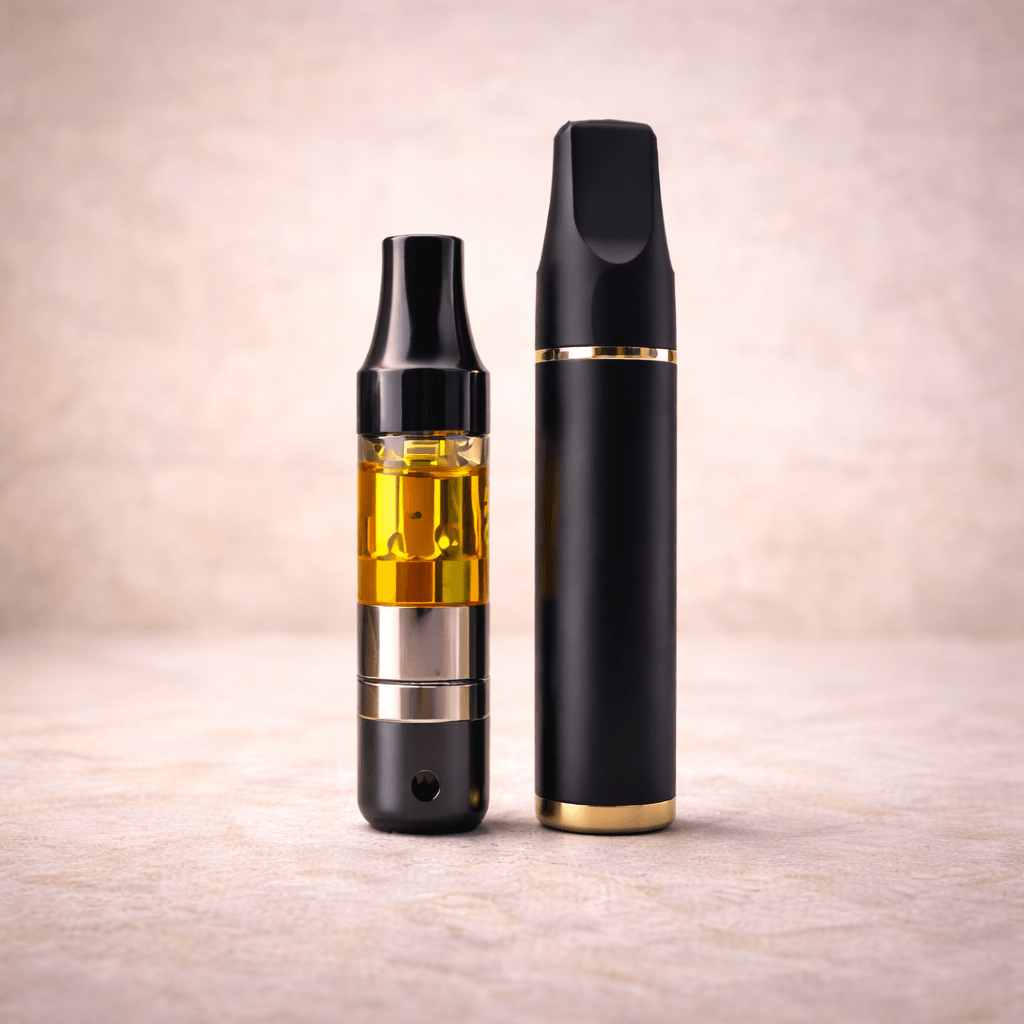
B. Buying Vape Cartridges Online
This is the category with the highest safety risk.
Look for:
-
ceramic coils
-
no vitamin E acetate
-
no thickening agents
-
pure distillate or live resin
-
official lab tests
Avoid:
-
cut oils (“blends”)
-
flavored carts with unknown terpenes
-
hardware without manufacturing info
C. Buying Edibles Online
The edible market is massive, but potency varies wildly.
Buy from brands that:
-
list actual cannabinoids (not just “hemp extract”)
-
provide serving size + per-gummy dosage
-
use quality carriers (MCT, pectin, fruit juice)
Avoid edibles that:
-
don’t melt at room temperature
-
list “proprietary blend” instead of cannabinoids
-
claim unrealistic potencies (“2000 mg per gummy”)
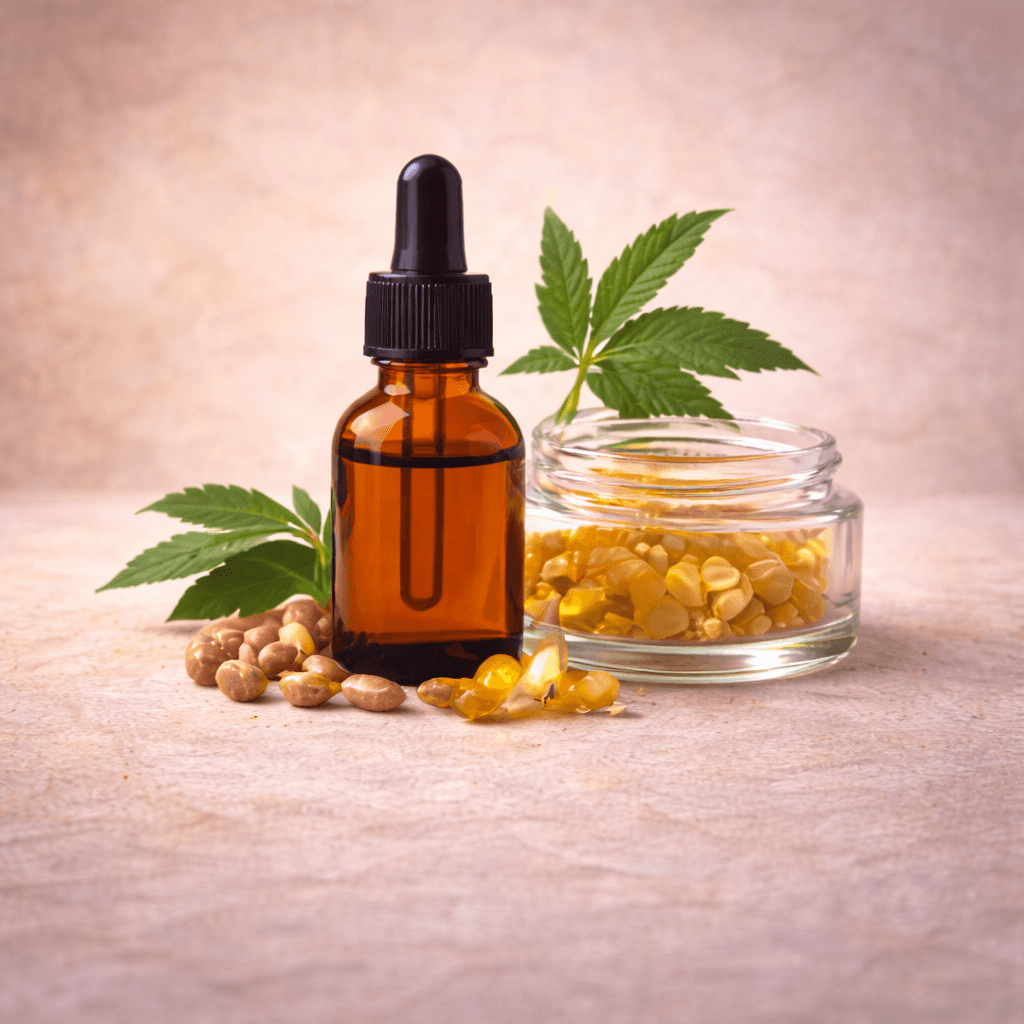
D. Buying Tinctures Online
High-quality tinctures include:
-
carrier oils like MCT
-
clear cannabinoid profiles
-
transparent sourcing
-
sublingual bioavailability
Avoid:
-
tinctures with added sugar
-
unclear extraction methods
-
brands that don’t specify whether THC is hemp- or cannabis-derived
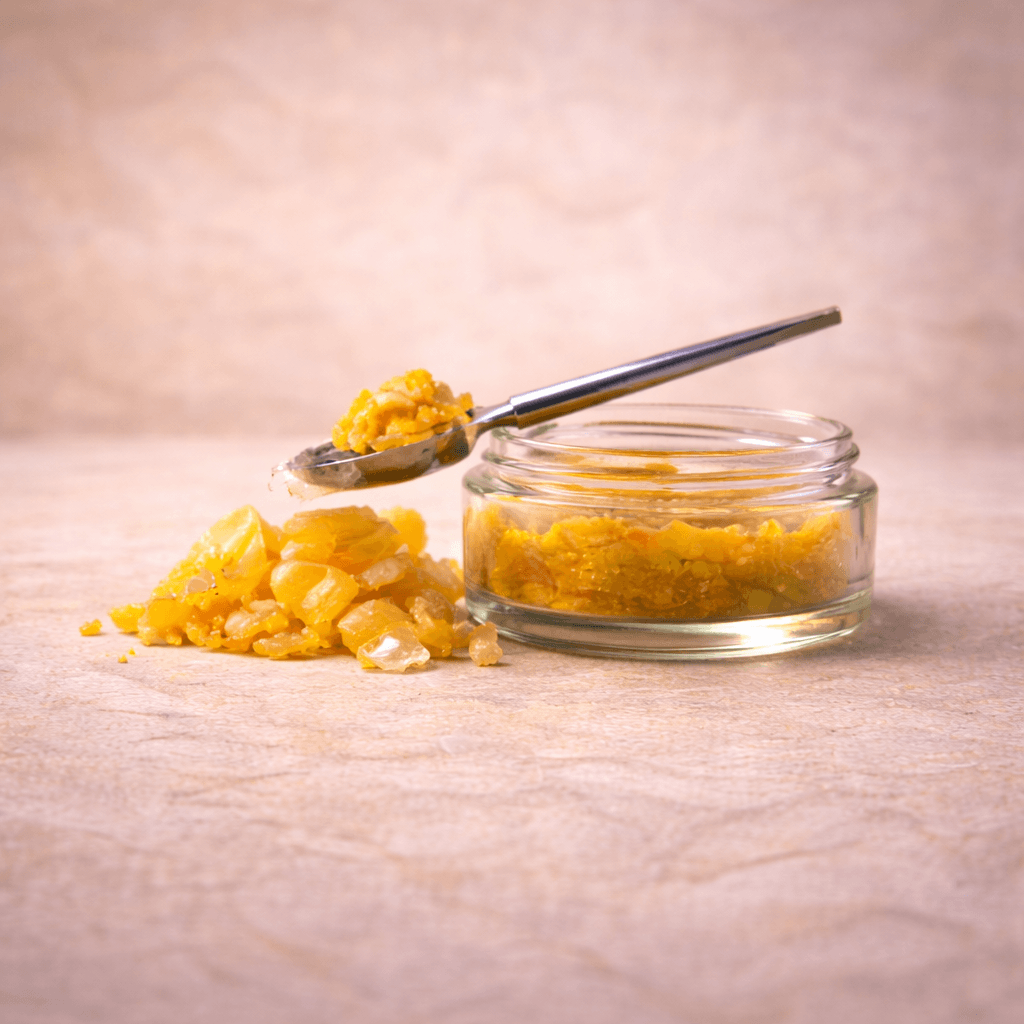
E. Buying Concentrates Online
Only licensed dispensaries may legally ship cannabis concentrates.
Anything else is either:
-
non-compliant
-
mislabeled
-
or made with synthetic cannabinoids
Stick to flower, tinctures, vapes, and edibles when shopping hemp sites.
How to Choose the Right Strength & Dosage Online
Buying cannabis online makes dosing tricky because you can’t see or smell the product.
General guidelines:
Flower
-
15–25% THCA = standard range
-
30% THCA = very strong
Edibles
-
Beginners: 2–5 mg THC
-
Moderate users: 5–15 mg
-
Heavy users: 20–50 mg
Vapes
-
One small puff can equal 3–5 mg THC
Tinctures
-
0.25–1 dropper = typical starting range
Always start low and increase slowly.
Shipping, Payments & Age Verification
Online cannabis orders involve safeguards.
Age Verification
Most legitimate sites require:
-
ID scan
-
selfie verification
-
age-gated checkout
Shipping Rules
Hemp can ship to most states, except those with bans.
Cannabis (Delta-9) can only be delivered within its legal state.
Payment Methods
Common options:
-
debit card
-
ACH bank transfer
-
cashless ATM
-
crypto (for some hemp brands)
Brands using only Zelle, Cash App, or PayPal Friends & Family should be avoided.
How to Compare Brands: Advanced Tips
If two websites look legitimate, use these advanced criteria:
Extraction Method
-
CO₂ extraction = cleanest
-
Ethanol = common, safe if purged
-
BHO = needs heavy safety testing
-
Isomerization = common for Delta-8 and THCP
Terpene Transparency
High-quality brands list full terpene profiles, not just cannabinoids.
Freshness Dates
Check:
-
harvest date
-
batch date
-
manufacturing date
-
expiration date
Packaging Quality
Premium brands use:
-
child-resistant packaging
-
UV-protected jars
-
airtight seals
If packaging looks generic, skip it.
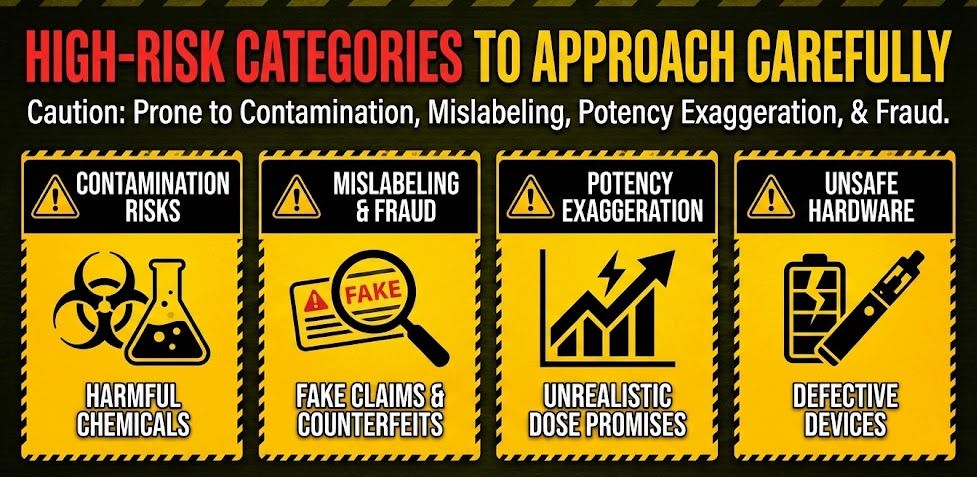
High-Risk Categories to Approach Carefully
Not all cannabis products sold online carry the same level of risk. Some categories require significantly more caution because they are prone to contamination, mislabeling, potency exaggeration, or outright fraud. These products often appear attractive due to bold marketing claims or unusually low prices, but they can expose consumers to harmful chemicals, unsafe hardware, or inconsistent dosing.
Ultra-High-Potency THCP Products
THCP is naturally produced in extremely small quantities in cannabis—far less than what most online brands advertise. When you see cartridges or gummies claiming “60 mg THCP” or “20% THCP distillate,” you are almost certainly looking at chemically altered or mislabeled products. THCP is highly potent at the receptor level; even 0.5–1 mg can feel intense. Overinflated THC-P claims often signal questionable manufacturing practices or inaccurate lab reports.
“Designer Blend” Vapes
These products mix multiple cannabinoids—Delta-8, HHC, THC-O, THCP, THC-B, and others—into one cartridge. While marketed as “next-generation” or “ultimate effects,” the reality is that these blends lack safety research. Many rely on aggressive isomerization processes and synthetic additives to achieve their effects. The more chemicals involved, the higher the risk of residual solvents and unknown byproducts.
Extremely Cheap Edibles
When a brand sells 1,000 mg gummies for the price of a sandwich, something is wrong. Cheap edibles are frequently sprayed with THC instead of infused, leading to hotspots of inconsistent potency. Some contain artificial coloring, low-grade gelatin, or non-food-grade oils.
White-Labeled Bulk Cartridges
These mass-produced carts come from unregulated overseas factories. They often use low-quality hardware with heavy metal contamination and mystery distillate with no traceability.
Spray-On Delta-8 Flower
Because cannabis doesn’t naturally produce Delta-8, companies often spray distillate onto low-quality hemp. Poor spraying causes harsh smoke, uneven potency, or chemical residue.
Artificially Flavored Vapes and “Candy” Oils
Artificial terpenes and candy flavors may break down into harmful compounds when heated. Genuine cannabis-derived terpenes are always safer.
If a product’s potency, price, or promises seem unrealistic, assume it is unsafe until proven otherwise.
Customer Service: The Test Most Brands Fail
Real cannabis companies have real customer support:
-
email reply within 24–48 hours
-
phone line or chat
-
refund policies
-
transparent returns
Fake sites ignore emails once payment is processed.
Before buying, always send a test question and see if they respond professionally.
Final Safety Checklist Before You Buy
Ask yourself:
✔ Does the brand publish a real COA with a QR link?
✔ Does the batch number match the product I’m ordering?
✔ Is the company address visible?
✔ Are reviews authentic and off-site?
✔ Does the price look reasonable?
✔ Does the brand ship legally to my state?
✔ Does the product list accurate cannabinoids, not vague terms like “hemp extract”?
✔ Is the payment method legitimate?
If the answer is “yes” to all, you’re safe to buy.
Conclusion
Buying cannabis online is convenient, efficient, and often provides far better value than retail shopping. But with the rise of hemp-derived intoxicants and unregulated sellers, it’s more important than ever to shop intelligently.
By verifying COAs, confirming lab accreditation, checking legality, reading third-party reviews, and understanding the difference between real brands and scams, you can confidently access safe, high-quality cannabis products online.
Use this guide as your roadmap.
Buy smart. Buy informed. Buy safely.