🚚 Free Discreet Shipping on Orders $49+ | Lab-Tested Quality Guaranteed









The Ultimate Guide to Cannabis Effects & Experiences (2025 Edition)
Published on December 1, 2025
Last Updated on January 6, 2026
By Raven Ballou
Introduction
Cannabis doesn’t affect everyone the same way. Two people can take the same dose, from the same strain, at the same moment — and still have completely different experiences. One feels calm and grounded, the other energized and creative. One laughs uncontrollably, the other feels introspective and thoughtful. One enjoys deep relaxation, the other becomes overstimulated.
Why is cannabis so variable, and how do you predict how it will affect you?
The answer isn’t just THC. It’s a complex interaction between cannabinoids, terpenes, metabolism, genetics, mindset, environment, and dose. Modern cannabis science finally gives us the tools to understand these interactions — helping consumers choose experiences more intentionally and avoid unwanted effects.
This guide breaks down the full spectrum of cannabis effects, from uplifting euphoria to body relaxation, creativity, sensory enhancement, couch-lock, anxiety, and everything in between. You’ll learn the mechanisms behind each sensation, the factors that control intensity, and how product type, dose, and brain chemistry determine the final experience.
Whether you’re new to cannabis, returning after a break, or exploring the modern landscape of vapes, flower, edibles, tinctures, and concentrates, this is the ultimate resource for navigating cannabis confidently and safely.
What Cannabis Does in the Body (Science Explained Simply)
Cannabis produces its effects by interacting with the endocannabinoid system (ECS) — a widespread network of receptors throughout the brain and body that regulates mood, stress, sleep, appetite, memory, sensory processing, and inflammation.
The Key Players
-
CB1 receptors — concentrated in the brain (euphoria, altered perception, mood effects)
-
CB2 receptors — mostly in the immune system (inflammation, pain relief)
-
THC — activates CB1 strongly, producing psychoactive effects
-
CBD — modulates receptors indirectly, calming and balancing THC
-
Minor cannabinoids — like CBG, CBN, THCV, and THCP add nuance
-
Terpenes — aromatic molecules that shape the tone, direction, and emotional feel of the high
The ECS works like a volume dial for human experience. Cannabis interacts with it, rewriting the brain’s usual patterns for a few hours. When used intentionally, the shift can be beneficial: relaxation, focus, laughter, creativity, pain relief, emotional softening, or deep introspection.
Why Cannabis Effects Vary (The Hidden Variables)
Cannabis experiences depend on far more than strain names. Modern research shows these five factors matter most:
1. Terpene Profile
Terpenes dictate whether a strain feels:
-
stimulating
-
calming
-
euphoric
-
focused
-
sedating
Limonene = uplift
Myrcene = relaxation
Pinene = clarity
Linalool = calm + sleep
2. Cannabinoid Mix
THC-heavy products feel stronger, but:
-
CBD softens the high
-
CBN increases sedation
-
CBG adds alertness
-
THCV suppresses appetite & increases clarity
3. Dose
Low doses = uplifting, clear, functional
High doses = intense, sedating, heavy, or overwhelming
4. Consumption Method
Vapes and flower hit fast.
Edibles hit slow but hard.
Tinctures sit between the two.
5. Internal Biology
Your metabolism, tolerance, hormones, mood, hydration, and environment all influence how cannabis feels.
Cannabis is not a single “type” of high — it’s a full spectrum of experiences shaped by chemistry, context, and intention.
The Full Range of Cannabis Effects (What People Actually Feel)
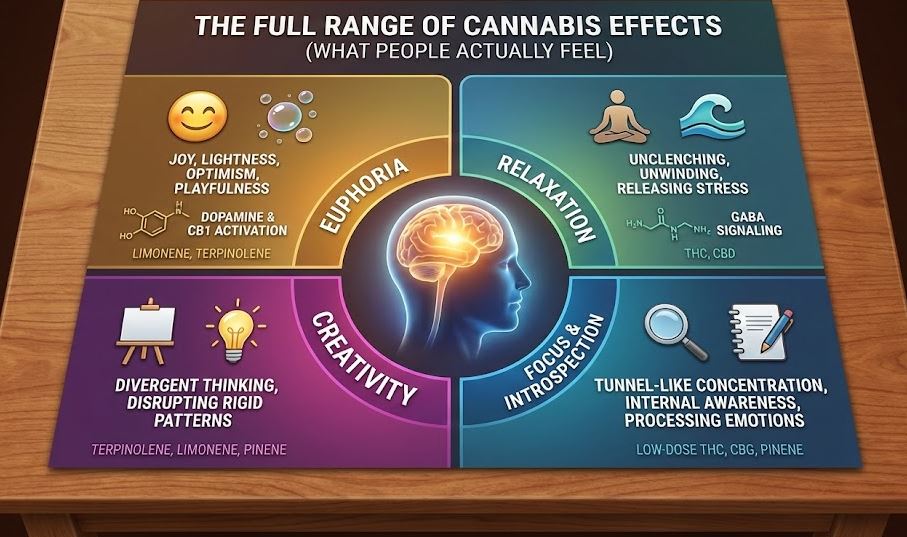
Cannabis effects can be grouped into four categories:
Mental & Emotional Effects
Euphoria
Triggered by dopamine bursts and CB1 activation. Feels like:
-
joy
-
lightness
-
optimism
-
playfulness
Terpenes involved: limonene, terpinolene.
Relaxation
THC slows neural activity. CBD increases GABA signaling.
Feels like unclenching mentally, unwinding emotionally, and releasing stress.
Creativity
Cannabis temporarily disrupts rigid thought patterns, enhancing divergent thinking.
Terpinolene, limonene, and pinene often dominate creative strains.
Focus
Low-dose THC + CBG + pinene can produce tunnel-like concentration.
Introspection
Cannabis increases internal awareness — great for journaling or processing emotions.
Physical Effects
Body Relaxation
Myrcene, linalool, and caryophyllene enhance muscle relaxation.
Pain Relief
CB2 receptor activity reduces inflammation. THC alters pain perception in the brain.
Appetite Stimulation (“the munchies”)
THC increases ghrelin — the hunger hormone.
Sedation
High myrcene or linalool levels deepen physical heaviness and drowsiness.
Sensory Effects
Enhanced sound perception
Music feels richer, layered, and more emotional.
Altered time perception
Minutes feel elongated due to shifts in neural timing mechanisms.
Color and brightness enhancement
Visual cortex activation creates sharper sensory contrast.
Taste intensification
Cannabis enhances smell, boosting flavor immersion.
Potential Negative Effects
Anxiety or paranoia
Often caused by:
-
high doses
-
low-limonene strains
-
overstimulation
-
unfavorable environment
Dry mouth / dry eyes
Common and harmless: caused by CB1 receptor interaction.
Racing thoughts
More common in high-THC, low-terpene products.
Couch-lock
Heavy myrcene + high THC + high dose = deep sedation.
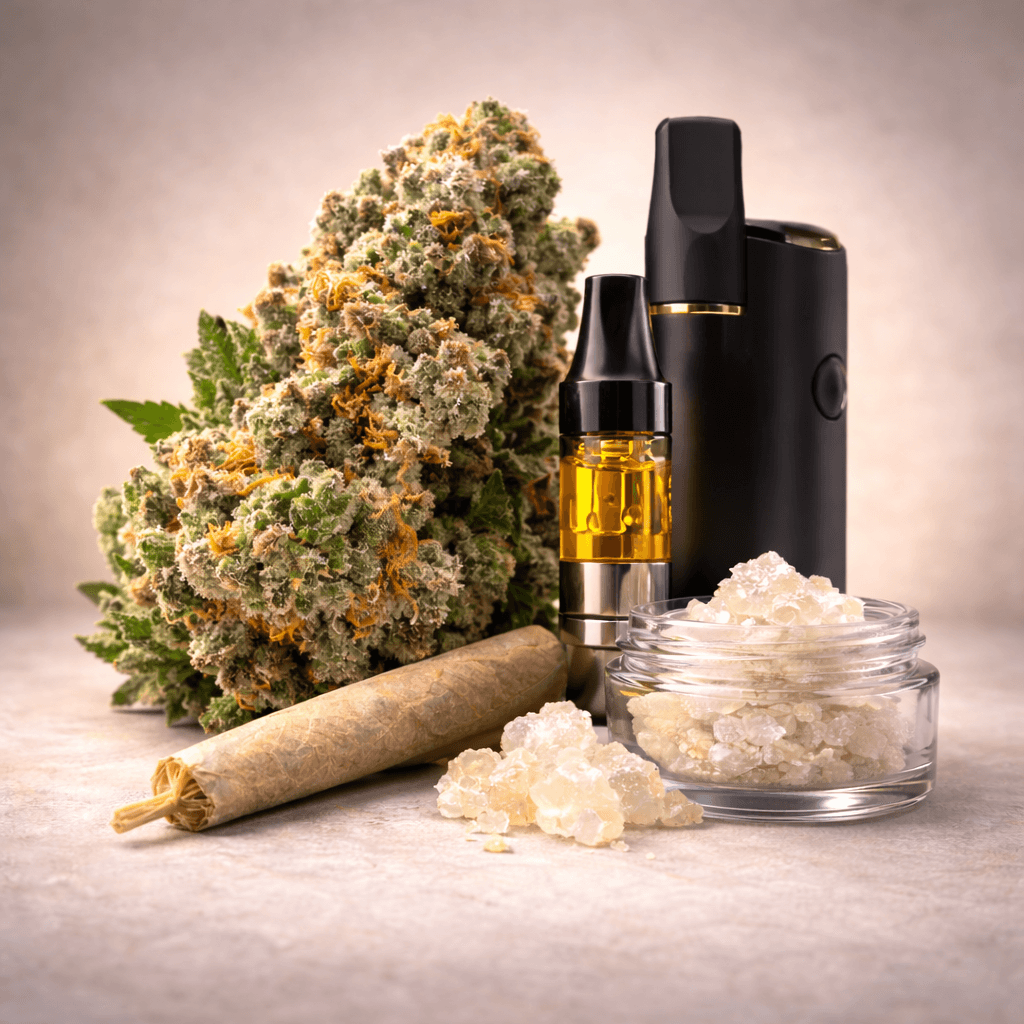
How Different Product Types Shape the Experience
Cannabis effects vary widely depending on the format.
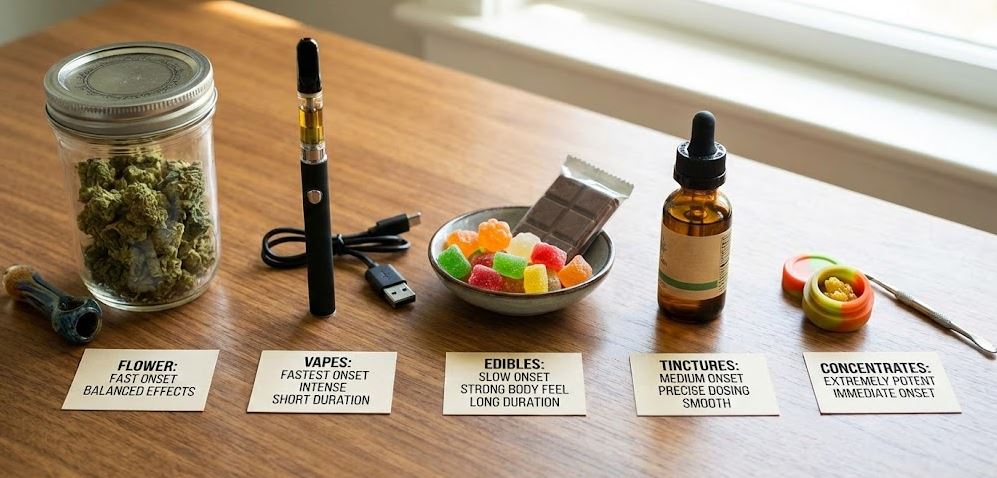
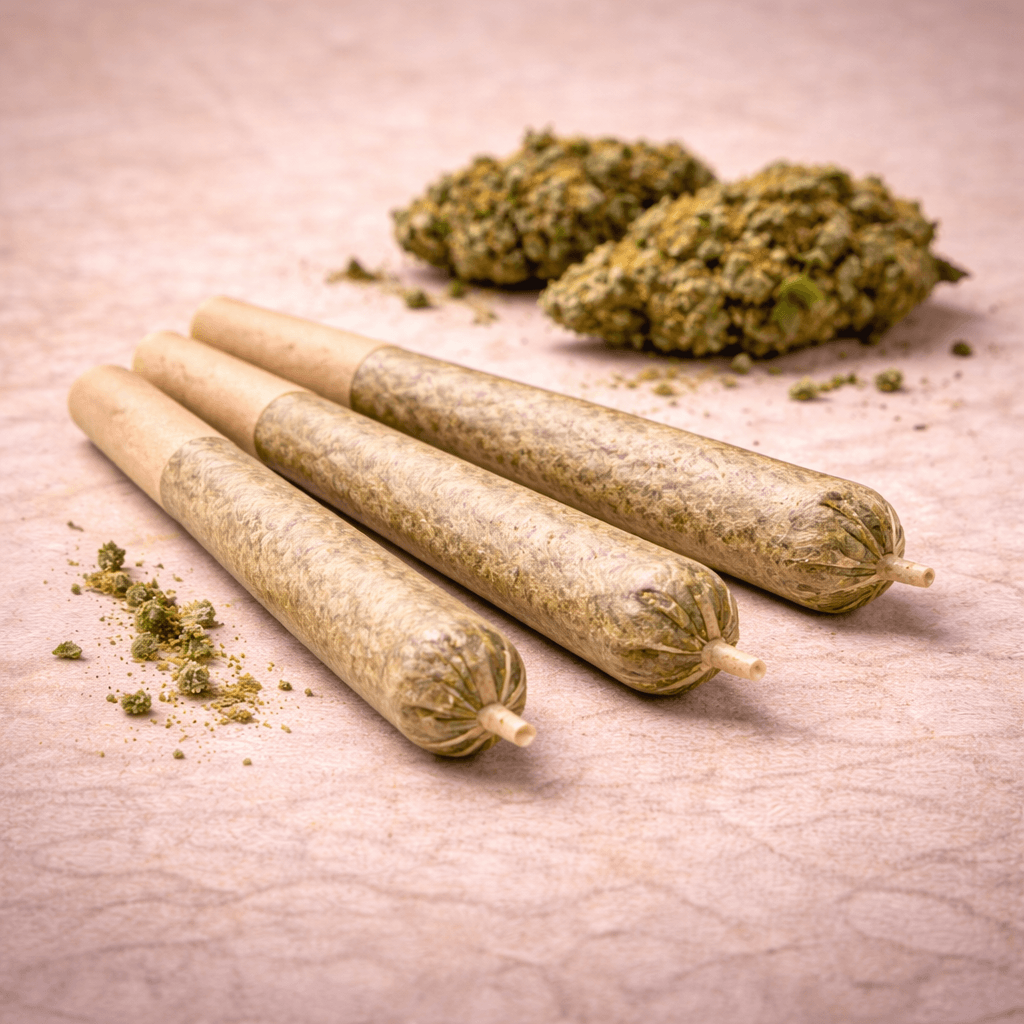
Flower
-
Fast onset
-
Terpene-rich
-
Balanced, natural-feeling effects
-
Short-to-medium duration
Great for nuanced highs, creativity, or relaxation.
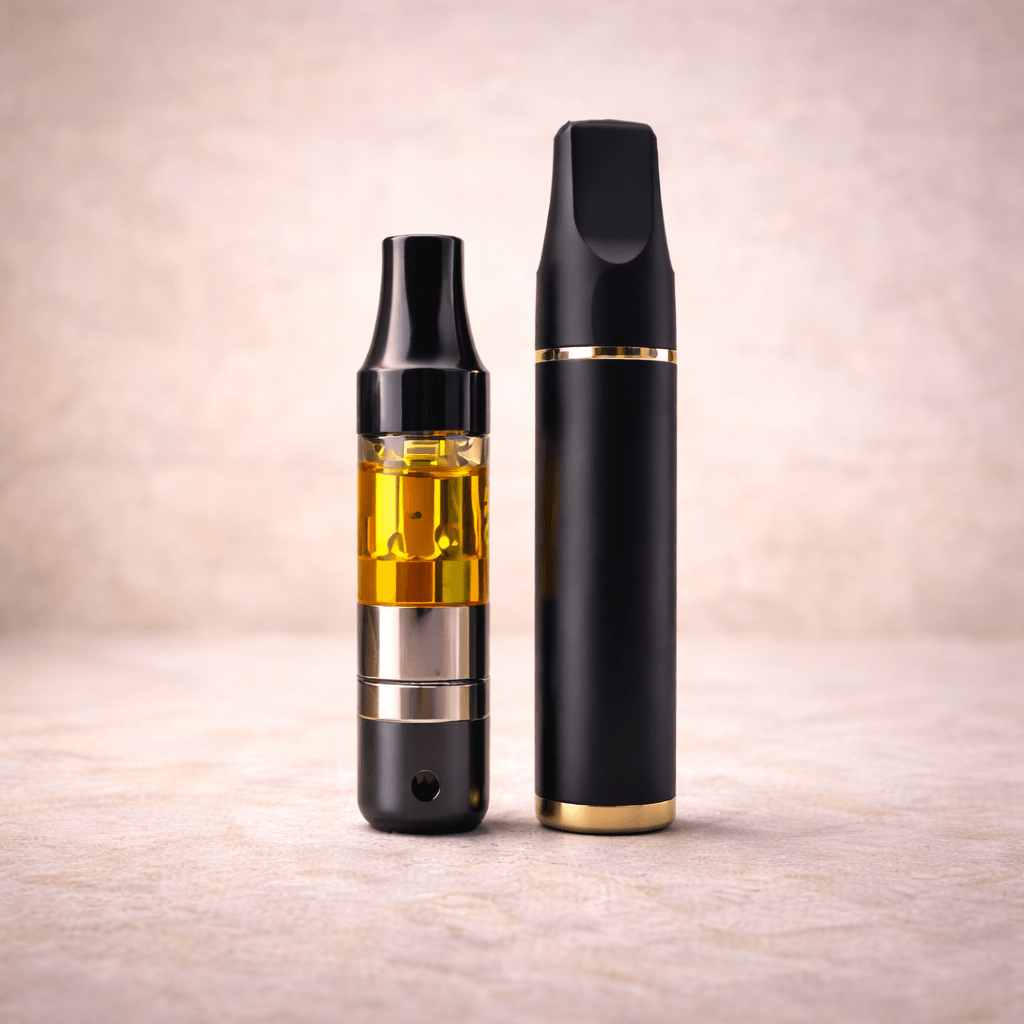
Vapes
-
Fastest onset
-
Intense but shorter duration
-
Strong flavor options
-
Easy to overconsume
Ideal for convenience, microdosing, or anxiety relief.
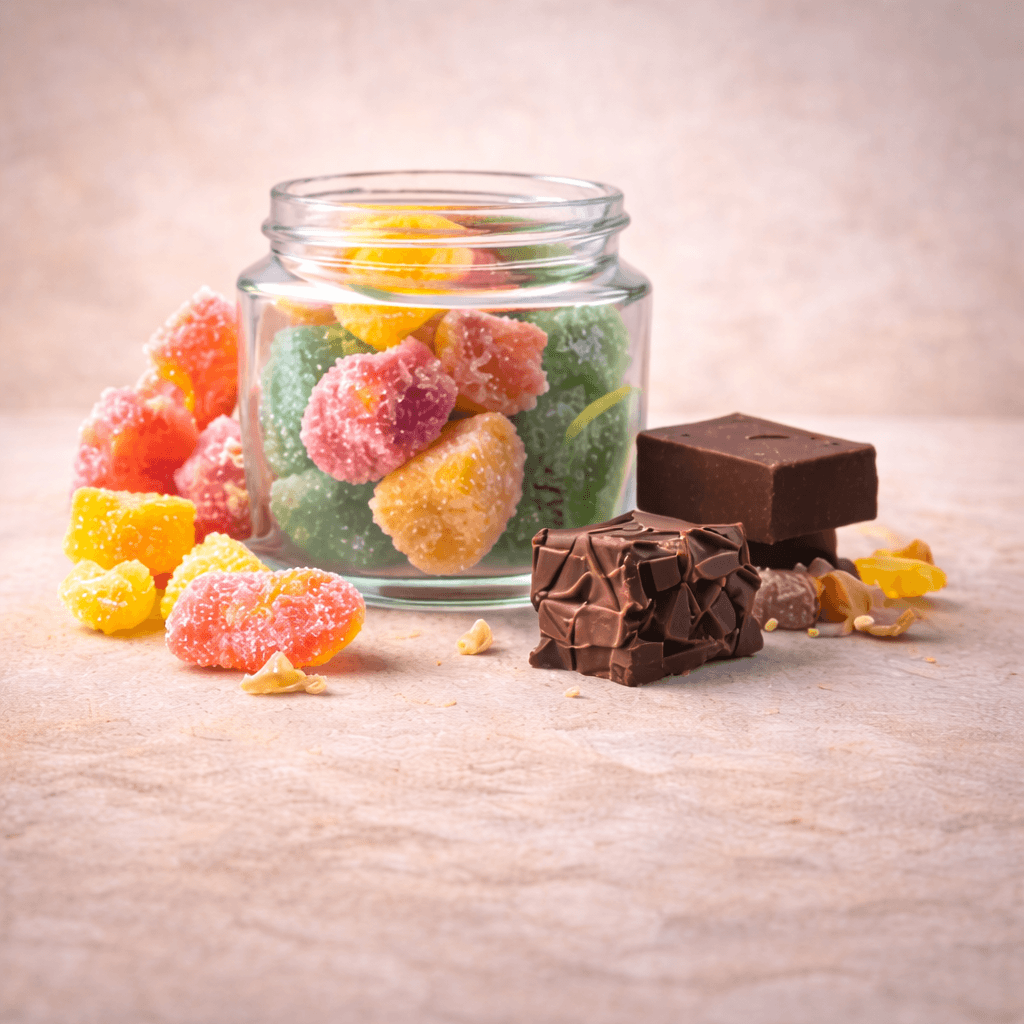
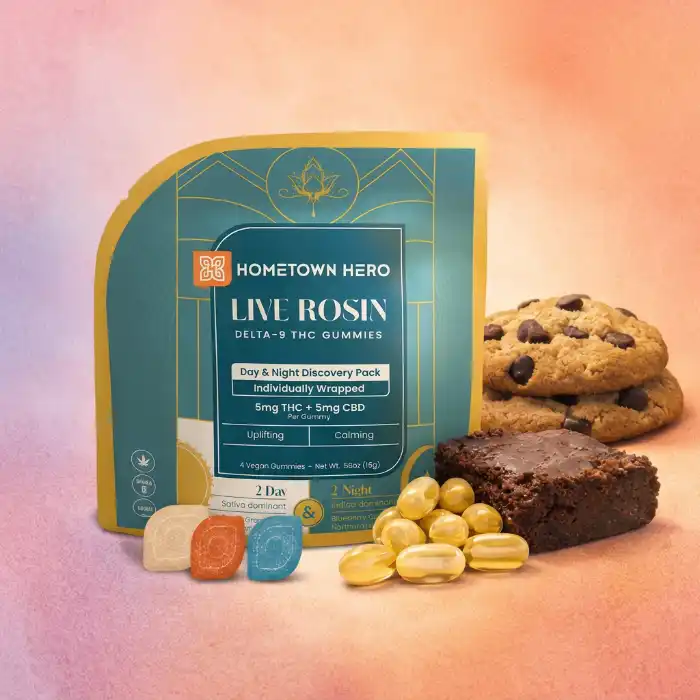
Edibles
-
Slow onset (45–120 min)
-
Strongest body feel
-
Longest duration (6–10 hours)
-
Converts THC → 11-hydroxy-THC (more psychoactive)
Great for sleep, pain relief, and extended relaxation.
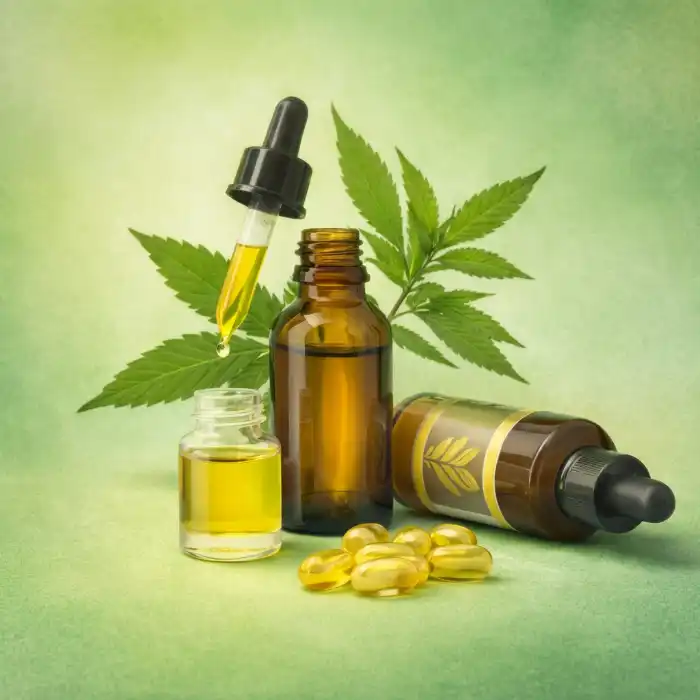
Tinctures
-
Medium onset
-
Precise dosing
-
Smooth, functional effects
Popular for wellness, stress, and controlled THC experiences.
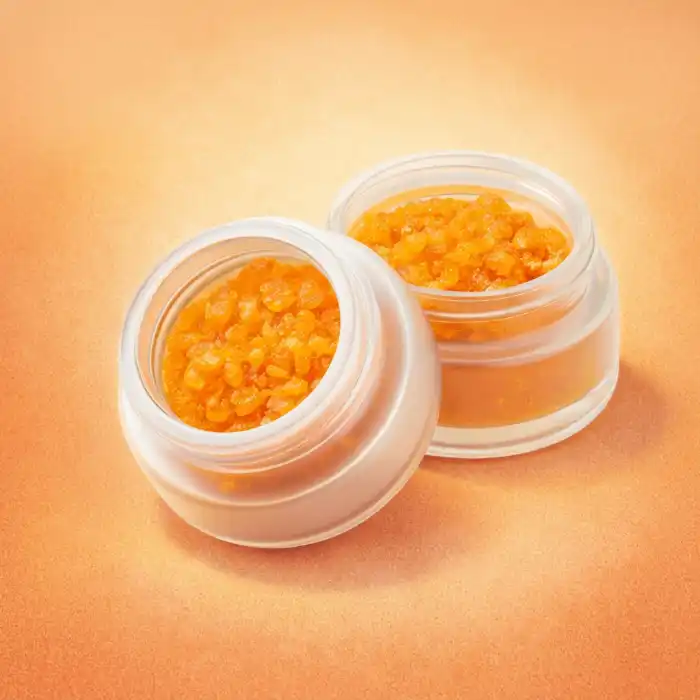
Concentrates
-
Extremely potent
-
Immediate onset
-
For experienced users only
Delivers maximal intensity but requires controlled dosing.
Setting & Mindset: The Invisible Influencers
Where you are and how you feel matter as much as strain chemistry.
Environment
Quiet, comfortable, familiar environments create calmer experiences.
Crowded or unfamiliar spaces can increase anxiety.
Mindset
If you’re stressed, overstimulated, or overthinking, the high may feel chaotic.
If you’re calm and grounded, THC often feels smoother and more enjoyable.
How to Choose Your Desired Experience (2025 Guide)
Here is a modern approach based on chemistry — not strain names.
If you want uplifting effects
Look for: limonene, pinene, terpinolene
Lower doses = cleaner mood lift
If you want creativity
Limonene + terpinolene + low THC
Avoid heavy myrcene strains.
If you want deep relaxation
Myrcene + linalool + caryophyllene
Tinctures or edibles intensify body relief.
If you want focus
Pinene + CBG + low-dose THC
If you want sleep
Myrcene + CBN + linalool
Edibles work best.
Cannabis experience = cannabinoids + terpenes + dose + biology + timing.
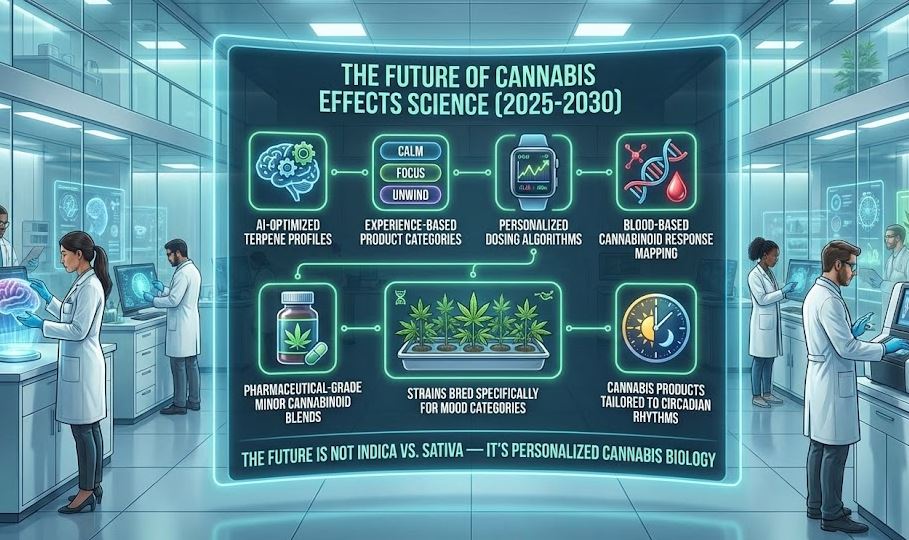
The Future of Cannabis Effects Science
Expect major advancements between 2025 and 2030:
-
AI-optimized terpene profiles
-
Experience-based product categories (“Calm,” “Focus,” “Unwind”)
-
Personalized dosing algorithms
-
Blood-based cannabinoid response mapping
-
Pharmaceutical-grade minor cannabinoid blends
-
Strains bred specifically for mood categories
-
Cannabis products tailored to circadian rhythms
The future is not indica vs. sativa — it’s personalized cannabis biology.
Why Cannabis Feels Different Each Time (Variability Explained)
One of the most confusing things for new users is that cannabis doesn’t always feel the same. You might use the exact same strain on two different days and have completely different experiences. The reason is that cannabis effects are influenced by a dynamic interplay of internal and external factors, many of which shift daily.
Your physiology changes from day to day — hormone levels, hydration, sleep quality, and stress all alter receptor sensitivity. If you are tired or emotionally drained, THC often hits harder and feels heavier. If you slept well and are relaxed, the same dose may feel clean and enjoyable.
Diet also matters. Eating foods rich in fat before consuming cannabis increases THC absorption. Taking edibles on an empty stomach can lead to unpredictable intensity. Even your microbiome (gut bacteria) influences how edibles are metabolized into 11-hydroxy-THC.
Environment plays a role as well. A quiet room with soft lighting steers the experience toward introspection and relaxation. A stimulating or unfamiliar environment amplifies sensory input and can trigger anxiety in sensitive users.
Cannabis feels different not because the plant is inconsistent, but because human neurochemistry is fluid. Understanding this variability helps users avoid surprises and choose the right moment to consume.
The Role of Minor Cannabinoids in Shaping Effects
Although THC dominates the conversation, minor cannabinoids add depth and direction to the experience. Modern cannabis contains over 120+ cannabinoids, many of which subtly influence mood, body feel, and psychoactivity.
CBG acts as a balancing compound, providing alertness and mental clarity without increasing anxiety. Strains rich in CBG often feel “cleaner,” making them popular for daytime use.
CBN, formed when THC ages, contributes sedation and body heaviness — especially at night.
THCV acts as a cognitive stimulant at low doses, providing clarity and appetite suppression.
CBC enhances mood subtly by interacting with serotonin pathways.
Even tiny percentages of these cannabinoids can shape how THC feels. This is why two strains with similar terpene and THC levels may still produce different overall experiences. The cannabis “high” is a symphony, and minor cannabinoids are the supporting instruments that define its tone.
Cannabis for Different Use Cases: How Effects Shift
Cannabis affects people differently depending on their intention.
For relaxation, the best results come from strains high in myrcene, linalool, or caryophyllene, paired with moderate THC doses. The goal is to unwind without overwhelming cognitive effects.
For creativity, lighter terpene profiles — limonene and terpinolene — paired with low to mid-dose THC can help lift mental blocks and expand imaginative pathways.
For physical recovery, such as after workouts, caryophyllene and CBD-rich strains soften inflammation and tension.
For social use, balanced strains with limonene and pinene provide uplift without sedation.
Cannabis isn’t one-size-fits-all — matching chemistry to intention produces far better outcomes.
How to Build Positive Cannabis Experiences (Practical Techniques)
Crafting a good cannabis experience is not accidental. It’s intentional.
Start with a stable mindset. If you’re anxious, overwhelmed, or overstimulated, THC amplifies those feelings. Take a few deep breaths, drink water, and create a peaceful setting before consuming.
Control your environment: lighting, sound, temperature, and comfort influence the emotional tone of the high. Music can guide the experience; silence can deepen introspection. A comfortable seat can prevent tension buildup.
Use measured dosing. Begin low and wait the appropriate amount of time based on your consumption method. Resist the urge to redose too quickly, especially with edibles.
Pair cannabis with grounding activities — journaling, stretching, light movement, art, or nature. These anchor the experience and prevent mental drift.
Above all, observe your reactions. Every experience teaches you more about your personal tolerance, preferences, and biological patterns.
Conclusion
Cannabis effects are not random. They are predictable once you understand the interplay between terpenes, cannabinoids, dose, biology, mindset, and consumption method. Cannabis can energize, relax, uplift, motivate, or sedate — and the difference often comes down to choosing the right profile for your goals.
Use the insights in this guide to navigate cannabis intentionally, avoid negative experiences, and unlock the full potential of the plant. Whether you’re seeking calm, creativity, focus, relief, or enjoyment, modern cannabis science gives you the roadmap.