🚛 Free Discreet Shipping on Orders $49+ | Lab-Tested Quality Guaranteed










The Ultimate Guide to Delta-8 THC
A comprehensive, research-driven look at effects, safety, legality, dosing, and shopping tips Delta-8 THC has become one of the most searched-for cannabinoids in the United States—rising from niche curiosity to a mainstream wellness conversation in only a few years. Consumers describe it as smoother than traditional cannabis, brands market it as a legal alternative to Delta-9, and lawmakers debate it

Published on: December 2, 2025
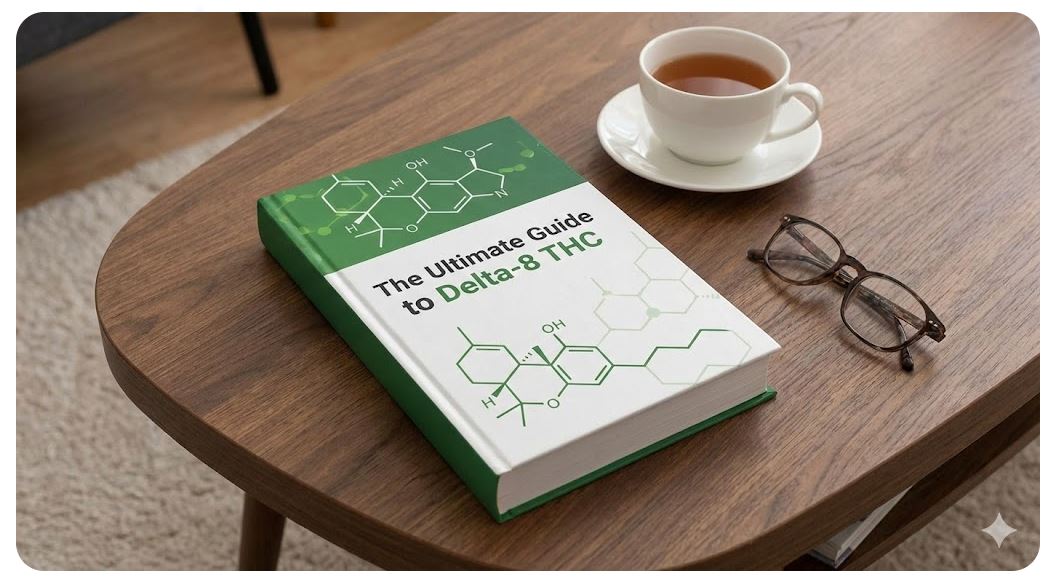
A comprehensive, research-driven look at effects, safety, legality, dosing, and shopping tips
Delta-8 THC has become one of the most searched-for cannabinoids in the United States—rising from niche curiosity to a mainstream wellness conversation in only a few years. Consumers describe it as smoother than traditional cannabis, brands market it as a legal alternative to Delta-9, and lawmakers debate it more frequently than almost any hemp-derived product.
If you’re exploring Delta-8 for the first time—or looking to understand how it works, what it feels like, and whether it’s right for you—this guide breaks everything down clearly, without hype or confusion. We’ll cover the science, the laws, the safety considerations, and how to choose high-quality products.
What Is Delta-8 THC?
Delta-8 THC (Delta-8-tetrahydrocannabinol) is a naturally occurring cannabinoid found in the cannabis plant. It is chemically similar to Delta-9 THC—the primary psychoactive compound in marijuana—but with a slightly altered molecular structure.
That small difference matters. Delta-8 binds to the body’s CB1 receptors less aggressively, which often leads to milder, smoother, and more manageable effects compared to traditional THC.
Because cannabis plants contain Delta-8 in very small amounts, most Delta-8 on the market is made by converting hemp-derived CBD through a legal isomerization process.
Delta-8 vs. Delta-9 THC: The Key Differences
Although they share the THC name, they aren’t identical:
-
Psychoactive intensity: Delta-8 tends to produce a lighter, calmer high.
-
Side effects: Many users report fewer instances of paranoia or anxiety.
-
Legality: Delta-8 is federally legal when derived from hemp containing less than 0.3% Delta-9 THC (though states vary).
-
Production: Delta-9 occurs naturally in high levels; Delta-8 appears in trace amounts and requires conversion.
These differences are why Delta-8 has become a popular choice for people who want THC-like effects without the intensity associated with standard cannabis products.
How Delta-8 THC Works in the Body
Your body has an internal system designed to interact with cannabinoids: the endocannabinoid system (ECS). The ECS regulates mood, sleep, appetite, inflammation, stress response, and other essential functions.
Delta-8 interacts with the ECS by binding to CB1 receptors in the brain and CB2 receptors in the immune system. Because its molecular structure is slightly different from Delta-9, the bond is weaker, creating effects that are typically smoother and more functional.
Common Effects Reported by Delta-8 Users
While experiences vary by body chemistry, dose, and product type, most users describe:
-
A mild euphoria
-
Relaxation without feeling sedated
-
A clearer, more functional high
-
Increased appetite
-
Reduced stress or tension
-
Improved sleep quality
Some also use Delta-8 to help with discomfort, headaches, or winding down at the end of the day.
Does Delta-8 Really Get You High?
Yes—Delta-8 is psychoactive. It produces a high, but the intensity is generally lower than traditional marijuana. Think of it as “light THC” or “THC with training wheels.” Newer users often describe it as more predictable and manageable.
Forms of Delta-8 THC Products
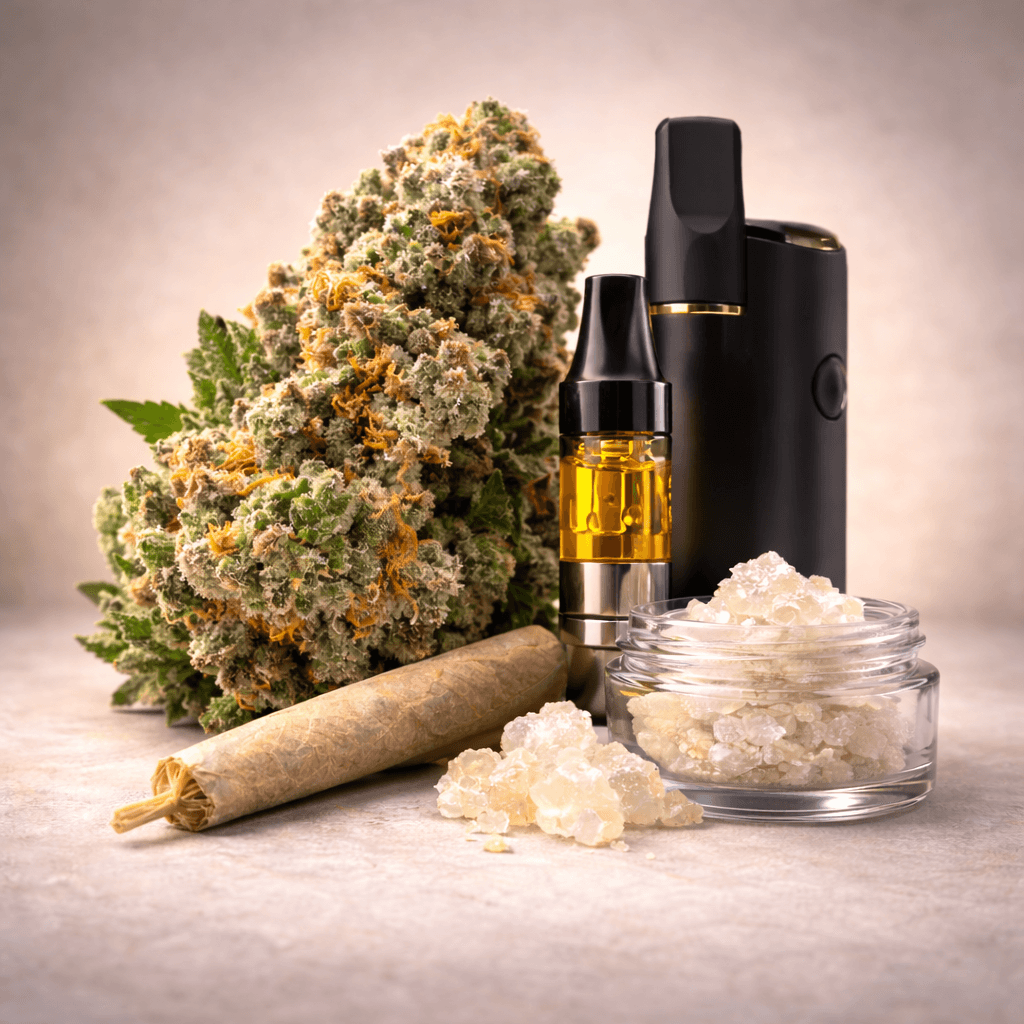
Delta-8 is available in nearly every format that traditional cannabis comes in. Choosing the right form depends on how fast you want effects, how long you want them to last, and how precise you want your dose to be.
1. Delta-8 Gummies
One of the most popular forms. Gummies offer:
-
Discreet consumption
-
Consistent dosing
-
Long-lasting effects
-
Slow onset (45–90 minutes)
Gummies are ideal for beginners because they provide predictable potency and don’t require inhalation.
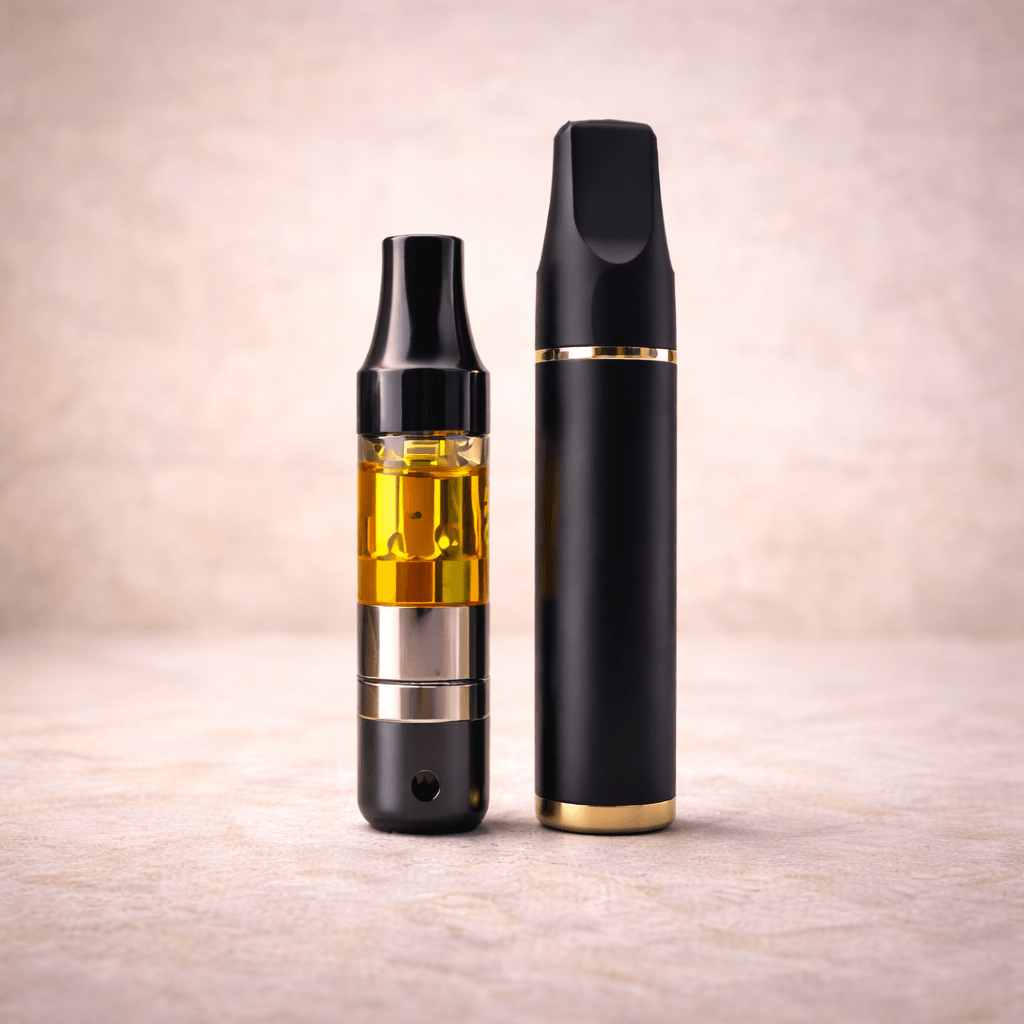
2. Delta-8 Vape Pens and Cartridges
Vaping offers fast onset and adjustable dosing. Effects are usually felt within minutes and last 1–3 hours.
Choose this option if you prefer immediate relief or want to micro-dose throughout the day.
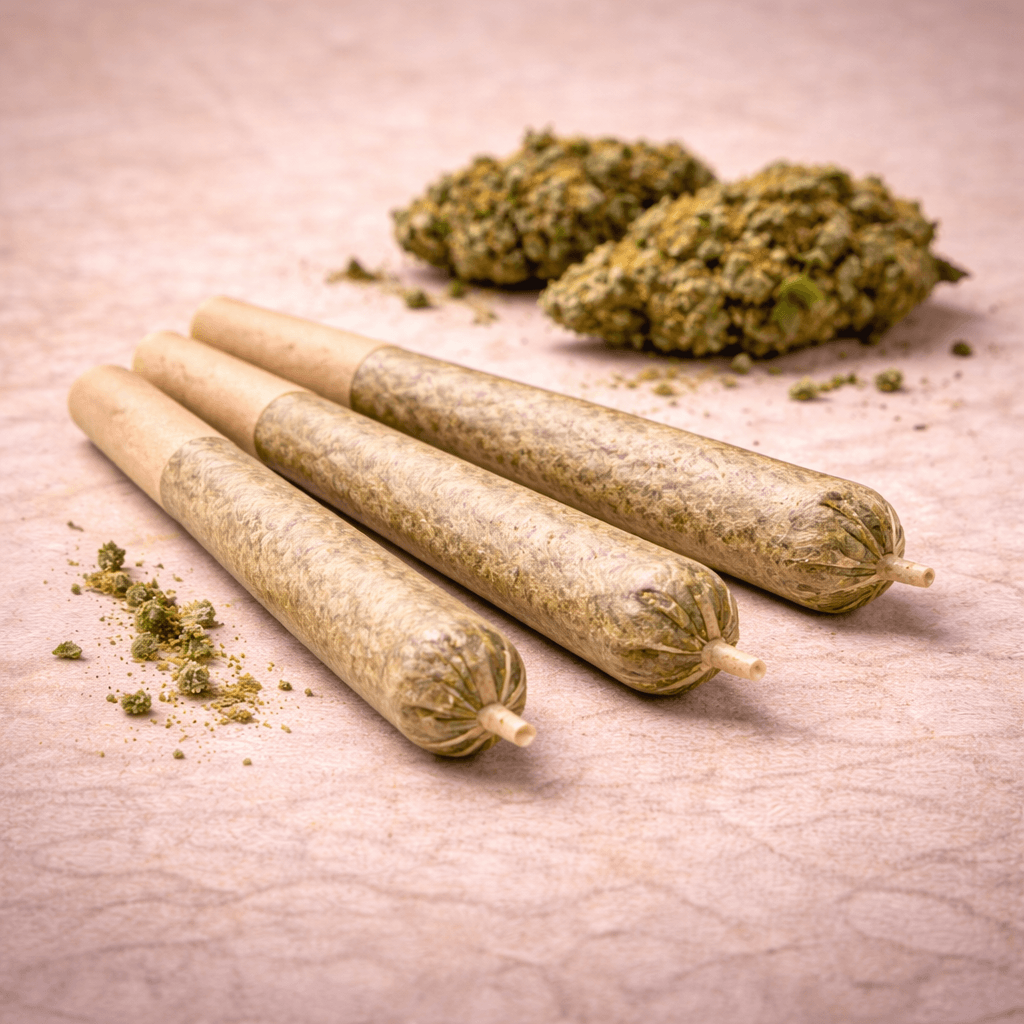
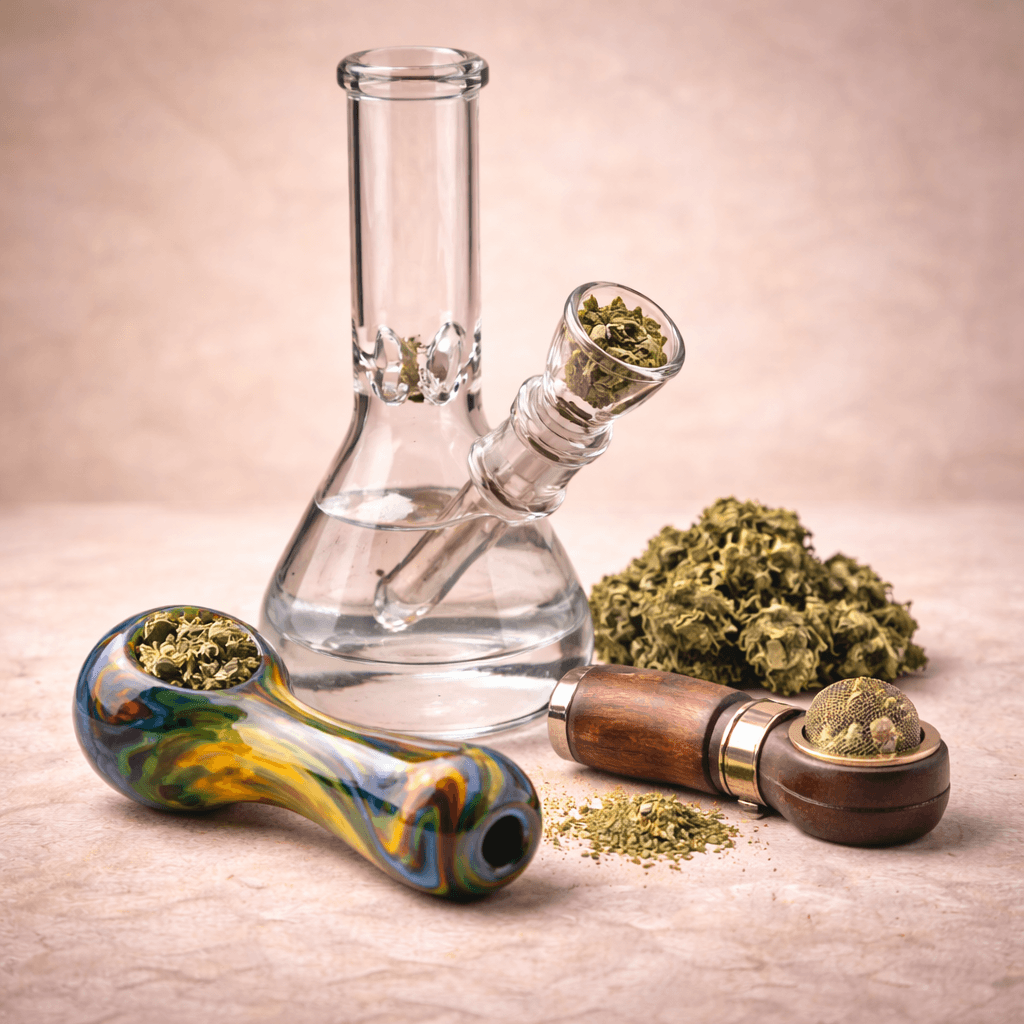
3. Delta-8 Flower and Pre-Rolls
Hemp flower infused with Delta-8 extract. Benefits include:
-
Full-spectrum cannabinoid profile
-
Fast effects
-
A familiar smoking ritual for cannabis users
Flower tends to produce a more robust, traditional-THC-like experience.
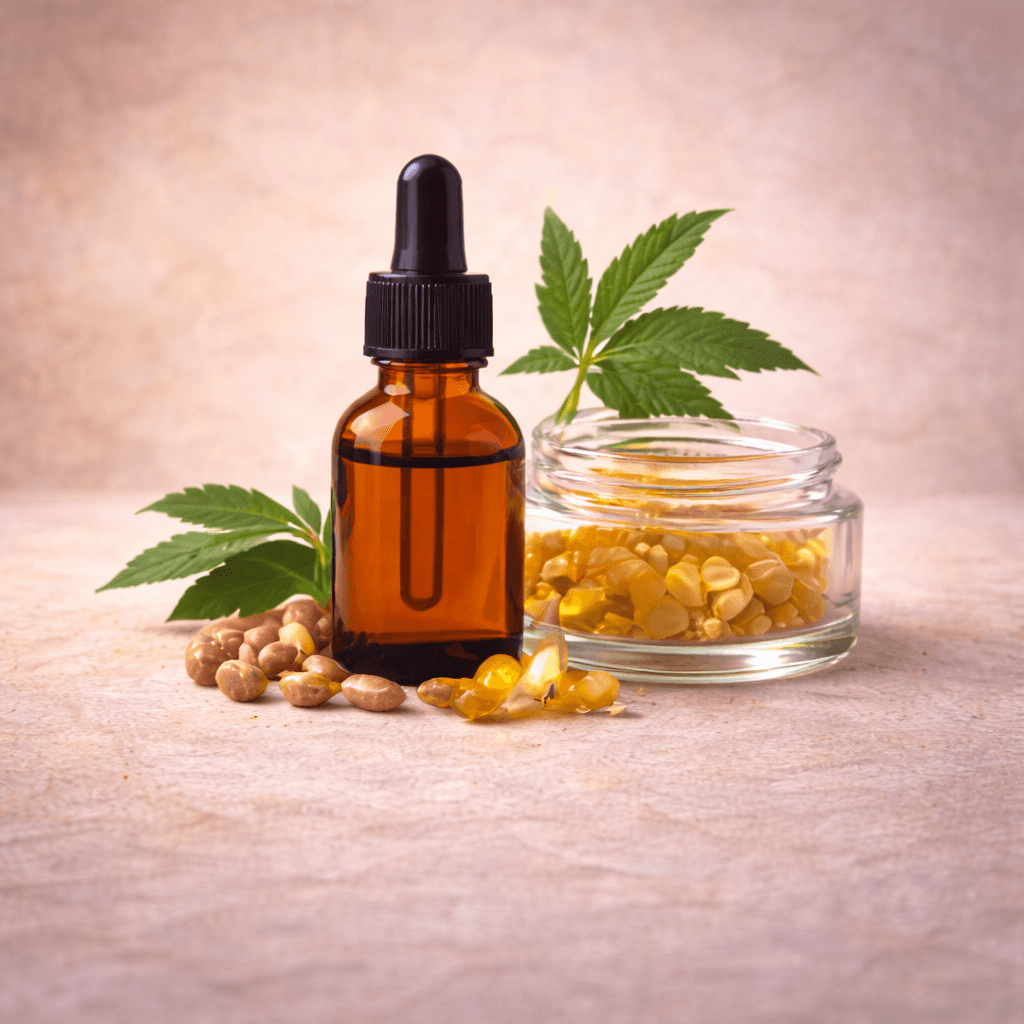
4. Delta-8 Tinctures and Oils
Placed under the tongue for 30–60 seconds, tinctures offer:
-
Precise dosing
-
Customizable experience
-
Effects beginning in 20–40 minutes
Great for people who prefer not to inhale or eat candy-based edibles.
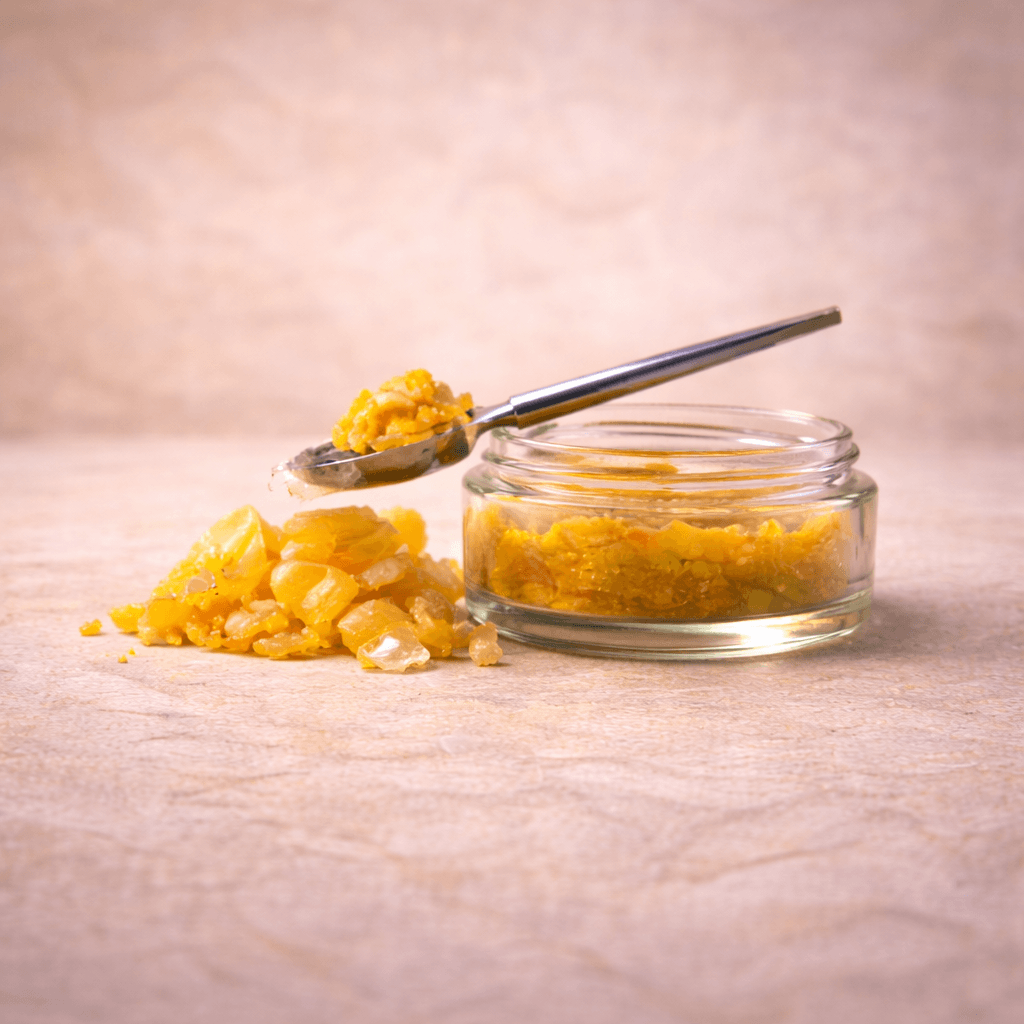
5. Delta-8 Distillate
A thick, concentrated form of Delta-8 used for dabbing or making edibles. This option is best for experienced users due to its high potency.
How Long Delta-8 Takes to Kick In
The onset depends on the consumption method:
Vaping or Smoking
-
Onset: 1–5 minutes
-
Peak: 15–30 minutes
-
Duration: 1–3 hours
Gummies or Edibles
-
Onset: 45–90 minutes
-
Peak: 2–3 hours
-
Duration: 4–8 hours
Tinctures
-
Onset: 20–40 minutes
-
Peak: 1–2 hours
-
Duration: 4–6 hours
Edibles take longer because they must pass through the digestive system, while vapes bypass digestion and enter the bloodstream quickly.
Delta-8 THC Dosage Guide
Finding your ideal Delta-8 dose depends on tolerance, body weight, metabolism, and cannabinoid experience. Because Delta-8 is milder than Delta-9, many people are tempted to take too much too quickly—but starting low is always smarter.
General Dosage Recommendations
-
Beginner: 5–15 mg
-
Intermediate: 15–30 mg
-
Experienced: 30–60 mg
-
Expert / Heavy tolerance: 60+ mg
For vapes, a single puff can range from 2–5 mg.
Best Practices for Safe Dosing
-
Start low and increase gradually.
-
Wait at least 90 minutes after eating gummies before taking more.
-
Avoid mixing with alcohol or sedatives.
-
Track your personal response for future dosing.
Is Delta-8 THC Safe?
The safety of Delta-8 THC is one of the most common questions among new and experienced cannabis users. While research is still developing, current findings suggest that Delta-8 can be safe when it is properly manufactured, thoroughly tested, and consumed responsibly. The cannabinoid itself is not considered inherently dangerous; instead, most safety concerns come from how the product is made and who is producing it.
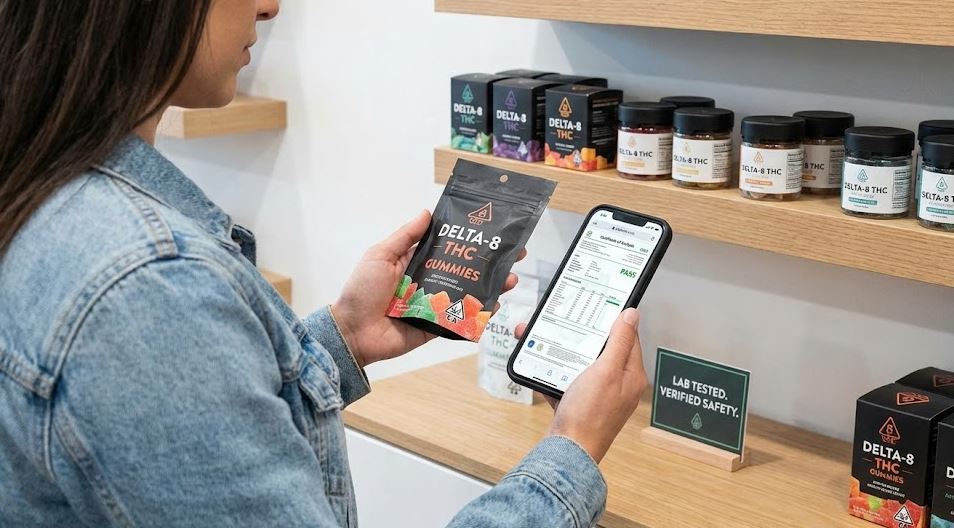
Since Delta-8 occurs naturally in very small amounts in hemp, most consumer products rely on converting CBD into Delta-8 through a chemical process called isomerization. When performed correctly in a clean, controlled environment, this method is safe and widely accepted. However, when companies cut corners, contaminants can remain in the final product. Poor-quality manufacturing may leave behind residual solvents, heavy metals, or unknown chemical byproducts, all of which can affect both safety and potency.
This is why choosing reputable brands is essential. High-quality Delta-8 products always come with updated, third-party lab tests (COAs) that verify cannabinoid levels and screen for harmful substances. These reports confirm that the final product meets legal requirements, contains clean hemp-derived Delta-8, and is free from pesticides, molds, and chemical residues. Without these safeguards, consumers may unknowingly purchase products that are inconsistent, weak, or contaminated.
Possible side Effects
Like other cannabinoids, Delta-8 THC can produce side effects, most of which are mild and temporary. Common effects include dry mouth, red eyes, increased appetite, sleepiness, and short-term forgetfulness. Some users may also experience mild dizziness or anxiety, although these reactions are uncommon and usually linked to higher doses.
The relationship between dose and effect is important. Lower amounts of Delta-8 generally result in smooth, manageable effects that many users describe as relaxing and clear-headed. Higher doses, however, may feel more similar to Delta-9 THC and can increase the likelihood of side effects. This makes responsible dosing especially important for beginners or anyone with low cannabinoid tolerance.
Overall, Delta-8 THC can be used safely, but only when consumers choose clean, lab-tested products and follow sensible dosing guidelines. The cannabinoid itself is not the problem—poor manufacturing and lack of quality control are. By sticking to reputable brands and understanding how your body reacts, Delta-8 can be a safe and enjoyable option for many users.
Is Delta-8 THC Legal?
Delta-8’s legal status is one of the most complicated aspects of the cannabinoid.
Federal Law
Under the 2018 Farm Bill, Delta-8 is federally legal if:
-
It is derived from hemp
-
The product contains <0.3% Delta-9 THC by dry weight
The bill does not mention Delta-8 directly, which opened the door for hemp-derived THC isomers to become legal in most states.
State Laws
Some states have restricted or banned Delta-8 due to concerns over production standards and youth access. Others regulate it under their cannabis programs.
The legal categories generally fall into:
-
Fully legal and unregulated
-
Regulated like cannabis
-
Banned or restricted
Because laws change frequently, consumers should always check updated state regulations before purchasing.
How Delta-8 THC Is Made
Most Delta-8 products come from converting hemp-derived CBD through an isomerization process. Because cannabinoids are structurally similar, this conversion is both efficient and scientifically valid.
The Production Steps Generally Include:
-
Extracting CBD from hemp
-
Converting CBD to Delta-8 via controlled isomerization
-
Neutralizing acids used in conversion
-
Filtering impurities
-
Distilling the final Delta-8
-
Testing through third-party labs
Reputable manufacturers use cGMP facilities, safe extraction methods, and transparent certificates of analysis (COAs).
How to Choose High-Quality Delta-8 Products
The most important part of buying Delta-8 is verifying that the product is clean, safe, and accurately labeled. Because the Delta-8 market is still developing, quality varies widely between brands.
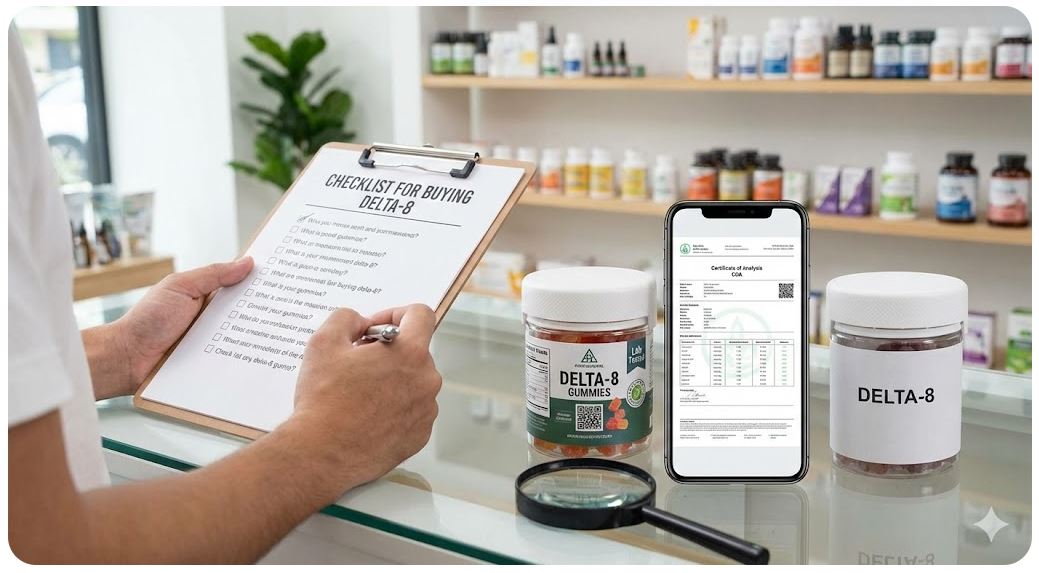
Checklist for Buying Delta-8
1. Third-Party Lab Testing (COAs)
Every product should have a certificate showing:
-
Potency
-
Cannabinoid profile
-
Residual solvent levels
-
Pesticide results
-
Heavy metal testing
Avoid any product without updated COAs.
2. Hemp Source
U.S.-grown organic hemp is preferable for purity and consistency.
3. Manufacturing Transparency
Look for companies that clearly explain their extraction and conversion processes.
4. Ingredient List
Avoid products with unnecessary artificial fillers, syrups, or questionable oils.
5. User Reviews
Legitimate feedback provides clues about reliability and effects.
6. Packaging & Brand Reputation
Professional packaging and clear labeling often reflect stronger quality control.
Delta-8 THC vs. Other Cannabinoids
Delta-8 vs. Delta-9
-
Delta-9 is stronger and more psychoactive.
-
Delta-8 is smoother and more beginner-friendly.
-
Delta-9 is regulated as cannabis; Delta-8 is hemp-derived.
Delta-8 vs. Delta-10
-
Delta-8 = relaxing, calming
-
Delta-10 = energizing, uplifting
Delta-8 vs. HHC
-
HHC tends to feel slightly stronger
-
Effects may last longer
-
Both are popular hemp-derived alternatives
Delta-8 vs. CBD
-
CBD is non-psychoactive
-
Delta-8 produces a mild high
-
Both may help with relaxation and stress relief
Will Delta-8 Show Up on a Drug Test?
Yes. Delta-8 metabolizes into the same THC metabolites that standard drug tests check for. Even though it’s hemp-derived, it is chemically similar enough to Delta-9 that:
-
Urine tests
-
Blood tests
-
Hair tests
may all show a positive result. Anyone subject to drug testing should avoid Delta-8.
Who Should Avoid Delta-8 THC?
Delta-8 may not be suitable for:

-
Pregnant or breastfeeding individuals
-
People taking sedative medications
-
Individuals with certain heart conditions
-
Those who must pass workplace drug tests
-
Anyone under the legal age in their state
When in doubt, consult a licensed medical professional.
Using Delta-8 THC Responsibly
Using Delta-8 THC responsibly starts with understanding your own tolerance and choosing products that are safe, clean, and accurately tested. Because everyone reacts differently to cannabinoids, beginning with a low dose—especially for edibles—is the smartest approach. Gradually increasing your amount gives you better control over the experience and reduces the chance of unwanted effects.
Quality matters just as much as dosage. Only purchase Delta-8 from brands that provide up-to-date third-party lab reports showing cannabinoid content, residual solvent testing, and screening for contaminants. This ensures you’re getting a product that’s both legal and safe.
It’s also important to avoid driving or operating machinery after taking Delta-8. Even though many people describe it as milder than Delta-9, it is still psychoactive and can impair judgment and reaction time. Products should be stored safely and kept away from children and pets, especially gummies that may look like candy.
Finally, stay aware of state regulations. Delta-8 is federally legal, but state laws vary widely and continue to change. Responsible use means staying informed, using moderation, and choosing high-quality products.
The Future of Delta-8 THC
The future of Delta-8 THC is closely tied to evolving hemp regulations, scientific research, and consumer demand. As the market grows, many experts expect stronger rules around lab testing, age restrictions, and manufacturing practices. Standardized testing could help eliminate poorly made products, while age limits may bring Delta-8 closer in line with traditional cannabis regulations.
Quality control is also likely to improve. Brands may face stricter requirements around labeling, ingredient transparency, and conversion methods used to create Delta-8 from CBD. Some states are already moving to regulate Delta-8 under the same framework as Delta-9 THC, suggesting that unified cannabis rules may become more common.
As research expands, Delta-8 could lead to more refined, therapeutic-grade products and clearer guidance for both consumers and retailers. Regardless of how laws change, Delta-8 is expected to remain an important part of the hemp-derived cannabinoid market.
Final Thoughts: Should You Try Delta-8 THC?
Delta-8 THC offers a unique balance: a mild, approachable THC experience with many of the familiar benefits of traditional cannabis. For new users, it provides an entry point into the world of cannabinoids without overwhelming intensity. For experienced users, it offers a smoother alternative for daily unwinding, stress relief, or sleep support.
As long as you choose clean, lab-tested products and follow responsible dosing, Delta-8 can be an effective and enjoyable option.
Whether you’re exploring gummies, vapes, tinctures, or flower, understanding how Delta-8 works—its legality, effects, and safety profile—will help you get the most out of the experience.