🚚 Free Discreet Shipping on Orders $49+ | Lab-Tested Quality Guaranteed











The Ultimate Sleep Guide: Best Cannabinoids for Sleep
Published on December 1, 2025
Last Updated on January 6, 2026
By Raven Ballou
Introduction
Sleep has quickly become one of the biggest wellness struggles of the modern world. Whether it’s stress from work, insomnia that has built up over years, late-night phone scrolling, or the general overstimulation of 2025 life, millions of people find themselves lying awake at night wishing for rest but unable to shut down their minds. Because of this, cannabinoids have emerged as one of the most popular sleep tools on the market — and unlike traditional sleep medications, they offer more nuanced, customizable effects.
But the sleep cannabinoid market is also confusing. New cannabinoids are introduced every year, each claiming to be “the best” for sleep. Products come in dozens of formats — edibles, tinctures, THCA flower, Delta-8 vapes, CBD + CBN blends, microdose gummies, full-spectrum tinctures — and all companies promise calm, deep sleep, and “wake-up refreshed” mornings. And yet, many users still aren’t sure which cannabinoid actually works best for their specific type of sleep problem.
This guide breaks down the real science behind sleep and cannabinoids, explains how each cannabinoid works in the body, and gives you a practical roadmap to choosing the right product. By the end, you’ll understand exactly how to approach cannabinoids for sleep with confidence, clarity, and safety.
What “Sleep” Really Means (Science Explained Simply)
Sleep isn’t just “shutting off your brain.” It’s a complex biological process controlled by the circadian rhythm and the sleep–wake homeostat, and each cannabinoid interacts with these systems differently.
The Circadian Rhythm: Your Internal Clock
Your circadian rhythm regulates:
-
melatonin release
-
body temperature
-
hormone fluctuations
-
wakefulness patterns
-
timing of sleep cycles
It’s triggered by light exposure, daily routines, and your brain’s natural chemistry. Cannabinoids don’t control the circadian rhythm directly — but they influence how easily your body transitions into rest.
The Sleep–Wake Homeostat
This system relies heavily on adenosine, a chemical that builds up in your brain the longer you are awake. When adenosine reaches a certain point, you feel pressure to sleep.
Cannabinoids influence the homeostat by:
-
reducing neural activity
-
relaxing the body
-
relieving anxiety or tension
-
quieting the mind
Cannabinoids Work Differently for Different Sleep Problems
If your issue is falling asleep:
Compounds like THC, CBN, and sedating terpenes are effective because they act quickly on CB1 receptors and GABA pathways.
If your issue is staying asleep:
CBD and CBN are better at stabilizing sleep cycles and reducing microawakenings.
If anxiety keeps you awake:
CBD, CBG, and balanced THC:CBD ratios target emotional and physiological stress responses.
Sleep is not a one-size-fits-all issue — and cannabinoids shouldn’t be either.
Why Cannabinoids Are Popular for Sleep
The rise in cannabinoid-based sleep solutions isn’t random. In a world where sleep meds often cause grogginess, dependence, or hormonal disruption, cannabinoids offer a gentler, more adaptive option.
1. Sleep Disorders Are Increasing Rapidly
Modern lifestyles push the body out of its natural rhythm. Studies show that:
-
1 in 3 adults struggles with insomnia
-
Millennials and Gen Z report the highest levels of sleep deprivation
-
Stress, screens, and irregular schedules are the primary triggers
Cannabinoids help the mind and body transition into a calmer state without the harshness of pharmaceutical sedatives.
2. Traditional Sleep Aids Have Downsides
Melatonin is widely overused, often delivered in doses 3–10 times higher than needed. Antihistamines cause next-day haze. Prescription hypnotics may create dependence.
Cannabinoids, when used smartly, provide a more natural approach with fewer unwanted side effects.
3. Modern Consumers Want Personalized Sleep Solutions
The cannabinoid market allows customization:
-
THC for fast sedation
-
CBD for anxiety
-
CBN for deeper rest
-
CBG for emotional calming
-
Blends for synergistic effects
Consumers now choose sleep tools based on chemistry — not outdated indica/sativa labels.
Cannabinoids for Sleep: Effects, Benefits & Use Cases (Full Explanations)
Below is a detailed breakdown of the most common cannabinoids used for sleep, how they work, and who they work best for.
THC (Delta-9, THCA-Derived THC, Hemp-Derived THC)
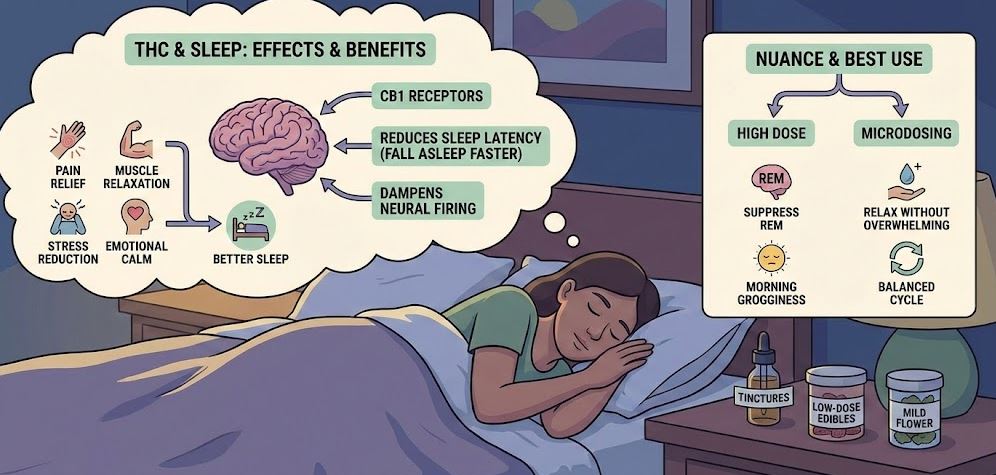
THC remains the strongest cannabinoid for reducing sleep latency — the time it takes to fall asleep. It binds strongly to the CB1 receptors in the brain, dampening neural firing and reducing both mental and physical arousal. This makes it ideal for people who take hours to wind down or those whose thoughts race at night.
THC is also effective for:
-
Pain-related sleep issues
-
Muscle tightness or restless body sensations
-
Stress-induced insomnia
-
Sleep disruption caused by emotional overactivation
But THC has a nuance: high nighttime doses suppress REM sleep. For chronic users, this can lead to dream changes or morning grogginess. The best approach is microdosing — using just enough THC to relax without overwhelming the sleep cycle.
Best format: tinctures, low-dose edibles, or mild THCA flower.
CBD
Best For: anxiety-driven insomnia, stabilizing sleep cycles, reducing nighttime awakenings
CBD is not a sedative. Instead, it enhances sleep by improving the conditions that make sleep possible:
-
It lowers cortisol, the stress hormone.
-
It reduces sympathetic nervous system activity (fight-or-flight).
-
It helps regulate REM and NREM transitions.
-
It decreases inflammation and muscle tension.
CBD is ideal for people who can fall asleep but struggle with:
-
waking up repeatedly
-
nighttime anxiety spikes
-
emotional overstimulation
-
overactive thinking
CBD can also balance out THC, making THC more predictable and less likely to produce racing thoughts.
CBN
Best For: deeper sleep & reducing middle-of-the-night awakenings
CBN is often called the “sleep cannabinoid.” While it isn’t as sedating as pharmaceutical sleep aids, it produces a calm, heavy, body-melting effect that many people equate to a floaty relaxation state.
CBN helps:
-
slow the nervous system
-
reduce nighttime twitching
-
enhance sleep continuity
-
prolong restfulness without strong intoxication
When paired with THC, CBN amplifies the relaxing effect and prevents over-alertness.
CBG
Best For: emotional calming, racing thoughts, anxiety that prevents sleep
CBG interacts with serotonin and GABA receptors, offering a grounding emotional effect. It’s not sedating — instead, it acts as a stabilizer for those whose sleep issues are psychological rather than physiological.
THCP
Best For: heavy sedation — only for experienced users
THCP binds to CB1 receptors more strongly than THC. Even small doses (0.3–1 mg) can cause intense relaxation or sedation. This makes it effective for users with extremely high tolerance, but inappropriate for beginners.
CBC
Best For: mood support and gentle relaxation
CBC helps regulate mood, which plays a role in whether the mind can settle into sleep.
Safety, Risks & Important Considerations (Expanded Section)
Cannabinoids are generally safer than most sleep medications, but there are important considerations:
1. Over-Sedation
High doses of THC, THCP, or long-lasting edibles can linger into the next morning. Some users wake up groggy or mentally foggy, especially if dosing too late at night.
2. Tolerance Buildup
Nightly THC use can lead to tolerance. A dose that once worked perfectly may become ineffective after weeks or months. Alternating THC nights with CBD + CBN nights helps preserve sleep quality.
3. Potential Anxiety Spikes
Certain terpenes or high-potency vape oils may overstimulate sensitive users. Too much THC can also trigger racing thoughts, especially if the strain contains high limonene or terpinolene.
4. Edible Timing
Edibles take between 45–120 minutes to kick in depending on metabolism. Users often redose too early, leading to an overly strong effect later in the night.
5. Interaction with Medications
Cannabinoids can affect sedatives, antidepressants, and blood pressure medications. Medical consultation is recommended for daily use.
6. Respiratory Impact of Smoking
While flower is gentler than vapes or distillates, smoking may not be the best option for people with respiratory sensitivity. Tinctures and softgels are cleaner alternatives.
Legality & Regulation in 2025
Sleep cannabinoids fall into different legal categories:
-
CBD: Federally legal
-
CBN: Legal but increasingly regulated
-
Delta-9 THC: Legal only in cannabis-legal states
-
Hemp-derived Delta-9: Legal if compliant, but regulated state-by-state
-
Delta-8, HHC, THCP, THCA: Varies by state; some banned, some restricted, some fully legal
The complexity means consumers should verify their state’s rules before purchasing.
Cannabinoids vs. Traditional Sleep Aids
Cannabinoids differ significantly from melatonin or prescription sedatives.
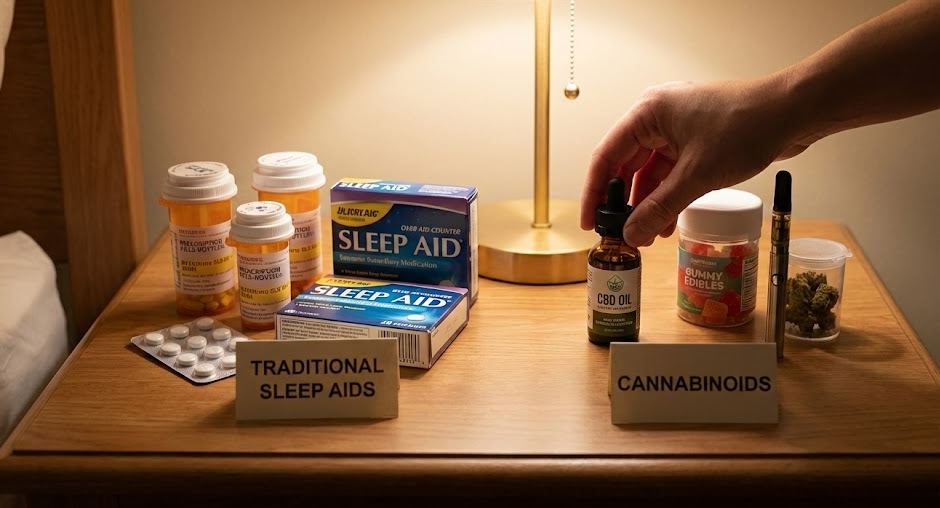
Melatonin
Great for adjusting circadian rhythm; not a sedative.
Excessive doses (common in gummies) lead to grogginess and vivid dreams.
Magnesium
Supports muscle relaxation and stress reduction.
Works synergistically with CBD and THC.
Herbal Medicines
Valerian, chamomile, and ashwagandha provide mild calming effects but lack potency for severe insomnia.
Cannabinoids
Influence multiple systems: anxiety, pain, brain activity, inflammation, and muscle tension.
They support both sleep onset and sleep duration depending on which cannabinoids are used.
How Sleep Cannabinoids Are Produced & How They Work
Cannabinoids are extracted through CO₂ or ethanol extraction, converted or oxidized if needed, then formulated into:
-
gummies
-
tinctures
-
vape cartridges
-
THCA flower
-
softgels
These interact with:
-
CB1 receptors (sedation)
-
CB2 receptors (pain relief)
-
serotonin receptors (mood effects)
-
GABA pathways (calming neural activity)
Together, they nudge the nervous system into a state that supports rest.
How to Choose the Right Cannabinoid for Sleep (Expanded Guide)
Selecting the right cannabinoid depends entirely on your specific sleep challenge.
If you struggle to fall asleep (sleep latency issues):
Use:
-
low-dose THC
-
THC + CBN blends
-
THCA flower (mild use)
Why it works:
These compounds slow mental activity and reduce physical tension.
If you wake up repeatedly throughout the night:
Use:
-
CBN
-
CBD + CBN blends
-
long-lasting edibles or softgels
Why it works:
These cannabinoids smooth sleep cycles and reduce microawakenings.
If anxiety or overthinking keeps you awake:
Use:
-
CBD
-
CBG
-
1:1 THC:CBD formulations
Why it works:
CBD and CBG directly downregulate stress pathways.
If pain prevents sleep:
Use:
-
THC + CBD combinations
-
THCA flower
-
full-spectrum edibles
Why it works:
Pain relief is often essential for entering deep sleep.
If you require strong sedation:
Use:
-
THCP in microdoses
-
THC + CBN gummies
-
myrcene-heavy formulations
Why it works:
Stronger CB1 binding equals deeper sedation — but must be used cautiously.
If you want no intoxication:
Use:
-
CBD
-
CBG
-
CBD + CBN blends
Why it works:
These support sleep without mental impairment.
Best Product Formats for Sleep
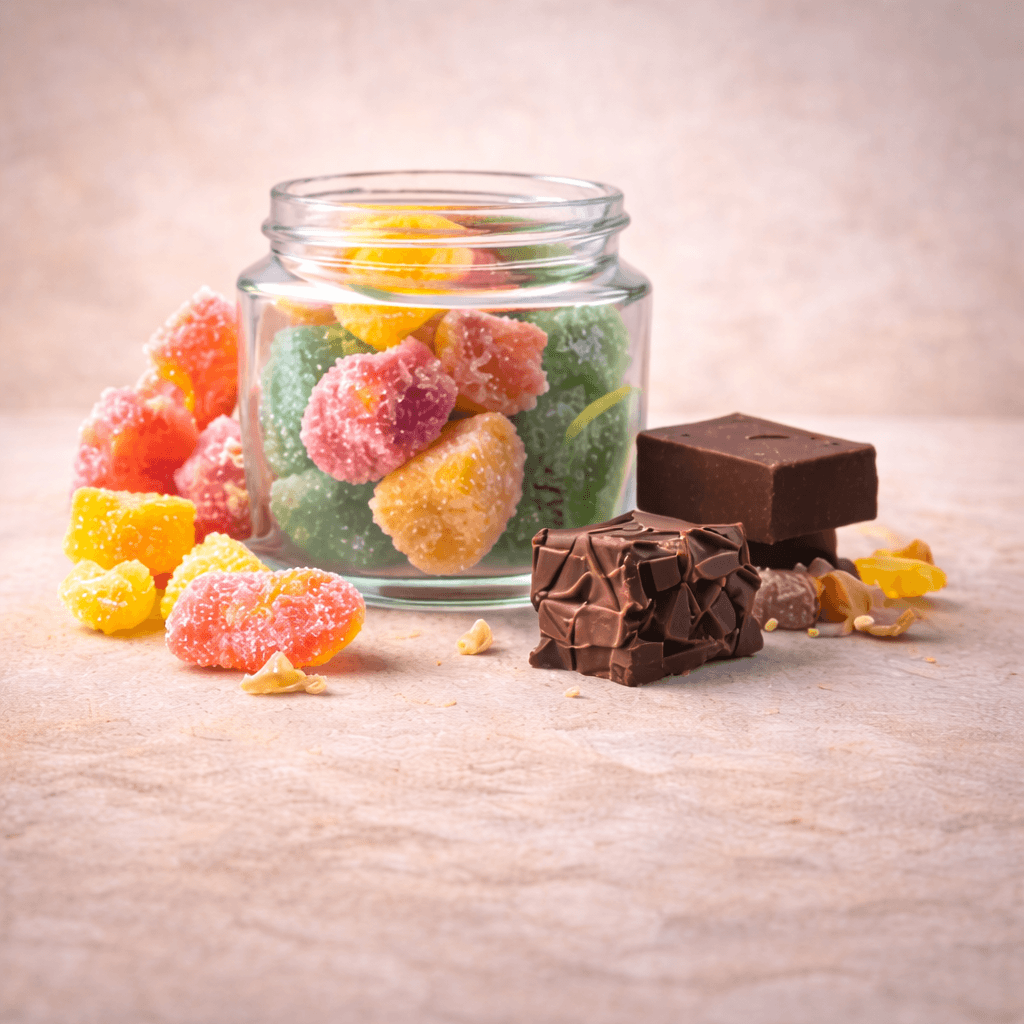
1. Edibles
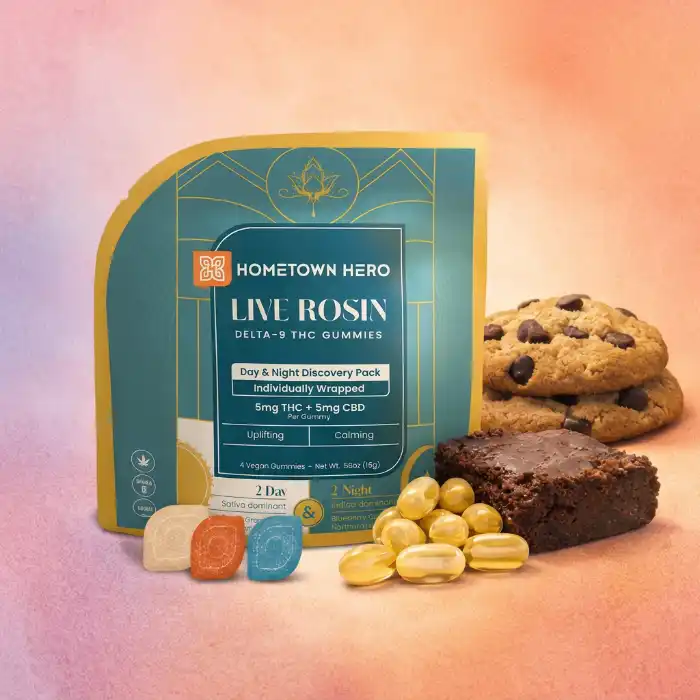
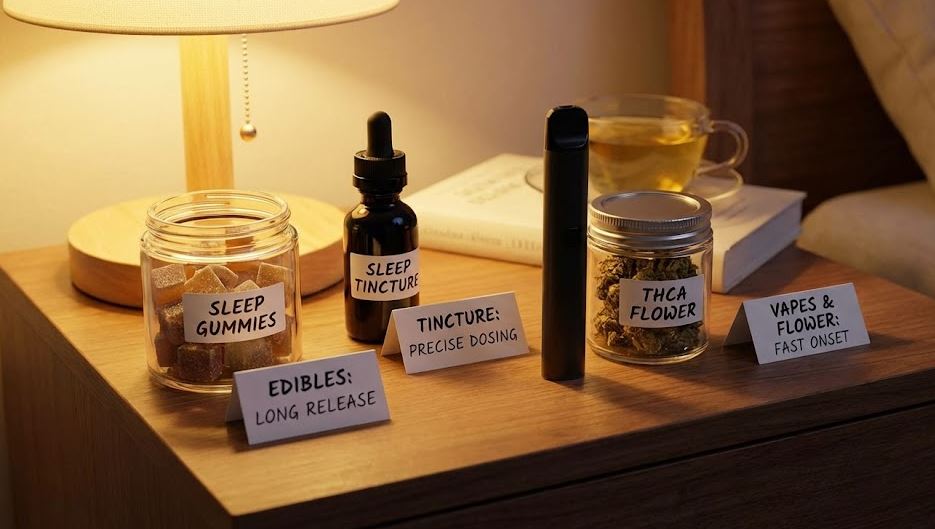
Edibles are one of the most effective sleep formats because they deliver a long, steady release of cannabinoids throughout the night. When you consume THC in edible form, your liver converts it into 11-hydroxy-THC, a metabolite that is significantly more sedating and longer-lasting than inhaled THC. This is why many people who wake up frequently during the night find that edibles help them stay asleep for longer stretches. The effects typically last 6–8 hours, aligning closely with the body’s natural sleep cycle.
Edibles are ideal for individuals whose sleep problems involve middle-of-the-night awakenings, pain that returns after a few hours, or sleep fragmentation caused by stress or restlessness. However, the onset is slow — anywhere from 45 to 120 minutes — so timing is crucial. Taken too late, edibles may push the sedative effect too far into the morning. But when taken 60–90 minutes before bed, they create a deep, consistent sleep environment.
2. Tinctures
Tinctures strike a balance between speed and duration, making them one of the most versatile sleep tools. When placed under the tongue, cannabinoids absorb through the mucous membranes, entering the bloodstream faster than edibles but more gradually than inhaled formats. This results in a smooth onset within 20–45 minutes, followed by a moderate duration that supports several hours of rest.
The real advantage of tinctures is precision dosing. Users can adjust their cannabinoid ratio drop by drop, which is especially helpful for people navigating anxiety-driven insomnia, sensitivity to THC, or conditions that require specific cannabinoid combinations like THC + CBN or CBD + CBG. They are also easier on the stomach compared to edibles and offer predictable, repeatable effects.
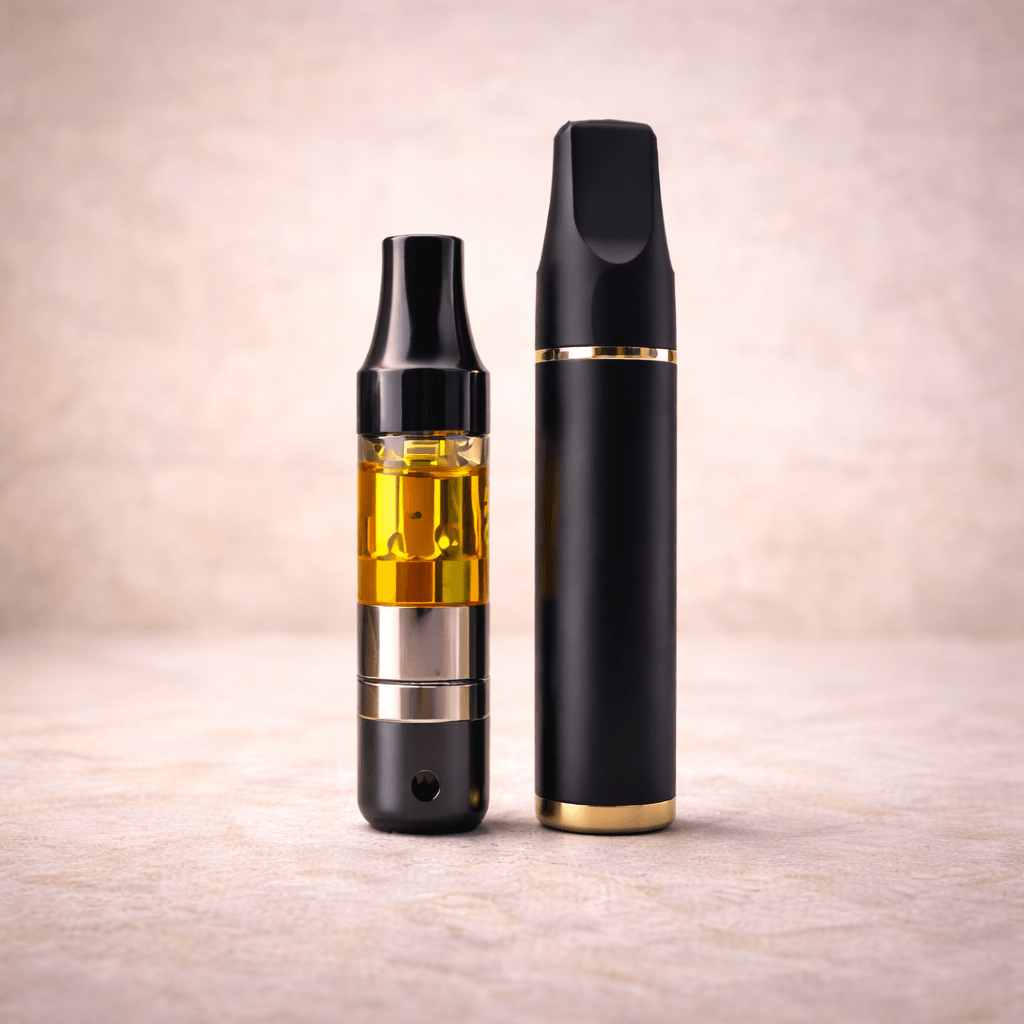
3. Vapes
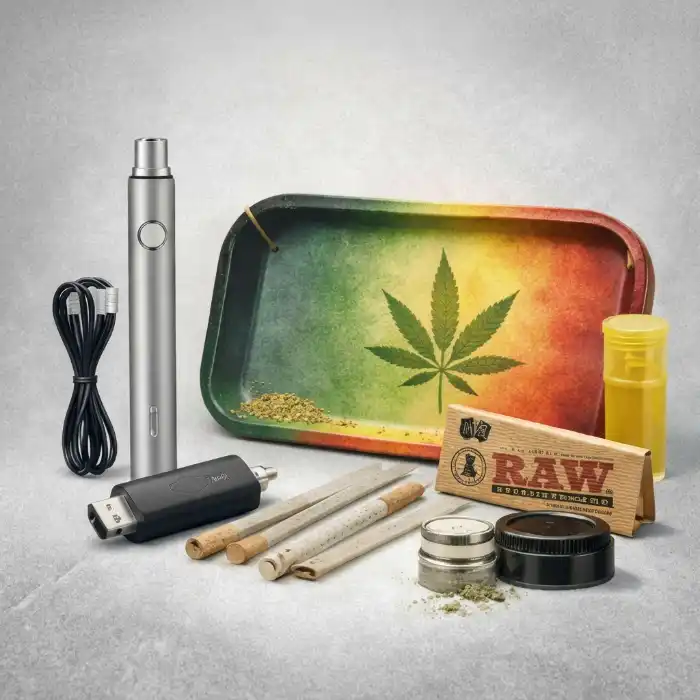
Vapes offer the fastest onset of all sleep products — effects begin within seconds to minutes — making them ideal for people who struggle with falling asleep, not necessarily staying asleep. Many people experience “sleep resistance,” where their body is tired but their mind is alert; vapes overcome this by rapidly calming the nervous system.
Vapes are also helpful for situational insomnia, such as nights when anxiety is unusually high, or after an adrenaline-spiking event. The drawback is that the duration is shorter, usually 1–3 hours, so they’re best used as step one in a layered nighttime routine (for example: vape for quick onset → edible or tincture for long-lasting support). They are also not recommended for those with lung sensitivity.
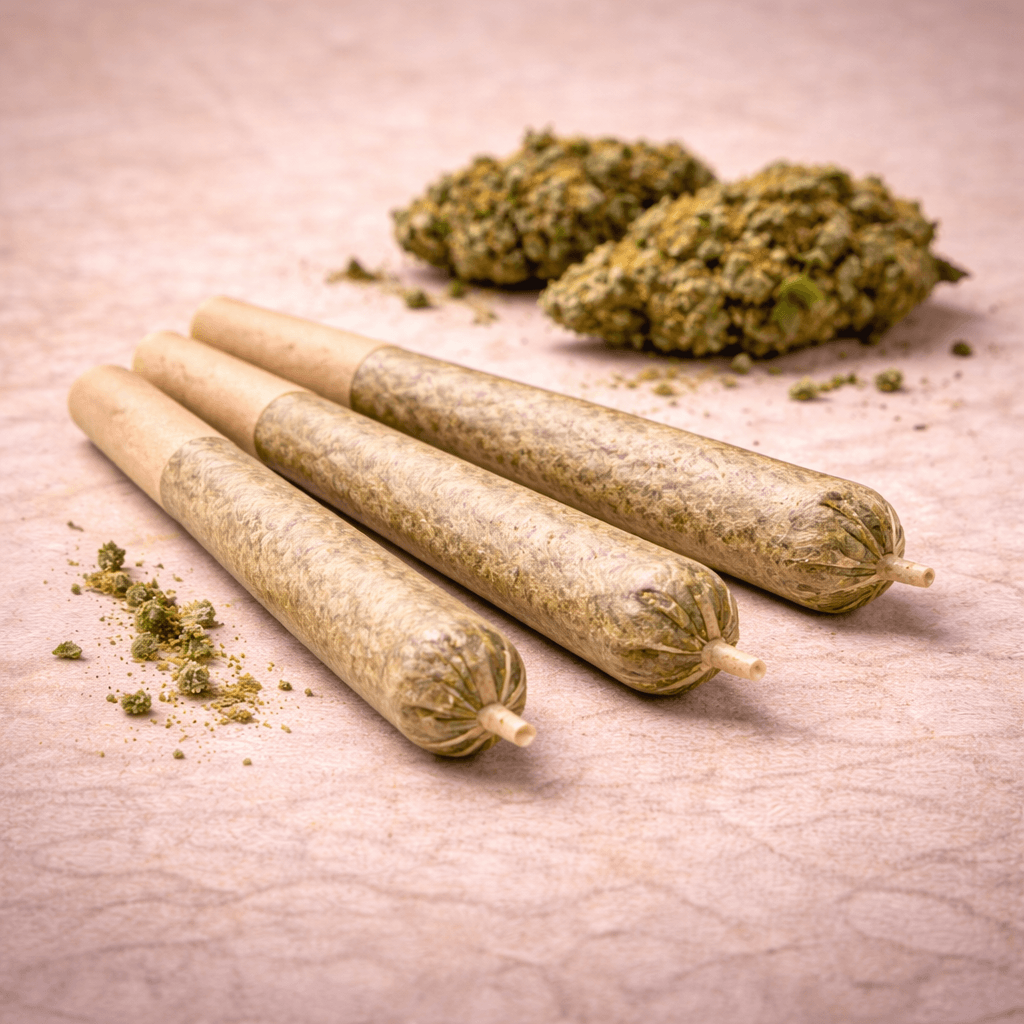
4. THCA Flower
THCA flower provides the most “natural” sleep experience because it preserves the whole-plant chemistry — cannabinoids, terpenes, flavonoids — in their original structure. When gently heated, THCA converts into Delta-9 THC, offering mild to moderate sedation without the overwhelming intensity of high-potency distillates. Many users report that THCA flower creates a more balanced, body-heavy relaxation, especially strains rich in myrcene, linalool, or humulene.
Because flower contains the full spectrum of botanical compounds, it often produces a rounded, organic sense of wind-down, similar to how traditional cannabis strains helped with nighttime use long before extracts became popular. It’s particularly useful for individuals who want a subtle effect, enjoy the ritual of smoking, or prefer a strain-specific experience. The duration is moderate — typically 2–4 hours — making it ideal for calming the body before transitioning to deeper rest supported by other formats if needed.
Ideal Dosage Guidelines
Dosing depends on tolerance, body chemistry, and sleep severity.
Beginners
-
THC: 1–2 mg
-
CBD: 10–25 mg
-
CBN: 2–5 mg
Intermediate
-
THC: 3–5 mg
-
CBD: 20–50 mg
-
CBN: 5–10 mg
Advanced
-
THC: 5–10 mg
-
CBN: 10–15 mg
-
THCP: 0.3–1 mg
Start low. Increase slowly.
Conclusion
Cannabinoids offer one of the most flexible and personalized sleep solutions available today. Whether your struggle is anxiety, pain, racing thoughts, nighttime restlessness, or difficulty staying asleep, there is a cannabinoid — or a blend — that can help.
THC is ideal for fast sedation. CBD calms the mind. CBN improves sleep continuity. CBG smooths emotional edges. THCP provides strong sedation for high-tolerance users. And the right product type, dose, and timing can transform the way you sleep.
By combining scientific understanding with smart dosing and thoughtful product selection, you can build a sleep routine that supports deep, restorative rest night after night.