🚛 FREE DISCREET SHIPPING ON ALL ORDERS $49+









Best CBD Products
Shop More & Save: 15% Off 2, 20% Off 3+
Mix and match from the same brand!
Filter
Showing 1–30 of 39 results
$34.99
$69.99
$51.99
$99.99
$63.99
$69.99
$34.99

$19.99
$26.99
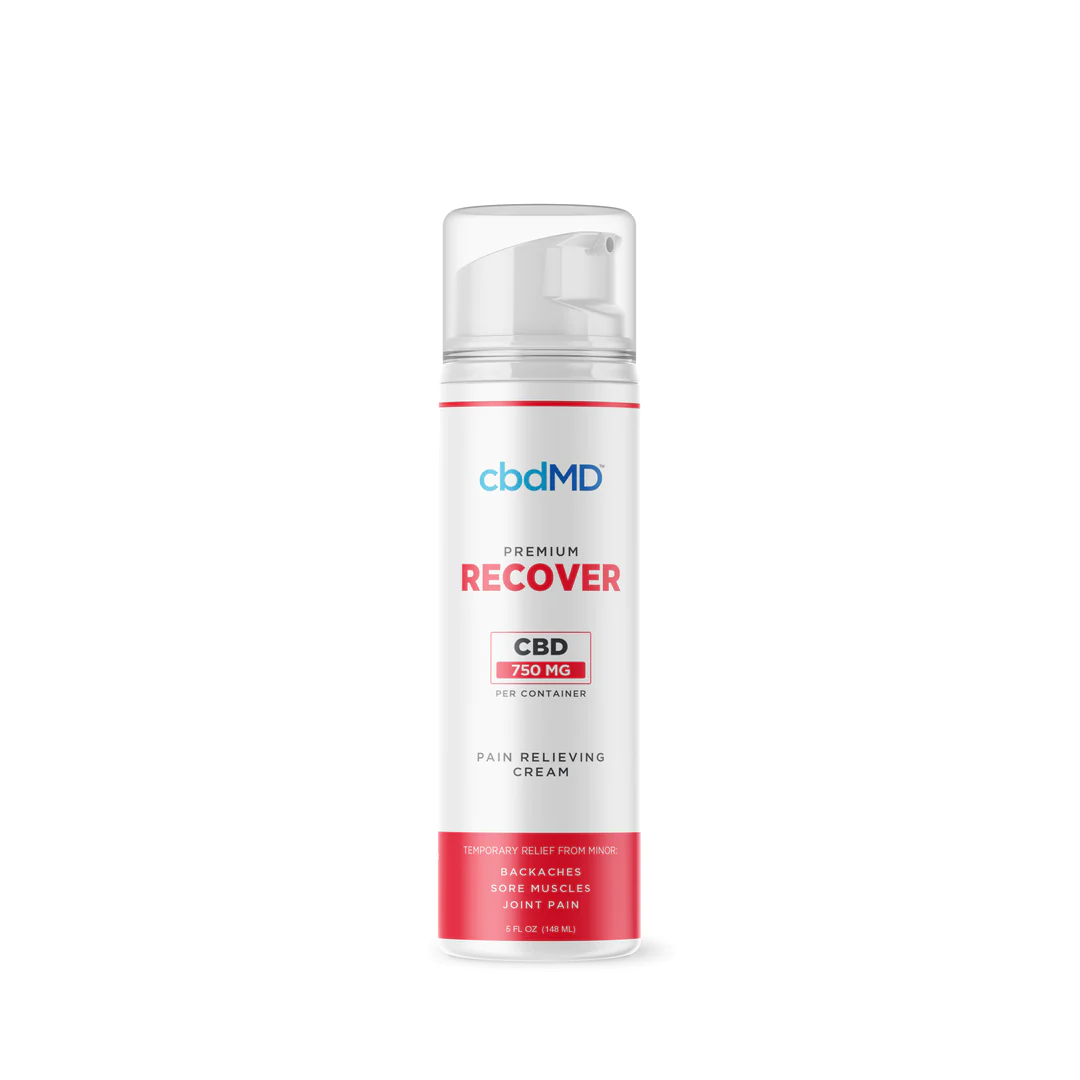
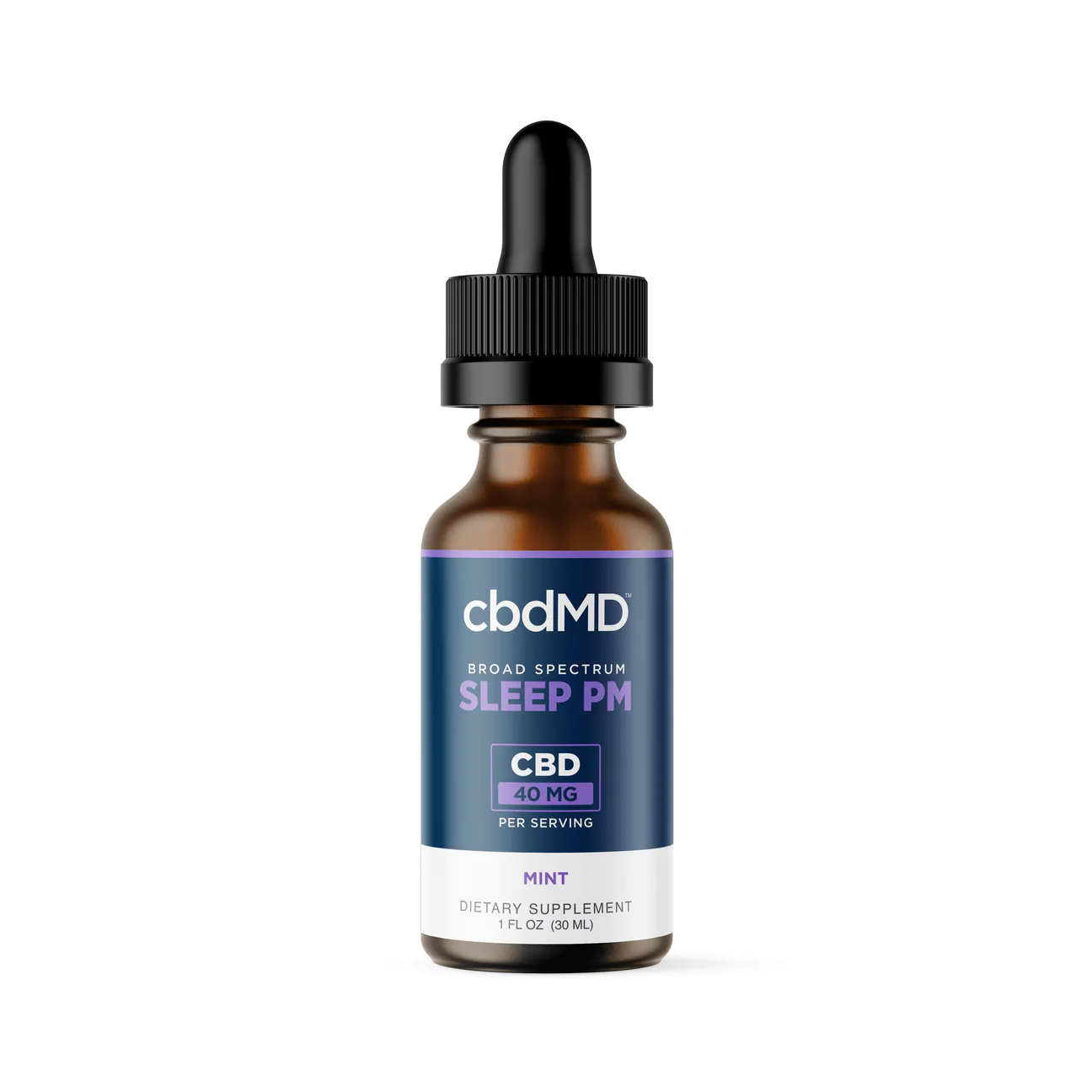
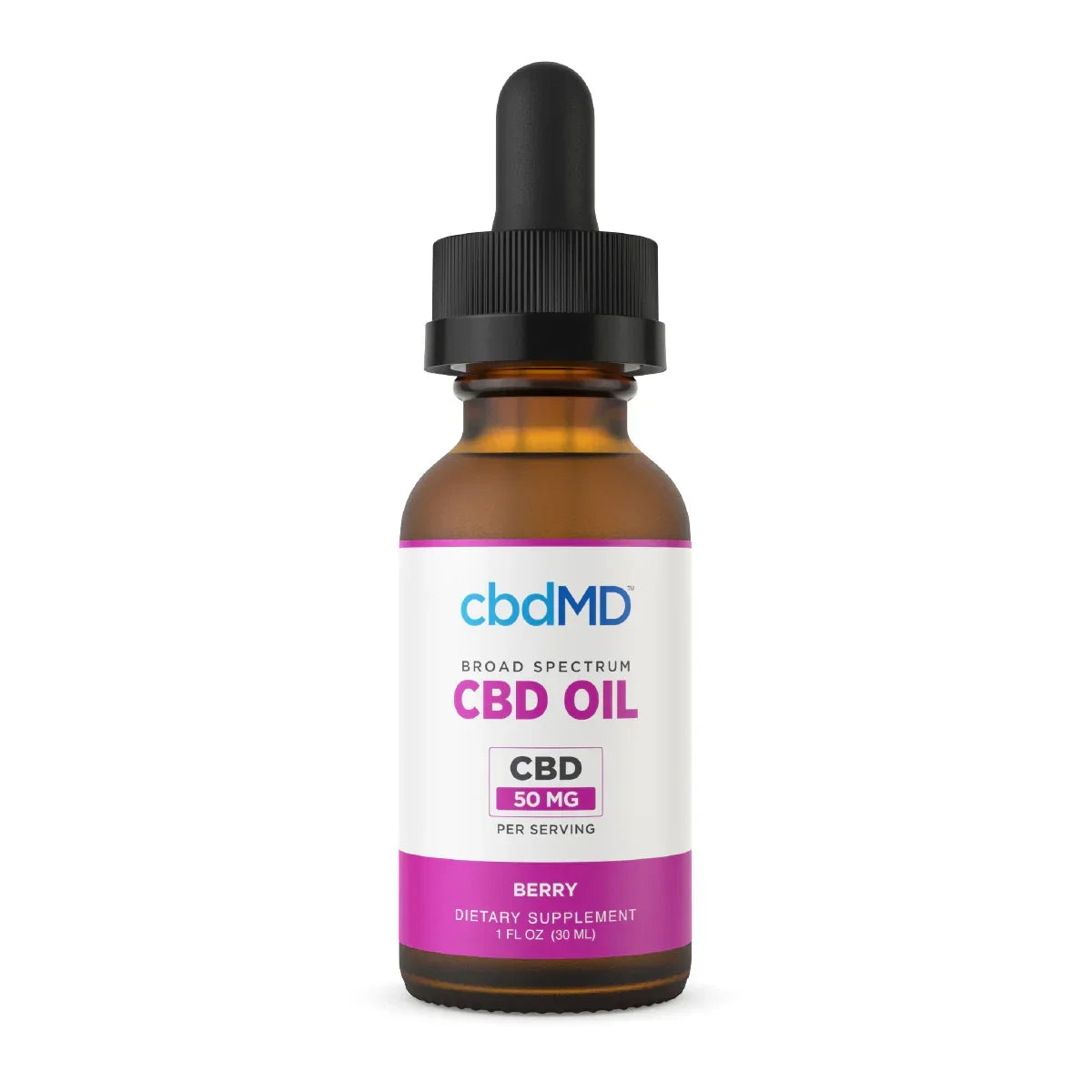
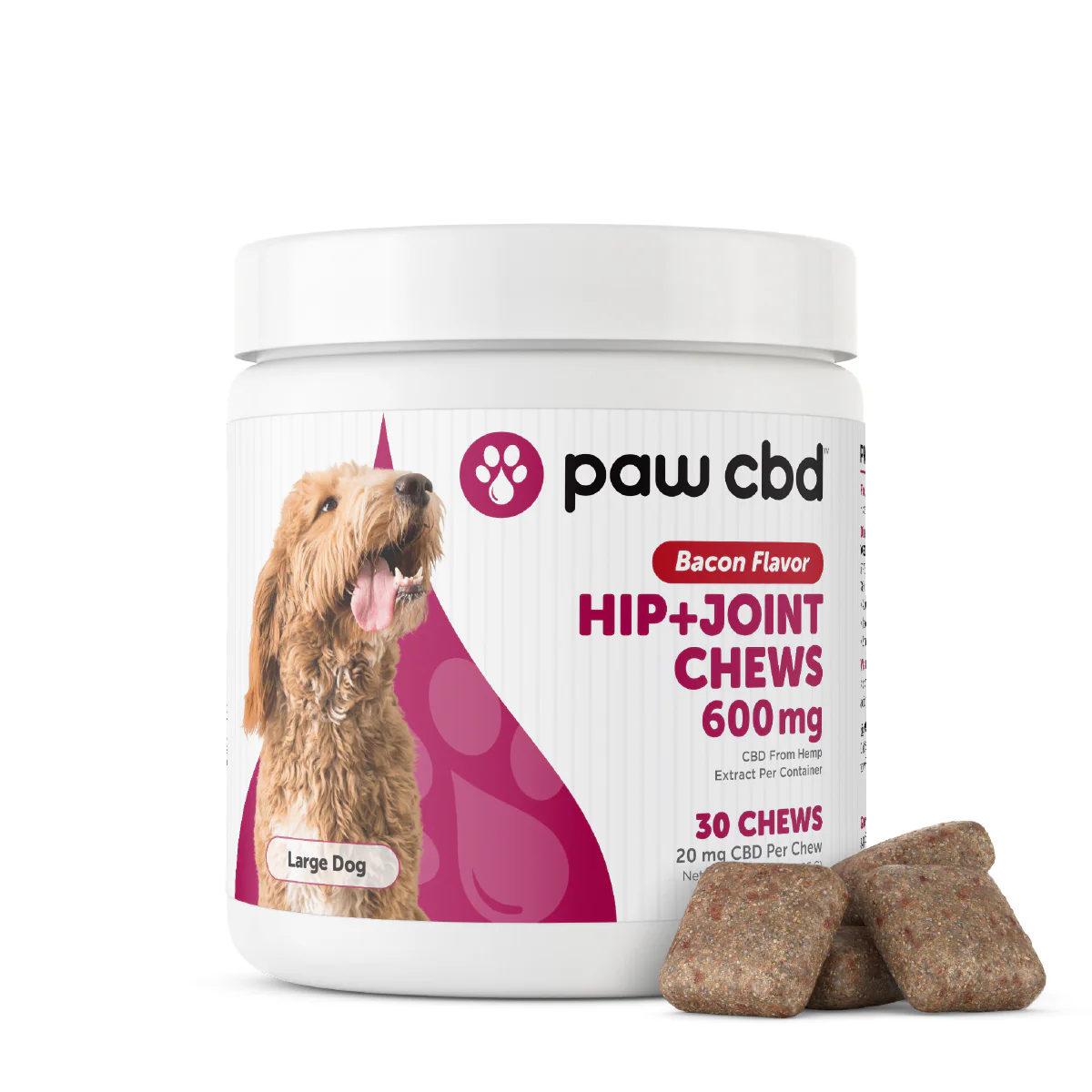
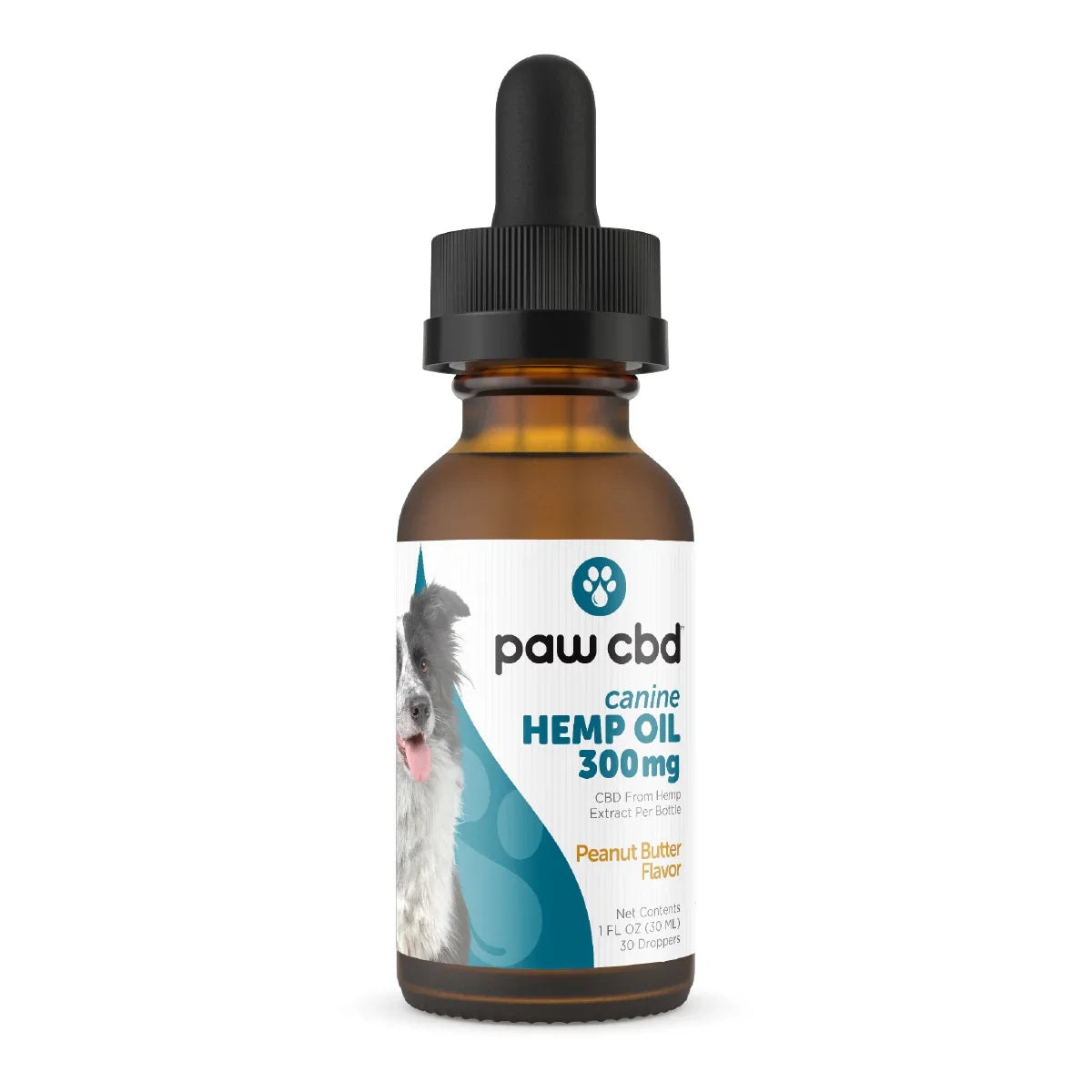
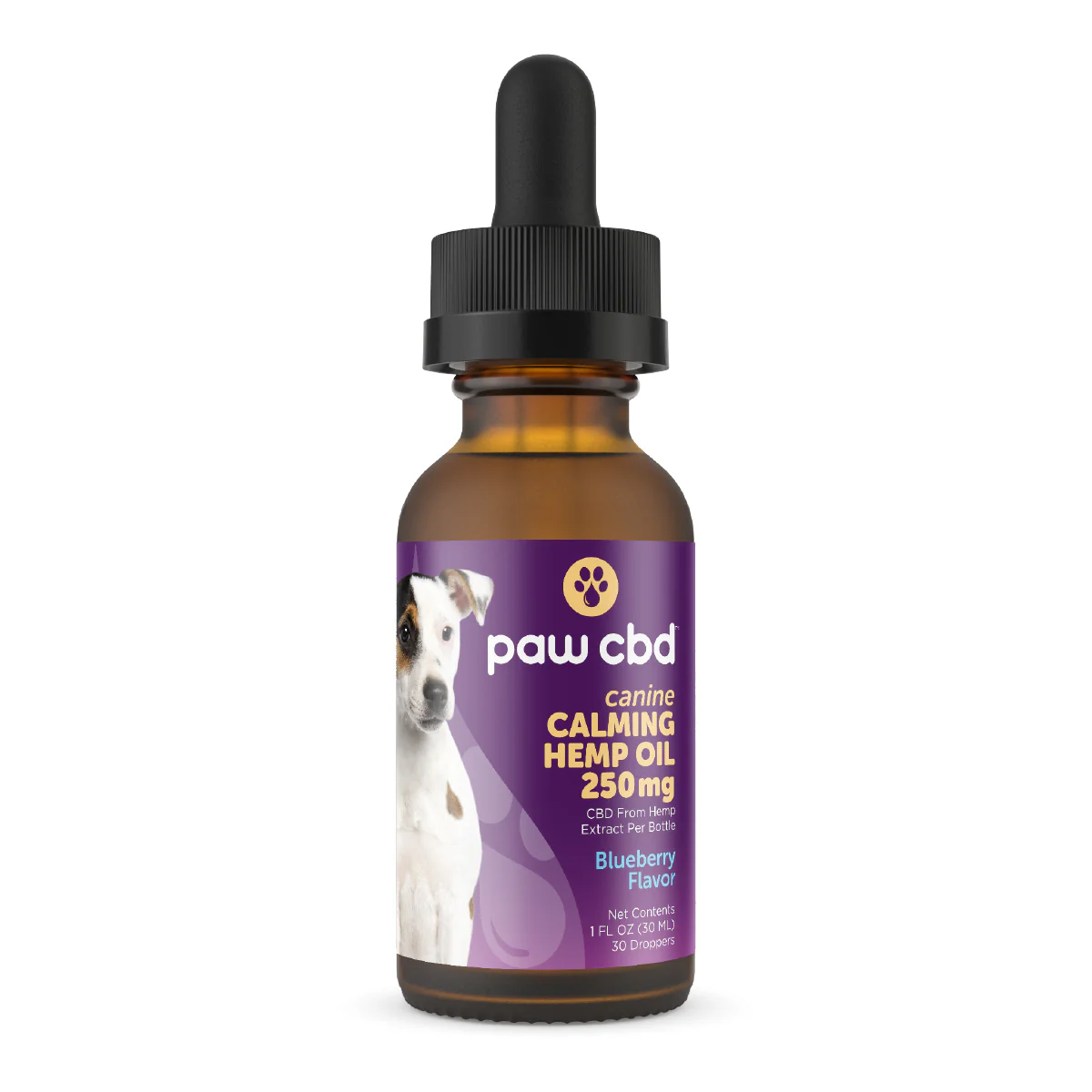
CBD is a non-psychoactive cannabinoid found in cannabis. It can be used as a pain reliever, muscle relaxant, and anti-inflammatory agent. CBD is also very important for many other bodily functions like the immune system and it helps regulate appetite.
CBD: A Practical Guide
CBD has moved from a fringe wellness curiosity to one of the most-studied compounds in botanical medicine. It's now in tinctures, gummies, skincare, pet treats, and post-workout drinks and despite all that visibility, there's still real confusion about what it actually is and how to choose a product worth your money. Here's the short version.What CBD is
CBD, short for cannabidiol, is one of more than a hundred cannabinoids produced by the cannabis plant. The crucial point: it's non-intoxicating. It won't get you high or impair your coordination. CBD works through the endocannabinoid system a network of receptors that helps regulate mood, sleep, pain perception, and stress but it modulates the system rather than activating it directly the way THC does. That's why its effects tend to feel subtle rather than dramatic.What people use it for
The strongest clinical evidence relates to certain rare forms of epilepsy (there's an FDA-approved CBD medication, Epidiolex). Beyond that, most CBD use is for general wellness: anxiety and stress, sleep quality, exercise recovery, joint and muscle discomfort, and everyday calm. Research into inflammation, neuroprotection, and skin conditions is promising but still developing. Be realistic CBD isn't a miracle compound. Some people feel clear effects within days, others need weeks of consistent use, and some don't notice much at all.The three types of CBD products
Full-spectrum contains the complete range of plant compounds, including up to 0.3% THC. Many people prefer it for the "entourage effect" the theory that cannabinoids work better together than alone. Broad-spectrum keeps the minor cannabinoids and terpenes but removes the THC. A solid middle ground. CBD isolate is pure CBD with everything else stripped out. Best if you need absolute certainty no THC is present, such as for workplace drug testing.Dosing and delivery
Most people start with 10 to 25 mg per day and adjust after a week or two. Consistency matters more than dose size CBD works better taken regularly than occasionally. Delivery method shapes how it feels: tinctures under the tongue kick in within 15 to 30 minutes, edibles take 30 to 90 minutes but last 6 to 8 hours, topicals work locally on the skin without entering the bloodstream, and vaping is fastest but shortest-lasting.What to look for when buying
The CBD market is unevenly regulated, so quality matters. Always check for a Certificate of Analysis (COA) from an independent third-party lab that confirms cannabinoid content and screens for pesticides, heavy metals, and solvents. Look for clear milligram labeling per serving. US-grown hemp from licensed cultivators tends to be more reliably tested than imported material. Be skeptical of dramatic health claims reputable brands describe what their products contain, not what they cure. CBD suits people who want a non-intoxicating way to support sleep, manage stress, or ease muscle and joint discomfort. If you take prescription medications, check with your doctor first CBD can interact with drugs metabolized by the liver.Frequently Asked Questions
- Will CBD get me high? No. CBD is non-intoxicating. Full-spectrum products contain trace amounts of THC (under 0.3%), but not enough to produce a high at normal doses.
- Can CBD make me fail a drug test? CBD isolate and broad-spectrum products shouldn't, but full-spectrum products contain trace THC that can occasionally accumulate with heavy daily use and trigger a positive test. If you're tested at work, stick to broad-spectrum or isolate products with a current COA.
- How long does CBD take to work? It depends on the format. Tinctures under the tongue take 15 to 30 minutes, edibles take 30 to 90 minutes, and topicals work within 20 to 40 minutes on the area applied. For chronic concerns like sleep or anxiety, give it a consistent week or two before judging the results.
- What's the right dose of CBD for me? Most people start with 10 to 25 mg per day and adjust based on how they feel. Smaller body weight and milder concerns generally need less; larger body weight and chronic issues may call for more. Increase gradually rather than jumping doses.
- Is CBD safe to take every day? For most people, yes CBD has a strong safety profile and is generally well tolerated. Mild side effects can include drowsiness, dry mouth, or changes in appetite. If you take prescription medications, check with your doctor, as CBD can interact with drugs metabolized by the liver.