🚛 FREE DISCREET SHIPPING ON ALL ORDERS $49+









Best Carts for Sleep: Top Picks for a Better Night
Here’s a question worth sitting with: if you’ve been lying awake at midnight, phone face-down, melatonin already dissolved under your tongue, staring at the ceiling like it owes you money – why does reaching for a vape cart feel like such uncharted territory? For a lot of adults, sleep problems are chronic and quiet. Nothing dramatic, just a relentless inability

Published on: April 15, 2026
Here’s a question worth sitting with: if you’ve been lying awake at midnight, phone face-down, melatonin already dissolved under your tongue, staring at the ceiling like it owes you money – why does reaching for a vape cart feel like such uncharted territory? For a lot of adults, sleep problems are chronic and quiet. Nothing dramatic, just a relentless inability to fully switch off. And lately, more people are turning to cannabis vape carts as part of their wind-down routine, curious whether the right strain and cannabinoid profile might actually make a difference.
The honest answer is: it depends. Not every cart is built the same, and chasing sleep with the wrong one can leave you more wired than relaxed. Strain matters, cannabinoid ratios matter, and terpenes matter more than most product labels admit. So before you grab whatever’s cheapest at the dispensary counter, it’s worth understanding what actually moves the needle when you’re trying to get eight hours instead of four.
What makes a vape cart useful for sleep
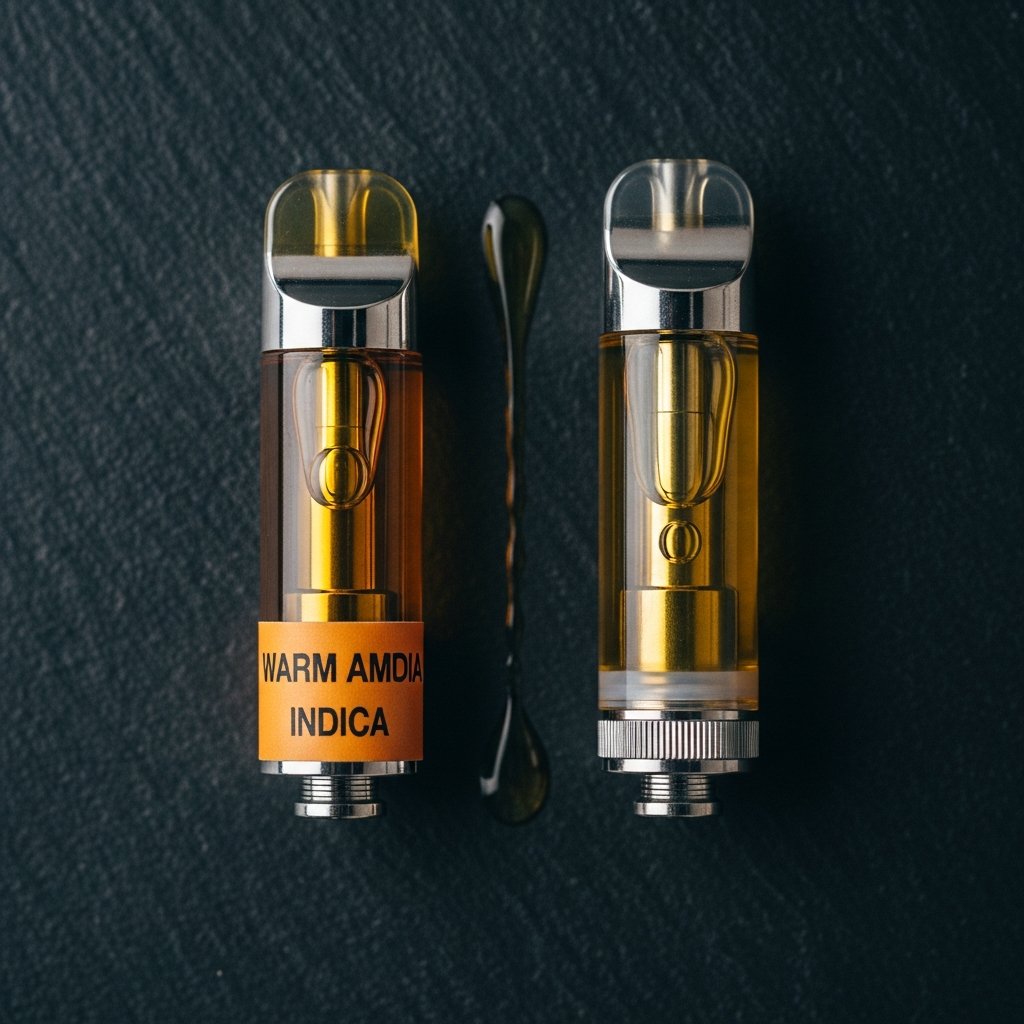
Not all cannabis vape carts are sedating. That’s the first thing to understand. A high-THC sativa cart designed for daytime focus is genuinely the wrong tool here, the same way you wouldn’t take an espresso shot as a sleep aid. The carts that tend to support sleep share a few common traits: indica-leaning or hybrid genetics, meaningful terpene content (more on this shortly), and either a higher THC concentration or a THC-plus-CBN blend.
CBN – cannabinol – has been circling the sleep conversation for a few years now. It forms naturally as THC ages and oxidizes, and early anecdotal reporting suggests it may add a sedative quality to a product’s overall effect. The research is still preliminary, but that hasn’t stopped formulators from pairing CBN with THC specifically in nighttime products. If you see a cart labeled “sleep” or “PM,” check whether CBN is part of the story.
Terpenes are the other variable most buyers overlook. Myrcene, found in strains like Granddaddy Purple and OG Kush, is often associated with the heavy, couch-lock side of cannabis. Linalool shows up in lavender and a handful of cannabis strains, and carries a calming, slightly floral character. Terpenes don’t act in isolation – they interact with cannabinoids in ways researchers call the entourage effect – but choosing a cart with a full or broad-spectrum terpene profile rather than a flavorless distillate can make a real difference in how relaxed you feel before bed. For a deeper look at how specific terpenes behave in inhalable formats, the breakdown of terpenes best suited for Delta 8 vape carts is worth reading before you commit to a product.
Expert Insight
Dr. Alexander Tabibi
Dr. Alexander Tabibi
A critical review published in Chest examining cannabinoids across insomnia and other sleep disorders confirmed that THC’s relationship with sleep is dose-dependent and bidirectional. At modest doses, THC tends to shorten sleep-onset latency through CB1 receptor activation — people fall asleep faster. At higher doses or with sustained nightly use, the same mechanism can suppress slow-wave and REM sleep, the stages most associated with physical restoration and emotional memory consolidation. The short-term picture looks helpful for some users; the longer arc is more complicated and less favorable.
The review also flagged that most controlled sleep trials used oral or vaporized flower rather than concentrate cartridges, which limits direct extrapolation to distillate-based vape products. Evidence suggests the biological plausibility for THC as a sleep-onset aid is strong, but the evidence base does not yet support treating cannabis as a first-line sleep intervention — particularly for nightly use patterns where REM suppression and tolerance buildup are meaningful long-term considerations.
Lavender I, McGregor IS, Suraev A, Grunstein RR, Hoyos CM. (2022). Cannabinoids, Insomnia, and Other Sleep Disorders. Chest, 162(2):452-465. PMID: 35537535
Cannabinoid profiles worth looking for

When you’re scanning a cart’s label or lab report, a few cannabinoid combinations stand out for nighttime use. A THC-dominant cart in the 70-85% range with a full terpene profile is the most common starting point. These work for plenty of people, especially those who already have a comfortable THC tolerance and simply need something to quiet the mental noise before bed.
THC plus CBN blends are the more targeted option. Some formulators are now offering carts where CBN makes up 5-15% of the total cannabinoid content alongside THC. The idea is that CBN adds a layer of physical relaxation that pure THC doesn’t always deliver alone. Whether this is pharmacologically distinct or partly a placebo-friendly framing is still being studied, but user reports lean positive enough that it’s a real category worth considering.
Delta 8 THC is another option that deserves mention here. It’s roughly half the psychoactive potency of Delta 9, which makes it appealing for people who find standard THC too activating or anxiety-inducing at sleep-adjacent doses. If you’re newer to carts or sensitive to the heady intensity of Delta 9, a Delta 8 cart with a sedating terpene profile might be a more comfortable entry point. The top Delta 8 cart picks for 2025 covers that category in solid detail if you want to compare formats before buying.
Strains that show up in the best sleep carts
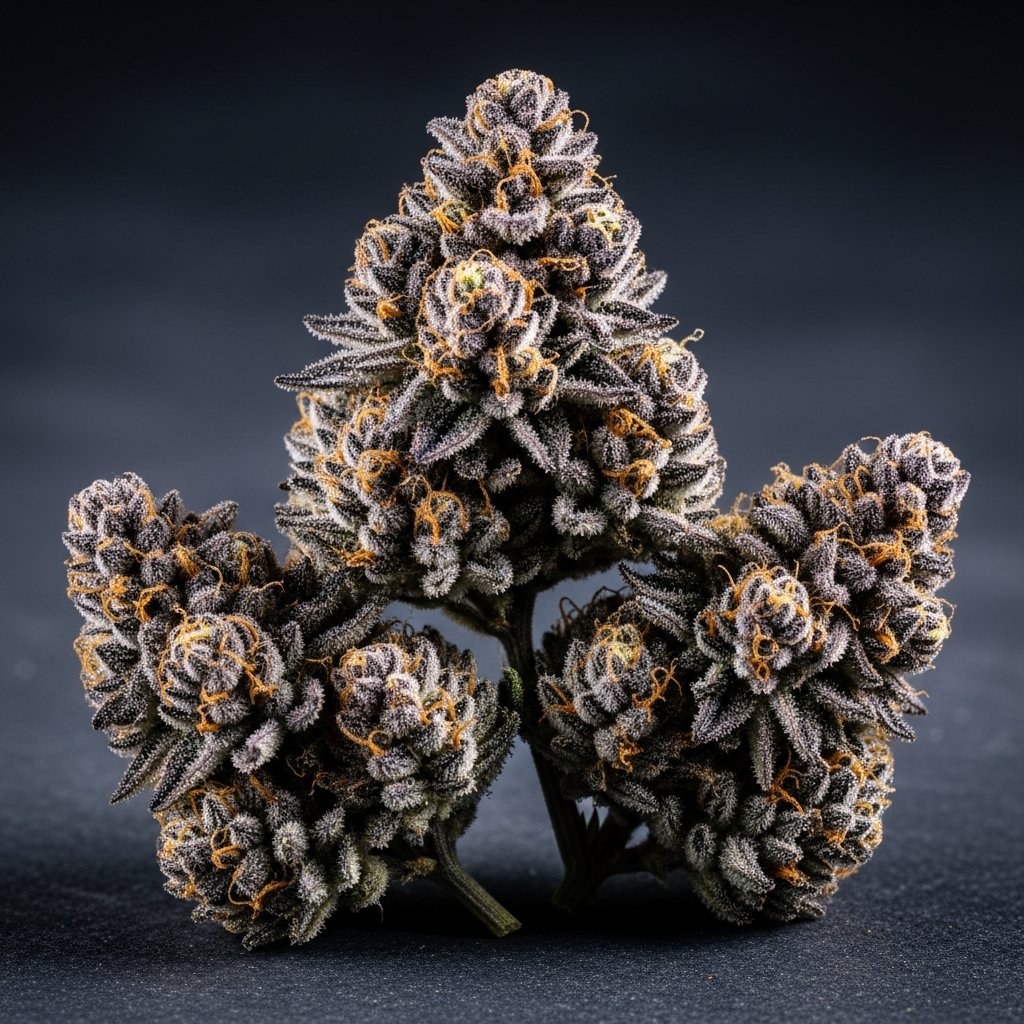
Strain names on carts are not always genetically verified – it’s one of the quiet disappointments of the vape market – but the terpene and effect profiles associated with certain classics do tend to guide good formulation choices. Here’s the short version of what to look for.
Granddaddy Purple (GDP) is one of the most consistently cited sleep strains, high in myrcene and caryophyllene, with a heavy body effect that pairs well with the fast onset of inhalation. Northern Lights, another classic indica, produces a calm and slightly numbing body high that users frequently describe as “sleepy without being chaotic.” Hindu Kush, on the earthier end of the terpene spectrum, carries a slow, deliberate sedation that works well for people whose sleep trouble is more about physical tension than mental chatter.
For hybrid options, Tahoe OG and Purple Punch both lean sedating despite not being pure indicas. If a cart is labeled with any of these strain names, it’s at minimum a signal that the formulator is thinking about the right target audience – even if you want to verify with the actual COA (certificate of analysis) before purchasing.
How to actually pick the right cart for your situation
There is no single best answer here, because sleep trouble comes in different flavors. Someone who can’t fall asleep because their brain won’t stop running has a different need than someone who falls asleep fine but wakes at 3am and can’t get back down. Vape carts act fast – onset is typically two to ten minutes – which makes them well suited for sleep onset issues. If your problem is more about staying asleep, you might find that a combination approach works better: a cart to fall asleep plus a longer-acting edible that extends the effect through the night.
For those exploring edibles alongside their cart routine, a product like the cbdMD Delta 9 THC Lights Out Sleep Gummies offers a Delta 9 plus CBN formulation built specifically for that slower, extended-release role. The gummies kick in over 45 to 90 minutes, which means taking them around the same time as a cart hit can create a layered effect: fast onset from the cart, sustained effect from the edible. That kind of pairing is worth considering if you’re a middle-of-the-night waker rather than purely someone who struggles to fall asleep initially.
cbdMD Delta 9 THC Lights Out Sleep Gummies
Delta 9 THC + CBN formulation designed for extended nighttime relief
Dosing with carts is also worth thinking through carefully. One or two puffs is a reasonable starting point for sleep-focused use. Because inhalation is fast, it’s easy to overshoot and land somewhere more anxious or mentally active than you intended. That’s the opposite of what you want at bedtime. Start conservative, wait ten minutes, and add more only if needed. For a broader overview of how cannabinoid choice affects timing and dosing depending on your goals, the Ultimate Sleep Guide covering the best cannabinoids for sleep in 2025 offers context that goes well beyond just carts.
Expert Insight
Dr. Alexander Tabibi
Dr. Alexander Tabibi
A narrative review examining cannabinoid sleep claims assessed eight studies on CBN specifically and found no clinical trials measuring CBN against validated sleep questionnaires with sufficient rigor to meet an evidence threshold. The author also identified that doses found in most commercial CBN-containing sleep products — including vape carts marketed for nighttime use — typically fall far below the amounts used in any research context where measurable sedative effects were observed. The CBN-plus-THC combination in nighttime cart formulations represents a reasonable hypothesis with early anecdotal support, but not confirmed pharmacology.
On inhalation pharmacokinetics more broadly: because inhaled cannabinoids reach peak plasma concentration within minutes, individual variability in CYP enzyme metabolism means the same cart hit can produce substantially different blood concentrations across different users. This is compounded by food intake, tolerance status, and body composition. Evidence suggests that “start low, go slow” is not a platitude for cart-based sleep use — it is the most practical way to navigate the genuine individual variability that clinical research has not yet resolved into reliable dosing guidance.
Corroon J. (2021). Cannabinol and Sleep: Separating Fact from Fiction. Cannabis and Cannabinoid Research, 6(5):366-371. PMID: 34468204
Cart quality, storage, and what to watch out for
One thing that doesn’t get enough attention in sleep-cart conversations is quality control. Not all carts are made equal, and a distillate-only product with artificial terpenes added back in will behave differently than a live resin or full-spectrum cart that preserved the plant’s original terpene profile during extraction. For sleep purposes, full-spectrum or live resin formulations are generally the better bet because they retain the whole cannabinoid-and-terpene picture rather than a stripped-down version.
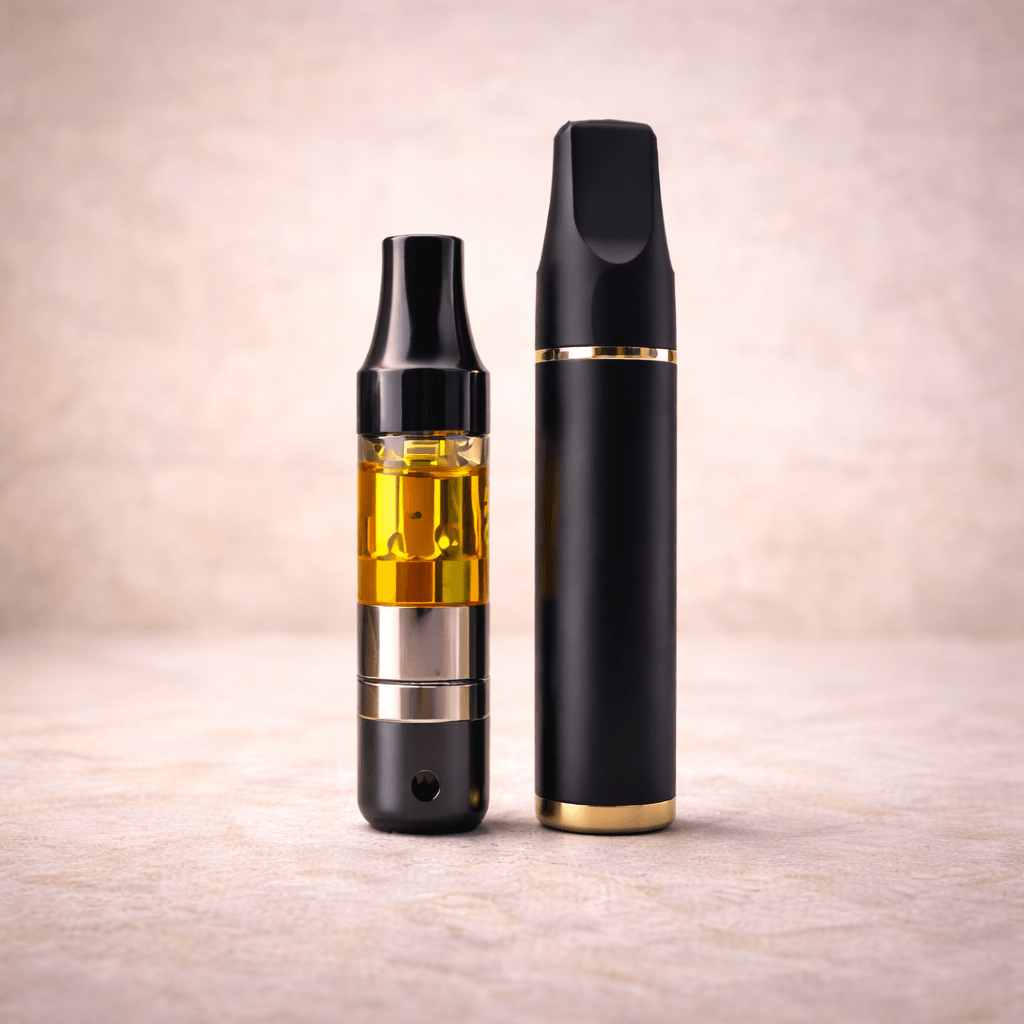
Hardware matters too. A leaky cart or one with a burnt coil introduces combustion byproducts into what you’re inhaling. For occasional use, this is a minor concern; for nightly use, it’s worth investing in a cart from a brand that uses medical-grade ceramic coils and lab-tested oil. Always look for a QR code linking to a COA before you buy. If a cart doesn’t have third-party lab testing available, that’s your answer right there.
Storage is a quieter issue that affects both efficacy and safety. Heat and light degrade cannabinoids and terpenes faster than most people realize. A cart left in a hot car or on a sunny windowsill will taste harsher and hit differently within days. Keeping carts in a cool, dark place – not the freezer – extends their shelf life and preserves the terpene profile you paid for. The practical guide on how to store Delta 8 carts properly covers the mechanics in enough detail to be genuinely useful, and the principles apply to most cart types regardless of cannabinoid.
Choosing a vape pen that works with your sleep routine
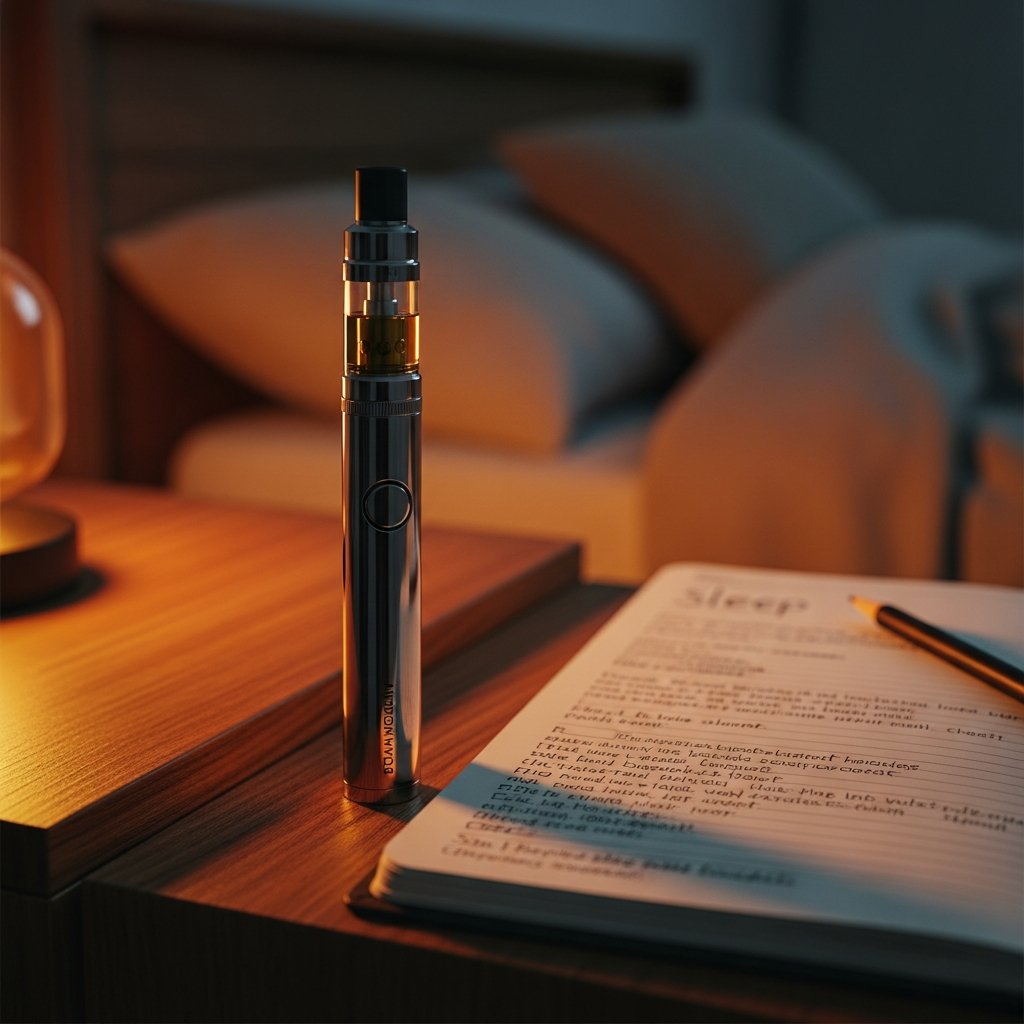
A great cart paired with the wrong battery is a frustrating combination. Variable voltage batteries matter here because temperature controls how terpenes vaporize. Lower voltage (around 2.4-2.8V) is better for preserving terpene character, which is exactly what you want from a sleep-focused, terpene-rich cart. High-voltage blasts can burn off the delicate linalool and myrcene that make a GDP or Northern Lights cart actually feel calming rather than just potent.
For people still figuring out what hardware suits them, thinking through your lifestyle factors – tolerance, preferred draw style, portability needs – before buying a pen is worth the ten minutes it takes. The guide on picking the right weed pen for your lifestyle and tolerance walks through that decision in practical terms, which is especially helpful
FAQs – Best Carts for Sleep
What type of cart is best for sleep?
If your goal is sleep, you’ll want to lean toward indica or indica-dominant vape carts. These are typically more body-heavy and calming compared to sativa strains. Look for carts containing THC, CBN, and CBD, as this combination is often associated with relaxation and improved sleep quality.
Which cannabinoids help the most with sleep?
The big three to look for are:
- THC – helps you fall asleep faster but can affect REM sleep
- CBD – promotes relaxation without making you feel high
- CBN – often marketed as a sleep-focused cannabinoid
Products that combine these tend to work best because they interact with your body’s endocannabinoid system in different ways.
Are THC carts better than CBD carts for sleep?
It depends on your tolerance and preference.
- THC carts: stronger sedative effects, better for falling asleep quickly
- CBD carts: milder, better for anxiety-related sleep issues
Many users actually prefer balanced THC:CBD carts (like 1:1 ratios) because they relax the body without overwhelming psychoactive effects.
What terpenes should I look for in sleep carts?
Terpenes play a huge role in how a cart makes you feel. For sleep, look for:
- Myrcene – deeply relaxing, “couch-lock” effect
- Linalool – calming, similar to lavender
- Caryophyllene – stress-reducing
These compounds enhance the sedative effects of cannabinoids and help create that “ready for bed” feeling.
Sources
Lavender I, McGregor IS, Suraev A, Grunstein RR, Hoyos CM. (2022). Cannabinoids, Insomnia, and Other Sleep Disorders. Chest, 162(2):452-465. PMID: 35537535
Corroon J. (2021). Cannabinol and Sleep: Separating Fact from Fiction. Cannabis and Cannabinoid Research, 6(5):366-371. PMID: 34468204
Baron EP. (2018). Medicinal Properties of Cannabinoids, Terpenes, and Flavonoids in Cannabis, and Benefits in Migraine, Headache, and Pain. Headache, 58(7):1139-1186. PMID: 30152161
Disclaimer: This article is for informational purposes only and does not constitute medical advice. Terpene and cannabinoid research, particularly in human populations, remains in early stages. Individual responses to cannabis products vary significantly. Consult a qualified healthcare provider before using cannabis or hemp-derived products to manage anxiety or any other medical condition.
For adults 21+ only. Cannabis laws vary by state. This content is not a substitute for professional medical advice, diagnosis, or treatment. If you are experiencing a mental health emergency, call 911 or go to your nearest emergency room immediately.