🚛 FREE DISCREET SHIPPING ON ALL ORDERS $49+








Best Vapes for Creativity: Strains That Unlock New Ideas
There is a version of creative block that no amount of coffee fixes. You sit down to write, sketch, or brainstorm, and the ideas simply refuse to move. Cannabis has a long association with creative thinking, but not every cultivar or delivery method helps, and some actively get in the way. Choosing the right vape for the right kind of


There is a version of creative block that no amount of coffee fixes. You sit down to write, sketch, or brainstorm, and the ideas simply refuse to move. Cannabis has a long association with creative thinking, but not every cultivar or delivery method helps, and some actively get in the way. Choosing the right vape for the right kind of creative session is less about chasing the highest THC number and more about understanding what specific strains actually do to your headspace.
This guide cuts through the noise. You will find out which strain types and terpene profiles tend to support open, associative thinking, which products make strong examples in each category, and how to approach dosing so the experience stays useful rather than scattered. Whether you are a visual artist looking for a spark, a writer trying to break through a wall, or a musician wanting to hear new patterns in the music you are making, there is a practical framework here you can apply immediately.
Why strain choice matters for creativity

Not all cannabis highs feel the same, and the differences matter when your goal is to generate ideas rather than wind down. The cannabinoid ratio, the terpene (aromatic compound) profile, and even the temperature you vape at all shape the experience. Sativa-leaning cultivars and certain terpenes tend to produce an uplifted, mentally active state. Indica-dominant cultivars tend toward sedation and body relaxation, which can interfere with productive creative flow.
The terpenes most associated with energizing, mentally stimulating effects include limonene (citrus, uplifting), pinene (pine, alertness-adjacent), and terpinolene (floral, slightly heady). Strains rich in these compounds are the ones creatives keep returning to. Research suggests cannabis can affect cognitive processing acutely, so how much you consume matters as much as which cultivar you pick.
It is also worth understanding the role of the endocannabinoid system (ECS) here. The ECS plays a part in regulating mood, memory, and the reward circuits involved in motivation. Cannabinoids interact with CB1 receptors concentrated in areas of the brain responsible for executive function and emotional processing. This is part of why low-to-moderate cannabis consumption can shift the quality of thinking in noticeable ways – loosening habitual associations and making room for unexpected connections. It is also why the dose-response relationship is so important: too much stimulation of those same receptor pathways can produce the opposite of the intended effect.
Expert Insight
Dr. Alexander Tabibi
Dr. Alexander Tabibi
A 2016 guided systematic review of 31 studies examined cannabis and mental health outcomes, including acute cognitive effects. The review found that cognitive assessment can be affected during acute intoxication, a finding relevant to anyone using cannabis while trying to do mentally demanding creative work.
The practical implication is dose-dependent. Low to moderate consumption appears to support a looser, more associative thinking style for many users, while heavy acute exposure tends to impair working memory and executive function. This is exactly why experienced creative users lean toward modest, controlled doses rather than chasing intensity.
Walsh et al. (2016). Medical cannabis and mental health: A guided systematic review. Clinical Psychology Review, 51:15-29. PMID: 27816801
What to look for in a creativity vape

When you are scanning options at a licensed dispensary or browsing online, a few markers signal that a cultivar is worth trying for creative work. Sativa-dominant genetics are a reliable starting point, but the terpene panel is the more useful filter when that information is available.
Look for these characteristics:
- Dominant terpenes: limonene, pinene, terpinolene, or ocimene over myrcene or linalool
- Moderate THC range: roughly 18-25% for most users, not necessarily the highest available
- Some CBD or CBG present: even small amounts can soften the anxious edge some high-THC sativas produce
- Full-spectrum or live resin oil: preserves the terpene profile far better than distillate-only cartridges
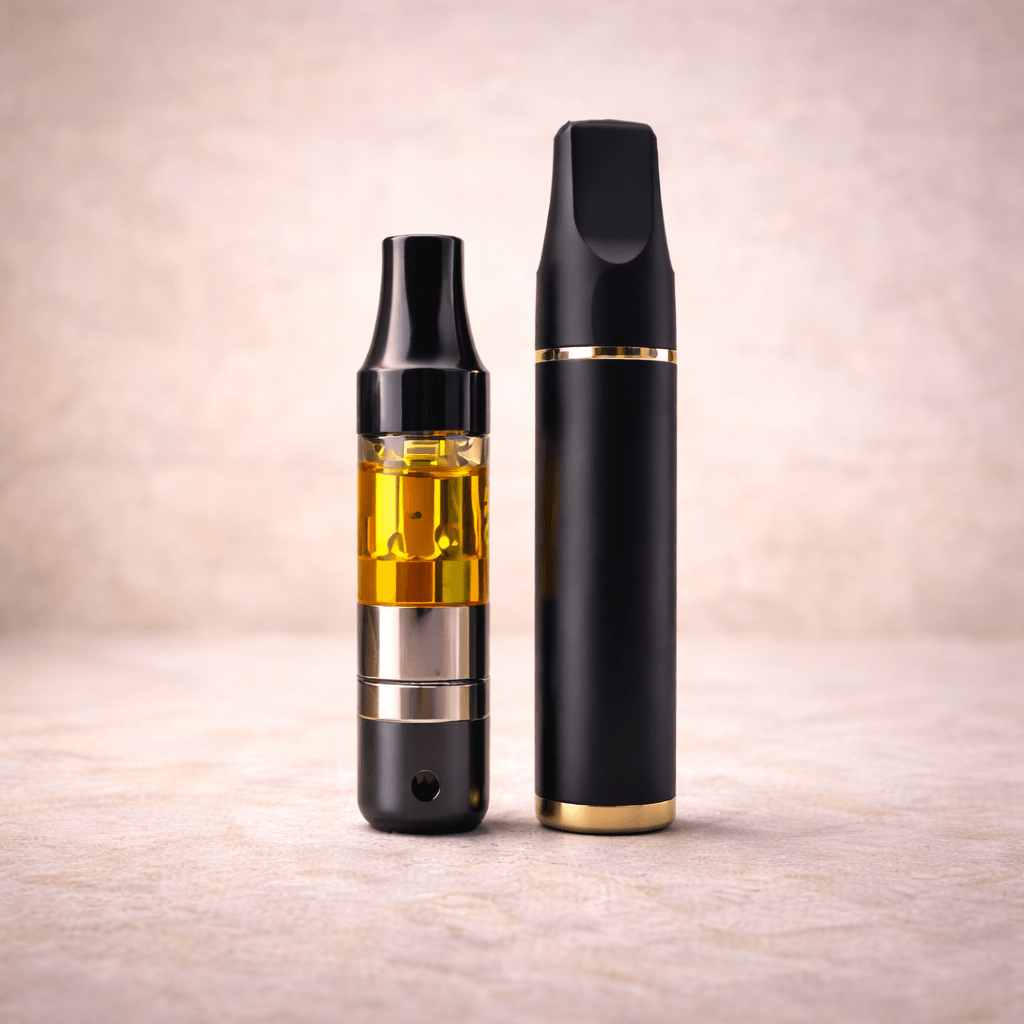
- Reliable hardware: consistent airflow and temperature control matter; uneven vaporization wastes the terpenes that drive the effect
Hardware quality is often underappreciated in this context. A poorly made cartridge that clogs, runs at inconsistent voltage, or burns the oil rather than vaporizing it will degrade the terpene content and deliver a harsher, less predictable experience. Investing in a quality battery and a cartridge from a brand that publishes third-party lab results is not just a preference – it is a meaningful part of getting a consistent creative outcome each session.
If focus is your primary goal rather than open-ended creative exploration, the considerations shift slightly. A dedicated breakdown of vapes for focus and concentration covers the cultivars and formats that support sustained attention over broader imaginative states.
Top strain types for creative sessions

Jack Herer and its descendants
Jack Herer remains one of the most cited cultivars for creative work, and its lineage has produced dozens of reliable sativa-dominant offspring. The pinene and terpinolene presence in most phenotypes produces a clear-headed, energized lift without the jittery edge some users get from pure limonene-forward strains. Ideas tend to flow without racing.
Named after the activist and author who wrote the influential book on hemp, the cultivar was bred in the Netherlands in the 1990s and has remained a benchmark for functional sativa effects ever since. Its descendants – Super Silver Haze, J1, and many others – inherit the same clean, motivating quality that makes it suitable for long creative work sessions where you need to remain productive rather than simply relaxed.
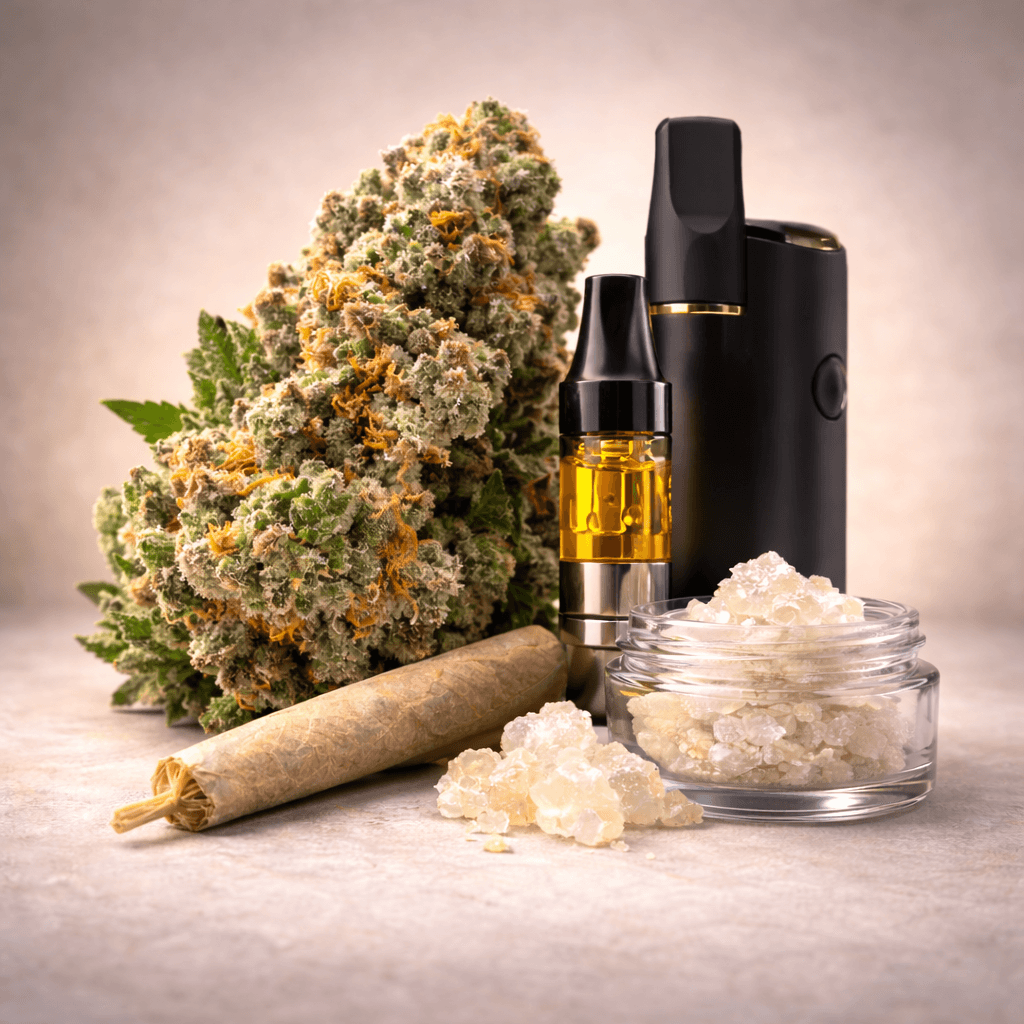
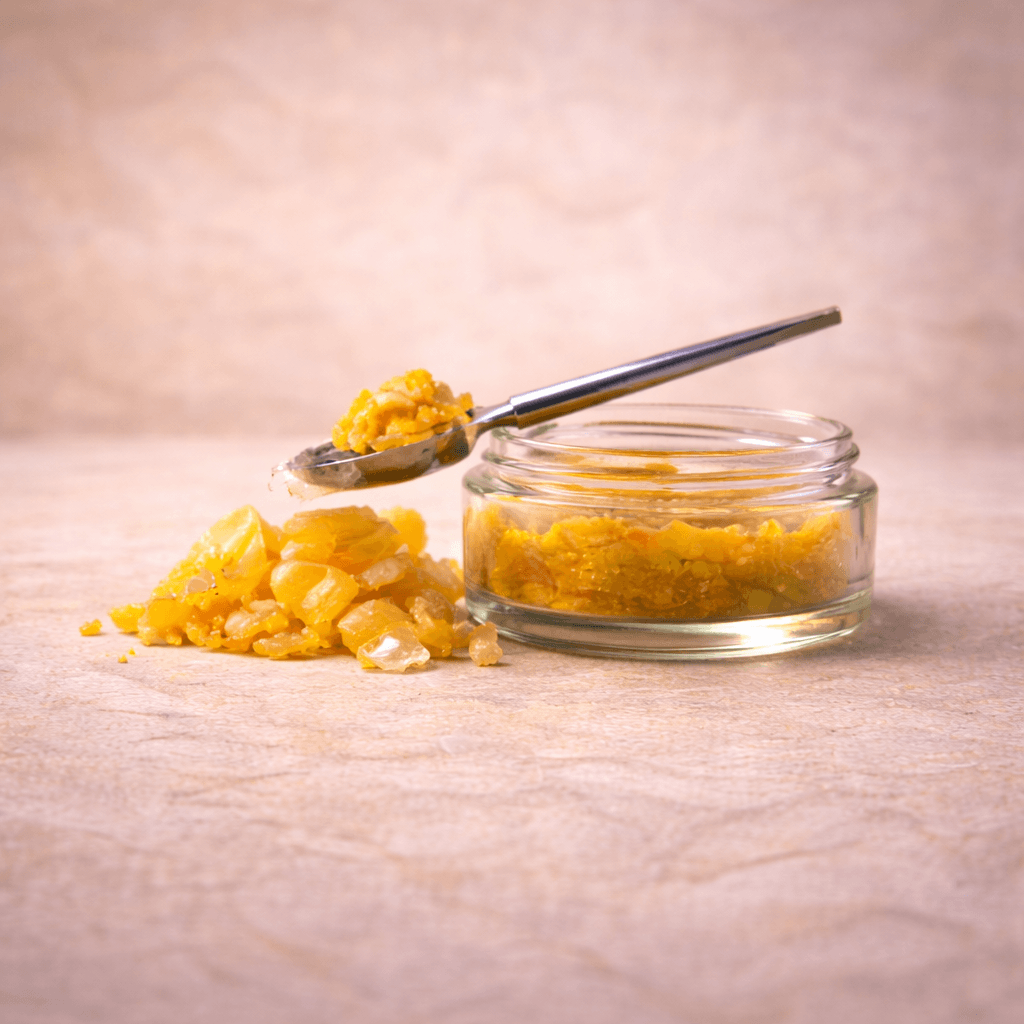
Concentrates built on Jack Herer genetics preserve that terpene signature well. If you want to explore the cultivar in concentrate form, Binoid’s THCA Badder is available in a Jack Herer expression – a high-potency, terpene-forward format that lets you modulate the dose carefully.
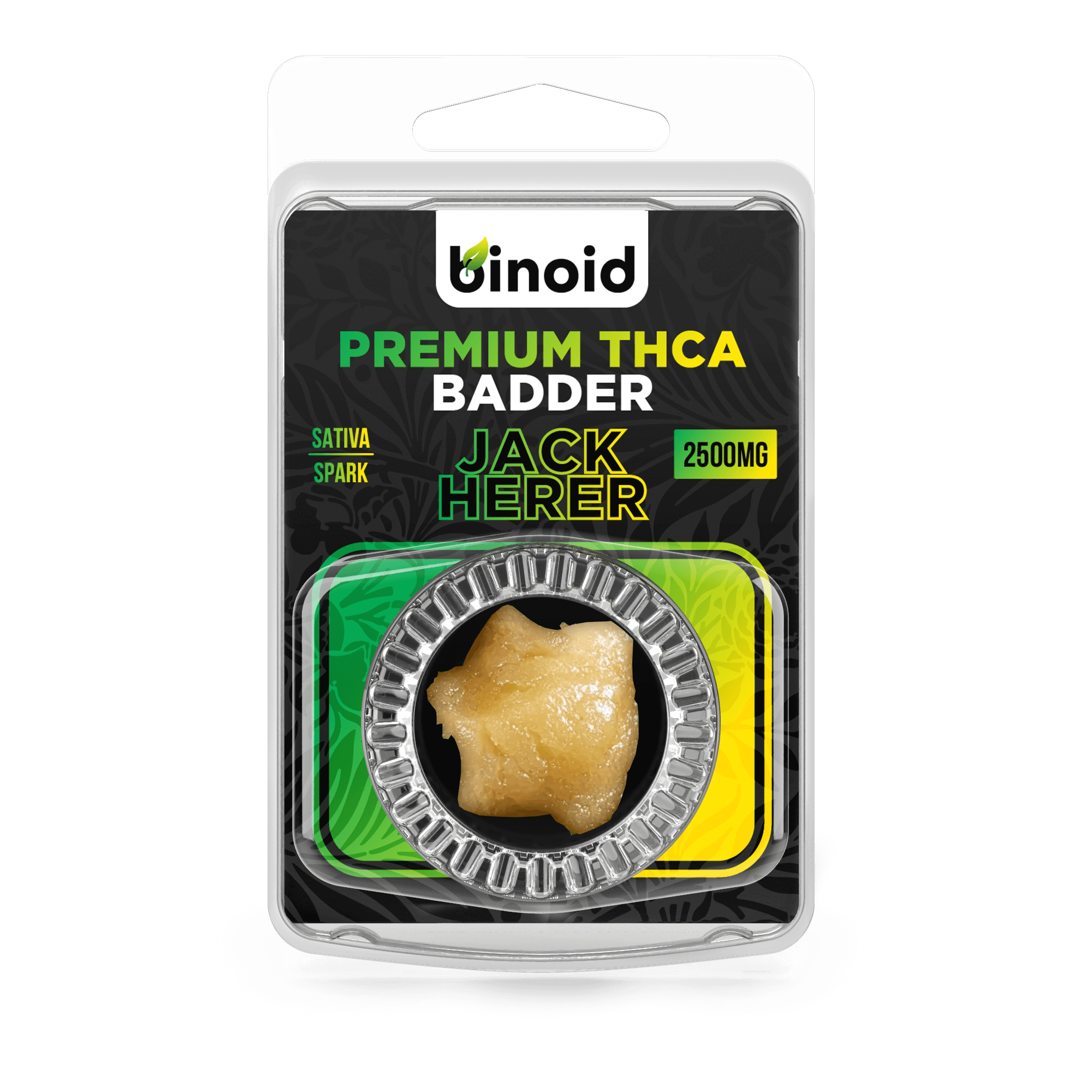
Binoid THCA Badder – 2500mg
Jack Herer expression; terpene-rich concentrate for precise, low-dose creative sessions
Tangie and citrus-forward sativas
Tangie is a California classic that crossed Tangerine Dream genetics with Skunk, producing a limonene-heavy profile with a recognizable citrus aroma. Users consistently report a mood lift and a loosening of mental rigidity that suits brainstorming, visual art, and writing sessions. The effect is social-friendly without being sedating.
What makes Tangie particularly interesting for creative work is its mood-elevating quality before the idea-generation begins. Many creatives find that the first barrier to doing good work is simply emotional resistance – the low-grade dread of starting, the inner critic that fires before a single word is written or brushstroke made. A limonene-dominant cultivar like Tangie tends to lift that initial resistance more reliably than most, making the threshold to beginning much lower. Once you are actually in the work, the effect sustains curiosity without pulling you away from what you started.
For those who prefer a cartridge format, the Binoid Delta 8 THC Vape Cartridge in Tangie is a practical option. Delta-8 THC delivers a milder, smoother psychoactive curve than Delta-9, which makes it a sensible choice if you want creative uplift without the intensity that sometimes tips into anxiety.
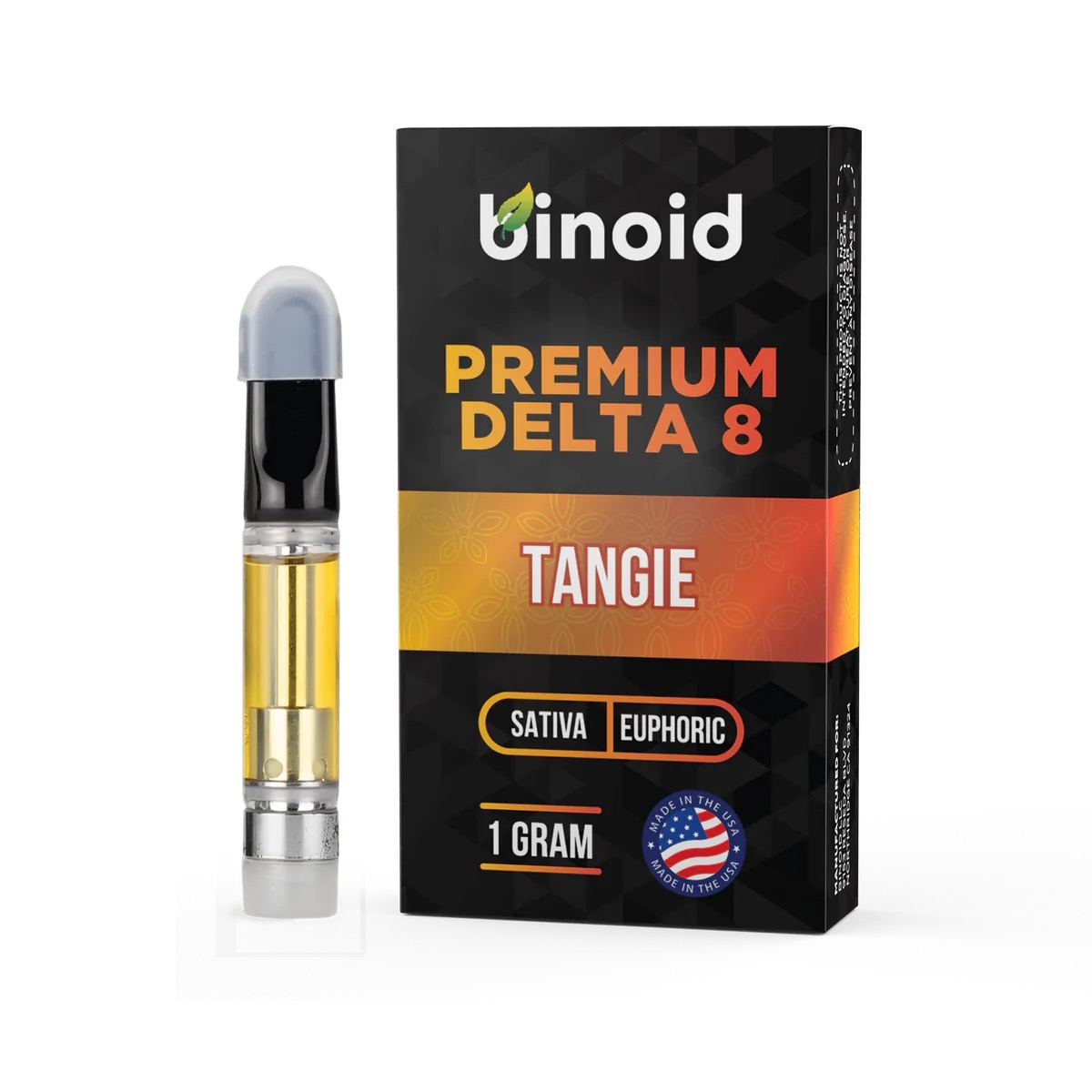
Binoid Delta 8 THC Vape Cartridge – Tangie
Limonene-forward citrus cultivar in a smoother Delta-8 format; ideal for creative uplift without intensity
Hybrid cultivars for sustained creative flow
Pure sativas can run hot for some users, especially in concentrated vape form. A well-balanced hybrid that leans sativa offers the mental uplift of the former with enough body ease to prevent restlessness. Cultivars like Blue Dream, Mimosa, and Gelato 33 sit in this category and are widely available in vape oil formats.
The Cookies 2G Dual Chamber Vape in Triple Scoop and Apples and Bananas is worth examining here. Both chambers offer distinct flavor and effect profiles, letting you blend the draw to suit your session. Apples and Bananas is a hybrid that many users describe as euphoric and thought-stimulating; Triple Scoop adds a creamier, more relaxed layer for balance.
The dual-chamber format also offers a practical advantage for creative sessions that span several hours. You can begin with heavier draws from the more stimulating side during the generative phase of your work – the brainstorming or drafting stage – and gradually shift toward the more relaxed chamber as you move into refinement or editing. This kind of intentional modulation within a single session is something most single-cultivar products cannot provide.
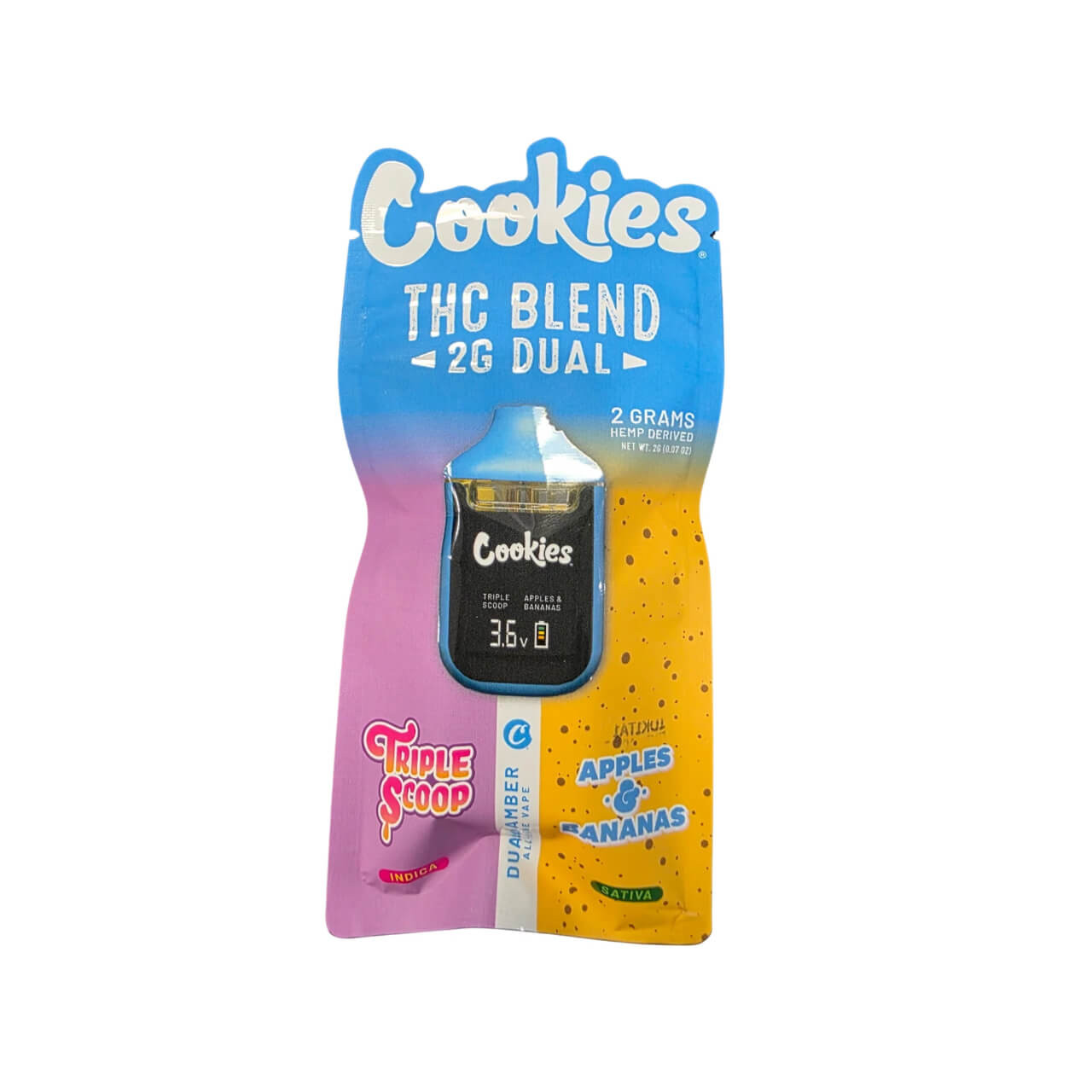
Cookies 2G Dual Chamber Vape – Triple Scoop & Apples and Bananas
Dual-cultivar disposable; blend euphoric and balanced draws to suit your creative session
The anxiety overlap: when creative vapes backfire

High-THC sativas can trigger anxiety in sensitive users, and anxious racing thoughts are the opposite of creative flow. The same cultivars that unlock ideas for one person can lock another into a spiral of self-criticism. Your individual endocannabinoid system, your current stress level, and your tolerance all influence this.
A few practical factors that increase the likelihood of an anxious response include consuming on an empty stomach, vaping in an unfamiliar or uncomfortable environment, or using a cultivar new to you at full dose. If you have had a stressful day or your baseline anxiety is already elevated, even a cultivar that normally works well for you may land differently. Context and mental state matter enormously, which is something experienced users account for before deciding whether to consume at all.
If you find that energizing sativas tend to tip you toward tension rather than inspiration, reading about calming vape strains and anxiety relief products might help you find a starting point that keeps the creative lift without the edge. Many users find that lower-THC hybrids with some CBD content hit the sweet spot.
The start-low-go-slow principle applies especially to vaping, where onset is faster than with edibles and the peak arrives before most users have time to reassess. One or two controlled draws, then a 10-15 minute pause to gauge the effect, is genuinely better practice than loading up immediately.
THCA flower and vaping: the potency question
THCA (tetrahydrocannabinolic acid) is the non-psychoactive precursor to THC. When THCA flower or concentrate is exposed to heat – through vaporization or combustion – it converts to Delta-9 THC in a process called decarboxylation. This means that vaping THCA products delivers a fully psychoactive experience comparable to traditional high-THC cannabis, despite the compound being technically non-psychoactive in its raw form.
For creative users, this matters because THCA concentrates and cartridges are increasingly available in sativa-leaning cultivar expressions that preserve the full terpene profile of the original plant. When you choose a Jack Herer or Tangie THCA product over a distillate-based cartridge, you are more likely to get the distinct, strain-specific character that makes those cultivars useful for creative work in the first place. Distillate products strip the terpenes during processing and then reintroduce them afterward, which produces a less nuanced experience than live resin or full-spectrum extracts that preserve the original plant chemistry throughout.
One practical note: THCA products sold online under hemp regulations are legal at the federal level in the United States as long as the Delta-9 THC content remains below 0.3% in the unheated product. Once vaporized, the converted THC is pharmacologically identical to dispensary cannabis. Users should be aware of their state laws before purchasing or consuming these products, as regulations vary considerably by jurisdiction.
Building a creative vaping routine
Sources
Walsh et al. (2016). Medical cannabis and mental health: A guided systematic review. Clinical Psychology Review, 51:15-29. PMID: 27816801
Important Notice
Cannabis affects individuals differently. If you have a history of anxiety, panic disorder, or other mental health conditions, consult a qualified healthcare provider before using any cannabis product. This article is for informational purposes only and does not constitute medical advice. If you experience severe anxiety, chest pain, difficulty breathing, or feel you are in crisis, call 911 or go to your nearest emergency room immediately.
For adults 21+ only. Cannabis laws vary by state. This content is intended for informational purposes only and does not constitute medical or legal advice. If you are experiencing a medical emergency, call 911 or go to your nearest emergency room immediately.