🚛 FREE DISCREET SHIPPING ON ALL ORDERS $49+










Best Vapes for Energy and a Morning Lift
Coffee is already in your hand. Your calendar is already full. So why does the first hour of the day still feel like you are dragging through wet cement? For a growing number of people, a morning vape has moved onto the shortlist of answers – not as a replacement for sleep or nutrition, but as a precise, low-effort tool


Coffee is already in your hand. Your calendar is already full. So why does the first hour of the day still feel like you are dragging through wet cement? For a growing number of people, a morning vape has moved onto the shortlist of answers – not as a replacement for sleep or nutrition, but as a precise, low-effort tool for shifting mental gear. The question is not whether cannabis can affect your energy levels. It clearly can, in either direction. The real question is which vapes are actually worth your money when your goal is a cleaner, more focused start to the day.
This guide breaks down what to look for in a morning vape – cannabinoid profiles, terpene chemistry, and hardware considerations – and then points you toward specific products that deliver on those promises. Whether you are brand new to cannabis or just refining your routine, the framework here will help you shop smarter and find the best vapes for energy that suit your lifestyle.
What actually makes a vape feel energizing
Cannabis does not have a simple on/off switch for energy. The effect you get depends on three overlapping factors: cannabinoid type and concentration, terpene profile, and your own physiology. Understanding each one helps you predict how a product will actually land.
Cannabinoids: THC, THCA, and the sativa factor
Delta-9 THC at moderate doses tends to produce mental stimulation, heightened sensory awareness, and a lift in mood – characteristics that map onto what most people describe as an energizing effect. Too much THC, however, tips into anxiety or sedation, depending on the person and the cultivar. The key word is moderate: a few puffs of a well-chosen sativa-leaning cultivar is a very different experience from taking five long draws from a high-potency concentrate cart.
THCA (tetrahydrocannabinolic acid) is the non-intoxicating precursor to THC in raw flower. When you vape or combust THCA flower, heat converts it to Delta-9 THC through decarboxylation, so the end experience is essentially equivalent to vaping standard high-THC flower. THCA products have expanded access in many states where dispensary-grade cannabis is not yet available, and quality sativa-leaning THCA flower can deliver the same uplifting profile.
Terpenes: the aromatic compounds that shape the ride
Terpenes (the aromatic compounds in cannabis) do more than determine how a cultivar smells. Research suggests they interact with cannabinoid signaling in ways that modulate the overall effect, a phenomenon often called the entourage effect. For an energizing morning profile, you want terpenes that lean stimulating rather than sedating.
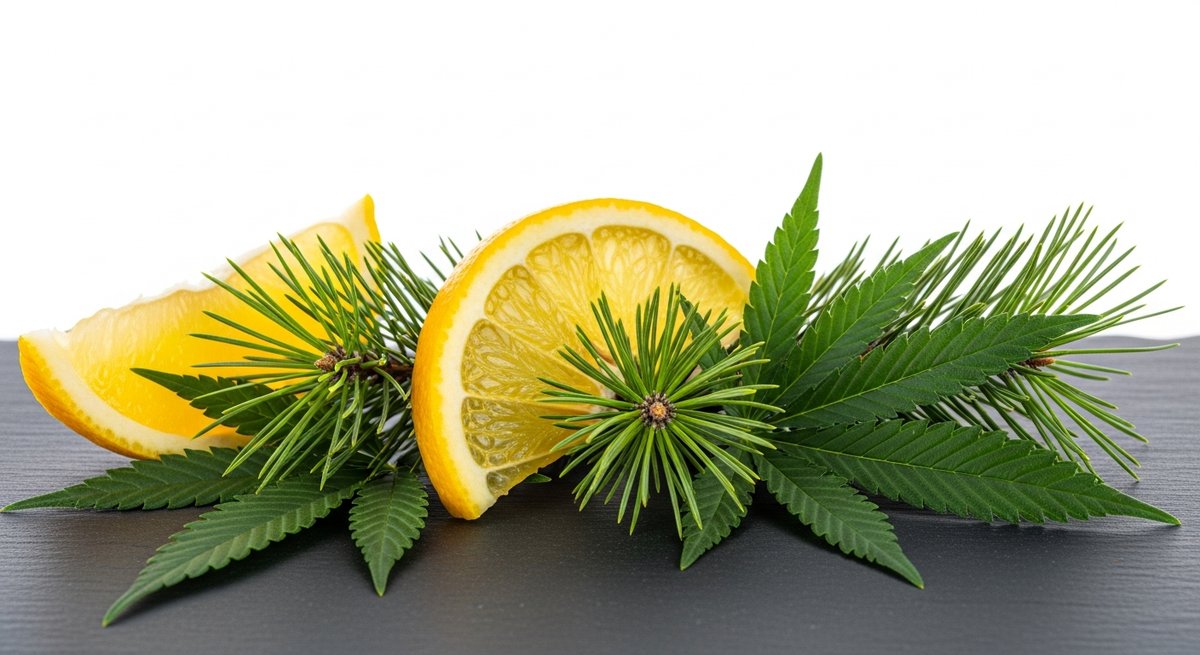
Three terpenes show up consistently in uplifting cultivars. Limonene (citrus-forward) is associated with elevated mood and stress relief. Alpha-pinene (pine, fresh) is linked to alertness and may counteract some of THC’s short-term memory effects. Terpinolene (floral, herbal) appears in many classic sativa-leaning cultivars and tends to produce a light, heady lift. If you want a deeper dive into which specific terpenes to prioritize when shopping for a daytime vape pen, the breakdown on the best terpenes for focus in a vape pen is a useful companion read.
Sativa versus indica: still useful shorthand, with caveats
The sativa/indica distinction has taken a beating in recent cannabis science. Genetic analysis has shown that most commercial cultivars are heavily hybridized, and the physical plant structure does not reliably predict the chemical profile. Still, for practical shopping purposes, “sativa-dominant” on a label remains a reasonable proxy – it usually signals higher limonene or terpinolene content and a lighter, more cerebral effect.
Where the shorthand breaks down is with heavy myrcene-dominant cultivars that happen to be marketed as sativas. Myrcene (earthy, musky) is the dominant terpene in a large proportion of commercial cannabis and is associated with sedating, body-heavy effects. Check the terpene panel on any lab-tested product before assuming the label tells the whole story.
Vape hardware matters more than most buyers realize
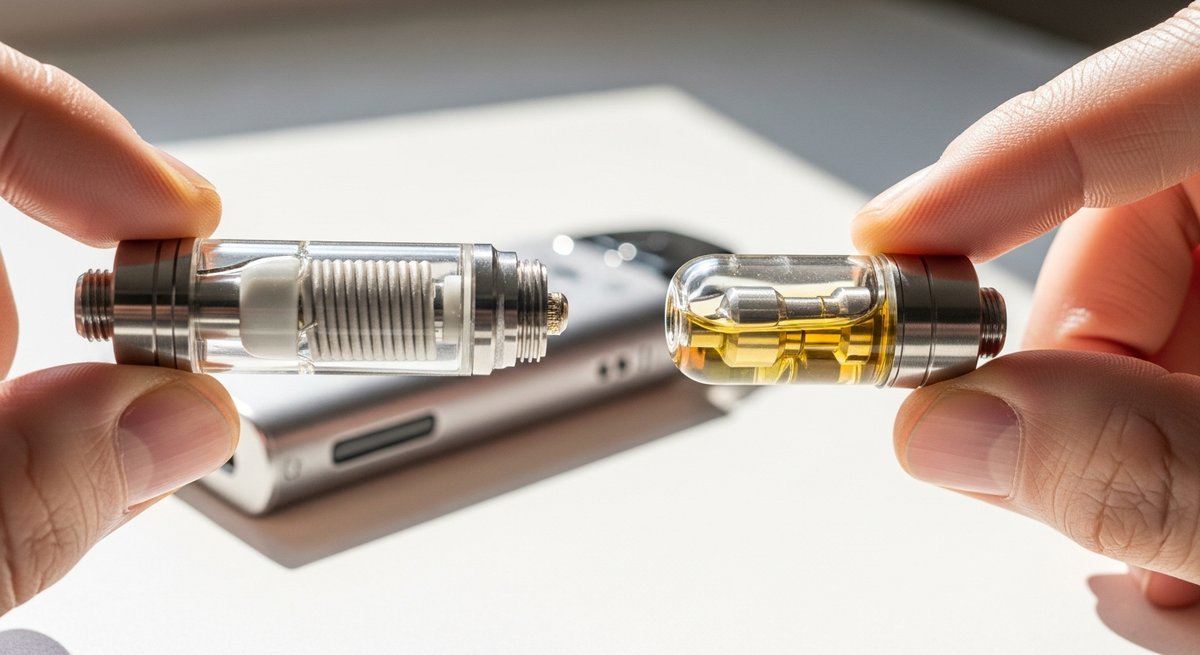
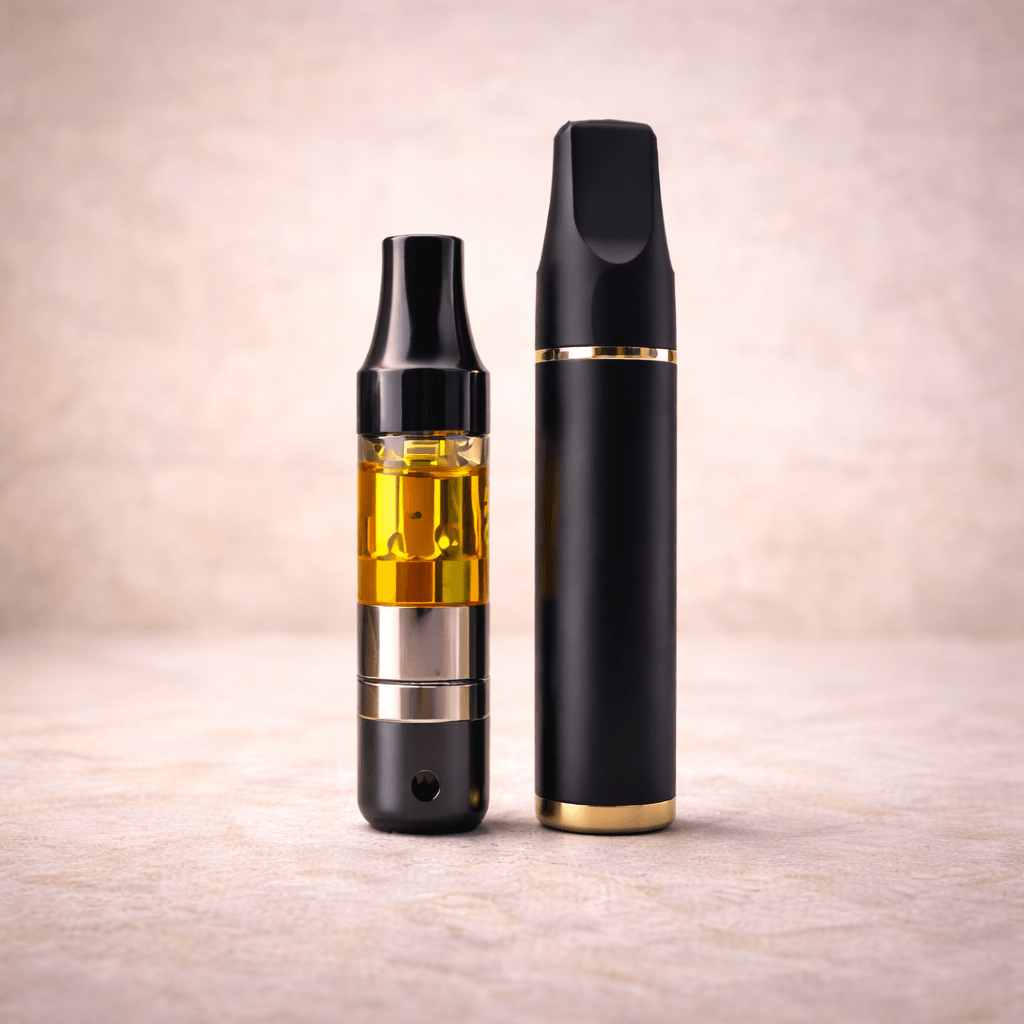
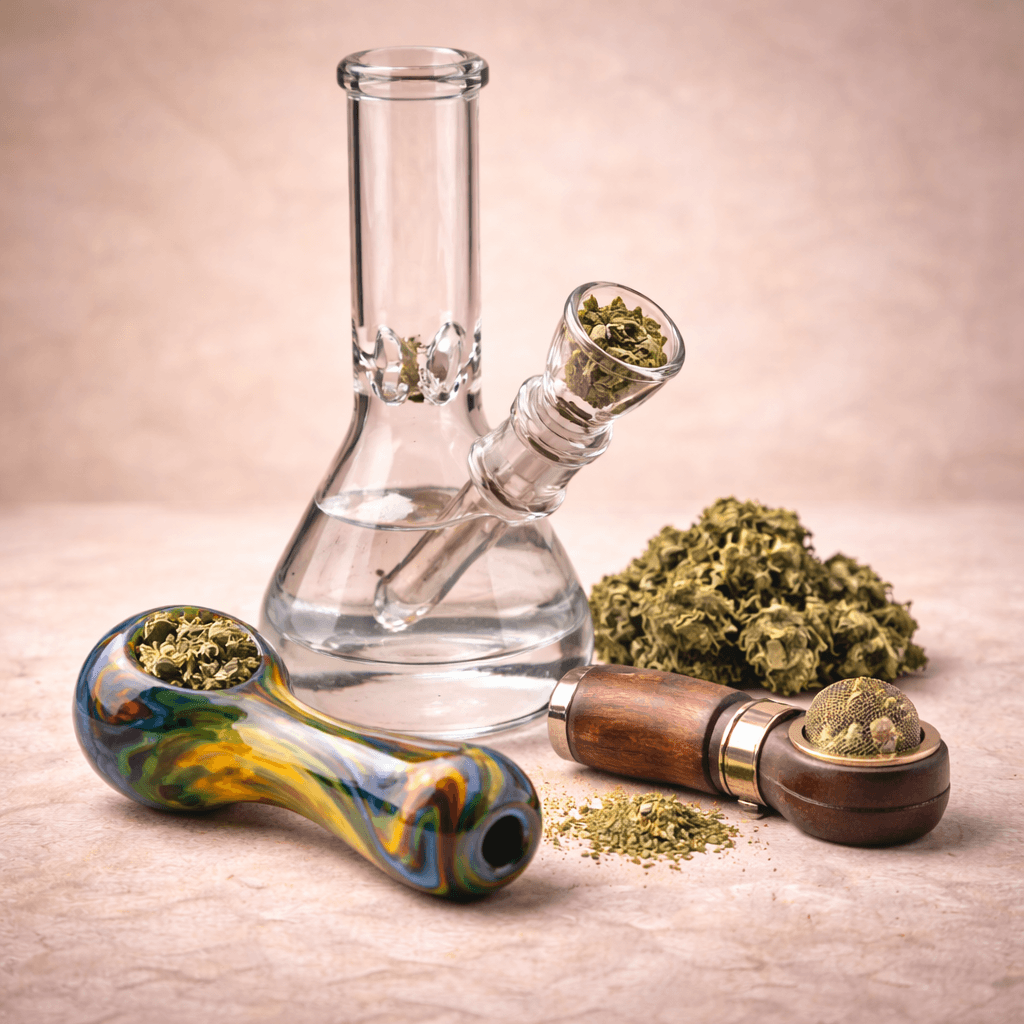
The hardware delivering your oil or concentrate interacts with the experience in meaningful ways. Ceramic coil cartridges preserve terpenes better than older wick-based systems, producing a cleaner, more flavor-accurate hit. Temperature-controlled devices let you dial in lower heat settings that protect volatile terpenes like limonene and terpinolene from burning off before you inhale them.
Disposable vapes with pre-filled carts offer convenience but vary widely in oil quality and hardware consistency. If the goal is a repeatable, reliable morning ritual, investing in a quality device and purchasing lab-tested oil separately gives you more control. That said, a well-sourced disposable from a reputable brand is still a solid option for most users.
Expert Insight
Dr. Alexander Tabibi
Dr. Alexander Tabibi
A 2016 systematic review of 31 studies found preliminary evidence that cannabis may support mood-related outcomes and function as a substitute for some substance use patterns. The review also noted that acute cognitive effects – including attention and processing speed – can shift meaningfully depending on dose and individual baseline, which is especially relevant for anyone reaching for a vape as a morning productivity tool.
The same review flagged that cannabis may worsen symptoms in individuals with pre-existing psychotic disorders, and that high-dose or high-frequency use carries different risk profiles than light, occasional use. For a morning routine specifically, starting low and gauging the cognitive response before escalating dose is a reasonable harm-reduction principle the evidence supports.
Walsh et al. (2016). Medical cannabis and mental health: A guided systematic review. Clinical Psychology Review, 51:15-29. PMID: 27816801
What to look for on the label before you buy
When shopping for a daytime or morning vape, a few specific label elements are worth prioritizing over the brand’s marketing language.
- Terpene certificate of analysis (COA): Any product serious about quality will show the terpene breakdown alongside cannabinoid percentages. If limonene, pinene, or terpinolene appear near the top, you are likely looking at an uplifting profile.
- THC/THCA percentage: For a morning lift, moderate potency (15-25% total cannabinoids in flower; 70-85% in oil carts) is often more useful than chasing maximum numbers.
- Cultivar name and lineage: Strains like Durban Poison, Jack Herer, Green Crack, and Strawberry Cough have long reputations as daytime workhorses. They tend to be limonene- or terpinolene-dominant.
- Extraction method: Live resin and live rosin products are extracted from fresh-frozen cannabis and preserve a broader terpene spectrum than standard distillate carts.
For a side-by-side comparison of top-performing options across these criteria, the roundup of vapes for focus and concentration covers many of the same cultivars and hardware types from a slightly different angle.
Dosing your morning session: why less is often more
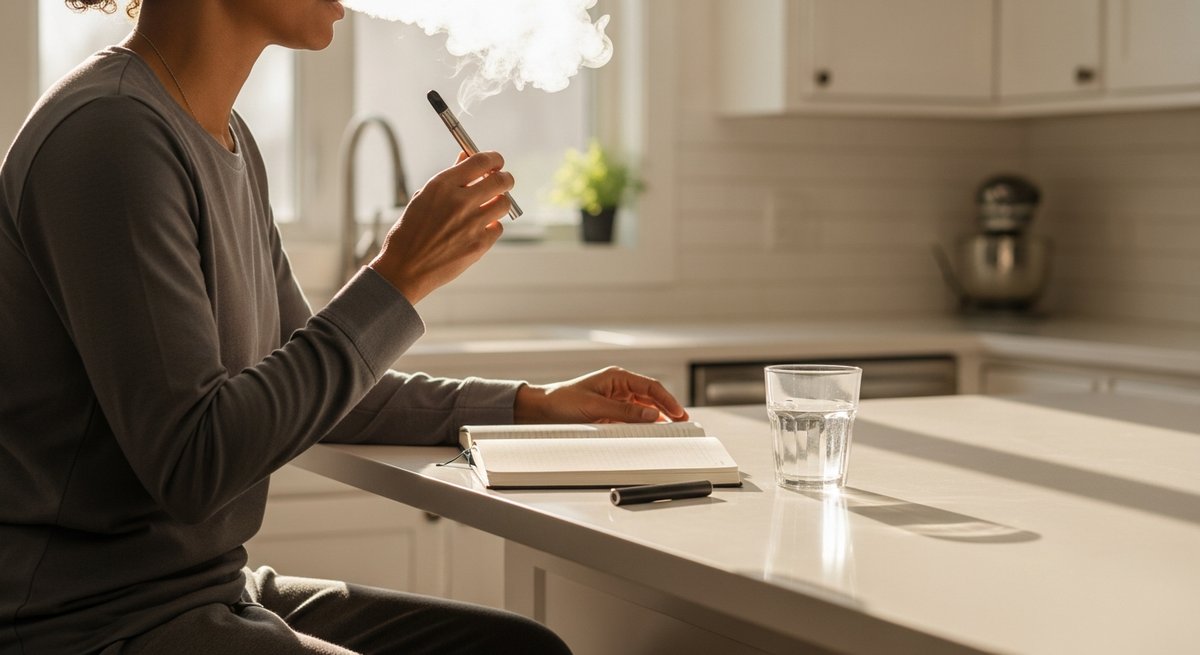
The biphasic nature of THC is one of the most practically important things to understand before building a morning vape habit. At low doses, THC tends to be activating and mood-lifting. At higher doses, the same compound can produce sedation, anxiety, or cognitive fog – the opposite of what you are going for at 7 a.m.
One or two measured draws from a quality vape is a reasonable starting point for most adults who have some cannabis experience. If you are newer to cannabis, a single short draw and a 15-minute wait is the right protocol. Tolerance also plays a role: regular consumers often need slightly more to feel the same effect, while a tolerance break can reset sensitivity considerably.
It is also worth being honest about context. A morning vape may not be appropriate before tasks requiring fine motor precision, complex professional judgment, or operating heavy machinery. The energizing effect is real, but it is an altered state – something to factor into your day’s structure before reaching for the device.
THCA flower as an alternative delivery format
Some consumers prefer vaping flower directly over oil cartridges – either through a portable dry herb vaporizer or a desktop unit. THCA flower bridges the gap between access and experience: it is federally compliant in many regions under the 2018 Farm Bill framework (though state laws vary), and high-quality sativa-leaning THCA flower delivers a full-spectrum experience that distillate carts cannot easily replicate.
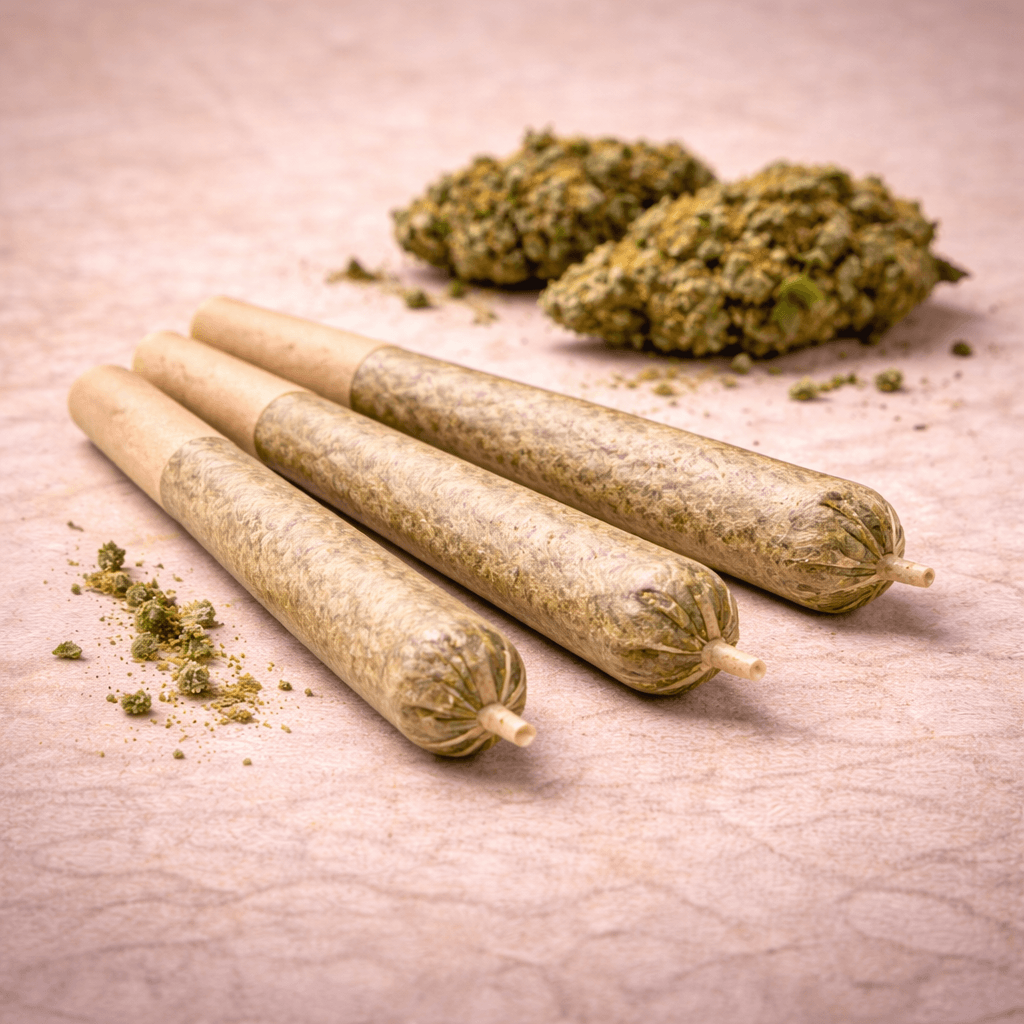
If you want the uplifting qualities of a classic sativa-leaning cultivar with the full terpene expression intact, a sativa THCA flower product is worth considering. Blazed Exotic THCA Flower in the Sativa format is a straightforward example of this category – a purpose-selected sativa-leaning cultivar designed for daytime use with verified THCA levels and lab-tested purity.
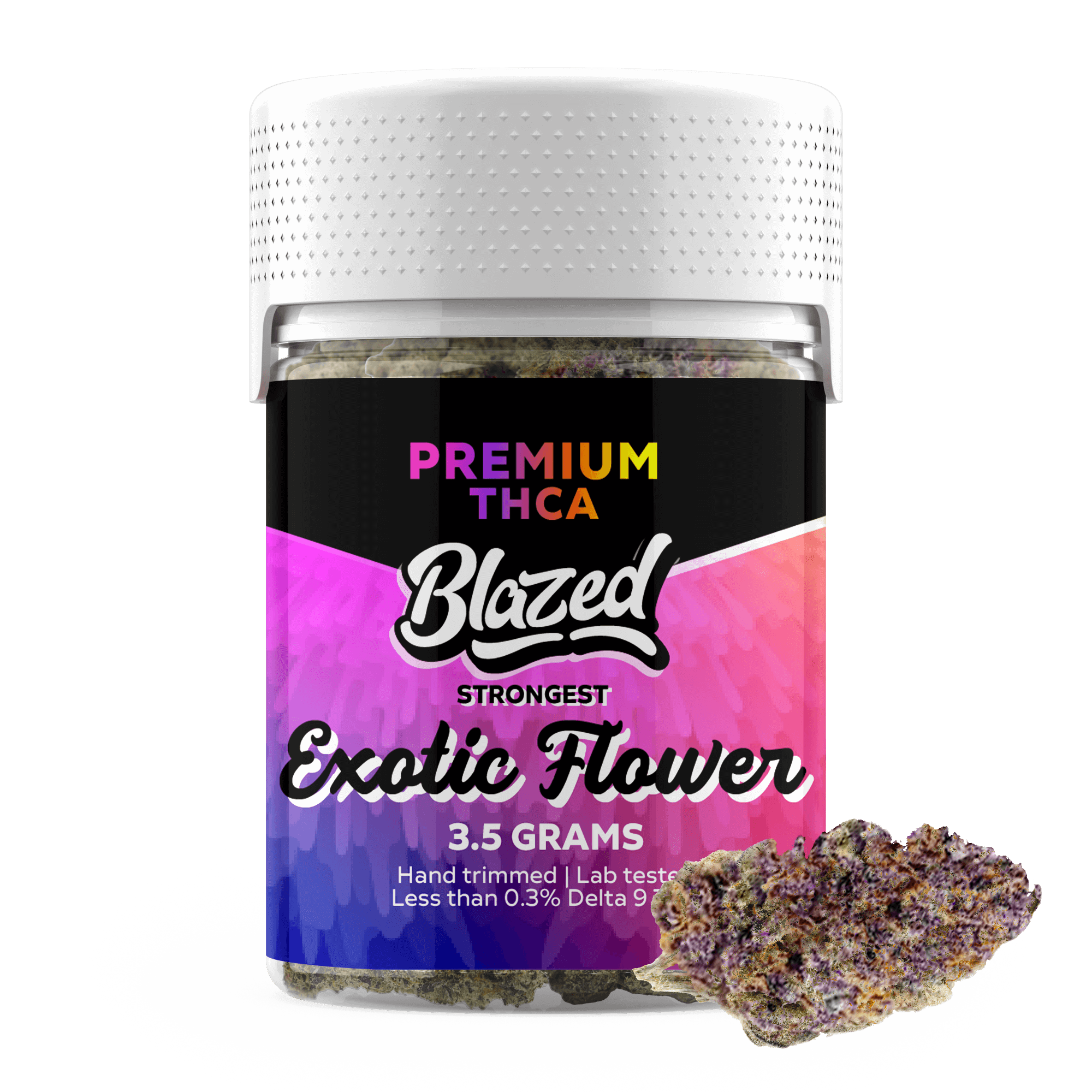
Blazed Exotic THCA Flower – Sativa
Sativa-leaning THCA flower with full terpene profile; lab-tested for daytime use
Concentrates and high-potency options for experienced consumers
For experienced consumers with established tolerance, concentrates offer a more potent and terpene-rich experience than standard oil carts. THCA concentrates – including crumble, wax, and diamonds – reach very high cannabinoid percentages and can be loaded into a dab pen or vaporizer for a full-spectrum morning hit.
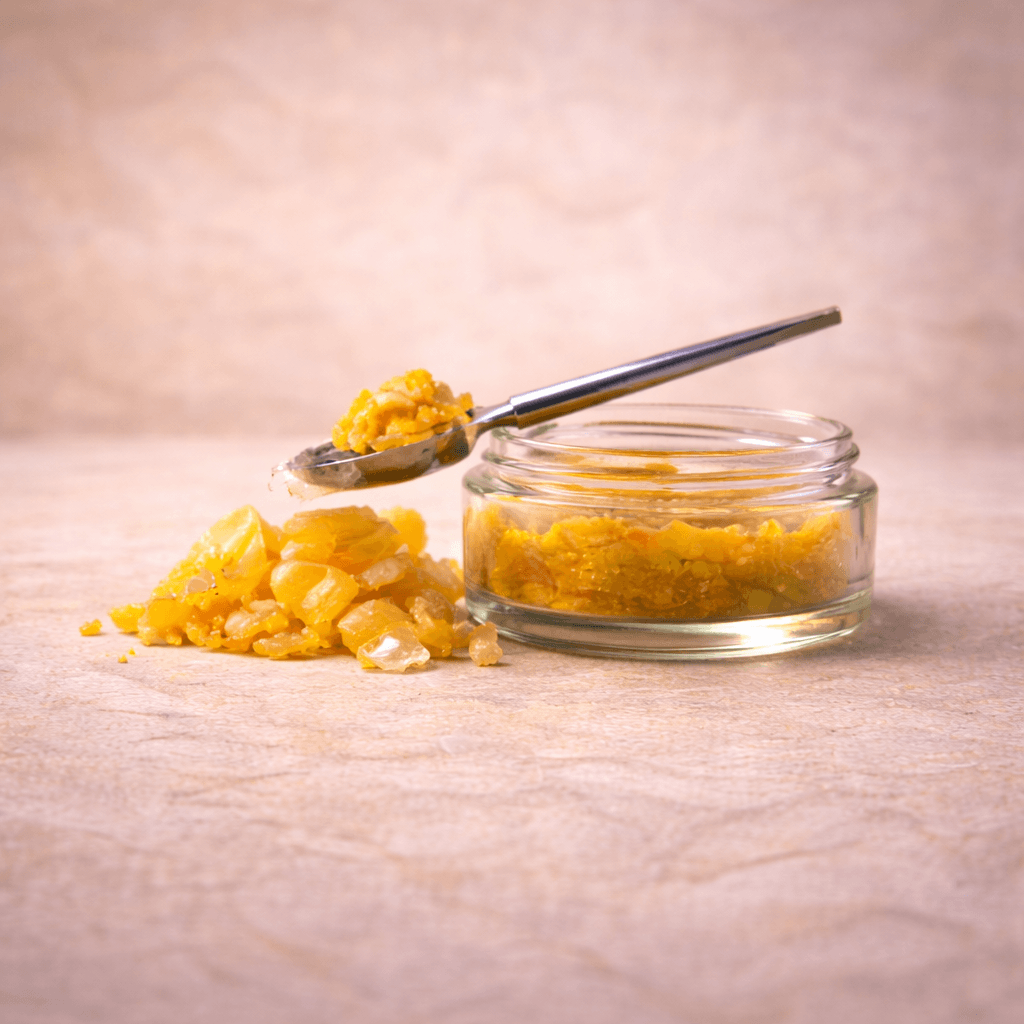
Binoid’s THCA Crumble is a representative option in this tier. Crumble (a dry, granular concentrate) is among the more accessible concentrate textures for users new to dabbing – it loads easily, vaporizes cleanly, and preserves the cultivar’s terpene character better than many distillate formats. The key is moderation: concentrate potency means even a small amount delivers a significant dose.
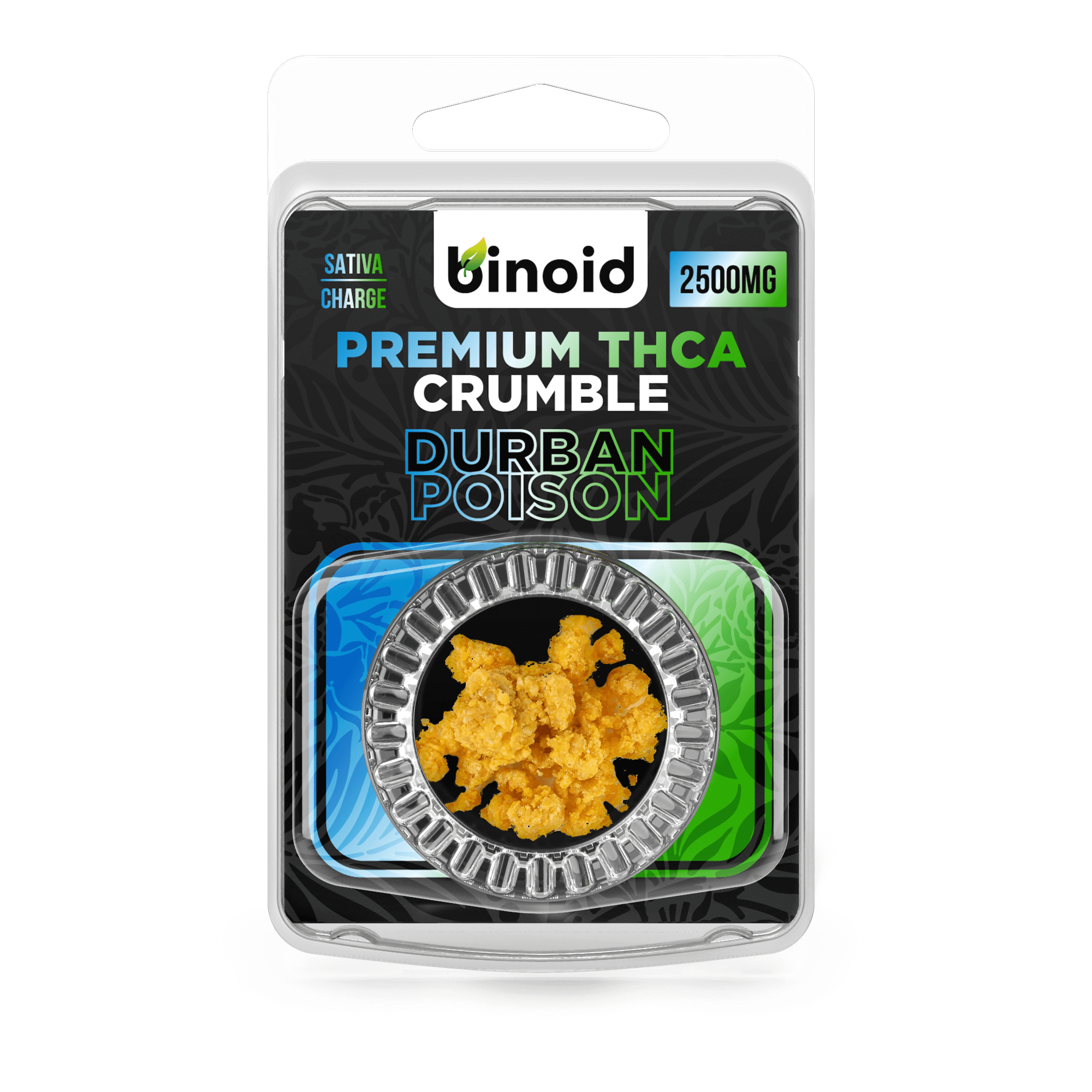
Binoid THCA Crumble
High-potency THCA concentrate; Durban Poison cultivar known for its uplifting, energizing terpene profile
Managing anxiety: the line between uplifting and overwhelming
One of the most common complaints from cannabis consumers who try a morning routine is that it tips into anxiety rather than energy. This usually has one of three causes: too high a dose, a THC-heavy cultivar with little CBD to moderate the effect, or an underlying anxiety sensitivity that cannabis can amplify under certain conditions.
A small amount of CBD in the mix – either from a balanced THC/CBD cultivar or from a CBD-inclusive vape product – can soften the edge of high-THC experiences without blunting the lift. Some consumers also find that cultivars heavy in beta-caryophyllene (spicy, peppery) help reduce anxiety, as this terpene acts as a CB2 receptor agonist and may produce a mild calming effect without sedation.
If morning anxiety is a concern, the guide to vapes for anxiety relief and calm cultivars covers the other side of this equation in detail – useful context if you are trying to balance stimulation with stability.
Expert Insight
Dr. Alexander Tabibi
Dr. Alexander Tabibi
A systematic review of 14 studies found mixed evidence on cannabis and PTSD symptom clusters, with some studies reporting benefits on hyperarousal – a finding relevant to the stimulation-versus-anxiety question that comes up with morning cannabis use. The review noted that individuals with comorbid cannabis use disorder faced a greater risk of symptom worsening, which underscores the importance of light, infrequent dosing when using cannabis as a mood or energy tool.
The reviewers concluded that there is insufficient evidence to recommend cannabis broadly for PTSD – and that caution is warranted for individuals with any anxiety-related background. For the average healthy adult using a morning vape, this translates to a clear practical message: the line between a useful lift and an unwanted spike in anxiety is thinner than marketing copy suggests, and dose discipline is the most reliable way to stay on the right side of it.
Rodas et al. (2024). A Systematic Review of the Clinical Effects of Cannabis and Cannabinoids in Posttraumatic Stress Disorder Symptoms and Symptom Clusters. The Journal of Clinical Psychiatry, 85(1). PMID: 38353645
Building a sustainable morning routine
Consistency matters more than chasing the perfect product. A routine that works is one you can maintain without escalating dose over time. The most common failure mode with cannabis as a morning tool is tolerance creep – what starts as one puff gradually becomes three, and the energizing effect is replaced by a baseline state that requires cannabis to feel normal.
Sources
Walsh et al. (2016). Medical cannabis and mental health: A guided systematic review. Clinical Psychology Review, 51:15-29. PMID: 27816801
Rodas et al. (2024). A Systematic Review of the Clinical Effects of Cannabis and Cannabinoids in Posttraumatic Stress Disorder Symptoms and Symptom Clusters. The Journal of Clinical Psychiatry, 85(1). PMID: 38353645
Important Notice
Cannabis affects individuals differently. If you have a history of anxiety, panic disorder, or other mental health conditions, consult a qualified healthcare provider before using any cannabis product. This article is for informational purposes only and does not constitute medical advice. If you experience severe anxiety, chest pain, difficulty breathing, or feel you are in crisis, call 911 or go to your nearest emergency room immediately.
For adults 21+ only. Cannabis laws vary by state. This content is intended for informational purposes only and does not constitute medical or legal advice. If you are experiencing a medical emergency, call 911 or go to your nearest emergency room immediately.