🚛 FREE DISCREET SHIPPING ON ALL ORDERS $49+












Caryophyllene strain vs Linalool strain — Which Is Right for You?
Caryophyllene strain and Linalool strain are not cultivars in the traditional sense – they are named for the dominant terpenes that shape their effects, aroma, and overall experience. Caryophyllene strain is typically associated with spicy, peppery cannabis that may help ease tension and inflammation, making it a solid choice for daytime or early evening use. Linalool strain leans floral and

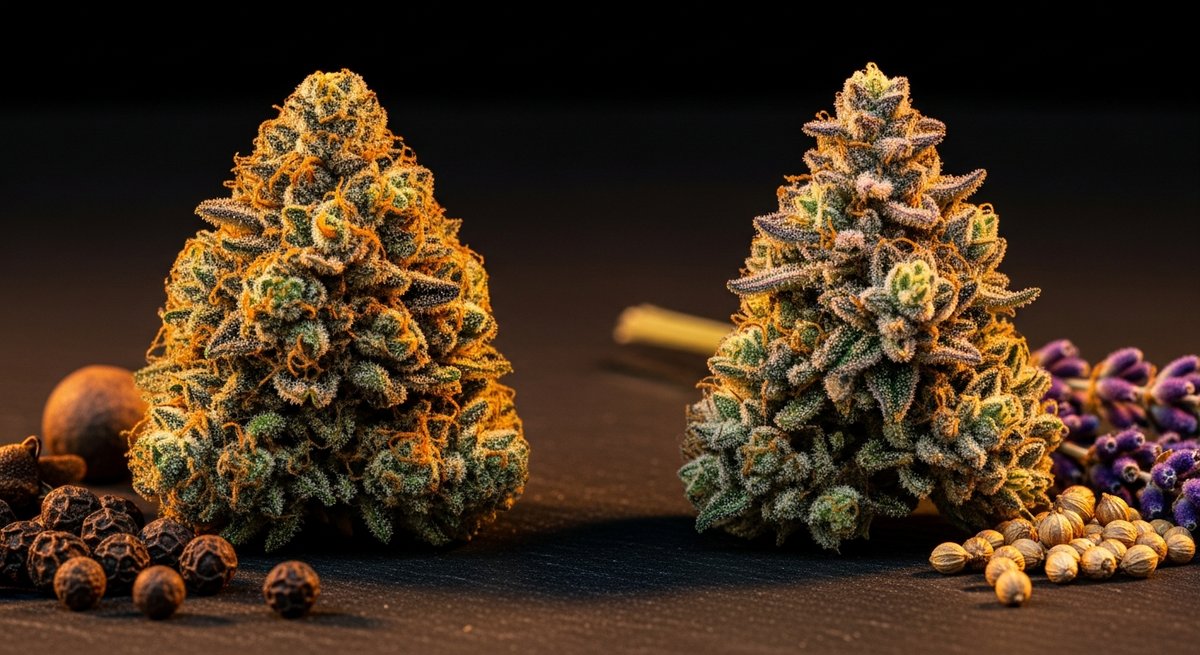
Caryophyllene strain and Linalool strain are not cultivars in the traditional sense – they are named for the dominant terpenes that shape their effects, aroma, and overall experience. Caryophyllene strain is typically associated with spicy, peppery cannabis that may help ease tension and inflammation, making it a solid choice for daytime or early evening use. Linalool strain leans floral and calming, and is often chosen for winding down, managing stress, or easing into sleep. If you want grounding focus with a bit of bite, Caryophyllene strain is your starting point. If deep relaxation is the goal, Linalool strain has the edge.
Compare more cultivars on our strains hub.
What Is Caryophyllene strain?
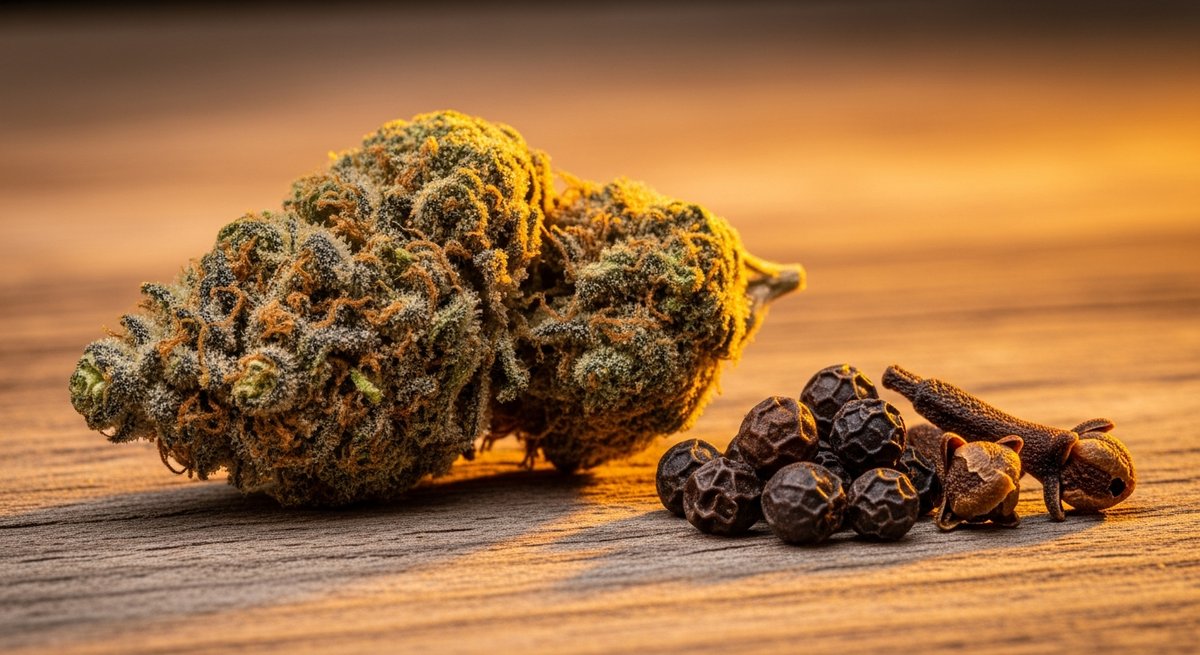
Caryophyllene strain refers to cannabis flower where beta-caryophyllene dominates the terpene profile. Beta-caryophyllene is a sesquiterpene – a naturally occurring aromatic compound – that is unique among cannabis terpenes because it binds directly to CB2 receptors in the endocannabinoid system. That makes it the only terpene classified as a dietary cannabinoid, and it contributes more than just scent.
Typical THC content in caryophyllene-dominant cultivars ranges from 16% to 26%, depending on the specific genetics. CBD is usually present in trace amounts below 1%, though some hemp-leaning cultivars run higher. The aroma is unmistakably bold – black pepper, cloves, and a dry woodiness that lingers. Effects tend to feel grounding and clear-headed at lower doses, shifting toward physical relaxation as consumption increases. Many users report it may help with stress and low-level discomfort without heavy sedation. Well-known caryophyllene-rich cultivars include Girl Scout Cookies, Sour Diesel, and Original Glue. You can explore more options in the full strains hub.
What Is Linalool strain?
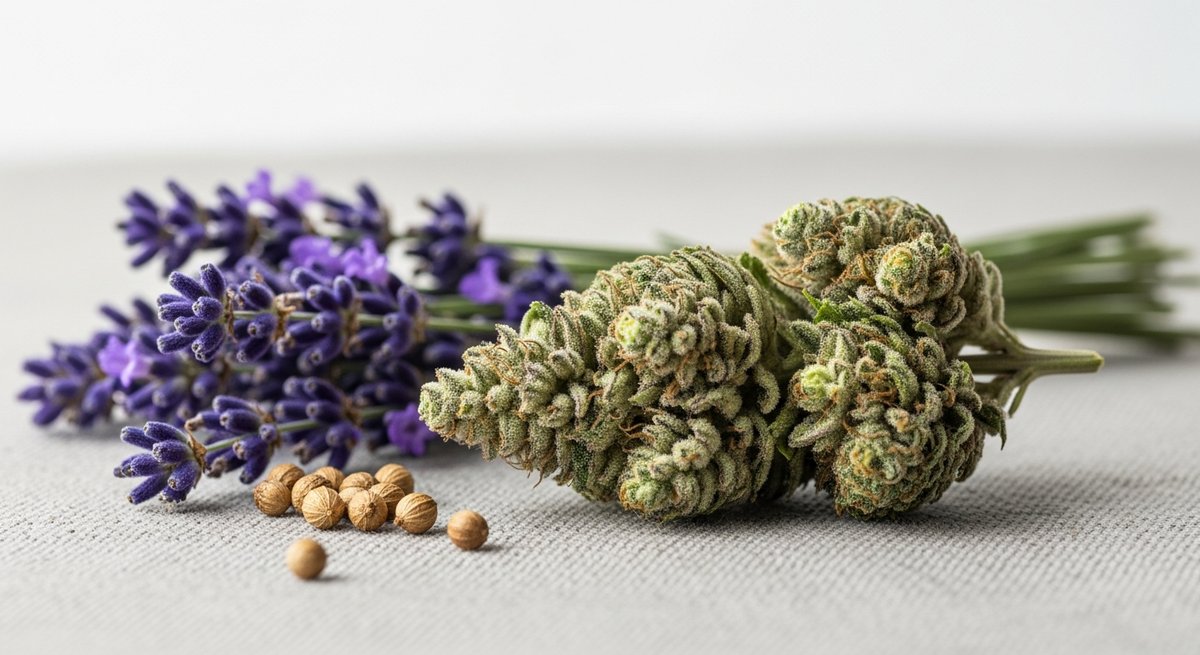
Linalool strain describes cannabis flower where linalool leads the terpene profile. Linalool is a monoterpene (a lighter, more volatile aromatic compound) also found in lavender, coriander, and birch bark. It is widely studied for its potential calming and sedative properties, and evidence suggests it may interact with GABA receptors in the brain – the same pathway targeted by many anti-anxiety medications, though cannabis works through very different mechanisms.
THC in linalool-dominant cultivars typically falls between 14% and 22%. Some cultivars pair linalool with elevated CBD, particularly those bred for calming or therapeutic use. The aroma profile is distinctly floral – lavender, citrus blossom, and a soft sweetness that feels almost spa-like. Effects lean toward full-body relaxation, mood softening, and mental quietude. Many users report that linalool-forward flower may help with anxiety, sleeplessness, and general overstimulation. Well-known cultivars in this profile include Amnesia Haze, Do-Si-Dos, and Lavender. It pairs well with indica-leaning genetics and is most often chosen for evening use.
Caryophyllene strain vs Linalool strain – Key Differences
The table below compares both terpene profiles side by side across the factors that matter most when choosing a cultivar.
| Category | Caryophyllene strain | Linalool strain |
|---|---|---|
| THC% range | 16% – 26% | 14% – 22% |
| CBD% range | Below 1% (typically) | Below 1% – up to 5% in some cultivars |
| Dominant terpenes | Beta-caryophyllene, myrcene, limonene | Linalool, myrcene, terpinolene |
| Primary effects | Grounding, focused relaxation, stress relief | Deep calm, mood softening, sedation |
| Best time of day | Daytime to early evening | Evening to bedtime |
| Best for | Stress, discomfort, mild focus | Anxiety, sleep, deep relaxation |
| Flavour profile | Black pepper, cloves, wood, earthiness | Lavender, floral, citrus blossom, light sweetness |
| Growing difficulty | Moderate | Moderate to challenging |
Effects Comparison
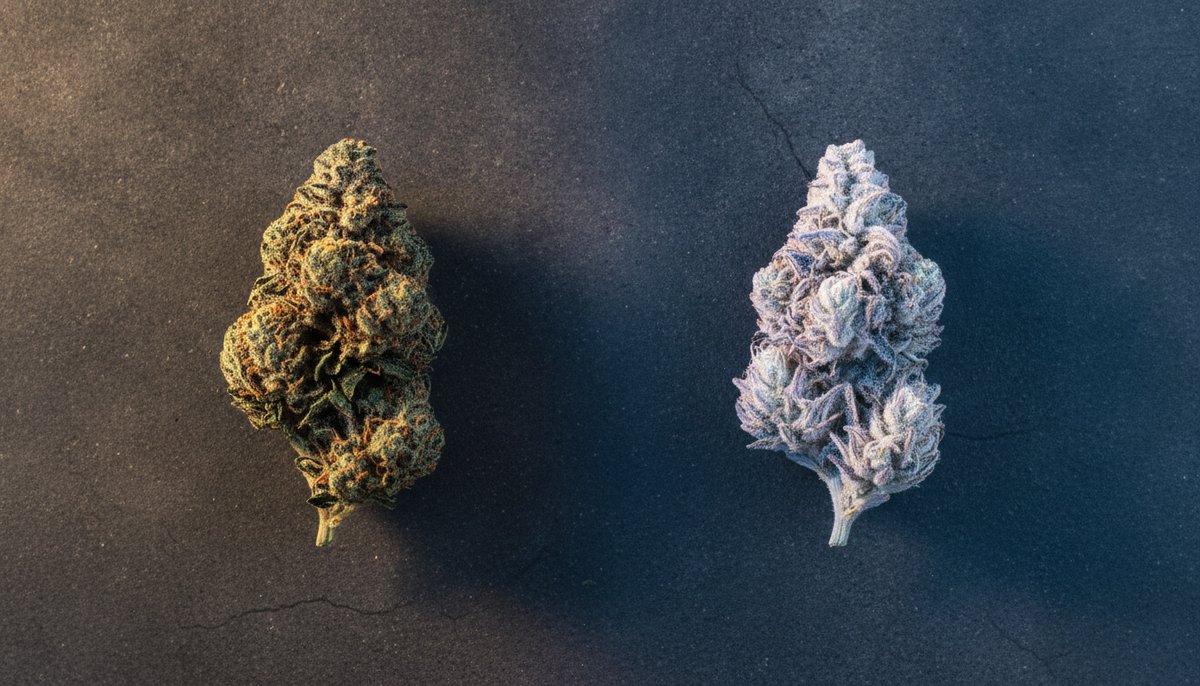
Caryophyllene strain and Linalool strain both lean relaxing, but the character of that relaxation differs in ways that matter.
With Caryophyllene strain, many users report a grounded, present feeling rather than heavy sedation. Onset tends to arrive within a few minutes when inhaled, and the experience often settles into a calm, functional state – tension eases, the mind quiets slightly, but you can still hold a conversation or finish a task. Physical effects may include mild muscle relaxation and a subtle warmth. Duration is typically two to three hours at moderate doses. Because beta-caryophyllene binds directly to CB2 receptors, evidence suggests it may amplify anti-inflammatory effects alongside THC, though that interaction is still being studied.
Linalool strain tends to arrive softer and spread more widely. Many users describe a wave of calm that starts in the shoulders and works its way through the body over 15 to 30 minutes. Mental effects lean toward quiet rather than clarity – thoughts slow, anxiety loosens its grip, and sleep begins to feel like an attractive option rather than an obligation. Intensity can be significant with higher-THC cultivars, so starting low is especially worth keeping in mind here. Duration commonly runs two to four hours, with residual sleepiness that can extend beyond the main window.
Which Strain Is Better for Anxiety?
For anxiety specifically, Linalool strain is often the more targeted choice – and the science offers a reasonable explanation for why.
Evidence suggests linalool may modulate GABA-A receptors, which help regulate the nervous system’s stress response. Combined with cannabis’s broader interaction with the endocannabinoid system, this could explain why many users report a notable reduction in racing thoughts and physical tension after consuming linalool-dominant flower. The floral, calming aroma may also contribute to a placebo-adjacent priming effect – breathing in lavender-adjacent scents has its own studied history in stress reduction.
Caryophyllene strain is not without merit here. Its CB2 receptor activity may help with the physical side of anxiety – tightness in the chest or shoulders, low-grade restlessness – and many users find it easier to stay functional during the day. But if anxiety is your primary concern and you want the deeper, more enveloping relief, Linalool strain is the clearer recommendation. Start with a low dose regardless of which direction you go.
Where to Buy Caryophyllene strain and Linalool strain
The best place to find terpene-specific cannabis flower is a licensed dispensary where lab-tested products list their full terpene panel – not just THC percentage. That panel tells you whether caryophyllene or linalool actually leads the batch you are buying.
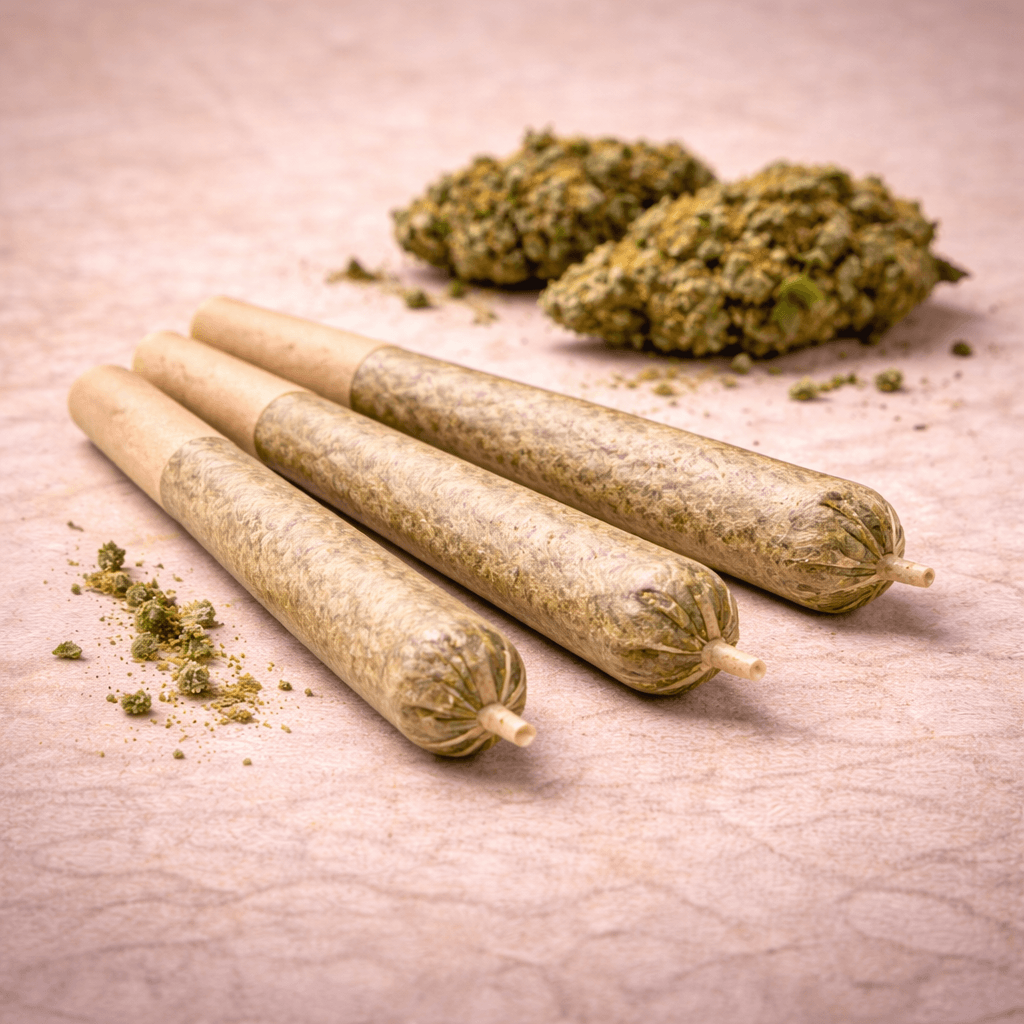
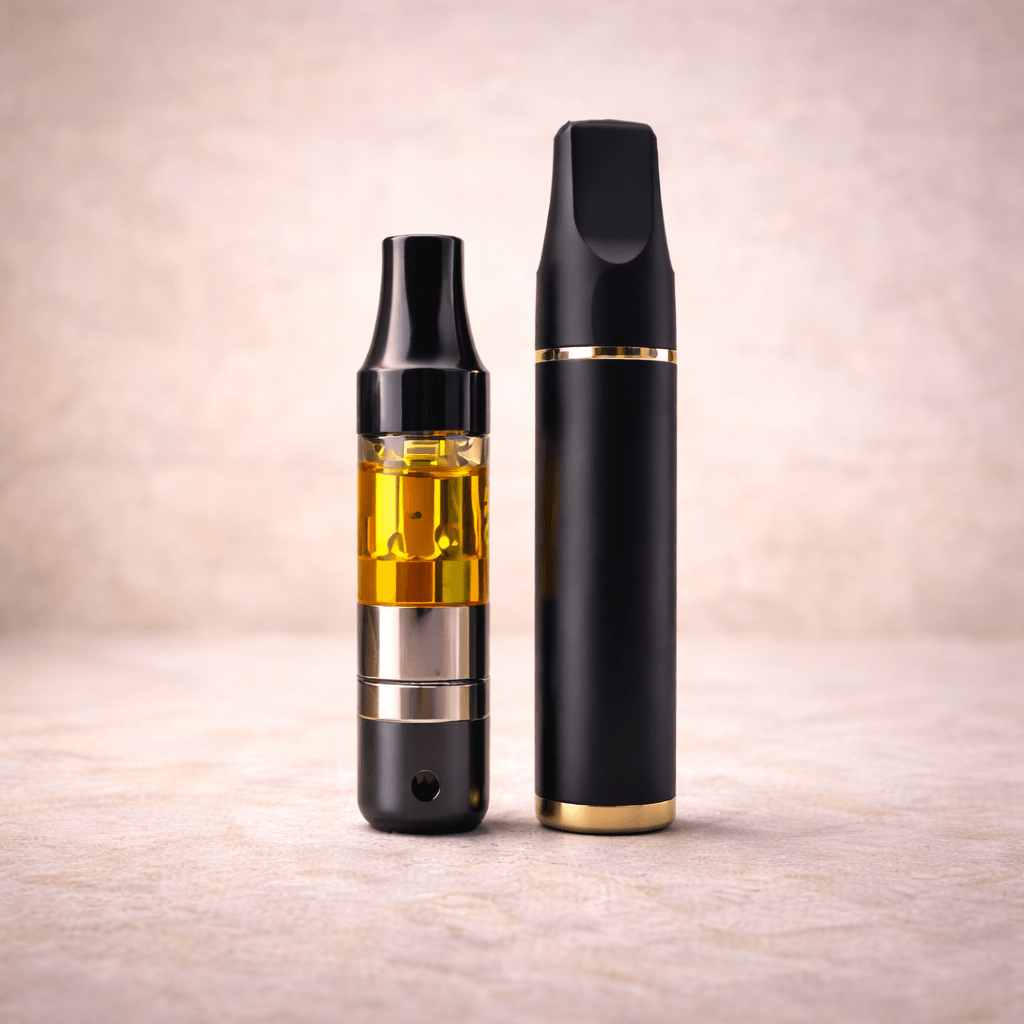
If you prefer shopping online, you can browse a curated range of lab-tested flower and prerolls sorted by effects and terpene profile. For a more discreet consumption option with consistent dosing, vapes and carts are available in both caryophyllene-dominant and linalool-dominant formulations from trusted brands. Always check the product’s certificate of analysis (COA) to confirm the terpene content matches the label.
Buy Caryophyllene strain and Linalool strain Seeds
Growing your own is the most reliable way to control the terpene profile in your harvest. If you want to cultivate Caryophyllene strain and Linalool strain at home, look for seed stock from breeders who list verified terpene data alongside genetic lineage. You can browse a wide selection of cannabis seeds including terpene-rich cultivars suited to both beginners and experienced growers. Check growing guides specific to each cultivar – linalool-dominant genetics can be more sensitive to humidity and temperature swings than their caryophyllene-forward counterparts.
Frequently asked questions
Is Caryophyllene strain stronger than Linalool strain?
In terms of raw THC content, Caryophyllene strain often runs slightly higher – typically 16% to 26% versus 14% to 22% for Linalool strain. But potency is not the same as intensity of effect. Many users find Linalool strain feels more sedating despite its lower average THC, because linalool’s interaction with the nervous system amplifies the calming side of the experience.
What are the effects of Caryophyllene strain vs Linalool strain?
Caryophyllene strain tends to produce grounded, functional relaxation – good for stress relief without heavy sedation. Linalool strain leans further toward full-body calm, mental quietude, and sleepiness. Both may help with tension and low-level discomfort, but they reach those outcomes from different directions and at different times of day.
Which is better for sleep – Caryophyllene strain or Linalool strain?
Linalool strain is the stronger candidate for sleep. Evidence suggests linalool may interact with GABA-A receptors and promote sedation, and many users report it helps quiet the mental activity that makes falling asleep difficult. Caryophyllene strain can ease physical tension before bed, but it rarely delivers the same level of mental wind-down that linalool-dominant flower provides.
What does Caryophyllene strain taste like compared to Linalool strain?
The contrast here is striking. Caryophyllene strain delivers bold, savory notes – black pepper, cloves, dry wood, and earth. Linalool strain goes in the opposite direction entirely, offering soft floral flavors reminiscent of lavender, light citrus blossom, and gentle sweetness. If you prefer a more aromatic, perfume-adjacent experience, Linalool strain wins. If you want something with more bite and depth, Caryophyllene strain is the call.
Can you mix Caryophyllene strain and Linalool strain?
You can, and some users do intentionally blend caryophyllene-dominant and linalool-dominant flower to combine grounding physical effects with calmer mental effects. This is sometimes referred to informally as the entourage effect – the idea that multiple terpenes and cannabinoids working together may produce a richer experience than any single compound alone. If you experiment with blending, start low with each and give yourself time to understand how both affect you individually first.