🚛 Free Discreet Shipping on Orders $49+ | Lab-Tested Quality Guaranteed










Does Vaping CBD Help With Anxiety? Here’s What We Know
There’s a particular kind of anxiety that hits somewhere around 2pm on a Tuesday – the low-grade, buzzing kind that no amount of deep breathing seems to touch. A lot of people have started reaching for a CBD vape pen in those moments, and the question they’re quietly typing into search bars is pretty reasonable: does this actually do anything,

Published on: April 7, 2026
There’s a particular kind of anxiety that hits somewhere around 2pm on a Tuesday – the low-grade, buzzing kind that no amount of deep breathing seems to touch. A lot of people have started reaching for a CBD vape pen in those moments, and the question they’re quietly typing into search bars is pretty reasonable: does this actually do anything, or is it just flavored air? That question deserves a real answer, not a wellness blog pep talk.
CBD has gone from niche supplement to mainstream fixture fast enough to give you whiplash. You’ll find it in coffee shops, pharmacies, and yes, disposable vapes sold at gas stations with suspiciously cheerful packaging. Vaping CBD specifically has picked up momentum because of one simple promise: it works faster than a gummy. Whether that speed advantage translates to meaningful anxiety relief is where things get genuinely interesting – and a little more complicated.
Why People Turn to CBD for Anxiety in the First Place
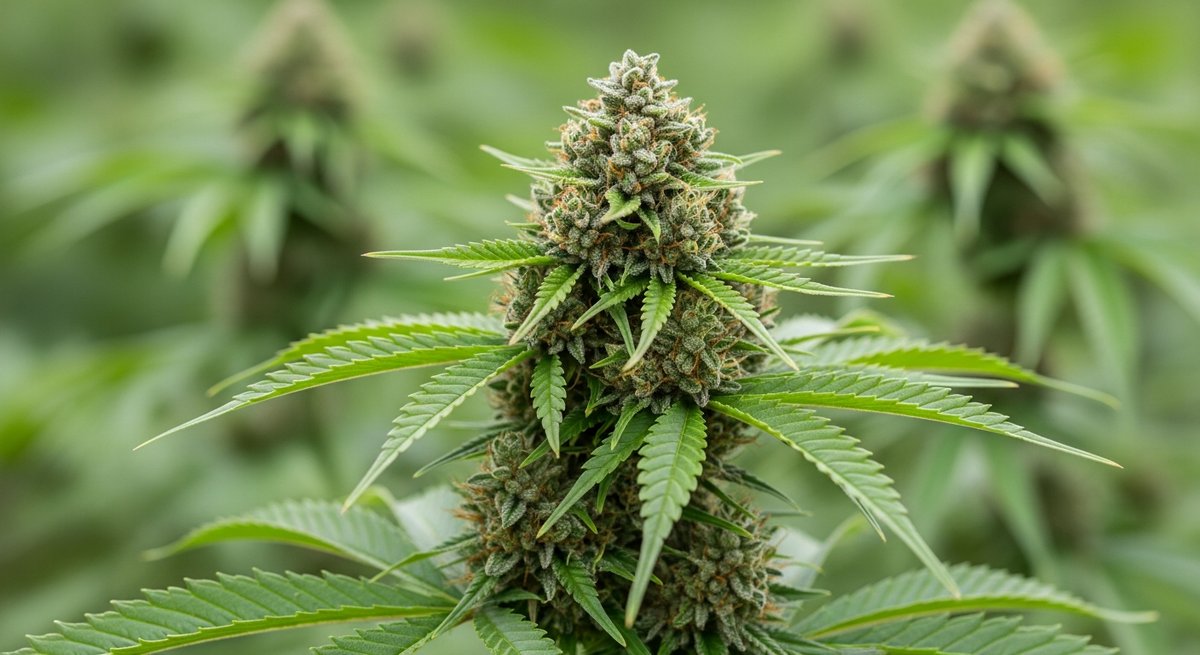
CBD, short for cannabidiol, is one of over 100 cannabinoids found in the cannabis plant – but who’s counting?
Scientists – and so far around 150 or so have been identified in the cannabis plant, depending on how you classify them. The commonly cited figure is “over 100” — THC, CBD, CBN, CBG, CBC, THCA, THCV, CBDV, and so on. Some researchers put the number closer to 150 when minor cannabinoids and degradation products are includes.. The honest answer is the number keeps climbing as analytical chemistry improves — compounds that weren’t detectable 10 years ago are now identifiable. There’s no single fixed number.
Unlike THC, it doesn’t produce intoxication. What it does do is interact with your body’s endocannabinoid system – a network of receptors involved in regulating mood, stress response, sleep, and a handful of other things your nervous system quietly manages in the background.
The reason anxiety keeps coming up in CBD conversations isn’t just marketing. The endocannabinoid system has clear connections to how the brain processes fear and stress. CBD appears to influence serotonin receptors – specifically the 5-HT1A receptor – which is the same receptor that many pharmaceutical anti-anxiety medications target. That’s not a coincidence, and researchers have taken notice.
The honest caveat here is that most of the solid clinical data comes from high-dose pharmaceutical CBD (the kind used in epilepsy treatment), not the consumer-grade stuff in your average vape cartridge. That gap between lab research and what’s sitting on a shelf matters, and we’ll come back to it.
Expert Insight
Dr. Alexander Tabibi
Dr. Alexander Tabibi
A 2019 retrospective case series published in The Permanente Journal looked at 72 adults presenting with anxiety or sleep concerns who received CBD alongside standard psychiatric care. Scores on the Hamilton Anxiety Rating Scale dropped in 79% of participants within the first month. The authors noted the response was meaningful, though the open-label, non-controlled design limits what you can conclude about causality.
What’s worth flagging is that doses in that study averaged around 25mg daily taken as an oral capsule – not a vaped formulation. The delivery route changes absorption kinetics considerably, which means applying those findings directly to inhaled CBD requires a fair bit of interpretive caution. Inhalation gets more CBD into circulation faster, but whether that translates proportionally to the anxiety outcomes measured in oral studies hasn’t been cleanly tested.
Shannon S et al. (2019). Cannabidiol in anxiety and sleep: a large case series. The Permanente Journal, 23:18-041. PMID: 30624194
The Speed Argument: Why Vaping Gets Attention
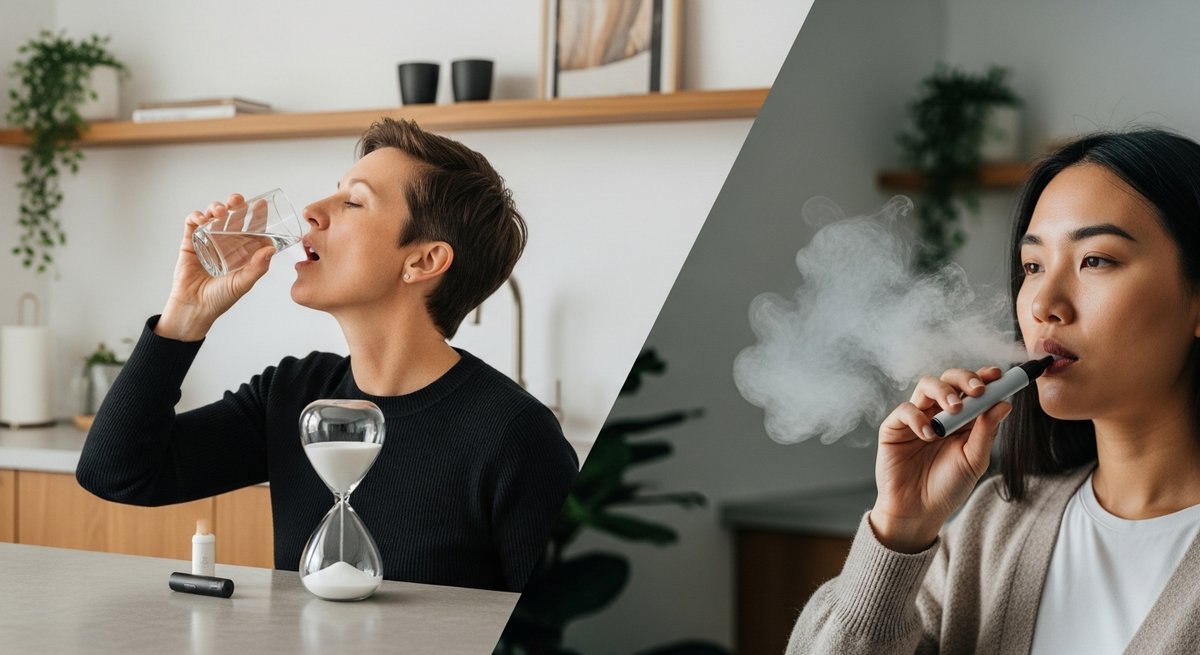
Here’s what genuinely sets vaping apart from other CBD formats: bioavailability and onset time. When you swallow a CBD gummy, it has to survive your digestive tract, get processed by your liver, and then finally make its way into your bloodstream. That first-pass metabolism can reduce how much CBD actually reaches circulation to somewhere between 6% and 19%, depending on the study you’re reading. It also means you’re waiting 30 minutes to two hours to feel anything.
Inhaled CBD bypasses the liver entirely. It moves through the lung tissue directly into the bloodstream, with onset typically happening within minutes and bioavailability estimates running significantly higher – some researchers put inhaled CBD bioavailability between 34% and 56%. For someone dealing with acute anxiety, that timing difference isn’t trivial.
Let’s be honest though – faster isn’t automatically better. The same rapid onset means effects also taper off more quickly compared to edibles or capsules. You’re trading duration for speed. Whether that tradeoff works for you depends entirely on what kind of anxiety you’re dealing with and when it tends to show up.
What the Research Actually Shows (and Where It Gets Thin)
The clinical picture on CBD and anxiety is promising but genuinely incomplete. Several well-designed studies have shown CBD can reduce anxiety in simulated stressful situations – public speaking tests, for example – particularly in people with social anxiety disorder. A notable 2011 trial found that a single 600mg dose of oral CBD significantly reduced anxiety during a public speaking task compared to placebo.
The challenge is that 600mg is a pharmaceutical dose, not what’s in a consumer vape cartridge. Most CBD vapes deliver somewhere between 10mg and 50mg per session depending on the product and how much you use. Whether lower doses through inhalation produce the same receptor activity as higher oral doses is a question researchers are still working through.
There’s also the question of what you’re actually vaping. Full-spectrum CBD products include other cannabinoids and terpenes alongside CBD, and some researchers think this “entourage effect” amplifies the outcome compared to CBD isolate alone. Broad-spectrum products remove THC but keep other compounds. Isolate is just CBD. The form matters, and a lot of consumer products don’t make the distinction very clear on the label.
Expert Insight
Dr. Alexander Tabibi
Dr. Alexander Tabibi
A 2020 review published in Neurotherapeutics by Blessing et al. examined preclinical and clinical evidence for CBD across anxiety-related disorders including generalized anxiety, PTSD, and social anxiety disorder. The authors concluded that existing preclinical evidence strongly supports CBD as a potential acute anxiolytic, though they emphasized the need for robust randomized controlled trials before firm clinical recommendations could be made.
One recurring limitation across studies is heterogeneity in CBD formulation, dose, and delivery route – which makes cross-study comparisons difficult. Inhaled CBD specifically remains understudied in human anxiety trials. The mechanistic rationale is solid; the controlled human evidence for the inhaled route specifically is still catching up to the consumer market that’s already built around it.
Blessing EM et al. (2015). Cannabidiol as a potential treatment for anxiety disorders. Neurotherapeutics, 12(4):825-836. PMID: 26341731
CBD Vaping vs. Other Formats: A Practical Comparison
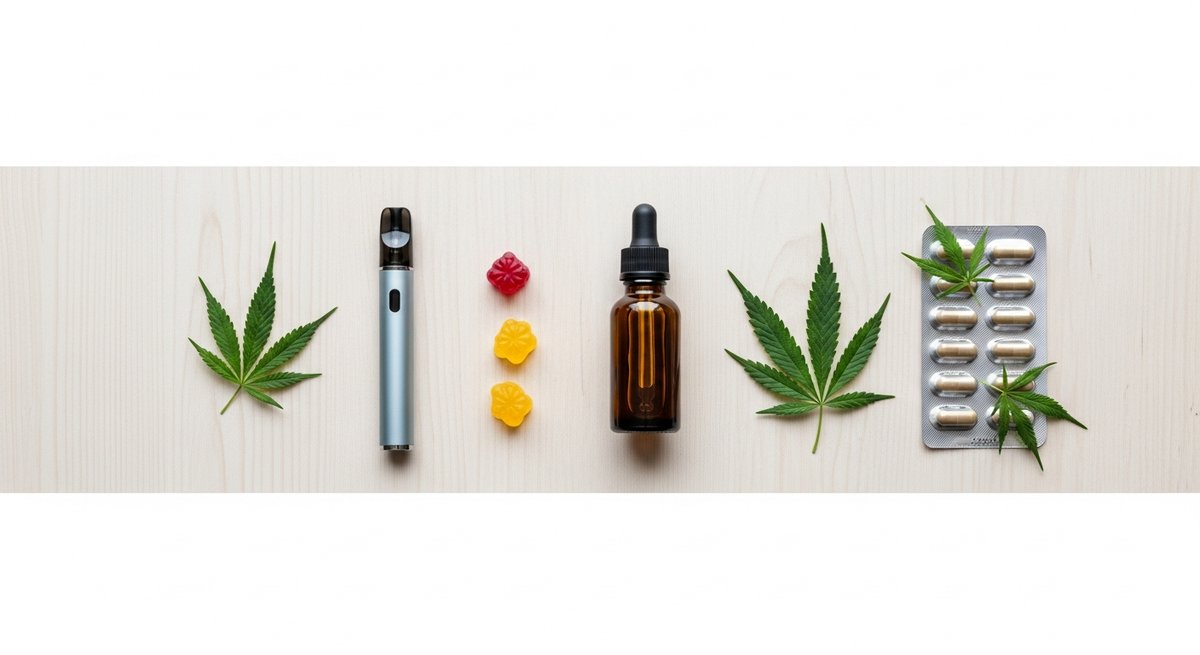
If you’ve been using CBD gummies for anxiety and wondering whether switching to a vape would change anything, the short answer is: probably yes, in a few specific ways. The onset difference is real and significant. If your anxiety spikes suddenly – before a presentation, at a crowded event, in a moment of acute stress – inhalation gives you something that kicks in within minutes rather than an hour.
For longer-term, background anxiety – the kind that’s just kind of always there – gummies or capsules may actually serve you better because the effects last longer and dosing is more predictable. Some people find that a combination approach makes sense: an edible for baseline support and a vape for acute moments. That said, this is a personal calibration, not a universal prescription.
It’s also worth noting that while CBD gummies can help with anxiety, some formulations layer in other cannabinoids for specific outcomes. If you’re curious how CBD stacks compare to CBN formulations for sleep-adjacent anxiety (the kind keeping you up at night), the comparison in CBN vs CBD gummies for sleep: what’s the difference is worth reading through before you settle on a format.
What to Look For in a CBD Vape (and What to Avoid)

Not all vape products are created equal, and this is one category where quality control genuinely matters. The vaping market has had real safety problems in the past – particularly with cutting agents like vitamin E acetate that caused a wave of lung injuries in 2019. Reputable brands now use third-party lab testing and publish Certificates of Analysis (COAs) that confirm what’s in the cartridge and what isn’t.
Things to look for: a current COA from an accredited third-party lab, clear labeling of CBD content per dose (not just per bottle), and transparency about whether the product is full-spectrum, broad-spectrum, or isolate. Things to be skeptical of: vague “hemp extract” language with no cannabinoid breakdown, no batch-specific lab results, or suspiciously low prices on unrecognizable brands.
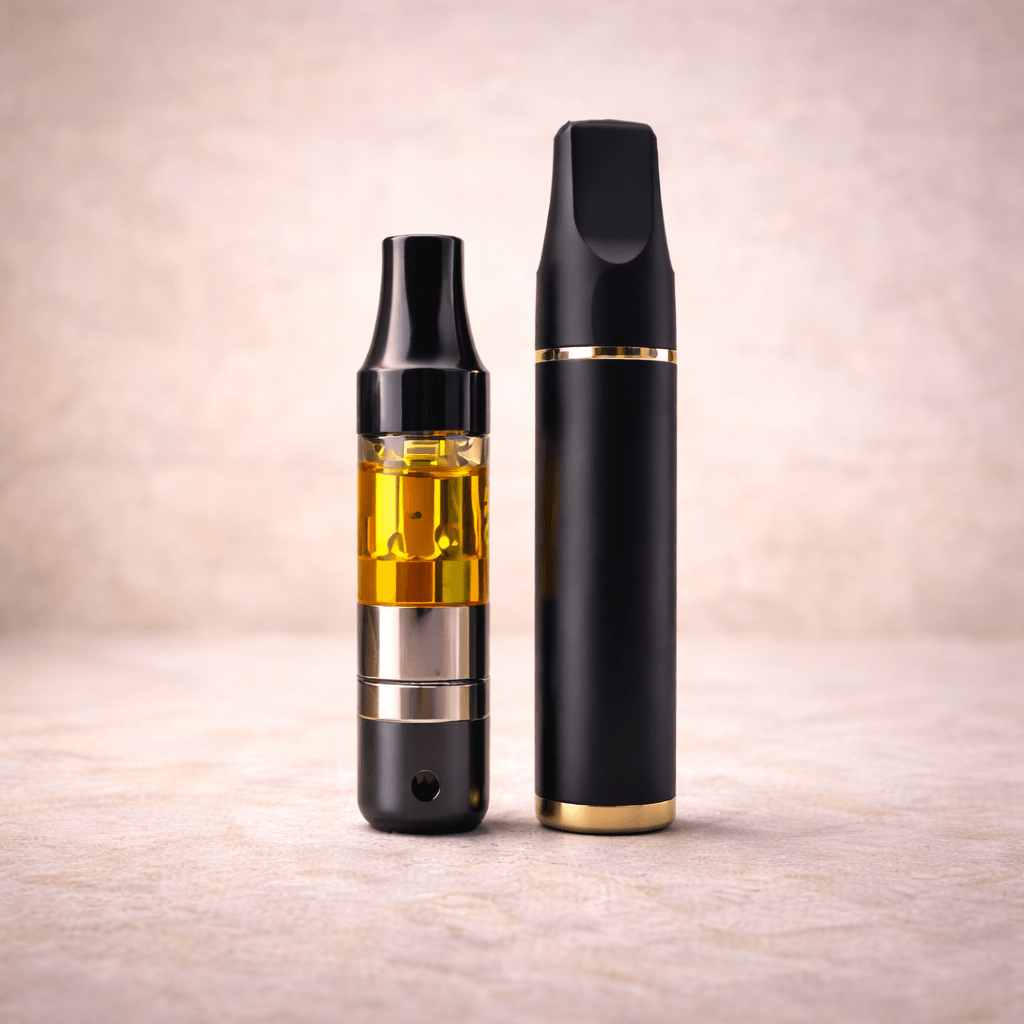
Hardware matters too. Ceramic coil cartridges are generally considered cleaner than wick-based systems because they heat more evenly and don’t introduce combustion byproducts from a burnt cotton wick. If you’re vaping specifically for wellness reasons, it’s worth caring about what the hardware is doing to the oil before it gets to your lungs.
For readers exploring live rosin vape options – a format that uses solventless extraction and typically retains a fuller terpene and cannabinoid profile – one example worth considering from the Binoid catalog fits that description. Binoid uses third-party testing and live rosin extraction processes that preserve more of the plant’s natural compounds compared to distillate-based cartridges. If the full terpene spectrum is a priority for you, that distinction between live rosin and standard distillate is real and meaningful.
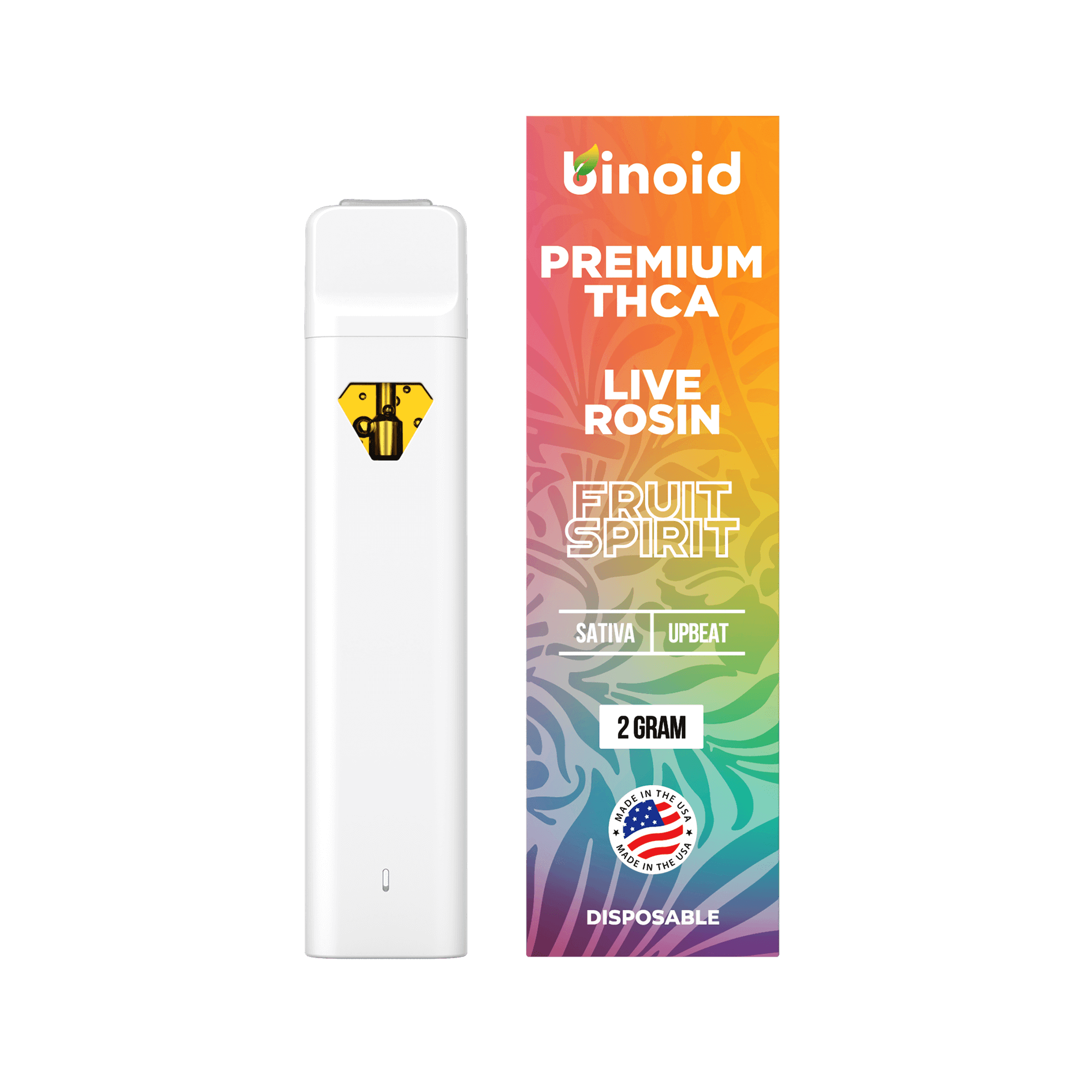
Binoid THCA Disposable Vapes – Live Rosin – 2g
Solventless live rosin extract, 2g disposable, third-party tested
The Safety Question: Is Vaping CBD Actually Safe?
This is a question that deserves a straight answer rather than a deflection. CBD itself has a well-documented safety profile – the World Health Organization concluded in 2018 that CBD is generally well tolerated, with a good safety profile and no evidence of abuse potential. The safety concerns with CBD vaping are less about the cannabinoid and more about the delivery mechanism itself.
Inhaling anything that isn’t air carries some degree of respiratory risk. The 2019 EVALI outbreak (e-cigarette or vaping product use-associated lung injury) was primarily traced to vitamin E acetate in THC cartridges, but it underscored the importance of knowing exactly what’s in the product you’re inhaling. Reputable CBD vape companies publishing current COAs have largely moved away from the problematic cutting agents, but the burden is on the consumer to verify this before purchasing.
Long-term data on CBD vaping specifically is thin – simply because it hasn’t been studied over decades the way cigarette smoking has. People with pre-existing respiratory conditions, asthma, or compromised lung function should discuss this with a physician before adding any inhalation-based supplement to their routine. That’s not a scare tactic, just practical harm reduction.
Realistic Expectations: What Vaping CBD Can and Cannot Do
CBD vaping is not a treatment for diagnosed anxiety disorders. If you have generalized anxiety disorder, panic disorder, PTSD, or social anxiety disorder at a clinical level, the evidence base for CBD alone – in any format – isn’t strong enough to replace structured treatment. Therapy, particularly cognitive behavioral therapy, remains the most evidence-supported intervention for anxiety, and medication prescribed by a psychiatrist has decades of trial data behind it.
What CBD vaping may reasonably offer is a tool for managing situational, subclinical anxiety – the stress of a hard week, social discomfort, or the kind of ambient tension that doesn’t meet diagnostic criteria but still makes daily life harder than it needs to be. For that use case, the fast onset and practical ease of use make it a sensible option to try, particularly if you’re already comfortable with vaping as a format.
The people who seem to get the most from CBD vaping for anxiety tend to share a few things in common: they’ve found a product with a consistent, verified CBD content; they’ve figured out a dose that works for them through gradual titration rather than guessing; and they’re using it as one tool among several rather than a standalone solution. That’s a reasonable framework for any supplement.
Frequently asked questions
Does vaping CBD actually help with anxiety?
Research suggests CBD can reduce anxiety symptoms, particularly in situational or acute settings. Vaping delivers CBD faster than edibles, which may make it more useful for sudden stress spikes. However, controlled human trials specifically studying inhaled CBD for anxiety remain limited, so conclusions require caution.
How quickly does a CBD vape work for anxiety?
Inhaled CBD typically enters the bloodstream within a few minutes of inhalation, bypassing the digestive system entirely. Most users report noticing effects within 5 to 15 minutes. Effects tend to peak relatively quickly and taper off sooner than oral CBD formats, which can last several hours.
How much CBD should I vape for anxiety?
There is no universal dose. Clinical studies have used widely varying amounts, and consumer products deliver far less than pharmaceutical-grade doses. Starting low – one or two puffs from a verified product – and adjusting gradually based on personal response is the most sensible approach until more specific inhaled dosing data exists.
Is vaping CBD safe for anxiety relief?
CBD itself has a well-documented safety profile according to the WHO. The main risks with vaping relate to product quality and inhalation in general, not CBD specifically. Choosing third-party tested products free of cutting agents like vitamin E acetate significantly reduces risk. People with respiratory conditions should consult a physician first.
Will vaping CBD make me feel high?
No. CBD is non-intoxicating and does not produce the euphoric or psychoactive effects associated with THC. Broad-spectrum and isolate CBD vape products contain no THC or trace amounts well below psychoactive thresholds. Some users report mild relaxation, but this is distinct from the intoxication produced by THC-containing cannabis products.
Is vaping CBD better for anxiety than taking gummies?
It depends on the type of anxiety. Vaping suits acute, sudden-onset anxiety better because of its rapid onset. Gummies or capsules provide longer-lasting effects and more predictable dosing, making them a better fit for persistent background anxiety. Some people use both formats together for different situations.
Can CBD vaping replace medication or therapy for anxiety disorders?
No. CBD vaping is not a clinically validated treatment for diagnosed anxiety disorders. Cognitive behavioral therapy and psychiatrist-prescribed medications have far stronger evidence bases. CBD may complement a broader wellness routine for subclinical stress, but it should not substitute for professional mental health treatment in clinical cases.
Disclaimer: This article is for informational purposes only and does not constitute medical advice. CBD products are not approved by the FDA to diagnose, treat, cure, or prevent any disease or medical condition, including anxiety disorders. Consult a qualified healthcare provider before starting any new supplement, particularly if you take prescription medications or have a diagnosed mental health condition.
Sources
Shannon S, Lewis N, Lee H, Hughes S. Cannabidiol in anxiety and sleep: a large case series. The Permanente Journal. 2019;23:18-041. PMID: 30624194
Blessing EM, Steenkamp MM, Manzanares J, Marmar CR. Cannabidiol as a potential treatment for anxiety disorders. Neurotherapeutics. 2015;12(4):825-836. PMID: 26341731
Bergamaschi MM, Queiroz RH, Chagas MH, et al. Cannabidiol reduces the anxiety induced by simulated public speaking in treatment-naive social phobia patients. Neuropsychopharmacology. 2011;36(6):1219-1226. PMID: 21307846
Millar SA, Stone NL, Yates AS, O’Sullivan SE. A systematic review on the pharmacokinetics of cannabidiol in humans. Frontiers in Pharmacology. 2018;9:1365. PMID: 30534073
World Health Organization. Cannabidiol (CBD) Critical Review Report. Expert Committee on Drug Dependence. Geneva: WHO; 2018. Available at: who.int
For adults 21+ only. Cannabis laws vary by state. This content is not a substitute for professional medical advice, diagnosis, or treatment. If you are experiencing a mental health emergency, severe anxiety, or any medical crisis, call 911 or go to your nearest emergency room immediately.