🚛 FREE DISCREET SHIPPING ON ALL ORDERS $49+









Grandaddy Purple strain vs Grape Ape strain — Which Is Right for You?
Grandaddy Purple is a classic indica-dominant hybrid built for deep physical relaxation, while Grape Ape is a similarly indica-leaning cultivar that leans harder into sedation and full-body calm. Both carry that signature grape-and-berry flavour profile, but they differ in potency, terpene makeup, and intensity of effect. If you want a mellow evening unwind, Grandaddy Purple is often the more balanced

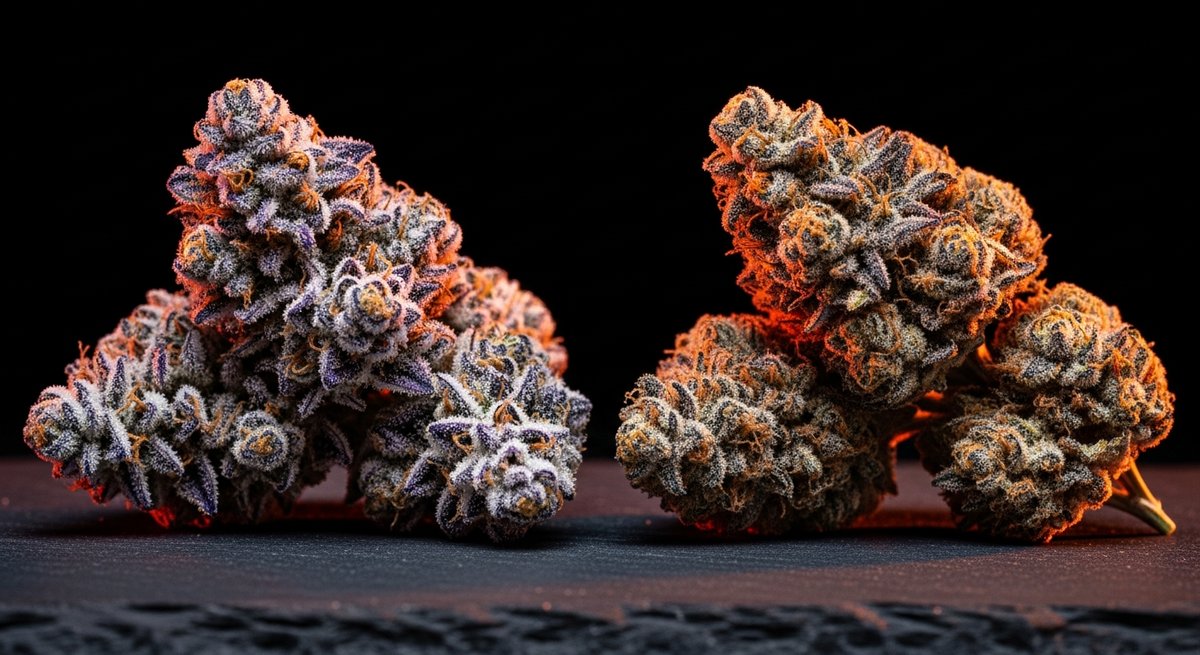
Grandaddy Purple is a classic indica-dominant hybrid built for deep physical relaxation, while Grape Ape is a similarly indica-leaning cultivar that leans harder into sedation and full-body calm. Both carry that signature grape-and-berry flavour profile, but they differ in potency, terpene makeup, and intensity of effect. If you want a mellow evening unwind, Grandaddy Purple is often the more balanced choice. If heavy sedation is the goal, Grape Ape typically delivers a more pronounced body effect. Here is what you need to know before choosing between them.
What Is Grandaddy Purple?
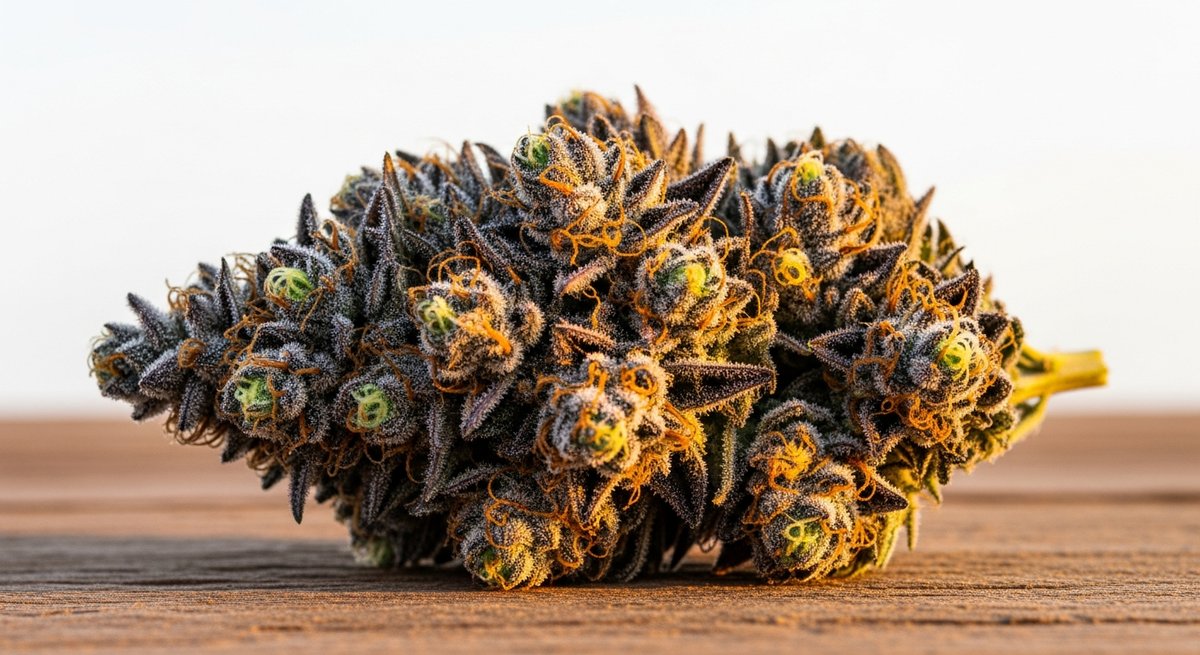
Grandaddy Purple – often abbreviated GDP – was developed in California in 2003 by Ken Estes. It descends from two well-established indica cultivars, Purple Urkle and Big Bud. That lineage gives it a dense, resin-heavy flower and the deep purple colouration it is named for.
THC typically ranges from 17% to 23%, with CBD usually under 1%. The dominant terpenes are myrcene (associated with earthy, herbal notes and relaxing effects), caryophyllene (a spicy, peppery compound), and pinene (which contributes a faint piney undertone).
The flavour profile runs toward sweet grape, mixed berry, and a subtle earthiness underneath. Effects tend to arrive as a gentle cerebral buzz before settling into a warm, heavy body sensation. Many users report it works well for evening use, stress relief, and winding down before sleep. It is one of the most recognisable purple cultivars in the cannabis strains catalogue.
What Is Grape Ape?
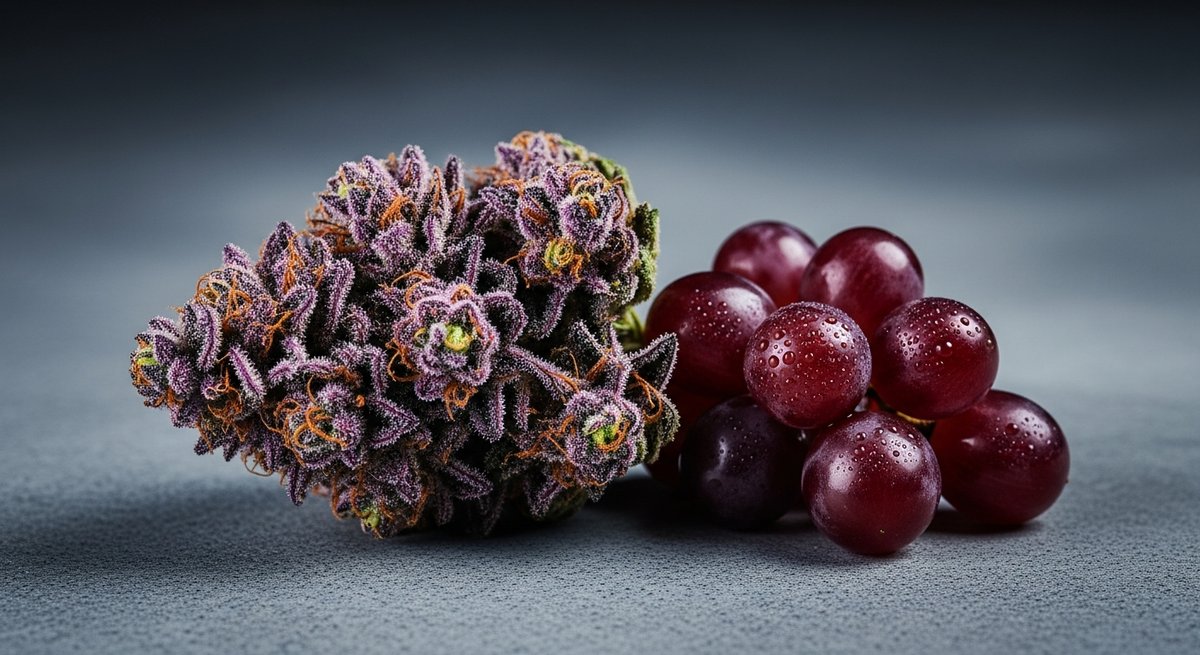
Grape Ape is an indica-dominant cultivar bred by Apothecary Genetics. Its parentage typically includes Mendocino Purps, Skunk, and Afghani – a combination that produces a compact plant with notably dense, colourful buds and a resin output that lends itself well to concentrates.
THC commonly falls between 15% and 21%, with CBD generally remaining below 1%. Dominant terpenes include myrcene, ocimene (a sweet, herbal compound), and caryophyllene. The result is a flavour that skews even more candy-like than Grandaddy Purple – think grape soda, fresh berries, and a faint floral finish.
The effects lean heavily toward the body. Users frequently report a deep muscle relaxation and a quieting of mental noise that many find useful for stress and tension. Onset can be slightly slower than some cultivars, but the effect tends to linger. If you enjoy grape-forward cannabis, the Grape Dawg strain offers an interesting comparison point in the same flavour family.
Grandaddy Purple vs Grape Ape – Key Differences
| Category | Grandaddy Purple | Grape Ape |
|---|---|---|
| THC% range | 17% – 23% | 15% – 21% |
| CBD% range | Under 1% | Under 1% |
| Dominant terpenes | Myrcene, caryophyllene, pinene | Myrcene, ocimene, caryophyllene |
| Primary effects | Relaxed, euphoric, sleepy | Deeply relaxed, calm, sedated |
| Best time of day | Evening | Late evening to night |
| Best for | Relaxation, stress, sleep | Deep relaxation, tension, sleep |
| Flavour profile | Sweet grape, mixed berry, earthy | Grape candy, berry, floral |
| Growing difficulty | Moderate | Moderate |
Effects Comparison
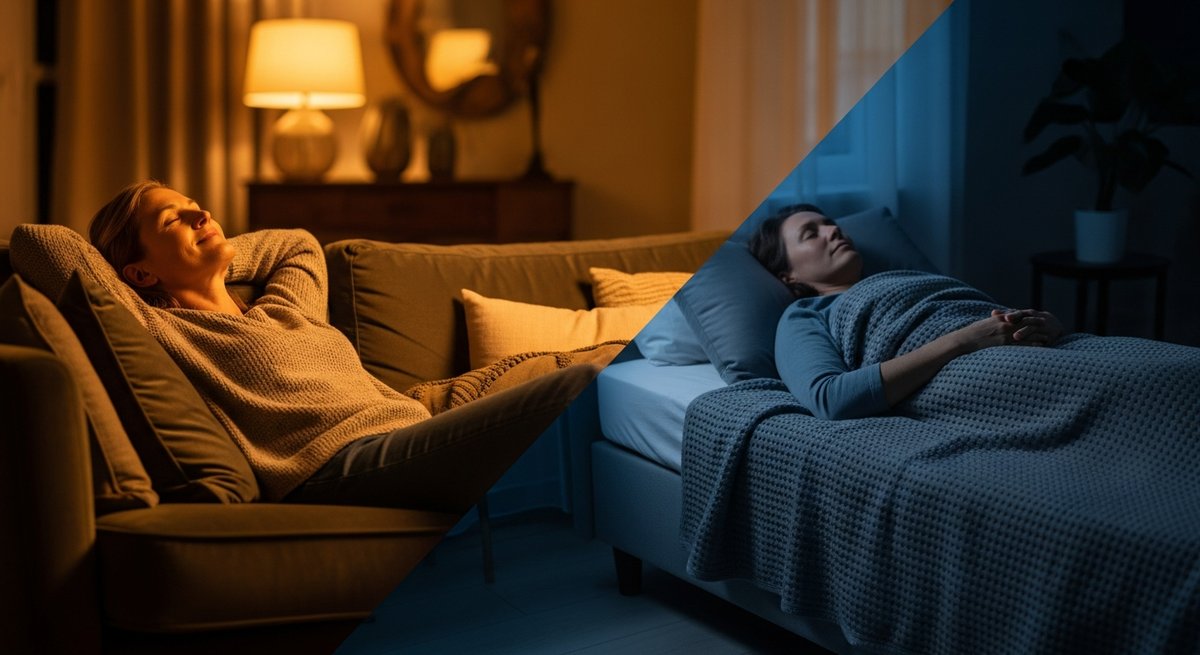
Both cultivars follow a similar arc, but they diverge in character. Grandaddy Purple often begins with a light cerebral lift – a gentle mood elevation before the body effect takes over. Many users report feeling calm, content, and increasingly heavy in the limbs as the session progresses. Onset is typically within a few minutes when smoked, and the effect window tends to run two to three hours.
Grape Ape moves more directly to the body. The mental component is present but quieter – users more commonly describe a muting of anxious thoughts rather than a mood lift. Physical sedation tends to arrive earlier and sit heavier. For some people, that distinction matters a great deal.
Neither strain is well suited for active tasks, social situations that require sharp focus, or morning use. Both carry couch-lock potential at higher doses, particularly for those newer to indica-dominant cultivars. If you are exploring this end of the spectrum, the principle of starting low and going slow applies – especially with potency reaching the low-to-mid 20s in top-shelf Grandaddy Purple batches.
For a different take on grape-adjacent evening strains, the Buckeye Purple strain is worth exploring for comparison.
Buy Granddaddy Purple and Grape Ape Seeds
Ready to grow your own Granddaddy Purple or Grape Ape at home? Both strains are legendary purple indicas known for sweet grape flavors, dense colorful buds, and deeply relaxing nighttime effects.
Granddaddy Purple seeds are ideal for growers seeking a classic indica with sweet berry and grape aromas, heavy resin production, and strong full-body relaxation. This strain is prized for vibrant purple hues and powerful calming effects.
Grape Ape seeds are perfect for those wanting a flavorful indica with bold grape sweetness, earthy undertones, and sedating body effects. Growers appreciate its compact structure, frosty buds, and reliable yields.
Whether you prefer the iconic relaxation of Granddaddy Purple or the sweet sedative experience of Grape Ape, choosing premium genetics is essential for healthy plants and strong yields. Browse premium cannabis seeds at Weed.com Seeds.
Which Strain Is Better for Relaxation?
For relaxation, the answer depends on what type of relaxation you are after. Grandaddy Purple tends to offer a more complete experience – it pairs the physical ease with a mild, pleasant headspace that many users find makes an evening feel genuinely restorative rather than just sedated.
Grape Ape is the stronger pick if your priority is switching off entirely – mentally and physically. Evidence suggests that myrcene-heavy, afghani-lineage cultivars like Grape Ape tend to produce heavier body effects, and many users report it as the more aggressively calming of the two.
For most people looking to decompress after a long day without being fully pinned to the sofa, Grandaddy Purple is the more versatile option. If you want to compare similar grape-forward cultivars before deciding, the Oreos vs Grape Pie comparison and the Bacio Gelato vs Grape Cream Cake article both offer useful context on how grape-influenced indicas vary in character.
Where to Buy Grandaddy Purple and Grape Ape
Both cultivars have been staples of the legal cannabis market for years and appear regularly at licensed dispensaries. Availability varies by region, so it is worth checking your local shop’s current menu. If you prefer to browse online, the options below are a good starting point.
- Browse flower and prerolls – a good option if you want to sample either cultivar in its most accessible form.
- Explore vapes and carts – both Grandaddy Purple and Grape Ape appear regularly as vape cartridge options, which can be a convenient format for dose control.
If you are newer to indica-dominant cultivars, ask your dispensary staff about current batch potency before purchasing – THC levels can shift considerably between growers.
Frequently asked questions
Is Grandaddy Purple stronger than Grape Ape?
In terms of THC percentage, Grandaddy Purple typically tests slightly higher, with some batches reaching the low 20s compared to Grape Ape’s usual ceiling around 21%. That said, THC percentage is only part of the picture. Grape Ape’s terpene profile and afghani lineage often produce an effect that many users describe as more intensely sedating, even when the raw THC number is lower.
What are the effects of Grandaddy Purple vs Grape Ape?
Grandaddy Purple tends to combine a mild mood lift with progressive body relaxation, making it feel balanced between mental and physical. Grape Ape skews more toward the body, with users frequently reporting a quieter mental effect and a deeper physical sedation. Both are evening-only cultivars for most people.
Which is better for relaxation – Grandaddy Purple or Grape Ape?
For general relaxation and a pleasant evening wind-down, Grandaddy Purple is often the more well-rounded choice. For deeper, more insistent physical calm – particularly if stress tends to sit in the body – Grape Ape is frequently the stronger option. Your tolerance, sensitivity to sedation, and what you need to switch off from should all factor into that decision.
What does Grandaddy Purple taste like compared to Grape Ape?
Both cultivars share a grape and berry core, but they diverge in detail. Grandaddy Purple tends to carry a more earthy, almost wine-like depth alongside the sweetness. Grape Ape leans sweeter and more candy-forward, with a floral note that some users pick up on the exhale. If that flavour territory appeals, the Gorilla Cookies vs Grape Gas comparison offers another angle on how grape terpenes express across different cultivars.
Can you mix Grandaddy Purple and Grape Ape?
Combining two indica-dominant cultivars is possible, and the complementary flavour profiles do work well together. The practical consideration is that stacking two sedating strains amplifies both the body effect and the likelihood of couch-lock. If you choose to mix them, start with a smaller amount of each than you would use individually. This combination is best reserved for experienced consumers on a night when there is genuinely nowhere to be.
Reviewed by Roy (Layer 3 editorial sign-off), Weed.com editorial team. For adults 21+ only.