🚛 FREE DISCREET SHIPPING ON ALL ORDERS $49+












How Many mg of THC Gummies Should You Take for Sleep?
You’re lying in bed, staring at the ceiling, and someone casually mentioned that a THC gummy knocked them out for eight hours straight. So now you’re wondering if that’s the move. Maybe it is. Maybe it isn’t. The honest answer depends on a handful of factors that have nothing to do with how tired you are right now. Sleep is

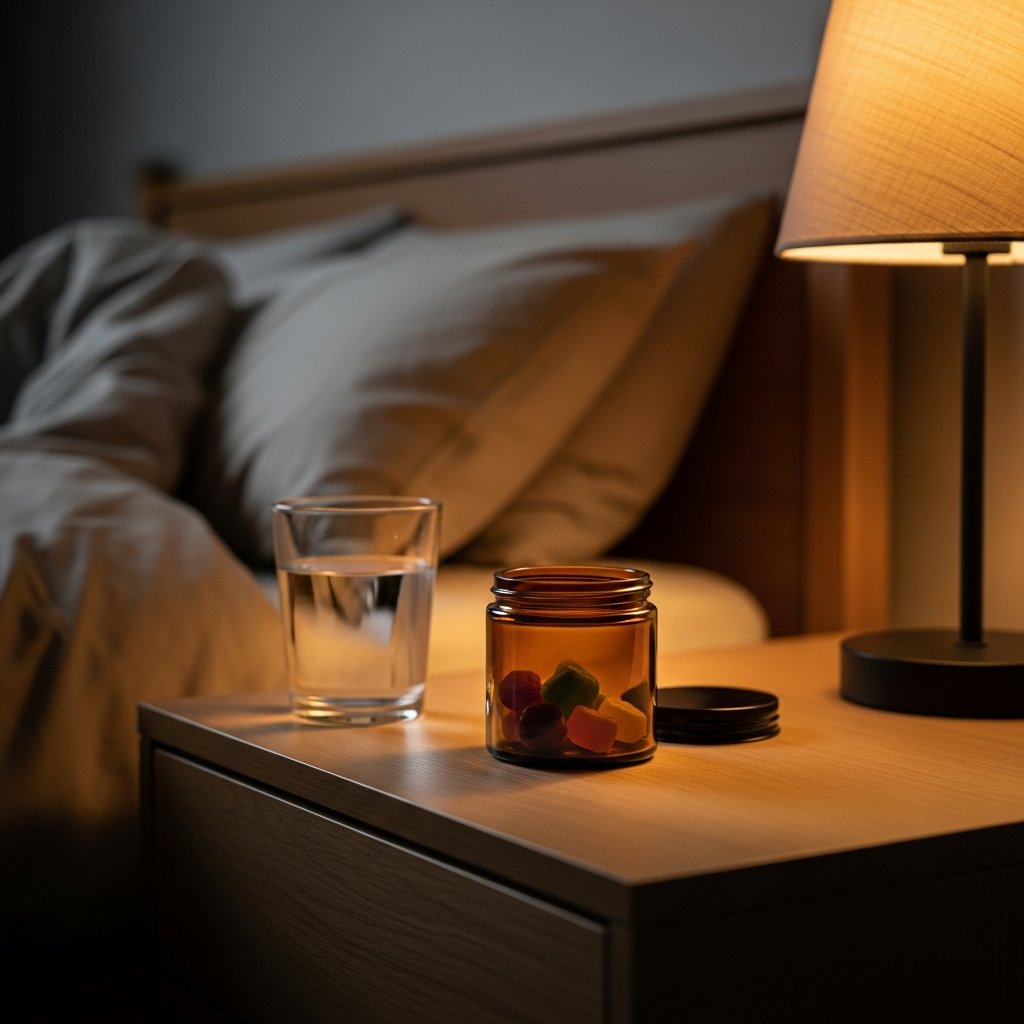
You’re lying in bed, staring at the ceiling, and someone casually mentioned that a THC gummy knocked them out for eight hours straight. So now you’re wondering if that’s the move. Maybe it is. Maybe it isn’t. The honest answer depends on a handful of factors that have nothing to do with how tired you are right now.
Sleep is already complicated enough without throwing cannabis into the equation and guessing at the dose. Too little and you might not feel much. Too much and you could end up wide awake at 3am with a racing heart, replaying every awkward conversation you’ve had since 2011. Getting the dosage right is genuinely the whole game here.
This breakdown covers what the research says, what experienced users actually do, and how to find a starting point that makes sense for your body and your sleep goals specifically.
Why dose matters more with edibles than almost anything else

When you smoke or vape cannabis, the effects arrive quickly. You feel it, you calibrate, you stop. Edibles don’t work that way. The THC gets processed through your digestive system and liver before it reaches your bloodstream, which converts some of it into a compound called 11-hydroxy-THC. That metabolite is more potent than THC itself and lasts considerably longer.
The delay between eating a gummy and feeling anything can range from 30 minutes to two hours depending on your metabolism, what you’ve eaten that day, and your body composition. That’s the window where most people make the classic mistake: they feel nothing after an hour, take another piece, and then both doses hit at once. The result is rarely restful sleep.
If you want a deeper look at what’s happening chemically when you eat an edible, the breakdown of how edibles affect the body at a biological level is worth reading before you settle on a routine.
Where to actually start: the dosage tiers

Cannabis dosage for sleep isn’t one-size-fits-all, but there are loose tiers that give you a reasonable place to begin. These are based on general community consensus and emerging research, not a prescription, so your experience may vary.
For people with no cannabis tolerance or who are sensitive to THC, 2.5mg is the starting point most commonly recommended. It sounds almost negligible, but for a first-timer, 2.5mg can produce noticeable relaxation without disorientation. Some people sleep well on this dose for months.
The 5mg range is where many casual users land. It’s enough to quiet a busy mind for most people without causing grogginess that bleeds into the next morning. This is probably the most common “sleep dose” in recreational cannabis markets where gummies are standardized at 5mg per piece.
The 10mg range starts to move into territory that feels genuinely sedating for most people. Experienced users often go here. If you’ve been using cannabis regularly and 5mg doesn’t seem to do much, 10mg might be the right next step. Above 10mg, you’re in high-tolerance or clinical territory, and dosing that high without experience can backfire in the form of anxiety or next-day fog.
Expert Insight
Dr. Alexander Tabibi
Dr. Alexander Tabibi
A critical review published in Chest examining cannabinoids across insomnia and other sleep disorders addressed the sleep architecture concern directly: while THC can shorten sleep onset latency, the review found evidence suggesting that sustained cannabinoid use may suppress slow-wave sleep — the stage most associated with physical restoration — and alter REM duration in some cohorts. The authors noted that most studies showing sleep benefit were short-term and relied heavily on subjective self-report, which does not capture the full picture of what is happening at the architectural level.
The practical implication for edible dosing is significant: the same dose that produces subjectively restful sleep in the short term may be quietly degrading sleep quality over weeks of nightly use in ways that don’t show up as obvious symptoms until a tolerance break reveals them. Evidence suggests the long-term effects of nightly cannabis on sleep architecture remain an open question — not a settled one in either direction — and that lower doses used intermittently carry a more favorable risk profile than escalating nightly use.
Lavender I, McGregor IS, Suraev A, Grunstein RR, Hoyos CM. (2022). Cannabinoids, Insomnia, and Other Sleep Disorders. Chest, 162(2):452-465. PMID: 35537535
The variables that shift your ideal dose
Body weight gets mentioned constantly in cannabis dosing conversations, but it’s honestly a secondary factor. Metabolism and tolerance matter more. A 130-pound person who uses cannabis daily may need more than a 200-pound person who is trying it for the first time.
Tolerance develops relatively quickly with regular use. If you’ve been taking 5mg nightly for a month and it’s stopped working as well, that’s not a failure of the product. It’s just how cannabinoid receptors adapt. Taking a tolerance break, even a few days, can reset your sensitivity meaningfully.
Food timing is another variable people underestimate. Taking a gummy on an empty stomach usually produces faster onset and stronger effects. A full stomach slows absorption and can push onset out past 90 minutes. Neither is better or worse, but consistency matters. If you take your gummy after dinner one night and on an empty stomach the next, your results will be all over the place.
The cannabinoid profile of the product also plays a role. Pure THC gummies behave differently than formulas that include CBD, CBN, or other minor cannabinoids. Many sleep-specific gummies layer in CBD or CBN specifically because those compounds may moderate the more stimulating edges of THC while supporting relaxation.
THC gummies formulated for sleep: what to look for
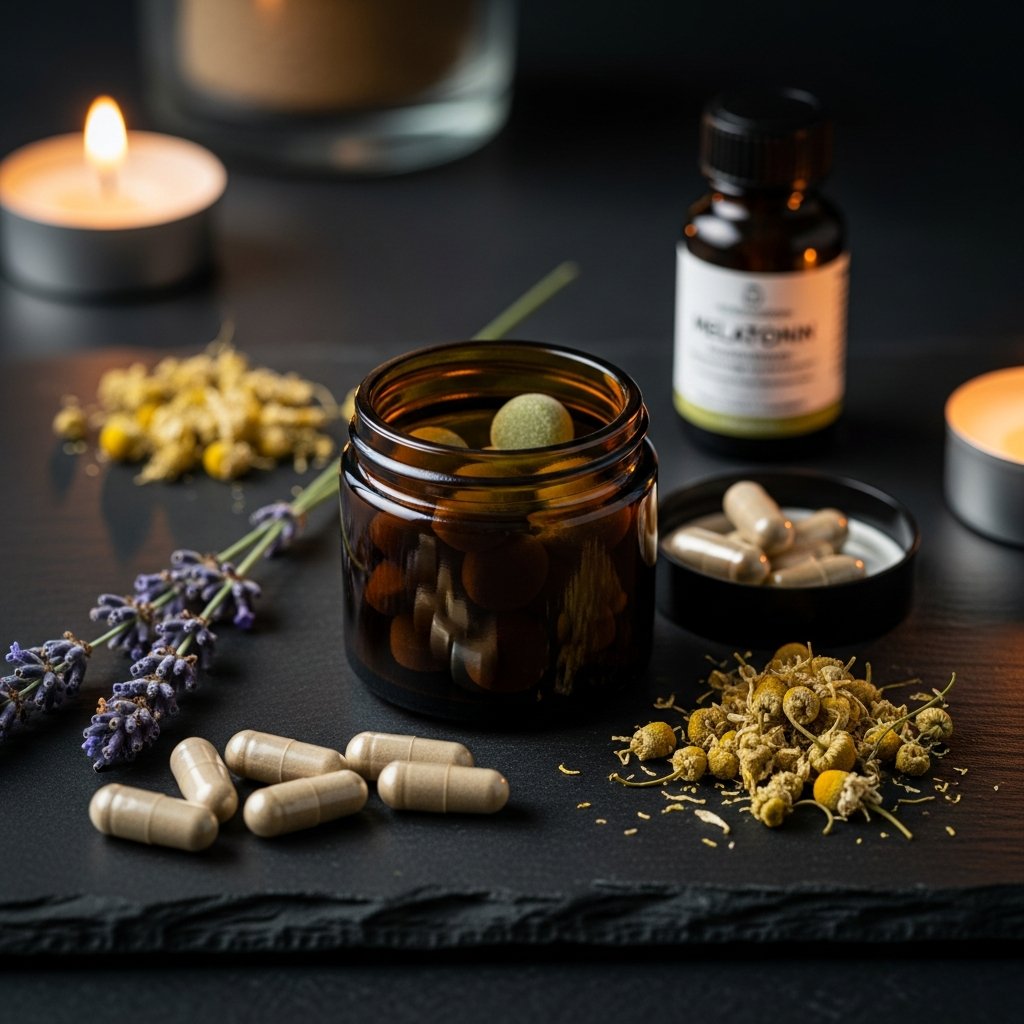
Not all THC gummies are created equal when sleep is the goal. A gummy designed for daytime use is going to have a very different cannabinoid ratio than one formulated to support winding down at night. If you’re shopping specifically for sleep, look for products that include CBN, melatonin, or higher CBD ratios alongside their THC content.
For people who want to explore how different cannabinoid ratios feel before committing to a full supply, a discovery-style pack is a practical option. The
Hometown Hero 5mg Live Rosin Day & Night Discovery Pack
5mg live rosin gummies in separate day and night formulations – useful for comparing effects before settling on a daily dose
For people who want a product built specifically around the sleep application, dedicated sleep formulas tend to combine Delta 9 THC with complementary ingredients. When you’re looking at something purpose-built for the bedtime routine, a clearly labeled sleep gummy removes some of the guesswork around ratio and dosing intent.
cbdMD Delta 9 THC Lights Out Sleep Gummies
Delta 9 THC sleep gummies with a formulation designed for nighttime use
Timing your dose correctly

Most people take their sleep gummy too late. If onset takes 60 to 90 minutes, and you want to be asleep by 11pm, taking a gummy at 10:45 isn’t going to work. You need to back-calculate from your target sleep time and take the gummy at least 60 to 90 minutes before you want to be unconscious.
Some people find that eating a light snack with their gummy helps with consistency – a small amount of fat in particular can improve cannabinoid absorption. Others prefer to take it on an empty stomach for faster onset. Experiment with both and track your results rather than guessing.
Consistency with timing also matters for building a routine your body recognizes. Taking it at roughly the same time each night helps establish a sleep association, similar to how a cup of tea or a dim lamp can become a cue that sleep is coming.
Expert Insight
Dr. Alexander Tabibi
Dr. Alexander Tabibi
A narrative review examining cannabinoid sleep claims assessed the state of evidence across CBN, THC, and CBD for sleep specifically. The author found that while the endocannabinoid system’s role in modulating the sleep-wake cycle is biologically well-established — with cannabinoid receptors expressed throughout sleep-regulating brain regions — the translation of that mechanistic plausibility into reliable clinical dosing guidance remains genuinely difficult. Individual variation in CB1 receptor density, metabolic rate, and baseline endocannabinoid tone creates wide outcome ranges even among people with similar body profiles and tolerance histories.
The review also identified that most commercial cannabinoid sleep products are dosed below the thresholds used in any research context where measurable sleep effects were observed — meaning the 2.5mg to 5mg gummies that dominate the market may be operating well below the pharmacological window for many users. Evidence suggests that personal titration, tracked consistently over multiple nights rather than evaluated after a single dose, is the only reliable way to identify where an individual’s effective threshold actually sits.
Corroon J. (2021). Cannabinol and Sleep: Separating Fact from Fiction. Cannabis and Cannabinoid Research, 6(5):366-371. PMID: 34468204
When THC gummies for sleep stop working
Here’s the thing about using any sleep aid long-term: dependency, in the behavioral sense, can sneak up on you. This isn’t unique to cannabis. People who rely on melatonin nightly or a glass of wine before bed are doing the same thing on some level. The difference is that THC tolerance builds faster than most people expect.
If you find yourself needing more milligrams to get the same effect after a few weeks, that’s tolerance talking. The answer isn’t usually to keep increasing the dose indefinitely. A short break, even 48 to 72 hours, can meaningfully restore sensitivity. Many regular users cycle their sleep gummies – using them five nights a week and skipping two – specifically to manage this.
If you’ve been using cannabis edibles at much higher doses and want to calibrate better, a general safe dosing framework for cannabis gummies across different use cases can help you contextualize where your current intake sits relative to low, moderate, and high ranges.
Also worth mentioning: cannabis suppresses REM sleep at higher doses. REM is when most dreaming happens, but it also plays a significant role in memory consolidation and emotional processing. Nightly high-dose THC use over months may affect sleep quality in ways that aren’t immediately obvious from how rested you feel in the morning.
Practical tips before you start
Start lower than you think you need to. Seriously. Cannabis is easy to take more of and impossible to take less of once it’s in your system. A 2.5mg or 5mg starting dose feels underwhelming on paper but can be completely adequate for sleep if your tolerance is low.
Give a dose at least three nights before deciding it doesn’t work. One night is not a data point. Sleep quality varies for dozens of reasons unrelated to cannabis. If you try 5mg for one night, feel nothing, and double your dose the next night without waiting, you’re not actually testing the dose, you’re just escalating without information.
Track your experience. It doesn’t need to be elaborate. A note on your phone with the dose, timing, and a rough sleep quality rating gives you actual data to work with after a week. You’ll see patterns that you’d never catch by memory alone.
Cannabis laws differ significantly by state, and what’s available to you – and in what form – depends on where you live. Before purchasing anything, it’s worth verifying what’s legal in your jurisdiction. A solid current reference is the 2025 state-by-state overview of cannabis edible legality, which covers both medical and recreational access rules.
Frequently asked questions
How many mg of THC should a beginner take for sleep?
Start with 2.5mg to 5mg. This range is low enough to avoid overwhelming effects while still producing noticeable relaxation for most first-time or infrequent users. Give it at least three nights at the same dose before adjusting.
How long before bed should I take a THC gummy?
Take it 60 to 90 minutes before your target sleep time. Edibles have a delayed onset because they’re processed through digestion. Taking one too close to bedtime means you’ll still be waiting for effects when you want to already be asleep.
Is 10mg of THC too much for sleep?
For experienced users, 10mg is a common and manageable sleep dose. For beginners or people with low tolerance, it can cause anxiety, racing thoughts, or grogginess the next morning. Build up from lower doses before trying 10mg.
Can THC gummies help with insomnia long-term?
Short-term, many people find them helpful for reducing sleep onset time. Long-term daily use carries tolerance buildup and potential effects on REM sleep. They work best used strategically rather than as a nightly permanent solution for most people.
Will I feel groggy the next morning after taking a THC gummy for sleep?
Possibly, especially at higher doses. Next-day grogginess is more common with doses above 10mg or when timing is off. Taking the gummy earlier in the evening and starting at a lower dose reduces the likelihood of morning grogginess.
Does CBD alongside THC help with sleep?
Many sleep-specific formulations combine CBD or CBN with THC because those compounds may soften THC’s more stimulating properties. Whether this combination works better than THC alone varies by person, but it’s a common and well-regarded approach in sleep gummies.
If you take prescription medications, speak with your pharmacist or physician before using cannabis products, especially if those medications affect your central nervous system or sleep cycle.
Sources
Lavender I, McGregor IS, Suraev A, Grunstein RR, Hoyos CM. (2022). Cannabinoids, Insomnia, and Other Sleep Disorders. Chest, 162(2):452-465. PMID: 35537535
Corroon J. (2021). Cannabinol and Sleep: Separating Fact from Fiction. Cannabis and Cannabinoid Research, 6(5):366-371. PMID: 34468204
Bhaskar A, Bell A, Boivin M, et al. (2021). Consensus recommendations on dosing and administration of medical cannabis to treat chronic pain: results of a modified Delphi process. Journal of Cannabis Research, 3(1):22. PMID: 34215346
For adults 21+ only. Cannabis laws vary by state. This content is for informational purposes only and does not constitute medical advice. If you are experiencing a medical emergency, call 911 or go to your nearest emergency room immediately.