🚛 Free Discreet Shipping on Orders $49+ | Lab-Tested Quality Guaranteed

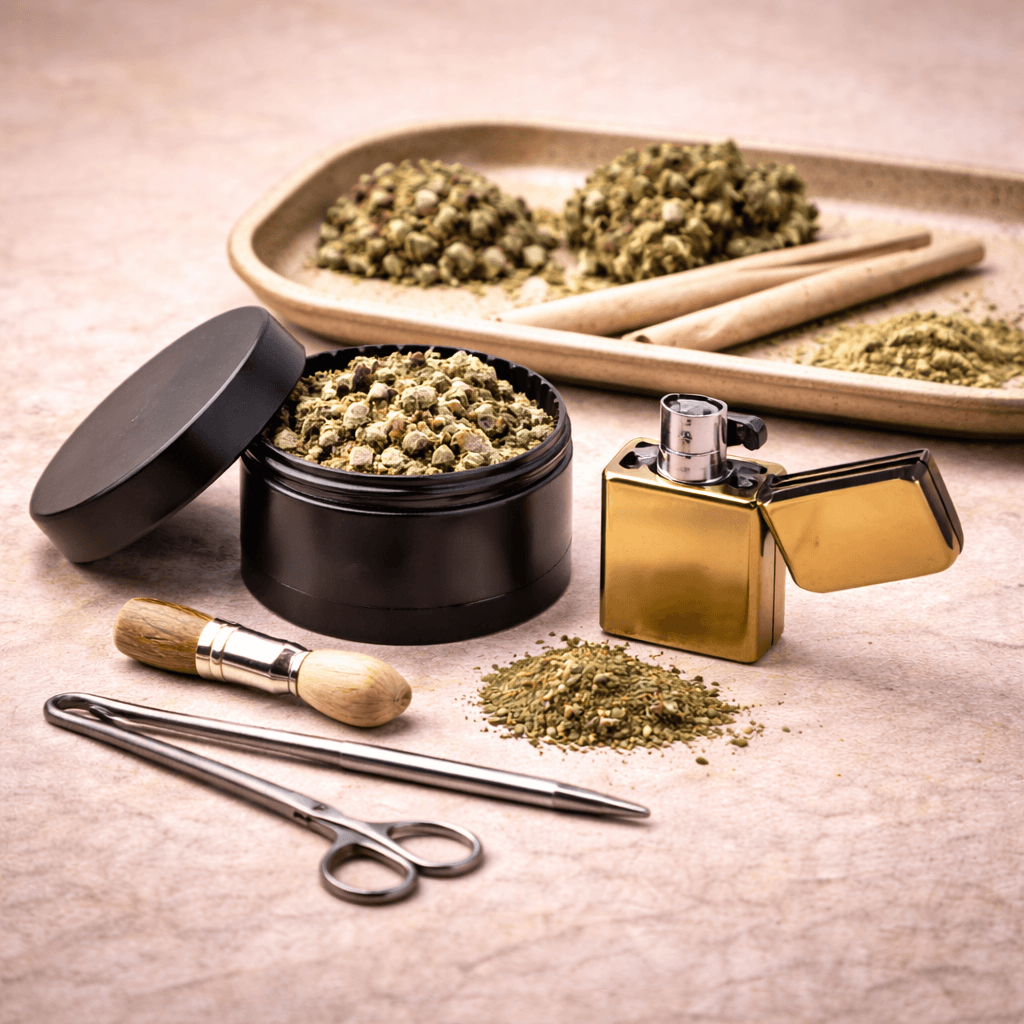








Indica Vape Pens for Sleep: What to Look For
A lot of people reach for cannabis at night hoping to fall asleep faster, stay asleep longer, or just quiet the mental noise that kicks in the moment their head hits the pillow. And vape pens have become a go-to format for that purpose, partly because the effects arrive quickly and partly because they’re just easy to use. But here’s

Published on: April 2, 2026
A lot of people reach for cannabis at night hoping to fall asleep faster, stay asleep longer, or just quiet the mental noise that kicks in the moment their head hits the pillow. And vape pens have become a go-to format for that purpose, partly because the effects arrive quickly and partly because they’re just easy to use. But here’s the thing: not every vape pen designed for evening use is actually built with sleep in mind, and the label “indica” does less work than most people assume.
So if you’re trying to figure out what actually matters when choosing a vape pen for sleep, this is worth reading carefully. The answer involves terpenes, hardware, cannabinoid ratios, and a few things the cannabis industry doesn’t always explain clearly.
What “Indica” Really Means for Sleep
The short version: indica and sativa are botanical categories describing the plant’s physical structure, not a reliable predictor of effects. That said, many products labeled indica do tend to skew toward terpene profiles associated with calming, sedating experiences. It’s just that the connection is looser than most product descriptions imply.
What actually shapes whether a vape pen helps you wind down is the combination of cannabinoids (primarily THC and CBD) and terpenes – the aromatic compounds that give cannabis its smell and appear to meaningfully influence its effects. Myrcene, for example, is earthy and musky, and it shows up frequently in cultivars people associate with sedation. Linalool, which also appears in lavender, carries a relaxing character. Terpinolene tends toward a quieter, drowsier feeling compared to more energizing terpenes like limonene or pinene.
For a deeper look at how these plant categories actually differ from each other at a chemical level, the modern science guide to indica, sativa, and hybrid strains breaks down what research actually supports versus what’s mostly marketing language.
Expert Insight
Dr. Alexander Tabibi
Dr. Alexander Tabibi
The relationship between THC and sleep is genuinely complicated. Low to moderate doses of THC can shorten the time it takes to fall asleep, but higher doses appear to suppress REM sleep – the stage associated with dreaming and emotional processing. A 2021 cross-sectional study found that cannabis users reported using it frequently to manage sleep difficulty, though the authors flagged significant variation in how different formulations and doses affected outcomes.
The longer-term picture is less clear. Regular high-dose THC use before bed may reduce REM proportion over time, and some users report rebound insomnia after stopping. That doesn’t make cannabis unusable for sleep; it makes dose and frequency worth thinking about carefully, especially if you plan to use a vape pen nightly rather than occasionally.
Pearce DD et al. (2021). Cannabis and Sleep: A Cross-Sectional Examination of Cannabis Use and Sleep Outcomes. Cannabis and Cannabinoid Research, 6(6):517-526. PMID: 33998900
The Terpene Profiles Worth Looking For
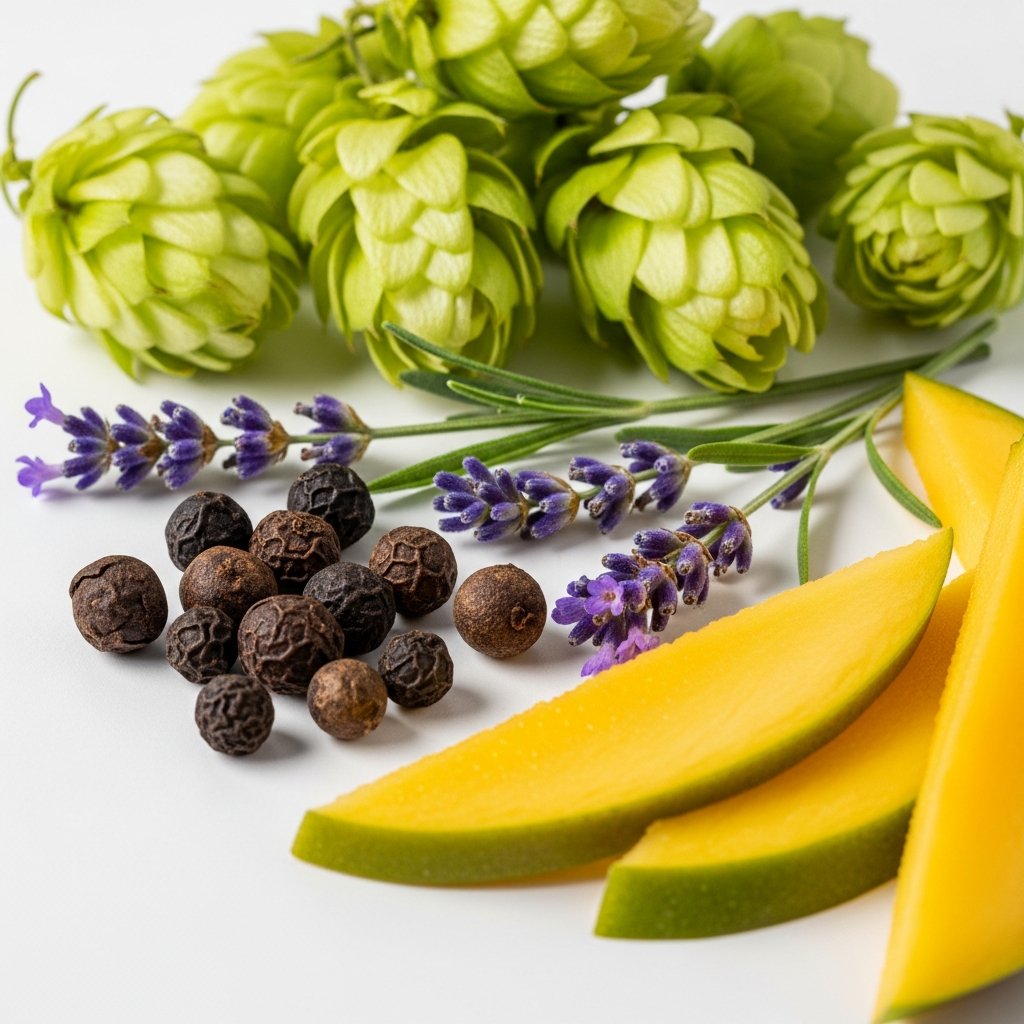
If you scan the lab report or product description on a vape pen marketed for sleep, you’re ideally looking for a few specific terpenes. Myrcene is probably the most common one associated with heavier, body-focused effects. Beta-caryophyllene is another worth noting – it binds to CB2 receptors and is associated with relaxation without strong psychoactive amplification. Linalool rounds out a good sleep-leaning terpene stack.
What you generally want to see less of in a nighttime vape is high limonene or alpha-pinene concentration. These tend to appear in more uplifting, alert-feeling experiences. Not bad in themselves – just poorly timed if your goal is to stop thinking about your to-do list and go to sleep.
Most reputable brands now publish full certificates of analysis (COAs) that include terpene percentages. If a product’s COA doesn’t include terpene data, you’re essentially choosing by vibes – which is fine for some people but doesn’t give you much to work with if you’re trying to optimize for sleep specifically.
Hardware and Format: Why This Actually Matters for Sleep Use
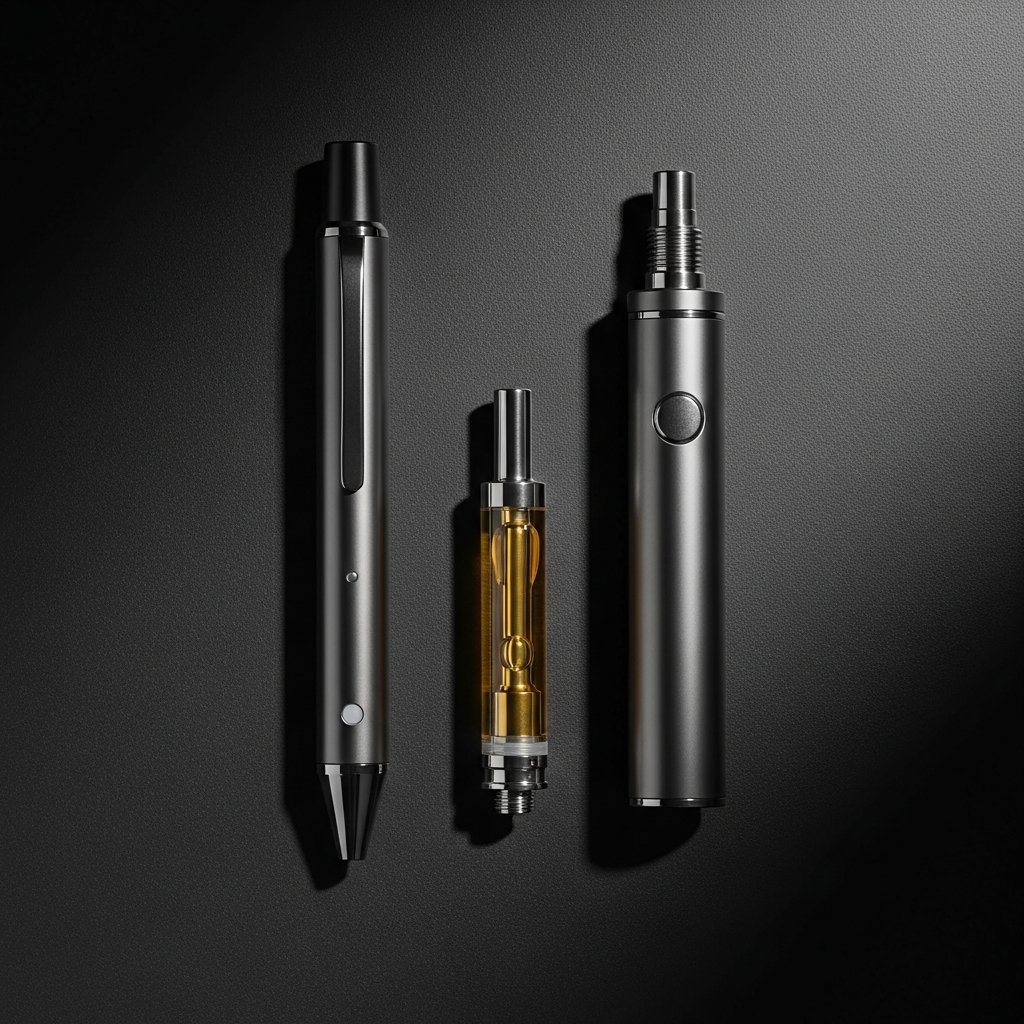
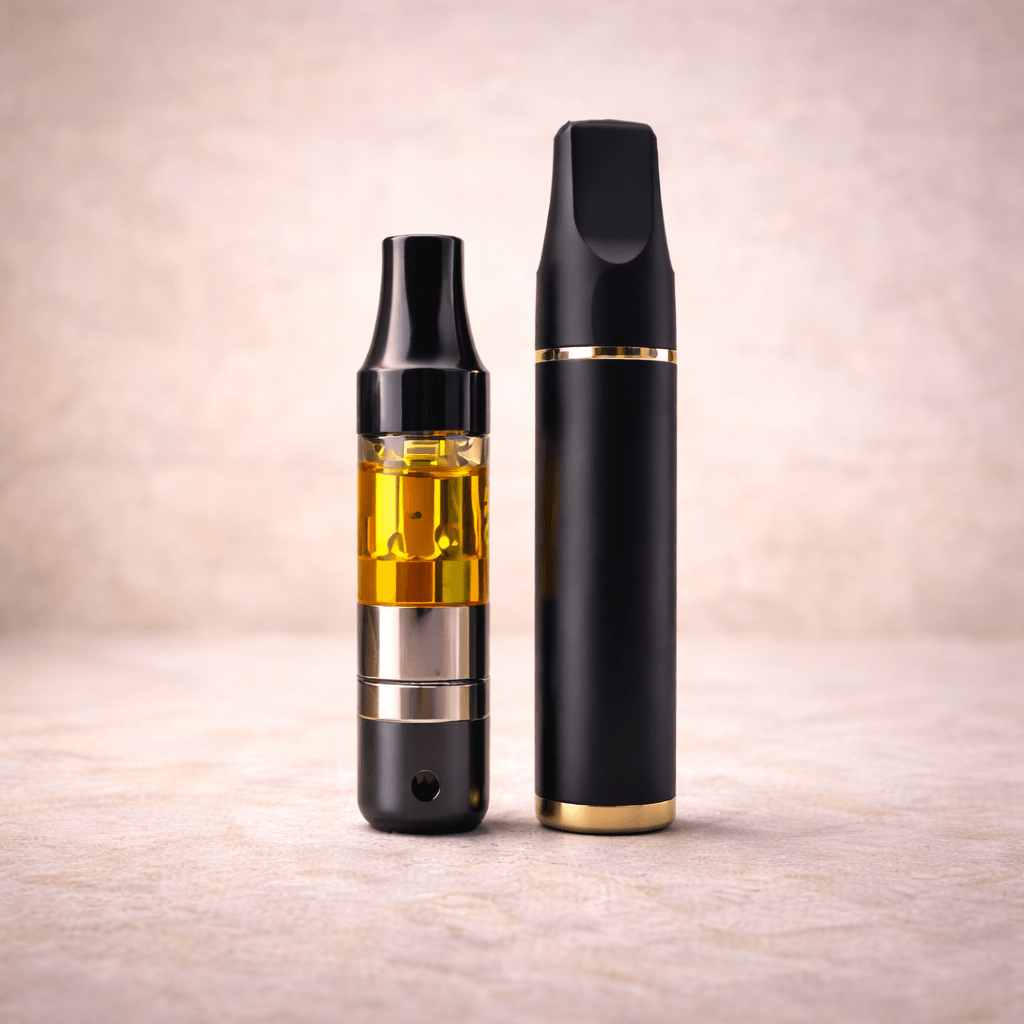
Vape pens come in a few distinct configurations, and for sleep, the format you choose affects how the experience unfolds. Disposable pens are simple and self-contained – no charging to remember, no cartridge to replace. Cartridge-based systems give you more flexibility to swap terpene profiles as your tolerance or preferences shift.
Temperature control is worth paying attention to. Lower temperatures (roughly 315 to 350 degrees Fahrenheit) preserve more terpenes and produce a smoother draw; higher temperatures deliver more THC per pull but can feel harsher and may burn off some of the terpene character you’re paying for. If your pen has variable voltage or temperature settings, evening sessions generally benefit from a lower, slower approach.
One format that makes particular sense for someone who wants to sample two terpene profiles without committing to two separate pens is a dual-chamber design. If you’re evaluating options in that category, the Cookies 2G Dual Chamber Vape in Triple Scoop and Georgia Pie offers a concrete example of what this looks like in practice – two distinct oil chambers (one earthy and fruity, one warm and dessert-forward) that let you try different profiles on different nights or blend them together for a more layered effect.

Cookies 2G Dual Chamber Vape – Triple Scoop & Georgia Pie
Two-gram dual-chamber disposable with two distinct indica-leaning terpene profiles in one device
Potency and Dosing: Starting Lower Than You Think You Need To
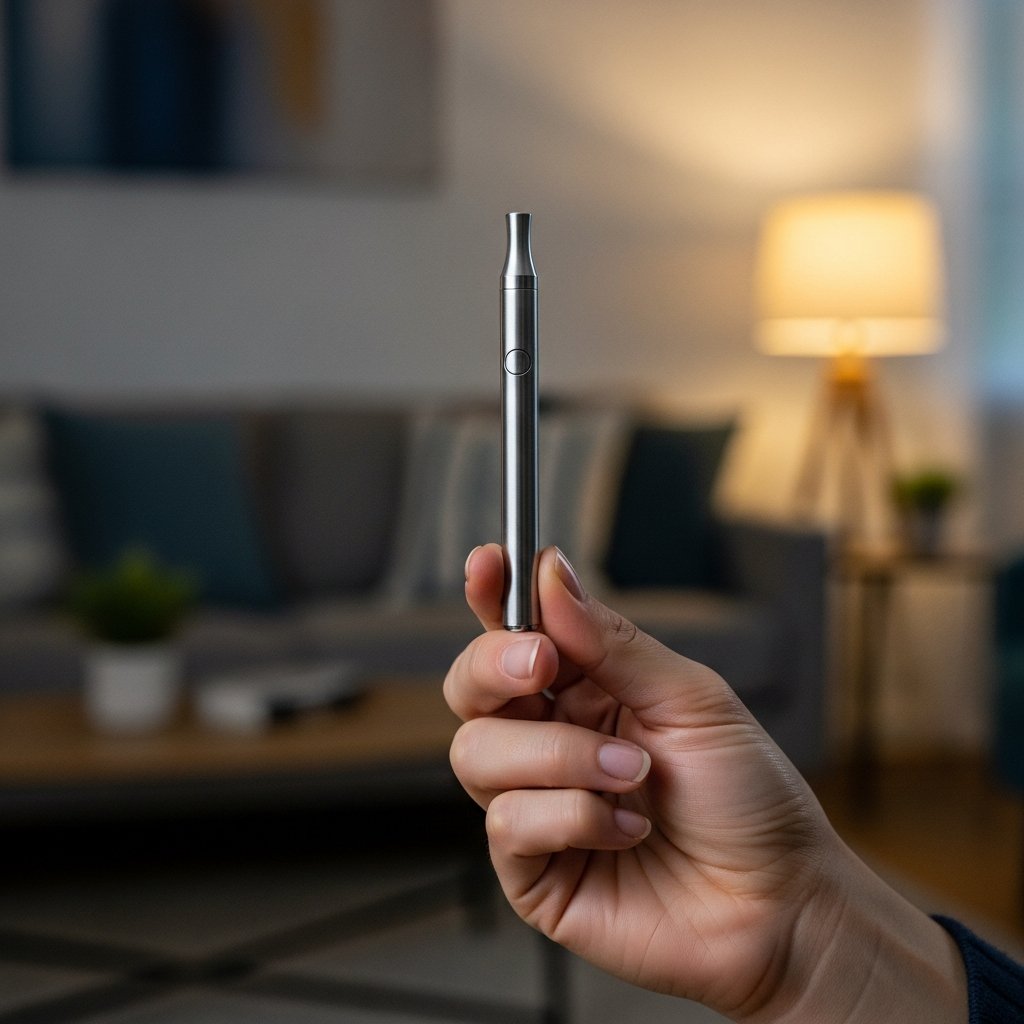
One of the most common mistakes people make with vape pens for sleep is overdoing the first session. Inhaled cannabis has fast onset – usually two to ten minutes – but the full effect can creep up over twenty to thirty minutes. Taking several pulls quickly and then waiting can result in a much stronger experience than intended, which tends to be activating and anxious rather than calming.
A reasonable starting point for most people is one or two short draws from a mid-potency cartridge (something in the 70 to 80 percent THC range rather than 90 percent plus), followed by a ten to fifteen minute pause. From there you can gauge where you are and whether another draw makes sense. The goal for sleep isn’t maximum sedation – it’s a comfortable, gentle wind-down that lets your nervous system shift gears without triggering anxiety or racing thoughts.
If you’re newer to vaping or returning after a tolerance break, the guide on choosing a weed pen based on your lifestyle and tolerance level is worth a look before you commit to a potency tier. Tolerance varies enormously from person to person, and what’s mild to a daily user can be overwhelming to someone starting fresh.
Expert Insight
Dr. Alexander Tabibi
Dr. Alexander Tabibi
CBD added to a THC-dominant product appears to modulate some of the more anxiogenic effects of high-dose THC, which is directly relevant when the stated goal is sleep rather than intoxication. The ratio matters more than the raw THC number alone. A product with 70 percent THC and 5 percent CBD may produce a more comfortable nighttime experience for some users than a 90 percent THC isolate, even though the raw cannabinoid number is lower.
The evidence here is mostly preclinical and survey-based; rigorous RCT data on specific THC:CBD ratios for sleep is still sparse. That makes individual titration – starting low, going slow, tracking what actually helps – more useful than any formula. Different people respond differently to the same product, which is a real limitation of population-level recommendations.
Babson KA et al. (2017). Cannabis, Cannabinoids, and Sleep: a Review of the Literature. Current Psychiatry Reports, 19(4):23. PMID: 28349316
What to Look for on the Label and in the Lab Report
When you’re evaluating a vape pen for sleep, the product page tells you part of the story. The COA tells you the rest. Here’s what to look at specifically.
First, check whether the product has been tested for residual solvents, pesticides, and heavy metals. These aren’t just regulatory box-ticking – they’re genuinely relevant to what you’re inhaling. Reputable brands publish this data clearly. If it’s buried or missing, that’s worth pausing on. The editorial roundup on lab-tested, additive-free weed pen options covers what to look for in a product’s safety documentation in useful detail.
Second, look at the oil type. Live resin and full-spectrum extracts preserve more of the original plant’s terpene and minor cannabinoid content than distillate. Distillate is clean and potent but stripped of most terpene complexity; terpenes are sometimes reintroduced after the fact, which varies in quality. If sleep is your goal, a full-spectrum or live resin cartridge usually gives you more to work with at the terpene level.
For a pen that sits in the live resin space with clear COA documentation, the Hi-Lites THCA Vape Cartridge is a straightforward example of what a transparent, full-spectrum product looks like – relevant if you’re specifically interested in THCA-forward formulations with preserved terpene profiles.
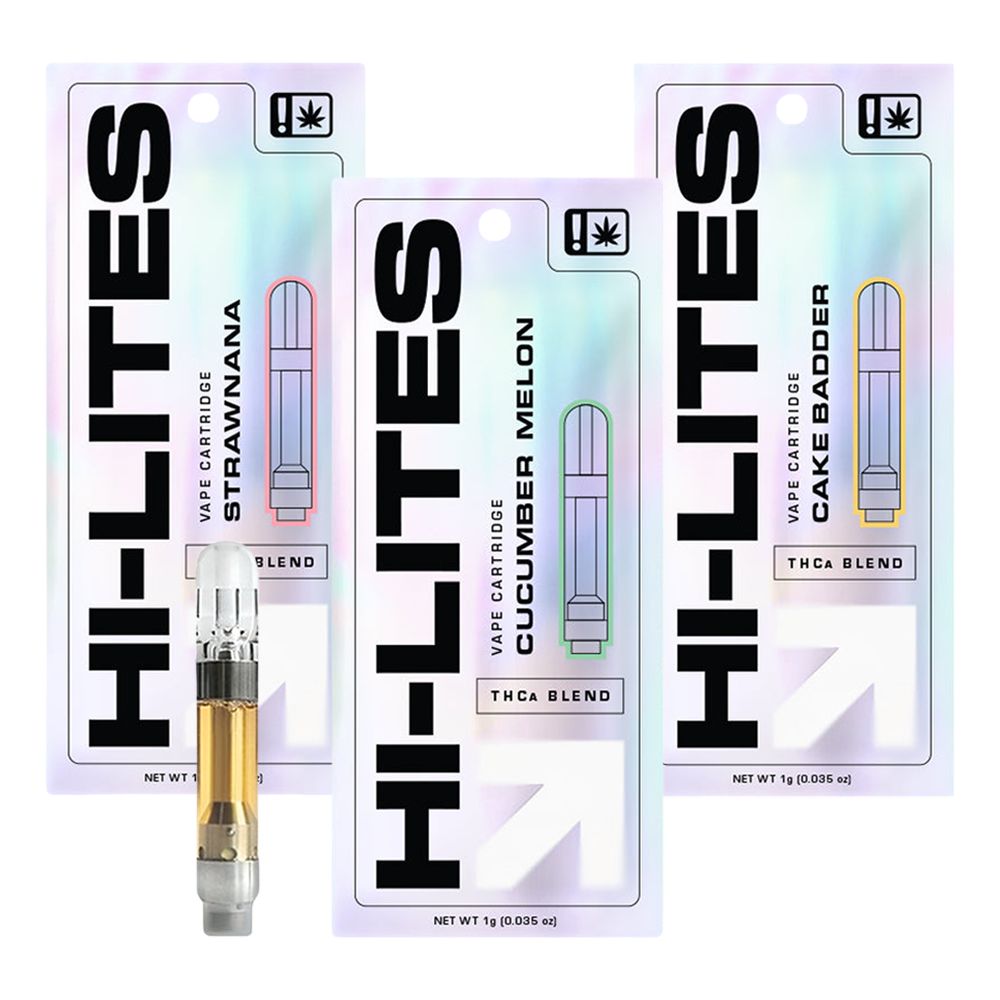
Hi-Lites THCA Vape Cartridge 1g
1g THCA cartridge with full-spectrum terpene profile and published lab documentation
Timing Your Session and Building a Routine
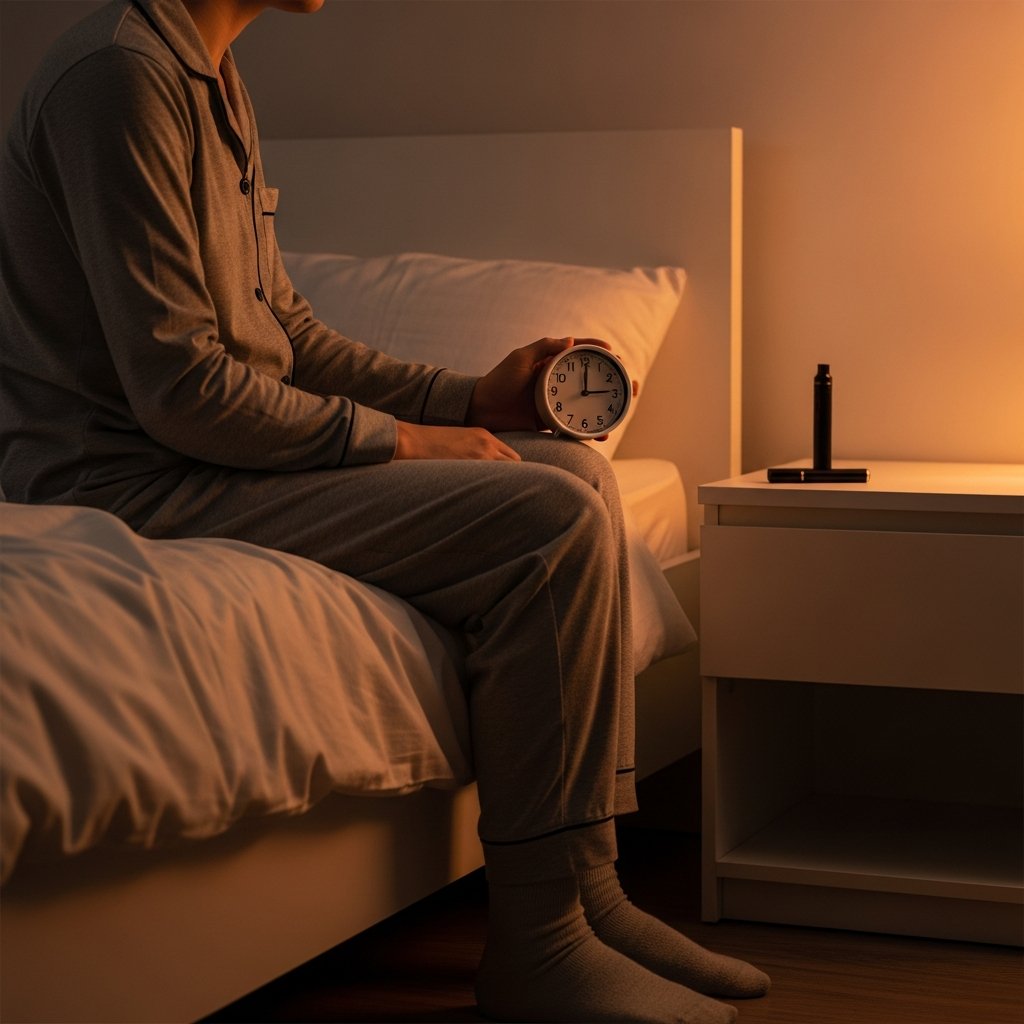
Cannabis vapes act fast, which is genuinely useful for sleep – but “fast” doesn’t mean “instantaneous.” Most people find the sweet spot is about thirty to forty-five minutes before they want to be asleep. That gives the initial effects time to settle into the deeper, more physically relaxed state that actually supports falling asleep rather than just feeling buzzed.
Pairing the pen with an actual wind-down routine – dimming lights, putting the phone down, doing something low-stimulation – seems to compound the effect. The cannabis helps, but it works better when you’re not fighting it with a bright screen and a podcast at full volume. This might sound obvious, but a surprising number of people expect the vape pen to do all the work.
Tolerance is the other variable worth staying aware of. Daily use of any cannabinoid product at the same dose tends to produce tolerance over time, meaning you’ll need more to achieve the same result. Rotating strains, taking occasional breaks, or keeping doses modest on weeknights can help preserve effectiveness over months rather than weeks.
A Few Honest Caveats
Cannabis vape pens aren’t a substitute for addressing the root causes of chronic insomnia – stress, irregular sleep schedules, underlying health conditions, or medication side effects. They’re a tool, and like most tools, their usefulness depends heavily on how you use them.
Some people find that cannabis for sleep works wonderfully for months and then seems to stop being as effective. Others notice that it helps them fall asleep but leaves them groggy in the morning, particularly with higher-THC formulations. These aren’t universal experiences, but they’re common enough to mention.
And worth being direct about: if you take prescription medications, particularly anything affecting your sleep cycle, central nervous system, or anxiety, a conversation with a pharmacist or physician before adding a cannabis vape to your routine is genuinely sensible, not just a legal formality.
Frequently asked questions
Do indica vape pens actually make you sleepy?
The “indica equals sedating” rule is oversimplified. What matters more is the terpene profile – myrcene, linalool, and beta-caryophyllene are the compounds most associated with calming effects. Look for those on the COA rather than relying on the indica label alone.
How long before bed should I use a cannabis vape pen?
Most people find that using a vape pen about thirty to forty-five minutes before their target sleep time works well. That window lets the initial onset settle into a more relaxed state without the peak effects wearing off before you’re actually in bed and ready to sleep.
What THC percentage should I look for in a sleep vape pen?
A mid-range potency of around 70 to 80 percent THC is a reasonable starting point for most people. Ultra-high concentrations above 90 percent increase the risk of overshooting your intended dose, which can produce anxiety or racing thoughts – the opposite of what you want at bedtime.
Is full-spectrum or distillate better for sleep?
Full-spectrum and live resin options preserve more of the plant’s terpene and minor cannabinoid content, which many users find produces a more nuanced, body-focused effect. Distillate is potent and consistent but stripped of much of that complexity, even when terpenes are reintroduced afterward.
Can I build a tolerance to using a vape pen for sleep?
Yes. Daily use at the same dose tends to reduce effectiveness over time. Rotating between different terpene profiles, keeping doses modest, and taking occasional tolerance breaks – even just a few nights a week – can help maintain the sleep benefits over the longer term.
Does CBD in a vape pen help with sleep?
CBD appears to help moderate some of the anxiogenic effects of high-dose THC, which can make a combined product more comfortable for sleep than a pure THC distillate. A product with a modest CBD presence alongside THC may suit nighttime use better for anxiety-prone users than THC alone.
What should I check on a vape pen’s lab report before buying for sleep?
Look for terpene percentages (prioritizing myrcene, linalool, and beta-caryophyllene), residual solvent and pesticide test results, and heavy metals screening. A complete, current COA from a third-party lab signals that the brand is taking product safety and transparency seriously.
Important: This article is for informational purposes only and does not constitute medical advice. Cannabis affects individuals differently. If you have a sleep disorder, take prescription medications, or have any underlying health condition, consult a qualified healthcare provider before using cannabis products. If you are experiencing a medical emergency, call 911 or go to your nearest emergency room immediately.
Sources
Pearce DD, Mitsouras K, Irizarry KJ. (2021). Cannabis and Sleep: A Cross-Sectional Examination of Cannabis Use and Sleep Outcomes. Cannabis and Cannabinoid Research, 6(6):517-526. PMID: 33998900
Babson KA, Sottile J, Morabito D. (2017). Cannabis, Cannabinoids, and Sleep: a Review of the Literature. Current Psychiatry Reports, 19(4):23. PMID: 28349316
Russo EB. (2011). Taming THC: potential cannabis synergy and phytocannabinoid-terpenoid entourage effects. British Journal of Pharmacology, 163(7):1344-1364. PMID: 21749363
Kaul M, Zee PC, Bhatt DL. (2021). Effects of Cannabinoids on Sleep and their Therapeutic Potential for Sleep Disorders. Neurotherapeutics, 18(1):217-227. PMID: 33174133
For adults 21+ only. Cannabis laws vary by state. This content is intended for use in jurisdictions where cannabis is legal. Nothing in this article constitutes medical advice or a recommendation to use any specific product. If you are experiencing a medical emergency, call 911 or go to your nearest emergency room immediately.