🚛 FREE DISCREET SHIPPING ON ALL ORDERS $49+












Lemon Tree vs Lemon Haze — Which Is Right for You?
Lemon Tree is a balanced hybrid best suited for calm focus and mild anxiety relief, while Lemon Haze is a sativa-dominant cultivar better chosen for daytime energy and creative lift. Both carry bright citrus profiles, but they land in noticeably different places. If you want a grounded, easygoing experience, Lemon Tree tends to fit the moment. If you want momentum

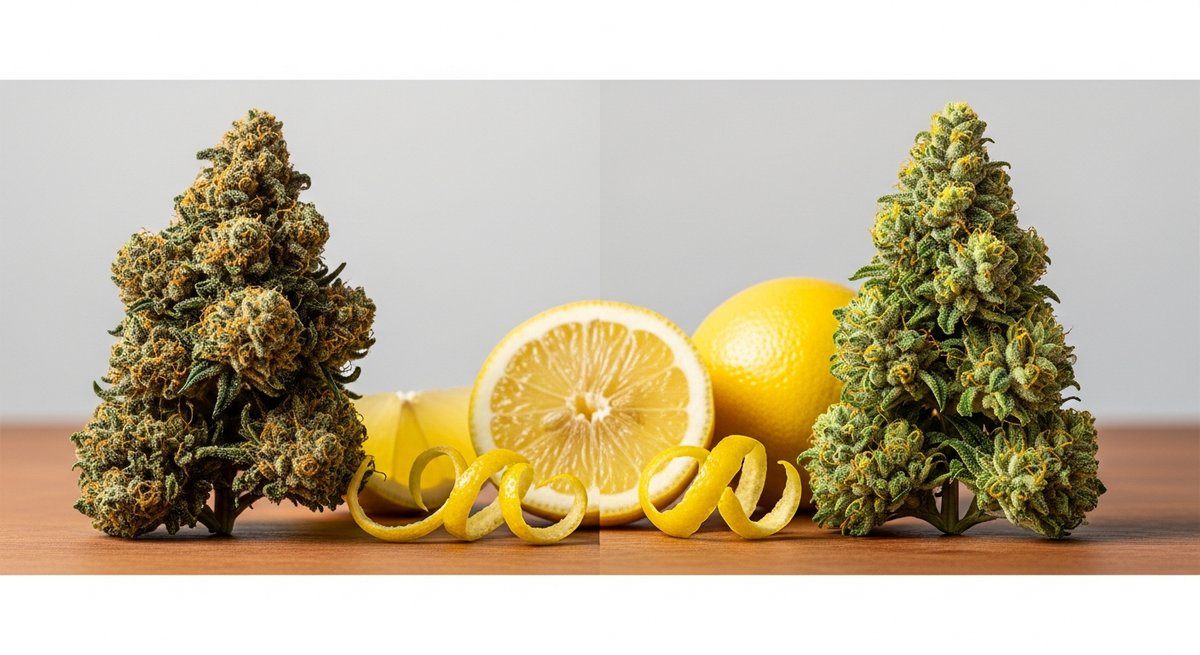
Lemon Tree is a balanced hybrid best suited for calm focus and mild anxiety relief, while Lemon Haze is a sativa-dominant cultivar better chosen for daytime energy and creative lift. Both carry bright citrus profiles, but they land in noticeably different places. If you want a grounded, easygoing experience, Lemon Tree tends to fit the moment. If you want momentum and mental clarity, Lemon Haze is the more likely pick. Explore both and dozens of other cultivars in the cannabis strains hub to find the right match for your goals.
What Is Lemon Tree?
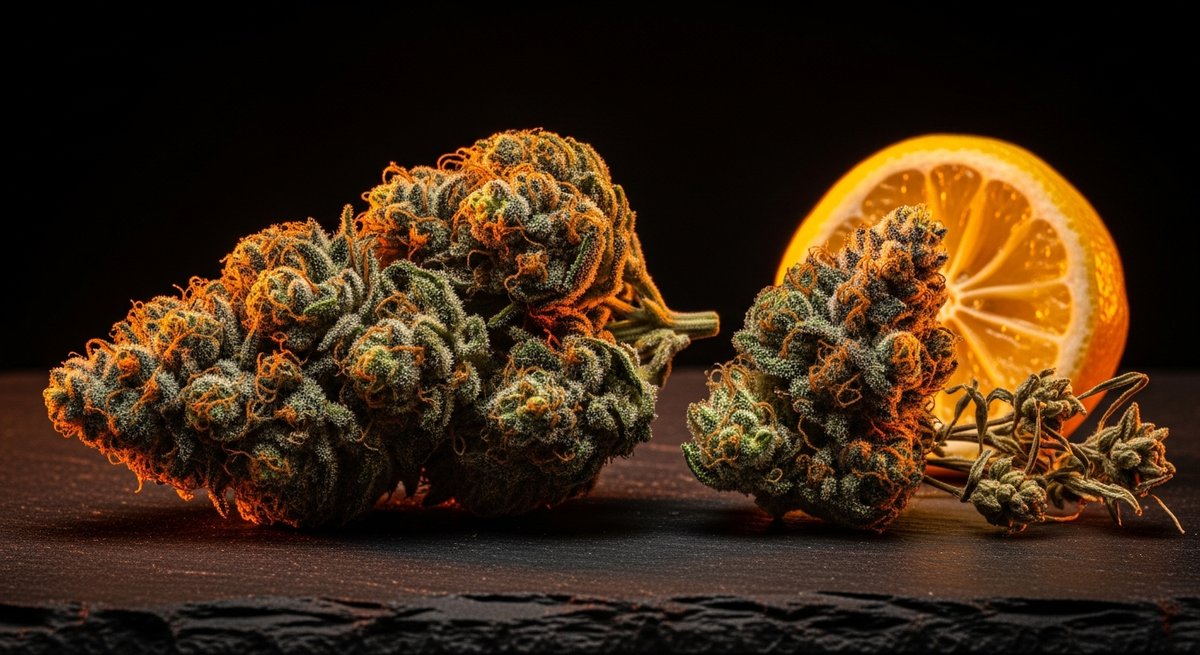
Lemon Tree is a balanced hybrid, typically sitting close to a 50/50 indica-sativa split. It descends from Lemon Skunk and Sour Diesel – two cultivars well known for pungent, fuel-forward citrus profiles. That lineage shows up clearly in the aroma: sharp lemon zest layered over earthy, slightly diesel undertones.
THC content generally falls between 17% and 25%, with CBD levels typically under 1%. Dominant terpenes include limonene (bright citrus), caryophyllene (peppery, grounding), and myrcene (earthy, slightly sedating). Together they produce a relaxed but clear-headed effect that many users describe as mentally calm without feeling foggy.
Lemon Tree is often chosen for afternoons when you need to stay functional but want to take the edge off. It may also appeal to anyone who finds pure sativas overstimulating. The balance between its indica and sativa genetics is one reason it shows up so often in anxiety-focused conversations – and it pairs well with similarly citrus-forward cultivars like Lemon Ice if you enjoy exploring the lemon family.
What Is Lemon Haze?
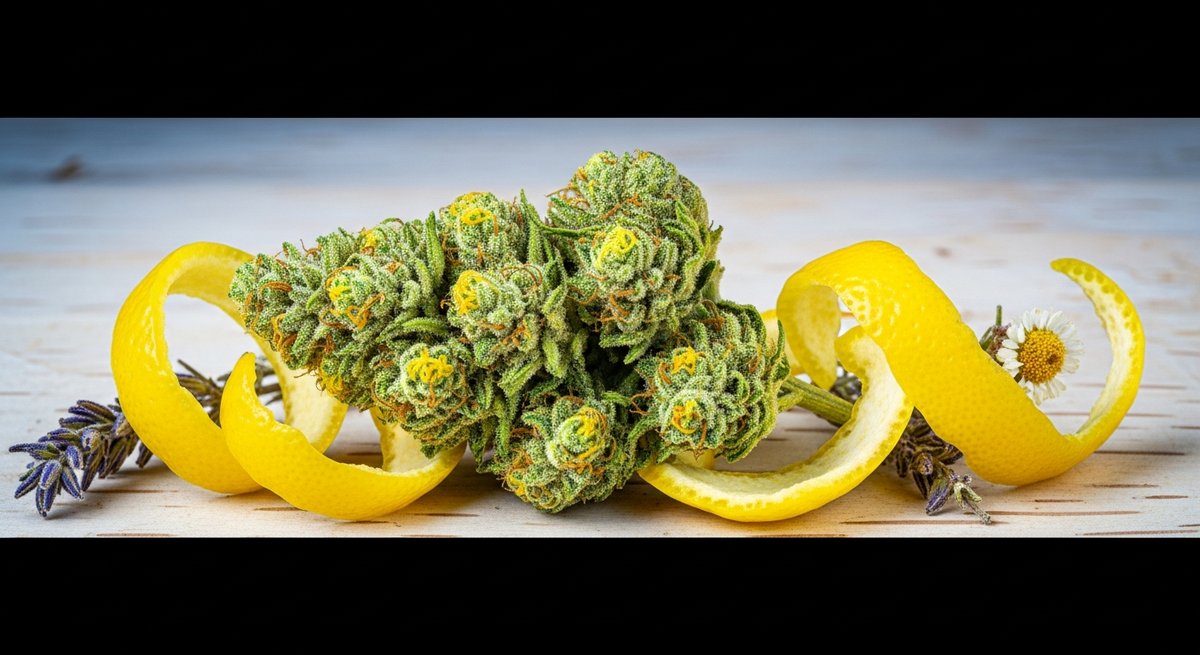
Lemon Haze is a sativa-dominant hybrid, crossed from Lemon Skunk and Silver Haze. It carries a strong upward, energising character that traces directly back to its Haze heritage. The aroma is sweet and citrusy – fresh lemon peel with a floral, slightly spicy edge that sets it apart from its earthier citrus cousins.
Expect THC in the range of 15% to 22%, with CBD typically below 1%. Limonene leads the terpene profile, followed by terpinolene (fresh, piney, floral) and ocimene (sweet, herbaceous). The result is a mentally stimulating experience – often described as sociable, focused, and mood-lifting without significant body heaviness.
Lemon Haze tends to suit mornings and early afternoons. Creative work, social settings, and active days are common use cases. Its close relative Super Lemon Haze pushes those sativa qualities even further if you want a comparison point – and other bright, uplifting cultivars like La Sunshine offer a similar daytime energy from a different lineage.
Lemon Tree vs Lemon Haze – Key Differences
Here is a side-by-side breakdown of the most important factors between the two cultivars.
| Category | Lemon Tree | Lemon Haze |
|---|---|---|
| THC% range | 17% – 25% | 15% – 22% |
| CBD% range | Under 1% | Under 1% |
| Dominant terpenes | Limonene, caryophyllene, myrcene | Limonene, terpinolene, ocimene |
| Primary effects | Calm, balanced, lightly relaxing | Energising, uplifting, mentally stimulating |
| Best time of day | Afternoon | Morning to early afternoon |
| Best for | Anxiety relief, mild stress, relaxation | Focus, creativity, socialising, energy |
| Flavour profile | Lemon zest, earth, diesel | Sweet citrus, floral, light spice |
| Growing difficulty | Moderate | Moderate to challenging |
Effects Comparison

Lemon Tree tends to arrive gently. Many users report a soft mental lift in the first 10 to 15 minutes, followed by a gradual body ease that settles without pulling you toward sleep. The balanced genetics mean you can still hold a conversation or complete a task – the experience rarely feels overwhelming at moderate doses. Duration typically runs two to three hours. Related reading: La Sunshine Strain. Related reading: Honey Lemon Cheese Strain.
Lemon Haze moves faster and more visibly upward. Onset is often felt within 10 minutes, and the mental shift can be pronounced – elevated mood, quicker associations, a sense of engagement with whatever is in front of you. The body component stays light, which keeps it practical for active settings. Duration is similar, around two to three hours, though some users report a more abrupt come-down.
For intensity, Lemon Tree can push higher on the THC scale, but the grounding terpenes – particularly caryophyllene – may temper the peak. Lemon Haze at similar THC levels often feels more stimulating simply because the terpene profile points upward rather than inward. If you respond strongly to sativa-leaning effects, other cultivars like Zoinks or Brain Candy offer useful comparison points across the energy spectrum.
Which Strain Is Better for Anxiety?
For anxiety, Lemon Tree is generally the stronger choice of the two. The balanced indica-sativa split – combined with caryophyllene and myrcene – tends to produce a calmer, more grounded experience. Evidence suggests that caryophyllene may interact with the body’s endocannabinoid system in ways that support a sense of ease, though individual responses always vary. See also: Zoinks Strain.
Lemon Haze, by contrast, carries a more stimulating terpene profile. Many users who experience anxiety – particularly around racing thoughts – report that strong sativa cultivars can amplify rather than soften that feeling. That is not universal, but it is a pattern worth keeping in mind.
Starting with a low dose of either cultivar is the sensible approach. If you find Lemon Haze works well for your anxiety, its mood-lifting qualities may be exactly what you need. But if you want to reduce the odds of an edgy or overstimulated feeling, Lemon Tree – or a similarly grounded citrus cultivar like Honey Lemon Cheese – is the more predictable starting point.
Where to Buy Lemon Tree and Lemon Haze
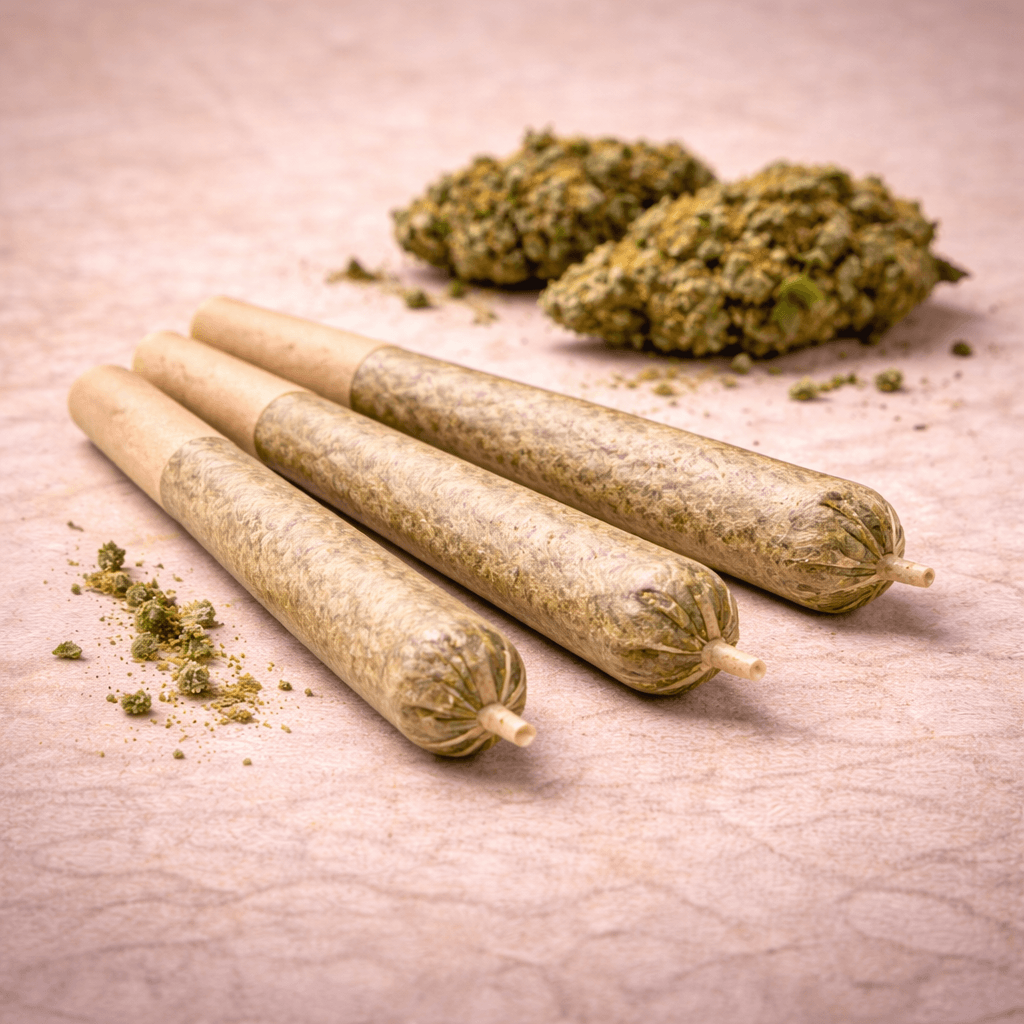
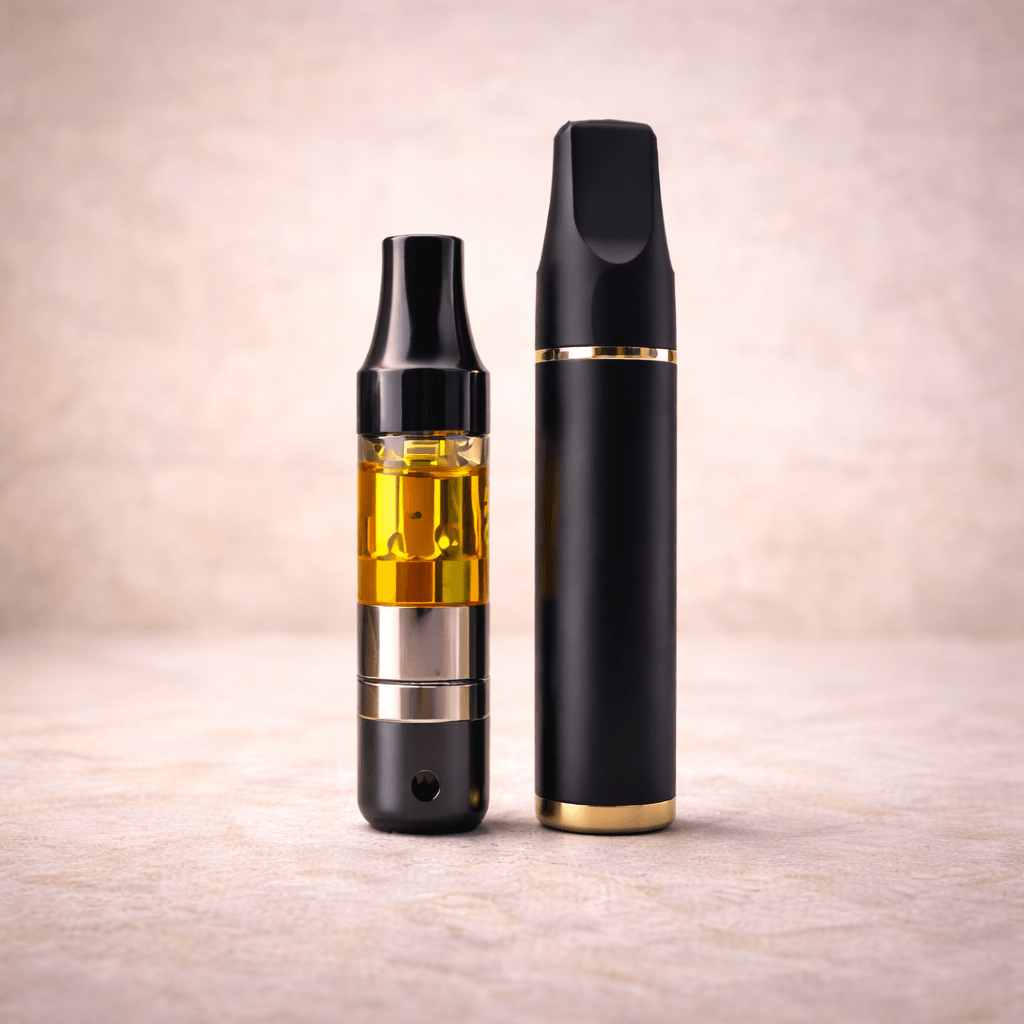
Whether you prefer flower, a vape cart, or a ready-to-go preroll, licensed dispensaries in your area are the safest and most reliable source. You can browse available flower and prerolls or check out vapes and carts to find options near you.
If you are in the mood for something citrus-forward in a different format, the Hometown Hero 25mg THC Lemonade – Ruby Oasis is worth a look – a bright, lemon-forward option for those who prefer to skip smoking or vaping altogether. As always, check local laws and start with a low dose if edibles are new to you.
Buy Lemon Tree and Lemon Haze Seeds
Growing your own is a rewarding way to get closer to either cultivar. Both Lemon Tree and Lemon Haze are moderately challenging to grow – they reward patience with generous, aromatic harvests. If you are ready to start, you can find a wide selection of genetics through the cannabis seeds shop. Check for reputable breeders and verify genetics before purchasing, especially for Lemon Tree which can vary significantly between sources.
Frequently Asked Questions
Is Lemon Tree stronger than Lemon Haze?
Lemon Tree can test slightly higher in THC, reaching up to 25% compared to Lemon Haze’s typical ceiling of around 22%. However, THC percentage alone does not determine how strong an experience feels. Lemon Haze’s stimulating terpene profile – particularly terpinolene and limonene – often makes it feel more intense mentally, even at lower THC levels. The right answer depends as much on your personal tolerance as on the numbers on the label.
What are the effects of Lemon Tree vs Lemon Haze?
Lemon Tree tends to produce a calm, balanced effect – mentally clear but physically relaxed. Many users describe it as the kind of cultivar that takes the edge off without slowing you down entirely. Lemon Haze leans more energising and uplifting. It is more likely to spark conversation, creative thinking, or a generally elevated mood. Both share bright citrus flavour, but the direction they take you is noticeably different.
Which is better for anxiety – Lemon Tree or Lemon Haze?
Lemon Tree is generally the better fit for anxiety. Its balanced genetics and grounding terpenes – caryophyllene in particular – may help produce a calmer experience. Lemon Haze, while enjoyable, has a more stimulating profile that some users find can heighten rather than ease anxious feelings. That said, responses to cannabis vary widely. Starting low with either cultivar and paying attention to how your body responds is always the right approach. You might also explore Loud Lemonade or Zelda as additional options in a similar flavour neighbourhood with different effect profiles.
What does Lemon Tree taste like compared to Lemon Haze?
Both cultivars lead with citrus, but the finish is different. Lemon Tree brings in earthy, diesel-like undertones courtesy of its Sour Diesel heritage – the lemon is bright but grounded. Lemon Haze is sweeter and more floral, with a cleaner citrus quality and a light spice on the exhale. If you prefer a purer lemon candy flavour, Lemon Haze typically delivers that more directly. If you want something with a bit more depth and funk, Lemon Tree has the edge.
Can you mix Lemon Tree and Lemon Haze?
You can, and the citrus-forward terpene profiles mean they pair naturally in terms of flavour. Combining a balanced hybrid with a sativa-dominant cultivar could, in theory, produce a middle-ground experience – more energised than Lemon Tree alone, more grounded than Lemon Haze alone. That said, mixing increases the unpredictability of the experience. If you are still getting to know either cultivar individually, it is worth spending time with each one separately before combining them.