🚛 FREE DISCREET SHIPPING ON ALL ORDERS $49+









Pineapple Express strain vs Blue Dream strain — Which Is Right for You?
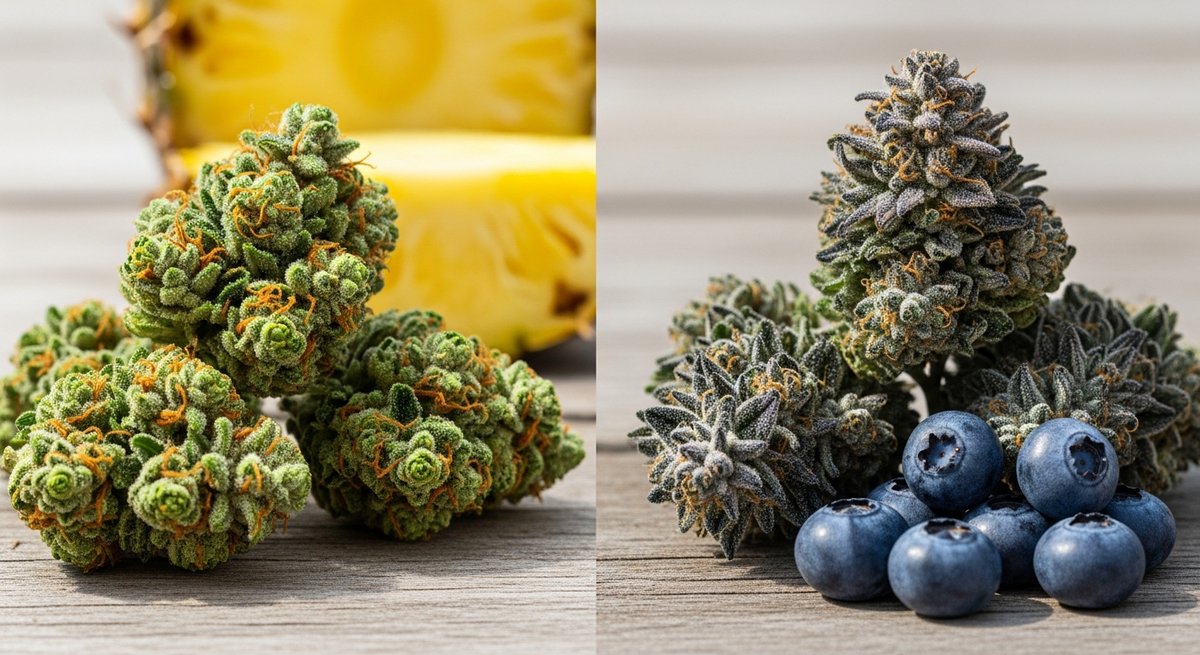
Pineapple Express strain is a sativa-dominant hybrid built for daytime energy and creative focus, while Blue Dream strain is a balanced sativa-dominant hybrid that many users reach for when they want uplifting calm without sedation. If you need a quick answer: Pineapple Express strain leans more energising and tropical, Blue Dream strain leans more mellow and versatile. Both sit comfortably

What Is Pineapple Express strain?
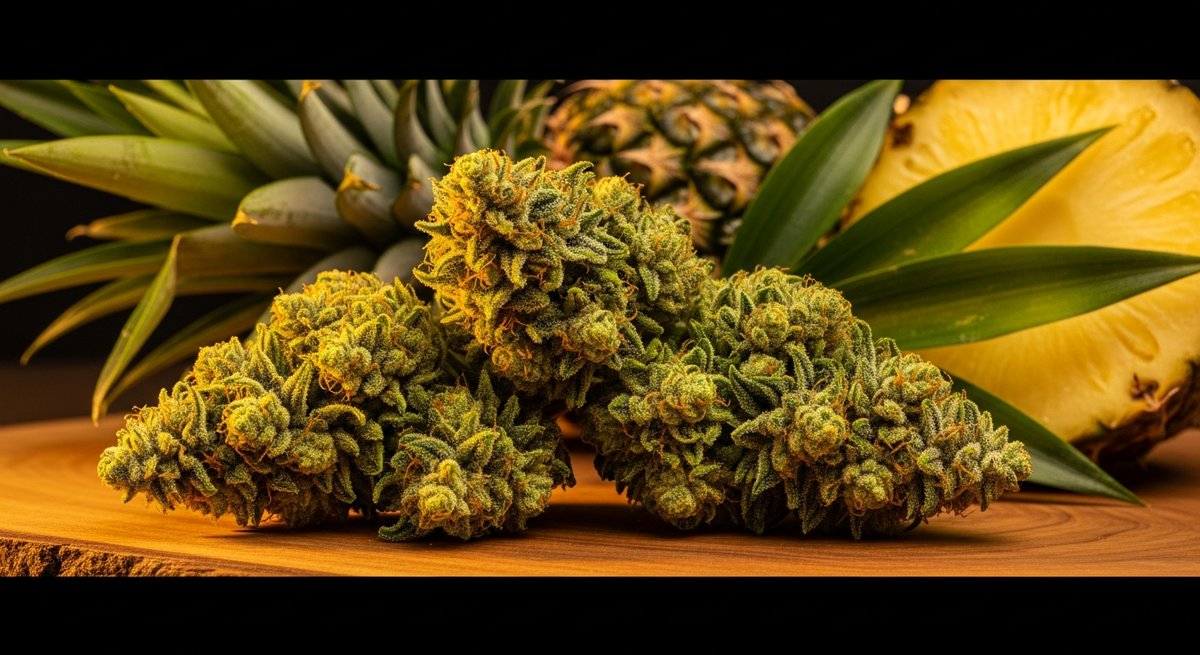
Pineapple Express strain is a sativa-dominant hybrid typically traced to a cross of Trainwreck and Hawaiian. THC levels commonly fall between 17% and 25%, with CBD usually under 1%. The dominant terpenes (the aromatic compounds that shape aroma and effect) are myrcene, caryophyllene, and ocimene – giving it that unmistakable tropical, citrus-forward scent with a hint of fresh pine.
Effects tend to arrive quickly: an alert, uplifted head space paired with a mild body warmth that rarely tips into couch-lock. Most people describe it as sociable and creative without feeling scattered. That profile makes it a natural choice for morning sessions, creative work, or any time you want momentum rather than stillness. If you enjoy fruity, pineapple-forward flavour profiles, you might also want to explore the Pineapple Cookies strain or the Pineapple OG strain for comparison. A lower-THC option worth knowing about is the Pineapple Express CBD strain.
What Is Blue Dream strain?
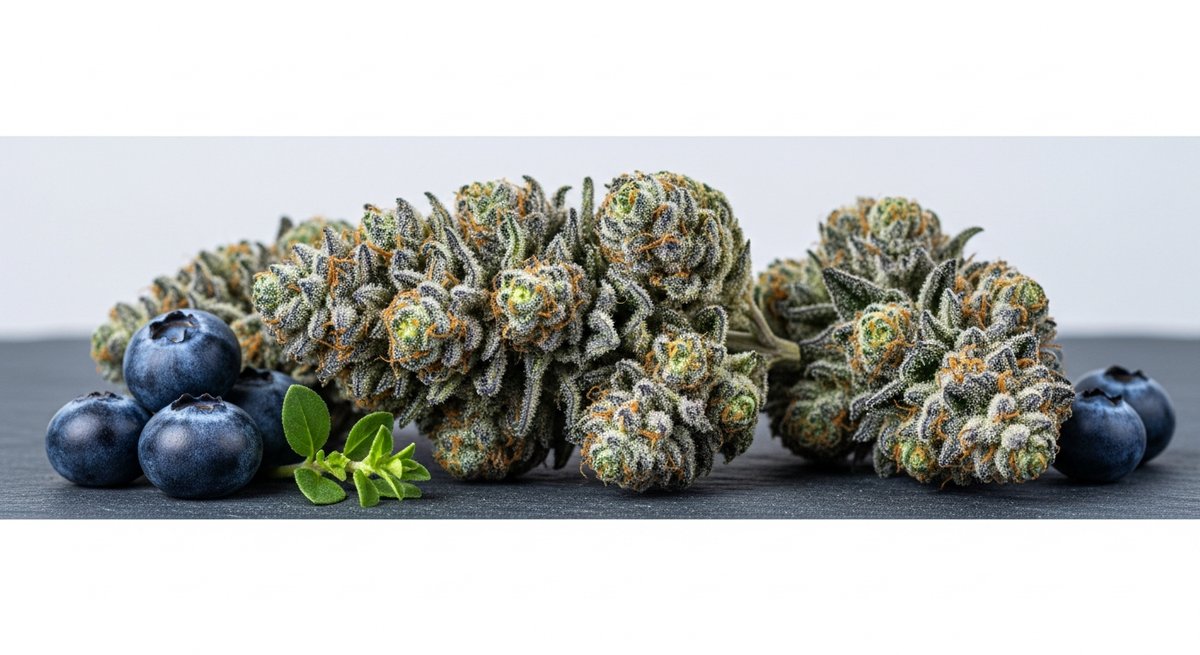
Blue Dream strain is a sativa-dominant hybrid born from Blueberry and Haze genetics. THC typically ranges from 18% to 24%, with CBD hovering around 1% to 2% – slightly higher than many comparable cultivars. The leading terpenes are myrcene, pinene, and caryophyllene, producing a sweet blueberry aroma underscored by earthy, herbal notes.
The effect profile is widely described as gentle and full-bodied: a cerebral lift that eases in without the sharpness of a hard sativa, gradually settling into a relaxed, comfortable state. Blue Dream strain rarely feels overwhelming, which is part of why it remains one of the most consistently popular cultivars across licensed dispensaries. It suits a wide range of situations – daytime productivity, social settings, or a quiet evening wind-down that stops short of sleep-inducing sedation. Curious how it compares to other cultivars in its family tree? The Orange Dream strain, Dream Machine strain, and Blue Diamond strain are all worth a look.
Pineapple Express strain vs Blue Dream strain – Key Differences
Here is a side-by-side breakdown of where these two cultivars align and where they diverge.
| Category | Pineapple Express strain | Blue Dream strain |
|---|---|---|
| THC% range | 17% – 25% | 18% – 24% |
| CBD% range | Under 1% | 1% – 2% |
| Dominant terpenes | Myrcene, caryophyllene, ocimene | Myrcene, pinene, caryophyllene |
| Primary effects | Energised, creative, uplifted, mild body warmth | Cerebral lift, relaxed, gentle euphoria, calm |
| Best time of day | Morning to early afternoon | Morning through early evening |
| Best for | Creativity, focus, socialising | Anxiety relief, focus, relaxation |
| Flavour profile | Tropical pineapple, citrus, fresh pine | Sweet blueberry, earthy, light floral |
| Growing difficulty | Moderate | Easy to moderate |
Effects Comparison

Pineapple Express strain tends to hit with a clear, fairly quick onset – many users report noticing effects within minutes when consumed as flower or a vaporised cart. The initial wave is cerebral: sharp focus, a lift in mood, and a burst of motivational energy. Over the next hour or two, a mild physical warmth settles in, but it rarely slows you down. Duration is generally two to three hours. Higher doses may push toward mild racing thoughts, so starting low makes sense if you are sensitive to sativa-leaning cultivars. Related reading: Pineapple Cookies Strain. Related reading: Orange Dream Strain.
Blue Dream strain offers a smoother ride. The onset is gradual – a slow-building euphoria that rarely catches you off guard. Evidence suggests the slightly higher CBD content may soften the edges of the THC effect, making the overall experience feel less intense than the raw THC number implies. The cerebral lift is real but unhurried, and many users report a comfortable, functional relaxation that carries through two to three hours without tipping into sedation. It is often chosen for its forgiving, beginner-friendly effect curve. For another comparison in the same family, the Gary Payton strain vs Blue Dream strain breakdown explores how Blue Dream holds up against a heavier indica-leaning cultivar. You might also find the Zelda strain worth comparing if you enjoy Blue Dream’s balanced profile.
Which Strain Is Better for Anxiety?
For anxiety, Blue Dream strain is generally the stronger choice. Evidence suggests its combination of myrcene, pinene, and a modest CBD presence creates a calmer, less stimulating effect than the sharper sativa energy of Pineapple Express strain. Many users who experience anxiety with higher-THC sativas report that Blue Dream strain’s gradual onset gives them more control – there is less risk of the sudden intensity that can amplify anxious thoughts. See also: Orange Dream Strain.
Pineapple Express strain is not off the table. Some people find that its energising, mood-lifting quality redirects anxious energy into productive focus. But if anxiety is your primary concern, the smoother, more predictable profile of Blue Dream strain is often the safer starting point. Either way, dosing conservatively matters more than cultivar choice when anxiety is in the picture. Start with a small amount, wait to feel the full effect, and adjust from there.
Where to Buy Pineapple Express strain and Blue Dream strain
Both cultivars are widely available at licensed dispensaries, and you can often find them in multiple formats. If you prefer flower or prerolls, browse the flower and prerolls section for current availability. For a more portable option, the vapes and carts selection covers cartridges that often feature both Pineapple Express strain and Blue Dream strain profiles.
If you want to try both formats and explore how each cultivar feels across delivery methods, the Hometown Hero 25mg Live Rosin Day & Night Discovery Pack is worth considering. For those who prefer a lighter dose, the Hometown Hero 5mg Live Rosin Day & Night Discovery Pack offers the same format at a more approachable potency level – a solid option if you are still finding your dose.
Buy Pineapple Express strain and Blue Dream strain Seeds
Prefer to grow your own? Both Pineapple Express strain and Blue Dream strain are well-documented cultivars with solid seed availability. Blue Dream strain is particularly forgiving for newer growers, while Pineapple Express strain rewards a bit more attention to humidity and feeding. You can browse verified options through the cannabis seeds hub, where you will find both cultivars alongside growing difficulty ratings to help you pick the right project for your setup.
Frequently asked questions
Is Pineapple Express strain stronger than Blue Dream strain?
Not by much. Both cultivars share overlapping THC ranges – roughly 17% to 25% for Pineapple Express strain and 18% to 24% for Blue Dream strain. In practice, Pineapple Express strain often feels more intense because its effect profile is sharper and more stimulating. Blue Dream strain’s slightly higher CBD content and gradual onset tend to make it feel smoother, even at similar THC levels.
What are the effects of Pineapple Express strain vs Blue Dream strain?
Pineapple Express strain is typically described as energising, creative, and uplifting with mild body warmth. Blue Dream strain produces a more balanced experience – cerebral and euphoric, but with a calmer, more relaxed undertone. Both are sativa-dominant and work well during the day, but Pineapple Express strain pushes further toward active stimulation while Blue Dream strain stays closer to functional ease.
Which is better for anxiety – Pineapple Express strain or Blue Dream strain?
Blue Dream strain is generally the better fit. Its gradual onset, modest CBD content, and more balanced terpene profile are associated with a calmer experience that many anxiety-prone users find more manageable. Pineapple Express strain can work for some people, but its more stimulating character may amplify anxiety in those sensitive to fast-acting sativa effects.
What does Pineapple Express strain taste like compared to Blue Dream strain?
Pineapple Express strain delivers a bright, tropical flavour – pineapple and citrus up front, with a clean pine finish. Blue Dream strain is sweeter and softer, leading with ripe blueberry and settling into light earthy and floral notes on the exhale. Both are considered flavourful cultivars, but they sit at opposite ends of the fruit spectrum: tangy and sharp versus sweet and smooth.
Can you mix Pineapple Express strain and Blue Dream strain?
Many people do mix cultivars to blend effects, and this pairing is a reasonable combination. Pineapple Express strain adds energy and citrus brightness; Blue Dream strain contributes calm and sweetness. The result depends heavily on ratios and your personal tolerance. If you experiment, start with small amounts of each and give yourself time to gauge the combined effect before consuming more.