🚛 FREE DISCREET SHIPPING ON ALL ORDERS $49+









Social Anxiety and Vaping: What Products Actually Help
Picture this: you’re about to walk into a party, a networking event, or even just a casual dinner with people you barely know. Your chest tightens. Your brain starts rehearsing conversations that haven’t happened yet. For a growing number of adults, that feeling has led them straight to a vape pen. Whether it works – and which products are actually

Published on: April 18, 2026

Picture this: you’re about to walk into a party, a networking event, or even just a casual dinner with people you barely know. Your chest tightens. Your brain starts rehearsing conversations that haven’t happened yet. For a growing number of adults, that feeling has led them straight to a vape pen. Whether it works – and which products are actually worth your attention – is a more nuanced conversation than most corners of the internet are willing to have.
Why People Reach for a Vape in the First Place

Social anxiety is not shyness. It’s a specific, sometimes paralyzing dread of judgment, embarrassment, or being watched – and it affects roughly 15 million American adults. Traditional pharmaceutical options exist, but they carry side effects and a stigma of their own. So people look for alternatives, and inhalable cannabis sits at an interesting crossroads: fast onset, controllable duration, and a wide range of cannabinoid profiles to choose from.
The speed matters. When you inhale, cannabinoids hit your bloodstream within a few minutes rather than the 45-to-90-minute wait that comes with an edible. If you’re standing outside a venue trying to take the edge off before you walk in, that timing difference is enormous – and it’s why so many people who experiment with cannabis for social anxiety gravitate toward vapes over every other format.
The Cannabinoid Question: CBD, Delta 8, and THCA
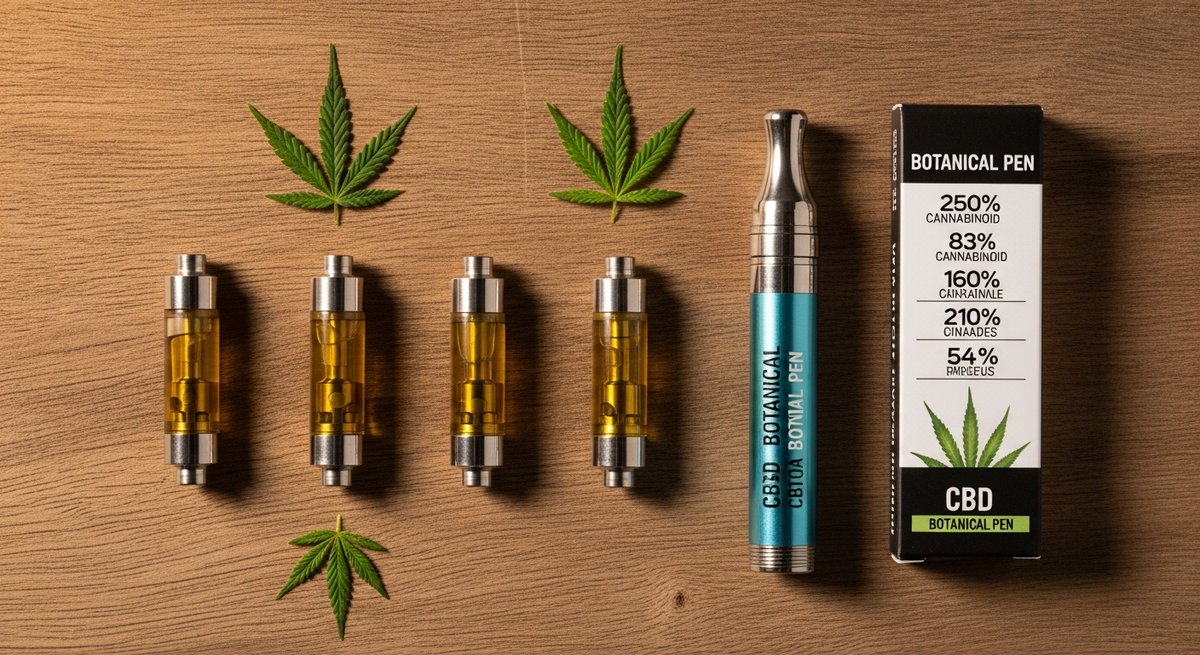
Not every vape is the same. CBD-dominant products attract people who want to take the social edge off without intoxication. The tradeoff is that pure CBD vapes can feel subtle – some people find them genuinely calming, others feel nothing meaningful at all. Dose and delivery device matter more than most product pages will tell you.
Delta 8 THC occupies a middle ground – psychoactive, but typically described as smoother and less racey than Delta 9. For someone whose social anxiety includes a specific fear of getting “too high” in public, Delta 8 has clear appeal. The ceiling tends to be lower, the onset is gentler, and many users report feeling talkative and present rather than retreating into their own heads.
THCA vapes convert to Delta 9 THC when heated, so the experience is closer to traditional cannabis – including the possibility of anxiety amplification at higher doses. Knowing which cannabinoid you’re actually working with before you’re already at the event is not optional information. It’s the whole ballgame.
Expert Insight
Dr. Alexander Tabibi
Dr. Alexander Tabibi
A double-blind randomized placebo-controlled trial examined CBD at 400 mg and 800 mg in adults with heroin use disorder. CBD significantly reduced cue-induced craving and anxiety compared to placebo, with effects measurable up to seven days after the last dose. Heart rate and salivary cortisol were also reduced, and no cognitive impairment was observed.
This was a specific clinical population at high doses – not a general anxiety study – so the findings cannot be extrapolated directly to someone vaping CBD before a dinner party. What it does suggest is that CBD has a measurable pharmacological effect on anxiety-related physiological markers, giving some mechanistic grounding to consumer-space claims. Dose and context remain the critical unknowns for everyday use.
Hurd et al. (2019). Cannabidiol for the Reduction of Cue-Induced Craving and Anxiety in Drug-Abstinent Individuals With Heroin Use Disorder: A Double-Blind Randomized Placebo-Controlled Trial. American Journal of Psychiatry, 176(11):911-922. PMID: 31109198
The Dose Problem Nobody Talks About Enough
THC is biphasic – low doses can reduce anxiety while higher doses can amplify it dramatically. This is not a quirk or a rare reaction; it’s a well-documented pharmacological pattern. And vapes, particularly disposables, make it easy to take more than you intended. A puff feels casual. A second feels reasonable. Then the event starts and you’ve overdone it, which is precisely the opposite of what you were going for.
Start with a single small inhalation, wait at least ten minutes, and assess honestly before taking more. The setting changes everything about how the same dose lands. If you want to understand how different devices affect your experience, the complete breakdown of disposable vapes covers airflow, battery behavior, and concentration differences that change how much you’re actually inhaling per draw.
What Products Are People Actually Using
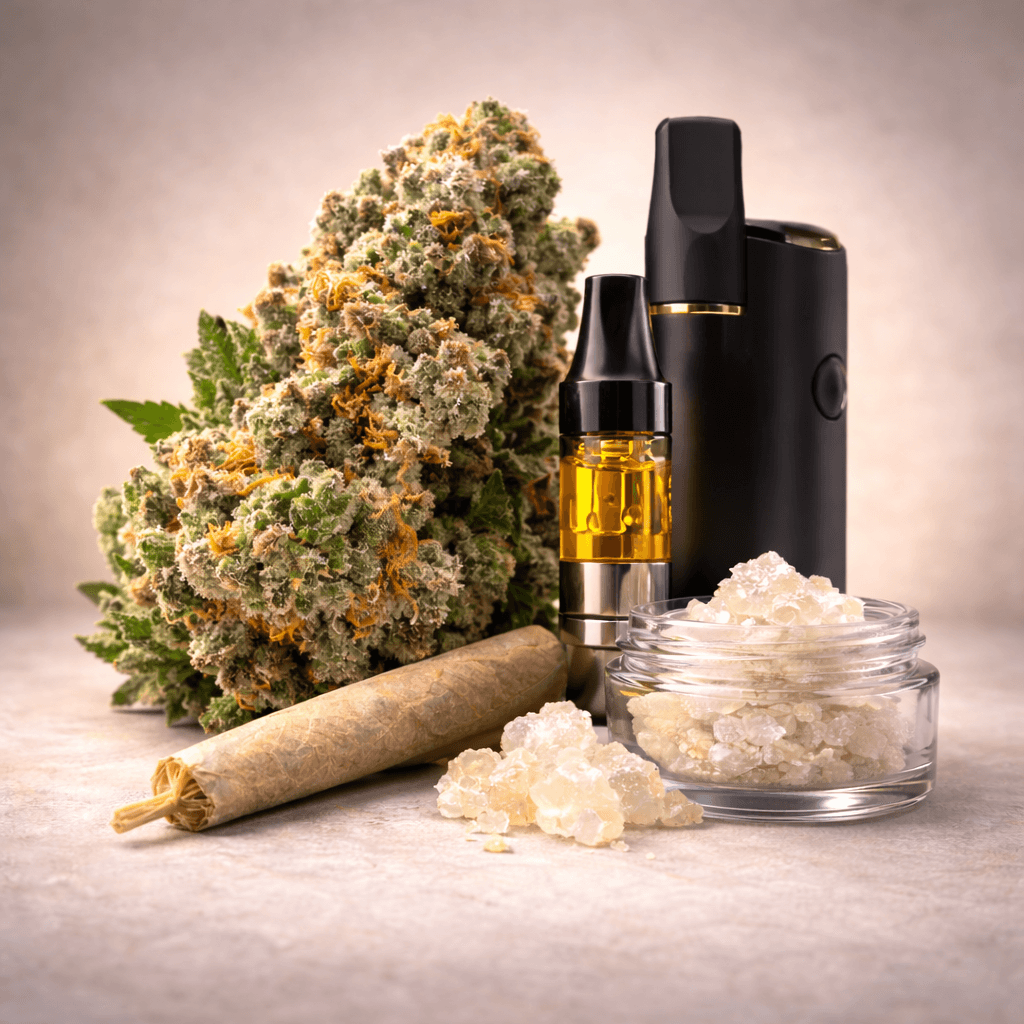
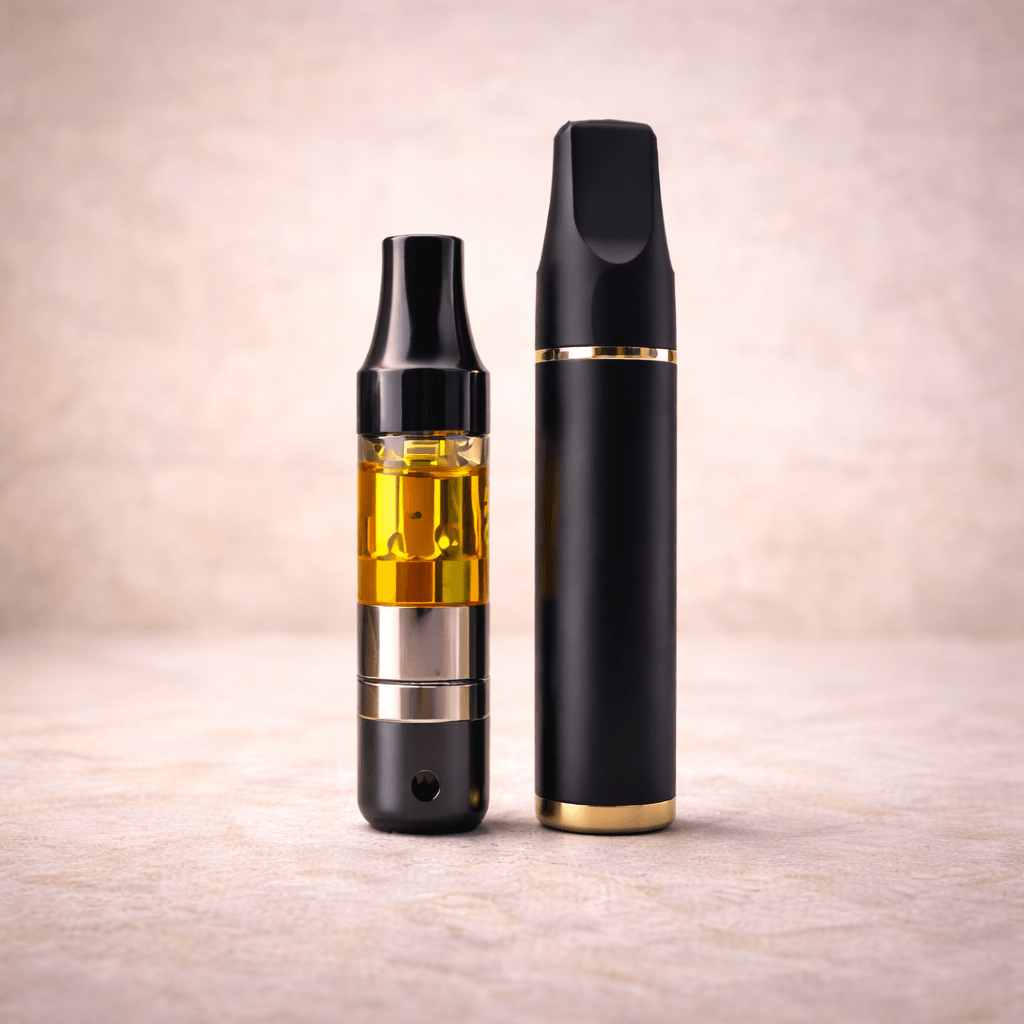
The most popular options tend to fall into a few categories: Delta 8 cartridges for a milder, more predictable lift; THCA disposables for a fuller, more traditional cannabis experience; and occasionally dual-chamber devices that let you switch between strains mid-session depending on how the night is going.
For someone newer to cannabis who wants something less intense than full-spectrum Delta 9, a Delta 8 cartridge with a sativa-leaning strain profile is often the sensible starting point. The Tangie strain – a citrus-forward sativa hybrid – tends to produce an uplifted, conversational feeling rather than a couch-locked one. The Binoid Delta 8 THC Vape Cartridge in Tangie is a well-regarded option in this category and a common first choice for people managing social situations.
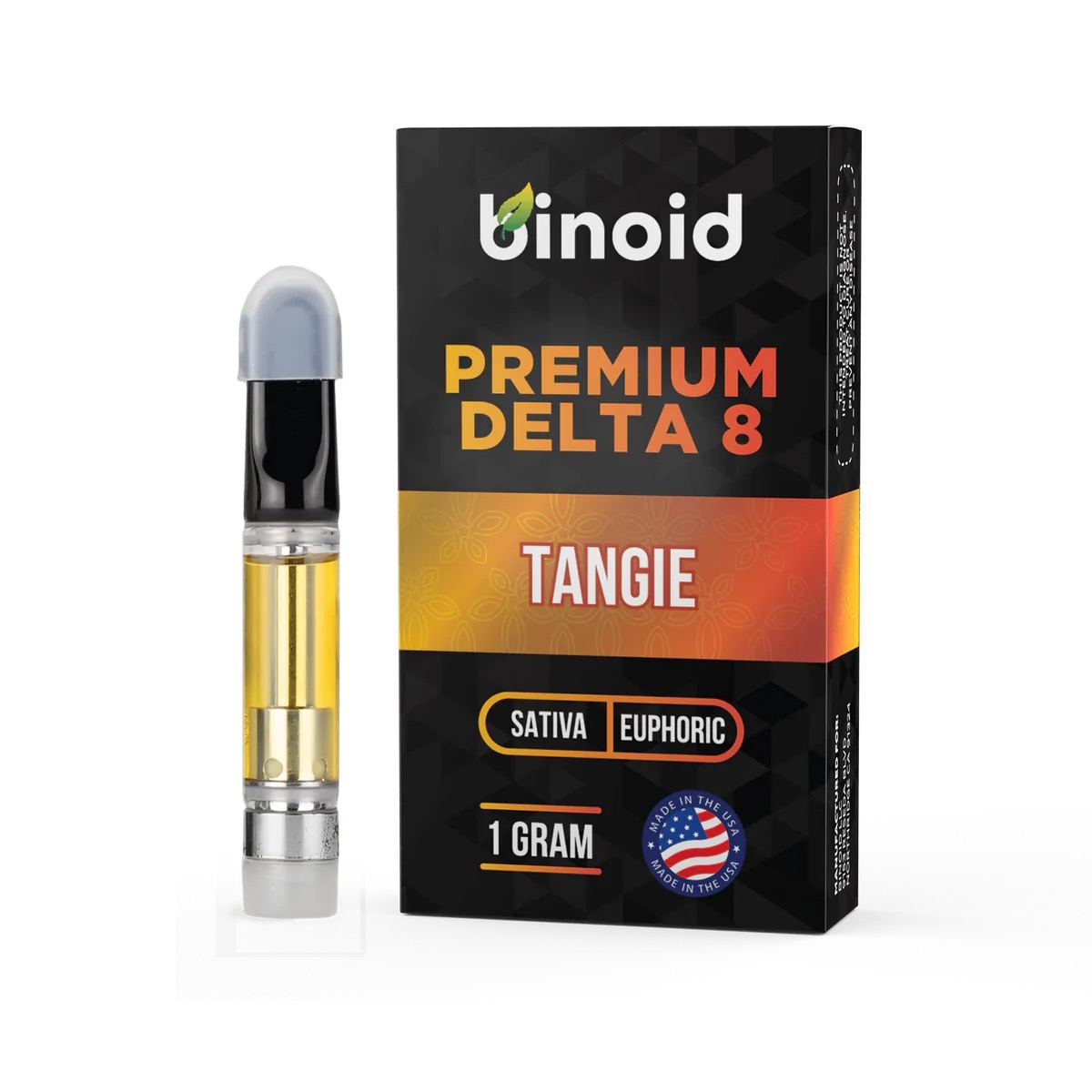
Binoid Delta 8 THC Vape Cartridge – Tangie
Delta 8 cartridge with sativa-leaning Tangie terpenes; milder uplift for social settings
For users who want a full-spectrum THCA experience in a portable disposable format, the step up from Delta 8 is meaningful. Because THCA converts to active Delta 9 THC when vaporized, the experience is noticeably more potent – worth knowing upfront, especially for newer users in a social context. The Binoid THCA Disposable in the Gourmet Desserts collection offers a 2g option with a dessert-forward terpene profile that leans toward the warmer, more relaxed end of the spectrum.
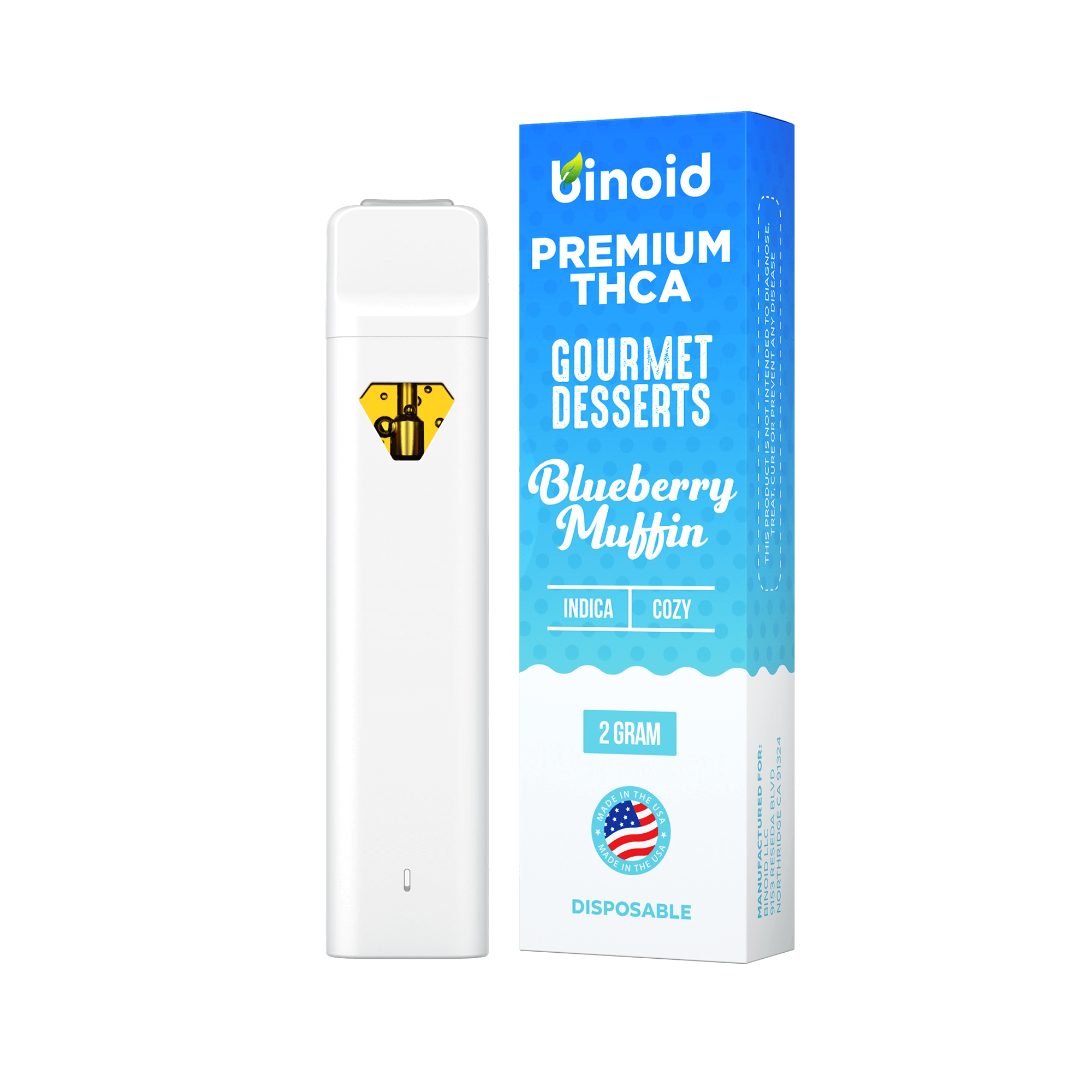
Binoid THCA Disposable – Gourmet Desserts – 2g
2g THCA disposable; converts to active Delta 9 on heat; full-spectrum potency
Strain and Terpene Selection Actually Matters
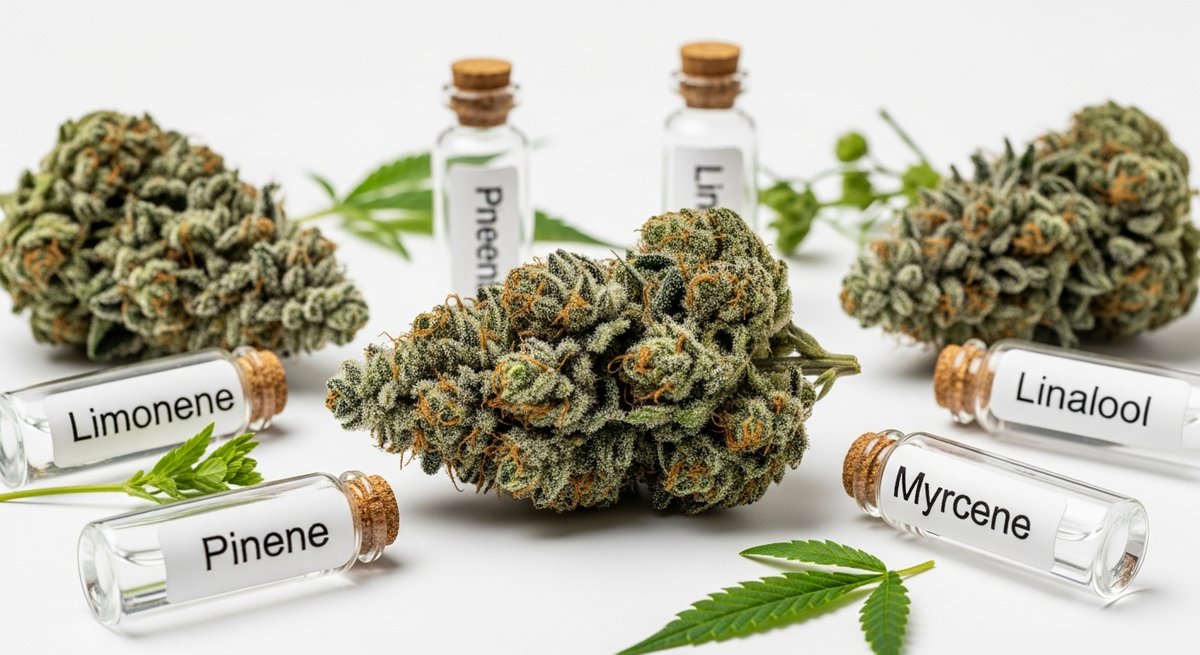
The terpene profile is often more predictive of your social experience than the cannabinoid percentage alone. Myrcene is the dominant terpene in most cannabis products and tends to pull you toward sedation – fine for winding down, less ideal when you’re trying to stay present in a conversation. Limonene and pinene are commonly associated with uplifted, alert, clear-headed effects. A product that lists its terpene breakdown is practically more useful for social use than one that only tells you the THC percentage.
Sativa-dominant or sativa-leaning hybrid strains are generally the better starting point for social situations. Indica-heavy products tend to slow you down and make you introspective, which can amplify the withdrawal that social anxiety already creates rather than counteracting it. For a deeper look at how device type affects the experience, the complete guide to weed pens and shopping smart is worth reading before you commit to a format. And if you’re curious about where vaping technology is heading, the future of personalized vaping through smart weed pens covers app-connected devices that let you dial in your dose more precisely.
What the Research Actually Supports
Clinical research on vaping specifically for social anxiety is thin. Most of what exists looks at cannabis broadly, or at CBD in controlled laboratory conditions, or at medical cannabis programs covering a wide range of conditions. What the research does tell us is that THC and CBD interact differently with anxiety pathways, that dose matters enormously, and that the same product can have opposite effects in the same person depending on set, setting, and consumption amount. That’s a reason to approach vaping with more precision than most product marketing encourages – not a reason to dismiss it outright.
Expert Insight
Dr. Alexander Tabibi
Dr. Alexander Tabibi
A guided systematic review published in Clinical Psychology Review examined 31 studies on medical cannabis and mental health outcomes. It found preliminary evidence supporting cannabis-type products for PTSD symptoms and, in some populations, as a short-term adjunct for anxiety management. At the same time, THC-dominant products at higher doses were consistently associated with increased anxiety risk across multiple studies in the review.
The broader conclusion was that the evidence base remains insufficient for firm clinical recommendations – largely due to study heterogeneity, self-selection bias, and the difficulty of controlling dosage in real-world cannabis use. That gap between lived consumer experience and controlled research is important context when weighing any specific product claim about anxiety relief.
Walsh et al. (2016). Medical cannabis and mental health: A guided systematic review. Clinical Psychology Review, 51:15-29. PMID: 27816801
Practical Considerations Before You Vape at a Social Event
Even if you find a product that works well in private, using it before or during a social event introduces new variables. Alcohol is often present, and combining THC with alcohol significantly increases intoxication in ways that are difficult to predict. Unfamiliar spaces, loud noise, and performance pressure can all interact with cannabis in ways that amplify rather than reduce anxiety. Testing any new product at home first – ideally more than once – before bringing it into a social situation is a sensible rule that not enough people follow.
It’s also worth having an honest conversation with yourself about whether you’re managing anxiety or avoiding the work of building social tolerance. Cannabis can lower the threshold for engagement, but if it becomes the only way you feel comfortable in social situations, the underlying anxiety rarely improves on its own. Using it as a periodic tool rather than a required condition is a reasonable distinction to hold onto. Finally, laws vary significantly by state and venue – checking local rules before the night starts keeps a manageable evening from becoming a stressful one for avoidable reasons.
Frequently asked questions
Does vaping help with social anxiety?
Some people find that low-dose cannabis vaping reduces physical tension and mental noise before social situations. The effect is highly dose-dependent – too much THC can amplify anxiety rather than reduce it. CBD-forward or Delta 8 products tend to be the more predictable starting point for this use case.
What is the best type of vape for social anxiety?
Sativa-leaning or hybrid products with limonene or pinene terpenes are generally better for social situations than indica-heavy options. Delta 8 cartridges and balanced CBD:THC formulations are popular choices. Lower potency, well-labeled products with clear terpene information give you the most control over the experience.
Is Delta 8 or CBD better for social anxiety?
CBD is non-intoxicating and generally lower risk for first-time users or those sensitive to psychoactive effects. Delta 8 produces a milder high than Delta 9 THC and is often described as more functional. Which works better depends on individual tolerance, the social context, and how you respond to each compound personally.
Can THC make social anxiety worse?
Yes, particularly at higher doses. THC follows a biphasic pattern: small amounts can reduce anxiety while larger amounts frequently increase it. This effect is more pronounced in unfamiliar settings, when combined with alcohol, or in people with a genetic predisposition to cannabis-induced anxiety.
What terpenes are best for social situations?
Limonene and alpha-pinene are commonly associated with uplifted, clear-headed, conversational states. Myrcene, while dominant in most cannabis products, tends toward sedation and is generally less ideal for active social engagement. Look for products that list their terpene profiles rather than just THC percentages.
Sources
Hurd et al. (2019). Cannabidiol for the Reduction of Cue-Induced Craving and Anxiety in Drug-Abstinent Individuals With Heroin Use Disorder: A Double-Blind Randomized Placebo-Controlled Trial. American Journal of Psychiatry, 176(11):911-922. PMID: 31109198
Walsh et al. (2016). Medical cannabis and mental health: A guided systematic review. Clinical Psychology Review, 51:15-29. PMID: 27816801
Disclaimer: This article is for informational purposes only and does not constitute medical advice. Terpene and cannabinoid research, particularly in human populations, remains in early stages. Individual responses to cannabis products vary significantly. Consult a qualified healthcare provider before using cannabis or hemp-derived products to manage anxiety or any other medical condition.
For adults 21+ only. Cannabis laws vary by state. This content is not a substitute for professional medical advice, diagnosis, or treatment. If you are experiencing a mental health emergency, call 911 or go to your nearest emergency room immediately.