🚛 Free Discreet Shipping on Orders $49+ | Lab-Tested Quality Guaranteed










What is CBD?
You’ve probably seen it on a coffee shop menu, tucked into a bottle of sparkling water, or pressed into a gummy bear sitting next to the register at a gas station. For a while there you couldn’t get away from it and veryone seems to have an opinion (often strong and misinformed) about it. Your coworker swears it changed his

Published on: April 10, 2026
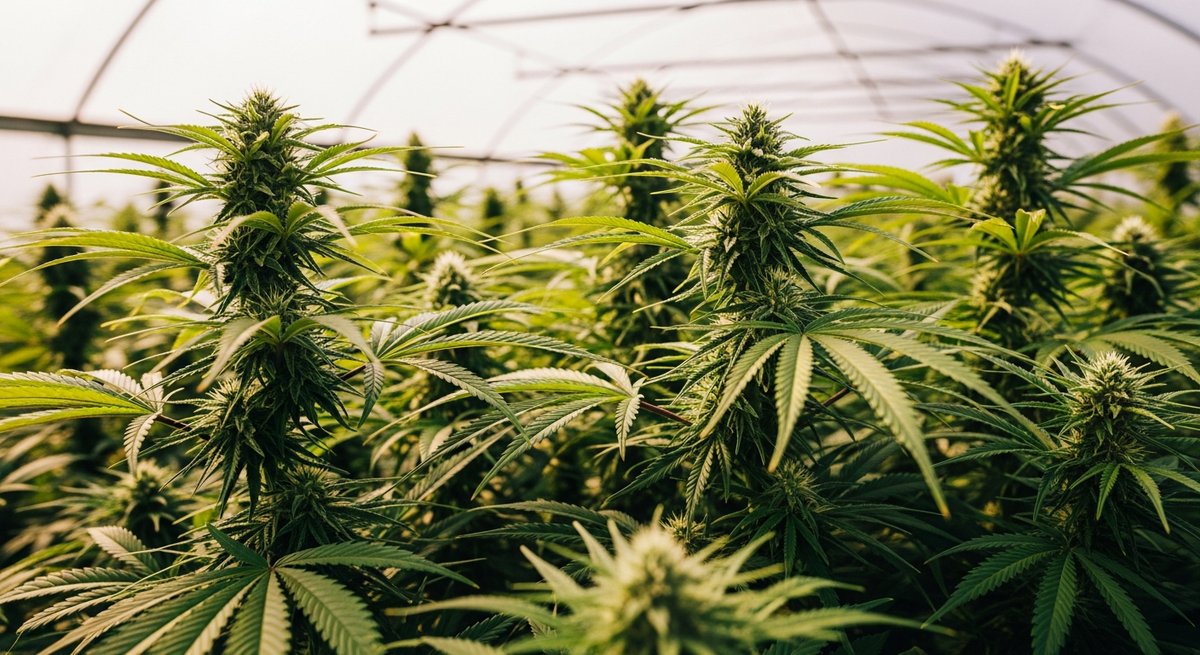
You’ve probably seen it on a coffee shop menu, tucked into a bottle of sparkling water, or pressed into a gummy bear sitting next to the register at a gas station. For a while there you couldn’t get away from it and veryone seems to have an opinion (often strong and misinformed) about it. Your coworker swears it changed his mornings. Your aunt says it did nothing (which is typical of her in any case). And somewhere in the middle of all that noise, you’re left wondering: what actually is this stuff, and does any of it hold up? Here’s the honest version.
The basics: a plant molecule that became a cultural phenomenon
Cannabidiol – more commonly written as CBD – is one of more than 100 naturally occurring compounds found in cannabis plants, including hemp. It belongs to a class of molecules called cannabinoids, which are structurally capable of interacting with the human body’s endocannabinoid system. That system is a surprisingly far-reaching signaling network involved in regulating mood, sleep, appetite, pain perception, and inflammation, among other things. (What’s insane is having gone to medical school and never have been taught about it – and honestly idk if they are teaching it even today).
What makes CBD distinct from its more famous sibling THC is simple: it does not produce intoxication. You won’t feel high from it (and maybe this is what. your aunt was expecting). CBD influences the endocannabinoid system in a very different way than THC does – it doesn’t bind tightly to the main cannabinoid receptors (CB1 and CB2) the same way THC does, which is why it doesn’t produce that euphoric or altered-state effect. What it does instead is more subtle, and more complicated to pin down.
If you want a broader look at where CBD fits among the full roster of plant compounds, the definitive guide to hemp cannabinoids covers the larger landscape in detail.
Where it comes from and how the 2018 Farm Bill changed everything
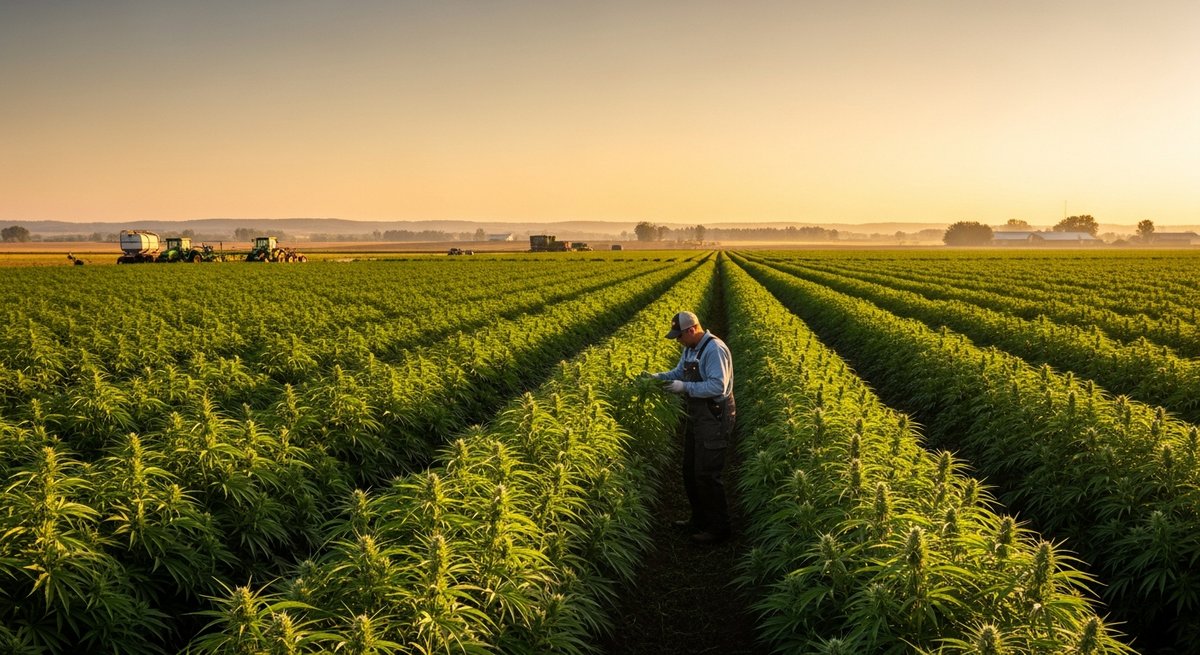
CBD is found in both marijuana and hemp – two varieties of Cannabis sativa that differ primarily in their THC content. Hemp, by legal definition in the United States, contains 0.3% or less THC by dry weight. The 2018 Farm Bill federally legalized hemp cultivation and removed hemp-derived compounds (including CBD) from the Schedule I controlled substances list. That single policy change opened the floodgates.
Almost overnight, hemp-derived CBD products went from a niche wellness curiosity to a mainstream retail category. Oils, capsules, gummies, topicals, beverages, and pet products flooded shelves. Not all of them were created equal, and not all of them were accurately labeled – but the interest was real, and the market responded accordingly.
It’s worth noting that even though hemp-derived CBD has federal status as a legal agricultural commodity, the FDA has not broadly approved it as a dietary supplement or food additive. The regulatory picture is still evolving. State laws add another layer: some states have more permissive frameworks, others maintain tighter controls. Always check what applies where you live.
How CBD actually works in the body
Here’s where it gets genuinely interesting. CBD doesn’t simply switch one receptor on or off. It works through several mechanisms simultaneously – modulating the endocannabinoid system indirectly, interacting with serotonin receptors (specifically 5-HT1A), activating TRPV1 receptors (which are involved in pain and inflammation signaling), and potentially influencing adenosine uptake. The picture researchers are assembling is one of a compound with broad, low-potency effects across multiple systems, rather than a single-target drug.
One of the more compelling effects is its interaction with the enzyme FAAH (fatty acid amide hydrolase), which breaks down the body’s own endocannabinoid anandamide. By inhibiting FAAH, CBD may allow anandamide to stay active in the system longer. Anandamide is sometimes nicknamed the “bliss molecule” – it plays a role in mood regulation and pain response. Whether that translates to noticeable effects for a given person depends on a lot of individual variables.
Expert Insight
Dr. Alexander Tabibi
Dr. Alexander Tabibi
A 2020 narrative review by Mlost, Bryk, and Starowicz surveyed preclinical and available human data on cannabidiol’s analgesic and anti-inflammatory properties. The authors identified TRPV1 modulation, FAAH inhibition, and indirect endocannabinoid tone enhancement as the primary proposed mechanisms – noting that CBD operates across multiple receptor systems rather than a single target pathway.
The review cautioned that most mechanistic clarity comes from animal models and in vitro work. Human clinical data remains limited in size and scope, making it premature to draw firm dosing or outcome conclusions from this evidence base alone. That gap between mechanism and measurable human benefit is where much of the honest scientific uncertainty lives.
Mlost J, Bryk M, Starowicz K. (2020). Cannabidiol for pain treatment: focus on pharmacology and mechanism of action. International Journal of Molecular Sciences, 21(22):8870. PMID: 33238607
The three types of CBD extract (and why it matters)
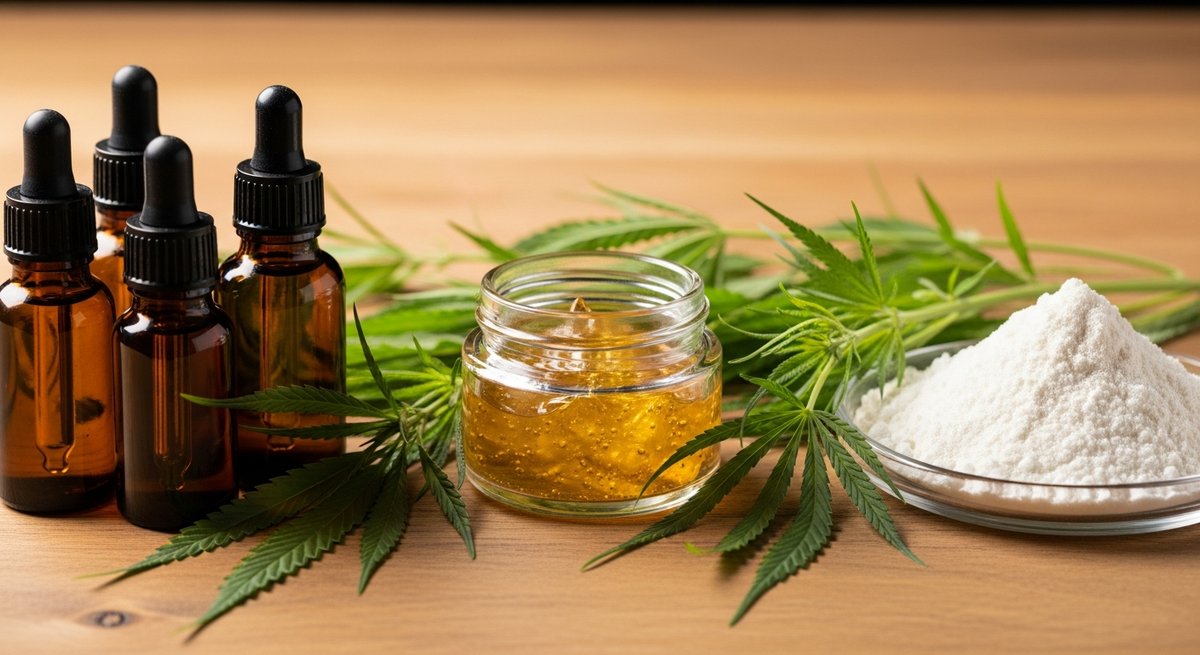
Not all CBD products are formulated the same way, and the type of extract used can meaningfully affect your experience. The three main categories are full-spectrum, broad-spectrum, and isolate.
Full-spectrum extract retains all the naturally occurring compounds from the hemp plant – CBD, minor cannabinoids like CBN, CBG, and CBC, terpenes, and trace amounts of THC (up to the 0.3% legal limit). The idea behind keeping the full profile intact is something researchers call the “entourage effect” – the theory that cannabinoids and terpenes work better together than any single compound in isolation. The evidence for this is preliminary but plausible.
Broad-spectrum extract removes THC while preserving most other compounds. It’s a middle-ground option for people who want to avoid THC entirely – whether for drug testing concerns, personal preference, or sensitivity – without going all the way to isolate.
CBD isolate is exactly what it sounds like: pure CBD, refined until everything else is removed. It’s flavorless, odorless, and predictable. It’s also the easiest to dose precisely. The tradeoff is that you lose the entourage compounds. Some products blend isolate back into a carrier oil or food format, which is how many gummies are made.
Speaking of drug tests – full-spectrum products carry a real (if small) risk of showing up positive, since they contain measurable THC. If your employer tests, this matters. For a deeper look at how cannabinoids interact with drug testing panels, the ultimate guide to drug testing and cannabinoids is worth reading before you commit to a product type.
cbdMD Delta 9 THC Max Dose Nano Gummies
Experience a stronger and faster-acting edible with cbdMD Delta-9 THC Max Dose Nano Gummies.
Common formats and what to expect from each
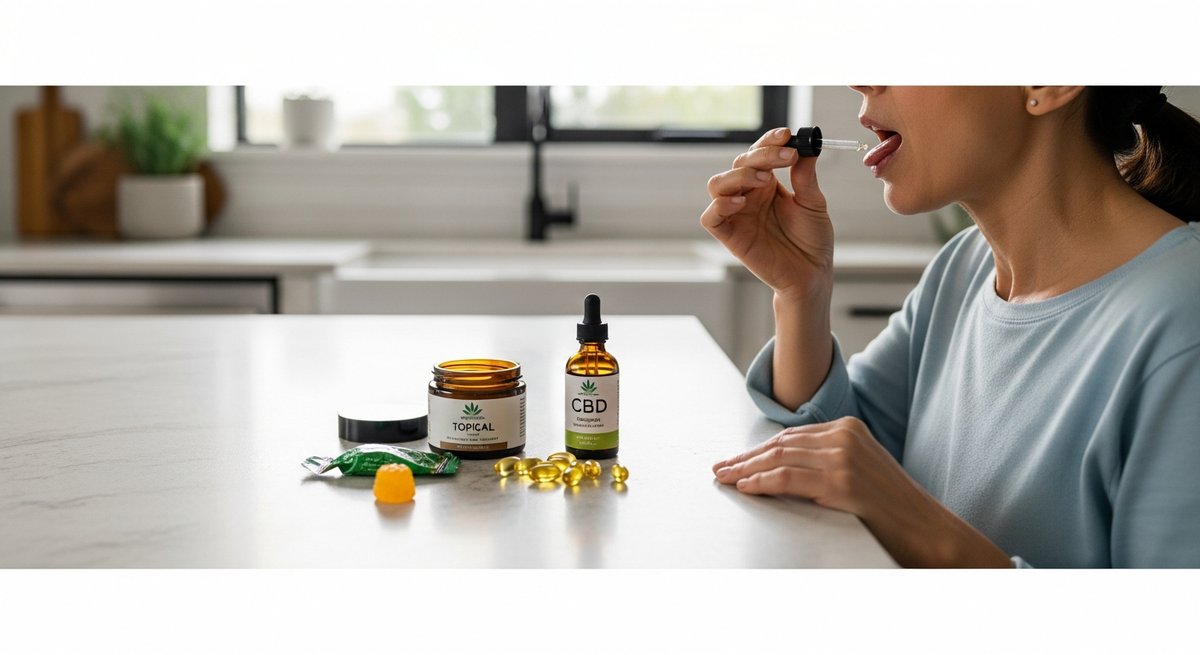
How you take CBD has a big impact on how quickly you feel anything and how long it lasts. This is called bioavailability – the proportion of a compound that actually reaches your bloodstream.
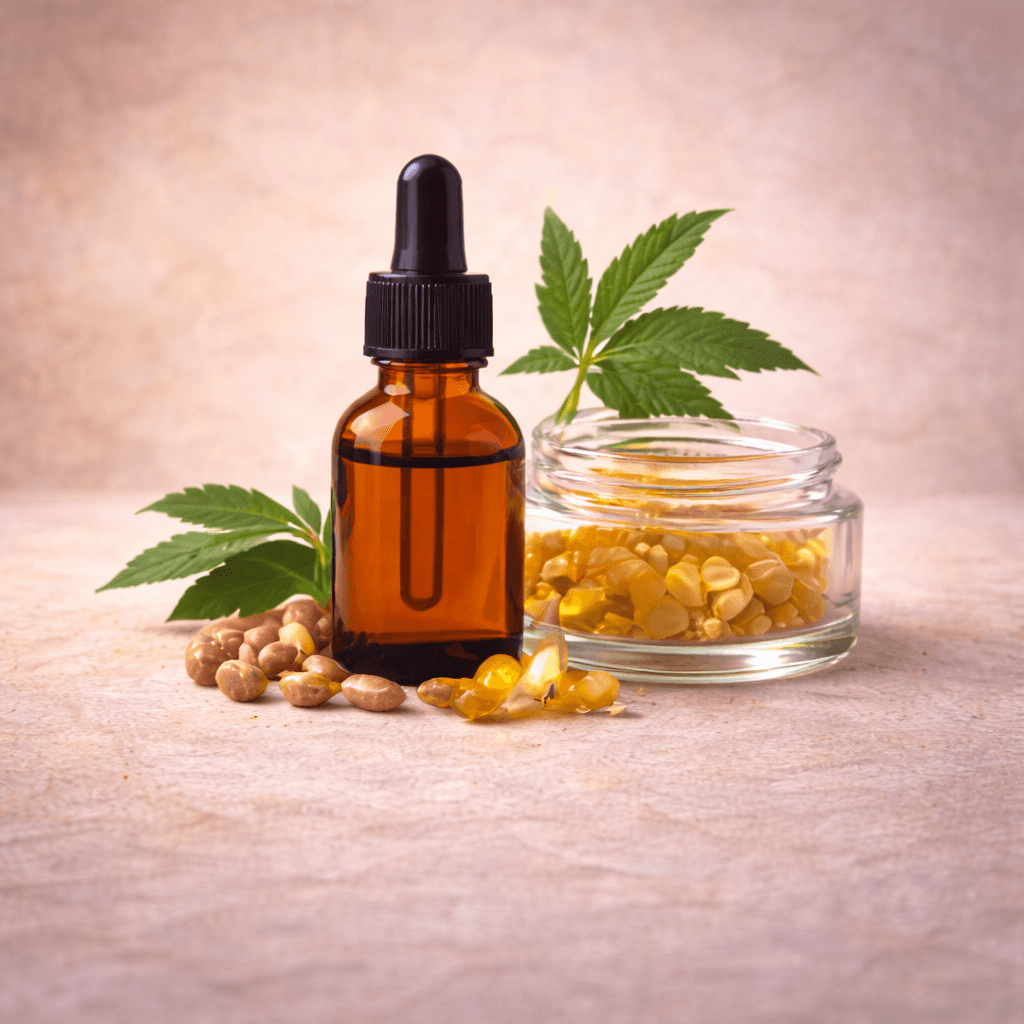
Sublingual oils (tinctures held under the tongue) bypass first-pass metabolism in the liver, meaning more CBD gets absorbed and effects can begin within 15 to 45 minutes. It’s one of the more efficient delivery methods available in the non-inhalation category.
Edibles and gummies are convenient and familiar, but they go through the digestive system first. Onset is slower – typically 45 minutes to two hours – and the effect is often described as gentler and longer-lasting. Many people find this format easier to work into a routine.
Capsules are essentially the same as edibles from a pharmacokinetic standpoint – consistent dosing, slow onset. They’re a good fit for people who want to treat CBD like any other supplement in their stack.
Topicals work locally rather than systemically. Creams, balms, and roll-ons are applied directly to skin and don’t meaningfully enter the bloodstream. They’re used primarily for localized discomfort – sore muscles, joint areas – rather than for systemic effects.
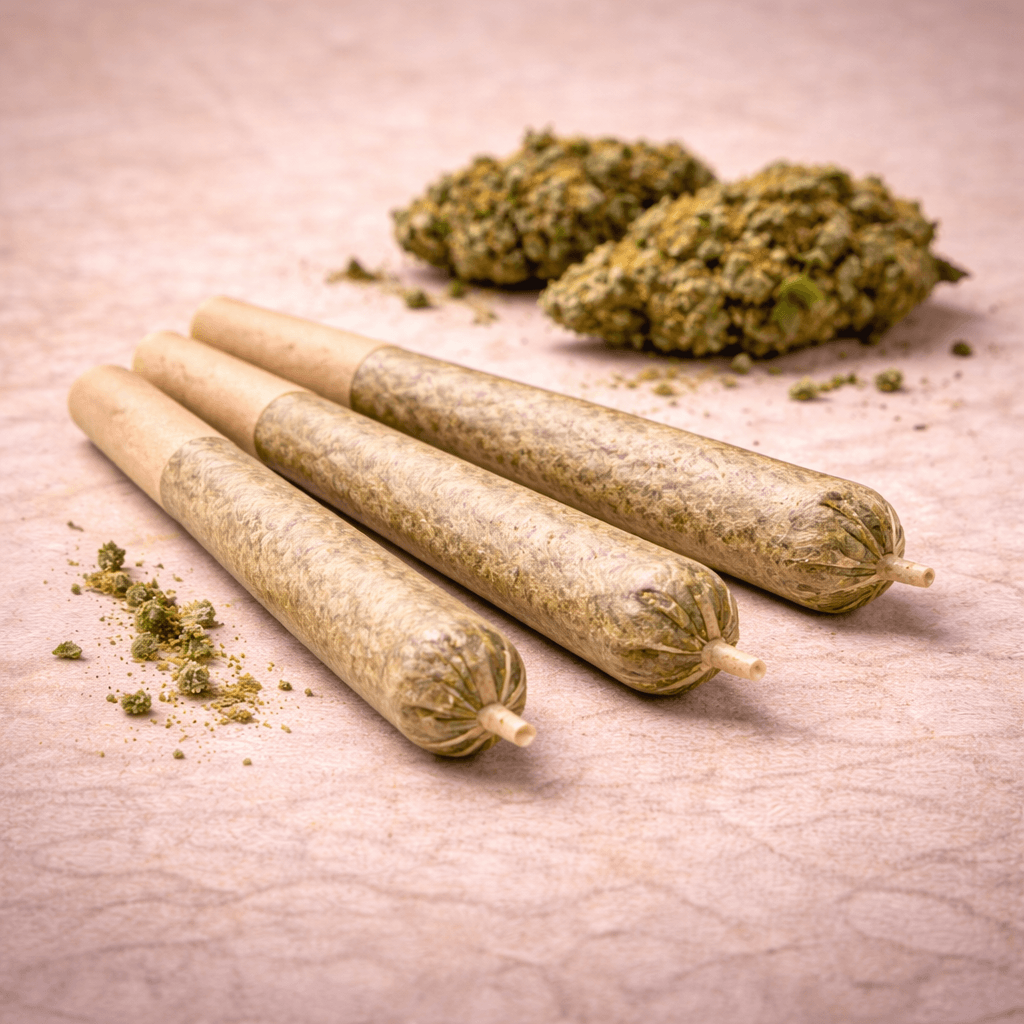
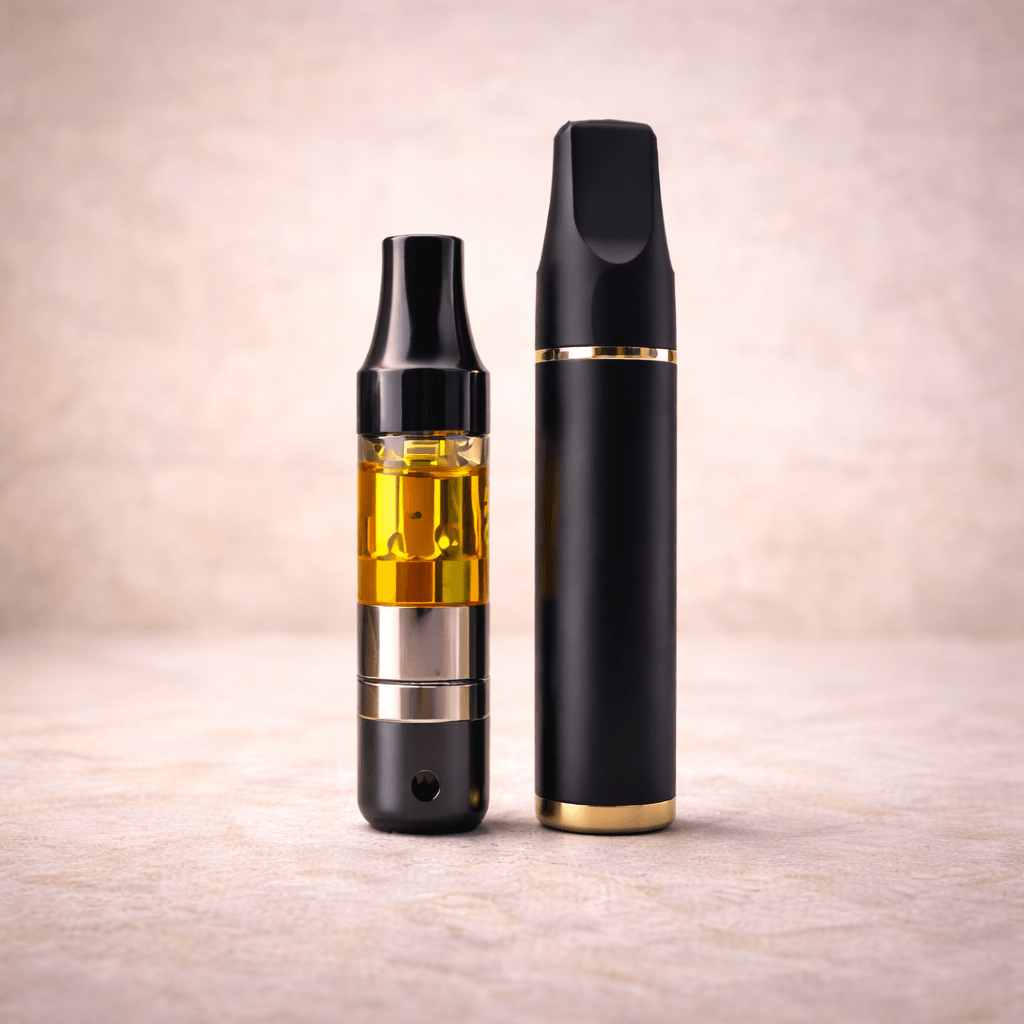
Inhalation (vaping or smoking hemp flower) produces the fastest onset – minutes – but also the shortest duration. It’s the highest-bioavailability route, though it carries the respiratory considerations that come with any inhaled product.
What does the science actually say?
Let’s be honest about where the evidence stands. There is one area where the clinical case for CBD is rock-solid: epilepsy. Epidiolex, a purified CBD oral solution, was FDA-approved in 2018 for two rare, severe seizure disorders – Dravet syndrome and Lennox-Gastaut syndrome. That approval was based on multiple randomized controlled trials showing significant seizure reduction. It is the clearest proof-of-concept that CBD can produce measurable therapeutic effects in humans.
For anxiety, sleep, pain, and inflammation – the four areas most people buying CBD products actually care about – the evidence is more mixed and less conclusive. There are promising signals, particularly in anxiety research, and a growing number of small clinical trials. But the study sizes tend to be small, methodologies vary widely, and placebo effects in wellness categories are notoriously powerful. That doesn’t mean CBD doesn’t work for these purposes – it means we don’t yet have the kind of rigorous, large-scale evidence that allows confident, specific recommendations.
Expert Insight
Dr. Alexander Tabibi
Dr. Alexander Tabibi
A 2019 retrospective case series by Shannon, Lewis, Lee, and Hughes examined CBD use in psychiatric outpatients primarily presenting with anxiety and sleep complaints. In the first month, anxiety scores improved in 79.2% of patients (57 of 72), and sleep scores improved in 66.7% of patients (48 of 72) in the same period. The authors described these findings as clinically meaningful but emphasized the retrospective, non-randomized design as a significant limitation.
Because this was a case series rather than a controlled trial, causality cannot be established – the improvements may reflect placebo response, concurrent treatments, or natural symptom fluctuation. The authors called explicitly for prospective, randomized trials to properly characterize CBD’s role in anxiety and sleep management. Those trials remain limited in number and scope as of the current literature.
Shannon S, Lewis N, Lee H, Hughes S. (2019). Cannabidiol in anxiety and sleep: a large case series. The Permanente Journal, 23:18-041. PMID: 30624194
CBD and sleep: a specific use case worth understanding
Many people turn to CBD specifically hoping it will help them fall asleep or stay asleep. The relationship between CBD and sleep is real but indirect – current evidence suggests CBD’s sleep benefits may be driven primarily by its anxiety-reducing effects rather than direct sedation. In other words, if racing thoughts are keeping you awake, CBD may help by quieting that underlying activation. If your sleep issue has a different root cause, results are likely to be less predictable.
Side effects and safety considerations
CBD is generally well-tolerated, but it is not without side effects. The most commonly reported include fatigue, diarrhea, and changes in appetite or weight. At higher doses, some people experience drowsiness. CBD also inhibits certain cytochrome P450 liver enzymes that are responsible for metabolizing many pharmaceuticals – this means it can interact with a range of medications, including blood thinners like warfarin. If you take any prescription drugs, talking to a physician before adding CBD is not just a formality; it is genuinely important.
How to evaluate a CBD product before you buy
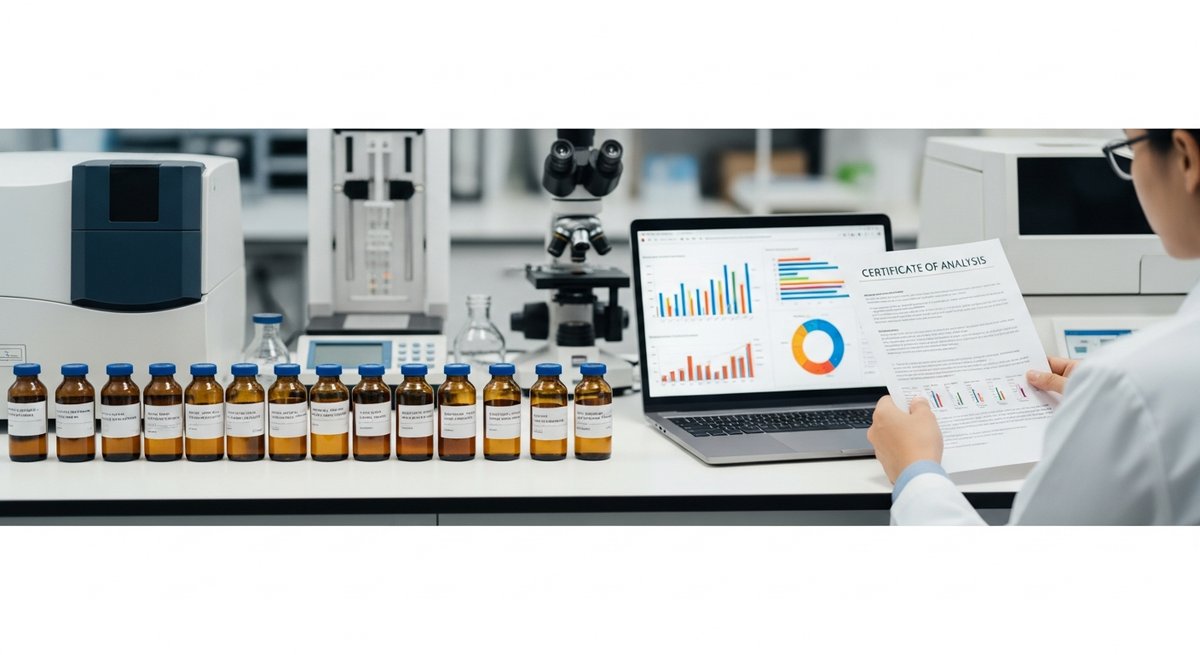
Third-party lab testing is the single most important thing to look for. A reputable product will have a Certificate of Analysis (COA) from an independent laboratory that confirms the CBD content matches what is on the label, verifies the THC level, and screens for contaminants including pesticides, heavy metals, and residual solvents. If a brand does not make its COAs easily accessible, that is a meaningful red flag. Look for tests conducted by ISO 17025-accredited labs, and check that the batch number on the COA matches the product you are holding.
Important Notice
This article is for informational purposes only and does not constitute medical advice. CBD products are not FDA-approved to diagnose, treat, cure, or prevent any disease or medical condition, except where specifically indicated (Epidiolex for certain seizure disorders). Consult a qualified healthcare provider before using CBD, especially if you take prescription medications, are pregnant or nursing, or have an underlying health condition. Individual results vary and are not guaranteed.
Frequently asked questions
Will CBD get me high?
No. CBD does not produce intoxication. It does not bind to CB1 receptors in the brain the way THC does, which is the mechanism responsible for the high. Even at high doses, CBD is not associated with euphoria, perceptual changes, or impaired cognition in the way THC is.
Is CBD legal everywhere in the United States?
Hemp-derived CBD with less than 0.3% THC is federally legal following the 2018 Farm Bill, but state laws vary. Some states have imposed restrictions on certain product types or sales channels. Always verify the specific rules in your state before purchasing or traveling with CBD products.
Can CBD show up on a drug test?
Standard drug tests screen for THC metabolites, not CBD. However, full-spectrum products contain trace THC that can accumulate with regular use and potentially trigger a positive result. Broad-spectrum and isolate products carry a lower risk, though cross-contamination in manufacturing is not impossible. If testing is a concern, choose products with verified third-party COAs confirming non-detectable THC levels.
How much CBD should I take?
There is no universal dose because CBD response varies by body weight, metabolism, the condition being addressed, and the product format. A common starting point is 10 to 25 mg per day, increasing gradually while monitoring response. Consulting a healthcare provider familiar with cannabinoid medicine is the most reliable way to find an appropriate starting dose for your situation.
Does CBD interact with medications?
Yes, it can. CBD inhibits cytochrome P450 liver enzymes that metabolize many common drugs, including blood thinners, certain antidepressants, and seizure medications. This can raise or lower the effective concentration of those drugs in your system. Anyone taking prescription medications should speak with a physician before using CBD regularly.
What is the difference between CBD from hemp and CBD from marijuana?
Molecularly, CBD is identical regardless of whether it comes from hemp or marijuana. The practical difference is legal: hemp-derived CBD is federally legal in the U.S., while marijuana-derived CBD remains a controlled substance at the federal level and is only legal in states with medical or adult-use cannabis programs.
What should I look for on a CBD product label?
Look for total CBD content per serving and per container, the type of extract (full-spectrum, broad-spectrum, or isolate), a scannable or linked Certificate of Analysis from a third-party ISO-accredited lab, the batch or lot number, and clear ingredient disclosure. Avoid products making unsubstantiated disease treatment claims, as that is an FDA compliance red flag.
Sources
- Mlost J, Bryk M, Starowicz K. (2020). Cannabidiol for pain treatment: focus on pharmacology and mechanism of action. International Journal of Molecular Sciences, 21(22):8870. PMID: 33238607
- Shannon S, Lewis N, Lee H, Hughes S. (2019). Cannabidiol in anxiety and sleep: a large case series. The Permanente Journal, 23:18-041. PMID: 30624194
- Devinsky O, Cross JH, Laux L, et al. (2017). Trial of cannabidiol for drug-resistant seizures in the Dravet syndrome. New England Journal of Medicine, 376(21):2011-2020. PMID: 28538134
- Mechoulam R, Parker LA. (2013). The endocannabinoid system and the brain. Annual Review of Psychology, 64:21-47. PMID: 22804774
- Iffland K, Grotenhermen F. (2017). An update on safety and side effects of cannabidiol: a review of clinical data and relevant animal studies. Cannabis and Cannabinoid Research, 2(1):139-154. PMID: 28861514
For adults 21+ only. Cannabis laws vary by state. This content is for informational purposes only and does not constitute medical or legal advice. If you are experiencing a medical emergency, call 911 or go to your nearest emergency room immediately.