🚛 Free Discreet Shipping on Orders $49+ | Lab-Tested Quality Guaranteed









What is CBG?
You have probably heard of THC and CBD. Maybe you have even heard of CBN, or CBC, or one of the other alphabet-soup compounds that keep popping up in cannabis conversations. But CBG tends to get skipped over, which is a shame, because it is arguably the most important one of all. Not because it gets you high (it does

Published on: April 11, 2026
You have probably heard of THC and CBD. Maybe you have even heard of CBN, or CBC, or one of the other alphabet-soup compounds that keep popping up in cannabis conversations. But CBG tends to get skipped over, which is a shame, because it is arguably the most important one of all. Not because it gets you high (it does not), and not because it is some miracle cure (nothing is). It is important because of what it does before any of the others even exist.
The cannabinoid that makes all the others possible
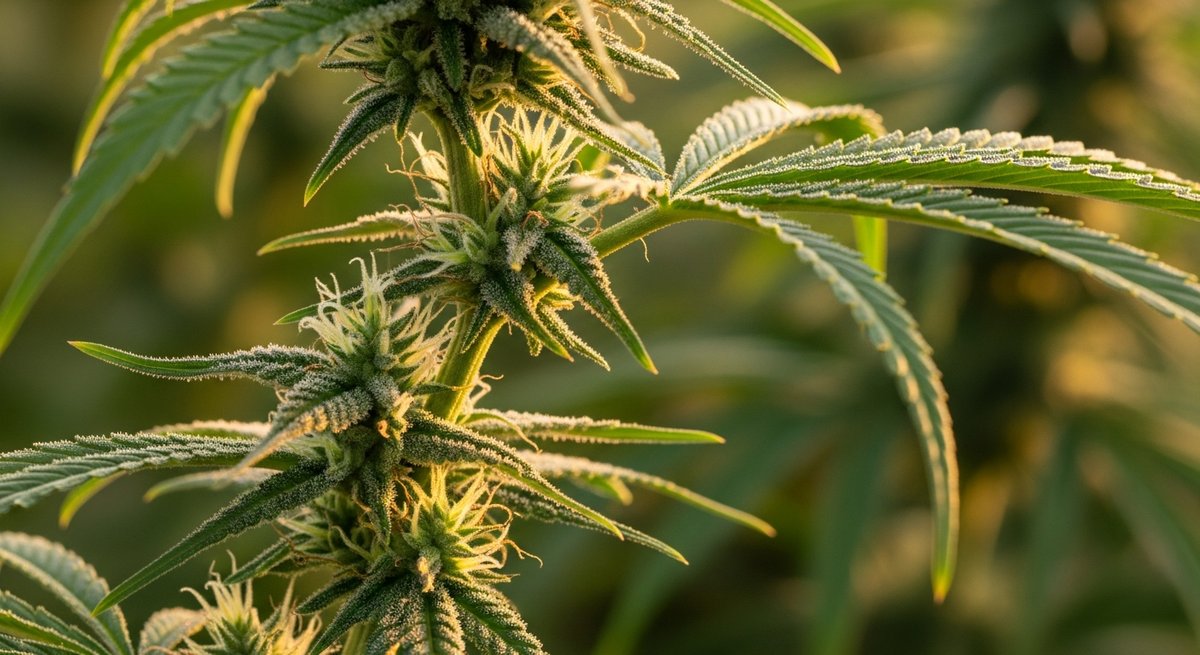
CBG stands for cannabigerol. It is a non-intoxicating cannabinoid found in cannabis and hemp plants, and while it is rarely the most abundant compound in a finished flower, it is chemically one of the earliest to form. In the plant’s development, CBGA (cannabigerolic acid – the acidic precursor to CBG) acts as a kind of biological starting point. Enzymes convert it into THCA, CBDA, and CBCA, which eventually become THC, CBD, and CBC with heat or light. This is why CBG is often called the “mother cannabinoid” or the “stem cell” of the cannabis plant. Every major cannabinoid you know essentially begins as CBG.
Because so much CBGA converts into other compounds during growth, mature cannabis plants typically contain less than one percent CBG by dry weight. That scarcity is part of why CBG products have historically been more expensive to produce. Breeders and cultivators have spent years developing CBG-dominant strains, harvesting plants early when CBGA concentrations are highest before full conversion happens. The result is a slowly expanding category of CBG-specific products – flower, oils, capsules, and increasingly, gummies and vapes.
How CBG works in the body
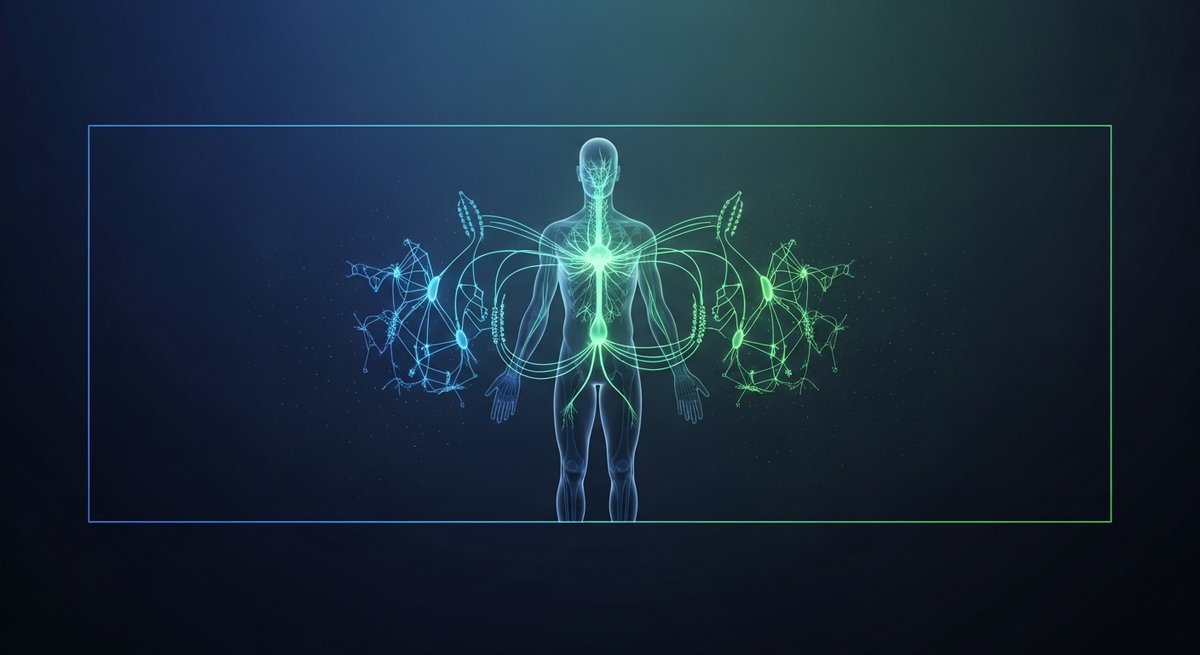
Here is where it gets interesting. Unlike THC, CBG does not bind strongly to CB1 receptors – the receptors in your brain largely responsible for the psychoactive experience. That is why it does not produce a high. But CBG does interact with the endocannabinoid system in other meaningful ways. It acts as a partial agonist at both CB1 and CB2 receptors, meaning it engages both without fully activating either. It also shows activity at alpha-2 adrenergic receptors and serotonin 5-HT1A receptors in preclinical research, which has researchers curious about a range of potential effects.
There is also early evidence suggesting CBG may inhibit the reuptake of GABA, a neurotransmitter associated with relaxation and calm. This is not the same as saying CBG is a sedative or an anxiety treatment – it is not. But the receptor profile is genuinely unusual for a cannabinoid, and that is why the scientific interest keeps building. The research is still predominantly preclinical, meaning most studies are in cells or animals rather than large human trials. That caveat matters.
Expert Insight
Dr. Alexander Tabibi
Dr. Alexander Tabibi
A Complementary and Alternative Medicine mapped CBG’s receptor receptor interactions across published preclinical literature, noting its partial agonism at CB1 and CB2 receptors, its activity at alpha-2 adrenoceptors, and its apparent GABA reuptake inhibition in animal models. The authors summarized several studies suggesting anti-inflammatory and neuroprotective signals in cell and rodent models, while being careful to note that no mechanism had been confirmed through controlled human trials at the time of publication.
The review is a useful map of what is known, but it is still a synthesis of preclinical work – not a clinical trial. That distinction matters a great deal when translating findings to human use. A compound that reduces inflammation in a mouse colon model is not the same as a proven treatment for a human condition, and the review itself makes that limitation explicit. The honest read is: the biology is plausible and the early signals are interesting, but rigorous human trials are still in early stages.
Calapai F, Cardia L, Esposito E, et al. Pharmacological Aspects and Biological Effects of Cannabigerol and Its Synthetic Derivatives. Evid Based Complement Alternat Med. 2022;2022:3336516. PMID: 36397993
What people actually report when using CBG

Anecdotally, people who use CBG-dominant products often describe something that feels like a mild mental clarity – focused without being wired, calm without being foggy. Some compare it to that particular gear you sometimes find yourself in when you have had a good night’s sleep and two cups of coffee hit just right. It does not impair, it does not intoxicate, and most users report feeling present rather than distant.
Let’s be honest: consumer self-reporting is not clinical evidence. People bring expectations to every product they try, and placebo effects are real and powerful. What anecdotal data does tell us is that CBG does not appear to cause the anxiety or paranoia that some people experience with THC, and the absence of intoxication is consistent and well-documented. That makes it a genuinely different tool in the cannabinoid toolkit – useful for people who want to engage with cannabis-adjacent wellness without the high.
There is also growing interest in how CBG interacts with other cannabinoids. Some researchers and formulators believe it may enhance or modulate the effects of CBD – a kind of entourage effect specific to non-intoxicating compounds. CBG-rich strains harvested early, like certain hemp cultivars bred specifically for high CBG output, are the clearest way to encounter this in a flower product. One example worth knowing is the Jack Frost CBG strain, a CBG-dominant cultivar designed to express high cannabigerol content at the expense of THC, giving you a sense of what the compound actually feels like front and center.
CBG versus CBD: they are not the same thing
A lot of people assume CBG is just another name for CBD, or a kind of CBD variant. It is not. They are structurally distinct molecules with different receptor profiles and different roles in the plant. CBD is abundant and well-researched; CBG is scarce and still accumulating clinical data. CBD has an FDA-approved drug (Epidiolex) derived from it, while CBG does not have anything comparable yet.
The practical difference you might notice: CBD is often described as broadly calming, and many users report it helps blunt anxiety or improve sleep. CBG’s reported effects lean more toward alertness and focus, which is why you tend to see CBG products marketed more as daytime options while CBD is more commonly associated with wind-down routines. Neither characterization is universal, and individual response varies, but the general pattern shows up consistently enough to be worth noting.
One thing they share: both exist on the hemp-derived side of a legal landscape that is genuinely complicated. The 2018 Farm Bill federally legalized hemp-derived cannabinoids including CBG, but state regulations vary significantly. Products sold as CBG in one state may be subject to different rules in another, so it is worth doing a quick check on your local laws before purchasing.
How to find and use CBG products
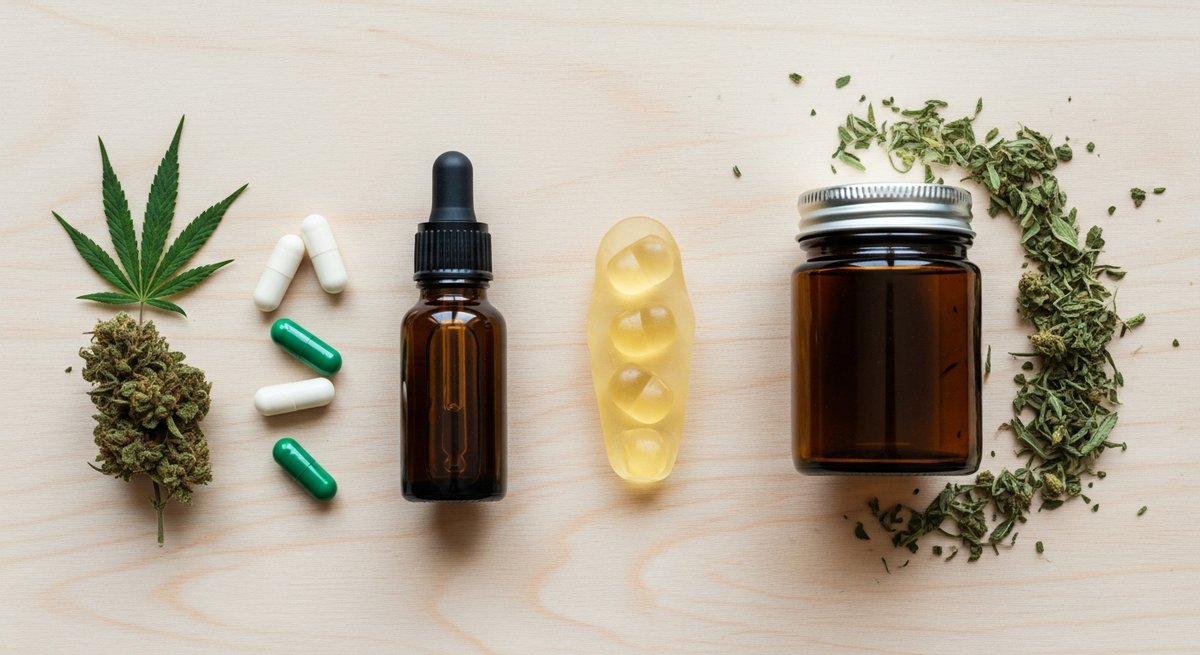
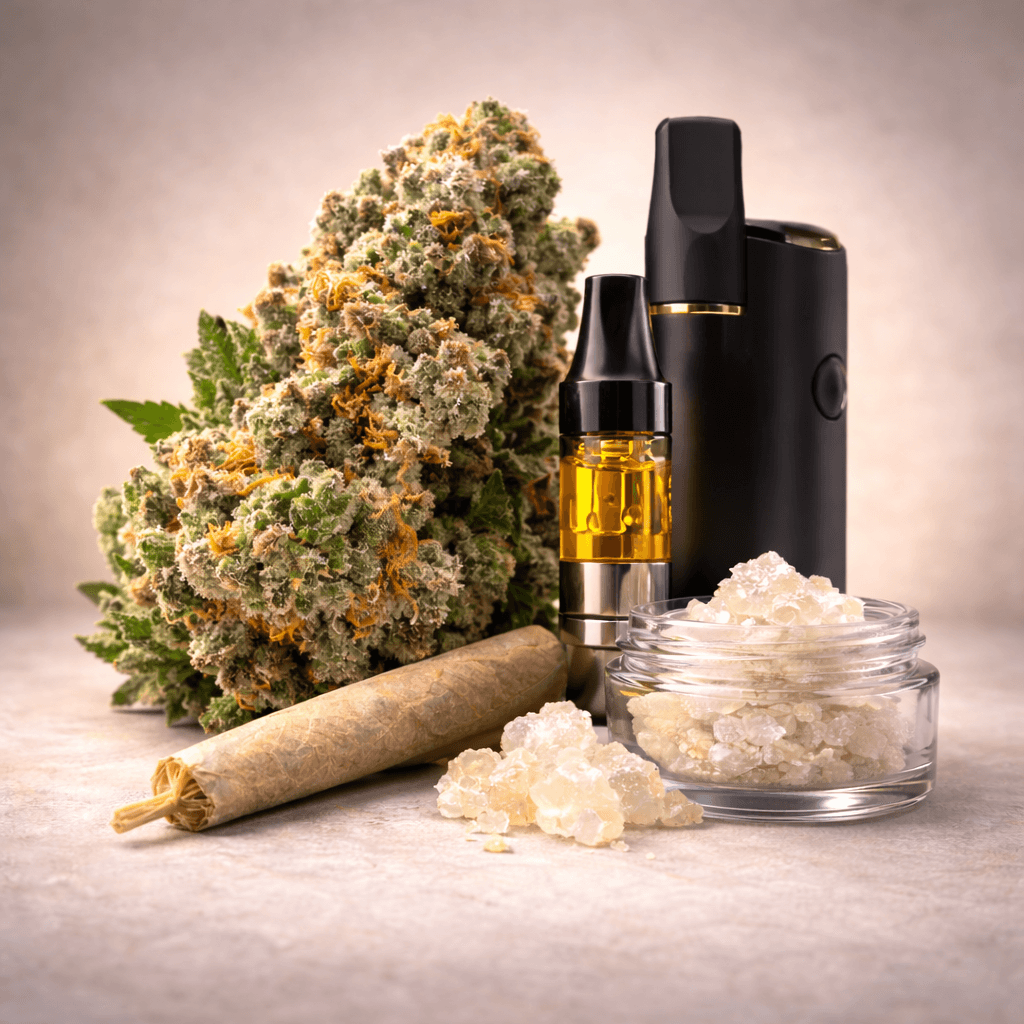
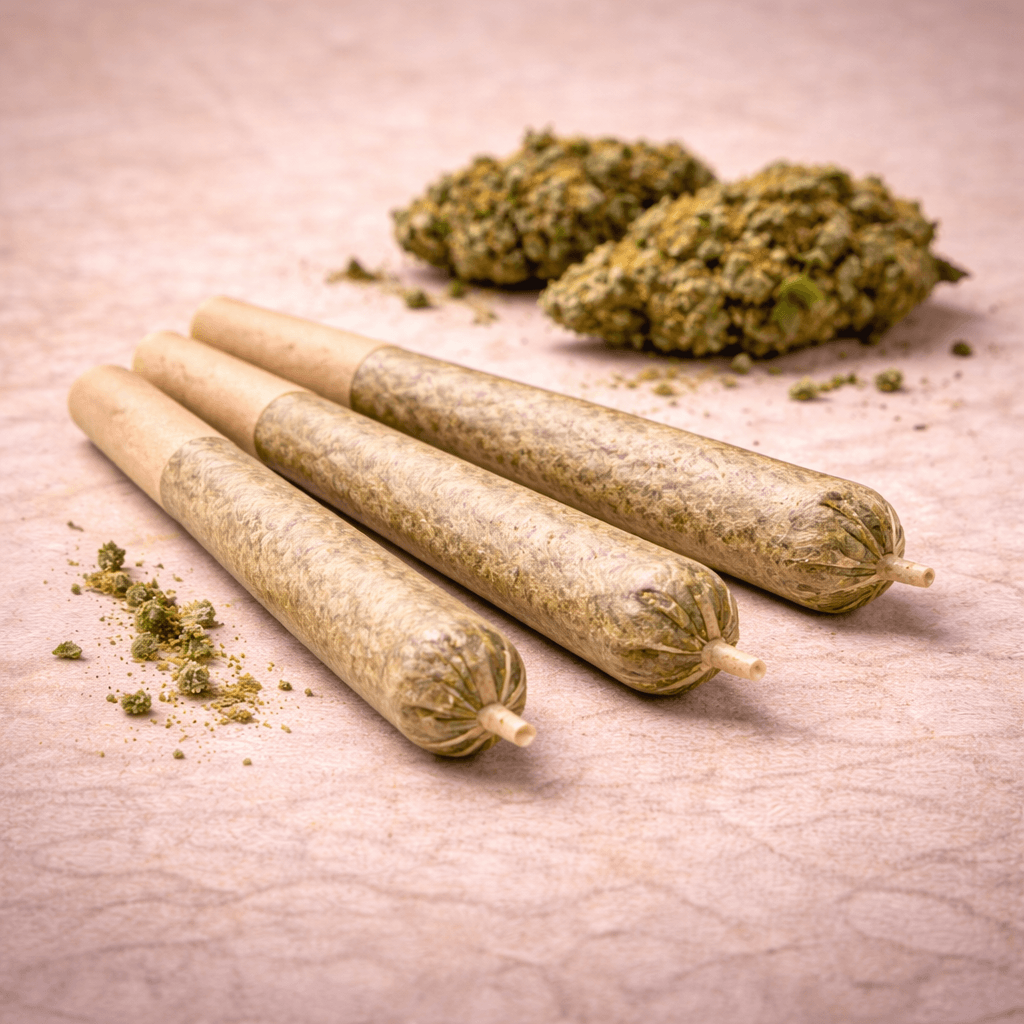
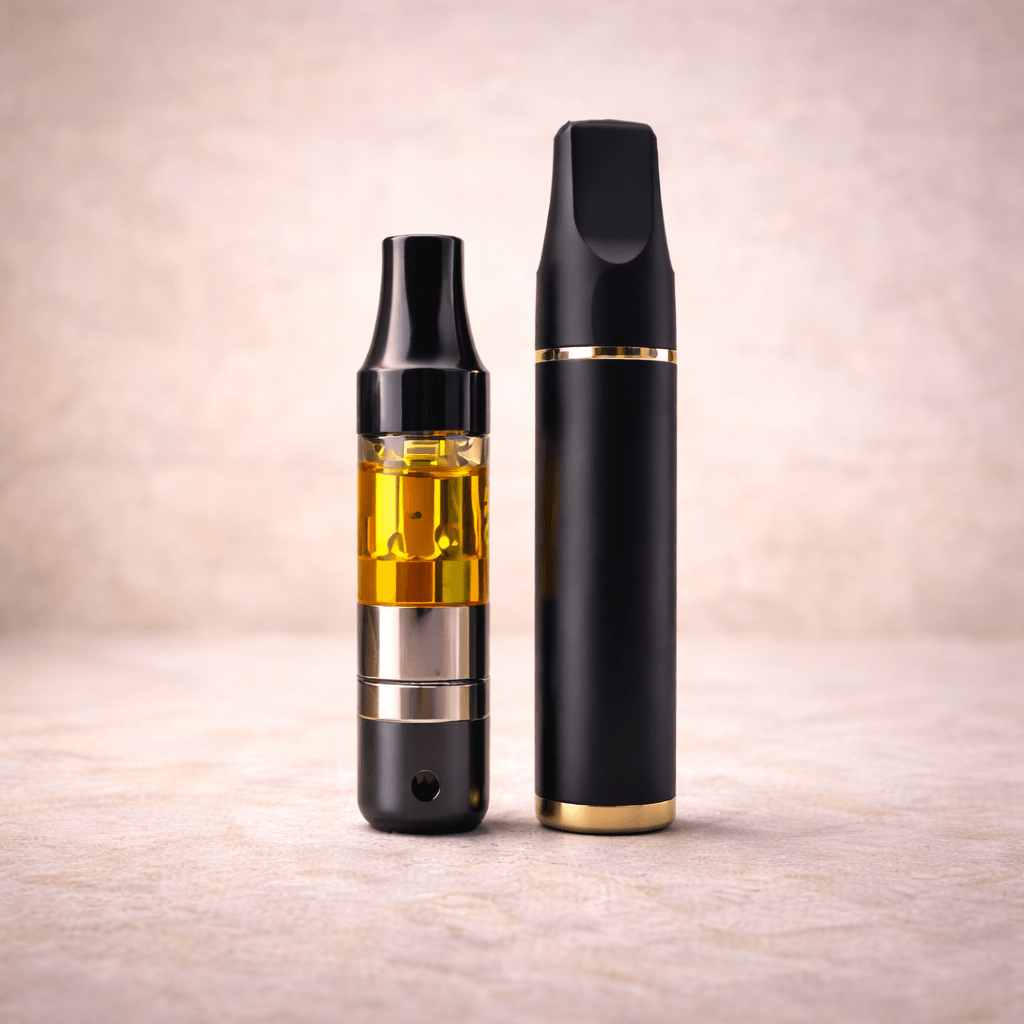
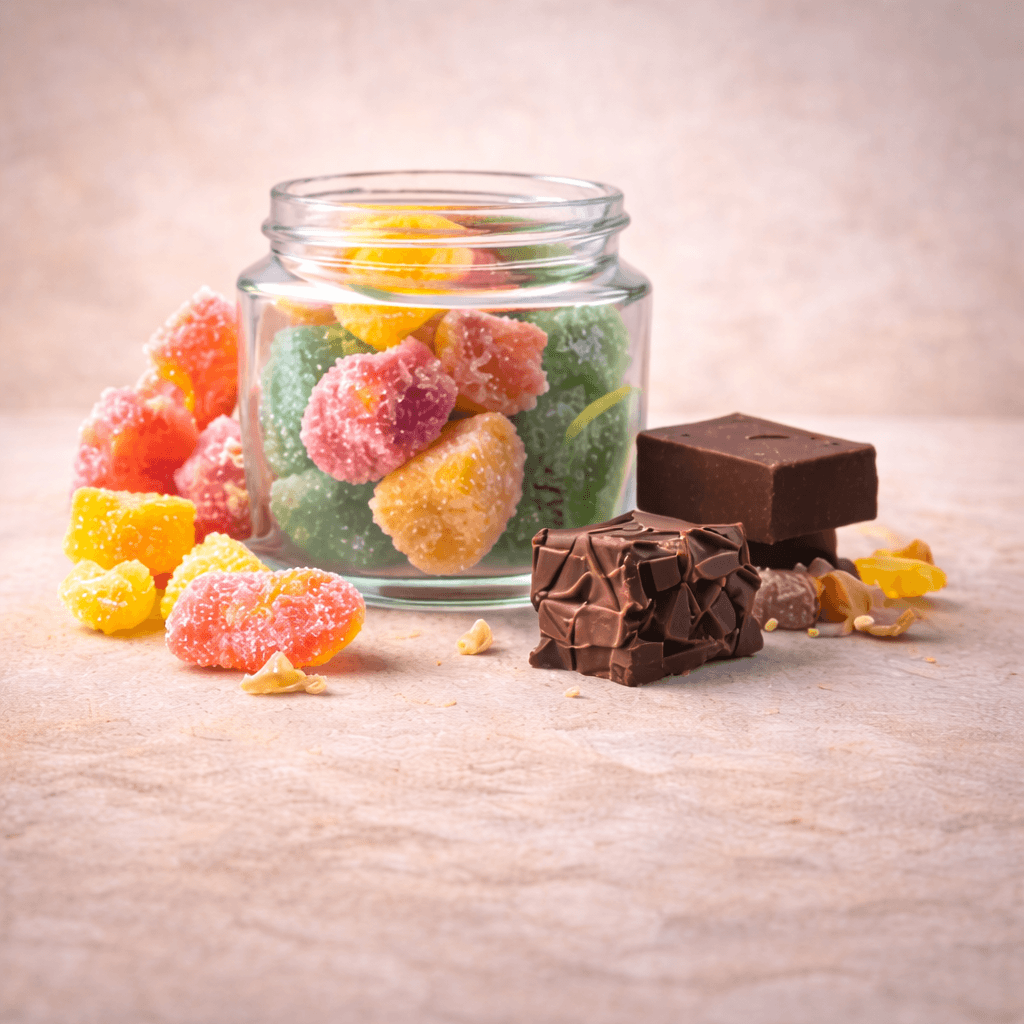
CBG is available in roughly the same formats as other cannabinoids: flower, oil tinctures, capsules, topicals, gummies, and vapes. Flower and tinctures tend to offer the most direct CBG experience because the cannabinoid concentration is higher and less diluted by carrier formulas. Vapes are fast-acting and easy to dose, which is why they have become popular for people experimenting with CBG for the first time.
Gummies are the slowest format – effects typically take 45 to 90 minutes to arrive, and they last considerably longer than inhalation methods. That extended timeline can be a feature or a bug depending on what you are looking for. If you want a predictable, long-duration experience during a specific window of time, gummies make sense. If you want something you can calibrate in the moment, a vape or tincture gives you more real-time control.
Whichever format you choose, third-party testing matters enormously. Because CBG production is still less standardized than CBD or THC, label accuracy varies. You want to see a Certificate of Analysis (COA) from an independent lab that confirms the CBG content, verifies the absence of heavy metals and pesticides, and confirms THC levels where relevant. If a product does not have a scannable or linked COA, that absence is itself information. For a deeper look at what to check before buying any cannabinoid product, the Ultimate Cannabinoid Safety and Lab Testing Guide (2025 Edition) covers exactly what to look for in a lab report and why it matters.
Choosing a CBG product: what to actually look for
When shopping for CBG products, the biggest variable is how the CBG fits into the overall formulation. Is it the main cannabinoid, or a minor add-on to a CBD or THC formula? “Contains CBG” on a label can mean anywhere from a meaningful concentration to a trace amount included largely for marketing appeal. Check the mg per serving, not just the ingredient list.
For people who want to try an edible format from a brand with a strong track record in live rosin extraction, Hometown Hero offers a Discovery Pack that pairs two different formulations in one purchase – useful when you are still figuring out which approach works best for you. The Day and Night structure makes it easy to compare a daytime option against an evening one without committing fully to either.
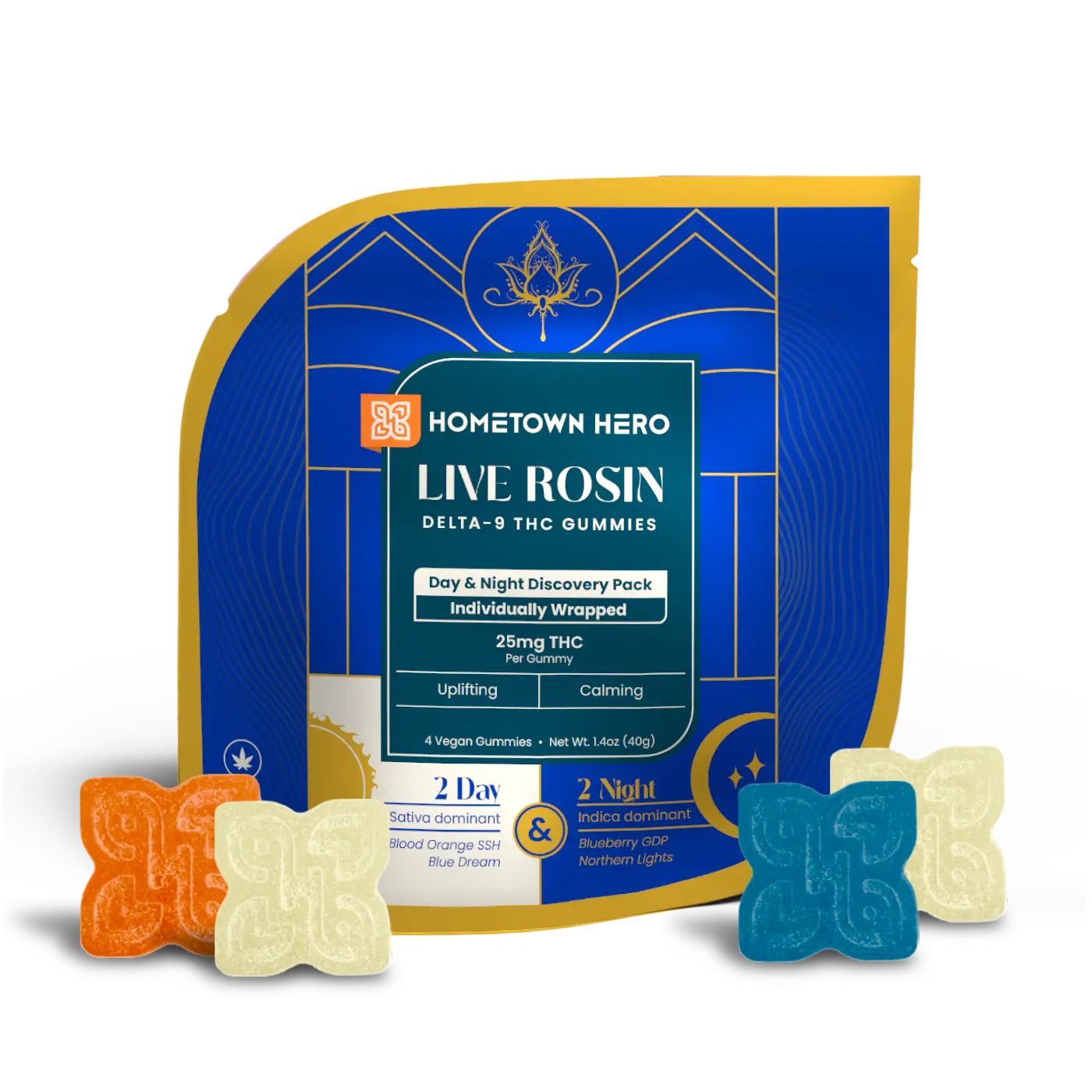
Hometown Hero 25mg Live Rosin Day & Night Discovery Pack
Two live rosin formulations in one pack – daytime and evening options for comparison
For vape-format options, the category tends to attract buyers who want fast onset and portability. If you are browsing vape hardware alongside your cannabinoid search, Cookies makes a 2G dual chamber vape that lets you switch between two strain profiles in a single device – a practical option when you want variety without carrying multiple cartridges.
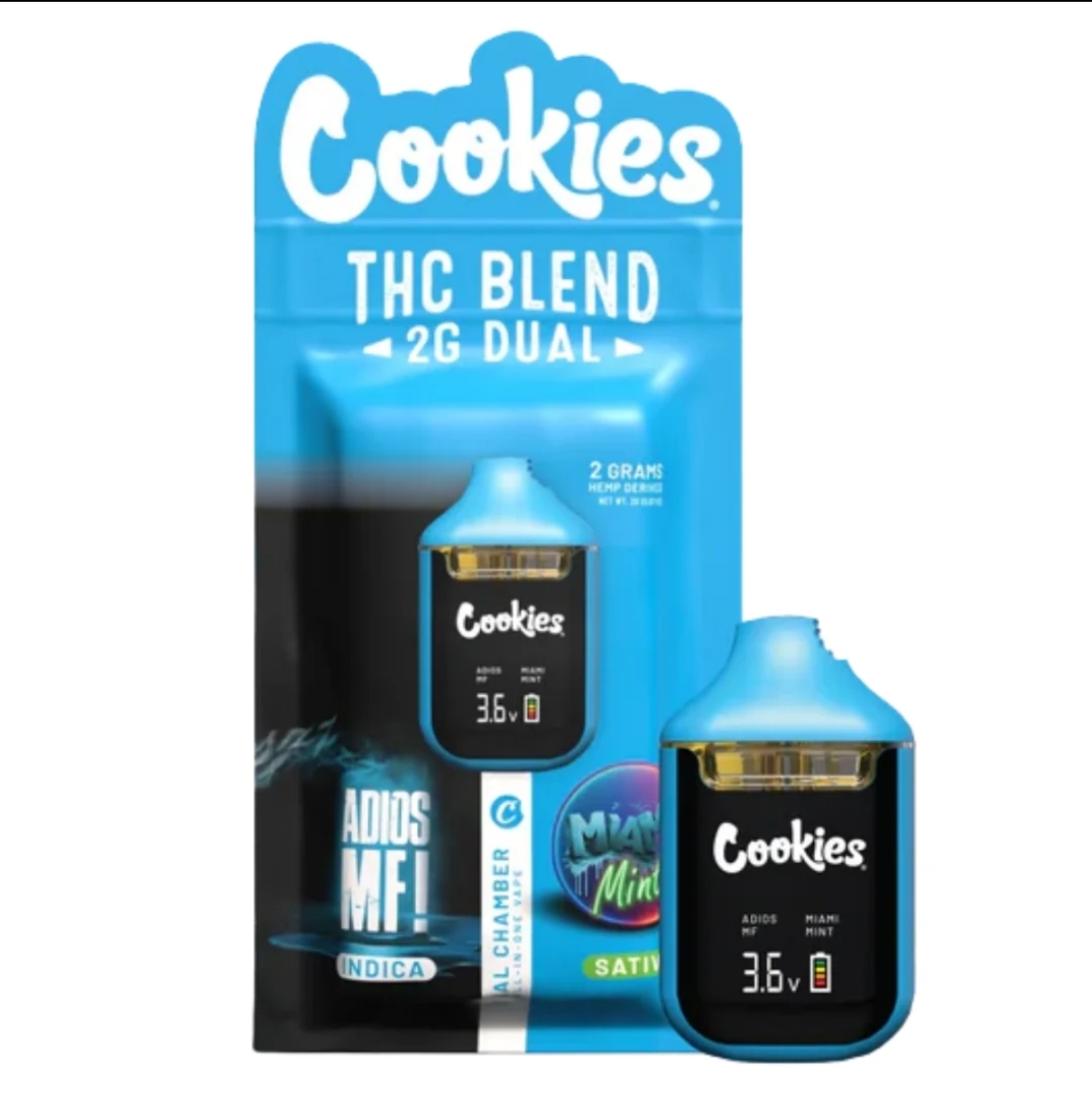
Cookies 2G Dual Chamber Vape – Adios MF! & Miami Mint
Two strain profiles in one portable device – fast onset and easy to switch between options
Whether you go with flower, tincture, gummy, or vape, start low and go slow. CBG is non-intoxicating, but individual responses to cannabinoids are genuinely variable, and building a sense of how a compound affects you personally takes time and attention. A few consistent low doses over several days will tell you far more than one large first dose ever could.
Frequently asked questions
Does CBG get you high?
No. CBG does not bind strongly to CB1 receptors the way THC does, so it produces no intoxicating effect. Users consistently report feeling clear-headed and present rather than impaired, making CBG a genuine non-intoxicating option even in relatively high doses.
Why is CBG called the mother cannabinoid?
CBGA, the acidic form of CBG, is the biochemical precursor from which the cannabis plant synthesizes THC, CBD, and CBC. Because virtually every major cannabinoid originates from CBGA, CBG is commonly described as the mother cannabinoid or stem cell of the plant.
How is CBG different from CBD?
CBG and CBD are structurally distinct molecules with different receptor interactions. CBD is abundant and has more clinical research behind it, including an FDA-approved medication. CBG is scarcer, less studied in humans, and anecdotally associated more with focus and alertness than the broad calming commonly reported with CBD.
Is CBG legal?
Hemp-derived CBG was federally legalized under the 2018 Farm Bill in the United States, provided THC content stays at or below 0.3 percent. State regulations vary, however, so it is worth confirming local rules before purchasing any CBG product in your area.
Why are CBG products more expensive than CBD products?
Mature cannabis plants typically contain less than one percent CBG because most CBGA converts into other cannabinoids during growth. Producing meaningful CBG concentrations requires specialized breeding, early harvest timing, and more plant material per unit of extract, all of which raise production costs significantly.
What formats does CBG come in?
CBG is available as flower, oil tinctures, capsules, topicals, gummies, and vapes. Flower and tinctures generally offer the most direct experience. Vapes provide fast onset, while gummies take 45 to 90 minutes to take effect but last longer, making format choice largely a matter of timing and preference.
Is the research on CBG conclusive?
Not yet. Most CBG research is preclinical, meaning it comes from cell cultures and animal models rather than large randomized human trials. The early signals regarding anti-inflammatory and neuroprotective effects are interesting, but no therapeutic claims are confirmed for humans at this stage.
Important Notice
This article is for informational purposes only and does not constitute medical advice, diagnosis, or treatment. CBG research is predominantly preclinical; effects described reflect early-stage findings and consumer anecdote. Consult a qualified healthcare provider before using any cannabinoid product, especially if you take prescription medications or have an existing health condition. If you are experiencing a medical emergency, call 911 or go to your nearest emergency room immediately.
Sources
Cascio MG, Gauson LA, Stevenson LA, Ross RA, Pertwee RG. Evidence that the plant cannabinoid cannabigerol is a highly potent alpha2-adrenoceptor agonist and moderately potent 5HT1A receptor antagonist. British Journal of Pharmacology. 2010;159(1):129-141. PMID: 20002104
Nachnani R, Raup-Konsavage WM, Vasiljevik T, Brennan TJ, Vrana KE. Combinations of cannabidiol and cannabigerol and their anti-inflammatory and analgesic properties. Life. 2021;11(9):990. PMID: 34575140
For adults 21+ only. Cannabis laws vary by state. This content is not intended to diagnose, treat, cure, or prevent any disease. Statements have not been evaluated by the Food and Drug Administration. Always verify local regulations before purchasing or using cannabis or hemp-derived products. If you or someone you know is experiencing a medical emergency, call 911 or go to your nearest emergency room immediately.