🚛 Free Discreet Shipping on Orders $49+ | Lab-Tested Quality Guaranteed










What is Delta 8 THC?
Here’s something that surprises a lot of people the first time they hear it: there’s more than one kind of THC. Not in a vague, hand-wavy sense. Chemically, structurally, genuinely different compounds – all technically called THC, all produced by the cannabis plant, but behaving in noticeably distinct ways in your body. Delta 8 THC is the one that’s been

Published on: April 11, 2026
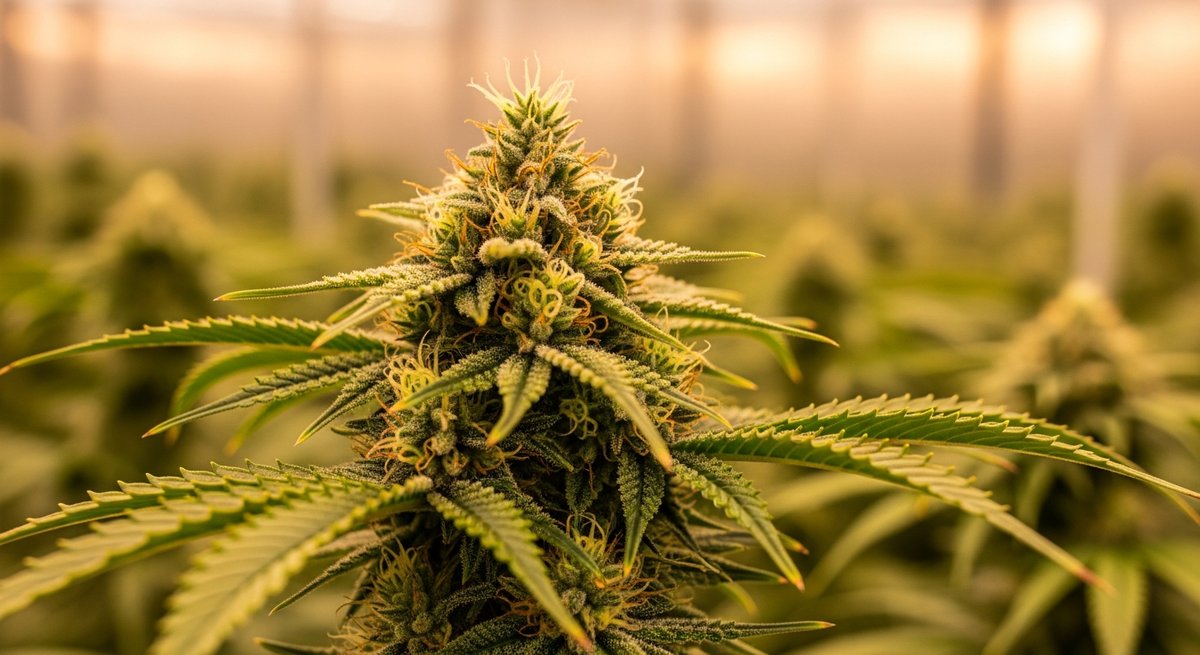
Here’s something that surprises a lot of people the first time they hear it: there’s more than one kind of THC. Not in a vague, hand-wavy sense. Chemically, structurally, genuinely different compounds – all technically called THC, all produced by the cannabis plant, but behaving in noticeably distinct ways in your body. Delta 8 THC is the one that’s been generating the most curious questions over the last few years, and honestly, the curiosity is warranted.
Most people grow up thinking of cannabis in simple terms: it gets you high, or it doesn’t. Delta 8 lands somewhere in the middle of that picture in a way that’s genuinely interesting to unpack. So let’s do that.
The Chemistry Behind the Name
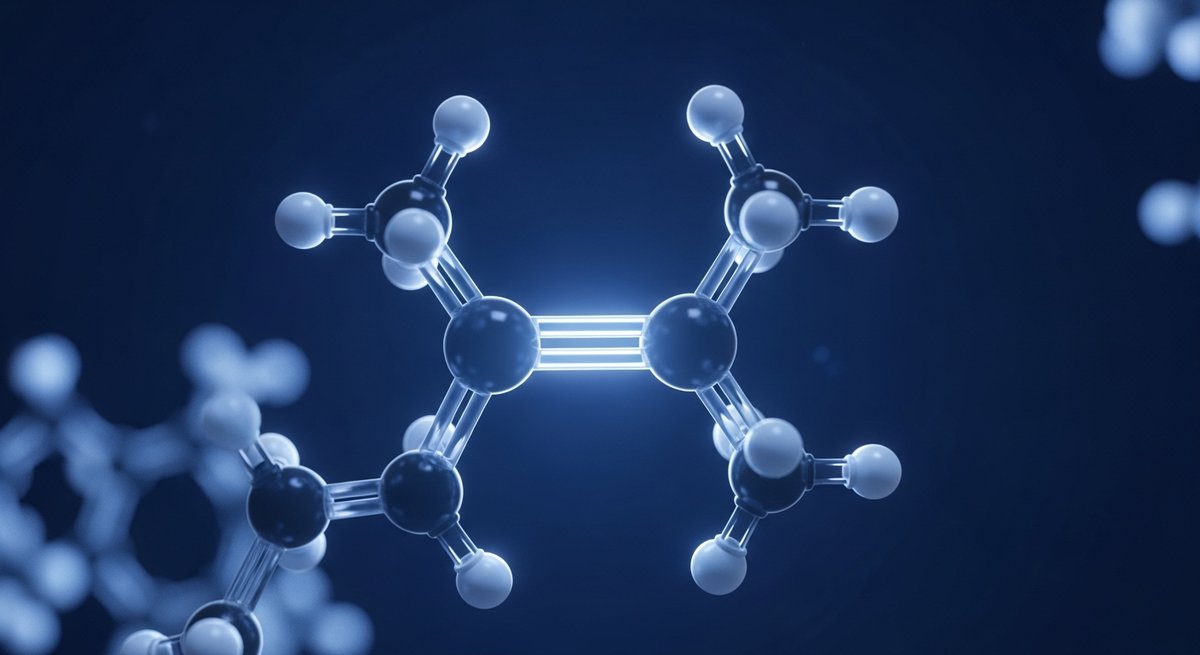
Delta 8 THC – full name delta-8-tetrahydrocannabinol – is a naturally occurring cannabinoid found in cannabis and hemp plants. It’s a close structural relative of delta-9-tetrahydrocannabinol, which is the compound most people are referring to when they just say “THC.” The difference between the two comes down to something almost absurdly small: the location of a double bond in the carbon chain.
In delta-9, that bond sits on the ninth carbon atom. In delta-8, it moves one position over to the eighth. That’s it. One carbon. And yet that minor shift changes how the molecule binds to receptors in your endocannabinoid system, which in turn shapes the experience it produces.
If that sounds like splitting hairs, consider that pharmaceutical chemistry routinely hinges on exactly these kinds of tiny structural differences. A slightly different molecular shape can mean a weaker binding affinity, a slower onset, or a substantially calmer overall effect profile. That’s the delta 8 story in a nutshell.
Where It Comes From – and Why That Matters
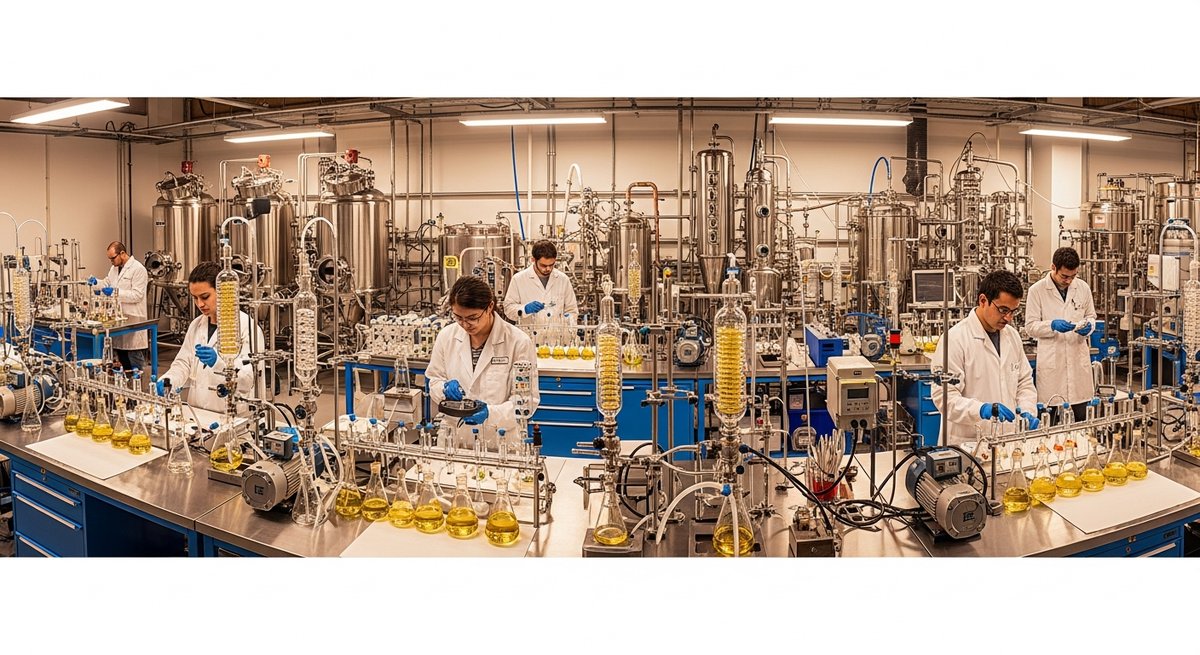
Cannabis plants produce delta 8 THC naturally, but only in very small amounts – typically less than one percent of the plant’s total cannabinoid content. That’s genuinely trace-level. So the delta 8 you find in commercial products is almost never extracted directly from cannabis the way CBD oil might be. Instead, most of it starts as CBD derived from hemp.
Through a chemical conversion process – typically an acid-catalyzed isomerization reaction – CBD can be rearranged into delta 8 THC in a lab setting. The two compounds share the same molecular formula; they’re isomers of each other, meaning the atoms are identical but arranged differently. Converting one into the other is technically straightforward, though the quality and safety of the final product depends enormously on how carefully that conversion is performed and how thoroughly the result is purified.
This is why sourcing matters. Sloppy conversion processes can leave behind unwanted byproducts, and not all producers submit their batches to independent third-party lab testing. If you’re shopping for delta 8 products, looking for a Certificate of Analysis (COA) from an accredited lab is one of the most straightforward ways to check what’s actually in what you’re buying.
What the Experience Actually Feels Like
People who’ve used both delta 8 and conventional delta-9 THC tend to describe the difference in fairly consistent terms. Delta 8 produces a high, full stop – this isn’t CBD. But users often report it as clearer, less anxious, and somewhat less intense than an equivalent amount of delta-9. The mental fog that can accompany higher doses of delta-9 tends to be less pronounced. Some people describe it as a more functional experience.
That said, “less intense” is relative, and dose still matters enormously. Someone new to cannabinoids who takes a large amount of delta 8 will absolutely feel it. The idea that delta 8 is somehow consequence-free because it’s milder than delta-9 is a common misconception worth addressing directly: it’s still psychoactive, it still impairs driving, and it still warrants thoughtful, measured use.
Onset and duration vary by delivery method. Vaping tends to produce effects within minutes and they typically ease off within two to three hours. Edibles take longer to kick in – sometimes an hour or more – and the experience lasts considerably longer. If you want a deeper look at what vaping delta 8 specifically is like moment to moment, the breakdown of delta 8 cart effects and what to expect covers the timeline and sensations in more detail.
Expert Insight
Dr. Alexander Tabibi
Dr. Alexander Tabibi
Delta 8 THC binds to the CB1 receptor in the brain’s endocannabinoid system, the same receptor targeted by delta-9 THC, but with measurably lower binding affinity. A 1973 pharmacological study by Hollister and Gillespie directly compared the two isomers in human participants and found that delta 8 THC was roughly two-thirds as potent as delta-9 THC when administered by inhalation, with subjects reporting a qualitatively similar but less intense psychoactive effect.
What the study could not fully characterize was individual variability – tolerance, body weight, and prior cannabinoid exposure all shift where any one person lands on that potency scale. The finding that delta 8 is less potent does not mean it is without risk, and the study was conducted under controlled conditions that don’t map neatly onto commercial products with variable purity and concentration.
. Review of delta-8-tetrahydrocannabinol (Δ8 -THC): Comparative pharmacology with Δ9 -THC PMID: 35523678
Delta 8 vs. Delta 9 vs. CBD – Sorting Out the Differences
It helps to think of these three compounds as sitting on a spectrum. CBD sits at one end – non-intoxicating, widely used for its reported calming and anti-inflammatory properties, and federally legal under the 2018 Farm Bill when derived from hemp. Delta-9 THC sits at the other end – the primary psychoactive compound in cannabis, tightly regulated in most states, and the thing most people mean when they say they want to get high. Delta 8 sits somewhere between those two poles.
It’s psychoactive (unlike CBD), but the experience is typically gentler than delta-9. It’s derived primarily from hemp (like CBD), which is part of why it occupies a legally grey zone in many states. For people who’ve found delta-9 THC to be too anxiety-inducing or overwhelming, delta 8 is sometimes the cannabinoid that actually works for them. For people who’ve used CBD hoping for something more and found it underwhelming, delta 8 can also be an eye-opener in the other direction. If you’re actively trying to decide between the two, the comparison of delta 8 vs. CBD and which might suit your goals is worth reading before you decide.
The Legal Landscape (It’s Complicated)
The legal status of delta 8 THC in the United States is, to put it politely, a moving target. At the federal level, the 2018 Farm Bill legalized hemp and its derivatives provided the final product contains less than 0.3% delta-9 THC by dry weight. Delta 8 derived from hemp-sourced CBD technically falls under that framework, which is how it ended up in gas stations and online shops in states where traditional cannabis remains prohibited.
But several states have moved to explicitly ban delta 8, viewing the hemp loophole as an unintended workaround to their cannabis regulations. Others have enacted licensing requirements or placed it under their existing cannabis regulatory frameworks. The patchwork changes frequently, and what was legal in your state six months ago may not be legal today. Before purchasing or traveling with any delta 8 product, it’s genuinely worth checking the current laws in your specific state.
There’s also the question of drug testing. Delta 8 THC metabolizes in ways that are effectively indistinguishable from delta-9 on standard urine immunoassay tests. If you’re subject to workplace or legal drug testing, that’s an important practical consideration regardless of the compound’s legal status.
Forms, Formats, and Finding Something Worth Trying
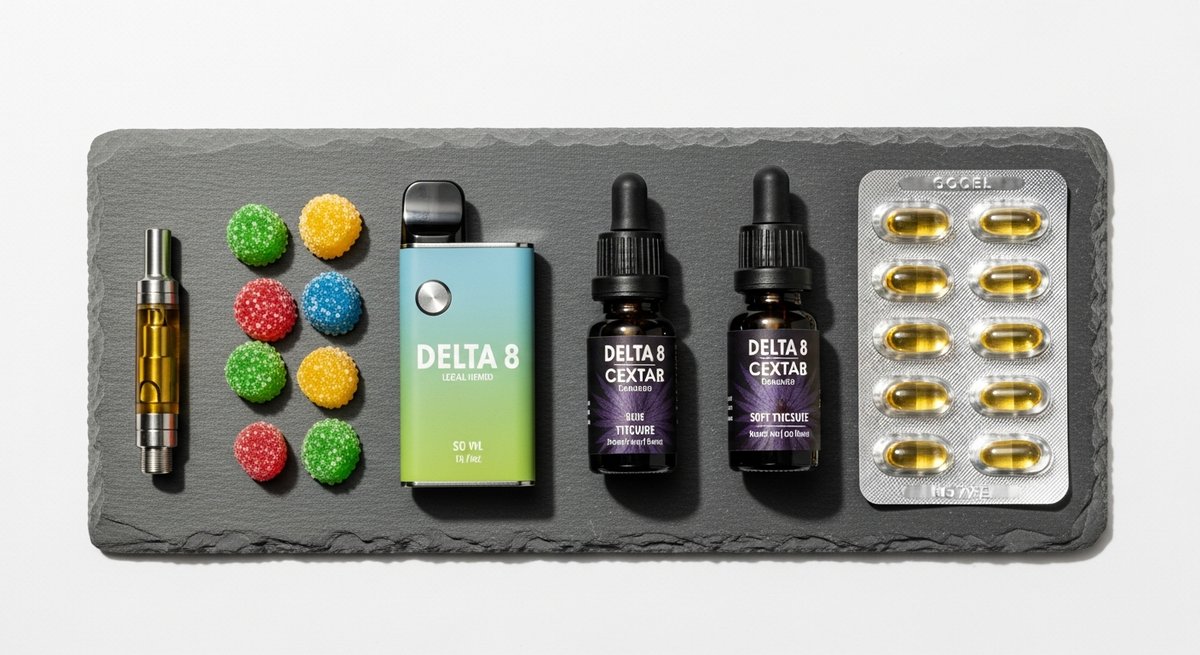
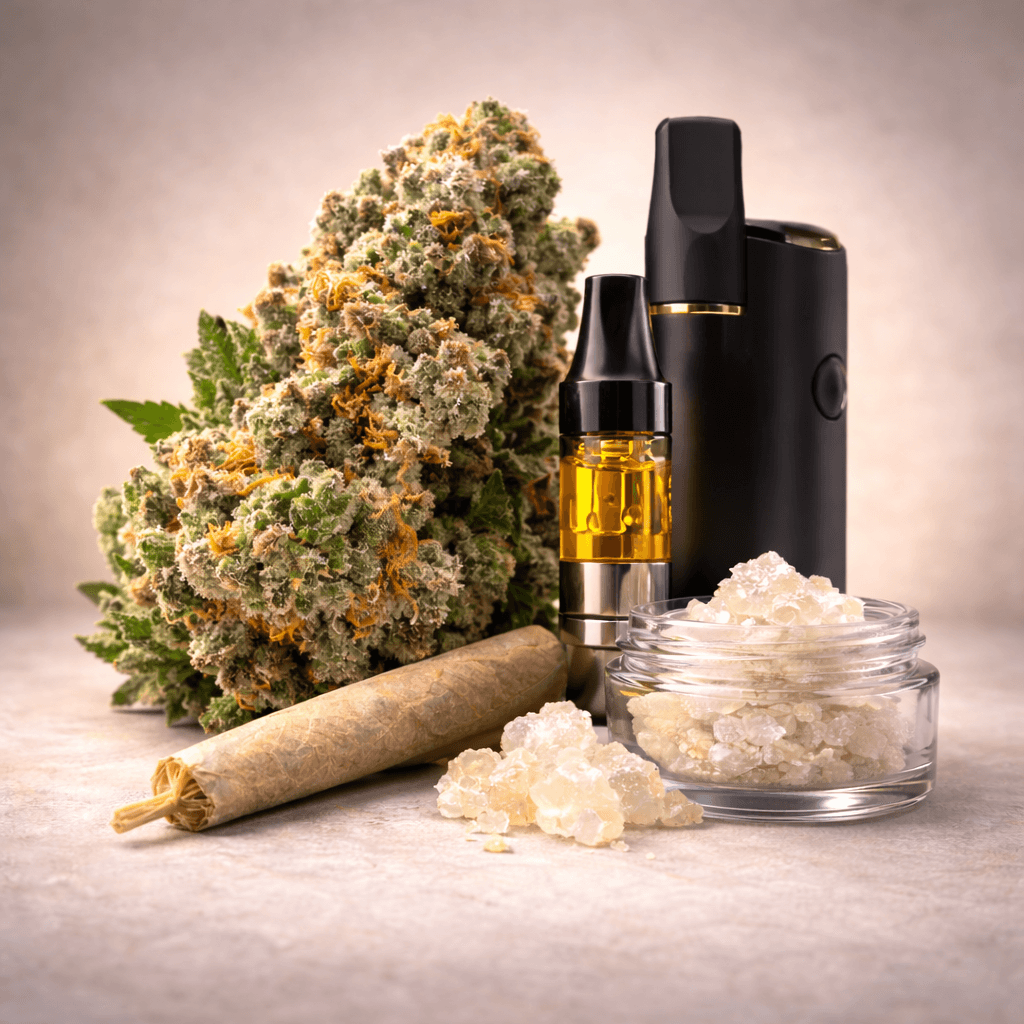
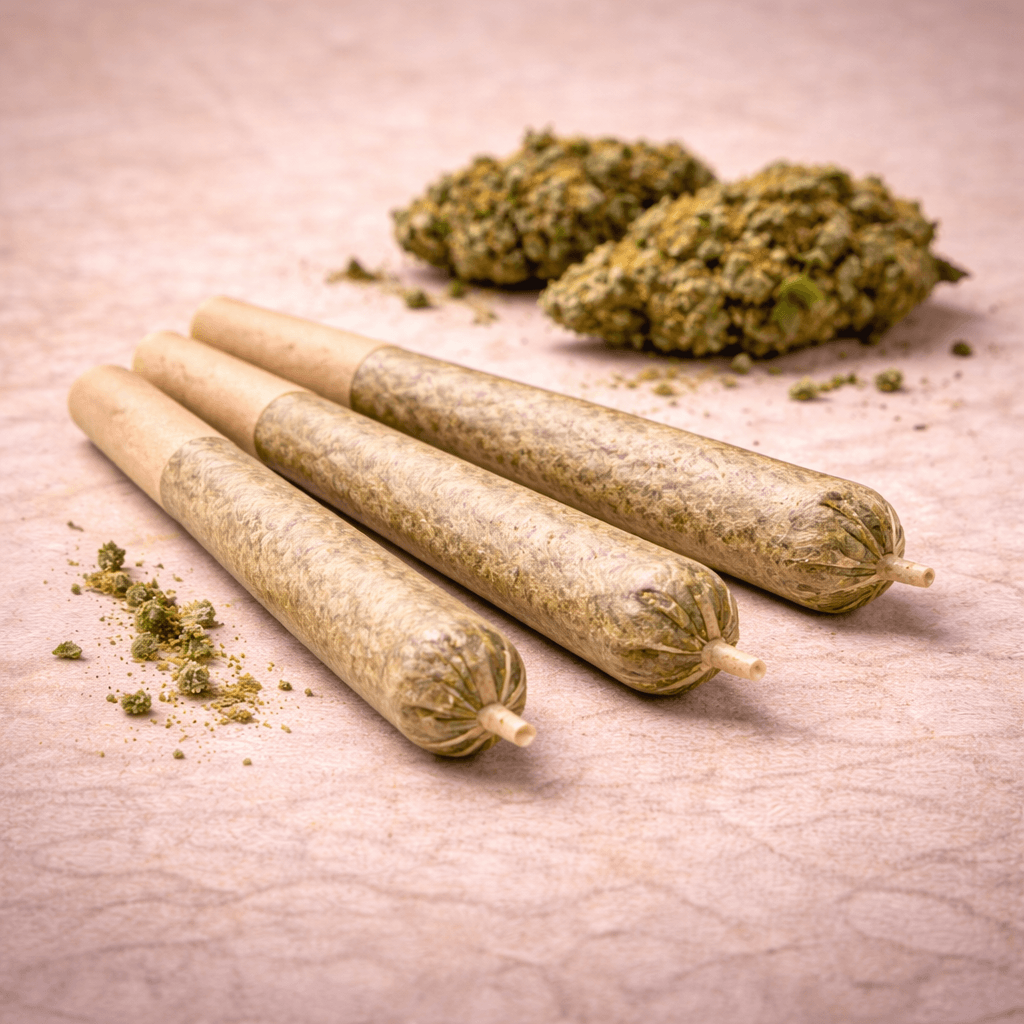
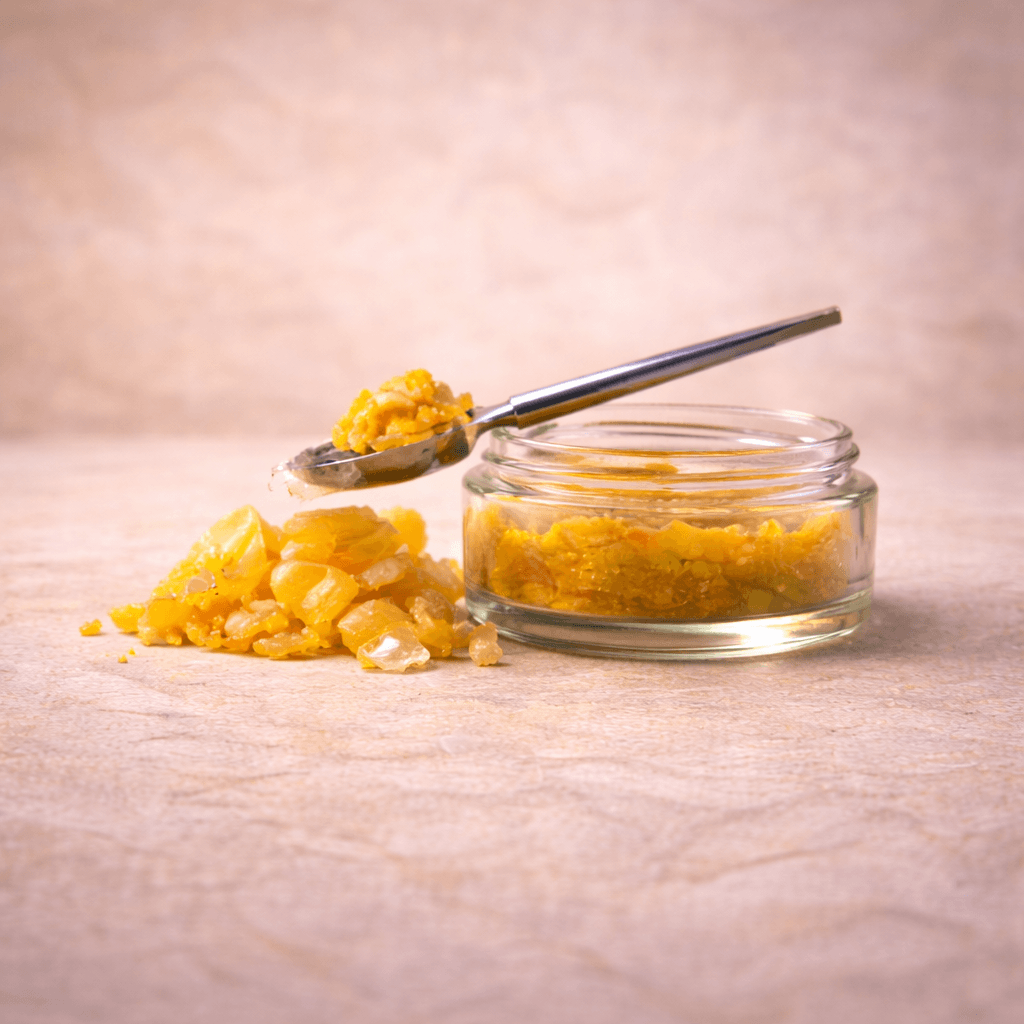
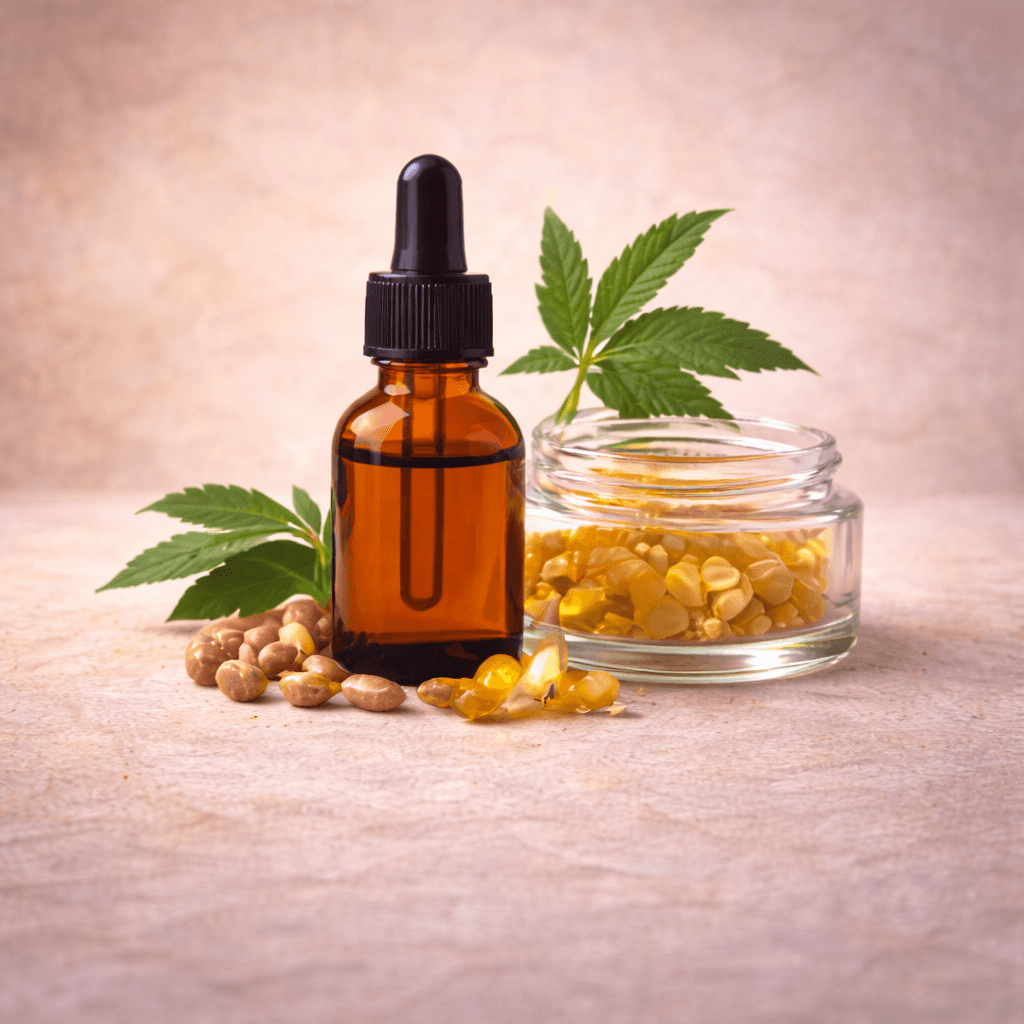
Delta 8 comes in basically every format that cannabis products have adopted: vape cartridges, gummies, tinctures, disposable vapes, soft gels, and more. Each format has a different onset time, duration, and ease of dosing, so the right one depends on what you’re looking for.
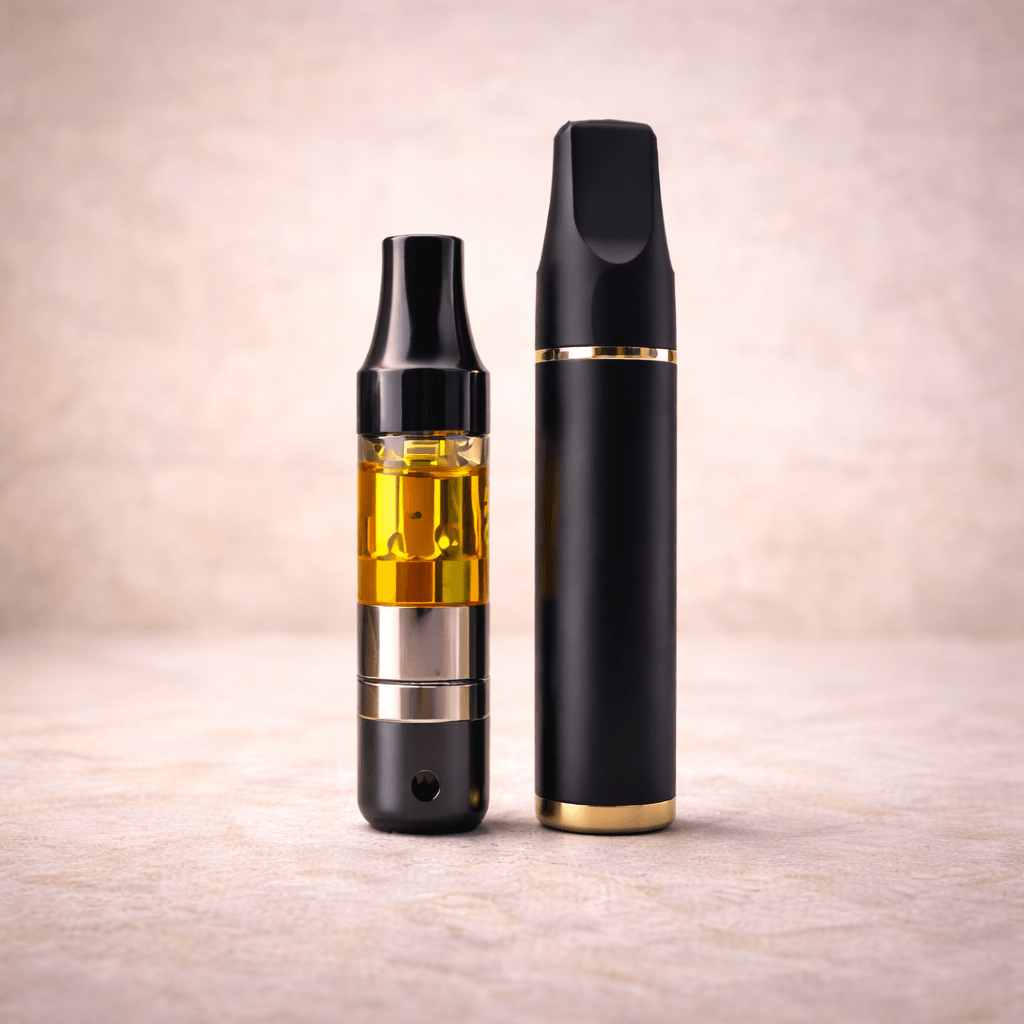
Vape cartridges are popular for their speed – effects arrive quickly, they’re easy to control incrementally, and the experience doesn’t linger as long as edibles. For people who want a specific strain-inspired terpene profile alongside their delta 8, a vape cart gives you the most direct terpene delivery. Those weighing a quality vape option might consider Binoid’s catalog, which includes lab-tested, strain-profiled formulations. Their Tangie cartridge is a well-regarded example of delta 8 paired with a bright citrus terpene profile for a more uplifting effect.
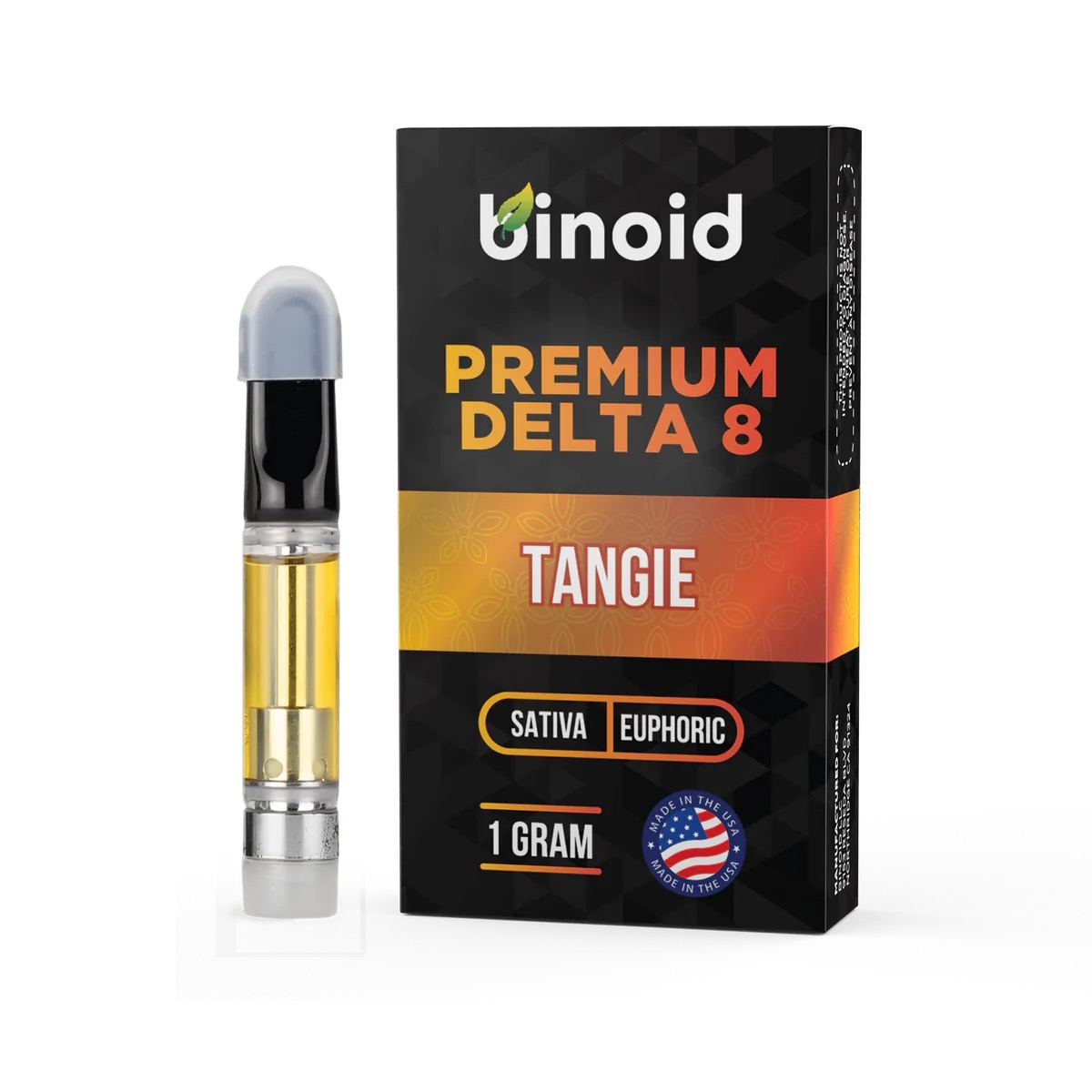
Binoid Delta 8 THC Vape Cartridge – Tangie
Delta 8 distillate with citrus-forward Tangie terpenes; third-party lab tested
Gummies are the other dominant format, and they carry their own set of tradeoffs. The high from an edible comes on slower – your liver processes delta 8 THC into a slightly different metabolite that tends to produce a longer, heavier effect than inhaled delta 8. This catches people off guard more often than it probably should. The standard advice is to start with a low dose (5mg to 10mg for beginners), wait the full ninety minutes before deciding whether to take more, and accept that the first time you try any edible format is mostly a calibration exercise.
What the Research Actually Shows (and What It Doesn’t)
Let’s be honest about the state of the science here. Delta 8 THC has been studied, but nowhere near as extensively as delta-9 or CBD. A fair amount of what’s claimed about its effects – particularly around nausea relief, appetite stimulation, and anxiolytic properties – draws on older animal studies or extrapolates from delta-9 research with adjustments made for potency.
There is one genuinely notable early study: a 1995 paper by Abrahamov and colleagues examined delta 8 THC as an antiemetic in pediatric oncology patients receiving chemotherapy, and found it essentially eliminated vomiting with minimal side effects. That’s a striking result from a small, specific study – worth knowing about, not
worth overstating. The research base is thin, and robust clinical trials in humans specifically examining delta 8 are still largely absent from the literature.
What we do know is grounded primarily in pharmacology and user reports: delta 8 binds the same receptors as delta-9, produces similar but milder psychoactive effects, and shares most of the same general risk considerations. Responsible use means treating it with the same thoughtfulness you’d apply to any psychoactive substance.
Is Delta 8 THC Right for You?
That depends on what you’re looking for, what your tolerance is, where you live, and whether you’re subject to any drug testing requirements. For adults in states where it’s legal who want a gentler introduction to THC’s psychoactive effects, delta 8 is a reasonable starting point. For experienced cannabis users looking for something significantly different from what they already know, it may feel underwhelming. For people in states where it’s been explicitly banned, it’s simply not a legal option right now.
What delta 8 THC is, at its core, is a legitimate cannabinoid with real effects, a genuinely interesting chemistry, a complicated regulatory situation, and a market that’s moved faster than the science or the law. Understanding what it actually is – rather than relying on marketing language or secondhand impressions – puts you in a better position to make an informed choice about whether it belongs in your life.
Important Notice
Delta 8 THC is psychoactive and may impair judgment and motor function. It is not intended for use by anyone under 21. Do not drive or operate heavy machinery while under its influence. The legal status of delta 8 THC varies by state; verify local laws before purchasing or using any delta 8 product. If you experience severe adverse effects such as rapid heart rate, difficulty breathing, or extreme disorientation, seek emergency medical attention immediately.
Frequently asked questions
Is delta 8 THC the same as regular THC?
No. Delta 8 and delta-9 THC are structural isomers – they share the same molecular formula but differ in the position of one double bond. That small difference means delta 8 binds to cannabinoid receptors with lower affinity, producing a milder psychoactive effect than the delta-9 most people associate with cannabis.
Will delta 8 THC show up on a drug test?
Yes. Standard urine immunoassay drug tests detect THC metabolites and cannot reliably distinguish between delta 8 and delta-9 metabolites. If you are subject to workplace or legal drug testing, using delta 8 THC products carries the same practical risk of a positive result as using conventional cannabis.
How is commercial delta 8 THC made?
Most commercial delta 8 is produced through acid-catalyzed isomerization of CBD extracted from hemp. Because delta 8 occurs only in trace amounts naturally, direct extraction is not commercially practical. Product quality depends heavily on how thoroughly the final material is purified and whether it has been independently laboratory tested.
Is delta 8 THC federally legal?
The federal picture is ambiguous. Hemp-derived delta 8 can be argued to fall within the 2018 Farm Bill’s definition of a legal hemp derivative, but the DEA has issued guidance that synthetically derived tetrahydrocannabinols remain Schedule I. Individual states have moved in different directions, with some explicitly banning delta 8 and others regulating or permitting it.
What does delta 8 THC feel like compared to delta-9?
Most users describe delta 8 as producing a clearer, less anxious high than delta-9, with less pronounced cognitive fog at equivalent doses. Research estimates delta 8 is roughly two-thirds as potent as delta-9 by inhalation. Individual responses vary based on tolerance, body chemistry, and the specific product and dose used.
How long does a delta 8 high last?
Duration depends on delivery method. Inhaled delta 8 typically produces effects within minutes that ease off over two to three hours. Edibles take 45 minutes to two hours to onset and can last four to eight hours depending on the dose and the individual’s metabolism. First-time edible users should wait the full onset window before redosing.
Can delta 8 THC cause anxiety or side effects?
Yes, particularly at higher doses. Delta 8 is less likely than delta-9 to cause anxiety in most users, but it is not anxiety-free at all doses. Possible side effects include dry mouth, increased heart rate, short-term memory impairment, and sedation. New users should start with a low dose and increase gradually to gauge their individual response.
Sources
- Hollister LE, Gillespie HK. Delta-8- and delta-9-tetrahydrocannabinol comparison in man by oral and intravenous administration. Clinical Pharmacology and Therapeutics. 1973;14(3):353-357. PMID: 4719432
- Abrahamov A, Abrahamov A, Mechoulam R. An efficient new cannabinoid antiemetic in pediatric oncology. Life Sciences. 1995;56(23-24):2097-2102. PMID: 7776027
- Geci M, Scialdone M, Tishler J. The dark side of the rainbow: the ominous problems with semi-synthetically produced delta-8-THC and its analogues. Journal of Cannabis Research. 2023;5(1):22. PMID: 37291639
- Kruger JS, Kruger DJ. Delta-8-THC: Delta-9-THC’s nicer younger sibling? Journal of Cannabis Research. 2022;4(1):4. PMID: 35093189
For adults 21+ only. Cannabis laws vary by state. This content is for informational purposes only and does not constitute medical or legal advice. If you or someone else is experiencing a medical emergency after consuming any cannabis product, call 911 or go to the nearest emergency room immediately.