🚛 FREE DISCREET SHIPPING ON ALL ORDERS $49+









What is THC?
You’ve probably seen it on a dispensary menu, a supplement label, or somewhere in a late-night internet rabbit hole. Three letters, enormous cultural weight: THC. But what actually is it? Not in the “here’s a dictionary definition” sense, but in the real, biological, why-does-it-do-that sense. Because once you understand what THC actually is and how it works, a lot of

Published on: April 12, 2026
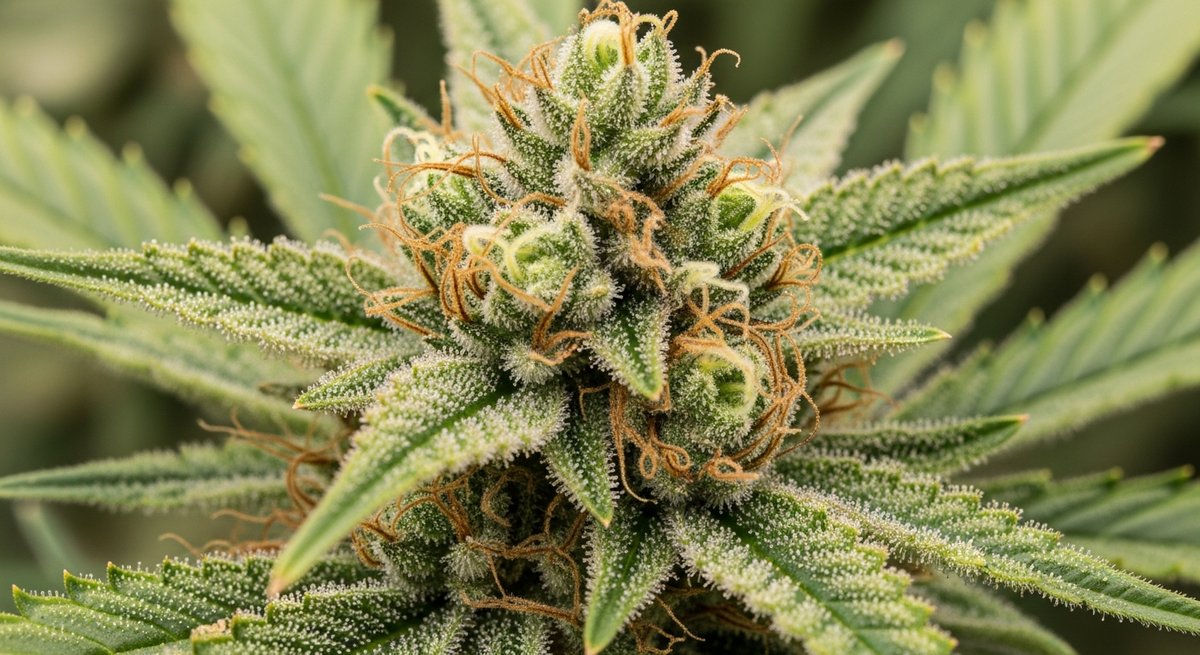
You’ve probably seen it on a dispensary menu, a supplement label, or somewhere in a late-night internet rabbit hole. Three letters, enormous cultural weight: THC. But what actually is it? Not in the “here’s a dictionary definition” sense, but in the real, biological, why-does-it-do-that sense. Because once you understand what THC actually is and how it works, a lot of things start to make more sense – the high, the munchies, the way some people get sleepy and others get anxious, the reason researchers keep publishing studies about it. Let’s start from the beginning.
The Molecule Behind the Experience
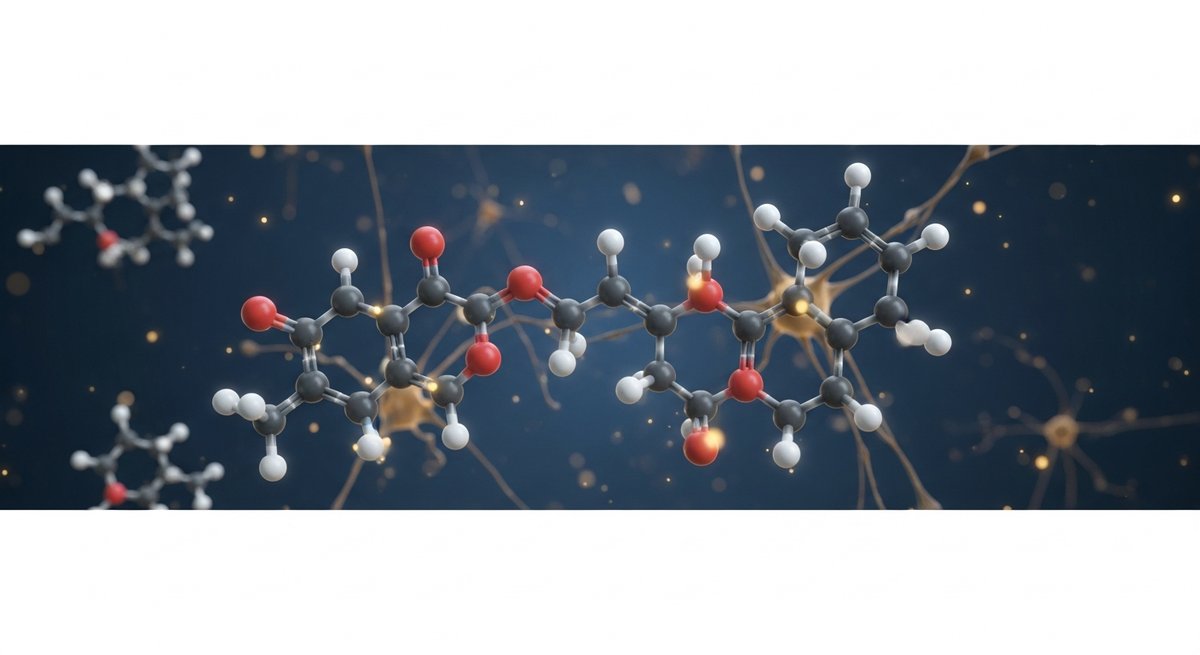
Delta-9-tetrahydrocannabinol – that’s the full name, in case you were wondering – is a naturally occurring compound produced by the cannabis plant. Chemically, it’s a cannabinoid: a class of molecules that interact with a specific signaling network in your body called the endocannabinoid system (ECS). Think of the ECS as a vast internal messaging network. It helps regulate mood, appetite, pain perception, memory, and sleep, among other things. Your body actually produces its own cannabinoid-like molecules – called endocannabinoids – to keep this system running. THC, it turns out, fits neatly into the same receptors those molecules use.
The two primary receptor types are CB1 and CB2. CB1 receptors are concentrated heavily in the brain and central nervous system, which is why THC produces psychoactive effects. CB2 receptors are found more in immune tissue. When THC binds to CB1 receptors in the brain – particularly in areas governing memory, coordination, and reward – it triggers the cascade of effects people associate with being high: altered perception, heightened sensory experiences, sometimes euphoria, sometimes anxiety.
Here’s the thing that surprises a lot of people: THC doesn’t actually exist in raw cannabis in its active form. Fresh, undried cannabis contains THCA – tetrahydrocannabinolic acid – which is non-intoxicating. Heat converts THCA into active THC through a process called decarboxylation. That’s why smoking or vaporizing activates the compound, and why eating a raw cannabis leaf won’t do much of anything interesting.
THC Variants: Not All Cannabinoids Are Created Equal
Delta-9-THC is the primary, most studied form – the one people mean when they just say “THC.” But the cannabis plant and modern chemistry have produced a whole family of related compounds. Delta-8-THC is structurally nearly identical to delta-9 but is typically described as producing a milder, somewhat less anxious effect profile. Delta-10-THC is even further along the spectrum in terms of mildness, and if you’re curious about how these relate to each other and where delta-10 fits in, the comparison of delta-10 potency relative to other THC forms is worth reading before making a purchasing decision.
THCV is another variant that has attracted research interest – not primarily for recreational use, but for its distinct pharmacological behavior. Unlike delta-9-THC, which tends to stimulate appetite, THCV may suppress it at lower doses. Then there’s THCA flower, which preserves the acid form of the cannabinoid until it is heated. For people who want to work with hemp-derived cannabis while navigating legal considerations, THCA products have become an increasingly relevant category.
How THC Enters Your Body – and Why the Method Matters
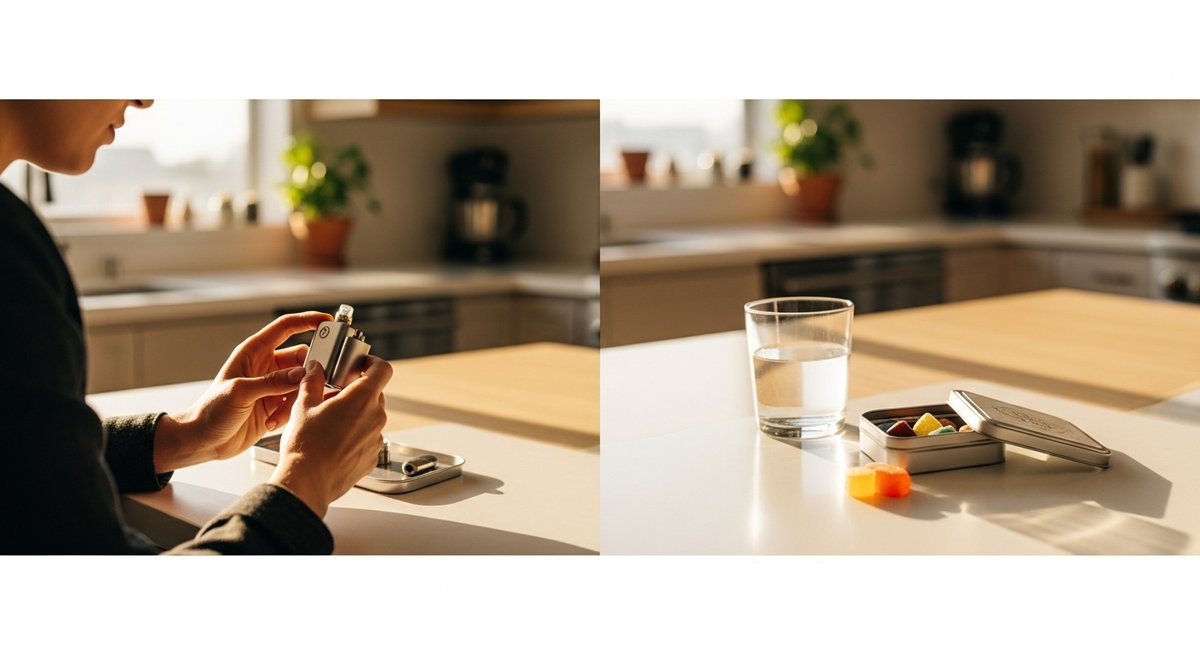
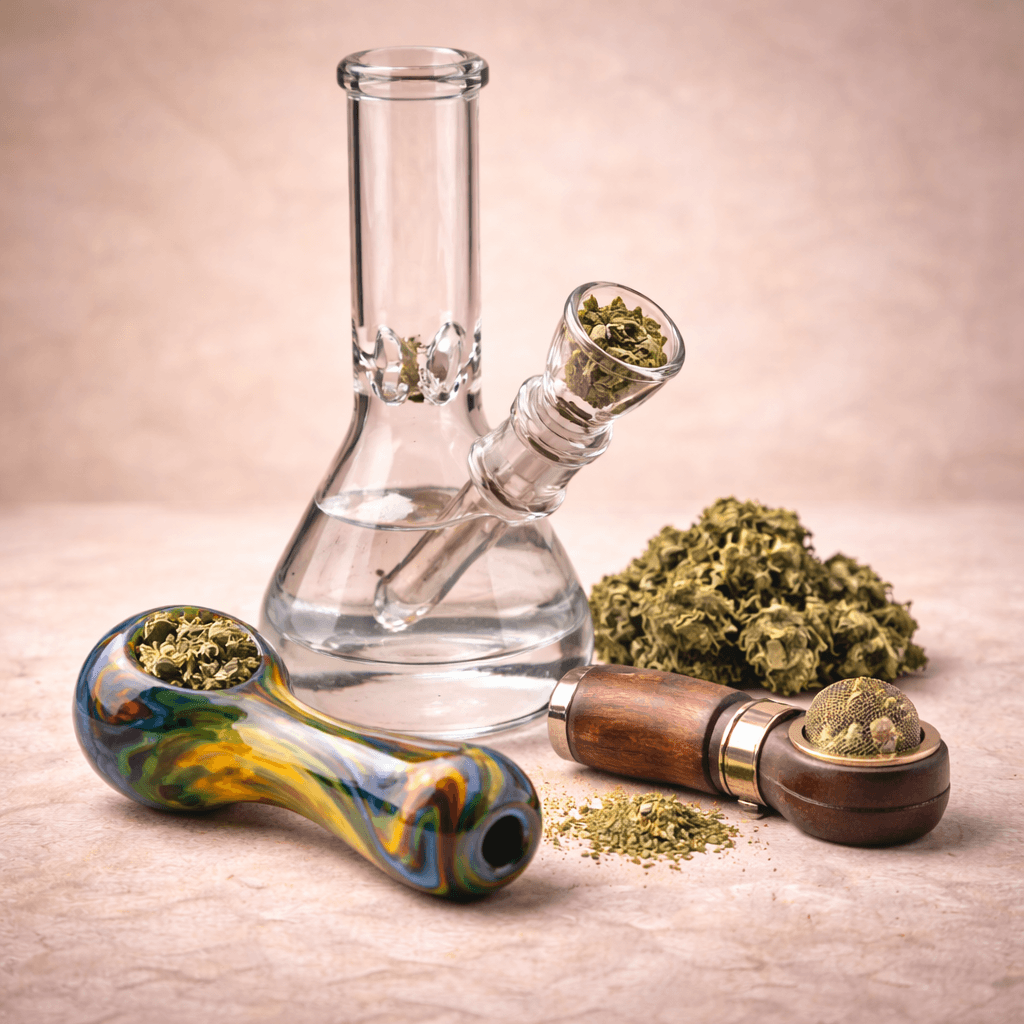
The route of administration changes almost everything about the experience. When you inhale cannabis – whether through a vape cartridge or flower – THC enters the bloodstream through the lungs and reaches the brain within minutes. Effects typically begin within five to fifteen minutes and may last two to three hours. The onset is fast, which makes it easier for many people to gauge their intake and stop when they’ve reached where they want to be.
Edibles work differently – and this is where a lot of people run into trouble. When you consume THC orally, it passes through the digestive tract and liver before reaching the bloodstream. The liver converts delta-9-THC into 11-hydroxy-THC, a metabolite that crosses the blood-brain barrier more efficiently and tends to produce a more intense, longer-lasting effect. Onset can take anywhere from thirty minutes to two hours. The old advice “start low, go slow” exists precisely because of this delay.
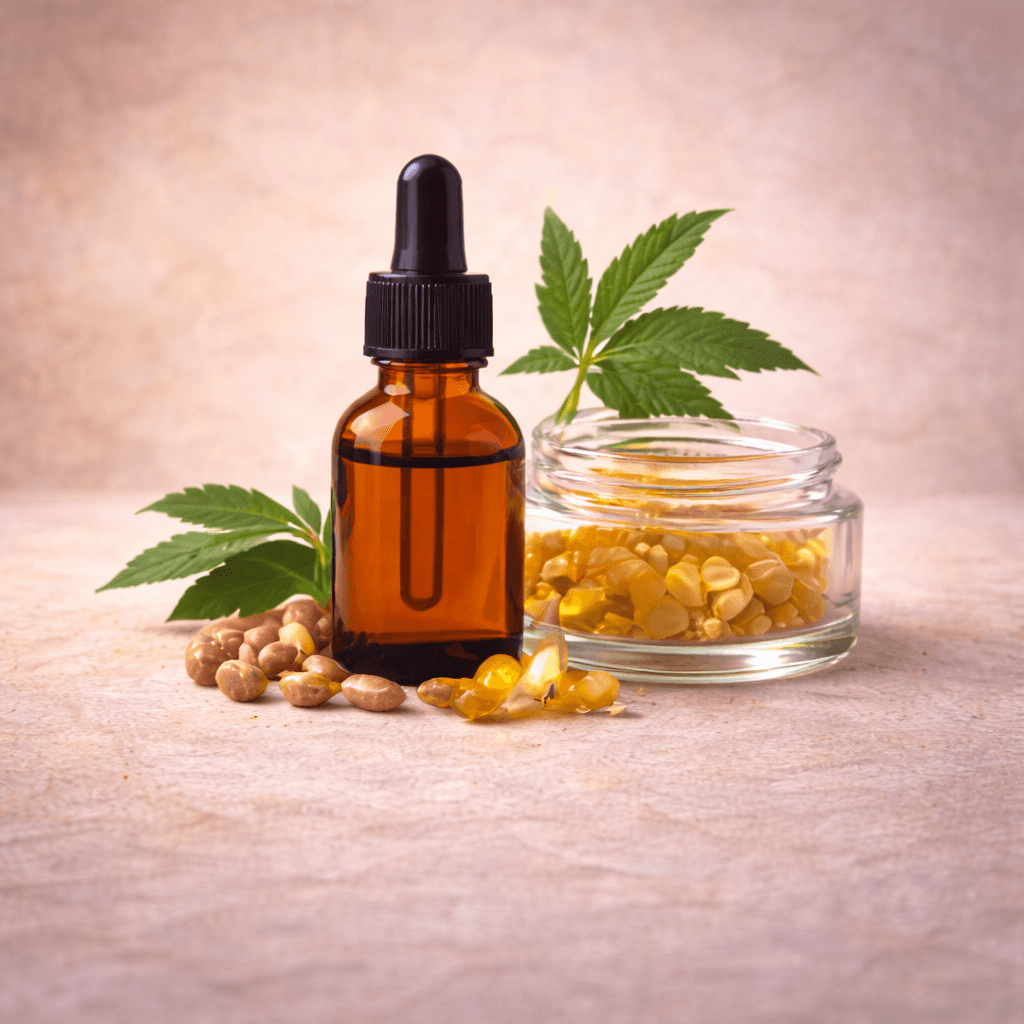
Sublingual products – tinctures held under the tongue – aim for a middle ground: faster than edibles, gentler onset than inhalation. Topicals, applied to the skin, are designed for localized use and don’t typically produce psychoactive effects because they don’t reach the bloodstream in meaningful amounts.
What the Research Actually Shows
THC is arguably the most studied psychoactive plant compound on earth, yet the clinical picture remains genuinely complicated. The research base includes rigorous randomized controlled trials alongside smaller observational studies, and it’s worth understanding which is which. One of the clearest clinical signals involves pain and spasticity. A phase 3 trial of nabiximols (Sativex) – a pharmaceutical formulation combining THC and CBD – demonstrated statistically significant improvement in spasticity among people with multiple sclerosis, pointing to a real physiological mechanism at work.
Expert Insight
Dr. Alexander Tabibi
Dr. Alexander Tabibi
A phase 3 enriched-design randomized controlled trial published in the European Journal of Neurology assessed nabiximols – a THC/CBD oromucosal spray – as add-on therapy in 241 people with refractory multiple sclerosis spasticity. The trial demonstrated highly significant improvement on the spasticity numeric rating scale (P=0.0002) in favor of the active treatment, with secondary endpoints including spasm frequency and sleep disturbance also reaching significance.
It’s worth noting that this was an enriched design – only patients who responded favorably during an initial open-label phase were randomized – so the effect size likely overstates what you would expect in an unselected population. The finding is real and meaningful, but the population and design matter when you’re generalizing to everyday use.
Novotna et al. (2011). A randomized, double-blind, placebo-controlled, parallel-group, enriched-design study of nabiximols* (Sativex), as add-on therapy, in subjects with refractory spasticity caused by multiple sclerosis. European Journal of Neurology, 18(9):1122-31. PMID: 21362108
Sleep is another area that comes up constantly in both research and casual conversation. People use cannabis to wind down, and a significant portion report it helps. A 2022 critical review in Chest examined cannabinoids – including THC, CBD, and CBN – across sleep disorders including insomnia and sleep apnea. The reviewers found a plausible biological rationale (the endocannabinoid system does modulate the circadian sleep-wake cycle) but concluded that most existing studies are limited by small sample sizes and methodological weaknesses. In other words: promising, but not yet definitive.
Expert Insight
Dr. Alexander Tabibi
Dr. Alexander Tabibi
A 2022 critical review published in Chest evaluated the evidence on cannabinoids – specifically THC, CBD, and CBN – for insomnia and other sleep disorders. Reviewers found a strong mechanistic rationale, given that the endocannabinoid system plays an established role in modulating the circadian sleep-wake cycle. However, the evidence base for clinical recommendations remains limited by small sample sizes and study bias across most included work.
The review treats the sleep application as an area of genuine scientific interest with an unresolved evidence picture – not a closed case in either direction. People using cannabis for sleep should weigh the limited certainty carefully, particularly if they are also taking prescription sleep or CNS medications, given potential interactions through shared metabolic pathways.
Lavender et al. (2022). Cannabinoids, Insomnia, and Other Sleep Disorders. Chest, 162(2):452-465. PMID: 35537535
If you’re thinking about trying cannabis specifically as a sleep support, the relationship between terpenes and sleep onset is its own fascinating corner of the science – particularly how myrcene-rich profiles interact with the body’s wind-down mechanisms. The connection between myrcene terpenes and sleep, especially in vape format, is worth understanding before you pick a product.
THC and the Risk Side of the Equation
Let’s be honest about this part. THC is psychoactive, and psychoactive substances carry real risks, particularly at high doses or with regular heavy use. Acute anxiety or paranoia – especially in people new to cannabis or in those consuming high-THC concentrates – is genuinely common. It tends to be dose-dependent and often strain-dependent: the same person who handles a low-THC product comfortably may find a high-dose concentrate deeply uncomfortable.
Impairment of driving performance is one of the clearest documented risks. Studies consistently show cannabis affects reaction time, lane-keeping, and cognitive processing. The impairment is real regardless of how experienced a user is. THC also affects developing brains more significantly than adult brains, which is why age restrictions exist and why public health guidance is particularly cautious about use during adolescence and pregnancy.
Drug interactions are another consideration that doesn’t get enough attention in casual cannabis conversations. THC and CBD both interact with cytochrome P450 enzymes in the liver – the same pathway that metabolizes many prescription medications. If you take prescription drugs, particularly anything affecting the central nervous system, this matters.
THC in Products: What You’ll Actually Find
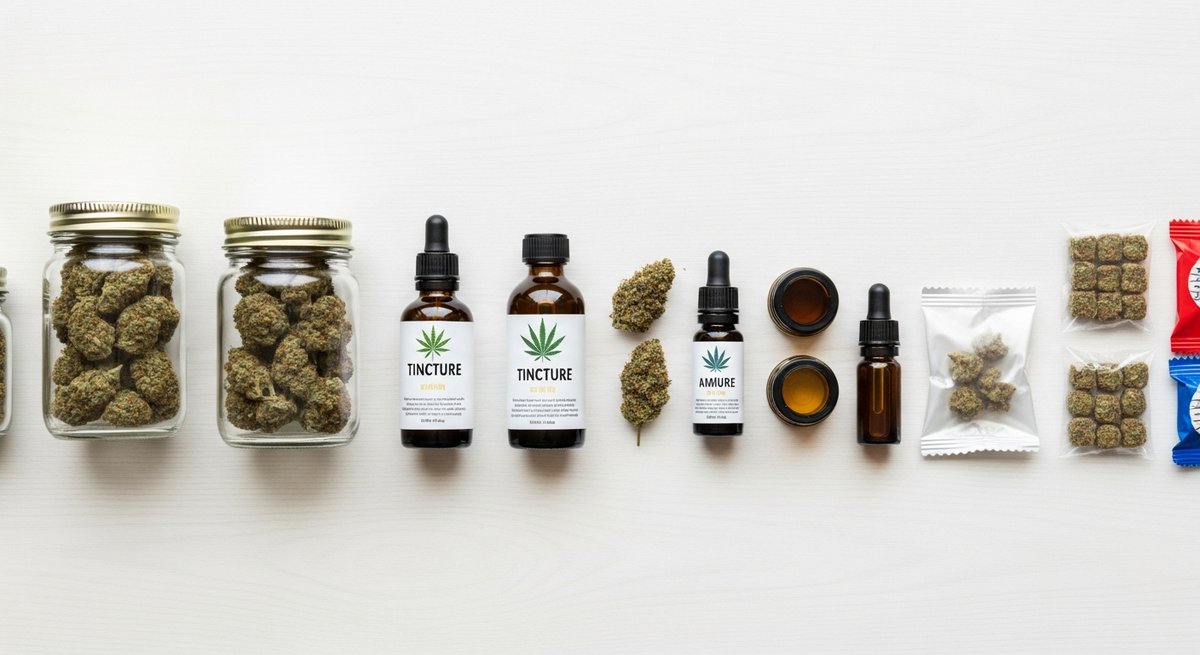
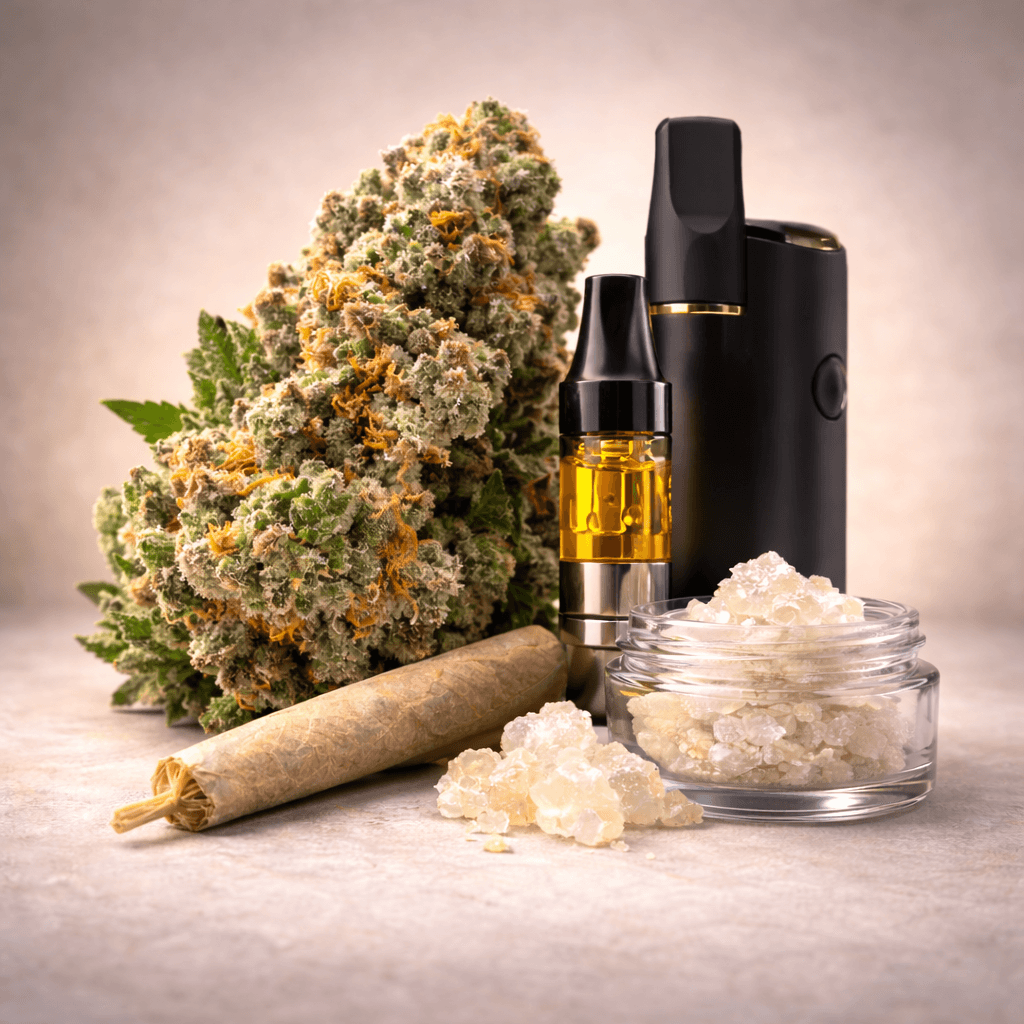
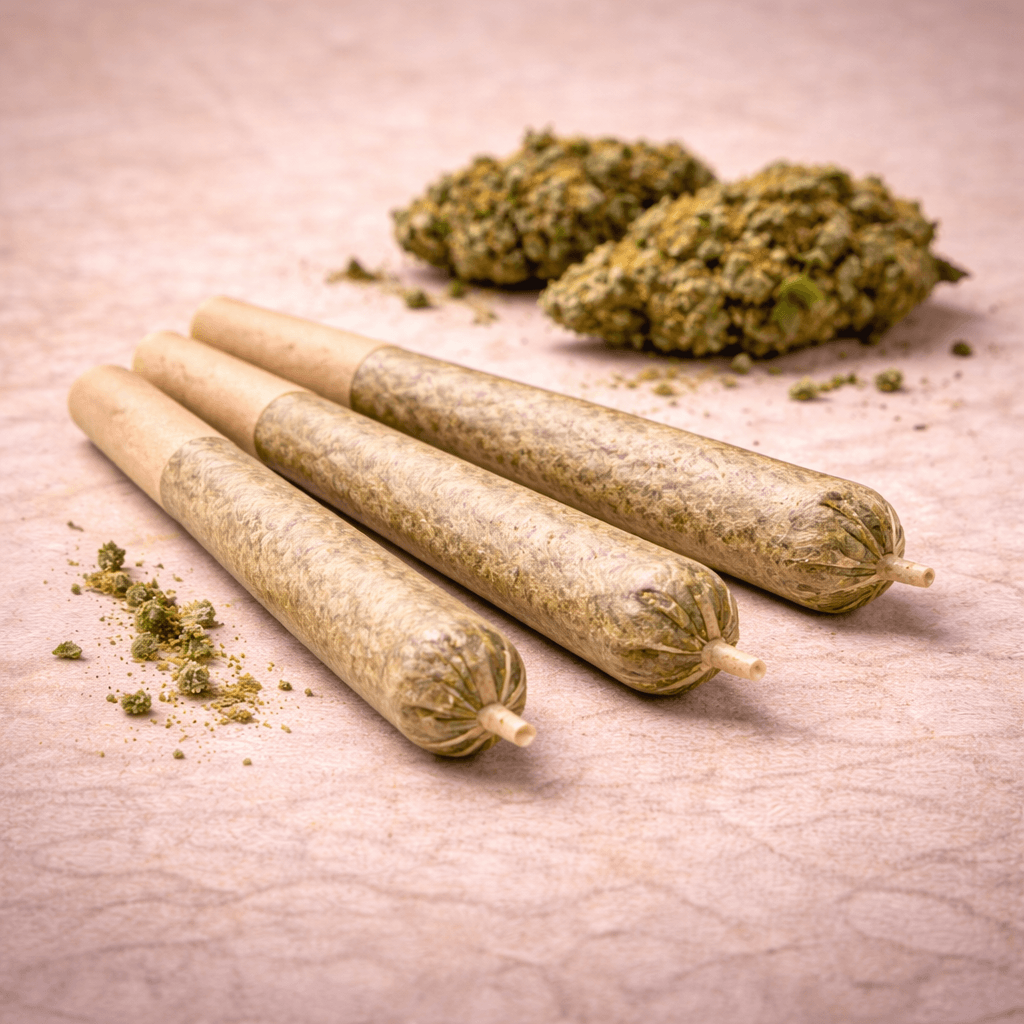
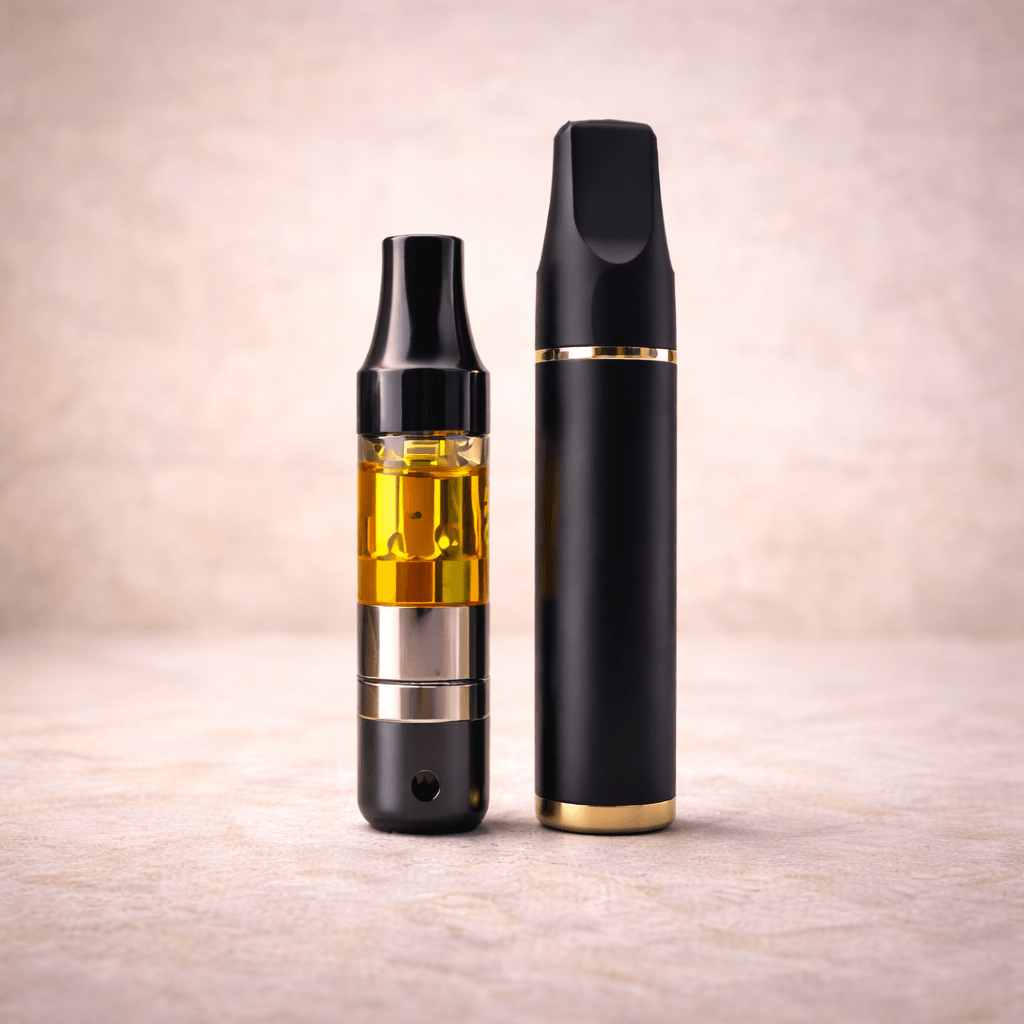
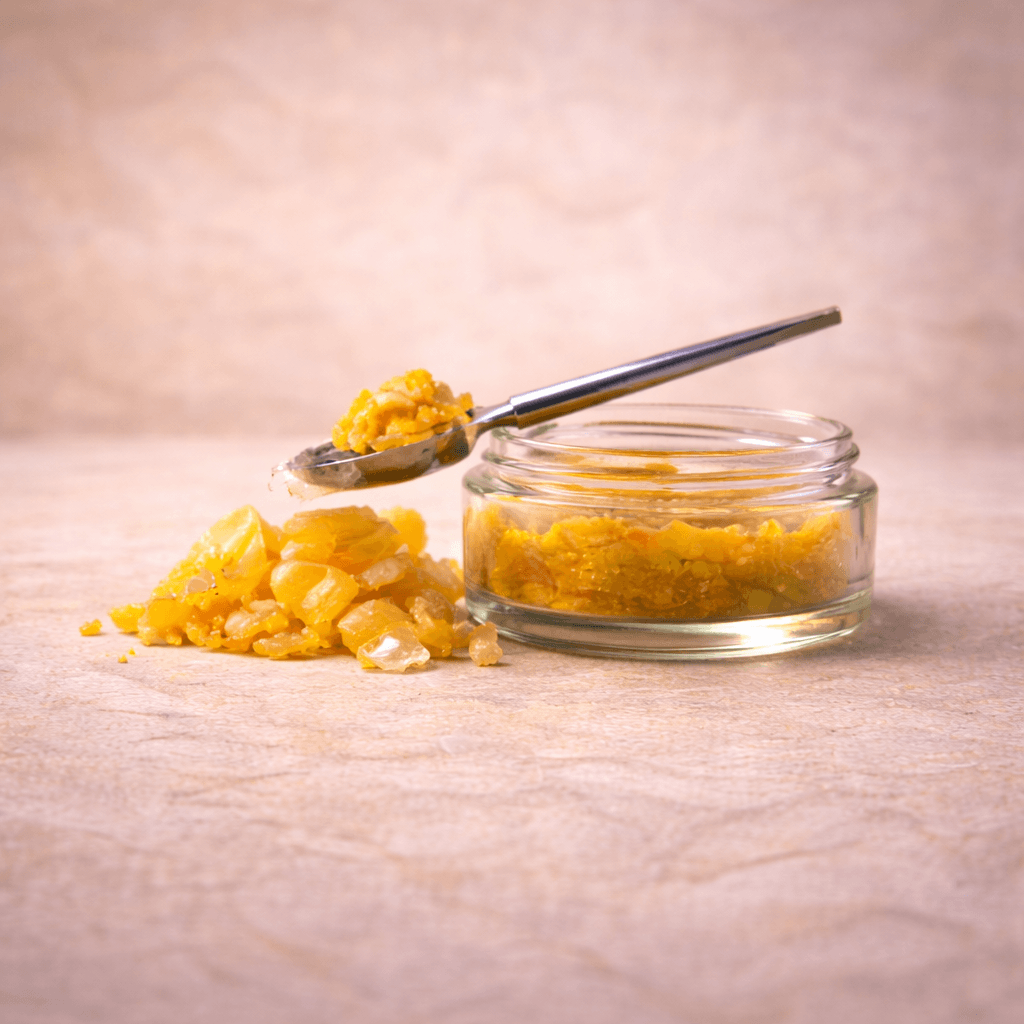
Walk into any dispensary or browse a hemp-derived cannabis site and you’ll find THC in a wide array of formats. Flower is the traditional form – dried cannabis consumed by smoking or vaporizing. Concentrates like wax, badder, and live rosin contain much higher THC percentages than flower and are intended for experienced users with a clear sense of their tolerance. Vape cartridges offer a portable, consistent way to inhale specific cannabinoid profiles, and their dose-per-puff consistency makes them practical for people who want predictability.
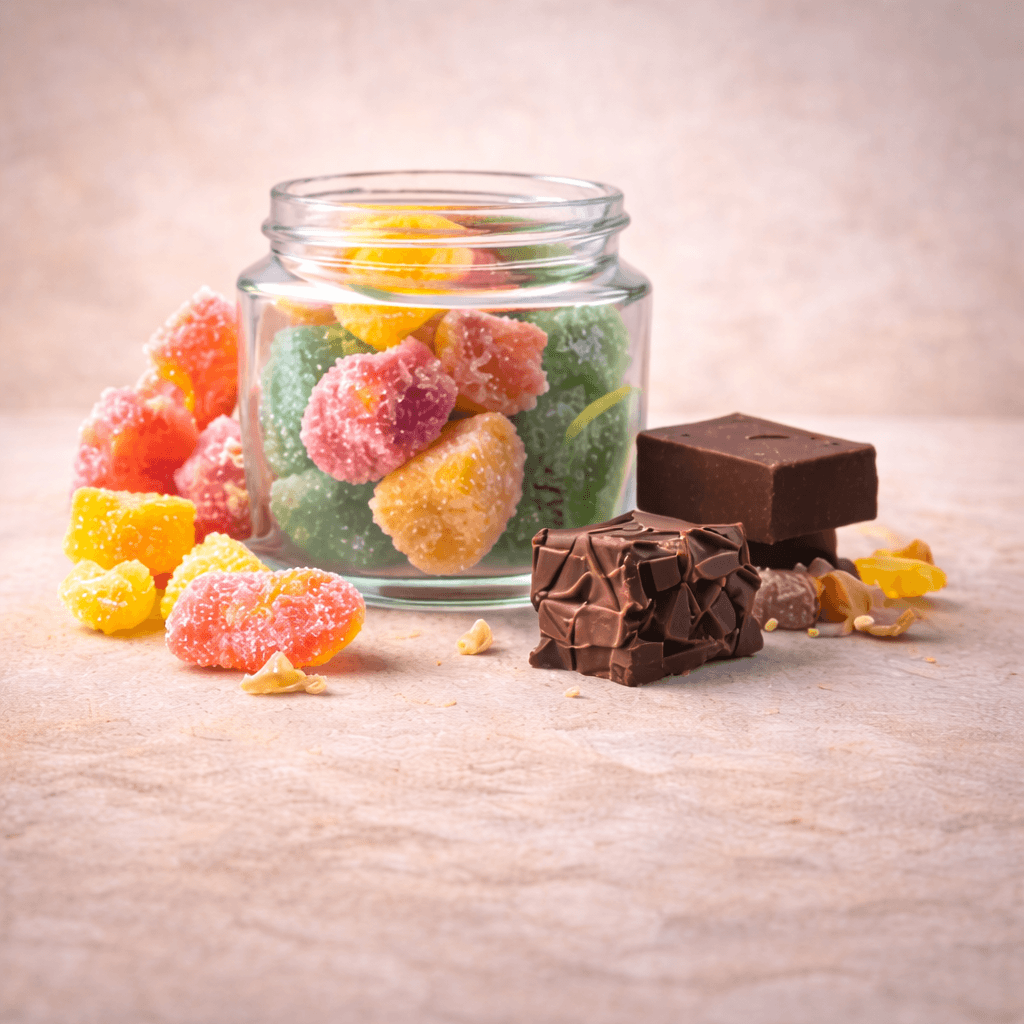
Edibles – gummies especially – have become one of the most popular formats for both new and experienced cannabis users. Precise milligram dosing, no inhalation required, long shelf life, and a wide range of potency options make them accessible. If you’re thinking through the edible landscape in any depth, the full breakdown of what to know before buying THC gummies covers dosing, onset time, and product quality in detail.
For people new to gummies specifically, the format choice matters as much as the dose. Live rosin gummies – made from solventless extract – tend to preserve a broader terpene profile than distillate-based products, which some users find produces a more nuanced experience. Hometown Hero is one brand that works consistently in this space, using live rosin extraction across their gummy line.
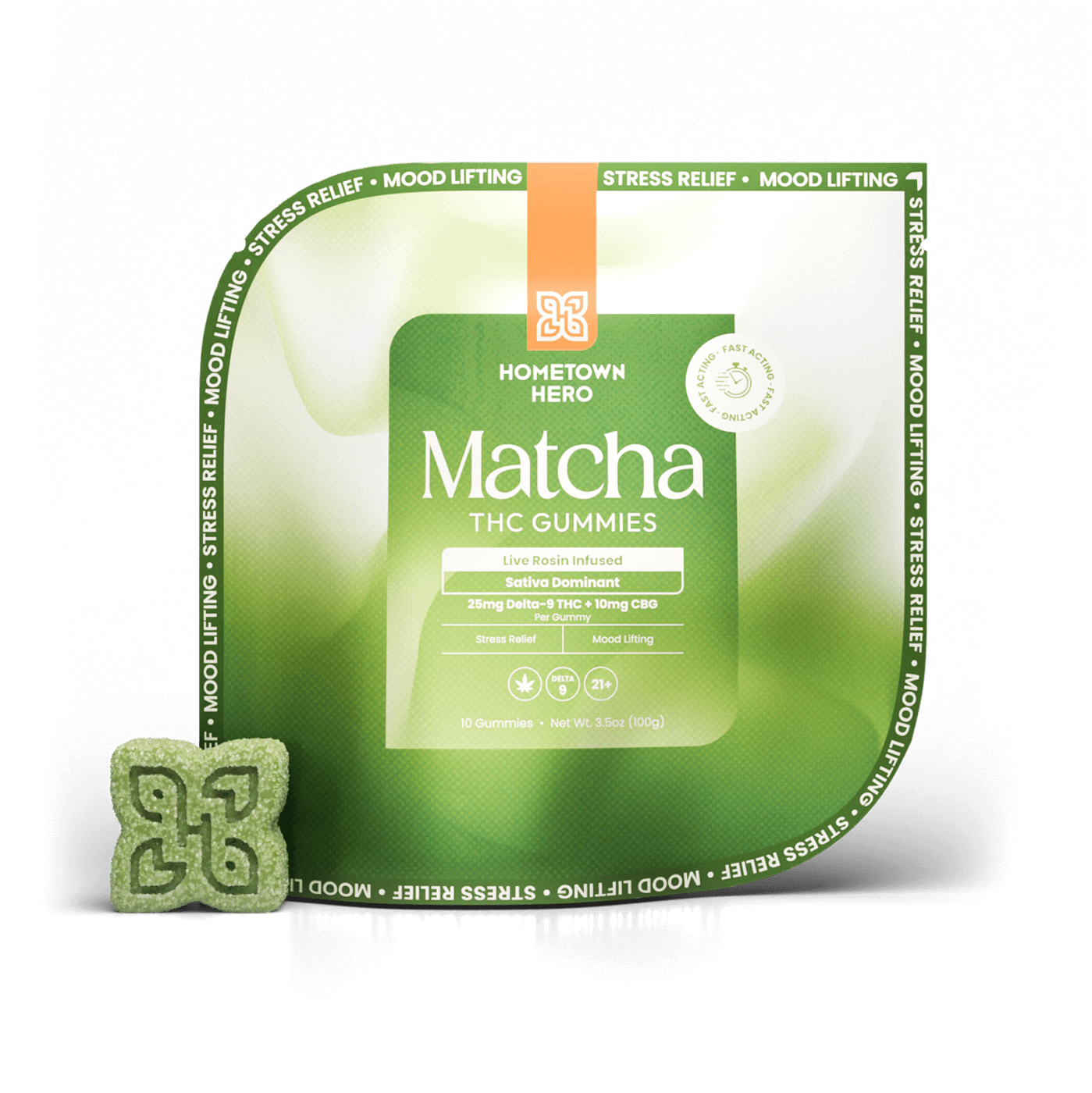
Hometown Hero Delta-9 Live Rosin Gummies – Matcha
Solventless live rosin extract in a precisely dosed gummy format. Broad terpene retention and consistent potency make these a reliable starting point for both new and experienced consumers.
Reading a Label: What the Numbers Actually Mean
THC percentage on a flower or concentrate label tells you the proportion of THC by weight. A product labeled 20% THC contains roughly 200mg of THC per gram. That sounds like a lot – and for someone new to cannabis, it is. For context, the FDA-approved synthetic THC medication dronabinol is typically prescribed in 2.5mg to 10mg doses. Edible labels express THC in milligrams per serving and milligrams per package, which is more intuitive for dose-tracking purposes.
Certificate of analysis (COA) documents – third-party lab tests – are the most reliable way to verify what’s actually in a cannabis product. Reputable brands make COAs publicly available, usually via a QR code on the packaging. A COA should include cannabinoid potency, terpene profile if applicable, and screening results for pesticides, heavy metals, and residual solvents. If a brand doesn’t provide a COA, that’s a meaningful red flag.
The Legal Landscape in Brief
Delta-9-THC remains a Schedule I controlled substance under federal law in the United States, which places it in the same category as heroin and ahead of cocaine in terms of official scheduling – a classification most researchers view as scientifically outdated but which remains legally operative. Many states have created their own frameworks legalizing cannabis for medical use, recreational use, or both. Hemp-derived products containing less than 0.3% delta-9-THC by dry weight were federally permitted under the 2018 Farm Bill, which opened the door to a wide range of legal hemp-derived cannabinoid products.
The practical result is a complex, sometimes counterintuitive legal patchwork. A product legal in one state may be restricted in another. Hemp-derived delta-8-THC, for instance, is legal federally under the Farm Bill interpretation but explicitly banned in several states. Checking your state’s current regulations before purchasing is genuinely important, not just a legal formality.
Understanding what THC is – the chemistry, the biology, the delivery methods, the risks, and the regulatory context – puts you in a much better position to make informed decisions about whether and how to use it. The compound is genuinely interesting from a scientific standpoint, increasingly mainstream from a cultural standpoint, and still evolving from a legal and research standpoint. That combination is why the conversation around THC remains as active as it does.
Important Notice
This article is for informational purposes only and does not constitute medical advice. THC affects individuals differently based on dose, delivery method, individual biology, and other factors. Consult a qualified healthcare provider before using cannabis products, especially if you take prescription medications, are pregnant or breastfeeding, or have an existing medical condition. Do not drive or operate heavy machinery after consuming THC.
Frequently asked questions
What does THC stand for?
THC stands for delta-9-tetrahydrocannabinol. It is the primary psychoactive compound in the cannabis plant and is responsible for the intoxicating effects associated with cannabis use. It binds to CB1 receptors in the brain and central nervous system, producing changes in perception, mood, and cognition.
How long does THC stay in your system?
THC and its metabolites are stored in fat tissue and cleared gradually. Urine tests may detect THC metabolites for three to thirty days depending on frequency of use, body composition, and hydration. Heavy daily users can test positive well beyond a month. Blood and saliva tests detect more recent use and have shorter detection windows.
Is THC the same as CBD?
No. Both are cannabinoids derived from cannabis, but they differ significantly in their effects. THC is intoxicating and binds directly to CB1 receptors. CBD does not produce a high and interacts with the endocannabinoid system through different mechanisms. Many products combine both compounds, as some evidence suggests they may work better together than either alone.
What is THCA and how does it differ from THC?
THCA is the acid precursor to THC found in raw, unheated cannabis. It is non-intoxicating in its natural state. When exposed to heat through smoking, vaping, or baking, THCA undergoes decarboxylation and converts to active delta-9-THC. This is why raw cannabis leaf does not produce psychoactive effects when eaten without heating.
Can you overdose on THC?
A lethal THC overdose has not been documented in humans. However, consuming too much THC can cause severe anxiety, paranoia, rapid heart rate, nausea, and temporary psychosis-like symptoms – a condition sometimes called greening out. These experiences are distressing but not typically life-threatening. People with cardiovascular conditions should exercise particular caution given THC’s effect on heart rate.
Why do edibles hit harder than smoking?
When THC is consumed orally, the liver converts it into 11-hydroxy-THC, a metabolite that crosses the blood-brain barrier more readily than delta-9-THC itself. This produces a more potent and longer-lasting effect. The delayed onset – sometimes up to two hours – also leads many people to consume too much before feeling anything, compounding the intensity.
Does THC interact with prescription medications?
Yes. THC and CBD both affect cytochrome P450 liver enzymes, which metabolize many common medications including blood thinners, antidepressants, antiepileptics, and sedatives. This can alter how drugs are processed and either increase or decrease their effective concentration in the blood. Anyone on prescription medications should consult their physician before using cannabis products.
Sources
- Novotna A, et al. (2011). A randomized, double-blind, placebo-controlled, parallel-group, enriched-design study of nabiximols (Sativex), as add-on therapy, in subjects with refractory spasticity caused by multiple sclerosis. European Journal of Neurology, 18(9):1122-31. PMID: 21362108
- Lavender I, et al. (2022). Cannabinoids, Insomnia, and Other Sleep Disorders. Chest, 162(2):452-465. PMID: 35537535
- Grotenhermen F. (2003). Pharmacokinetics and pharmacodynamics of cannabinoids. Clinical Pharmacokinetics, 42(4):327-60. PMID: 12648025
- Hartman RL, Huestis MA. (2013). Cannabis effects on driving skills. Clinical Chemistry, 59(3):478-92. PMID: 23220273
For adults 21+ only. Cannabis laws vary by state. This content is for informational purposes only and does not constitute medical or legal advice. If you are experiencing a medical emergency, call 911 or go to your nearest emergency room immediately. Do not use cannabis as a substitute for professional medical treatment.
Weed.com does not endorse any specific product for the treatment or prevention of any medical condition. Individual results vary. Consult a qualified healthcare provider before starting any cannabis regimen.