🚛 FREE DISCREET SHIPPING ON ALL ORDERS $49+











Best Gummies for Focus: CBD and Low-Dose THC Options
You sat down to work two hours ago. The tab is open, the cursor is blinking, and somehow you’ve managed to reorganize your desktop, check the weather for a city you’ll never visit, and read three unrelated Wikipedia articles. Sound familiar? A lot of people are quietly turning to cannabis gummies – specifically CBD and low-dose THC options – looking

Published on: April 30, 2026

You sat down to work two hours ago. The tab is open, the cursor is blinking, and somehow you’ve managed to reorganize your desktop, check the weather for a city you’ll never visit, and read three unrelated Wikipedia articles. Sound familiar? A lot of people are quietly turning to cannabis gummies – specifically CBD and low-dose THC options – looking for a gentler way to narrow that mental static and actually get something done. And the market has caught up fast.
Not all gummies work the same way for focus. A high-THC edible isn’t going to sharpen your spreadsheet game – it’s more likely to send you on a tangent about the history of fonts. The sweet spot for cognitive clarity tends to live in a narrower dose range, often with CBD holding the wheel and THC playing a supporting role. This guide breaks down what to look for, how these compounds interact with attention and calm, and which products are worth your time.
Why Low-Dose THC and CBD Show Up Together in Focus Products

Most people associate THC with getting high and CBD with not getting high. That’s a passable shorthand, but it misses the more interesting part of the story. At low doses – think 2.5mg to 5mg of THC – many users report something closer to relaxed alertness than intoxication. The edge comes off anxiety without dulling cognitive function. CBD, meanwhile, appears to modulate how THC binds to cannabinoid receptors, which may blunt some of the more disorienting effects.
The endocannabinoid system plays a role here that’s easy to underestimate. It’s involved in mood regulation, stress response, and attention gating – all of which feed directly into whether you can sit with a task long enough to finish it. When anxiety or low-grade stress is what’s derailing focus, reducing that friction can make a meaningful difference. That’s the mechanism many focus-oriented gummy formulations are built around.
It’s also worth noting that hemp-derived delta-9 THC, which falls under the 0.3% dry weight threshold established by the 2018 Farm Bill, is how many of these products reach national retail. The pharmacology is the same as cannabis-derived delta-9, but the legal pathway differs. Always check current laws in your state before purchasing.
What the Evidence Actually Says About CBD and Cognitive Function
Research specifically on CBD gummies and focus in healthy adults is thin. Most rigorous trials have looked at CBD in clinical populations – anxiety disorders, epilepsy, substance use – not in someone trying to hit a deadline. But the adjacent evidence is worth paying attention to.
CBD’s anxiolytic properties are reasonably well-documented in controlled settings. Reducing background anxiety – the low hum of worry that makes concentration feel like swimming upstream – is a plausible indirect route to better focus. Whether that translates cleanly from clinical trial populations to everyday users is still an open question, and individual response varies considerably.
One thing to keep in mind: CBD’s oral bioavailability is notoriously low when taken without food. Studies suggest that eating a high-fat meal around the same time can increase absorption significantly. So if you take a gummy on an empty stomach and feel nothing, that’s often why – not because the product is weak.
Expert Insight
Dr. Alexander Tabibi
Dr. Alexander Tabibi
A 2020 review in CNS Drugs examined the pharmacokinetics of oral CBD in detail. The findings are clinically relevant for anyone using CBD gummies for any purpose, including focus: oral bioavailability is approximately 6% in a fasted state, rising roughly fourfold when taken with a high-fat meal. That’s not a minor variable – it’s the difference between a therapeutic dose and a sub-therapeutic one from the same gummy.
The review also flags that 70 to 75% of absorbed CBD is eliminated during first-pass hepatic metabolism, and that high hepatic clearance creates meaningful drug-drug interaction risk when cannabinoids are combined with medications cleared by the same liver enzymes. For otherwise healthy adults using CBD gummies occasionally, these concerns are lower. For anyone on prescription medications, this is a reason to involve a pharmacist before adding CBD to the routine.
Perucca et al. (2020). Critical aspects affecting cannabidiol oral bioavailability and metabolic elimination, and related clinical implications. CNS Drugs, 34(8):795-800. PMID: 32504461
The Case for Low-Dose THC: Microdosing Isn’t Just a Buzzword
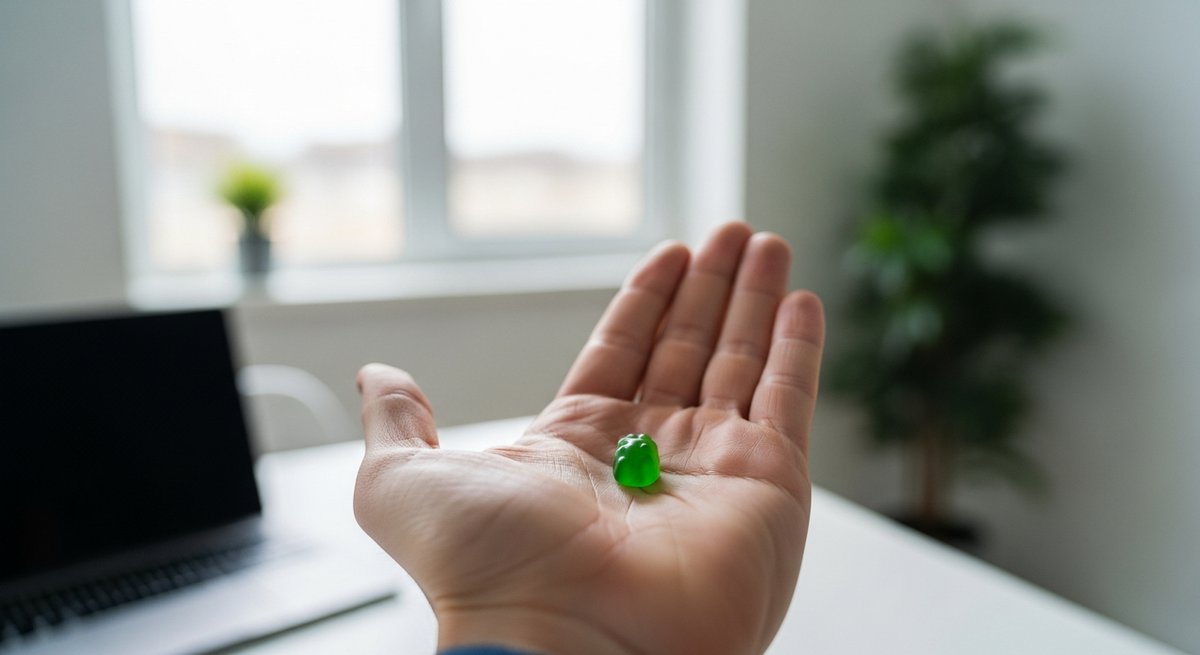
Microdosing THC has moved from fringe wellness territory into mainstream conversation, and for good reason. At sub-intoxicating doses – typically below 5mg per serving – THC behaves quite differently than it does at recreational quantities. Users often describe mild mood elevation, reduced mental friction, and a kind of focused calm that can support sustained attention without impairing executive function the way higher doses tend to.
The key word is “sub-intoxicating.” The moment you cross from microdose into genuinely psychoactive territory, the cognitive calculus shifts. Memory encoding becomes less reliable, working memory takes a hit, and time distortion kicks in – none of which are helpful when you’re trying to stay on task. Start low, give it time to work (edibles can take 45 to 90 minutes), and resist the urge to redose too quickly.
Some formulas combine low-dose THC with nootropic-adjacent ingredients – lion’s mane mushroom is a popular addition right now. There’s actually some controlled trial data supporting lion’s mane’s effects on working memory and attention, which makes it a more credible functional addition than most “focus blend” ingredients you’ll see on supplement labels.
Expert Insight
Dr. Alexander Tabibi
Dr. Alexander Tabibi
A 2023 double-blind RCT published in Nutrients tested a single 1g dose of Nordic lion’s mane extract against placebo on a battery of cognitive tasks. At two hours post-ingestion, participants showed improved working memory performance (measured by N-Back reaction time), faster complex attention responses on Serial 7s, and quicker Go stimulus reaction times. Subjective happiness ratings also improved. The study was single-dose and short-term, so it tells us about acute cognitive effects rather than sustained supplementation outcomes.
Lion’s mane is one of the few functional mushroom ingredients with an RCT signal behind it for acute cognition. When you see it listed in a focus gummy formulation, it’s not meaningless marketing – but the trial involved a pure extract, not a combination product, so exact translation to a mixed-ingredient gummy remains uncertain.
La et al. (2023). Acute effects of naturally occurring guayusa tea and Nordic lion’s mane extracts on cognitive performance. Nutrients, 15(24). PMID: 38140277
How to Read a Focus Gummy Label Without Getting Fooled
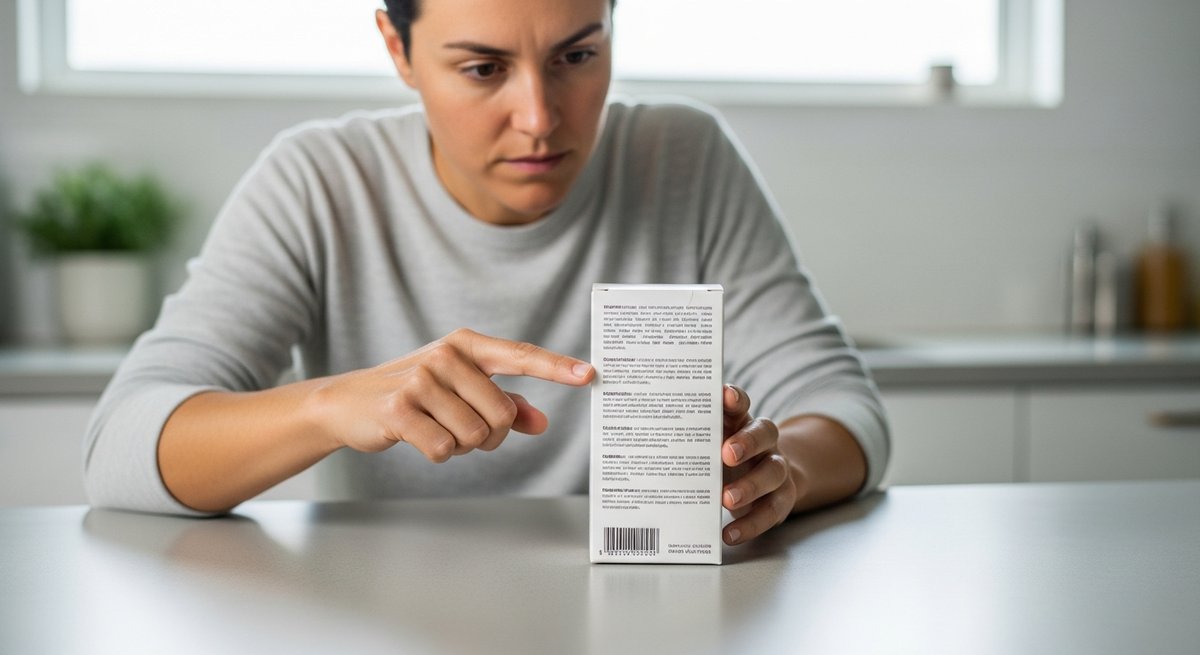
The wellness supplement aisle has a long history of impressive-sounding labels attached to products doing very little. Cannabis gummies occupy an interesting middle ground – some are genuinely thoughtful formulations backed by quality sourcing, and others are basically sugar candy with a milligram of hemp extract and a logo of a brain on the packaging.
First: look for a current Certificate of Analysis (COA) from a third-party lab. This should confirm the actual cannabinoid content matches what’s on the label, and it should screen for heavy metals, pesticides, and residual solvents. A brand that won’t share its COA – or whose COA is from two years ago – is asking you to take things on faith.
Second: pay attention to the cannabinoid ratio, not just the total milligrams. A 10:1 CBD to THC ratio – say, 25mg CBD and 2.5mg THC – reads very differently in the body than a 1:1 product at the same total potency. For focus specifically, higher CBD ratios with minimal THC tend to be where most users find clarity without cognitive overhead.
Third: the extraction method matters. Full-spectrum and broad-spectrum products contain more of the plant’s native compounds – terpenes, minor cannabinoids, flavonoids – which may contribute to the entourage effect. Live rosin formulations, which use fresh-frozen plant material and solventless extraction, preserve a particularly rich terpene profile that isolate-based products simply can’t replicate.
Focus vs. Anxiety vs. Sleep: Knowing Which Gummy Does What
One of the genuinely confusing things about shopping this category is that “focus,” “calm,” and “relaxation” gummies often contain nearly identical ingredients in slightly different ratios. Gummies marketed for focus tend to emphasize daytime-friendly formulations – lower THC, higher CBD, sometimes added terpenes like limonene or pinene associated with alertness in traditional cannabis culture.
Anxiety gummies often share a similar cannabinoid profile but may lean into different secondary ingredients or slightly higher CBD doses. If you’ve been exploring that category, the breakdown of the best CBD and THC gummies for anxiety on Weed.com covers the overlap well and explains where the two use cases diverge in formulation logic.
Sleep gummies are a different animal entirely – they typically push toward higher THC or add CBN (cannabinol), which tends toward sedation rather than clarity. The complete guide to CBD gummies for sleep explains how those formulations differ – useful context if you’re trying to build a day-and-night stack that doesn’t blur the line between the two.
Products Worth Considering for Daytime Focus
A few products stand out for their formulation transparency, sourcing quality, and consistency. For people who want to explore microdosed live rosin delta-9 THC in a daytime context, Hometown Hero’s live rosin gummies are a logical starting point. Live rosin extraction preserves more of the native terpene profile than distillate-based products, which may contribute to a more nuanced effect profile. The Matcha variant uses a flavor profile that feels distinctly daytime – not a sunset gummy in disguise.
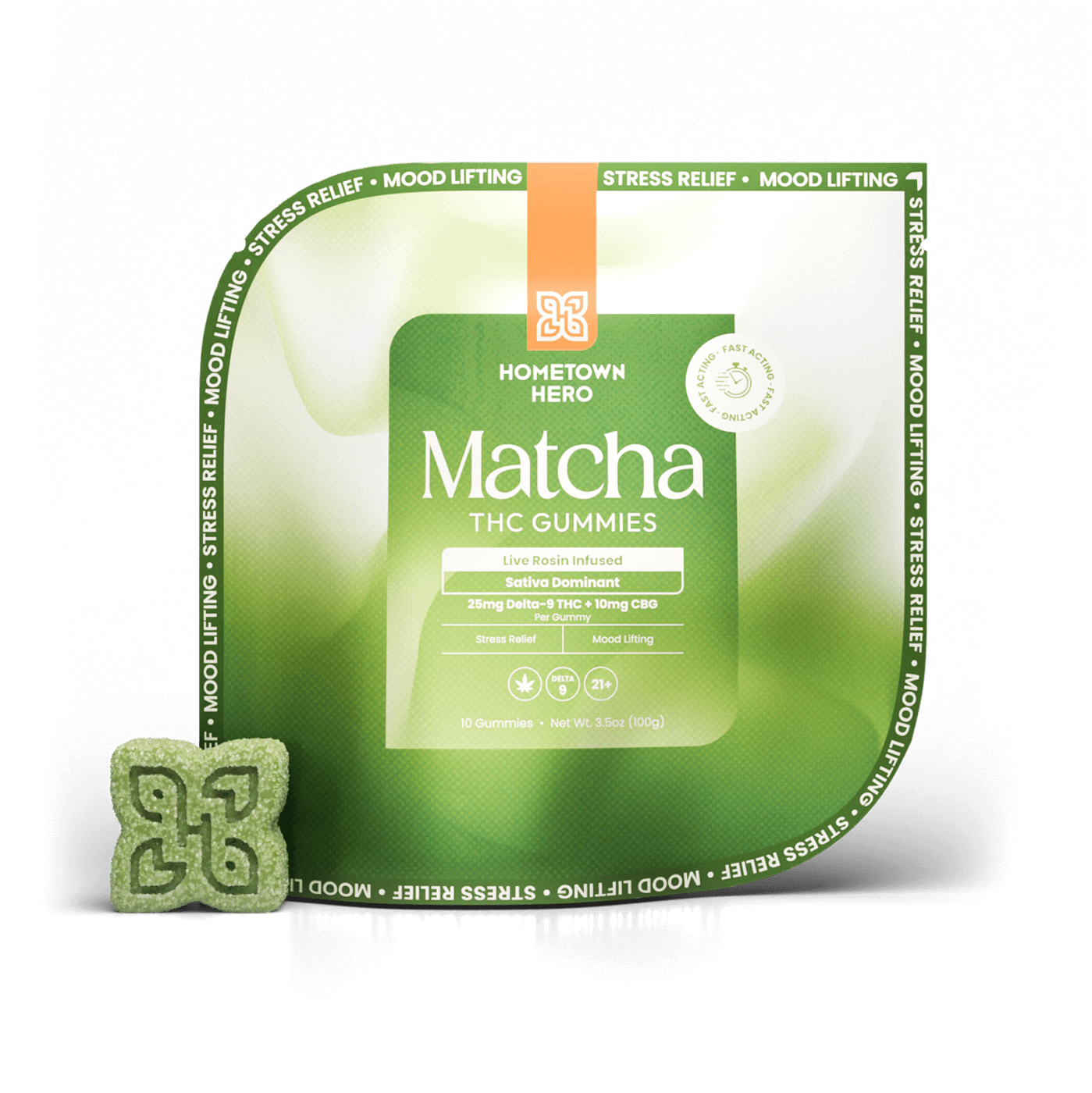
Hometown Hero Delta-9 Live Rosin Gummies – Matcha
Low-dose delta-9 THC via solventless live rosin extraction; daytime-friendly matcha flavor profile
For people who want to sample across dose levels before committing to a single product, the Hometown Hero 5mg Live Rosin Day and Night Discovery Pack is a practical option. It lets you compare how lower doses land during the day versus evening without buying multiple full-size bags – genuinely useful for dialing in your personal threshold before settling on a routine.
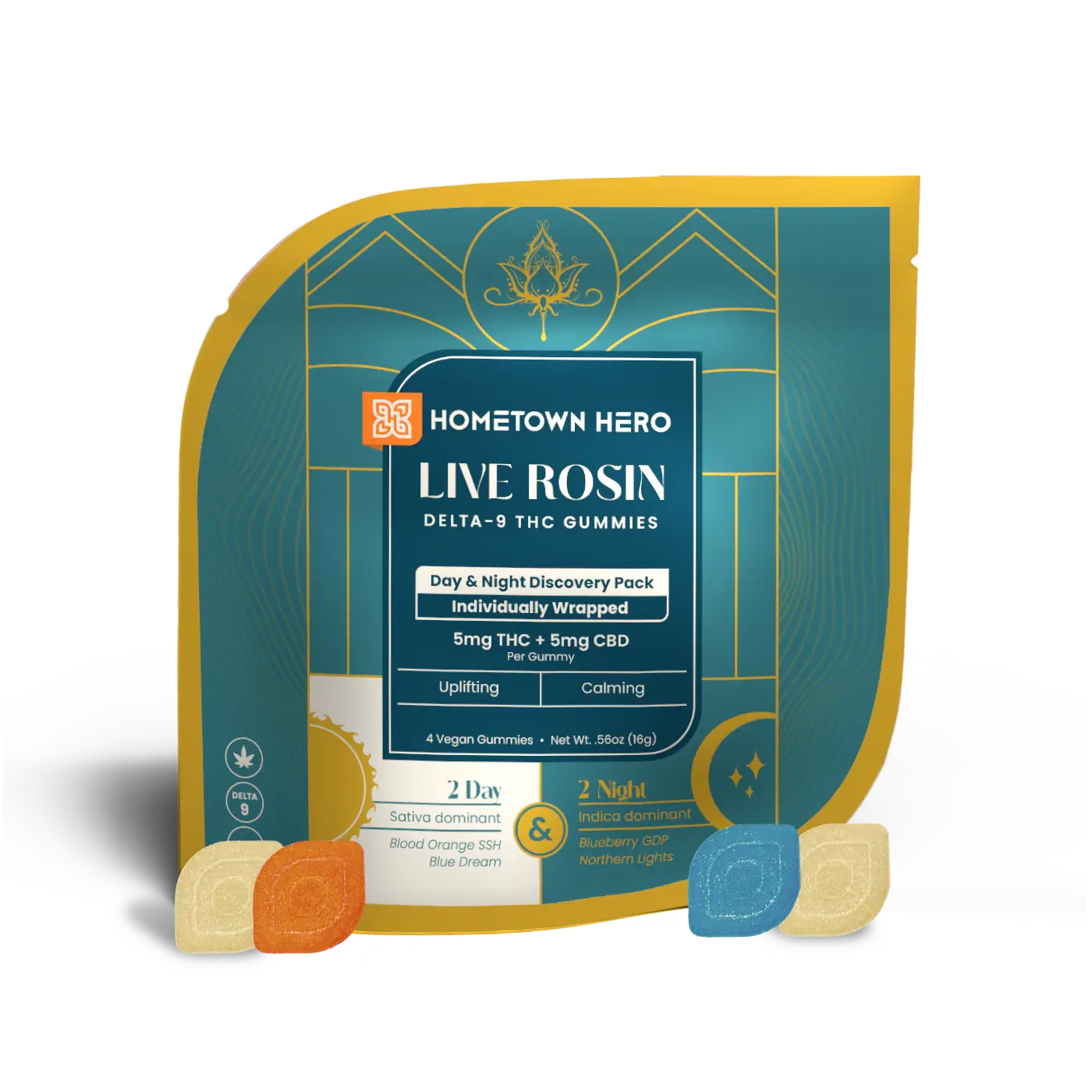
Hometown Hero 5mg Live Rosin Day & Night Discovery Pack
Sampler format with 5mg live rosin gummies split across day and night formulations
Timing, Tolerance, and the “Less Is More” Reality

Edibles are notoriously unpredictable compared to inhalation, and that unpredictability is disproportionately punishing for focus use. If you inhale too much, the effect fades in an hour or two. If you eat too much, you’re committed to that trajectory for three to six hours. That asymmetry should inform how you approach gummy dosing for daytime use.
Begin with the smallest available dose (2.5mg THC is ideal if you’re new to edibles), take it with food, and wait a full 90 minutes before evaluating. Many people redose at 45 minutes because they feel nothing, end up significantly more impaired than intended, and conclude that cannabis gummies don’t work for them. They do – just not when you’re impatient with the onset window.
Tolerance also shapes the experience significantly. Regular cannabis users may need slightly higher doses to achieve the same subtle-alertness effect that a cannabis-naive user gets from 2.5mg. The challenge is that tolerance reduces the ceiling, not just the floor – meaning heavier users may find it genuinely harder to access that microdose sweet spot without overshooting it.
Most people using gummies for focus find that mid-morning works better than first thing – after caffeine has had its window and before the afternoon energy slump. Evening use of a “focus” gummy often works against you. If you’re curious about cannabis for winding down later, the guide to the best vapes for sleep, including strain and format recommendations, covers that territory as a separate use case.
What to Realistically Expect (and What Not To)
Cannabis gummies for focus aren’t going to transform you into a high-output productivity machine if the underlying issue is burnout, poor sleep, or a genuinely unmanageable workload. They’re also not a substitute for ADHD treatment if that’s what’s actually driving your concentration struggles.
What they can reasonably do, for some people in some contexts: reduce low-level anxiety that’s fragmenting attention, create a mild sense of motivational ease that makes starting tasks feel less effortful, and take the edge off a restless baseline without the sedation that heavier cannabis use produces.
The people who tend to report the most consistent benefit are those using focus gummies to address anxious distraction rather than cognitive sluggishness. If your attention scatters because your mind is running anxious loops, a well-dosed CBD-forward gummy may quiet that noise enough to let you work. If your attention scatters because you’re genuinely fatigued or understimulated, cannabinoids are unlikely to address the root cause and may actually make things worse.
FAQs: Best Gummies for Focus (CBD + Low-Dose THC)
Do CBD gummies actually help with focus?
Yes, CBD can help reduce stress and mental distractions, making it easier to concentrate. It supports calm, steady focus rather than giving a strong energy boost.
What does low-dose THC do for focus?
In small doses (1–3 mg), THC may improve mood and creativity. But higher doses can reduce focus and make you feel distracted.
What’s the best ratio of CBD to THC for productivity?
A higher CBD-to-THC ratio like 10:1 or 20:1 works best for focus. It keeps your mind clear with just a slight uplifting effect.
Will these gummies make me feel high?
CBD-only gummies won’t make you high at all. Low-dose THC may give a mild, subtle feeling, but not a strong high.
When should I take focus gummies?
Take them about 30–60 minutes before starting work or studying. This allows enough time for the effects to begin.
Sources
La et al. (2023). Acute Effects of Naturally Occurring Guayusa Tea and Nordic Lion’s Mane Extracts on Cognitive Performance. Nutrients, 15(24). PMID: 38140277
Perucca et al. (2020). Critical Aspects Affecting Cannabidiol Oral Bioavailability and Metabolic Elimination, and Related Clinical Implications. CNS Drugs, 34(8):795-800. PMID: 32504461
Important Notice
Cannabis affects individuals differently. If you have a history of anxiety, panic disorder, or other mental health conditions, consult a qualified healthcare provider before using any cannabis product. This article is for informational purposes only and does not constitute medical advice. If you experience severe anxiety, chest pain, difficulty breathing, or feel you are in crisis, call 911 or go to your nearest emergency room immediately.
For adults 21+ only. Cannabis laws vary by state. This content is intended for informational purposes only and does not constitute medical or legal advice. If you are experiencing a medical emergency, call 911 or go to your nearest emergency room immediately.