🚛 FREE DISCREET SHIPPING ON ALL ORDERS $49+









Best Terpenes for Focus in a Vape Pen
Here is a question worth sitting with: what if the thing you actually want from cannabis is not to feel floaty or couch-bound, but to feel sharper? More dialed in, with the kind of steady mental energy that makes a long afternoon of work feel manageable rather than miserable. That is not a niche request. And it is exactly why

Published on: April 30, 2026
Here is a question worth sitting with: what if the thing you actually want from cannabis is not to feel floaty or couch-bound, but to feel sharper? More dialed in, with the kind of steady mental energy that makes a long afternoon of work feel manageable rather than miserable. That is not a niche request. And it is exactly why a relatively obscure cannabinoid called THCV has started showing up in conversations about focus, productivity, and functional cannabis use.
THCV, short for tetrahydrocannabivarin, has been sitting inside certain cannabis strains for a long time, mostly ignored. But interest has picked up, especially around vape formats, where fast onset makes it easier to notice what THCV actually does. And what it does – at lower doses – is genuinely interesting. This piece covers what THCV is, how it works differently from THC, why vaping suits focus-oriented sessions, what the early science shows, and how to think about using it. No hype, just the honest picture.
What Is THCV, Exactly?
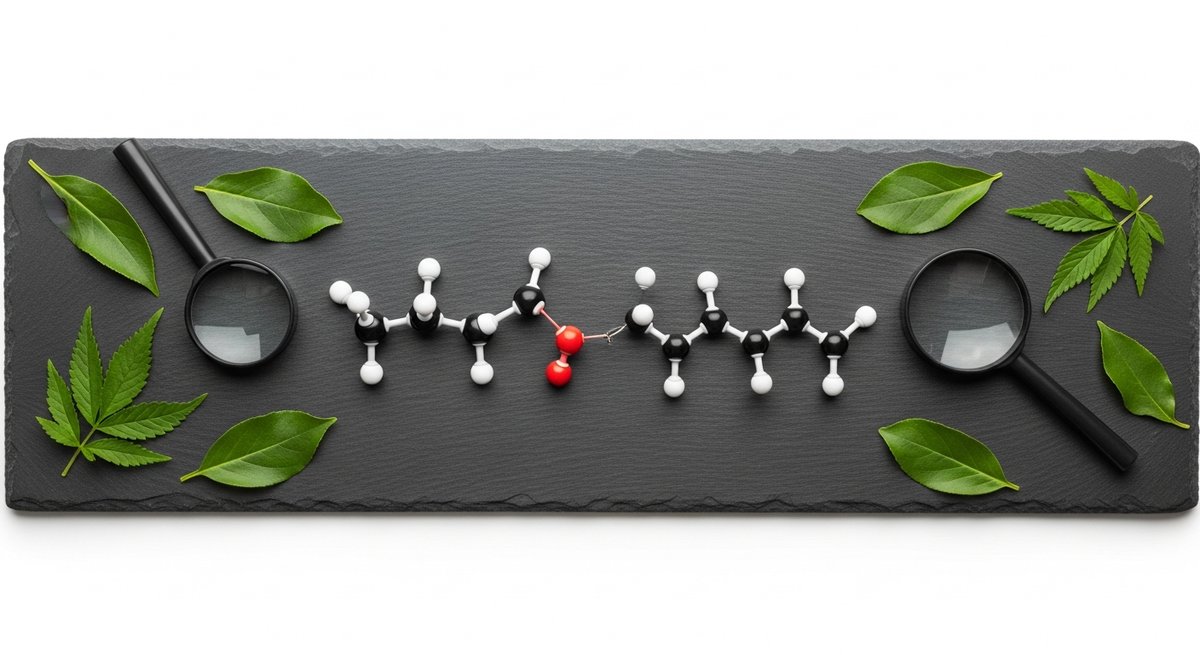
THCV is its own distinct compound. It is structurally similar to THC – they share the same basic cannabinoid backbone – but the side chain is shorter, and that small molecular difference changes its behavior at the cannabinoid receptors considerably. Think of it like two keys that look almost identical but open very different doors depending on how hard you push them.
THCV occurs naturally in cannabis, particularly in certain African sativas like Durban Poison. It is typically present in very small quantities in most commercial strains. As extraction technology improved, it became possible to isolate and concentrate it, which opened the door for THCV-dominant products. THCV is federally legal when derived from hemp under the 2018 Farm Bill, provided the final product contains less than 0.3% delta-9 THC. The legal picture still varies by state, so always check local rules before purchasing.
How THCV Works in the Brain (And Why It Feels Different)
THC is a CB1 receptor agonist, meaning it activates CB1 receptors in the brain, producing familiar intoxicating effects: euphoria, altered time perception, increased appetite, and occasionally anxious spiraling. THCV, at low to moderate doses, behaves more like a partial antagonist at the same CB1 receptor – it tends to blunt or counteract some of those THC-driven effects rather than amplify them.
At higher doses the picture shifts. THCV can become a partial agonist and produce mild psychoactive effects on its own. Most people using THCV for focus are working with lower doses specifically to stay in that more stimulating, less intoxicating zone. Individual responses vary based on body chemistry, tolerance, and the presence of other cannabinoids in a blend. There is also evidence that THCV operates through pathways beyond CB1, including activity at mu-opioid receptors, which helps explain why the subjective experience does not map neatly onto either classic THC intoxication or pure CBD calm.
Expert Insight
Dr. Alexander Tabibi
Dr. Alexander Tabibi
A 2011 pharmacology review examined the mechanisms of THCV alongside rimonabant and AM251. The review found that THCV demonstrates CB1-independent activity – including affinity at mu-opioid receptors – suggesting its effects cannot be reduced to simple CB1 antagonism. This matters for predicting how THCV will behave in combination with other cannabinoids.
These findings come from cell and receptor models, not human trials examining focus or cognition specifically. Extrapolating from receptor pharmacology to real-world subjective experience requires caution. The science is mechanistically credible but the human application layer is still developing.
Raffa et al. (2011). CB1-independent mechanisms of delta9-THCV, AM251 and SR141716 (rimonabant). Journal of Clinical Pharmacy and Therapeutics, 37(3):260-5. PMID: 21740450
The Appetite and Glucose Connection
Where THC famously increases hunger, THCV appears to suppress appetite at lower doses. That appetite-dampening effect attracted actual clinical research. A 2016 randomized, double-blind, placebo-controlled pilot trial by Jadoon and colleagues enrolled 62 people with type 2 diabetes and found that THCV significantly decreased fasting plasma glucose and improved beta-cell function compared to placebo.
This is one of the few human clinical trials on THCV, so it carries real weight. The metabolic angle may seem separate from focus, but stable blood sugar tends to support more consistent cognitive energy. Whether THCV’s metabolic effects translate meaningfully into sharper thinking is not proven, but the connection is plausible. That said, the trial was small, the population was diabetic, and the compound was administered in a controlled clinical setting – none of which maps directly onto someone vaping THCV before a work session.
Expert Insight
Dr. Alexander Tabibi
Dr. Alexander Tabibi
The Jadoon et al. (2016) randomized double-blind pilot trial in 62 people with type 2 diabetes demonstrates that THCV significantly decreased fasting plasma glucose and improved beta-cell function and adiponectin levels compared to placebo. Both THCV and CBD were well tolerated over the study duration, lending some confidence to the near-term safety profile in that population.
The key limitation is scope: this was a pilot trial in a diabetic cohort, not a study of cognition or focus in healthy adults. The metabolic data is the strongest clinical signal available for THCV – it is worth taking seriously, but expectations should be matched accordingly.
Jadoon et al. (2016). Efficacy and Safety of Cannabidiol and Tetrahydrocannabivarin on Glycemic and Lipid Parameters in Patients With Type 2 Diabetes: A Randomized, Double-Blind, Placebo-Controlled, Parallel Group Pilot Study. Diabetes Care, 39(10):1777-86. PMID: 27573936
Why Vaping Makes Sense for This Particular Cannabinoid

Delivery format matters more than most people realize. Edibles introduce a long delay between consumption and effect, making it genuinely difficult to calibrate dose or time the experience around a specific work block. Onset can range from 45 minutes to two-plus hours, and effects tend to be stronger and more body-heavy – not ideal for focus.
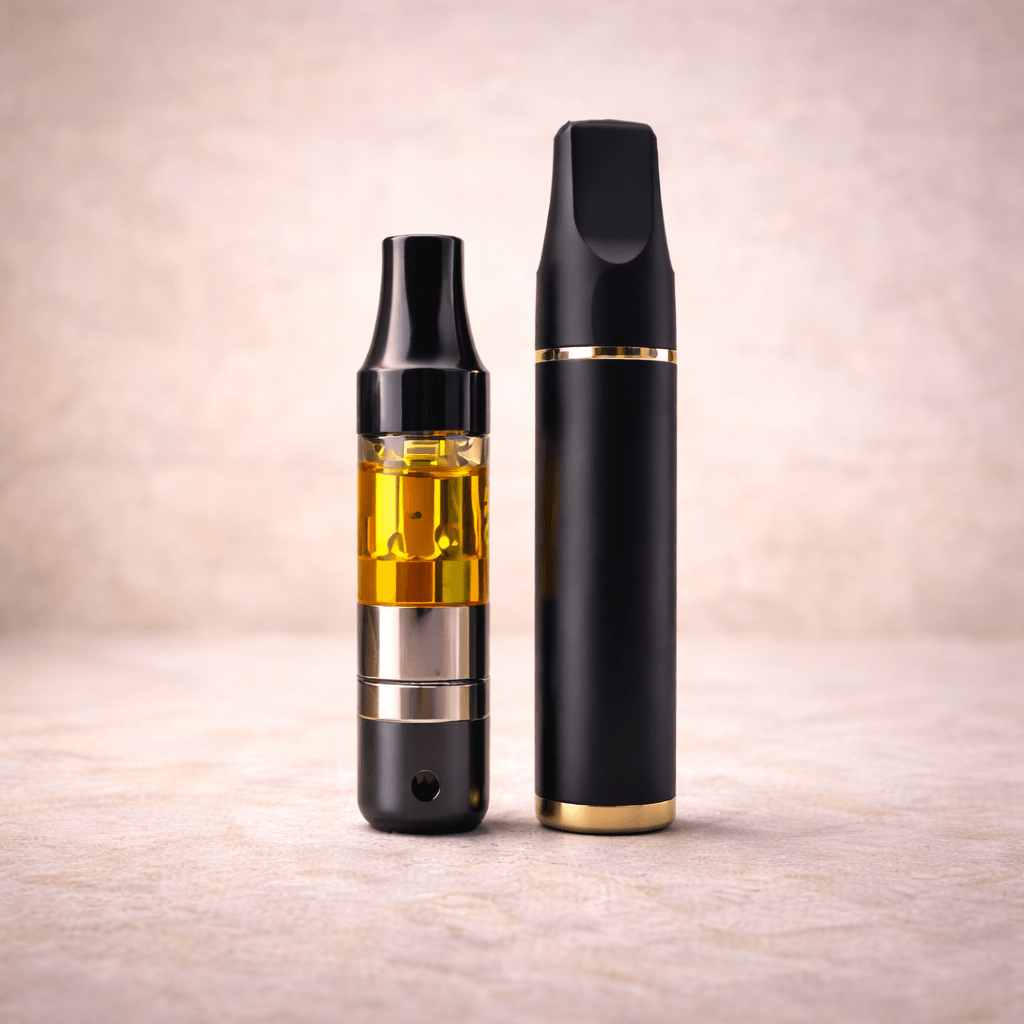
Vaping delivers cannabinoids via the lungs, meaning onset is fast – often within a few minutes. Effects are easier to feel in real time and shorter in duration than oral routes. For THCV, where you are trying to stay in a specific low-dose window to get stimulating effects without crossing into intoxication, that faster feedback loop is a real practical advantage. THCV vapes also come in a range of formulations combining THCV with CBD and energizing terpenes like limonene or pinene, making modern vape products more intentional than simply consuming cannabis.
If you are trying to understand how vape formats compare across different use cases, the breakdown of vape strains and products suited for sleep is a useful contrast reference, since knowing what makes a vape sedating helps clarify what makes a daytime-oriented vape different.
Terpenes: The Other Half of the Focus Equation
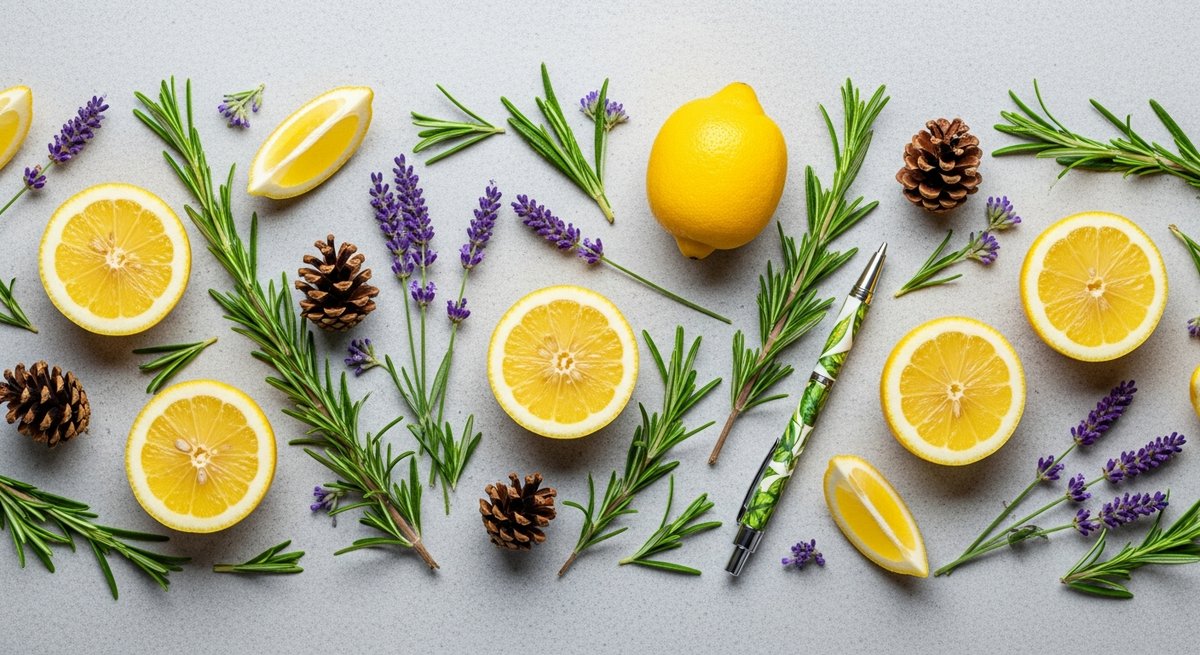
Terpenes are aromatic compounds found throughout the plant kingdom, and in cannabis they interact with the endocannabinoid system and other receptor pathways in ways that meaningfully shape the character of an experience. For focus-oriented sessions, certain terpenes are more favorable than others. Limonene, found in citrus strains, is associated with uplifting effects and commonly featured in daytime-leaning products. Alpha-pinene, found in pine and some sativas, is anecdotally noted for promoting alertness. Beta-caryophyllene has anti-anxiety properties that can take the edge off without heavy sedation.
By contrast, myrcene – the most abundant terpene in most cannabis strains – tends toward sedation. There is a detailed walkthrough of myrcene’s role in vape experiences and its relationship to sleep worth reading if terpene profiles are on your radar. High myrcene content is generally a signal to look elsewhere when your goal is energy and attention. When evaluating a THCV vape, look for products pairing THCV with low-myrcene, high-limonene or high-pinene profiles for the cleaner, more stimulating experience people associate with focus.
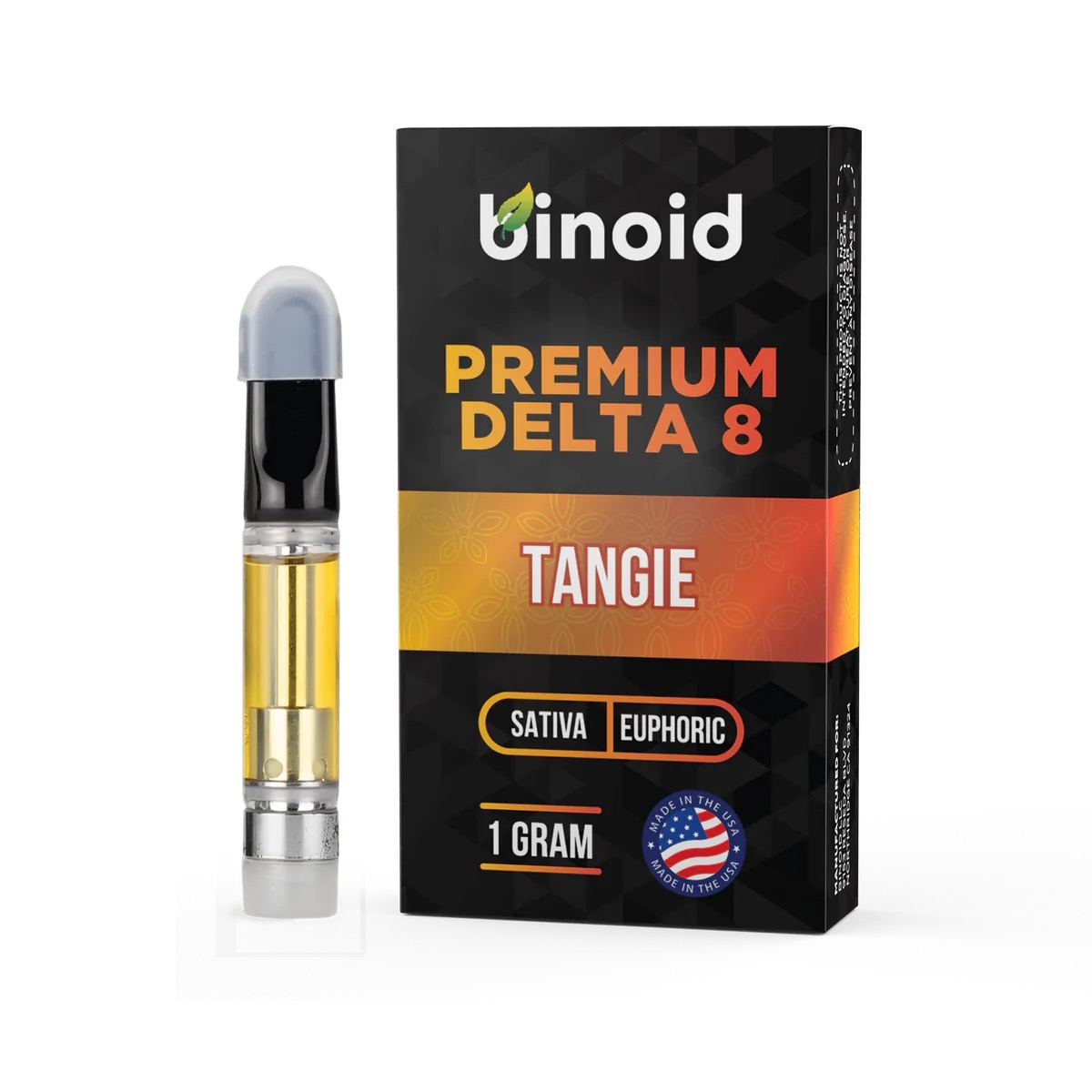
Binoid Delta 8 THC Vape Cartridge – Tangie
Citrus-forward sativa-leaning delta-8 cartridge designed for clear-headed, manageable effects
THCV Versus Other Cannabinoids in a Focus Context
CBD has real evidence behind it for anxiety reduction and calm, but calm is not the same as sharp. Most people who vape CBD for focus are managing anxiety rather than actively trying to enhance cognitive throughput. THCV’s partial CB1 antagonism at low doses theoretically positions it differently – closer to an alertness modulator than a relaxation tool.
Delta-8 THC is another popular hemp-market cannabinoid, reportedly milder than delta-9 THC and producing a cleaner high, but it is still primarily a CB1 agonist that produces some intoxication and appetite stimulation. For people wanting clarity without much psychoactivity, delta-8 is not really the same category as THCV. THCA is also worth mentioning: in raw form it is non-psychoactive, but when heated during vaping it converts to THC, making THCA vapes functionally closer to traditional THC experiences. If you want the full picture on THCA, the complete beginner’s guide to THCA covers that distinction in depth.
What a THCV Vape Session Actually Feels Like
Consumer reports about THCV vary, but there are consistent patterns. Most people describe a low-dose THCV vape session as lighter and more mental than a typical THC experience – less body heaviness, more of a sense of being present and engaged. Some describe it as vaguely similar to mild caffeine activation, without the jitteriness. The appetite suppression effect is also frequently mentioned, and for some people that is not a side benefit but the whole point.
Duration of effects is roughly one to two hours before noticeably tapering – manageable for a specific work window. Where people run into trouble is with dose escalation. Taking more does not simply intensify the focus effect; at higher doses THCV shifts toward agonist behavior that can become intoxicating. Starting low and adjusting slowly is mechanistically relevant for this compound, not just cautious advice.
What to Look for When Choosing a THCV Vape
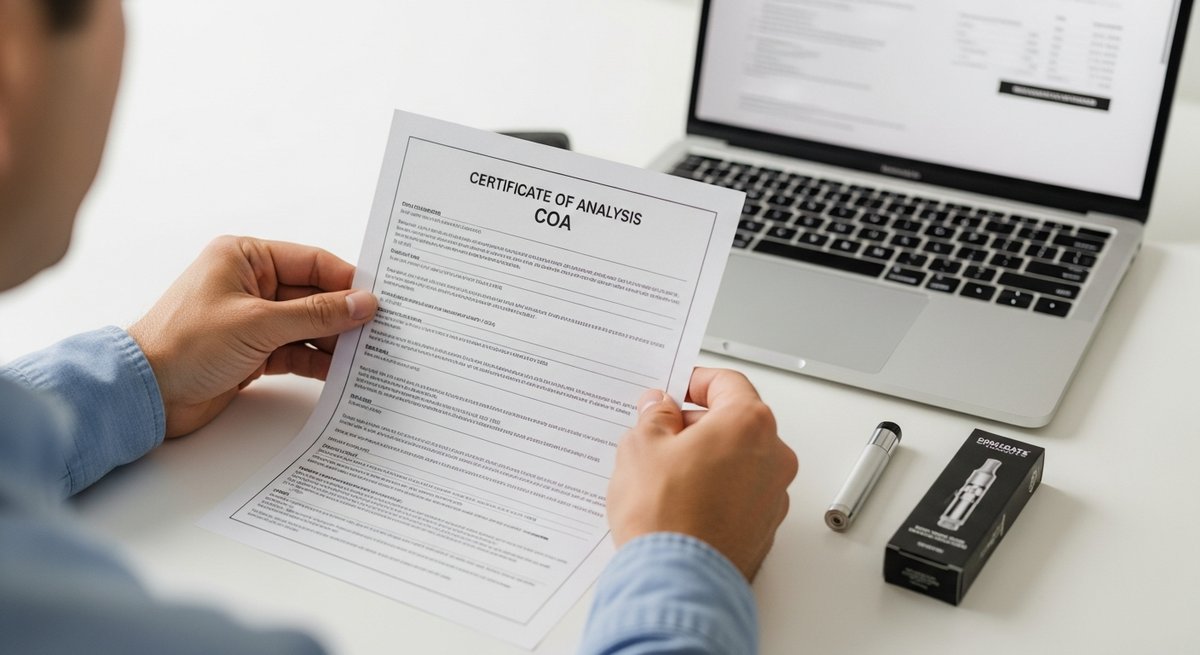
Not all THCV vapes are created equal, and the market ranges from thoughtfully formulated products to items that are mostly delta-8 with trace THCV added for the label. First, look for a Certificate of Analysis (COA) from a third-party lab confirming THCV concentration and screening for residual solvents, heavy metals, and pesticides. Second, check the full cannabinoid blend. A pure isolate THCV product versus a broad-spectrum or full-spectrum formulation will behave differently because of the entourage effect. Many of the most well-regarded focus-oriented products combine THCV with CBD and specific terpene profiles rather than using THCV alone. Third, pay attention to hardware quality – cheap hardware affects vapor quality and cannabinoid degradation.
If you are exploring vape options from established brands, the Cookies 2G Dual Chamber Vape in Adios MF! and Miami Mint is worth considering for high-quality two-in-one vape hardware with well-known strain curation.
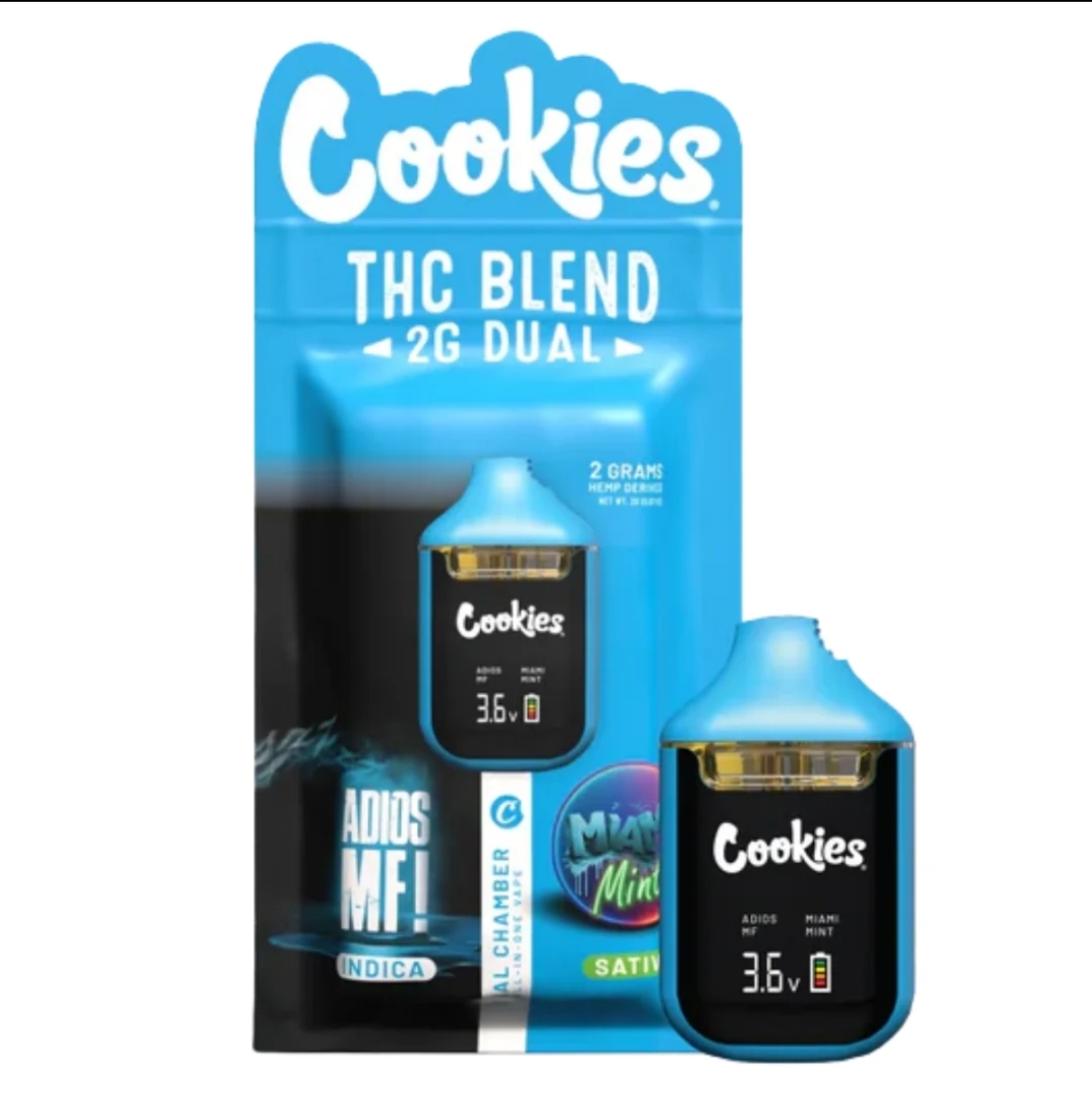
Cookies 2G Dual Chamber Vape – Adios MF! & Miami Mint
2-gram dual-chamber disposable with two distinct Cookies strain profiles in one device
Practical Guidance: How to Use a THCV Vape for Focus
Starting low is the most important principle. One to two short puffs is a reasonable entry point. Wait at least ten to fifteen minutes before taking more, since vape onset, while fast, still has a brief lag before full effect settles in. Many experienced users find two to three puffs is their sweet spot for a focused session without drifting into intoxication territory.
THCV tends to work best when used before a defined task window – a two-hour deep focus session, a creative brainstorm, or a challenging afternoon meeting – rather than as an all-day supplement. Its shorter duration of effects makes it well suited to that kind of intentional, bounded use. Keep water nearby during sessions, since mild dehydration measurably affects cognitive performance. And a quiet, low-distraction environment will always amplify any focus-supporting effect more than the cannabinoid alone can achieve.
What makes THCV different from regular THC for focus?
At low doses THCV acts as a partial CB1 antagonist rather than an agonist, which means it may mute some of THC’s intoxicating, appetite-stimulating effects and instead produce a lighter, more mentally alert sensation that many users associate with improved focus.
How much THCV should I vape for focus?
One to two short puffs is a sensible starting point. Wait ten to fifteen minutes before taking more. Higher doses shift THCV toward agonist behavior that can become intoxicating, so staying at the lower end of the dose range is important for the focus-oriented effect.
How long do the effects of a THCV vape last?
Most users report noticeable effects for roughly one to two hours, somewhat shorter than typical THC vape sessions. That makes THCV well suited to a defined work block rather than all-day use.
What terpenes pair best with THCV for a focus vape?
Limonene and alpha-pinene are the most commonly recommended terpenes alongside THCV for a stimulating, mentally clear experience. Avoid high-myrcene profiles, which tend to push effects toward sedation and body heaviness.
Sources
Raffa et al. (2011). CB1-independent mechanisms of delta9-THCV, AM251 and SR141716 (rimonabant). Journal of Clinical Pharmacy and Therapeutics, 37(3):260-5. PMID: 21740450
Jadoon et al. (2016). Efficacy and Safety of Cannabidiol and Tetrahydrocannabivarin on Glycemic and Lipid Parameters in Patients With Type 2 Diabetes: A Randomized, Double-Blind, Placebo-Controlled, Parallel Group Pilot Study. Diabetes Care, 39(10):1777-86. PMID: 27573936
Important Notice
Cannabis affects individuals differently. If you have a history of anxiety, panic disorder, or other mental health conditions, consult a qualified healthcare provider before using any cannabis product. This article is for informational purposes only and does not constitute medical advice. If you experience severe anxiety, chest pain, difficulty breathing, or feel you are in crisis, call 911 or go to your nearest emergency room immediately.
For adults 21+ only. Cannabis laws vary by state. This content is intended for informational purposes only and does not constitute medical or legal advice. If you are experiencing a medical emergency, call 911 or go to your nearest emergency room immediately.