🚛 FREE DISCREET SHIPPING ON ALL ORDERS $49+










How to Microdose Gummies for Creative Sessions Without Crashing
There’s a particular kind of creative afternoon that everyone who uses cannabis is chasing: the one where ideas arrive faster than you can write them down, time behaves strangely in the best way, and you’re neither couch-locked nor anxious. Then there’s the other kind – the one where you took a bit too much, spent forty minutes staring at your


There’s a particular kind of creative afternoon that everyone who uses cannabis is chasing: the one where ideas arrive faster than you can write them down, time behaves strangely in the best way, and you’re neither couch-locked nor anxious. Then there’s the other kind – the one where you took a bit too much, spent forty minutes staring at your sketchbook cover, and fell asleep on it. The difference between those two sessions is often just a few milligrams.
Microdosing gummies for creative work is genuinely an art form. It requires understanding your tolerance, reading your body’s signals, and building a simple protocol that keeps you in that narrow sweet spot – present, playful, and productive – without sliding into sedation or paranoia. This guide breaks that process down in a way that’s actually usable, not just theoretical.
What “Microdosing” Actually Means With Gummies
In cannabis culture, microdosing means consuming a sub-perceptual or lightly perceptual amount – enough to notice a subtle shift in mood or focus, but not enough to feel “high” in any overwhelming sense. For edibles, that range typically lives between 1mg and 5mg of THC, though people with lower tolerances might feel that acutely while experienced consumers might need to nudge toward 7mg or 8mg to register anything at all.
Gummies are uniquely well-suited to this because they come in precisely measured doses. The math is already done. The challenge shifts from measurement to timing and self-awareness, which turns out to be the harder part. It’s also worth noting that “creative session” covers a lot of ground – writing a novel requires different cognitive resources than composing music or designing a layout. The dose that opens up lyric writing might be too sedating for the sustained analytical focus that coding requires.
Why Gummies Take Longer Than You Think
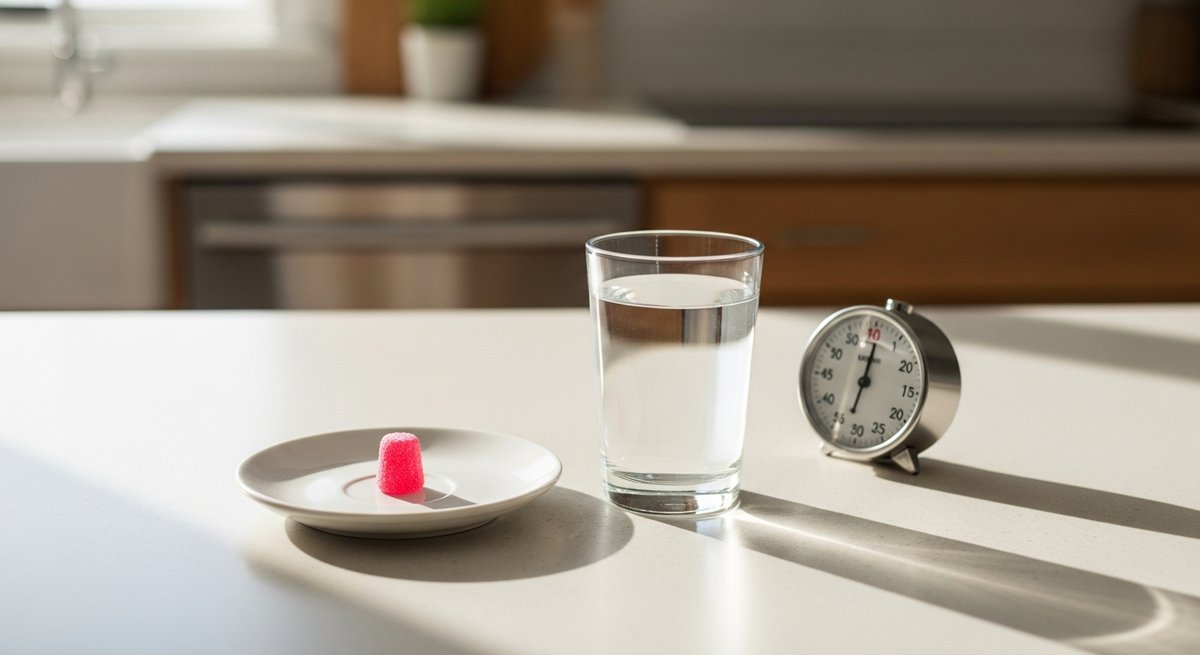
The single most common mistake with edibles is redosing too soon. You take 3mg, feel nothing after 45 minutes, and take another 3mg. Then an hour later, both doses land simultaneously. Edibles route through your digestive system and liver before hitting your bloodstream, converting delta-9 THC into 11-hydroxy-THC – a metabolite that is more potent and longer-lasting than inhaled THC.
On an empty stomach, onset typically runs 45 minutes to 90 minutes. After a fatty meal, it can stretch to two hours or more. For a creative session, this means taking your microdose before you sit down to work, not once you’re already at your desk. The breakdown of how long cannabis sleep gummies take to kick in applies almost identically to daytime gummies – the metabolism is the same; only the cannabinoid ratios differ.
Building Your Starting Protocol: The 2-2-2 Rule

Start at 2mg THC. Wait 2 hours before deciding anything about that dose. Do this for 2 sessions before adjusting. Two milligrams feels like almost nothing to many people, which is exactly the point – you want to learn how your baseline responds before creeping upward. If after two sessions at 2mg you noticed zero difference, step up to 3mg and run two sessions there.
You’re looking for the dose at which you notice a gentle loosening of self-criticism – that voice telling you what you just wrote is embarrassing. Once you find that signal, stay there. Keep a simple log: dose, time taken, what you ate beforehand, and a brief note on how the session felt. Patterns emerge faster than you’d expect. You might discover that 3mg on an empty stomach works beautifully while 5mg after dinner makes you sleepy by the second hour.
Expert Insight
Dr. Alexander Tabibi
Dr. Alexander Tabibi
A 2016 systematic review by Walsh et al., covering 31 studies, found that cannabis and cannabinoid-based therapies showed preliminary evidence of affecting cognition acutely. The review noted measurable short-term impacts on cognitive processing – relevant context when considering cannabis as a creative tool rather than a therapeutic intervention.
The review also cautioned that effects vary considerably across individuals and contexts. Some participants showed cognitive enhancement in specific domains; others showed temporary impairment. Dose, cannabinoid ratio, and individual biology all modulate the outcome in ways no gummy label can fully predict.
Walsh et al. (2016). Medical cannabis and mental health: A guided systematic review. Clinical Psychology Review, 51:15-29. PMID: 27816801
Choosing the Right Gummy for Creative Work
Sativa-leaning formulations tend to support the uplifted, mentally active state that creative work benefits from. Indica-forward products often lean sedative – great for sleep, counterproductive when you need to finish something. For creative sessions specifically, you want a gummy that delivers a clean, predictable experience with consistent potency. That’s where product quality matters more than marketing copy.
Hometown Hero’s live rosin gummies are worth noting here. Live rosin is extracted without solvents from fresh-frozen plant material, preserving more of the terpene profile – and terpenes play a meaningful role in shaping the texture of your experience. If you’ve ever wondered why two products with identical THC content feel noticeably different, terpene retention is often the answer.
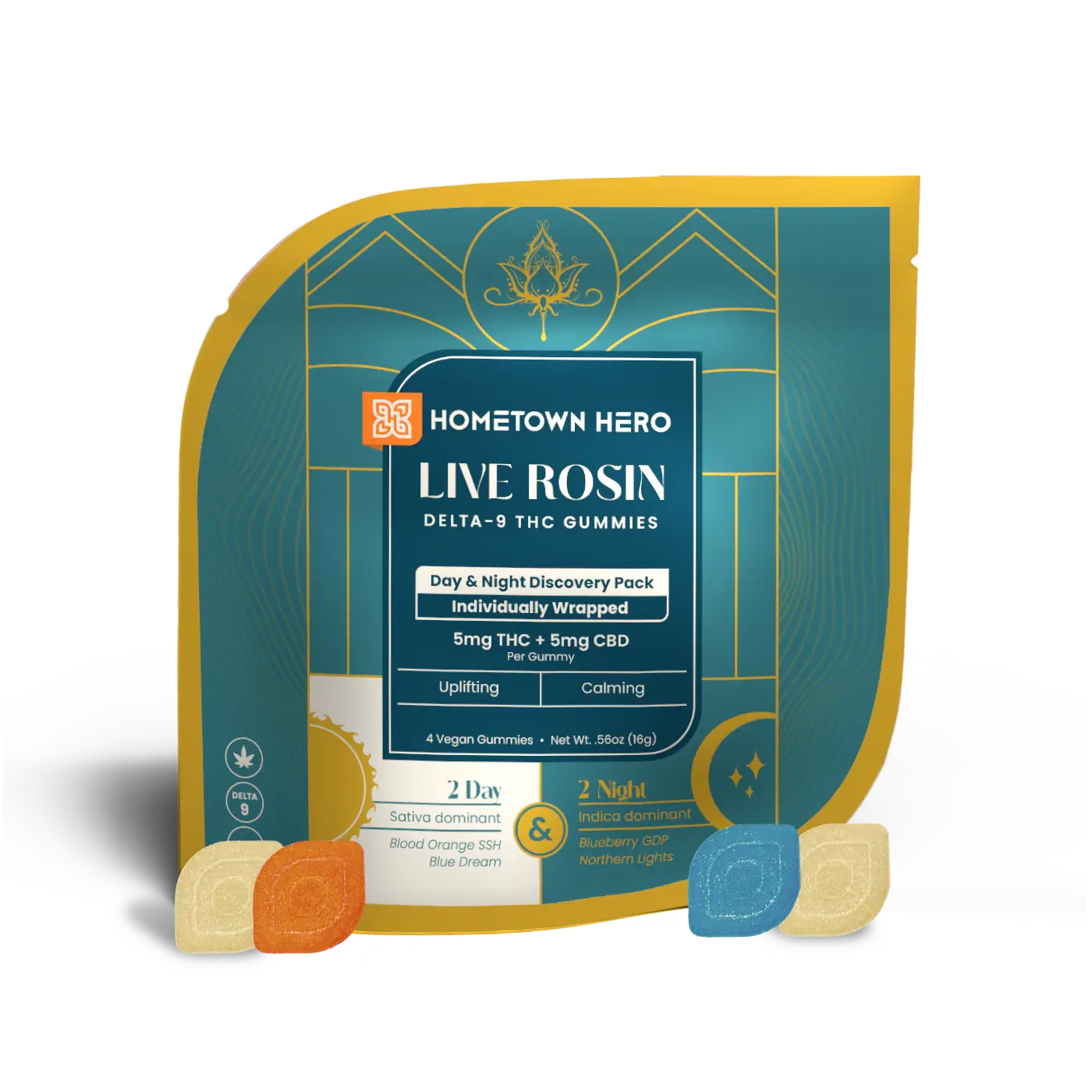
Hometown Hero 5mg Live Rosin Day & Night Discovery Pack
Solvent-free live rosin gummies at 5mg per piece – useful for calibrating daytime creative doses
For those who want a higher-potency option to cut into smaller pieces, Cookies’ THCA plus Delta-9 gummies offer a precise, well-documented formulation. Some experienced users halve or quarter a 10mg gummy to land at their personal microdose. THCA converts to THC when consumed, so these behave functionally like traditional Delta-9 gummies once metabolized.
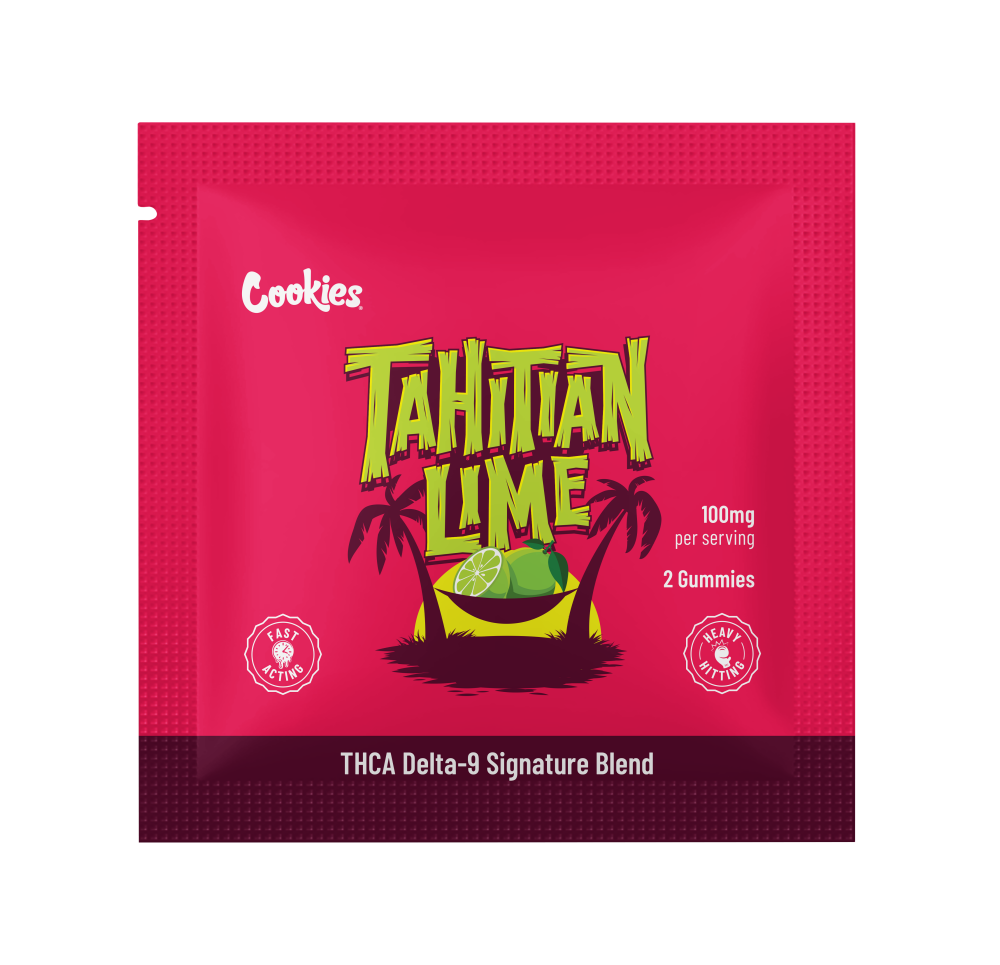
Cookies THCA + Delta 9 Gummies – Tahitian Lime
THCA and Delta-9 dual-cannabinoid gummies in a bright citrus profile; can be portioned for custom doses
Structuring the Session Itself

The gummy is only part of the equation. Cannabis at low levels tends to amplify whatever headspace you bring into the room. Spend ten minutes before dosing doing something you already find pleasant – a walk, stretching, reading something you enjoy. Think of it as calibrating your starting point. Set a loose time boundary for your session. Two to three hours is a reasonable window for most microdose creative work, and planning your hardest creative tasks for the rise and peak – then lighter tasks for the back half – makes the transition smoother.
Stay hydrated and have a snack nearby. Cannabis – even in small amounts – can increase sensory focus in ways that make you forget to drink water for two hours. Dehydration and low blood sugar both produce mental fog that’s easy to misattribute to the cannabis itself.
The Science of Low-Dose THC and Cognitive Flexibility
High doses of THC impair working memory and executive function in measurable ways, while lower doses can appear to do the opposite for some individuals. The prevailing explanation involves the endocannabinoid system’s role in modulating dopaminergic and serotonergic signaling. At sub-intoxicating doses, the gentle activation of CB1 receptors in prefrontal circuits may reduce the mental rigidity that blocks novel association-making. The research picture is genuinely complicated – most clinical studies use doses far above a 3mg creative microdose. That gap means the individual experimentation you’re doing is, in a real sense, the most useful data you have access to right now.
Expert Insight
Dr. Alexander Tabibi
Dr. Alexander Tabibi
A 2016 randomized, double-blind, placebo-controlled pilot trial found that cannabinoids interact meaningfully with receptor-level signaling even at measured, controlled doses. This is relevant context for microdosing: the endocannabinoid system is dose-sensitive in ways that affect both peripheral and central nervous system function, which is why the same compound can feel stimulating at low levels and sedating at higher ones.
The takeaway is that there’s no universal threshold – receptor sensitivity varies significantly between individuals. Even small cannabinoid dose differences produce measurable physiological divergence, which is precisely why the step-up approach to finding your personal creative sweet spot is the methodologically sound way to do this.
Jadoon et al. (2016). Efficacy and Safety of Cannabidiol and Tetrahydrocannabivarin on Glycemic and Lipid Parameters in Patients With Type 2 Diabetes: A Randomized, Double-Blind, Placebo-Controlled, Parallel Group Pilot Study. Diabetes Care, 39(10):1777-86. PMID: 27573936
Avoiding the Crash and Recalibrating When Things Feel Off
The “crash” after cannabis edibles is more of a gradual softening – the edges of your focus go fuzzy, motivation drains quietly, and you’ve been staring at the same paragraph for 20 minutes without processing a word. Overdosing relative to your tolerance is the primary culprit. Sleep debt compounds it: cannabis doesn’t add energy, it modifies the state you’re already in. Duration management helps significantly – plan your session to end before the peak subsides, and use the tail end for lighter tasks rather than pushing through.
Tolerance breaks also matter. Daily microdosing builds tolerance faster than people expect, meaning you’ll need progressively more to feel the same effect – defeating the purpose entirely. Most practitioners of intentional creative microdosing use it two to three times per week at most, leaving clean days in between.
Even a careful protocol misfires sometimes. If you feel more altered than intended, stop working. Change your environment, go outside if possible, drink water, eat something starchy. CBD has some evidence behind it as a functional counterbalance to THC-induced anxiety – having a CBD-only option on hand isn’t a bad idea during the calibration phase. After any difficult session, log what happened: a different batch, an empty stomach, less sleep. Finding the variable usually prevents a repeat.
If you’re someone who enjoys other consumption methods when gummies aren’t the right fit, it helps to understand the tools involved – for instance, improvised setups covered in pieces like this one on making an apple bong. The broader point is that understanding your consumption methods reduces surprises.
Adapting to Your Creative Work Type

Different creative disciplines respond differently to low-dose cannabis. Writers often report that microdosing loosens the internal critic most effectively during first-draft phases, while editing works better sober. Visual artists frequently find color perception and spatial thinking feel enriched at low doses, though fine motor precision can suffer slightly. Musicians sometimes describe an enhanced ability to hear harmonic relationships, though complex technical execution typically benefits from a clean head. Match your dose timing to the nature of the work you’re actually doing, not a generic idea of what creativity requires.
Frequently Asked Questions
What is a good starting dose for microdose gummies during a creative session?
2mg THC is the recommended starting point for most people. It produces minimal intoxication while allowing you to observe subtle effects on mood and focus before deciding whether to increase.
How long does a microdose gummy creative session typically last?
At 2-5mg THC, expect a productive window of roughly two to three hours. The clearest creative effects typically occur during the rise and peak phase, with a gentle fade afterward rather than an abrupt crash.
How do I avoid a cannabis crash after my creative session ends?
Keep your dose conservative, avoid dosing on severe sleep debt, stay hydrated, and plan your session to end before the comedown arrives. Scheduling lighter tasks for the tail end of the experience also helps manage the transition smoothly.
How often should I use microdose gummies for creative work?
Two to three times per week is a practical ceiling for most people. Daily use builds tolerance quickly, meaning you need higher doses to achieve the same subtle effect, which undermines the entire microdosing approach.
What type of gummy works best for creative microdosing?
Sativa-leaning or day-oriented formulations with preserved terpene profiles tend to support mental energy and focus better than indica-forward or sleep blends, which lean sedative and can counteract productive creative momentum.
Sources
- Jadoon et al. (2016). Efficacy and Safety of Cannabidiol and Tetrahydrocannabivarin on Glycemic and Lipid Parameters in Patients With Type 2 Diabetes: A Randomized, Double-Blind, Placebo-Controlled, Parallel Group Pilot Study. Diabetes Care, 39(10):1777-86. PMID: 27573936
- Walsh et al. (2016). Medical cannabis and mental health: A guided systematic review. Clinical Psychology Review, 51:15-29. PMID: 27816801
Important Notice
Cannabis affects individuals differently. If you have a history of anxiety, panic disorder, or other mental health conditions, consult a qualified healthcare provider before using any cannabis product. This article is for informational purposes only and does not constitute medical advice. If you experience severe anxiety, chest pain, difficulty breathing, or feel you are in crisis, call 911 or go to your nearest emergency room immediately.
For adults 21+ only. Cannabis laws vary by state. This content is intended for informational purposes only and does not constitute medical or legal advice. If you are experiencing a medical emergency, call 911 or go to your nearest emergency room immediately.