🚛 FREE DISCREET SHIPPING ON ALL ORDERS $49+









How to Vape for Brainstorming Without Losing the Thread
You sit down to brainstorm, take a couple of draws from your vape, and twenty minutes later you are either floating in a fog of half-finished ideas or inexplicably reorganizing your bookshelf. The problem is not cannabis itself – it is dosing and timing. Used deliberately, a vape can loosen the kind of rigid thinking that blocks genuinely new ideas.

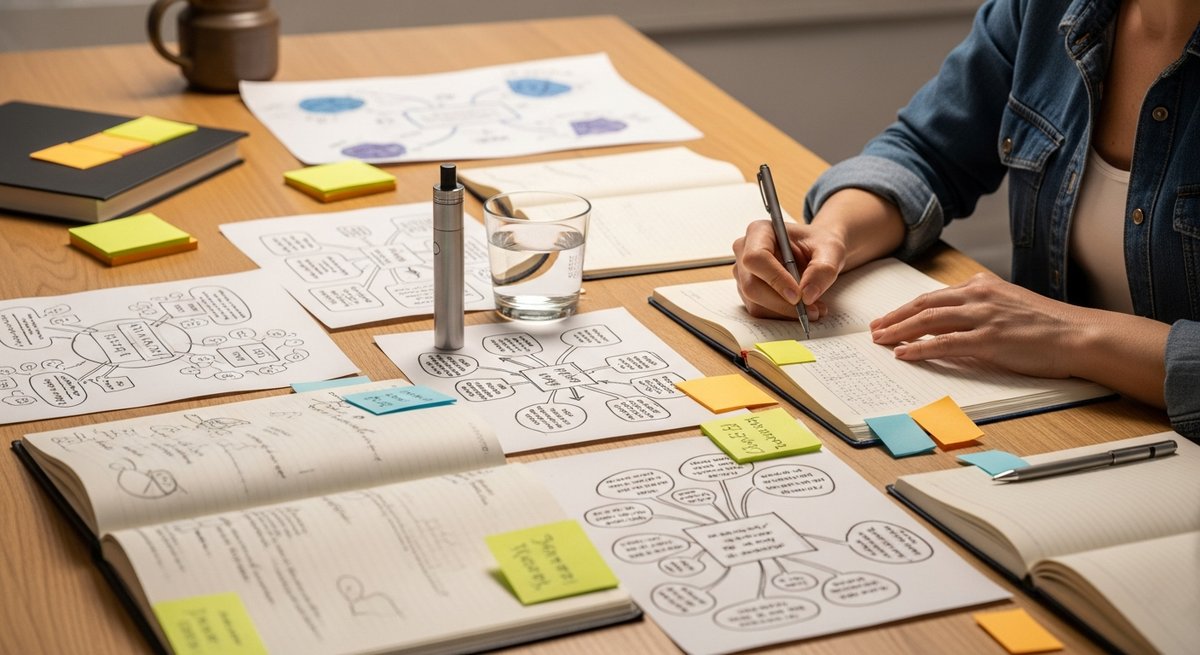
You sit down to brainstorm, take a couple of draws from your vape, and twenty minutes later you are either floating in a fog of half-finished ideas or inexplicably reorganizing your bookshelf. The problem is not cannabis itself – it is dosing and timing. Used deliberately, a vape can loosen the kind of rigid thinking that blocks genuinely new ideas. Used carelessly, it swallows the thread entirely. The difference comes down to a handful of concrete choices you make before you ever pick up the device.
Why cannabis can support creative thinking and why it sometimes does not
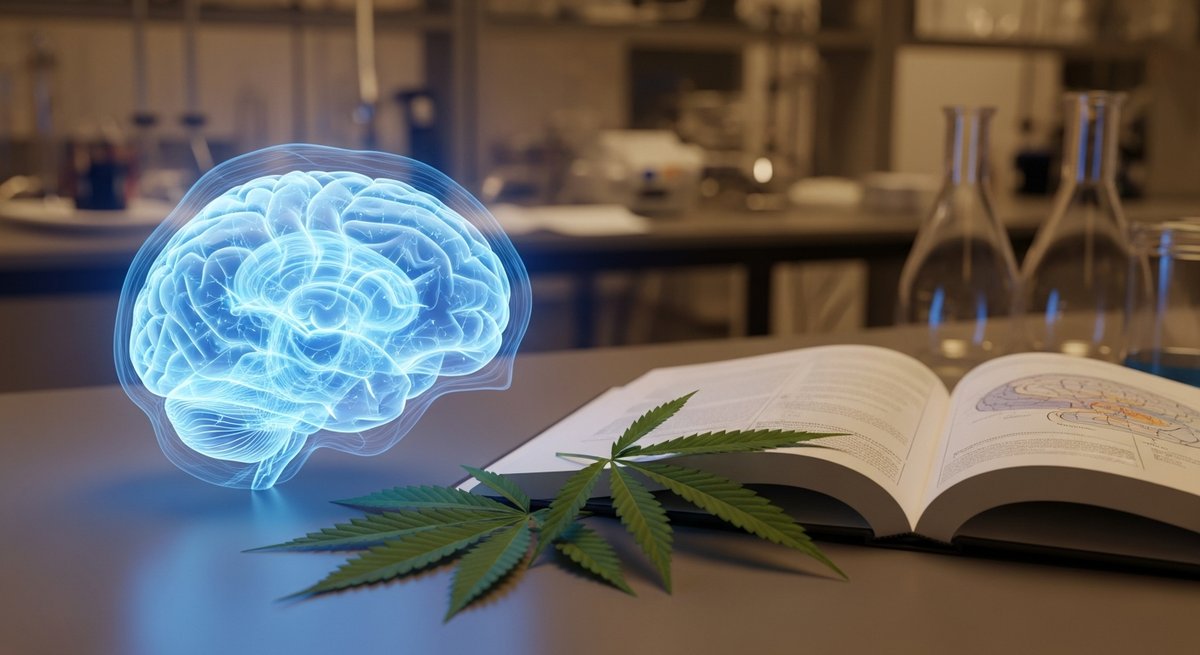
THC binds to CB1 receptors concentrated in the prefrontal cortex, the brain region responsible for working memory and executive function. At low doses, this binding reduces the mental filtering that keeps you locked onto familiar solutions. Ideas that your sober brain would quickly dismiss as irrelevant start getting equal airtime – which is useful when you need lateral connections.
At higher doses, the same mechanism overshoots. Working memory degrades enough that you lose track of the idea you were building two sentences ago. The sweet spot for brainstorming is a gentle loosening, not a flood.
Terpenes (the aromatic compounds in cannabis) add another layer. Limonene and pinene are associated with alert, energized states. Myrcene and linalool lean sedating. For creative work, cultivars high in limonene or pinene tend to serve better than heavy myrcene-dominant options.
Expert Insight
Dr. Alexander Tabibi
Dr. Alexander Tabibi
The endocannabinoid system (ECS) plays a meaningful role in regulating how the brain processes and filters information. A 2014 review revisiting clinical endocannabinoid deficiency examined how ECS signaling shapes activity across multiple neurological domains – including the mechanisms cannabis influences when it shifts perception and cognitive flexibility.
The review notes that cannabis modulates spinal, peripheral, and central signaling pathways. Translating this to creative work: the ECS is a real lever on cognition, not a simple on/off switch. Evidence suggests that gentle, low-dose engagement of CB1 receptors nudges thinking in a more associative direction – but the same system, overwhelmed by higher doses, disrupts the working memory needed to capture and connect those associations.
Smith et al. (2014). Clinical endocannabinoid deficiency (CECD) revisited: can this concept explain the therapeutic benefits of cannabis in migraine, fibromyalgia, irritable bowel syndrome and other treatment-resistant conditions? Neuro Endocrinology Letters, 35(3):198-201. PMID: 24977967
Setting up the session before you take the first draw

Your environment shapes the output more than any strain or dose. Before you consume anything, write down the problem you are trying to solve. Keep it to a single sentence. This anchors your working memory before THC begins to loosen it, giving you a thread to return to when thinking goes sideways.
Have a capture system ready – an open notes app, a whiteboard, index cards. The worst brainstorming sessions fail not because no good ideas appeared, but because the ideas were never written down in the moment. Cannabis makes you feel more certain you will remember something later. You will not.
Remove competing stimuli. Notifications, music with lyrics, and open browser tabs all compete for the reduced filtering capacity you now have. A single ambient playlist or silence works better. You want your loosened attention pointed at the problem, not scattered across a phone screen.
Dose and pacing: the start-low principle in practice
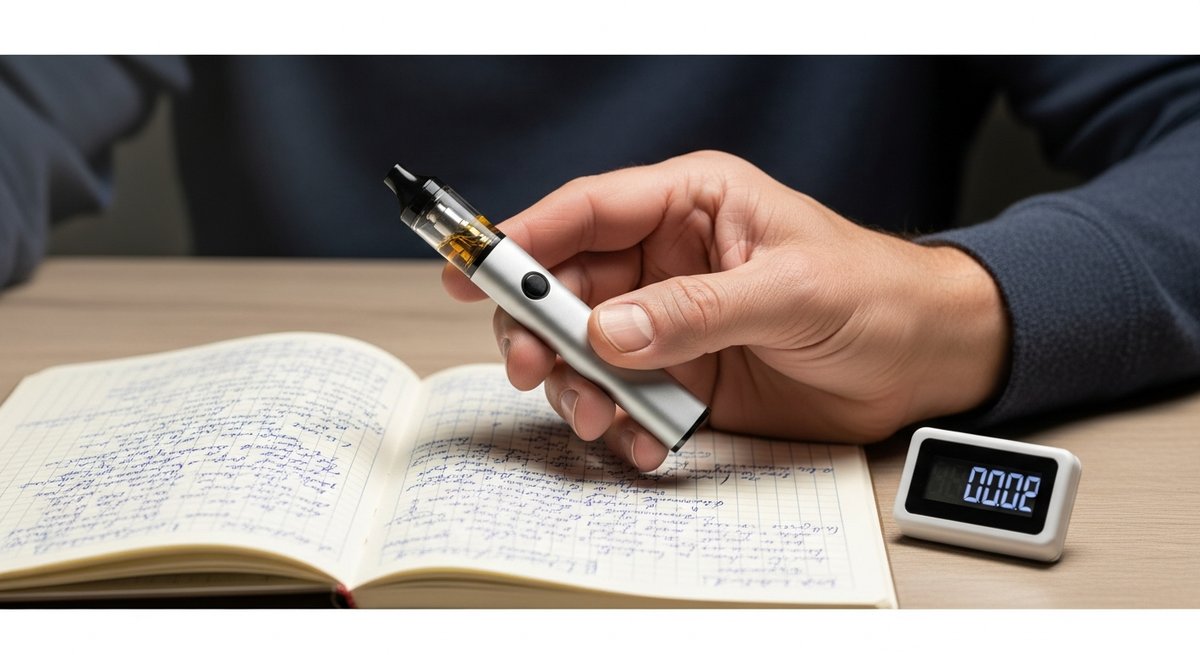
Vaping delivers cannabinoids to the bloodstream in roughly two to five minutes, which makes it easier to titrate than edibles. That speed is an advantage for creative sessions because you can calibrate incrementally rather than overcorrecting after the fact.
The principle to follow is start low, go slow. Take one or two short draws, then wait five minutes before assessing. You are looking for a mild brightening of associative thinking – not a pronounced intoxication. If ideas feel slightly more connected and interesting without your working memory feeling slippery, you have hit the range. Stop there.
Tolerance matters here. Frequent consumers often need a slightly larger draw to reach the same mild loosening effect. If you find cannabis rarely affects your focus positively anymore, consider a brief tolerance break before a brainstorming session rather than simply increasing dose – more THC does not linearly improve creative output.
Choosing the right cultivar for alert creativity
For brainstorming specifically, you want a cultivar that keeps energy elevated rather than pulling you toward the couch. Look at terpene profiles on product labels or dispensary menus. Pinene and limonene dominant options are a reasonable starting point for alert, generative thinking.
Delta-8 THC is worth considering for people who find Delta-9 THC too anxious or cognitively overwhelming at creative doses. Delta-8 produces a milder, clearer-headed effect that many users describe as easier to stay focused through. If you are newer to vaping for creative work, it can be a forgiving place to start. For a practical primer on technique and hardware, vaping Delta-8 THC correctly covers draw length, temperature settings, and device differences in useful detail.
When you are weighing vape options for this kind of use, a citrus-forward Delta-8 cartridge (high in limonene) fits the alert, energized profile well. Binoid’s Delta-8 THC Vape Cartridge in Tangie is built around that terpene character – a straightforward pick for users who want to keep their creative session moving without the heavier sedation some cultivars bring.
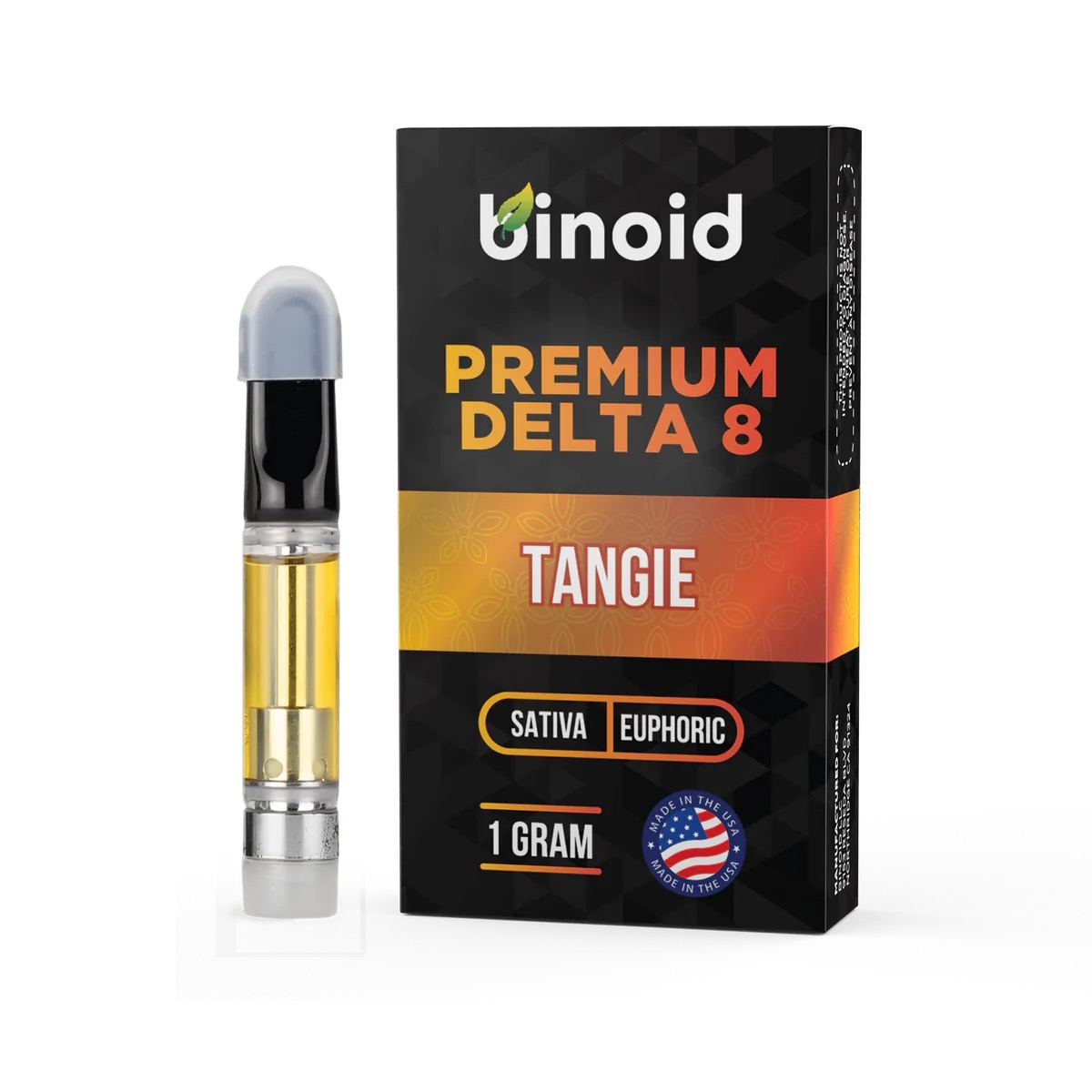
Binoid Delta 8 THC Vape Cartridge – Tangie
Limonene-forward Delta-8 cartridge for clear-headed, alert sessions
Staying on the thread: keeping your session productive
The most common failure mode in cannabis-assisted brainstorming is ideation without capture. You think of something interesting, you feel certain it is good, and you keep thinking instead of writing. Fifteen minutes later it is gone. Treat every idea that surfaces as perishable and write it immediately, even in raw fragments.
Set a visible timer for thirty to forty-five minutes. This is your active generation window. When it ends, stop consuming and shift into a light review of what you captured – no editing, just reading. Your job at that stage is to identify the two or three ideas worth developing later, while the session is still fresh enough to make sense of your notes.
Resist the urge to evaluate ideas in real time during the generation window. Evaluation and ideation use different cognitive modes. Cannabis tends to suppress the evaluative voice, which is partly why ideas flow more freely – lean into that rather than fighting it by judging concepts as they arrive.
When to stop and how to wind down
Three clear signals tell you the session has peaked: thinking feels circular rather than generative, you are re-reading the same notes without adding anything new, or your attention keeps drifting to unrelated topics. At any of these points, stop rather than vaping more.
Adding more cannabinoids at this stage does not restart the creative window – it extends impairment without restoring the generative loosening of the earlier phase. Give your session a clean ending. Take a short walk, hydrate, and let the effect metabolize before you try to do focused analytical work like writing or planning based on what you generated.
Sleep quality can also be affected by sessions that run late into the evening. If timing matters to you, the strategies covered in vaping before bed without disrupting your sleep are directly relevant – especially the guidance on how dose and timing interact with sleep architecture.
Choosing a vape format that fits a working session
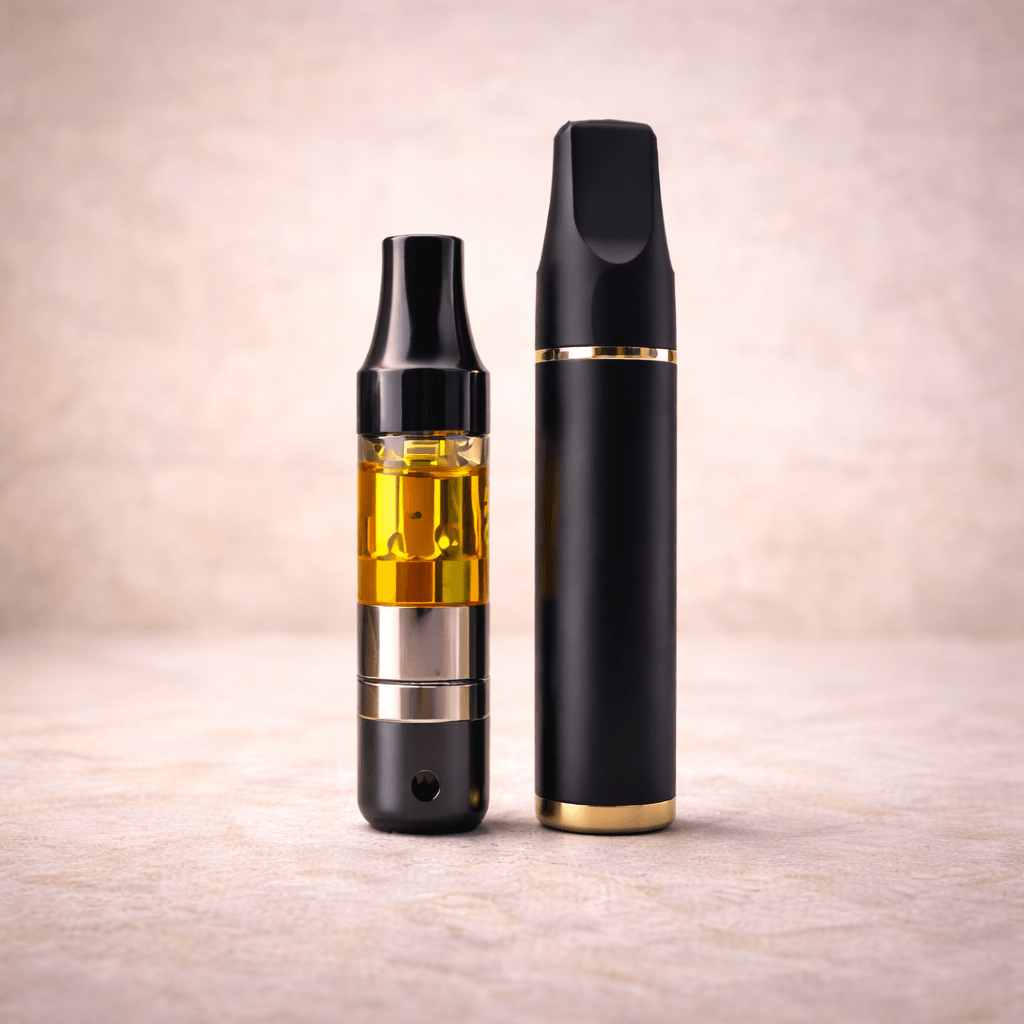
For brainstorming, convenience and consistency matter more than novelty. You want to take a measured draw and get back to your notes, not fiddle with a device. Cartridges attached to a standard 510-thread battery and all-in-one disposables both work well because they deliver predictable doses with minimal setup.
If you want more variety within a single session – or simply want the flexibility to shift between terpene profiles – a dual-chamber disposable lets you alternate between two cultivars without swapping devices. That kind of format works well when your brainstorming spans different phases or problem types in one sitting.
For users who want both flexibility and a larger total volume, the Cookies 2G Dual Chamber Vape in Cereal Milk and London Pound Cake is a practical option. Two cultivar profiles in one device means you can lean into whichever feels right for the moment without breaking focus to swap out hardware.
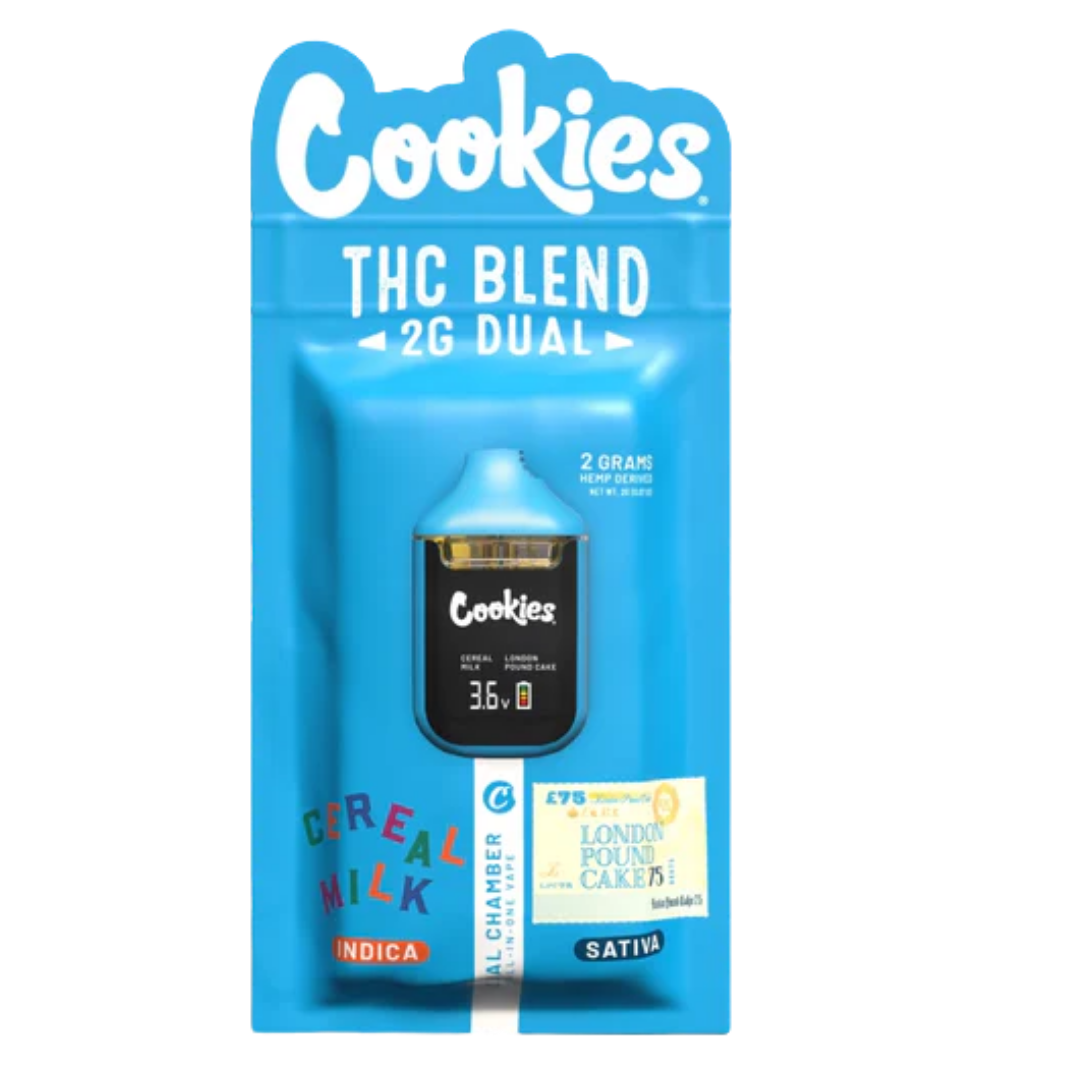
Cookies 2G Dual Chamber Vape Cereal Milk & London Pound Cake
Two cultivar profiles in one device – useful for extended or varied creative sessions
Where to source hardware and what to look for
Consistency in your brainstorming sessions depends partly on using products with reliable, tested potency. Unverified cartridges vary dramatically in actual cannabinoid content, which makes dose calibration almost impossible. Stick with products that include a Certificate of Analysis (COA) from a third-party lab – any reputable licensed source, including vetted online retailers, should provide these readily.
If you prefer to browse in person before buying, the tradeoffs between a local vape store and purchasing online are worth thinking through carefully. Personalized guidance from staff who know their inventory can be genuinely useful when you are choosing between cultivar profiles for a specific purpose like focused creative work. An honest breakdown of how those two channels compare appears in the practical differences between shopping at a local vape store versus buying online.
Reviewing what you captured: the session after the session
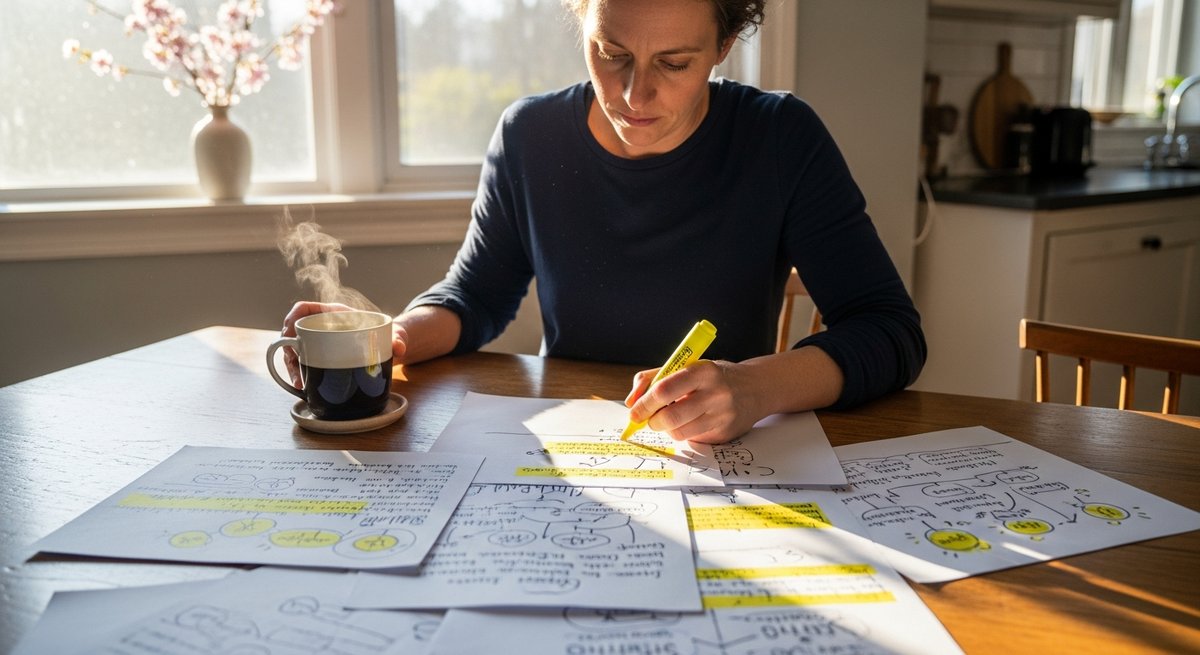
The ideas you captured during the session are raw material, not finished product. Most experienced creative users treat the brainstorm output as a rough mine to be sorted the next morning, sober. Your evaluative thinking returns fully once the effect has cleared, and you will be able to judge your notes with the critical distance they need.
Some of what you wrote will be genuinely useful. Some will be tangential but interesting. Some will be nonsense that felt profound at the time. That ratio actually compares favorably with cold, sober brainstorming – the difference is that cannabis sessions tend to surface more unusual connections, and even one unexpected angle can unlock a project that was stuck.
Expert Insight
Dr. Alexander Tabibi
Dr. Alexander Tabibi
A 2022 critical review in Chest examined cannabinoids (THC, CBD, and CBN) in the context of sleep and circadian regulation, and found that the endocannabinoid system modulates the sleep-wake cycle in measurable ways. That same circadian and arousal biology governs the quality of focused waking states – the attentional substrate you are drawing on during a creative session.
The review notes that most studies were limited by small sample sizes and methodological constraints, so conclusions remain cautious. But the mechanistic picture it assembles is consistent: THC’s timing and dose relative to your natural arousal cycle shape how cognitively usable the effect is. An evening session landing near your natural wind-down window will feel different from a mid-afternoon one, even at identical doses – a variable worth accounting for when you plan creative work.
Lavender et al. (2022). Cannabinoids, Insomnia, and Other Sleep Disorders. Chest, 162(2):452-465. PMID: 35537535
FAQs: How to Vape for Brainstorming Without Losing the Thread
Can vaping help with brainstorming sessions?
Some cannabis users find that certain vape products help them approach ideas from new angles and think more creatively. The experience varies from person to person, so finding the right product and dosage is important.
Why do some people lose focus while vaping?
Taking too much THC at once can sometimes make it harder to stay organized, follow a train of thought, or complete tasks. Starting with a low dose can help reduce the chances of becoming distracted.
What type of vape is best for brainstorming?
Many users prefer products with balanced cannabinoid profiles and uplifting terpene blends. Terpenes such as limonene and pinene are often chosen for creative and daytime activities.
How much should I vape before a creative session?
A common approach is to start with one or two small puffs and wait several minutes before taking more. This allows you to gauge the effects without overdoing it.
Sources
Smith et al. (2014). Clinical endocannabinoid deficiency (CECD) revisited: can this concept explain the therapeutic benefits of cannabis in migraine, fibromyalgia, irritable bowel syndrome and other treatment-resistant conditions? Neuro Endocrinology Letters, 35(3):198-201. PMID: 24977967
Lavender et al. (2022). Cannabinoids, Insomnia, and Other Sleep Disorders. Chest, 162(2):452-465. PMID: 35537535
Important Notice
Cannabis affects individuals differently. If you have a history of anxiety, panic disorder, or other mental health conditions, consult a qualified healthcare provider before using any cannabis product. This article is for informational purposes only and does not constitute medical advice. If you experience severe anxiety, chest pain, difficulty breathing, or feel you are in crisis, call 911 or go to your nearest emergency room immediately.
For adults 21+ only. Cannabis laws vary by state. This content is intended for informational purposes only and does not constitute medical or legal advice. If you are experiencing a medical emergency, call 911 or go to your nearest emergency room immediately.