🚛 FREE DISCREET SHIPPING ON ALL ORDERS $49+









Limonene strain vs Pinene strain — Which Is Right for You?
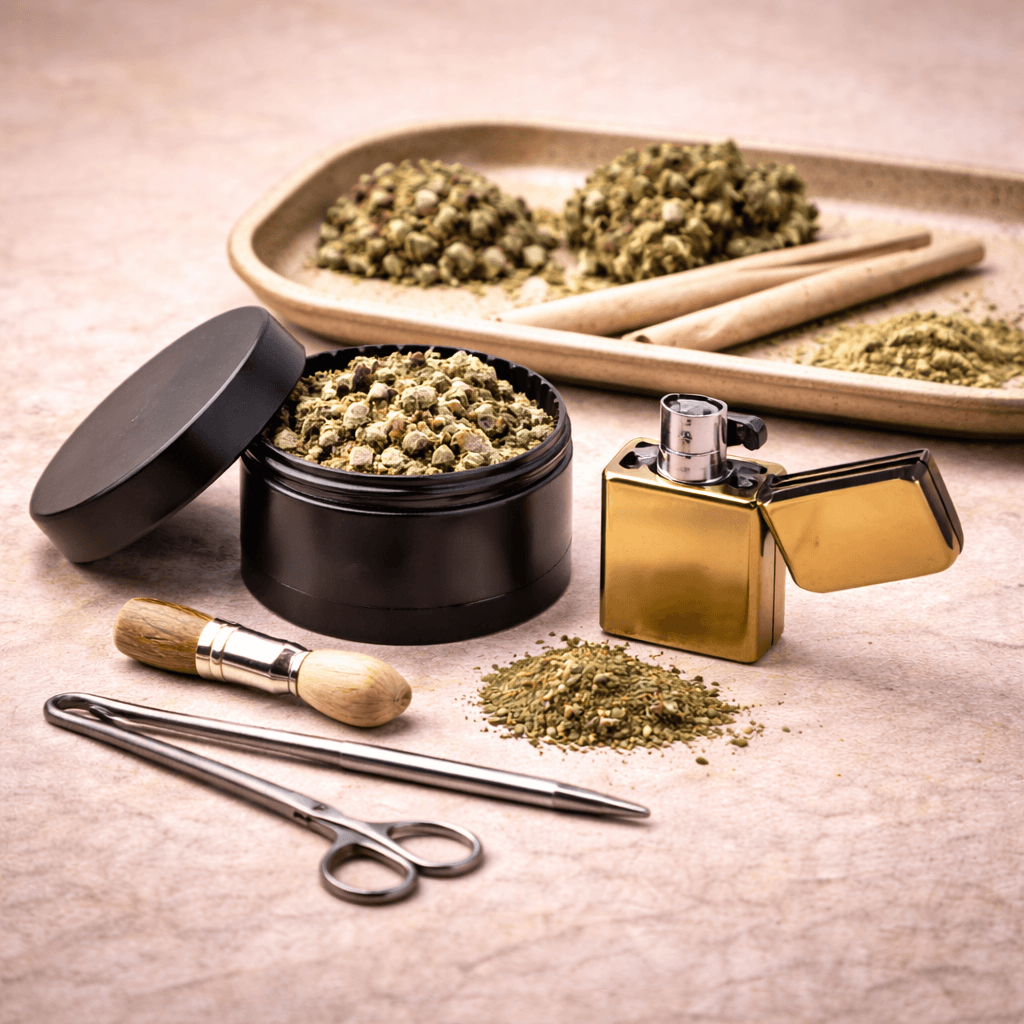
Limonene strain is a terpene-forward cultivar celebrated for its bright, citrus-driven energy and mood-lifting effects, while Pinene strain leans into sharp, forest-fresh clarity that many users associate with focus and mental alertness. If you want an uplifting daytime experience with a sunny disposition, Limonene strain is likely your pick. If you prefer crisp, clear-headed focus without much sedation, Pinene strain

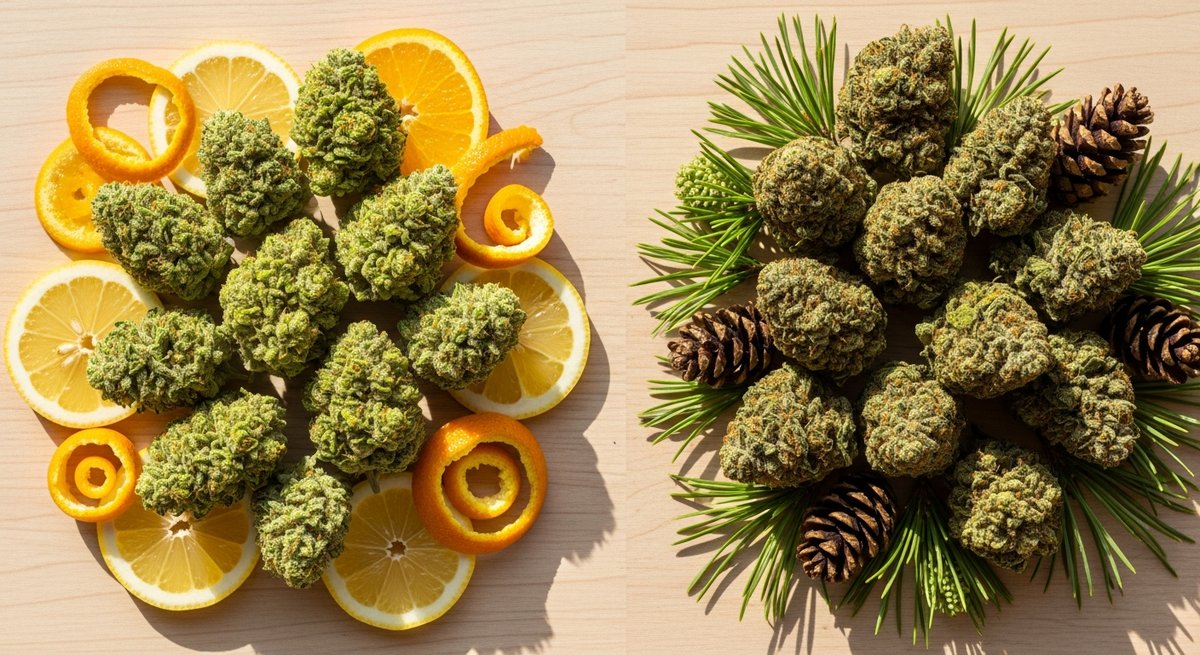
Limonene strain is a terpene-forward cultivar celebrated for its bright, citrus-driven energy and mood-lifting effects, while Pinene strain leans into sharp, forest-fresh clarity that many users associate with focus and mental alertness. If you want an uplifting daytime experience with a sunny disposition, Limonene strain is likely your pick. If you prefer crisp, clear-headed focus without much sedation, Pinene strain competes hard. Both sit across the cannabis strains spectrum as terpene-named cultivars – meaning their identity is built around a defining aromatic compound rather than a traditional breeding lineage.
What Is Limonene strain?
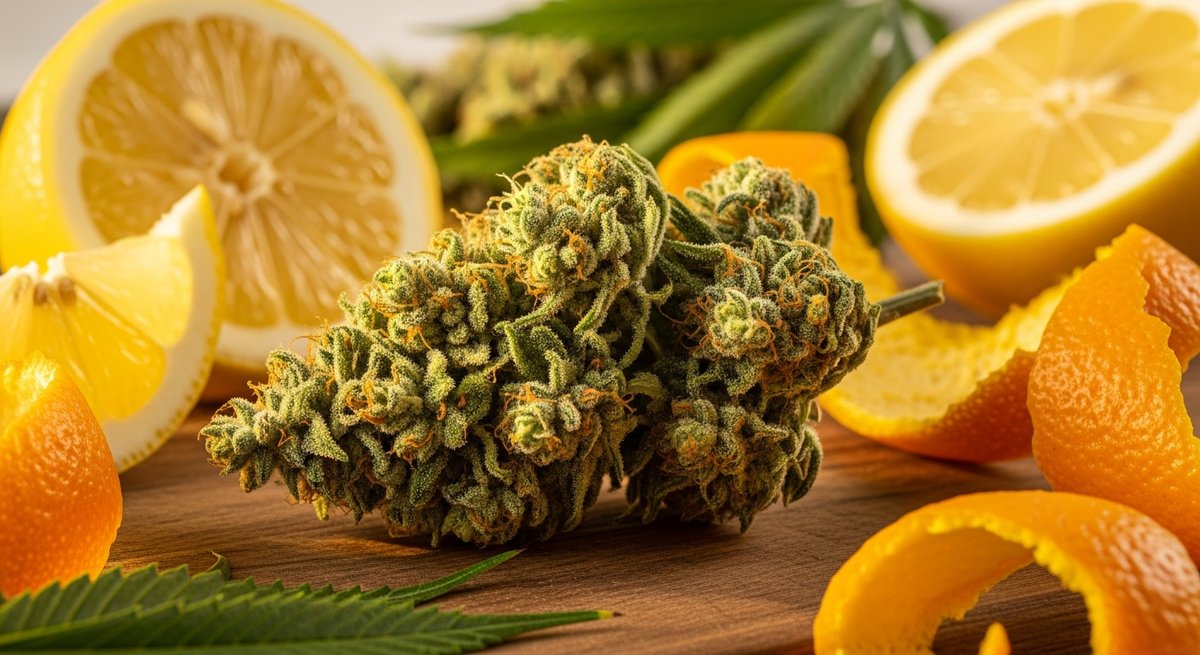
Limonene strain takes its name – and much of its character – from limonene, the terpene responsible for that unmistakable burst of lemon and orange peel. It typically presents as a sativa-dominant hybrid, with THC levels ranging from around 18% to 24% and CBD content that usually stays under 1%. Alongside limonene itself, secondary terpenes like myrcene and caryophyllene often round out the profile, adding subtle earthy and spicy undertones beneath the citrus brightness.
Effects are commonly described as euphoric, uplifting, and sociable. Many users report a noticeable lift in mood that arrives relatively quickly and carries a sense of lightness rather than heaviness. Evidence suggests limonene may support stress relief and elevated mood, making this cultivar a popular choice for creative work, social settings, or simply starting the day with a positive frame of mind. It is best suited to morning and early afternoon use.
What Is Pinene strain?
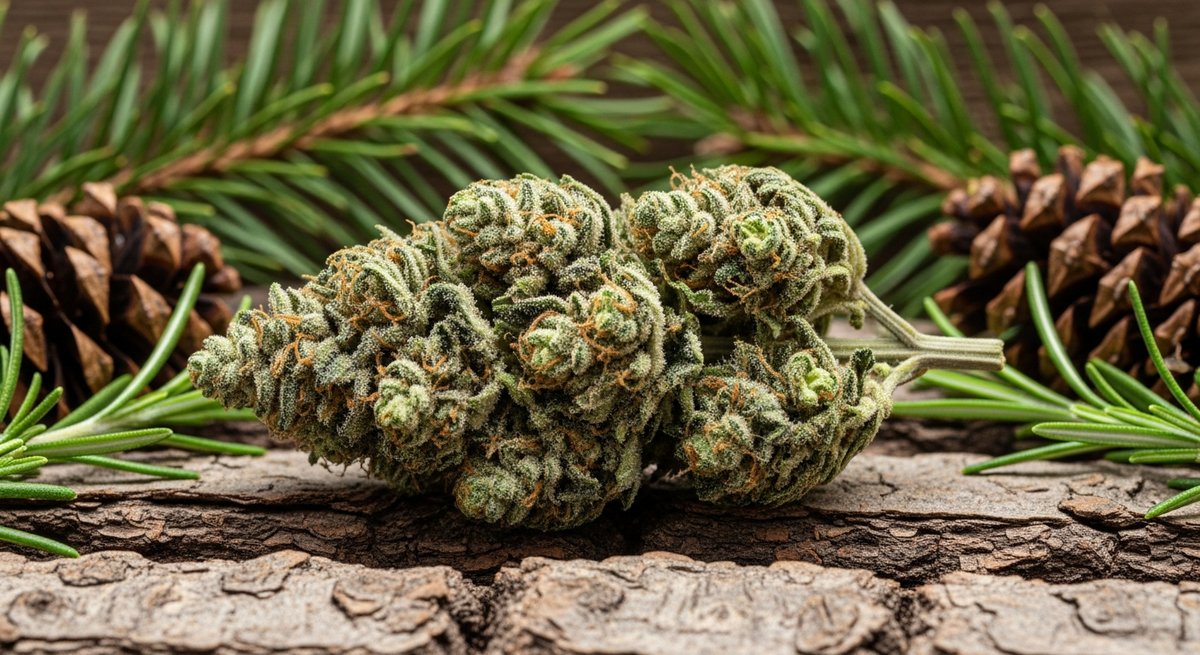
Pinene strain is defined by alpha-pinene and beta-pinene, the terpenes that give pine forests their sharp, resinous scent. It is typically a balanced hybrid or mild sativa-dominant cultivar, with THC levels generally falling between 17% and 22% and CBD content that varies but often remains below 1%. Complementary terpenes such as terpinolene and ocimene are frequently present, adding herbal and slightly floral complexity to the piney backbone.
The reported effects lean toward mental clarity, alertness, and a grounded sense of focus. Many users describe the experience as clean and functional – stimulating enough to stay engaged, but without the racing quality that some high-THC sativas can bring. Research suggests that pinene may support memory retention and airway function, which could partly explain why users often feel unusually clear-headed. Pinene strain is often chosen for daytime productivity, outdoor activities, and situations where you need your wits about you.
Limonene strain vs Pinene strain – Key Differences
| Category | Limonene strain | Pinene strain |
|---|---|---|
| THC% range | 18% – 24% | 17% – 22% |
| CBD% range | Under 1% | Under 1% (variable) |
| Dominant terpenes | Limonene, myrcene, caryophyllene | Alpha-pinene, beta-pinene, terpinolene |
| Primary effects | Euphoric, uplifting, sociable | Alert, clear-headed, focused |
| Best time of day | Morning to early afternoon | Morning to afternoon |
| Best for | Mood, creativity, anxiety relief | Focus, productivity, alertness |
| Flavour profile | Lemon, orange peel, citrus zest | Pine, fresh herbs, earthy wood |
| Growing difficulty | Moderate | Moderate |
Effects Comparison

Limonene strain tends to arrive quickly. Many users report a wave of cheerfulness within minutes of consumption – a lightness that sits behind the eyes and settles into a sociable, talkative energy. The experience rarely feels heavy. It is more like a caffeine buzz with texture. Duration typically runs two to three hours, with intensity peaking around the 45-minute mark and then easing gradually.
Related reading: What is a Hybrid Strain?.
Pinene strain delivers a noticeably different quality. The onset is similarly prompt, but the feeling is cleaner – more like someone opened a window than lit a sparkler. Users often report heightened alertness and a sharpness to their thinking that can last two to three hours. There is less euphoria and more equanimity. If Limonene strain is the life of the party, Pinene strain is the person who stays sharp enough to drive home.
For anxiety-prone consumers, the delivery method matters as much as the cultivar. If you are curious about format options, the guide to best vapes for anxiety relief covers how different consumption approaches can shape your experience with terpene-rich strains like these. It is also worth understanding how cannabinoid spectrum choices play into outcomes – the full-spectrum vs broad-spectrum vapes comparison is a helpful reference.
Which Strain Is Better for Anxiety?
Anxiety is the most searched use case for both of these cultivars – and the answer is nuanced. Limonene strain has the stronger case here. Evidence suggests that the limonene terpene may interact with serotonin pathways in ways that support mood regulation and reduce stress responses. Many users specifically seek out limonene-dominant cannabis for exactly this reason. The uplifting, euphoric quality can soften anxious thought patterns without pushing you toward sedation.
See also: Full-Spectrum vs Broad-Spectrum Vapes for Pain.
Pinene strain can also be useful for certain anxiety profiles – particularly the kind rooted in mental fog or a sense of overwhelm. Clear-headed focus sometimes does more for unease than a direct mood lift. However, for users whose anxiety manifests as racing thoughts or physical tension, the alertness that pinene brings may occasionally feel counterproductive.
The overall edge goes to Limonene strain for anxiety. If you want to explore how these terpene profiles compare in a broader context, the guide to hybrid strains explains how terpene and cannabinoid combinations shape the character of a cultivar from the ground up.
Where to Buy Limonene strain and Pinene strain
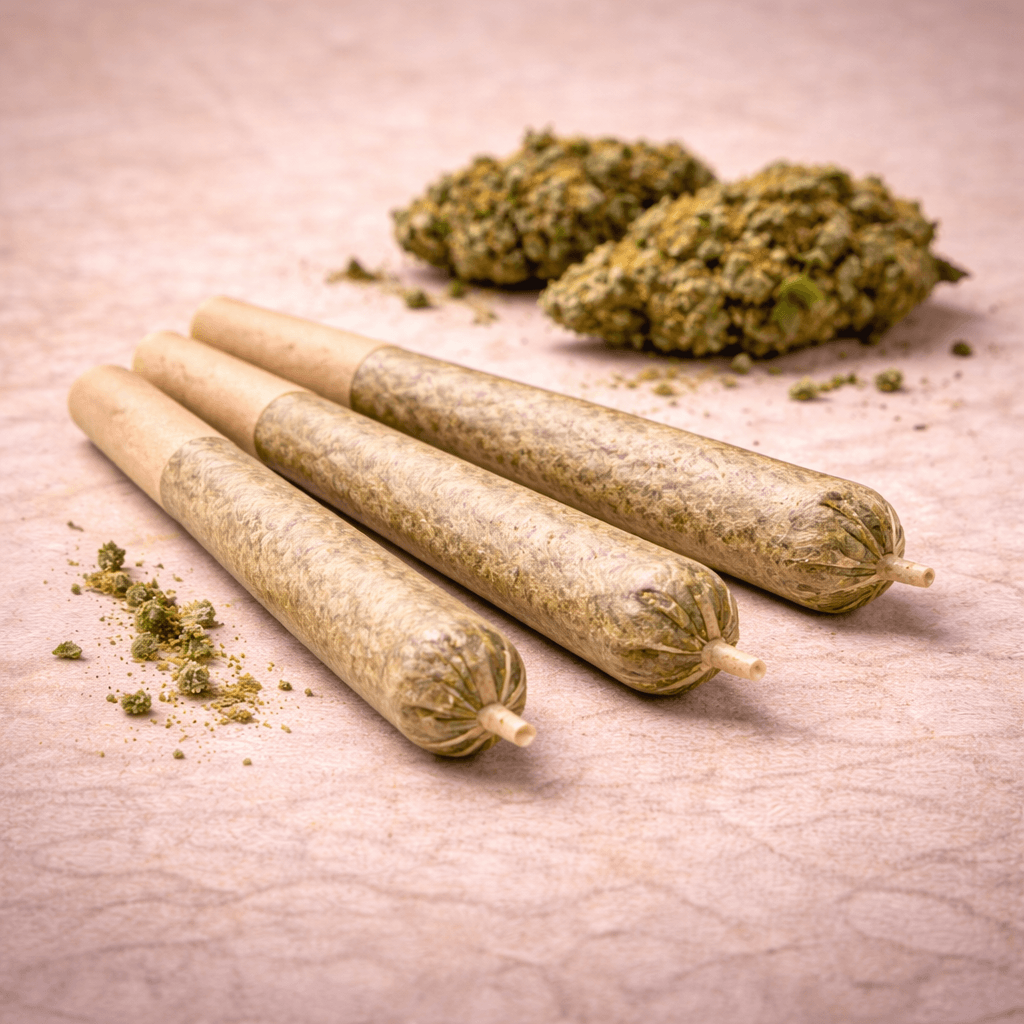
Both cultivars are increasingly available at licensed dispensaries as interest in terpene-forward cannabis grows. For the widest selection of flower and prerolls featuring limonene-dominant and pinene-dominant options, browse the flower and prerolls shop to find current stock.
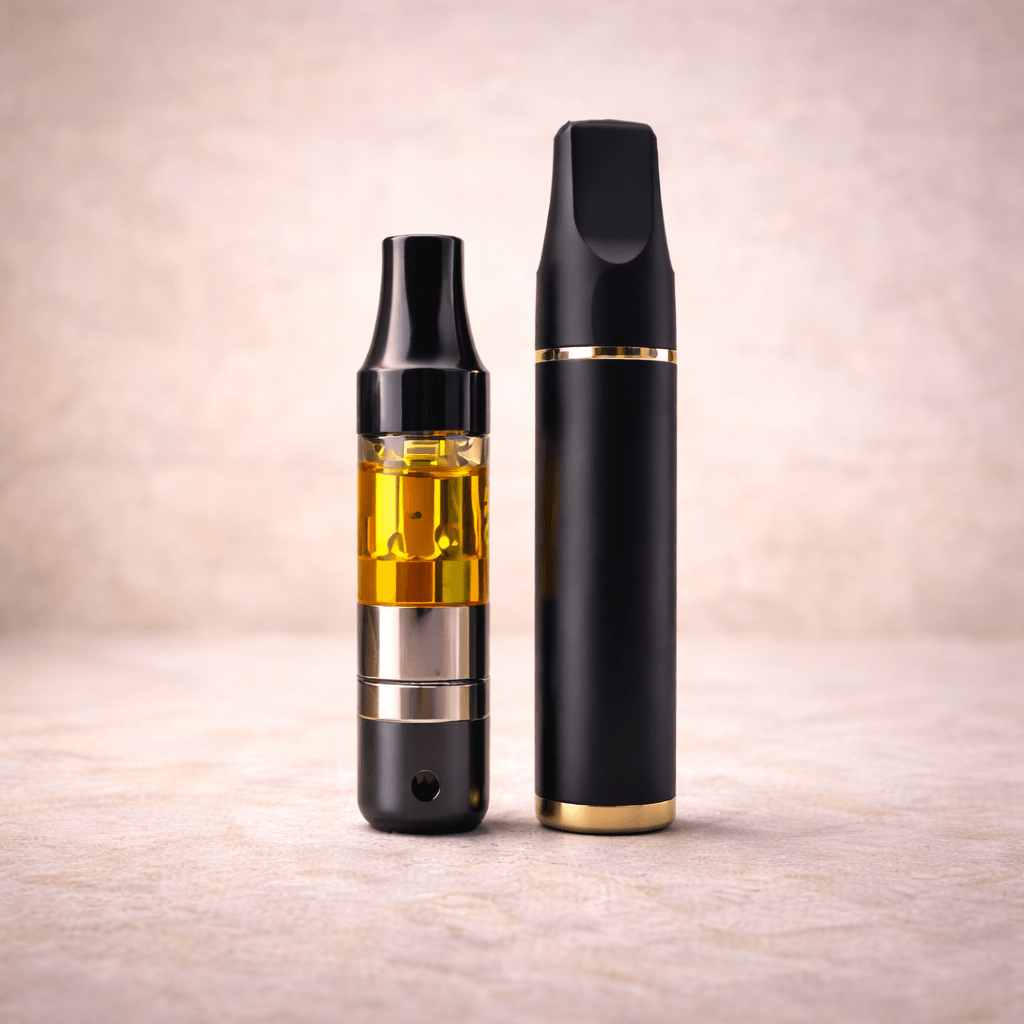
If you prefer a more discreet or portable format, terpene-rich vape cartridges are a popular choice for both profiles. The vapes and carts shop stocks a range of options where you can filter by terpene profile and effect. Always purchase from a licensed source to ensure product testing and accurate labelling.
Buy Limonene strain and Pinene strain Seeds
Growing your own is the most reliable way to lock in a specific terpene profile. Both Limonene strain and Pinene strain are moderately challenging to grow, rewarding growers who pay attention to curing – since terpene preservation happens largely in the drying and curing process. Browse the full range at the cannabis seeds shop to find verified genetics for both terpene-forward cultivars.
Frequently asked questions
Is Limonene strain stronger than Pinene strain?
Not significantly. Limonene strain tends to run slightly higher in THC on average – around 18% to 24% compared to Pinene strain’s 17% to 22% – but the difference is modest. Perceived intensity often comes down to terpene interaction and your own tolerance rather than THC percentage alone. Limonene strain may feel more intense emotionally due to its euphoric quality, while Pinene strain can feel more mentally stimulating.
What are the effects of Limonene strain vs Pinene strain?
Limonene strain is commonly associated with euphoria, elevated mood, and sociability. Pinene strain is more often linked to mental clarity, focus, and alertness. Both are considered daytime-appropriate cultivars, but Limonene strain leans toward the emotional and creative, while Pinene strain leans toward the cognitive and functional.
Which is better for anxiety – Limonene strain or Pinene strain?
Limonene strain is generally the stronger choice for anxiety relief. Evidence suggests that limonene terpenes may support serotonin activity and reduce stress responses. Many users report that Limonene strain has a calming, mood-brightening quality that directly addresses anxious feelings. Pinene strain may help with anxiety rooted in mental fog, but its alerting effects could feel overstimulating for some anxiety profiles.
What does Limonene strain taste like compared to Pinene strain?
Limonene strain tastes bright and citrusy – think fresh lemon zest, orange peel, and a hint of sweet tartness. Pinene strain goes in the opposite direction: sharp, resinous pine with herbal and woody undertones that feel more like a forest trail than a fruit bowl. Both are distinctive and recognisable, which is part of their appeal for terpene-curious consumers.
Can you mix Limonene strain and Pinene strain?
Many experienced consumers do blend cultivars to layer terpene effects. Combining Limonene strain and Pinene strain could, in theory, produce a session that is both mood-lifting and mentally clear – the sociability of limonene meeting the focus of pinene. Start with a small amount of each and adjust the ratio gradually. If you want to explore other cultivar pairings for comparison, the Oreos strain vs Gushers strain article and the Grand Daddy Purp strain vs Super Runtz strain comparison are good reads for understanding how contrasting profiles interact.