🚛 FREE DISCREET SHIPPING ON ALL ORDERS $49+

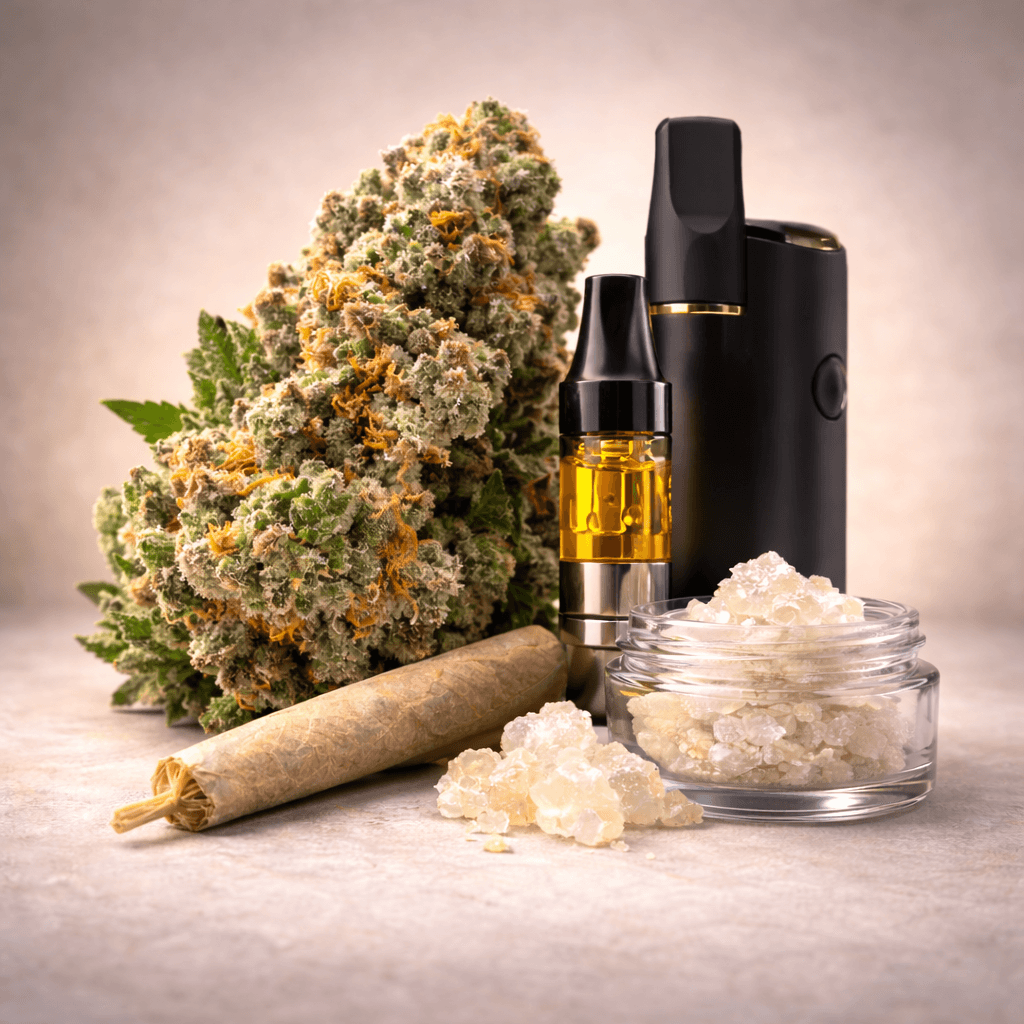








Limonene and Pinene: The Creative Terpenes in Your Vape
You reach for your vape mid-afternoon, hoping to unlock something – a looser train of thought, a more playful approach to the problem in front of you. The cannabinoids do their part. But there are two aromatic compounds quietly shaping that experience alongside THC: limonene and alpha-pinene. Understanding what they are, how they work, and why they keep appearing in


You reach for your vape mid-afternoon, hoping to unlock something – a looser train of thought, a more playful approach to the problem in front of you. The cannabinoids do their part. But there are two aromatic compounds quietly shaping that experience alongside THC: limonene and alpha-pinene. Understanding what they are, how they work, and why they keep appearing in creativity-forward cultivars gives you a real framework for choosing vapes more intentionally.
What limonene and pinene actually are

Terpenes are the aromatic compounds produced in the resin glands of cannabis and hundreds of other plants. They give lemons their sharp citrus scent, pine forests their clean crispness, and individual cannabis cultivars their distinct character. Limonene and alpha-pinene (often listed simply as “pinene”) are two of the most prevalent terpenes found in cannabis.
Limonene is a cyclic monoterpene named for the citrus fruit where it appears in huge concentrations. In cannabis, it tends to dominate the aromatic profile of cultivars described as bright, zesty, or uplifting. If a vape cartridge smells like fresh lemon peel or tangerine, limonene is likely the dominant terpene doing that work.
Alpha-pinene is the most abundant terpene in the natural world. It saturates the air in coniferous forests and shows up prominently in rosemary, basil, and cannabis strains bred for focus-adjacent experiences. Beta-pinene is a closely related structural variant that often appears alongside it, though alpha-pinene draws the most research attention.
The biology behind the “creative” reputation

Cannabis culture has long assigned mood labels to terpene profiles – “energizing,” “cerebral,” “creative” – and limonene and pinene are the two most commonly cited when those labels come up. The science is still catching up to the anecdote, but the biology is not entirely speculative.
Limonene has shown anxiolytic (anxiety-reducing) properties in preclinical models, primarily through serotonin and dopamine pathway interactions. Dopamine is closely tied to motivation, reward, and the kind of divergent thinking that underlies creativity. Lowering baseline anxiety can also remove a common cognitive brake – the self-critical loop that shuts down novel ideas before they form.
Alpha-pinene has a more specific mechanism that stands out among cannabis terpenes: it is a known acetylcholinesterase inhibitor. That means it slows the breakdown of acetylcholine, a neurotransmitter central to memory encoding and attentional focus. Pinene may partially counteract the short-term memory impairment that high-THC vapes can produce. In practical terms, you are more likely to remember the idea that surfaces mid-session.
Together, these two terpenes represent a complementary pairing: limonene potentially loosens the cognitive grip of anxiety, and pinene helps preserve the attentional clarity needed to do something useful with the resulting mental openness.
Expert Insight
Dr. Alexander Tabibi
Dr. Alexander Tabibi
A comprehensive narrative review published in Headache explored how individual terpenes in cannabis interact with cannabinoids and flavonoids to produce effects beyond what any single compound achieves alone. Evidence suggests that terpenes like limonene and pinene contribute to the broader pharmacological character of a cultivar through what researchers describe as synergistic entourage effects – modulating mood, arousal, and sensory processing in ways that cannabinoid-only models cannot fully explain.
The review is broad and draws on preclinical and observational evidence rather than controlled human trials – so specific claims about creativity or focus in vape users go beyond what the data directly supports. Still, the mechanistic rationale for terpene-specific effects is well grounded enough that terpene content deserves attention when you choose a product, not just cannabinoid percentages.
Baron et al. (2018). Medicinal Properties of Cannabinoids, Terpenes, and Flavonoids in Cannabis, and Benefits in Migraine, Headache, and Pain: An Update on Current Evidence and Cannabis Science. Headache, 58(7):1139-1186. PMID: 30152161
How vaping affects terpene delivery

Terpenes are volatile molecules. They vaporize at lower temperatures than most cannabinoids, which makes the vape format particularly well-suited to preserving them – provided the hardware and oil preparation are handled correctly. Combustion destroys a significant share of terpene content before it can reach you; vaporization at lower temperatures is gentler on those compounds.
Limonene vaporizes around 176°C (349°F). Alpha-pinene has a boiling point near 155°C (311°F). Many variable-temperature vape devices let you dial into that lower range, which favors terpene expression. At higher wattage settings, you may get more vapor volume but lose some of the finer terpene character along with it.
The type of oil also matters. Full-spectrum and live resin extracts retain the full terpene profile of the original plant, including limonene and pinene alongside minor cannabinoids. Distillate-based cartridges strip terpenes out during processing; producers often reintroduce them afterward, but the reconstructed profile may differ from the original plant’s natural ratio. If the terpene experience matters to you, the extraction method is worth checking on the product label or brand website.
If you are exploring how different terpene profiles affect your experience, it helps to understand the contrast with more sedating options too. The article on myrcene’s role in sleep-focused vape experiences lays out why myrcene-dominant oils tend to pull in the opposite direction from limonene and pinene.
Cultivars and products where these terpenes show up
Certain cultivar names have become shorthand for limonene and pinene dominance. Super Lemon Haze, Jack Herer, Green Crack, Tangie, and Durban Poison appear consistently in limonene or pinene-forward profiles. These are not guarantees – terpene content varies by batch, grow conditions, and how long the product has been stored – but they are reasonable starting points when you are browsing at a licensed dispensary.
Tangie, in particular, has become a benchmark for limonene expression in vape form. Its citrus-forward aroma is immediately identifiable and has made it a recurring choice for daytime or creative-use sessions among experienced consumers. When a product is built around that cultivar’s terpene profile, the limonene content is usually significant rather than trace-level.
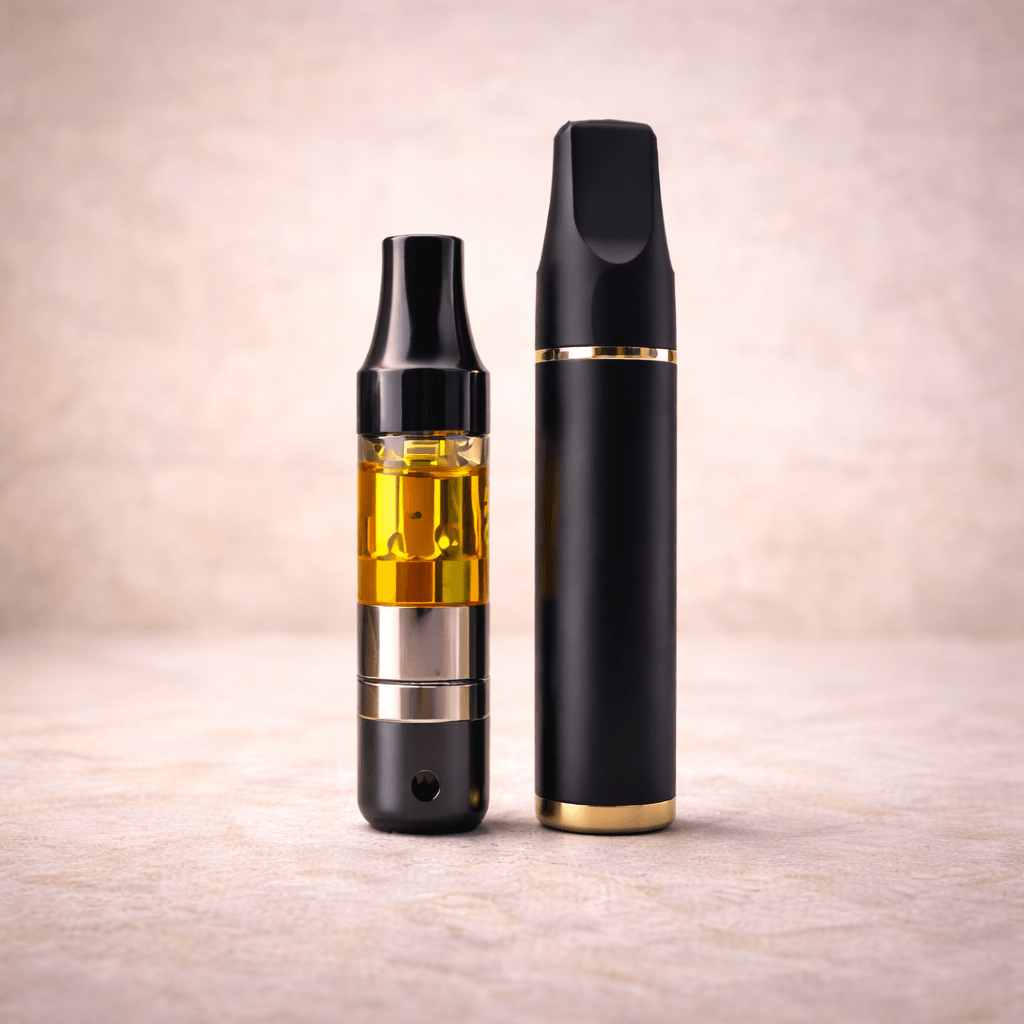
For readers who want a straightforward entry point into terpene-forward vaping, a Tangie-based cartridge is a practical first test. The Binoid Delta 8 THC Vape Cartridge in Tangie uses a cultivar profile known for citrus-dominant terpenes, making it a legible starting point if you want to isolate what a limonene-forward experience feels like alongside Delta 8’s characteristically clear-headed effect.
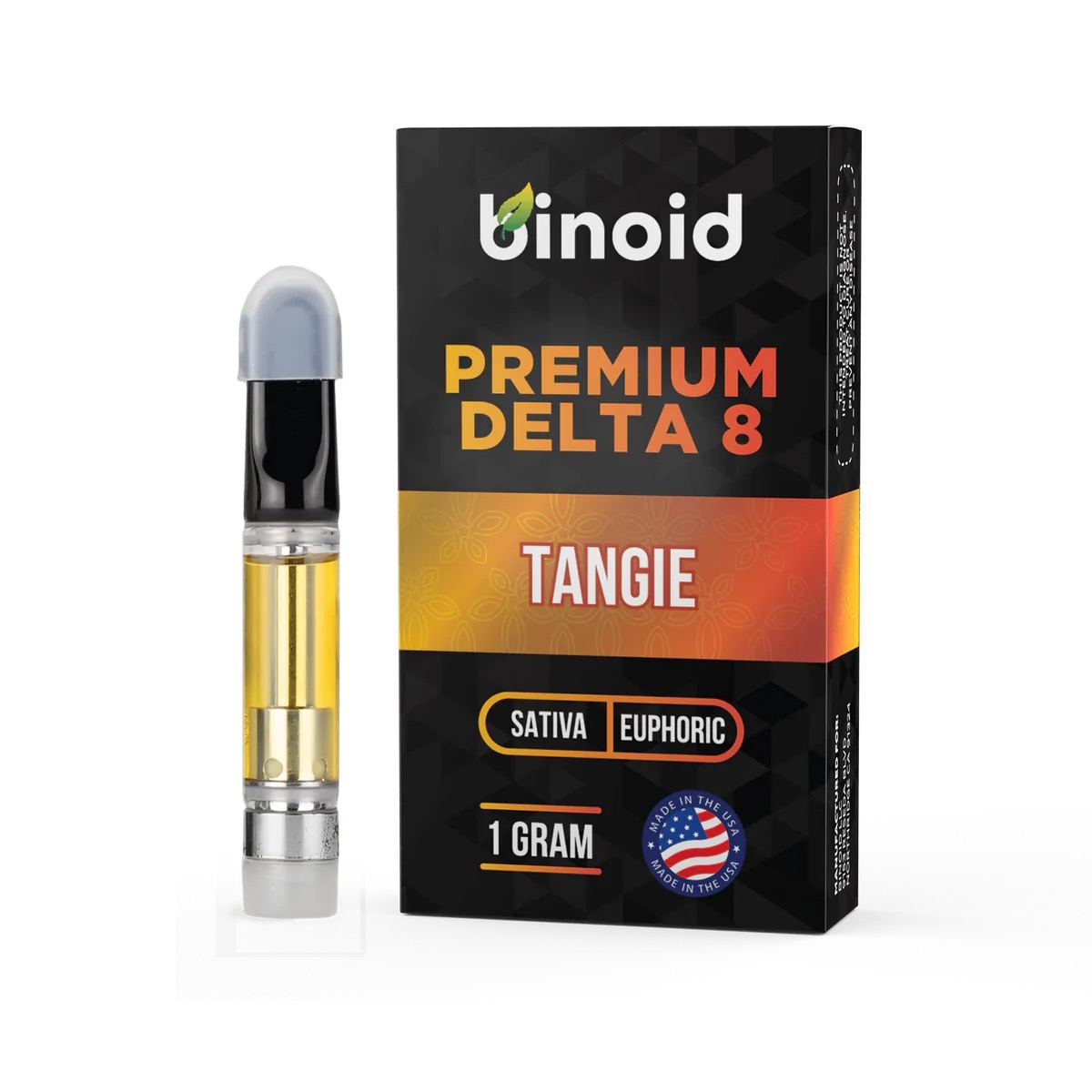
Binoid Delta 8 THC Vape Cartridge – Tangie
Citrus-forward Tangie profile with Delta 8 for a clear, daytime-friendly session
If you prefer a disposable format and want to explore dual-cultivar terpene combinations, Cookies makes a compelling case for variety. Their dual-chamber disposables pair two distinct oil profiles in a single device, letting you alternate between expressions mid-session. Readers looking for a citrus and dessert contrast – which often maps to limonene-forward and more complex secondary terpene profiles – may find the Cookies 2G Dual Chamber Vape in Triple Scoop and Apples and Bananas worth exploring.
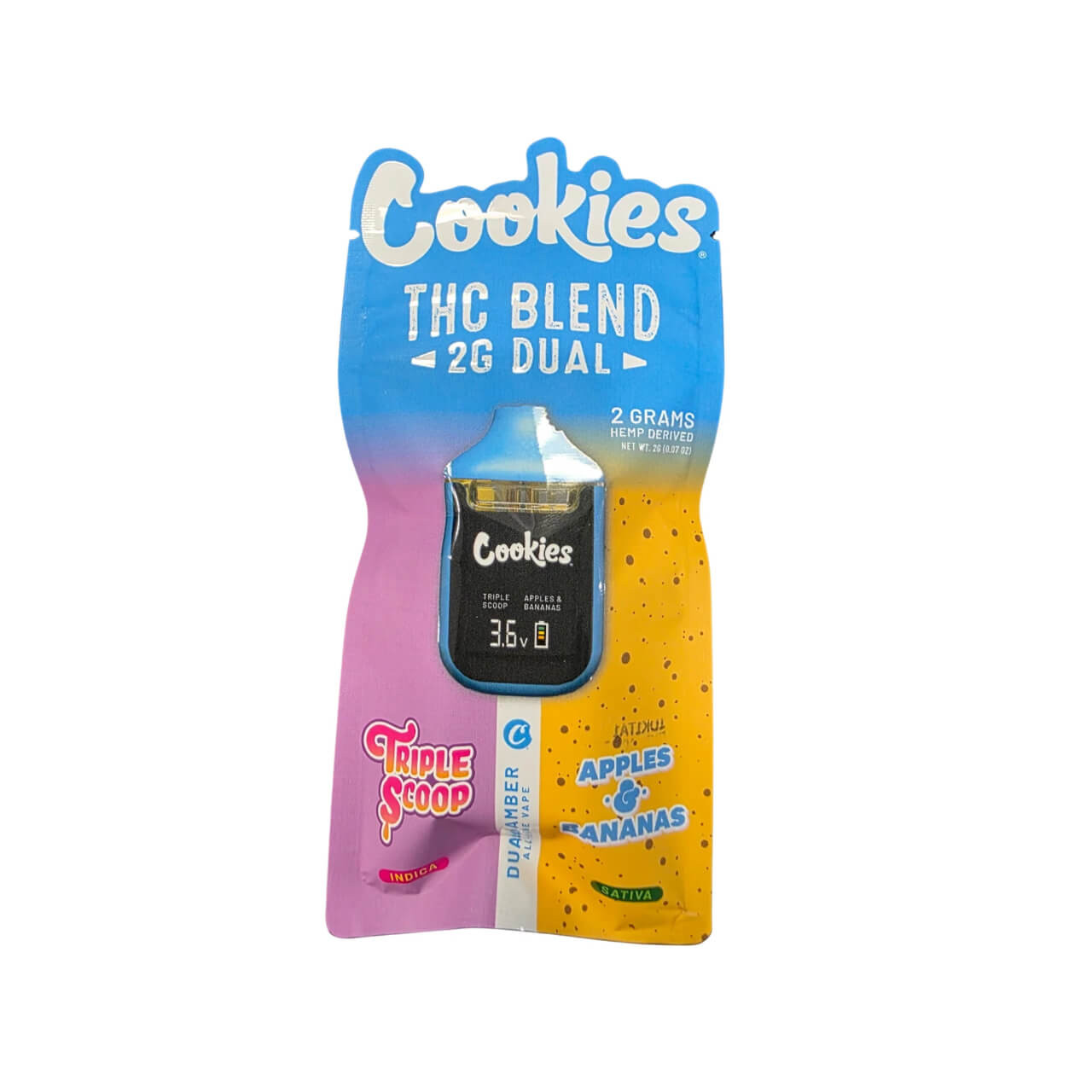
Cookies 2G Dual Chamber Vape – Triple Scoop & Apples and Bananas
Two oil profiles in one 2g device – switch chambers to explore different terpene expressions
Terpenes in context: the entourage picture
Neither limonene nor pinene operates in isolation. The entourage effect – the idea that cannabis compounds produce different effects in combination than they do alone – shapes how both terpenes express in a real product. The same limonene concentration can feel different in a full-spectrum oil versus a reconstructed distillate because the surrounding cannabinoid and terpene context shifts the overall pharmacological picture.
Cannabinoid ratios matter here too. High-THC cultivars without much CBD can amplify anxiety in some people, which works against limonene’s anxiolytic potential. A profile that includes a modest CBD fraction alongside a limonene-rich terpene blend may deliver a more balanced, focused experience than high-THC alone. This is partly why many consumers interested in creative sessions gravitate toward full-spectrum products rather than isolated distillates.
It is also worth thinking about what you are pairing these terpenes with in terms of cannabinoids. THCV, for example, has its own reputation for producing clean, mentally alert effects with a shorter duration. The piece on THCV vapes and how they affect focus and energy is useful context if you are trying to build a more intentional daytime stack.
Thinking about terpenes as one variable among several – alongside cannabinoid type, concentration, your own biology, and set and setting – is more useful than treating any single compound as a creativity switch. These are probability-shifters, not guarantees.
Reading a terpene label – what to look for
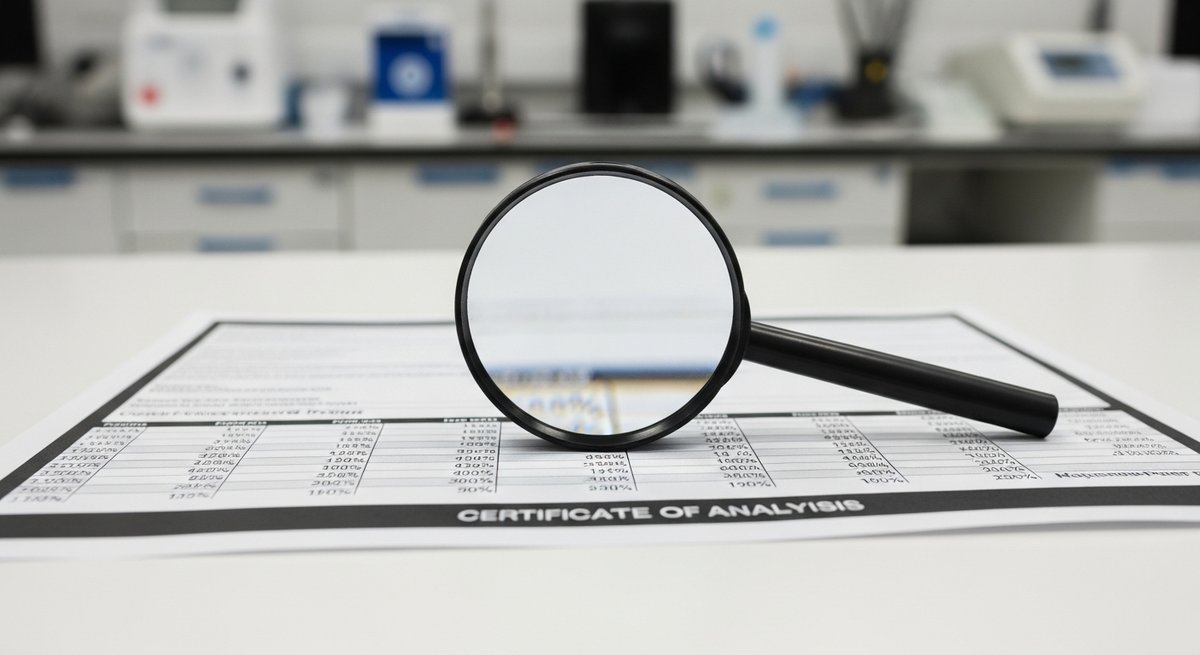
Not every vape cartridge or disposable ships with a detailed terpene breakdown, but that is changing. Regulated markets increasingly require or encourage terpene disclosure on certificates of analysis (COAs), and many brands publish those documents on their websites. When you see one, look for limonene and alpha-pinene as percentage values of the total terpene content.
A terpene percentage above roughly 1% for a given compound is generally considered notable. Some high-terpene full-spectrum products hit 3% or more for dominant terpenes. If limonene is listed but at trace levels (under 0.1%), its contribution to the overall effect profile is likely minor.
Also note whether the terpenes are described as “natural,” “botanical,” or “cannabis-derived.” Cannabis-derived terpenes come from the plant itself and retain the full molecular complexity of the original profile. Botanical terpenes sourced from other plants (like food-grade limonene from citrus peel) are not inherently inferior but may behave slightly differently in combination with cannabis compounds.
Expert Insight
Dr. Alexander Tabibi
Dr. Alexander Tabibi
A 2018 analytical study examining 14 commercially available European CBD oils found wide variability in both cannabinoid concentrations and terpene fingerprints across products. The research noted that terpene profiles serve as meaningful quality and identity indicators, not just flavor markers – and that product-to-product inconsistency was substantial even within the same category of goods.
For vape consumers, this matters practically. Evidence suggests that the terpene content listed on a label may not reflect what is actually in the product unless the brand provides third-party COA documentation. Requesting or checking for batch-specific terpene testing is the most reliable way to know whether you are actually getting the limonene or pinene concentration a product implies.
Pavlovic et al. (2018). Quality Traits of ‘Cannabidiol Oils’: Cannabinoids Content, Terpene Fingerprint and Oxidation Stability of European Commercially Available Preparations. Molecules, 23(5). PMID: 29783790
Practical guidance for creative sessions
If you want to experiment with limonene and pinene as part of a creative practice, a few simple habits make the experiment more informative. Start with a low dose – especially if you are trying a new product or cultivar. The goal in creative contexts is usually subtle cognitive loosening, not an intense session that derails concentration entirely.
Keep a brief note of what you used – cultivar name, terpene profile if available, cannabinoid type and concentration – and how you felt during the work session that followed. Over several uses, patterns tend to emerge. This is significantly more useful than relying on cultivar names alone, which vary considerably across sources and regions.
Timing matters too. Limonene and pinene-dominant vapes are generally better suited to the beginning of a creative work session than to the end of a long day when fatigue is already a factor. Combining a stimulating terpene profile with an already-depleted mental state can produce unpredictable results. Hydration and a clear physical environment help set the stage for the experience these terpenes are most associated with.
For a broader look at how cannabinoid and terpene combinations can be matched to specific moods and goals, the guide to tailoring your high with mood-based weed pens offers a useful framework for thinking across multiple variables at once.
FAQs: Limonene and Pinene: The Creative Terpenes in Your Vape
What are limonene and pinene?
Limonene and pinene are naturally occurring terpenes found in cannabis and many other plants. Limonene is commonly associated with citrus aromas, while pinene has a fresh pine scent. Both are popular in vape products because of their uplifting and refreshing characteristics.
Can limonene and pinene help with creativity?
Many cannabis consumers report that limonene and pinene contribute to a more energized, focused, and creative experience. While individual results vary, these terpenes are often sought after by artists, writers, and people looking to stay productive.
What does limonene smell and taste like?
Limonene typically has a bright citrus aroma and flavor, often reminiscent of lemons, oranges, and other citrus fruits. It can add a refreshing and zesty profile to vape products.
What does pinene smell and taste like?
Pinene is known for its crisp pine aroma, similar to fresh forests, pine needles, rosemary, and basil. It gives many cannabis strains a clean, earthy freshness.
Sources
Baron et al. (2018). Medicinal Properties of Cannabinoids, Terpenes, and Flavonoids in Cannabis, and Benefits in Migraine, Headache, and Pain: An Update on Current Evidence and Cannabis Science. Headache, 58(7):1139-1186. PMID: 30152161
Pavlovic et al. (2018). Quality Traits of ‘Cannabidiol Oils’: Cannabinoids Content, Terpene Fingerprint and Oxidation Stability of European Commercially Available Preparations. Molecules, 23(5). PMID: 29783790
Important Notice
Cannabis affects individuals differently. If you have a history of anxiety, panic disorder, or other mental health conditions, consult a qualified healthcare provider before using any cannabis product. This article is for informational purposes only and does not constitute medical advice. If you experience severe anxiety, chest pain, difficulty breathing, or feel you are in crisis, call 911 or go to your nearest emergency room immediately.
For adults 21+ only. Cannabis laws vary by state. This content is intended for informational purposes only and does not constitute medical or legal advice. If you are experiencing a medical emergency, call 911 or go to your nearest emergency room immediately.