🚛 FREE DISCREET SHIPPING ON ALL ORDERS $49+









Best THC Carts for Anxiety: Calm Without the Paranoia
You reach for a cart because you want to take the edge off. That part makes complete sense. What doesn’t make sense is ending up more wound up than when you started – heart racing, thoughts spiraling, suddenly very interested in whether that sound was the refrigerator or something else entirely. If that scenario sounds familiar, you’re not alone, and

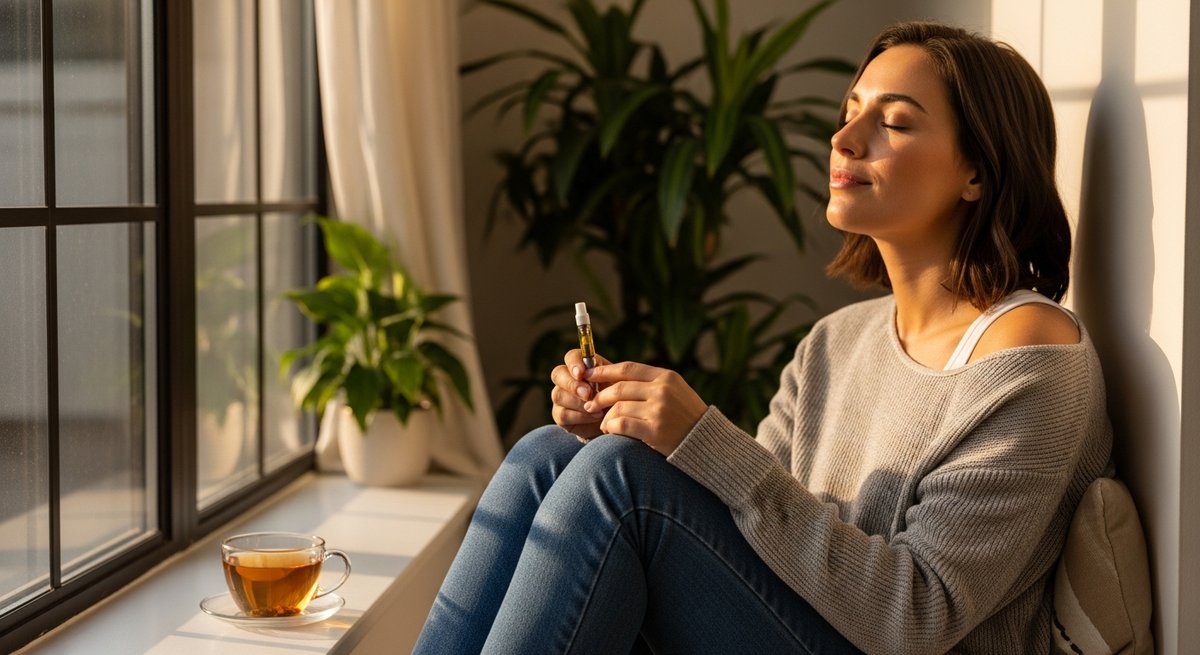
You reach for a cart because you want to take the edge off. That part makes complete sense. What doesn’t make sense is ending up more wound up than when you started – heart racing, thoughts spiraling, suddenly very interested in whether that sound was the refrigerator or something else entirely. If that scenario sounds familiar, you’re not alone, and it doesn’t mean cannabis isn’t for you. It usually means the wrong product found its way into your hands.
Picking the best THC carts for anxiety is less about chasing the highest potency number on the label and more about understanding what actually happens inside your nervous system when cannabinoids show up. Once you understand a few basic variables – cannabinoid type, strain profile, potency range, and delivery format – the path to calm becomes a lot less mysterious. This guide walks through each of those variables methodically, so you can make an informed choice rather than a hopeful guess.
Why THC and Anxiety Have Such a Complicated Relationship
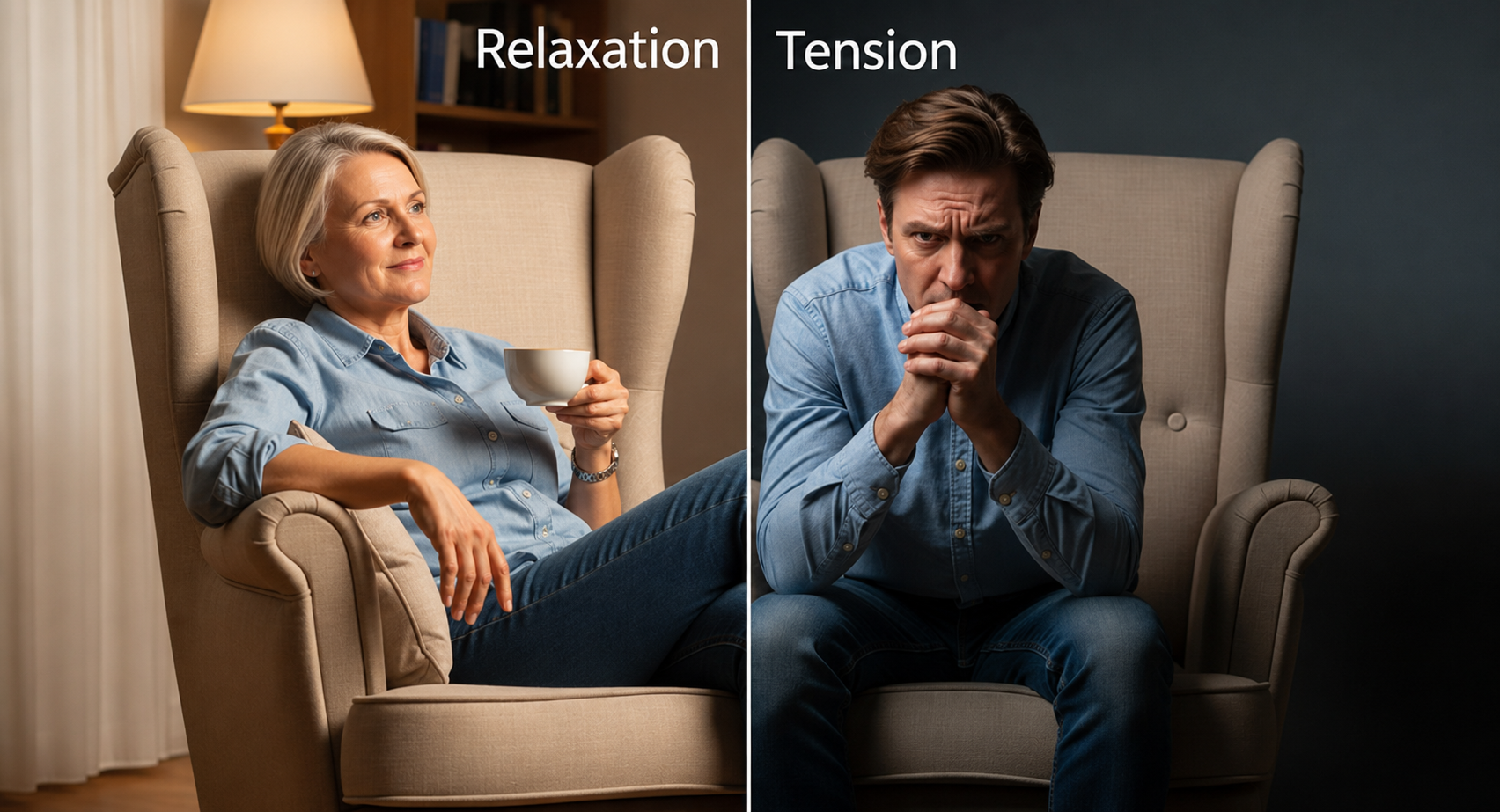
THC is a paradox. At lower doses, it tends to reduce tension, soften intrusive thoughts, and create that loose, easy feeling people are actually looking for. Nudge the dose higher – or choose the wrong strain – and the same molecule flips the experience entirely. Anxiety, rapid heartbeat, and a sense of paranoia that feels totally out of proportion to what’s happening around you. This isn’t a character flaw. It’s pharmacology.
THC binds to CB1 receptors concentrated heavily in the amygdala – the brain’s threat-detection hub. At the right dose, this binding seems to quiet threat signals. Overload those same receptors and you amplify them instead. The endocannabinoid system (ECS) plays a central role in how your body regulates stress responses. Endogenous cannabinoids like anandamide work alongside CB1 receptors in the prefrontal cortex, amygdala, and hypothalamus to modulate the HPA axis – the chain of events that releases cortisol when stress hits. Phytocannabinoids from cannabis interact with that same system, which is precisely why dosing and cannabinoid selection matter so much for people prone to anxiety.
Expert Insight
Dr. Alexander Tabibi
Dr. Alexander Tabibi
A 2012 review published in Neuroscience describes how endocannabinoids – primarily anandamide and 2-AG – act within the prefrontal cortex, amygdala, and hypothalamus to suppress activation of the HPA axis. This suppression is part of how the body moderates its own stress response under both baseline conditions and acute stress. The review characterizes distinct roles for each endocannabinoid across different phases of the stress cycle, including glucocorticoid negative feedback.
What this means practically is that exogenous cannabinoids – those you inhale from a cart – interact with the same receptor populations that your body uses to self-regulate stress. The direction of that interaction depends heavily on dose, the CB1 receptor load at any given moment, and individual variation in baseline ECS tone. This is the biological basis for why low-dose, terpene-forward options tend to serve anxiety-prone users better than maximum-potency extracts.
Hill et al. (2012). Endocannabinoid signaling, glucocorticoid-mediated negative feedback, and regulation of the hypothalamic-pituitary-adrenal axis. Neuroscience, 204:5-16. PMID: 22214537
Cannabinoid Types: Which Ones Are Gentler on Anxious Systems
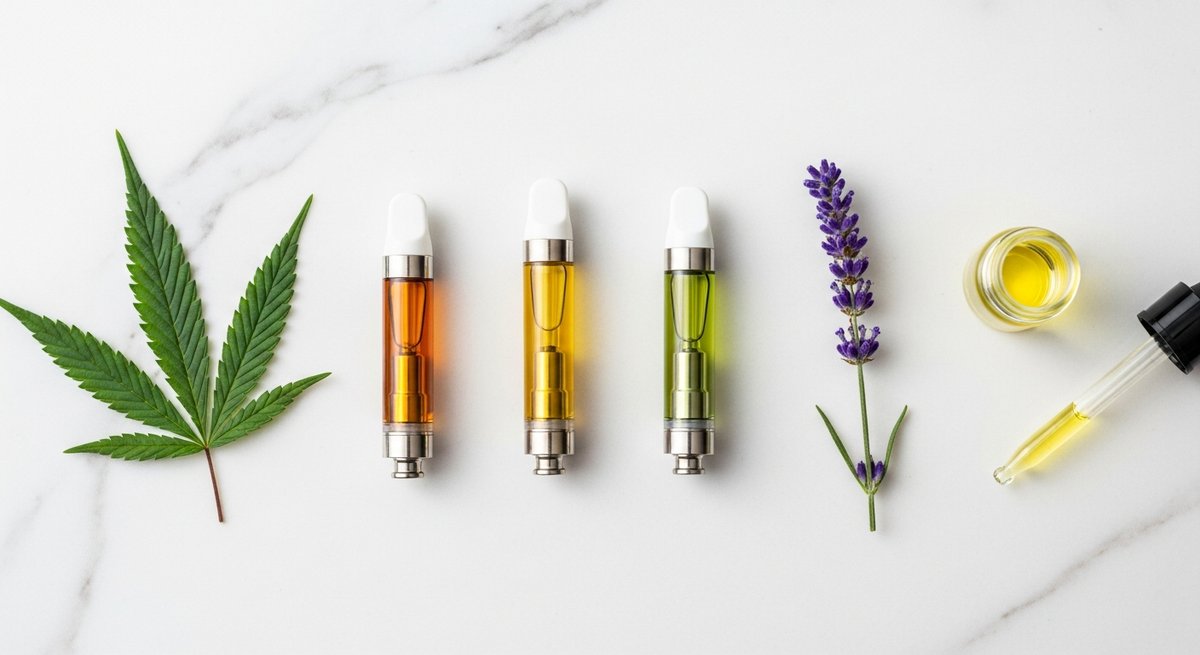
Not all cannabinoids hit the CB1 receptor with the same intensity. Delta-9 THC has a high binding affinity and produces a full agonist effect – that’s where the euphoria comes from, but also where the anxiety risk lives at higher doses. Delta-8 THC binds to CB1 receptors with somewhat less potency, which is why many users describe the experience as smoother and less likely to accelerate anxious thought patterns. For anxiety-sensitive consumers, that distinction is genuinely meaningful.
THCV is another cannabinoid showing up in some specialty carts worth knowing about. At lower doses it appears to act as a CB1 antagonist – partially blocking rather than activating those receptors – which theoretically could reduce anxiety while still delivering some of the cannabis experience. The research base is still thin, but early reports from users suggest it may be worth exploring for those who have found even Delta-8 a bit much. If you’re still exploring what a cart experience feels like for the first time, reading about the effects of Delta-8 carts and what to expect from that format helps you calibrate expectations before committing to a product.
Indica vs. Sativa vs. Hybrid: Does Strain Type Actually Matter for Anxiety?
The honest answer: the indica/sativa binary is useful shorthand, not a precise pharmacological framework. That said, the terpene profiles associated with these categories produce meaningfully different experiences. Indica-leaning strains tend to carry heavier concentrations of myrcene and linalool – both associated with body-focused relaxation and calming effects on the nervous system. For anxiety relief in the evening, an indica-dominant cart with these terpenes is usually the safer starting point.
Sativa-leaning carts are often higher in limonene and pinene. Limonene is associated with uplifting, energetic effects – which sounds appealing until you realize that “energetic” and “anxious” can feel remarkably similar when you’ve taken slightly too much. Sativas carry a higher ceiling-risk for THC-induced anxiety, particularly for new users. That doesn’t mean sativa-forward carts are categorically off the table for anxiety-prone people, but they require more experience and a more careful hand with dosing than their indica counterparts.
Dosing Strategy: The Single Most Important Variable

If there is one thing to take from this entire guide, it’s this: with anxiety and THC, less is almost always more. A single short puff from a vape cart delivers a meaningful dose – often 2 to 5 milligrams of cannabinoid depending on the cart’s concentration. That’s enough to feel genuine relief. Taking three or four long pulls right away, particularly with a high-potency distillate cart, is how people end up on the couch wondering if they need to call someone.
Vape carts have a faster onset than edibles – typically five to fifteen minutes – but that’s still long enough for impatient users to double-dose before the first hit has fully arrived. Take one puff, set the cart down, and give it a full fifteen minutes before deciding whether you want more. This simple habit prevents the majority of bad anxiety experiences with carts. Your environment and mental state at the moment of use also shape the experience significantly – THC doesn’t erase anxiety triggers, it amplifies whatever emotional context you bring to the session.
What the Research Says About Cannabis and Anxiety
Clinical research on cannabis specifically for anxiety disorders is still limited. Most of what we know comes from observational studies, surveys, and research on related conditions like PTSD rather than gold-standard randomized controlled trials targeting generalized anxiety disorder directly. What research does show fairly consistently is that higher doses of THC carry meaningful anxiety risk, while CBD at various doses appears to have an anxiolytic signal. The picture is nuanced, not black and white.
Survey-based research has suggested that a significant portion of medical cannabis users cite anxiety as one of their primary reasons for use, and a majority of those users report subjective benefit. However, self-reported benefit and objective clinical improvement are different things. Users who find cannabis helpful for anxiety may be experiencing genuine symptom relief, or they may be experiencing relief from cannabis withdrawal discomfort between uses – a distinction that matters when thinking about long-term patterns of use. This context doesn’t invalidate the experience, but it does argue for using carts thoughtfully rather than habitually.
Expert Insight
Dr. Alexander Tabibi
Dr. Alexander Tabibi
A 2024 systematic review published in The Journal of Clinical Psychiatry examined 14 studies on cannabis and cannabinoids in PTSD – a condition that shares substantial overlap with anxiety disorders in terms of hyperarousal, intrusive thoughts, and emotional dysregulation. The review found that 5 out of 10 studies reported benefits on overall PTSD symptoms, with the strongest signals appearing in hyperarousal and re-experiencing clusters. However, individuals with comorbid cannabis use disorder showed greater risk of symptom worsening rather than improvement.
The authors concluded that the current evidence base is insufficient to broadly recommend cannabis for PTSD or anxiety-adjacent conditions. For practical purposes, this means cannabis carts may help some users manage anxiety symptoms while carrying real risk for others. The direction of effect appears to depend substantially on dose, individual neurobiology, and use patterns – factors that reinforce a low-and-slow approach as the most defensible strategy for anxiety-prone users.
Rodas et al. (2024). A Systematic Review of the Clinical Effects of Cannabis and Cannabinoids in Posttraumatic Stress Disorder Symptoms and Symptom Clusters. The Journal of Clinical Psychiatry, 85(1). PMID: 38353645
What to Look For in a Cart: A Practical Checklist
Start with the cannabinoid profile. Look for carts that either use Delta-8 THC, a balanced THC-CBD blend, or THCA-dominant oil from calming indica or hybrid strains. Pure, high-potency Delta-9 distillate carts advertising 90%+ THC are generally not the right choice for anxiety-focused use without significant prior experience. For anxiety-prone users, carts in the 60 to 75 percent THC range tend to be more forgiving than those pushing 90 percent or above.
Check the terpene information. Brands that disclose their terpene profile are worth trusting more than those who don’t. For anxiety, you’re specifically looking for myrcene, linalool, and beta-caryophyllene. Beta-caryophyllene is particularly interesting because it binds CB2 receptors directly and has demonstrated anti-anxiety properties in preclinical models. When a cart includes this terpene alongside a moderate THC level, it tends to produce a notably calm experience.
Third-party lab testing (COA – certificate of analysis) is non-negotiable. A COA tells you the actual cannabinoid percentages, confirms terpene content, and screens for pesticides, heavy metals, and residual solvents. Without a COA, you have no reliable way to know what you’re actually inhaling, and that uncertainty introduces a risk layer that’s entirely avoidable. Reputable brands post COAs directly on their website, accessible by batch number from the packaging.
Oil type matters too. Live resin and live rosin carts preserve the full terpene spectrum far better than distillate-only options, bringing the entourage effect into play. For anxiety specifically, this balance tends to produce more predictable, gentler experiences than a stripped-down distillate doing all the work alone. The price difference between a quality live resin cart and a basic distillate cart is real, but for an anxiety-focused buyer, the investment consistently pays off in a more manageable experience.
Top Cart Options Worth Considering for Anxiety Relief
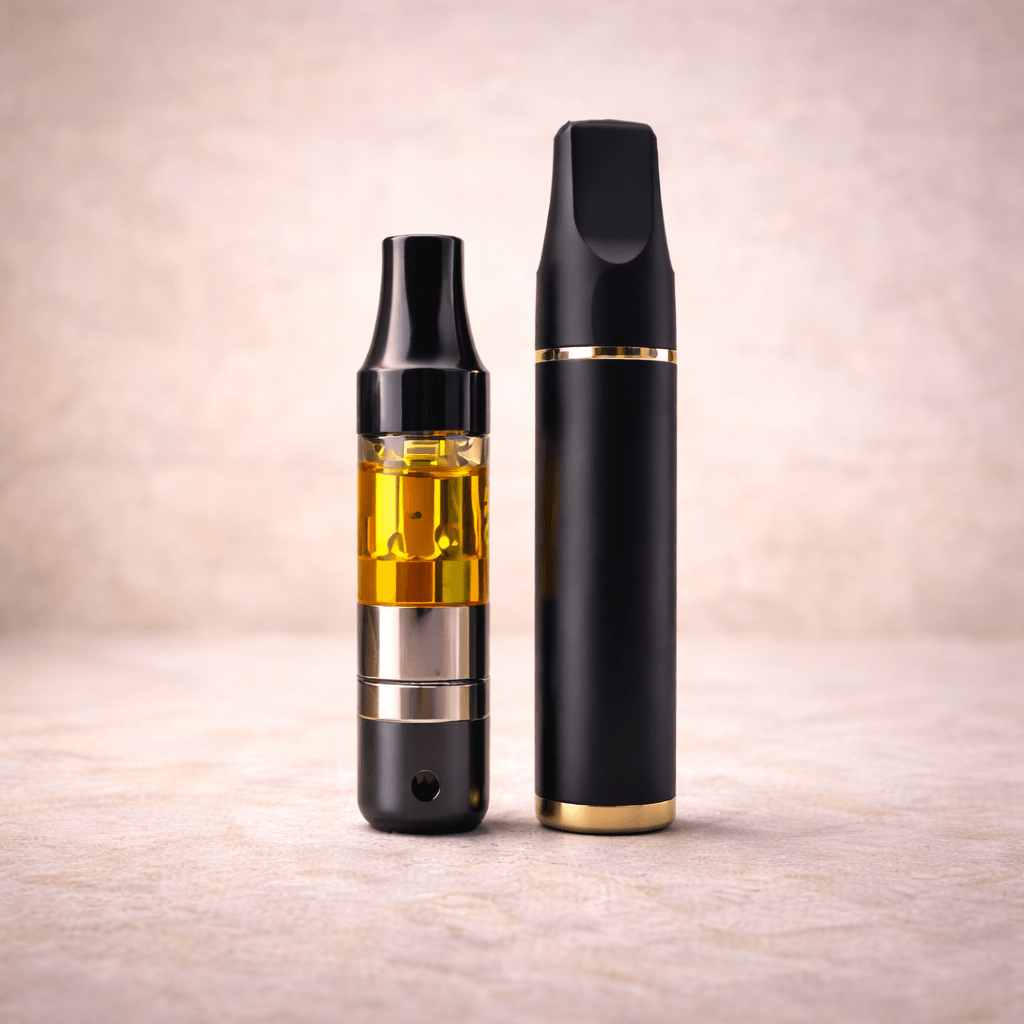
When thinking through which specific products fit the criteria above, Binoid consistently produces some of the more thoughtfully formulated options available online, with transparent lab testing and strain-specific formulations that matter for an anxiety-focused buyer. Their Delta-8 Tangie cartridge is notable for its terpene-forward profile and smooth effect curve. It sits in the hybrid/sativa-leaning family but at Delta-8 potency, which significantly reduces the anxiety ceiling compared to an equivalent Delta-9 distillate product – a meaningful distinction for anyone who has been burned by high-potency carts before.
The Tangie profile brings a citrus-forward terpene character that many users find uplifting without being stimulating, and at Delta-8 potency levels the effect lands as a gentle mood lift rather than an acute high. This makes it a solid choice for daytime anxiety management where you need to remain functional rather than fully sedated. It also represents a useful bridge for users who are transitioning from CBD-only products and want to explore what a mild THC experience feels like without taking a large leap.
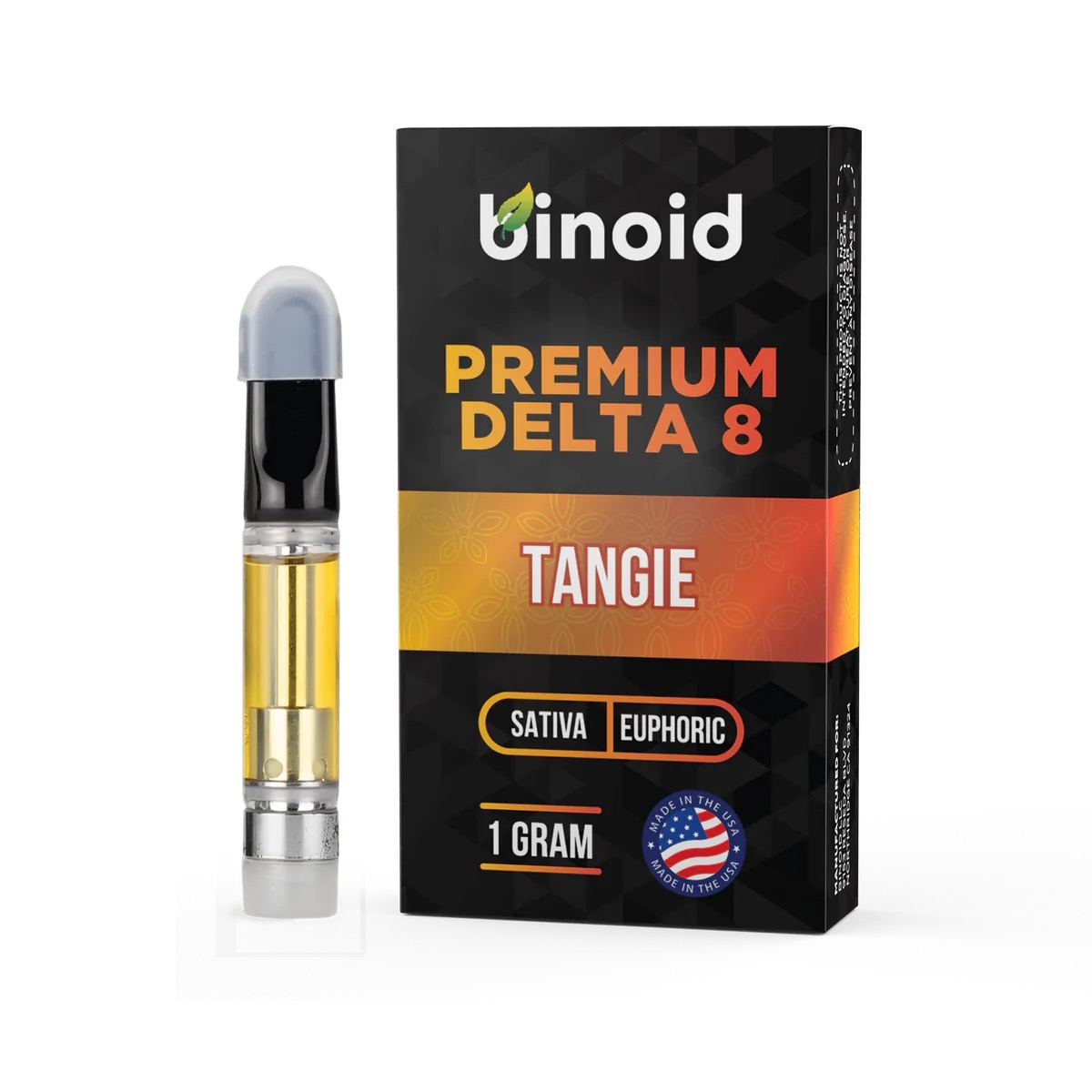
Binoid Delta-8 THC Vape Cartridge – Tangie
Delta-8 distillate with terpene-forward Tangie profile; third-party tested
For users who prefer a broader reference point before buying, exploring the best Delta-8 carts available in 2025 gives a useful comparative picture across different potency and price points. And if pairing carts with a low-dose edible regimen for sustained anxiety relief interests you, the breakdown of CBD and THC gummies for anxiety explains how those two formats differ and when each makes more sense.
Setting and Environment: The Overlooked Anxiety Variable
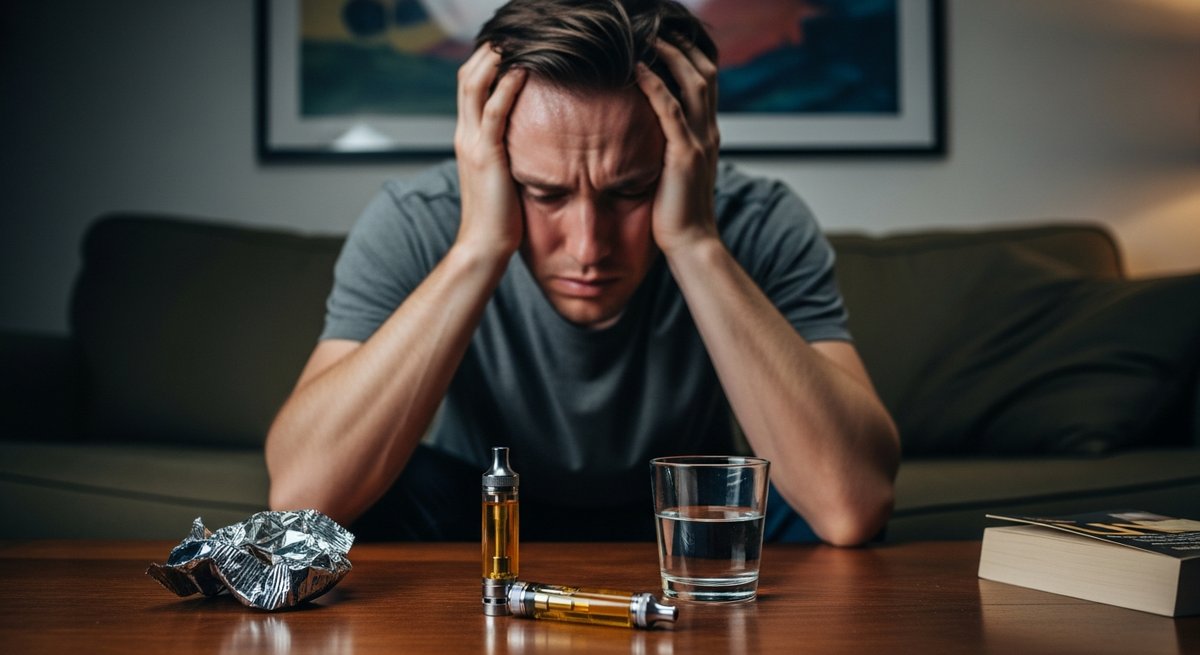
Product selection and dosing are only part of the equation. Where and with whom you use a cart significantly shapes whether the experience tilts toward calm or anxiety. This is the concept of set and setting – your internal mental state (set) and your external environment (setting) – and it applies to cannabis just as much as to other psychoactive experiences. A high-quality, well-dosed cart used in an uncomfortable social situation or a stressful environment can still produce an anxious experience.
For anxiety-focused use, the ideal setting is familiar, comfortable, and low-stakes. Your own home, a quiet outdoor space, or the company of one or two trusted people creates far more favorable conditions than a crowded party or an unfamiliar environment. If you’re new to carts specifically, your first session should happen somewhere you feel completely safe, with no obligations afterward. Removing the pressure of having somewhere to be or something to perform eliminates one of the most common anxiety triggers that cannabis can amplify.
Having a simple activity prepared also helps – something absorbing but not demanding, like music you enjoy, a comfort show, or a walk in a familiar neighborhood. Giving your mind something gentle to engage with prevents the kind of internal rumination loop where THC and anxious thoughts reinforce each other. Many experienced users find that pairing a cart session with a deliberate wind-down routine – dim lighting, comfortable temperature, no screens with news or stressful content – makes a significant qualitative difference in the experience.
FAQs
Can THC carts help with anxiety?
Some people find low-dose THC vape carts calming, especially strains with relaxing terpenes like myrcene or linalool. However, high THC levels can sometimes increase anxiety or paranoia, particularly for beginners or sensitive users.
What type of THC cart is best for avoiding paranoia?
Balanced formulas with lower THC and some CBD tend to feel smoother and less overwhelming. Indica or hybrid carts with calming terpene profiles are often preferred over highly stimulating sativa-heavy options.
Which terpenes are best for calm and relaxation?
Terpenes like linalool, myrcene, and beta-caryophyllene are commonly associated with relaxing effects. Beta-caryophyllene, also found in black pepper, may help soften anxious feelings during a high.
Is CBD better than THC for anxiety?
CBD is generally considered less likely to trigger paranoia because it is non-intoxicating. THC may help at low doses for some people, but higher doses can increase anxious feelings.
Should beginners use high-potency carts?
Usually not. Beginners often have a better experience with lower-potency carts or products that combine THC with CBD. Taking very small puffs and waiting a few minutes before another hit can help avoid discomfort.
Sources
Rodas et al. (2024). A Systematic Review of the Clinical Effects of Cannabis and Cannabinoids in Posttraumatic Stress Disorder Symptoms and Symptom Clusters. The Journal of Clinical Psychiatry, 85(1). PMID: 38353645
Hill et al. (2012). Endocannabinoid signaling, glucocorticoid-mediated negative feedback, and regulation of the hypothalamic-pituitary-adrenal axis. Neuroscience, 204:5-16. PMID: 22214537
Disclaimer: This article is for informational purposes only and does not constitute medical advice. Terpene and cannabinoid research, particularly in human populations, remains in early stages. Individual responses to cannabis products vary significantly. Consult a qualified healthcare provider before using cannabis or hemp-derived products to manage anxiety or any other medical condition.
For adults 21+ only. Cannabis laws vary by state. This content is not a substitute for professional medical advice, diagnosis, or treatment. If you are experiencing a mental health emergency, call 911 or go to your nearest emergency room immediately.